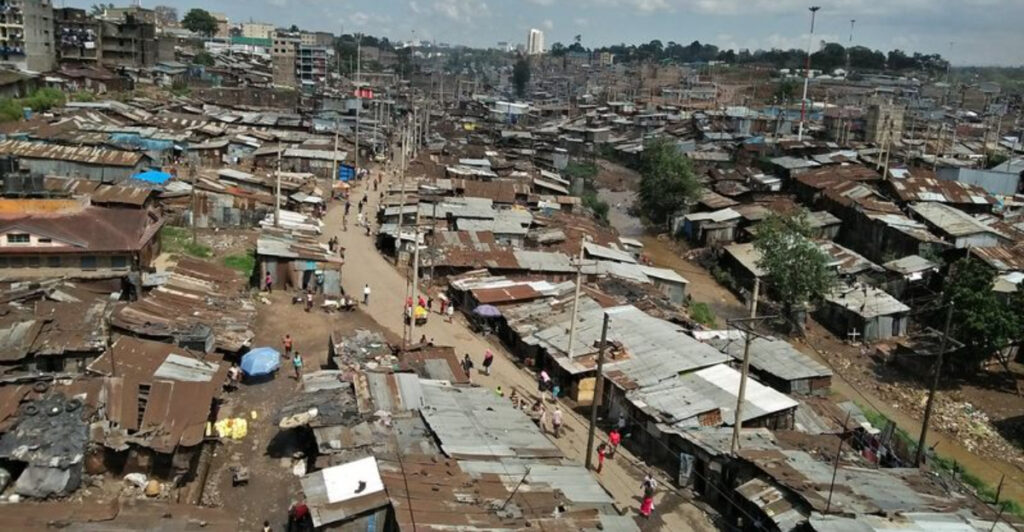
Around the world, millions of people live in slums, which are overcrowded urban areas with limited access to clean water, electricity, and proper housing. These communities often form when people move to cities looking for better opportunities but cannot afford formal housing.
Understanding life in these places helps us see both the struggles people face and the incredible resilience they show every day. From Africa to Asia to Latin America, these are the 14 largest slums in the world and what daily life looks like inside them.
1. Dharavi, Mumbai, India
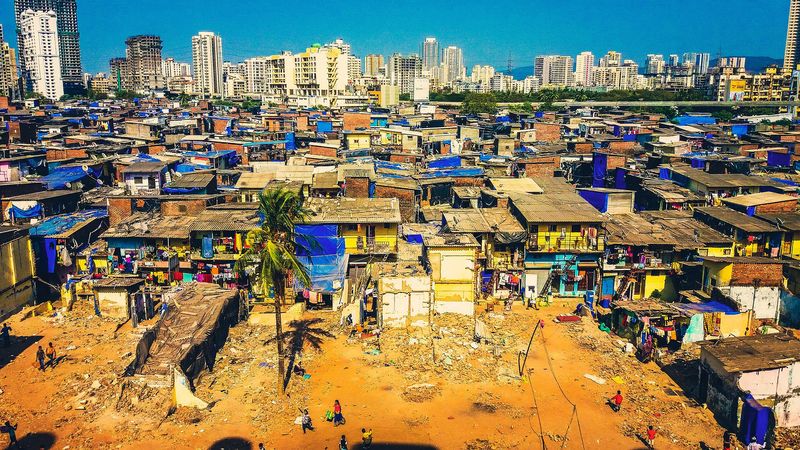
Squeezed into just about 2.1 square kilometers in the heart of Mumbai, Dharavi is home to an estimated 600,000 to one million people. That makes it one of the most densely populated places on Earth.
Despite its cramped conditions, Dharavi has a surprisingly active economy worth over $650 million annually.
Thousands of small businesses operate here, making leather goods, pottery, textiles, and recycled plastics. Workers often live and work in the same tiny space, sometimes sleeping just feet away from their tools and machines.
Children play in narrow lanes barely wide enough for two people to pass. Access to clean water is limited, and open drainage is a common sight.
Yet community ties in Dharavi are incredibly strong. Residents have built schools, clinics, and local organizations that work hard to improve daily life from within.
2. Neza-Chalco-Itza, Mexico City, Mexico
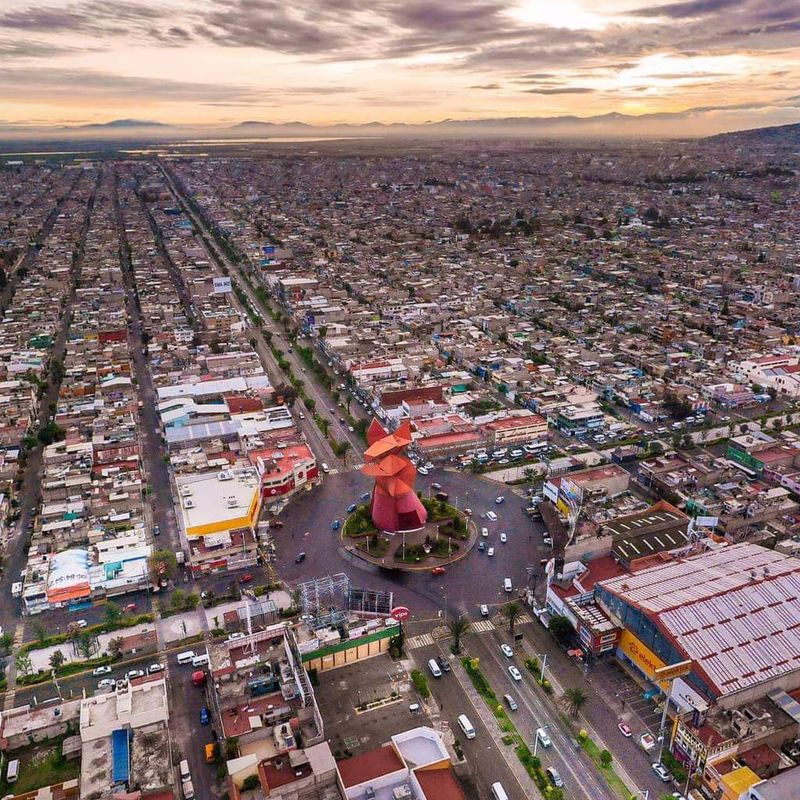
Ciudad Nezahualcoyotl, often called Neza, sits just east of Mexico City and is one of the most populated urban areas in the Western Hemisphere. At its peak, it housed over four million residents, many living in self-built concrete homes without proper permits or city services.
What started as a dried-up lakebed in the 1940s slowly transformed into a massive informal city as rural migrants flooded in searching for work. Early residents had no running water, no sewage systems, and no paved roads.
Over decades, many parts of Neza have been upgraded, but large sections still lack reliable infrastructure.
Gang activity and poverty remain serious concerns for many families. Still, a strong cultural identity has emerged here, with local musicians, artists, and athletes gaining national recognition.
Neza is a complicated place where hardship and community pride exist side by side.
3. Orangi Town, Karachi, Pakistan
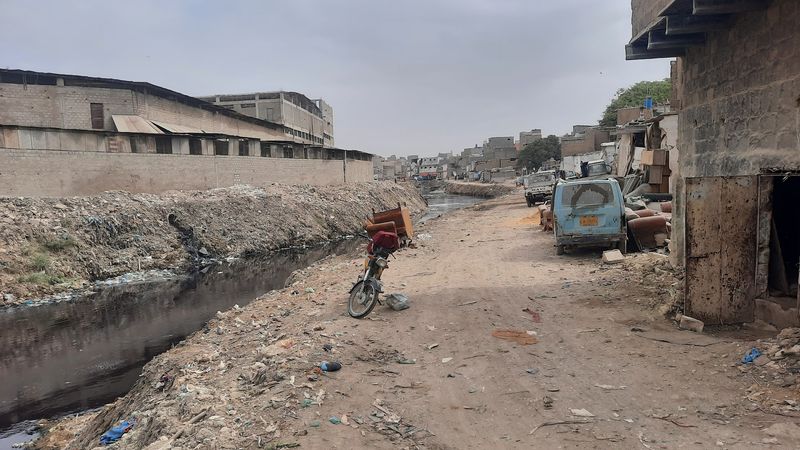
With a population estimated between 2.4 and 2.6 million people, Orangi Town is often listed among the largest slums in the world by sheer numbers. Located on the outskirts of Karachi, it grew rapidly after waves of migration from rural Pakistan and refugees from Bangladesh arrived in the 1970s.
One of Orangi Town’s most remarkable stories is its community-led sanitation project. Residents, frustrated by the lack of government help, organized themselves and built their own underground sewage system serving hundreds of thousands of homes.
It became a model studied by urban planners worldwide.
Despite this achievement, poverty remains widespread. Many families live in brick homes with limited electricity and unreliable water supply.
Schools are often overcrowded, and healthcare access is uneven. Even so, Orangi Town is a place where ordinary people have repeatedly shown extraordinary determination to solve their own problems.
4. Kibera, Nairobi, Kenya
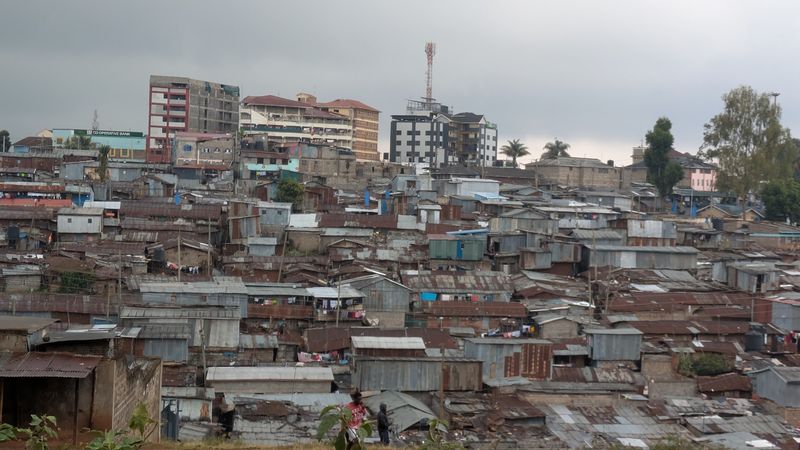
Kibera is widely recognized as Africa’s largest urban slum, located just a few kilometers from Nairobi’s modern city center. Estimates of its population range from 250,000 to over one million, depending on the source, making accurate counts difficult due to constant movement of residents.
Most homes here are single-room structures made of mud walls and corrugated iron sheets. Families of five or six often share one small room used for sleeping, cooking, and storage.
Running water is rare, and residents frequently buy water from vendors at prices higher than what wealthier Nairobi neighborhoods pay.
Despite these hardships, Kibera has produced politicians, musicians, athletes, and entrepreneurs. Community organizations run schools, health clinics, and youth programs that give residents real pathways forward.
The slum even has its own newspaper and radio station. Life in Kibera is hard, but it is also full of creativity and determination.
5. Khayelitsha, Cape Town, South Africa
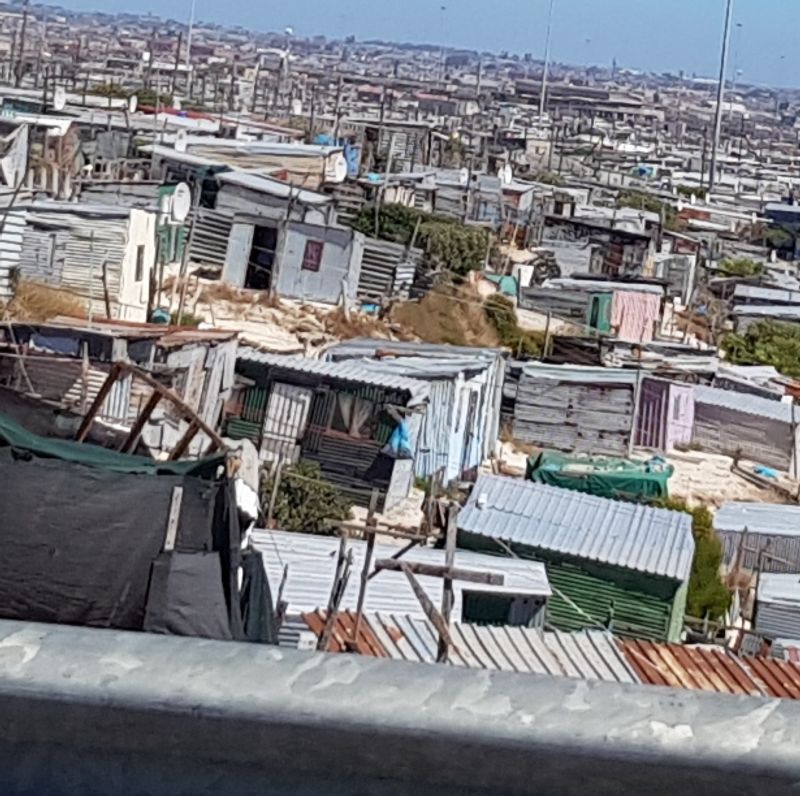
Khayelitsha means ‘new home’ in Xhosa, but for many of its roughly 400,000 to 500,000 residents, life here is far from comfortable. Established in 1983 during the apartheid era, it was designed to relocate Black South Africans away from Cape Town’s city center, a painful history that still shapes the community today.
Large sections of Khayelitsha consist of informal shacks made from corrugated metal and scrap wood. These structures offer little protection from Cape Town’s cold, wet winters.
Unemployment rates in the area are among the highest in South Africa, and crime, particularly violent crime, is a persistent problem.
Yet Khayelitsha is also known for its vibrant culture, lively music scene, and community activism. Residents have organized powerful movements demanding better housing, water access, and police accountability.
The community’s fighting spirit has made it a symbol of resilience in post-apartheid South Africa.
6. Rocinha, Rio de Janeiro, Brazil
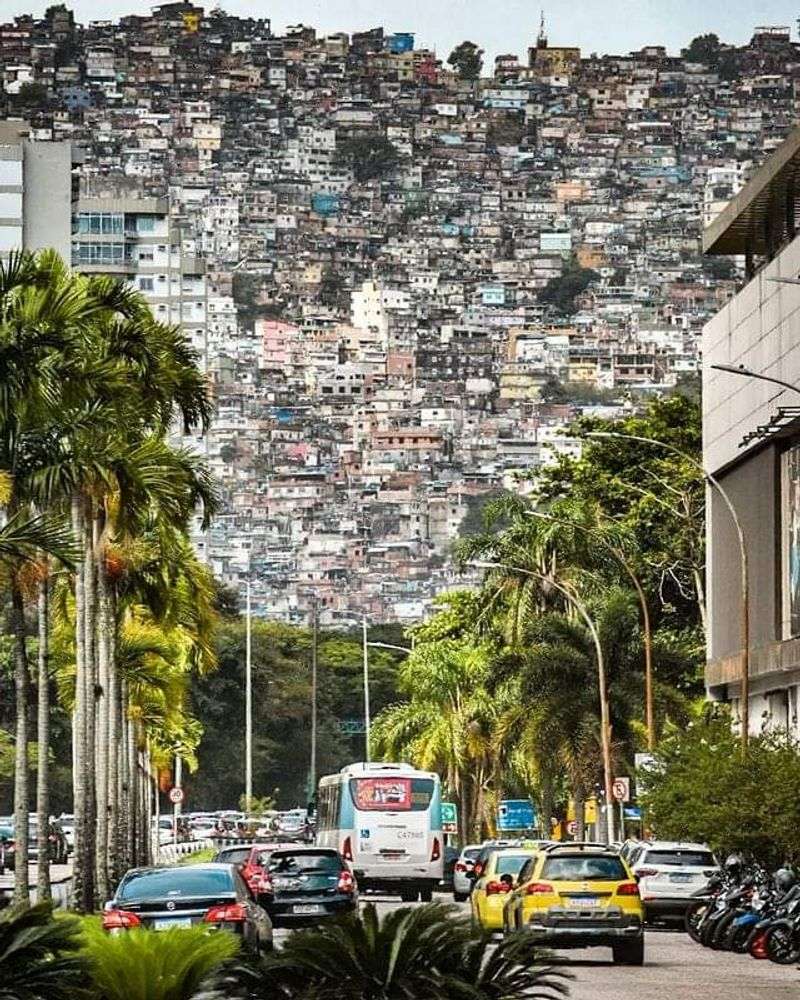
Clinging to a steep hillside between two of Rio de Janeiro’s wealthiest neighborhoods, Rocinha is Brazil’s largest favela with an estimated 70,000 to 180,000 residents. Its location is striking: from certain spots, you can see luxury apartments and the glittering Atlantic Ocean just below.
Unlike many slums, Rocinha has a surprisingly developed internal economy. Shops, restaurants, banks, cable TV providers, and even a small hotel operate within its winding lanes.
Most homes are built from concrete and brick, stacked floor upon floor as families expand upward rather than outward.
Access to clean water and sanitation has improved over the years, though gaps remain. Drug trafficking organizations have historically controlled parts of Rocinha, creating safety risks for residents.
Government pacification programs brought police into the favela, with mixed results. For most families living here, daily life is a balance between community warmth and real ongoing challenges.
7. Makoko, Lagos, Nigeria
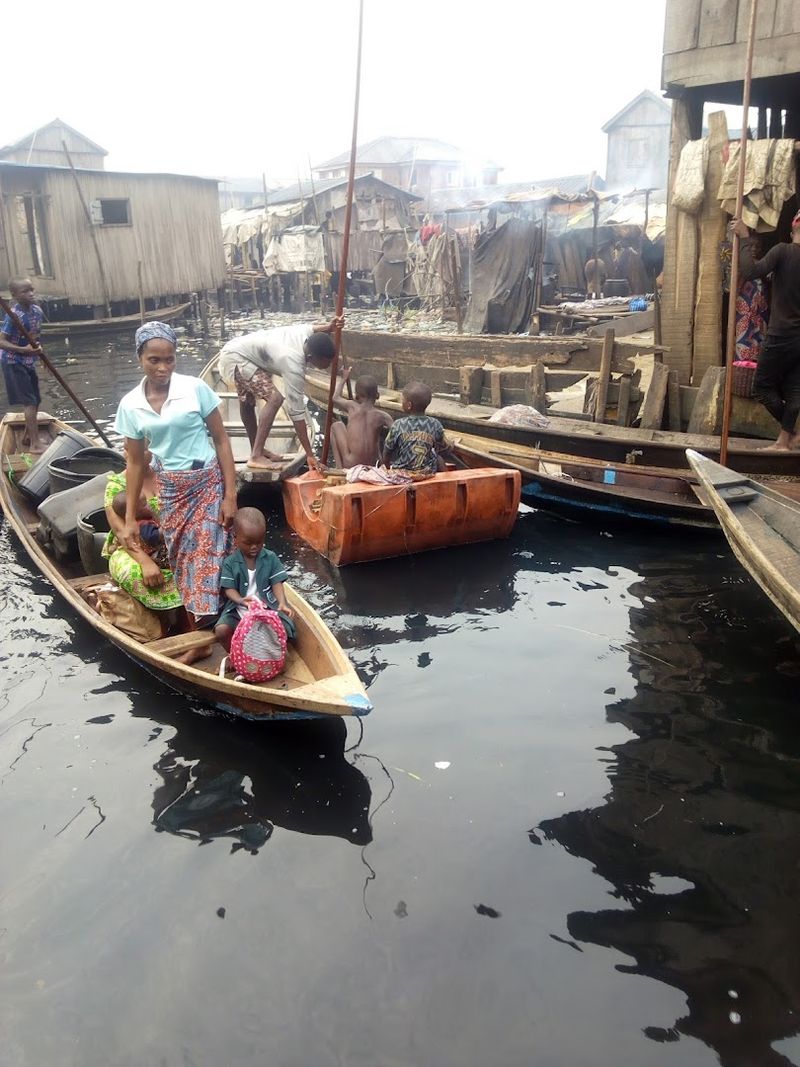
Makoko is unlike almost any other slum in the world. Built directly over Lagos Lagoon, thousands of wooden homes stand on stilts above the water, and residents travel by canoe instead of walking down streets.
It is sometimes called the ‘Venice of Africa,’ though life here is far more precarious than that nickname suggests.
An estimated 85,000 to 300,000 people live in Makoko, many of them descendants of fishing communities that settled here generations ago. The lagoon, once a source of food and livelihood, is now heavily polluted with sewage and waste, making fishing increasingly difficult and the water unsafe.
Children paddle small boats to floating schools, and markets operate from canoes moving through narrow waterways. Nigerian authorities have repeatedly threatened demolitions, displacing thousands with little warning.
Despite this constant uncertainty, Makoko’s residents hold tightly to their unique way of life and their community identity.
8. Manshiyat Naser (Garbage City), Cairo, Egypt
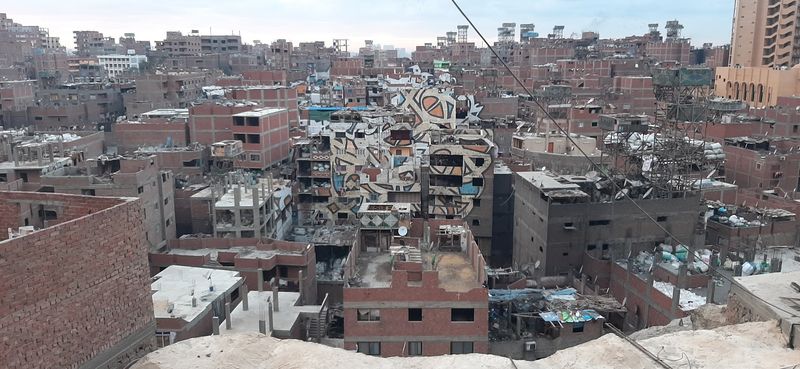
Tucked against the Mokattam cliffs on the edge of Cairo, Manshiyat Naser is home to the Zabaleen, a Coptic Christian community that has collected and recycled Cairo’s garbage for generations. The name ‘Garbage City’ comes from the mountains of waste that fill nearly every alley and rooftop here.
What looks chaotic from the outside is actually a remarkably efficient recycling system. The Zabaleen recycle an estimated 80 to 85 percent of the waste they collect, far outperforming many formal municipal systems around the world.
Families sort, process, and sell recyclable materials right in their homes and workshops.
About 60,000 to 70,000 people live here in cramped, dusty conditions alongside pigs, goats, and mountains of material. Despite the difficult environment, the community has built schools, churches, and social programs.
The Zabaleen’s story is one of extraordinary resourcefulness turning what others discard into a sustainable livelihood.
9. Tondo, Manila, Philippines
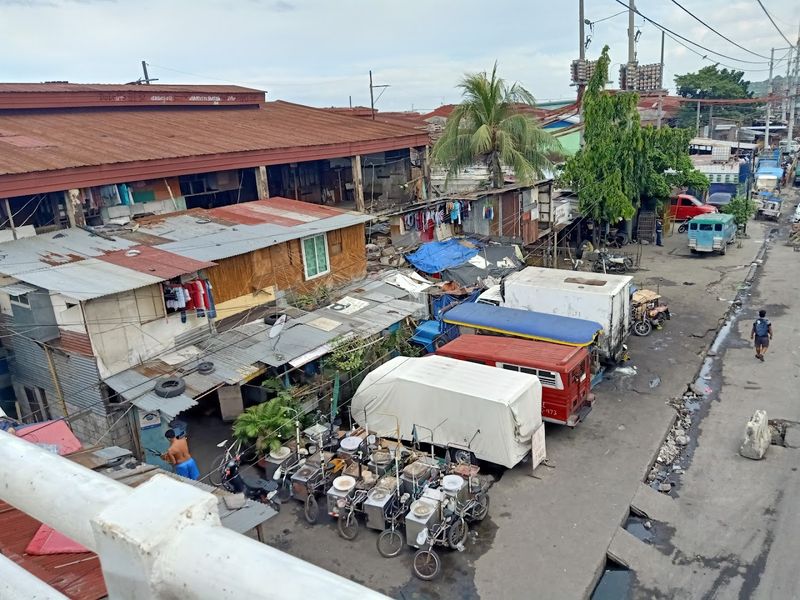
Tondo is one of Manila’s oldest and most densely populated districts, home to an estimated 630,000 to 700,000 people packed into a relatively small area along Manila Bay. It has long been associated with urban poverty, with large sections consisting of informal settlements built from salvaged wood, metal, and concrete.
Smokey Mountain, a massive garbage dump within Tondo, became internationally famous in the 1980s and 1990s when thousands of families literally lived on top of it, scavenging recyclables to survive. The dump was officially closed, but poverty in the surrounding area never fully went away.
Today, many Tondo residents work in the informal economy as vendors, tricycle drivers, or factory workers. Community organizations and churches play a major role in providing education and social services.
Tondo is a place with deep roots, a proud local identity, and people who refuse to let difficult circumstances define their entire story.
10. Ajegunle, Lagos, Nigeria
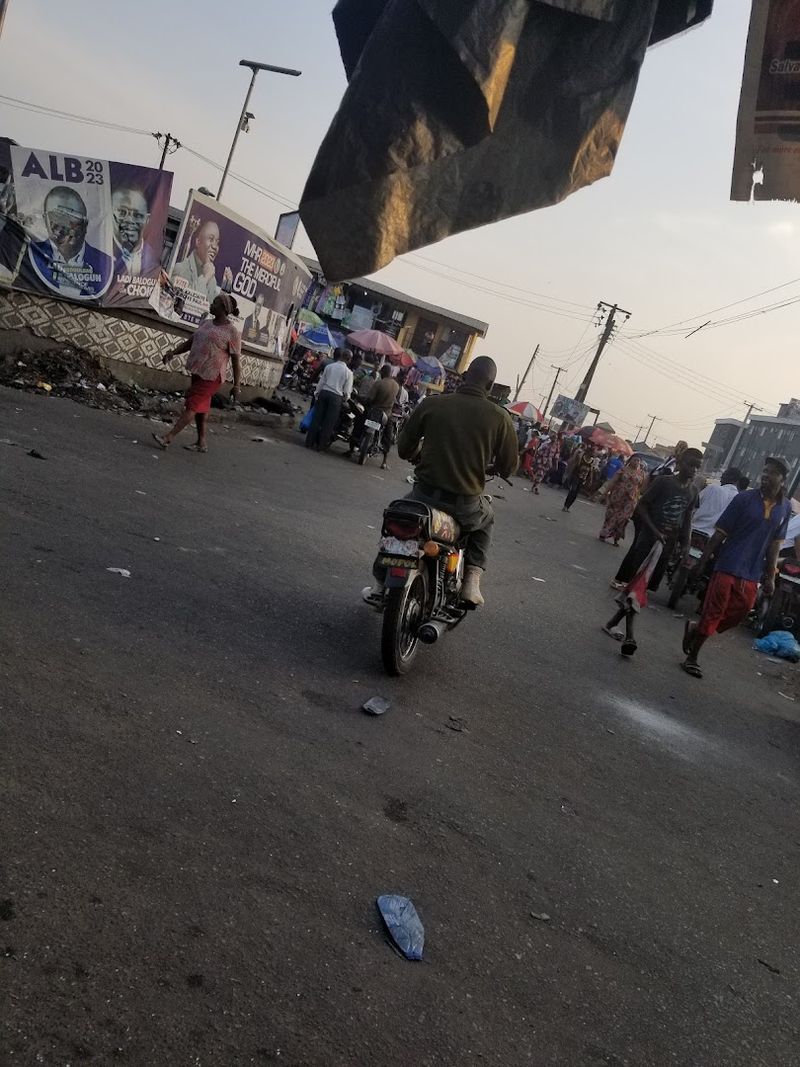
Known locally as ‘AJ City,’ Ajegunle is one of Lagos’s most densely populated urban neighborhoods, home to an estimated one million people. It sits on low-lying land prone to flooding, and during rainy season, streets regularly turn into rivers, making movement and daily life extremely difficult.
Despite its reputation for poverty, Ajegunle has an outsized cultural impact on Nigeria. The neighborhood has produced some of the country’s most celebrated musicians, boxers, and footballers.
Afrobeats and highlife music thrived here, and Ajegunle is often credited as a creative engine behind Lagos’s vibrant entertainment scene.
Most residents live in crowded tenement buildings, sharing bathrooms and kitchens with multiple families. Unemployment is high, and many young people turn to street trading to make ends meet.
Yet a powerful sense of neighborhood pride runs through Ajegunle. Locals often say that if you survive AJ City, you can survive anywhere.
11. Kampung Pulo, Jakarta, Indonesia
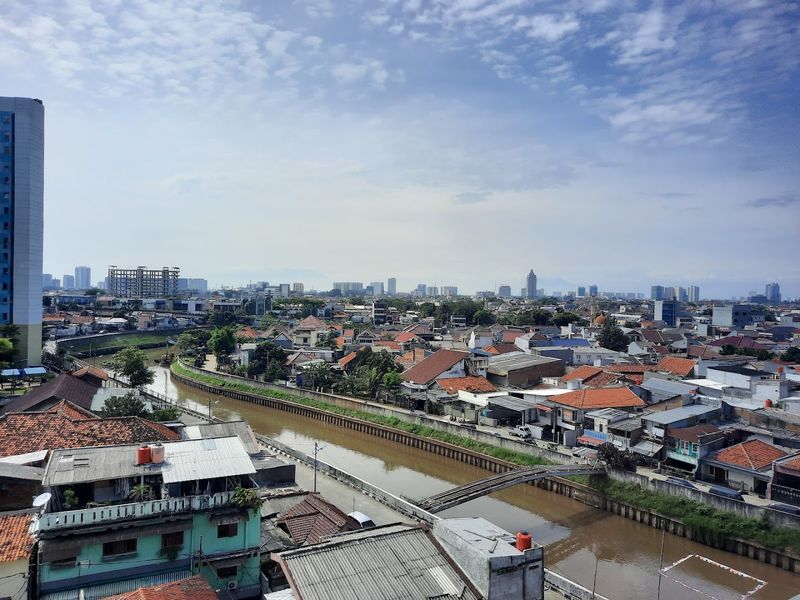
Kampung Pulo sits directly along the banks of the Ciliwung River in central Jakarta, and flooding is not just a seasonal problem here. It is a defining feature of everyday life.
Thousands of families have built homes on land that technically belongs to the river’s flood zone, making them vulnerable every time heavy rain hits the city.
During major floods, water can rise to chest height inside homes, forcing families to move furniture to upper floors or evacuate entirely. After the water recedes, residents return, clean up, and rebuild, sometimes within days.
This cycle has repeated itself for decades.
The Indonesian government has periodically relocated families from Kampung Pulo to make way for flood control infrastructure, a process that has been deeply controversial. Many residents resist relocation, having built entire lives and social networks in the area.
Their story raises hard questions about urban development, displacement, and who gets to decide where people live.
12. Mathare, Nairobi, Kenya
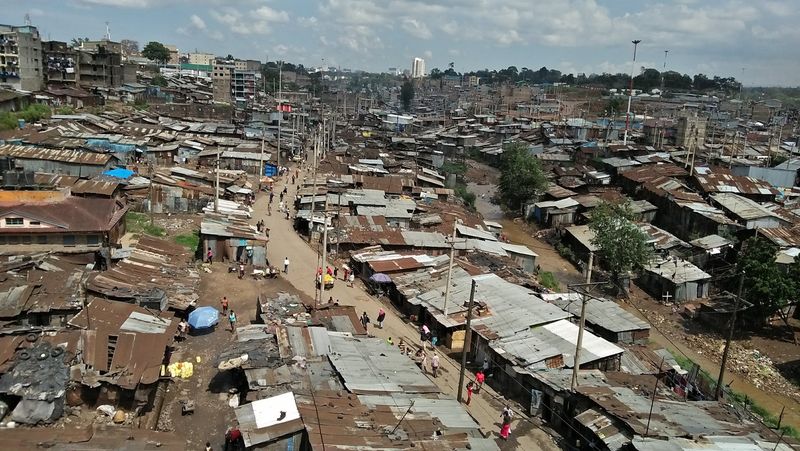
Mathare is one of Nairobi’s oldest slums, dating back to the colonial era when African workers were pushed into segregated settlements outside the city center. Today it is home to an estimated 500,000 people living in a valley carved by the Mathare River, which frequently floods and carries significant pollution.
Housing conditions in Mathare are among the most challenging in Nairobi. Corrugated iron rooms measuring roughly 10 by 10 feet house entire families.
Sanitation is a critical issue, with shared pit latrines serving hundreds of people and open waste disposal contaminating the river running through the community.
Despite these conditions, Mathare has a proud history of political organizing and youth activism. The Mathare Youth Sports Association has used soccer as a tool to address violence and unemployment for decades.
Local leaders and organizations continue to push for better services, proving that even in the toughest environments, communities find ways to advocate for themselves.
13. Soweto Informal Sections, Johannesburg, South Africa
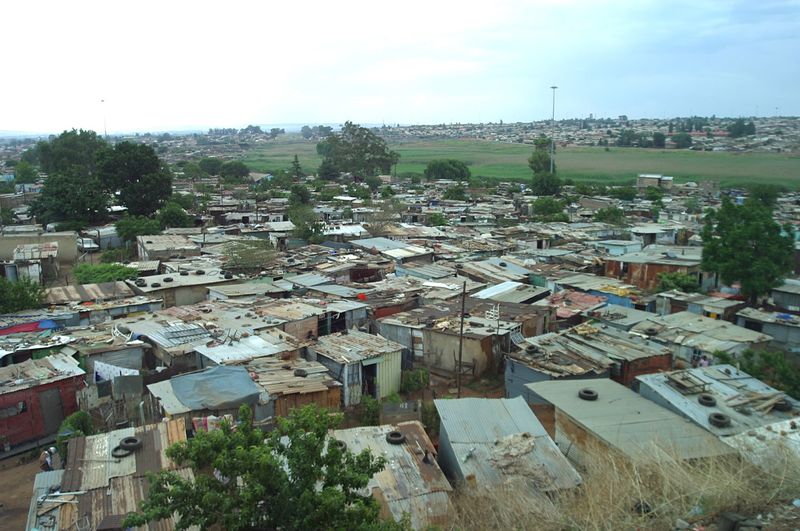
Soweto is world-famous as the birthplace of the 1976 student uprising against apartheid and the former home of Nelson Mandela. But while parts of Soweto have developed significantly since the end of apartheid, large informal sections still exist where residents live in corrugated iron shacks without reliable water or electricity connections.
These informal zones within Soweto are home to hundreds of thousands of people, many of whom migrated from other parts of South Africa or from neighboring countries seeking economic opportunity in Johannesburg. The gap between Soweto’s more developed areas and its informal settlements is stark and visible.
Unemployment in the informal sections runs extremely high, and residents often rely on small informal businesses, piece-work construction jobs, or support from relatives to get by. Community members have repeatedly called on the city government to accelerate housing upgrades.
Soweto’s informal sections represent an unfinished chapter in South Africa’s long journey toward equality.
14. Santa Marta Favela, Rio de Janeiro, Brazil
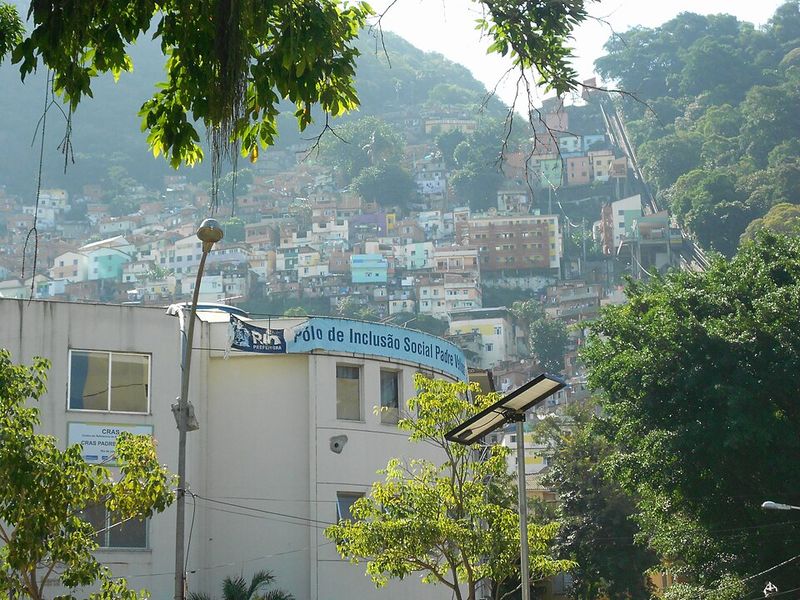
Santa Marta gained international fame partly because of Michael Jackson, who filmed his 1996 music video ‘They Don’t Care About Us’ on its steep, colorful streets. A life-size statue of Jackson now stands in the favela as a proud reminder of that moment.
But beyond the celebrity connection, Santa Marta tells a deeper story about urban life in Brazil.
Home to roughly 8,000 residents, Santa Marta was the first favela in Rio to receive a government pacification police unit in 2008, an experiment in reducing gang control through permanent police presence. A cable car system was also installed, making it easier for residents to move up and down the steep hillside.
The results have been mixed. Crime dropped in some periods but rose again during others.
Still, Santa Marta’s residents have used its global recognition to attract tourism, art projects, and investment. It is a small community with a surprisingly large footprint on the world stage.
Share this story