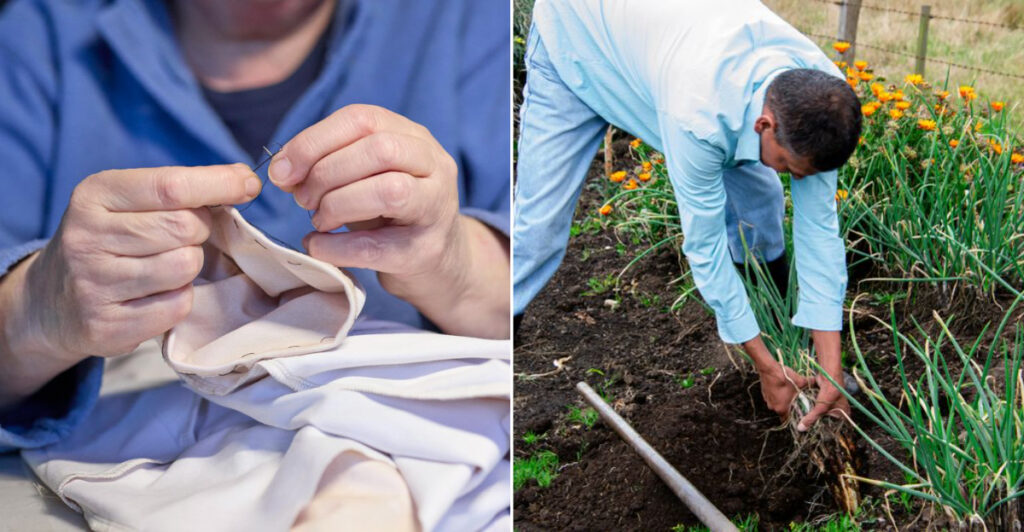
Some skills that used to be taught at the kitchen table or in school hallways have quietly slipped through the cracks. A generation ago, kids learned to sew buttons, read maps, and cook a meal without a single app or YouTube tutorial.
Now, many of those same skills feel like ancient superpowers. Here is a look at 15 once-common abilities that are becoming surprisingly rare today.
Personal Budgeting & Money Management

Most people find out the hard way that nobody teaches you how money actually works. Budgeting used to be a household ritual, something parents passed down like a family recipe.
Now, swiping a card feels so effortless that tracking spending seems almost old-fashioned.
Here is the truth: knowing where your money goes is the single most powerful financial habit you can build. Writing down your income, fixed bills, and daily spending takes less than 20 minutes a week.
That small effort can mean the difference between saving for a vacation and drowning in credit card debt.
Apps like Mint or a simple spreadsheet make it easier than ever to start. Avoiding debt is not about earning more money.
It is about understanding what you already have. Learning to budget is not boring, it is basically a cheat code for life.
Basic Investing & Retirement Planning
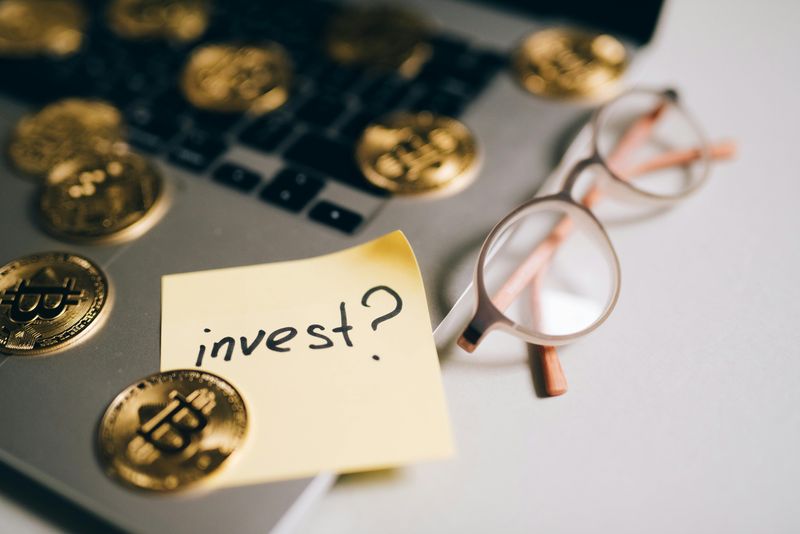
Compound interest is one of the most powerful forces in personal finance, yet most people were never taught what it actually means. Simply put, your money earns interest, and then that interest earns interest too.
Over decades, that snowball effect can turn modest savings into serious wealth.
Retirement feels impossibly far away when you are young, so most people put off thinking about it entirely. That is a costly mistake.
Starting a retirement account at 22 versus 35 can result in a difference of hundreds of thousands of dollars by the time you retire.
You do not need to be a Wall Street wizard to invest. Low-cost index funds and employer-matched 401(k) plans are beginner-friendly starting points.
The real trick is simply starting. Even putting away $25 a month builds a habit and a foundation.
Future you will be very, very grateful.
Filing Taxes Independently
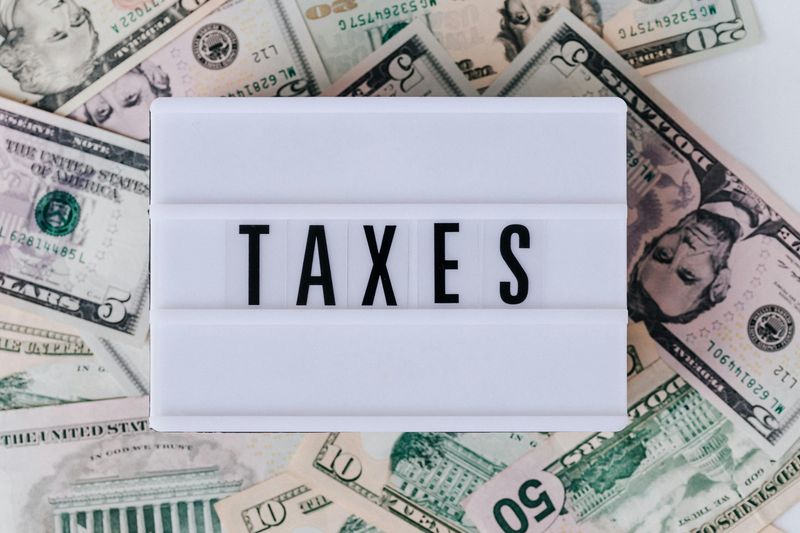
Tax season used to be a rite of passage. You gathered your W-2 forms, sat down with some patience, and figured it out.
Today, most people hand everything off to software or a professional without ever understanding what is actually happening.
That gap in knowledge is a bigger deal than it sounds. When you do not understand taxes, you miss deductions, misread your paycheck, and have no idea why your refund shrinks every year.
Understanding tax brackets, deductions, and credits gives you real control over your financial life.
Filing your own taxes at least once is genuinely educational. Free tools like IRS Free File make it accessible for most people with straightforward returns.
Once you see how the numbers connect, your whole relationship with money starts to shift. Taxes are not a mystery.
They are just math with a lot of paperwork attached.
Cooking From Scratch
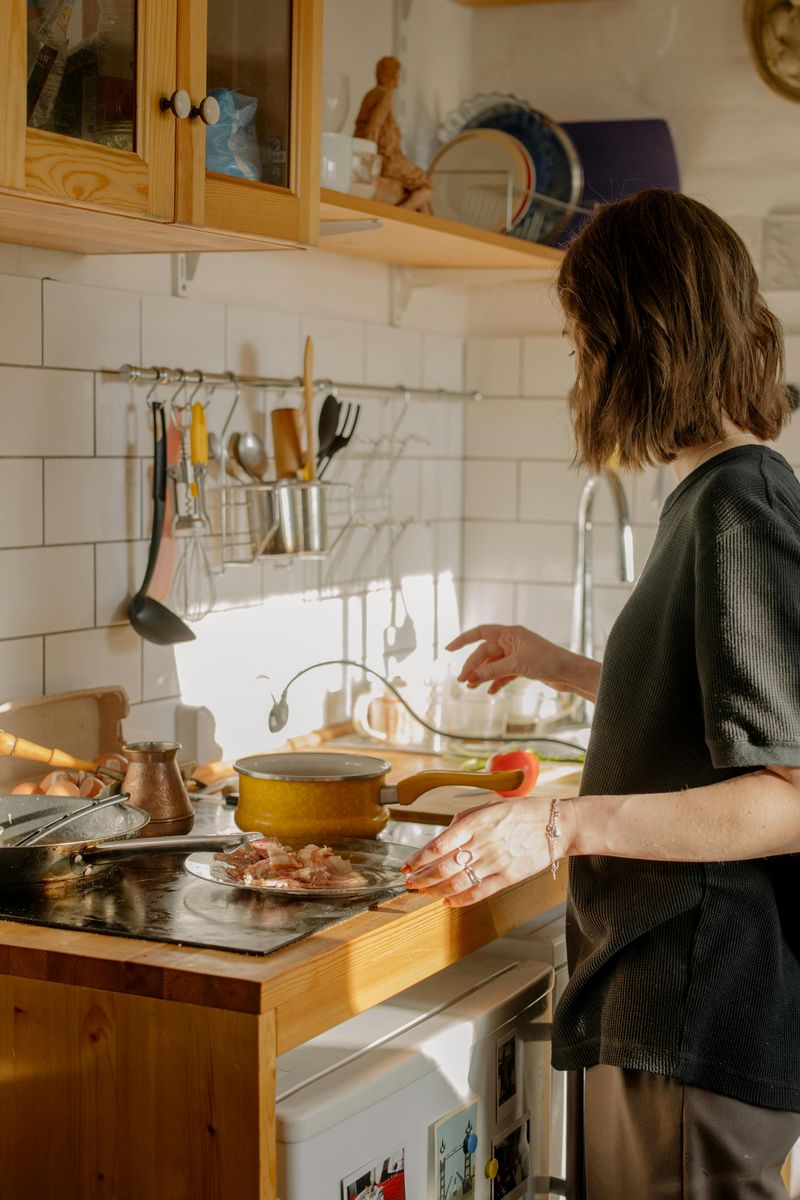
Fast food and delivery apps have made cooking feel optional, which is honestly a bit of a tragedy. There is something deeply satisfying about turning raw ingredients into an actual meal.
Plus, the savings are real: a homemade pasta dish costs a fraction of what a restaurant charges for the same thing.
Cooking from scratch does not mean spending three hours making croissants from memory. It means knowing how to roast a chicken, cook rice without a rice cooker, and make a sauce that does not come from a jar.
Those basics go a long way.
I started cooking simple meals in college out of pure financial desperation, and it genuinely changed how I eat. The health benefits alone are worth it.
When you make food yourself, you control what goes in it. No mystery oils, no surprise sodium bombs.
Just real food, made by you.
Reading Physical Maps
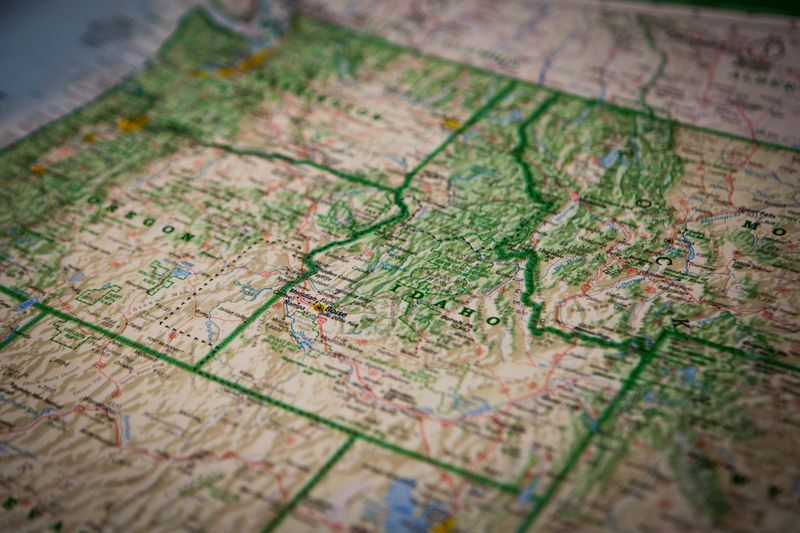
GPS has turned all of us into passengers in our own commutes. You follow the blue dot, you arrive, and you have absolutely no idea how you got there.
Ask someone to describe a route without their phone and watch the mild panic set in.
Reading a physical map is a skill that builds spatial awareness, which is a fancy way of saying it helps your brain understand how places connect. Before GPS, people memorized routes, understood cardinal directions, and could actually navigate a new city without a signal.
That confidence is worth having.
Map-reading is not just a nostalgic hobby for road trip enthusiasts. In emergencies, when your phone dies or signal disappears, a paper map is genuinely useful.
Many national parks still sell them at trailheads. Picking one up and actually using it on your next hike is a surprisingly fun challenge.
Your phone does not need to know everything.
Handwriting (Especially Cursive)
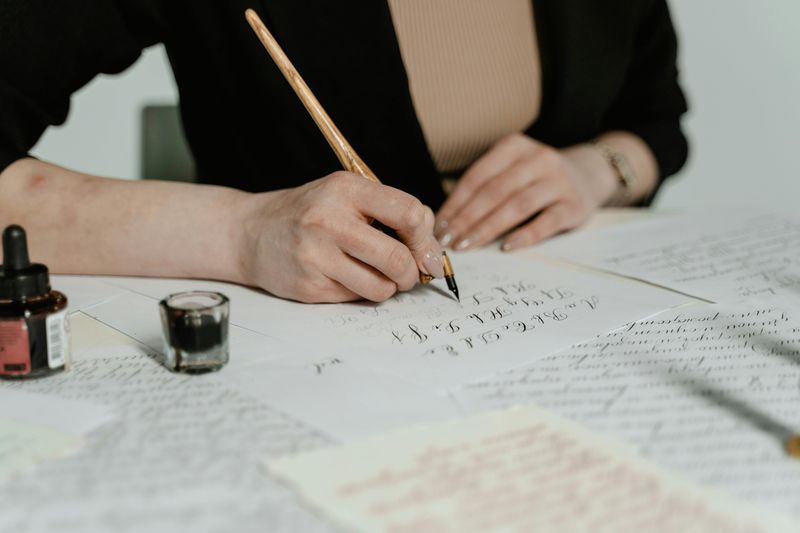
Cursive handwriting was once considered a basic literacy skill, right up there with reading and arithmetic. Now it has been quietly dropped from most school curricula, and a whole generation is growing up unable to read a handwritten letter from their grandparents.
That is not just a sentimental loss. Many historical documents, from personal diaries to legal records, are written in cursive.
If you cannot read it, you are locked out of a huge chunk of written history. Researchers, archivists, and genealogists deal with this problem constantly.
Beyond history, handwriting by hand has proven cognitive benefits. Studies show that writing notes by hand improves memory and comprehension compared to typing.
Even printing neatly is a skill worth maintaining. Picking up a pen and writing a real letter to someone is a small act that carries surprising weight.
Bonus: your handwriting is uniquely yours, and no font can replicate that.
Mental Math
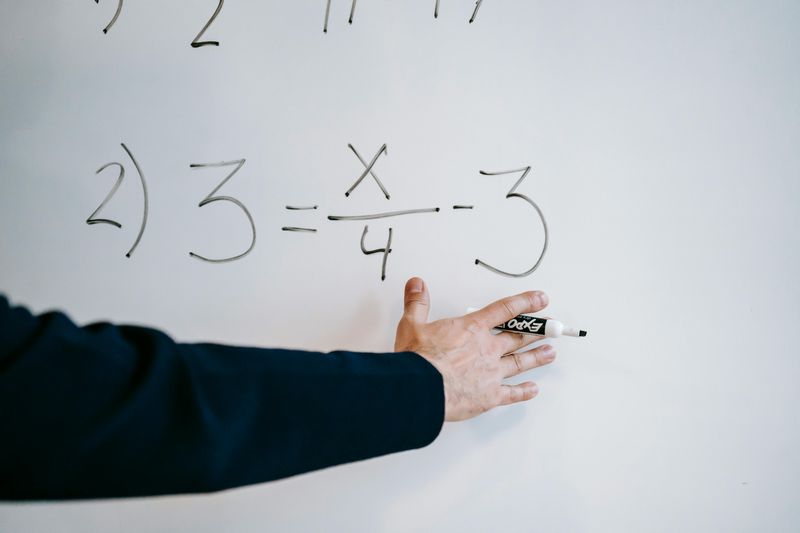
Calculators are everywhere now, including in the phones we carry 24 hours a day. That convenience has quietly eroded something genuinely useful: the ability to run quick numbers in your head.
Mental math is not just a party trick. It is a practical everyday tool.
Knowing whether a restaurant tip is right, whether a sale price is actually a deal, or whether your change is correct all requires fast mental calculation. When you rely entirely on a device for these moments, you become surprisingly vulnerable to errors and even scams.
The good news is that mental math is a trainable skill, like a muscle you can build back up. Simple daily habits help: estimate your grocery total before checkout, calculate tips without your phone, or try multiplying two-digit numbers in your head during a commute.
Start small. The goal is not to become a human calculator.
It is to stay sharp and confident with numbers.
Face-to-Face Communication
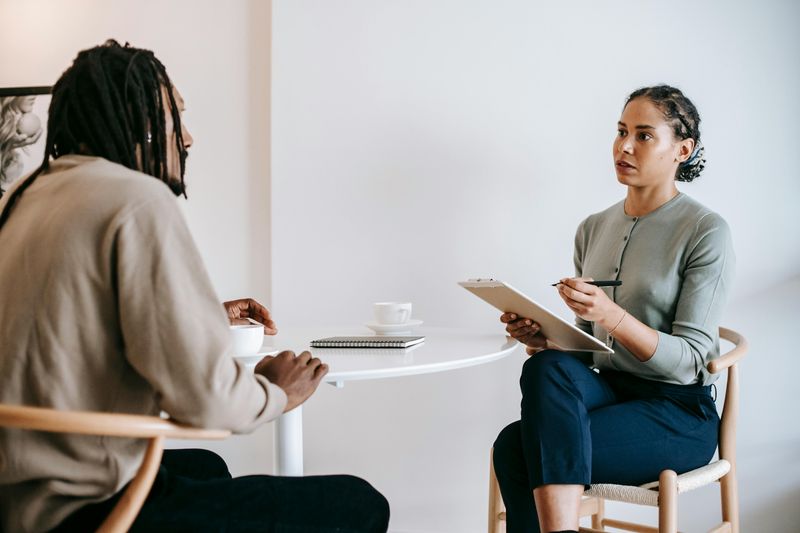
Texting has made avoiding awkward conversations almost too easy. Why call when you can send a voice memo?
Why meet when you can Zoom? The slow retreat from face-to-face interaction has had real consequences, especially for people entering the workforce for the first time.
Verbal communication is not just about words. It is about eye contact, tone, body language, and knowing when to pause.
These are skills you only develop by actually talking to people in person. Job interviews, negotiations, and networking all depend on them.
No amount of texting fluency will substitute for that.
I noticed my own in-person communication getting rusty after a long stretch of remote work. Getting back into regular conversations felt almost like physical therapy.
The fix is simple: put the phone down during meals, have real conversations, and practice listening as much as talking. Good communication is not a personality trait.
It is a skill, and skills can be learned.
Basic Home Maintenance
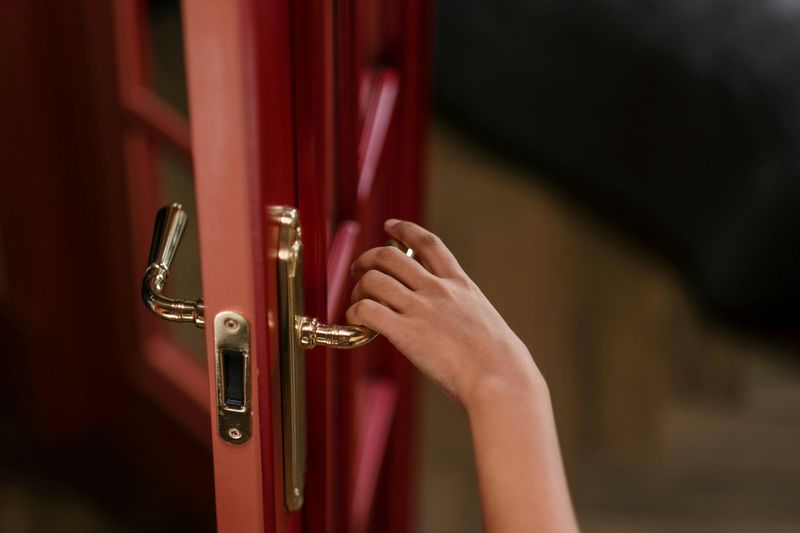
A leaky faucet that drips once per second wastes over 3,000 gallons of water per year. That is a real statistic, and it is a problem that most homeowners now solve by calling a plumber rather than picking up a wrench.
Basic home maintenance has quietly become a lost art.
Knowing how to patch a wall, unclog a drain, reset a circuit breaker, or fix a running toilet is not just handy. It saves serious money.
Tradespeople are expensive, and many small repairs genuinely take less than 30 minutes with the right know-how. YouTube has made this more accessible than ever.
The bigger issue is confidence. Many people avoid home repairs because they were never taught to try.
Starting small helps: replace a doorknob, change an air filter, caulk a bathtub. Each small win builds real capability.
Owning a home without any maintenance knowledge is like owning a car and never checking the tires.
Car Maintenance Basics
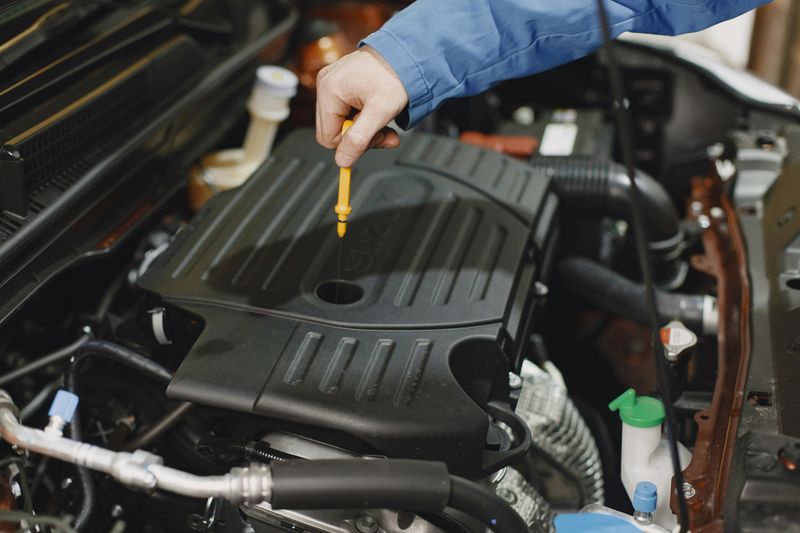
There was a time when checking your own oil was as routine as brushing your teeth. Now, a surprising number of drivers have never popped their hood for any reason other than to look confused when the check engine light comes on.
Car literacy has genuinely declined.
Knowing how to check tire pressure, top off fluids, change a wiper blade, or swap a flat tire is not mechanical wizardry. These are basic tasks that take minutes and can prevent costly breakdowns or dangerous situations on the road.
A flat tire on a highway is not the time to learn.
Basic car knowledge also helps you avoid being overcharged at a shop. When you understand what a mechanic is talking about, you are far less likely to agree to unnecessary repairs.
A simple car manual and a few YouTube videos can cover the essentials in an afternoon. Your car will thank you, and so will your wallet.
Sewing and Clothing Repair
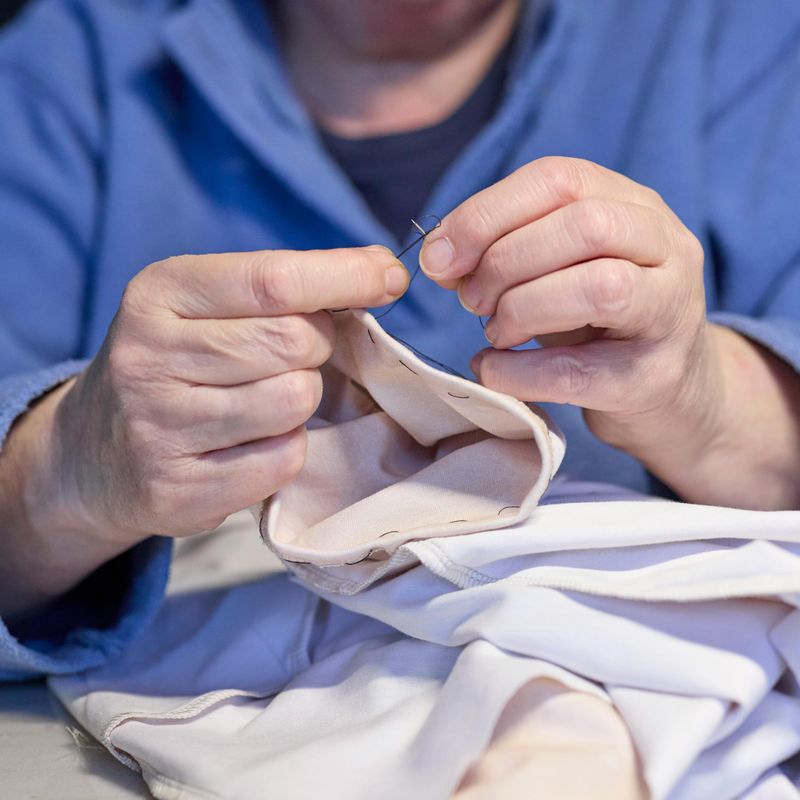
Fast fashion has made clothing so cheap that throwing away a shirt with a missing button feels almost logical. That mindset, however, is costing the planet enormously.
The fashion industry generates roughly 92 million tons of textile waste every year. A needle and thread could change that math, one button at a time.
Sewing used to be a standard life skill taught in home economics classes across the country. Hemming pants, patching a hole, replacing a zipper: these tasks extend the life of clothes you already own and love.
They also save real money, since tailoring and repairs at a shop are surprisingly pricey.
You do not need a sewing machine to start. A basic hand-sewing kit costs under ten dollars and fits in a drawer.
Learning four or five simple stitches covers the majority of everyday repairs. Fixing your own clothes is genuinely satisfying, a little like solving a puzzle with thread.
Give it a try before you toss it.
Growing Your Own Food
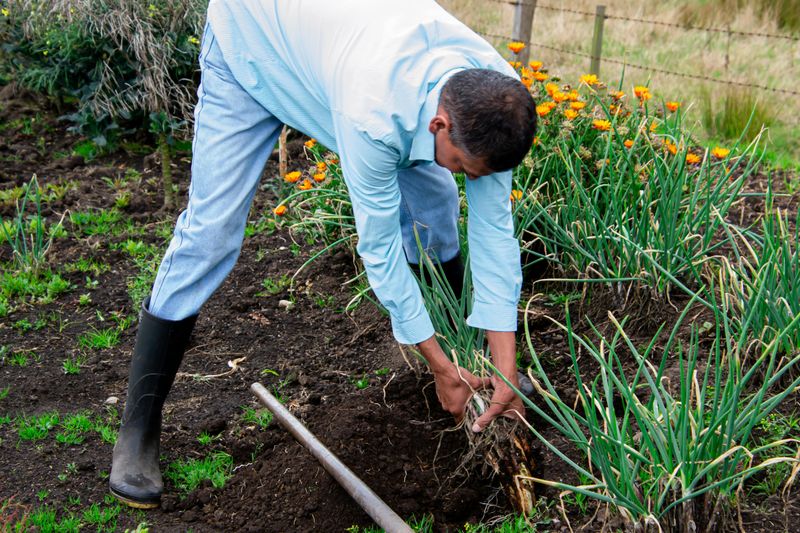
Most people can name the grocery store where their tomatoes come from but have no idea what a tomato plant actually looks like growing in soil. That disconnect from food production is historically very new and, honestly, a little strange when you think about it too long.
Growing even a small amount of your own food, whether it is a pot of basil on a windowsill or a raised garden bed with lettuce and tomatoes, builds a relationship with food that grocery shopping simply cannot replicate. You learn patience, seasonal awareness, and genuine respect for the effort behind every meal.
Urban gardening has made this more accessible than ever. Container gardens, vertical planters, and community garden plots mean you do not need a farm to grow something edible.
Starting with easy crops like herbs, radishes, or cherry tomatoes keeps frustration low and rewards high. There is nothing quite like eating something you grew yourself.
It tastes better every single time.
Basic First Aid & Survival Skills
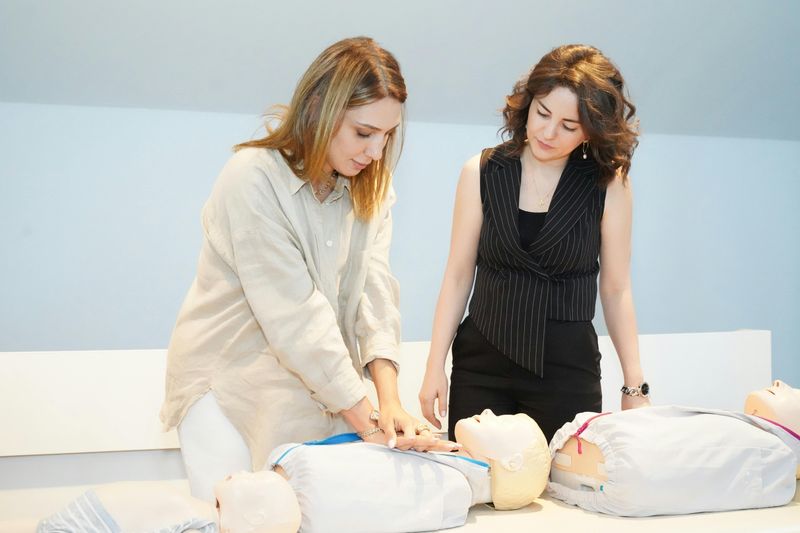
Most people know that 911 exists. Far fewer know what to do in the minutes before help arrives.
Basic first aid knowledge, like how to stop bleeding, perform CPR, or treat a burn, can genuinely be the difference between a minor incident and a tragedy.
Survival skills go hand in hand with first aid. Knowing how to signal for help, stay warm in cold weather, find clean water, or navigate without a phone are not just skills for extreme survivalists.
They are practical knowledge for anyone who spends time outdoors or travels to remote areas.
Red Cross first aid courses are widely available, often free or low-cost, and take just a few hours to complete. CPR certification is even simpler to get.
These are skills with real-world stakes, and yet most people never bother until something scary happens. Knowing what to do in an emergency is not paranoia.
It is just being prepared.
Critical Thinking & Problem Solving
We live in the age of instant answers. Type a question, get a result in 0.3 seconds.
That speed is incredible, but it has also made the process of actually thinking through a problem feel unnecessary. Why wrestle with something when Google has already solved it?
Critical thinking is the ability to evaluate information, question assumptions, spot logical errors, and reach well-reasoned conclusions. It is what separates someone who gets fooled by a misleading headline from someone who reads it skeptically.
In a world flooded with misinformation, that skill is more valuable than ever.
Building this skill takes practice and a little discomfort. Try reading opinion pieces you disagree with and identifying the weaknesses in the argument.
Solve logic puzzles, debate ideas with friends, or simply pause before sharing something online to ask whether it is actually true. Thinking carefully is not slow or inefficient.
It is what keeps smart people from making avoidable mistakes.
Civic Engagement & Understanding Government
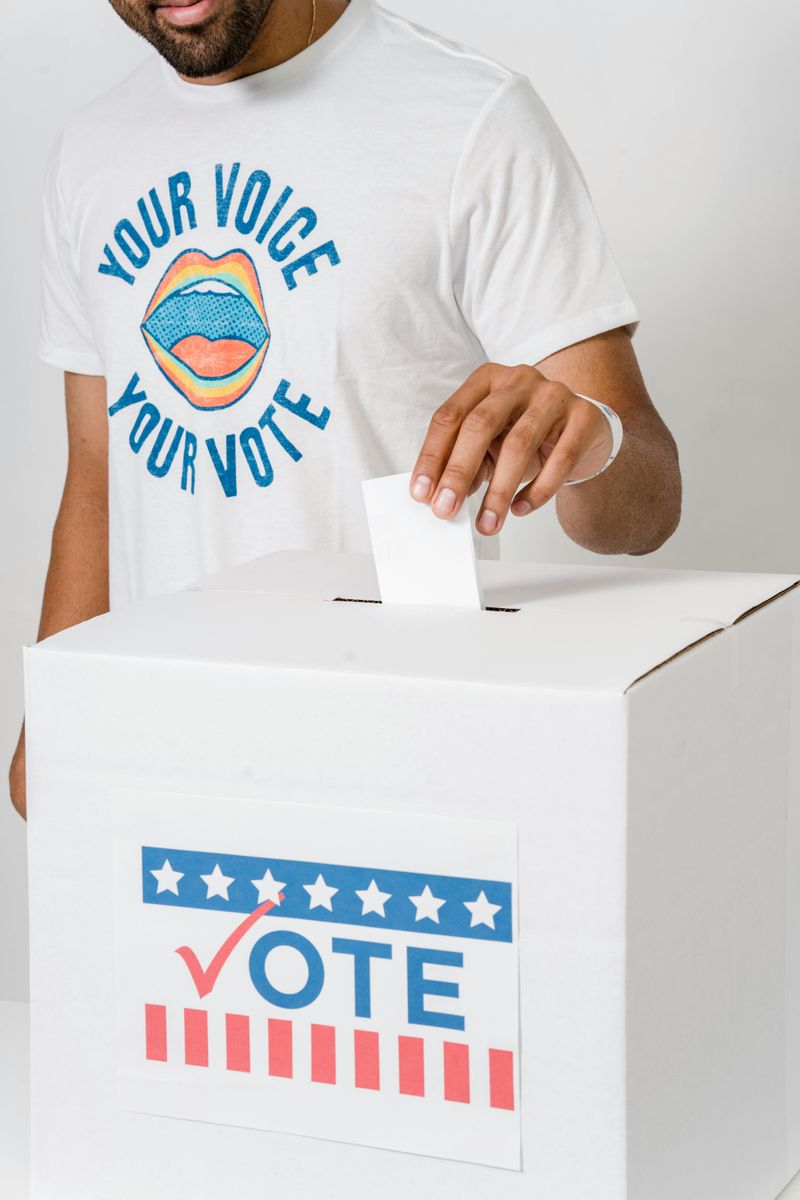
Only about half of eligible young voters in the United States actually vote in presidential elections, and turnout for local elections is even more dismal. Civic engagement is not just about voting, but voting is a pretty good place to start.
Democracy is not a spectator sport.
Understanding how your local government works, who your representatives are, how a bill becomes a law, and how city budgets get decided gives you real power over your own community. These are not abstract civics class concepts.
They are the mechanics behind decisions that affect your daily life, from road repairs to school funding.
Civic knowledge has declined alongside trust in institutions, but the solution is not to disengage further. Reading local news, attending a town hall meeting, or even following your city council on social media are small steps that add up.
A democracy only works when the people in it actually show up. That starts with knowing enough to care.
Share this story