Some countries have cracked the code on keeping their people healthy, while others are still fighting serious battles against disease, poverty, and unequal care. What makes the difference?
It often comes down to diet, access to doctors, government policies, and even the way people live day to day. This list takes a look at eight countries where health truly thrives and seven where the challenges are very real, offering a fascinating snapshot of health around the world.
Japan (Thrives)
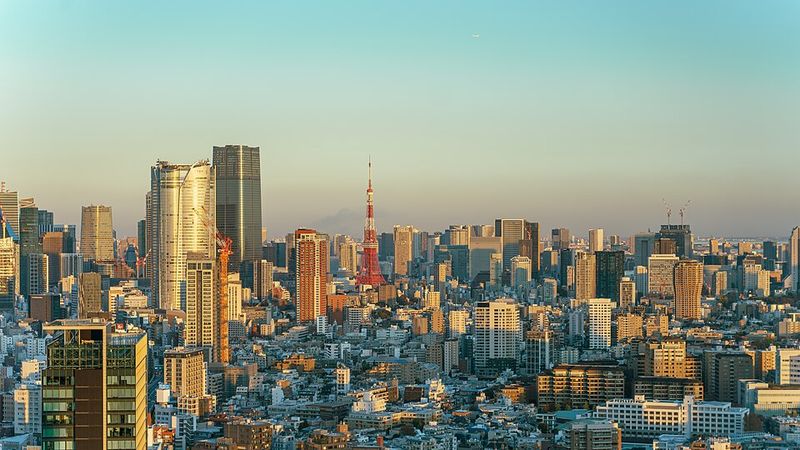
Walk through any Japanese city at sunrise and you will likely spot elderly residents stretching, walking, or practicing tai chi in the park. Japan consistently holds one of the highest life expectancy records on the planet, with people living well past 84 years on average.
A big part of the secret is the traditional Japanese diet, packed with fish, fermented foods, vegetables, and green tea. Portions are small, meals are balanced, and fast food culture has far less grip here than in many Western nations.
Beyond food, Japan places enormous value on preventive healthcare. Regular health screenings are built into the culture, and catching problems early means treating them before they become serious.
Add in strong community ties and a sense of purpose that many older Japanese people carry well into their later years, and you have a recipe for genuinely healthy aging. Japan does not just add years to life.
It adds life to years.
Switzerland (Thrives)
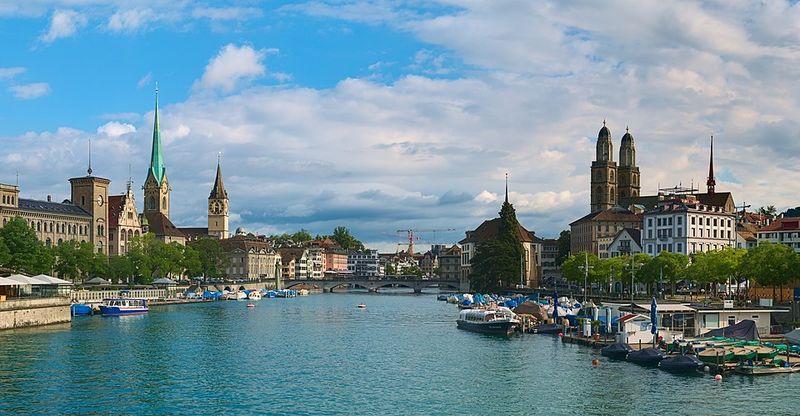
Nestled between some of Europe’s most dramatic mountain ranges, Switzerland has built a reputation that goes far beyond fancy watches and chocolate. The country consistently ranks among the top nations globally for healthcare quality, and its residents enjoy some of the longest, healthiest lives anywhere on Earth.
Access to medical services in Switzerland is exceptional. Whether you live in a bustling city like Zurich or a quiet alpine village, high-quality care is never far away.
Low pollution levels and clean drinking water also contribute to a population that simply stays healthier longer.
Swiss culture naturally encourages physical activity. Hiking, cycling, and skiing are not just weekend hobbies but everyday ways of getting around and staying fit.
Wealth plays a role too since Switzerland is one of the richest countries in the world, and that financial stability means better nutrition, better housing, and better access to preventive care. The combination of environment, culture, and infrastructure makes Switzerland a genuinely hard country to beat when it comes to overall population health.
Spain (Thrives)

Spain has a not-so-secret weapon when it comes to health, and it sits right on the dinner table. The Mediterranean diet, loaded with olive oil, fresh vegetables, legumes, nuts, and fish, is widely credited as one of the most heart-friendly eating patterns ever studied by scientists.
Spanish life expectancy consistently ranks among the highest in all of Europe, and researchers believe the diet is only part of the story. The Spanish lifestyle, with its emphasis on long lunches, afternoon rest, social gatherings, and outdoor living, creates a low-stress rhythm that does wonders for both mental and physical health.
Spain also benefits from a universal healthcare system that covers the vast majority of its population. Regular access to doctors and preventive screenings keeps chronic diseases in check.
Interestingly, younger generations in Spain are beginning to shift toward faster, more processed food habits, which health experts are watching carefully. For now, though, Spain remains a shining example of how culture, cuisine, and community working together can produce an impressively healthy population that ages with remarkable grace.
Singapore (Thrives)
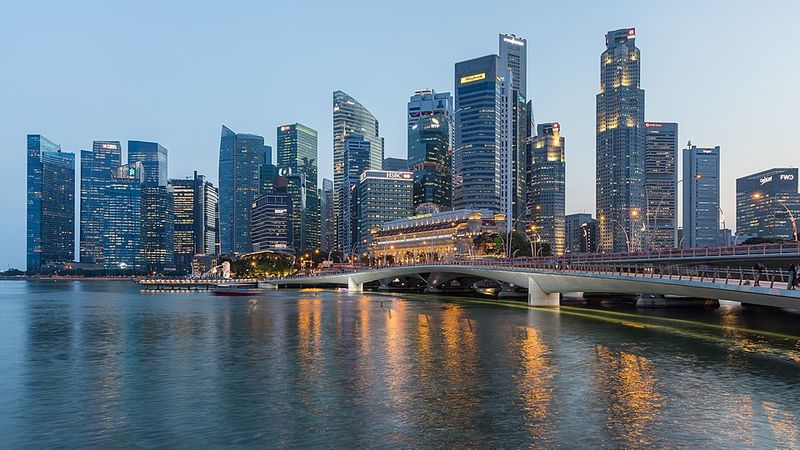
Tiny in size but enormous in ambition, Singapore punches way above its weight when it comes to population health. The country leads globally in healthy life expectancy, meaning its residents do not just live long lives but spend more of those years in genuinely good health rather than managing illness.
Strict public health policies have shaped Singapore’s success. Anti-obesity campaigns, regulated food labeling, subsidized preventive screenings, and a healthcare system built on efficiency have all contributed to remarkably low rates of chronic disease.
The government takes health seriously at a policy level, and it shows in the numbers.
Obesity rates in Singapore are among the lowest in the developed world, partly because the food culture still leans heavily toward fresh, balanced hawker-center meals rather than ultra-processed options. Physical activity is encouraged through urban design, with parks, cycling paths, and green spaces woven throughout the city.
Singapore proves that a well-organized, forward-thinking government can dramatically shape the health of its people, even in a densely packed urban environment where unhealthy habits might otherwise be hard to avoid.
Norway (Thrives)

Norway is the kind of country where the outdoors is not just a backdrop but a way of life. From cross-country skiing in winter to fjord kayaking in summer, physical activity is deeply woven into Norwegian culture, and the health benefits are obvious in the statistics.
The Norwegian healthcare system is publicly funded and provides universal coverage to all residents. Nobody falls through the cracks because of cost.
This equal access to quality care means health outcomes are consistent across income levels, which is something many wealthier countries still struggle to achieve.
Low pollution, clean water, and some of the freshest air on the planet give Norwegian bodies a natural advantage. Fish, particularly salmon and cod, are staples of the Norwegian diet, providing heart-healthy omega-3 fatty acids that support cardiovascular health.
Norway also invests heavily in mental health services, recognizing that emotional well-being is just as important as physical health. The result is a population that not only lives long but reports high levels of happiness and life satisfaction, making Norway one of the most complete examples of thriving national health anywhere in the world.
Taiwan (Thrives)

Taiwan does not always make the headlines in global health discussions, but it absolutely should. The island nation has built one of the most efficient and affordable universal healthcare systems anywhere in Asia, and the results speak loudly in life expectancy and disease prevention rates.
Launched in 1995, Taiwan’s National Health Insurance program covers nearly the entire population, offering access to hospitals, clinics, specialists, and preventive care at remarkably low cost. The system is widely praised by health economists as a model for how universal coverage can work without bankrupting a nation.
Beyond the healthcare system itself, Taiwanese culture supports health in everyday ways. Traditional diets feature plenty of vegetables, tofu, seafood, and rice, with far less reliance on processed foods than many Western counterparts.
Night markets, while tempting with fried treats, also offer fresh fruit, soups, and balanced meals that fit into a healthy lifestyle. Preventive care is taken seriously, with regular screenings for cancers and chronic conditions built into the public health system.
Taiwan shows that you do not need to be the wealthiest country to deliver outstanding health outcomes across an entire population.
Italy (Thrives)

Italians have a saying: the table is where life happens. And as it turns out, what lands on that table is doing extraordinary things for Italian health.
The Mediterranean diet, olive oil, fresh tomatoes, legumes, whole grains, and modest portions of lean protein, is a cornerstone of Italian eating habits and a major driver of the country’s impressive life expectancy figures.
Italy consistently ranks among the top countries in Europe for longevity. Certain regions, like Sardinia, are even classified as Blue Zones, places where people routinely live past 100 in good health.
Researchers studying these communities point to diet, daily physical activity, strong social bonds, and a relaxed approach to stress as key factors.
Family culture in Italy runs deep, and multigenerational living is still common in many parts of the country. Older Italians remain socially connected and purposeful well into old age, which has measurable positive effects on mental and physical health.
Italy’s universal healthcare system also ensures broad access to medical services. While healthcare quality varies somewhat by region, the overall picture remains one of a country where living well and living long go hand in hand.
Iceland (Thrives)
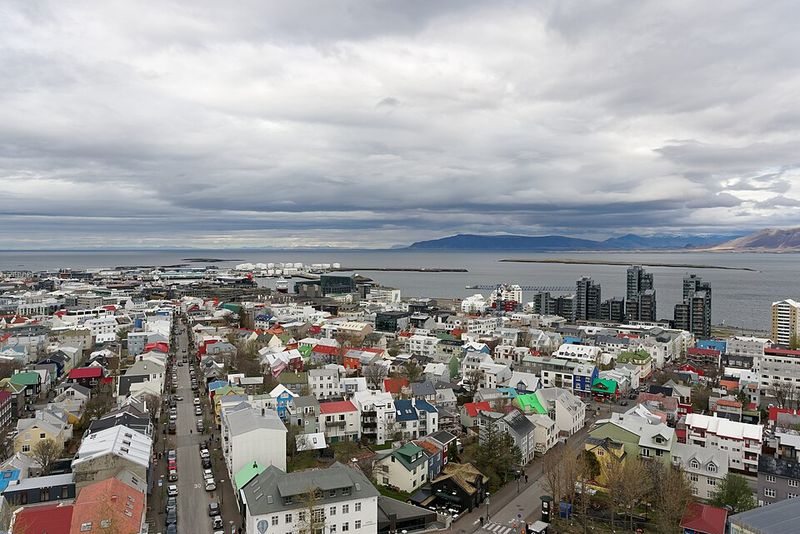
Iceland is one of those places that almost feels too good to be true when you look at the health data. Clean air, pristine water, geothermal-heated swimming pools that locals use year-round, and a small, tight-knit population that benefits from strong social support systems all add up to impressive health outcomes.
With a population of just around 370,000 people, Iceland can deliver healthcare in a way that larger nations simply cannot replicate. The system is publicly funded, and geographic isolation has historically pushed the country to build strong domestic medical infrastructure rather than rely on outside support.
Icelanders are remarkably active. Swimming is practically a national pastime, and outdoor hiking, skiing, and horseback riding are common leisure activities across all age groups.
The traditional Icelandic diet historically featured a lot of fish and lamb, both lean and nutrient-dense protein sources. Mental health is also taken seriously, which matters a lot in a country with long, dark winters.
Iceland has invested in community programs and public health awareness to combat seasonal mood challenges. The result is a nation that consistently scores high on both health and happiness rankings worldwide.
United States (Struggles Compared to Wealth)

Here is a number that stops most people cold: the United States spends more money on healthcare per person than any other country in the world, yet its average life expectancy sits at roughly 78 years, well below many nations that spend far less. That gap between spending and outcomes is one of the most talked-about puzzles in global public health.
Obesity is a significant driver of the problem. More than 40 percent of American adults are classified as obese, contributing to skyrocketing rates of type 2 diabetes, heart disease, and certain cancers.
Ultra-processed food is cheap, heavily marketed, and deeply embedded in American eating culture, making healthy choices harder for many families.
Healthcare access in the U.S. is deeply unequal. Millions of Americans lack adequate insurance, meaning they delay or skip medical care until problems become emergencies.
Rural communities often have limited access to doctors and specialists. Racial and economic disparities in health outcomes are stark and well-documented.
The U.S. has brilliant medical technology and world-class hospitals, but those advantages are not equally shared. Fixing that inequality remains one of the country’s most urgent and complicated public health challenges.
United Kingdom (Struggles Increasingly)

Britain built the National Health Service in 1948 as a promise to its people: healthcare free at the point of use, for everyone, forever. It was a revolutionary idea.
But decades later, that promise is under serious strain, and health outcomes across the UK are heading in a worrying direction.
Healthy life expectancy, the number of years people live in good health rather than managing chronic illness, has been declining in the UK. Rising obesity rates, growing mental health crises among young people, and an aging population are putting enormous pressure on a system that is already stretched thin.
NHS waiting times for specialist care have reached record lengths.
Health inequality between regions is becoming impossible to ignore. People in wealthier parts of London or the South East live significantly longer and healthier lives than those in poorer northern regions or post-industrial communities.
Diet quality, air pollution, job insecurity, and access to green spaces all vary dramatically by postcode. The UK has the knowledge and the infrastructure to turn this around, but doing so requires serious investment and political will.
Right now, the gap between the UK’s health ambitions and its health reality is growing wider every year.
South Africa (Struggles)
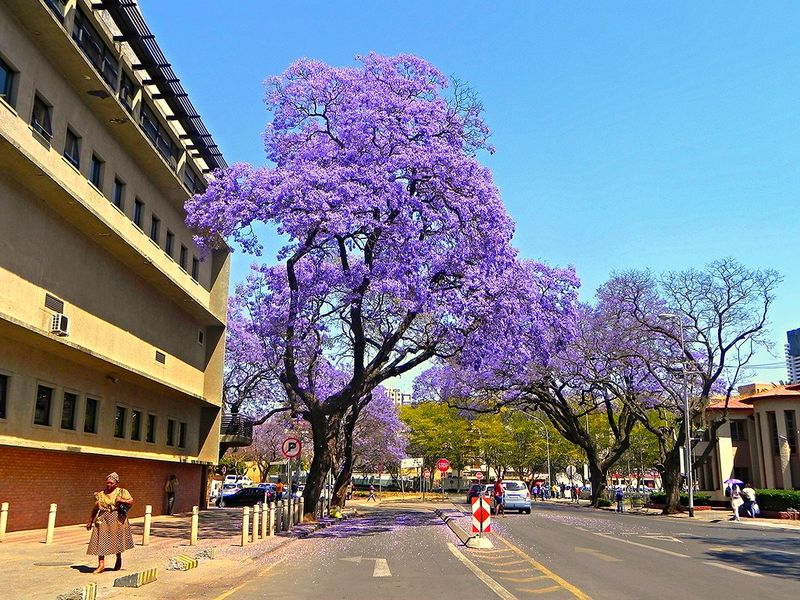
South Africa is a country of dramatic contrasts, and nowhere is that more visible than in healthcare. World-class private hospitals serving wealthy patients exist just miles from under-resourced public clinics struggling to meet basic needs.
That inequality defines the country’s health story more than almost anything else.
HIV and AIDS remain serious public health challenges in South Africa, which has one of the highest HIV-positive populations in the world. Tuberculosis rates are also among the highest globally, and the two diseases often occur together, creating compounded health crises that strain an already pressured system.
Life expectancy has improved significantly since the early 2000s thanks to antiretroviral therapy programs, but it still lags behind many other nations.
Poverty is the root of many health struggles here. Poor nutrition, inadequate sanitation, and limited access to clean water in some communities create conditions where preventable diseases spread easily.
Urban migration has created dense informal settlements where healthcare infrastructure has not kept pace with population growth. South Africa has made genuine progress over the past two decades, and its public health researchers and community health workers do remarkable work.
But the structural inequalities run deep and will take sustained effort to meaningfully overcome.
India (Struggles in Access and Inequality)

India’s healthcare story is one of remarkable progress sitting right next to stubborn, frustrating inequality. The country has produced world-class doctors, pioneered affordable generic medicines that have saved millions of lives globally, and reduced child mortality rates significantly over the past few decades.
That progress is real and worth celebrating.
But for hundreds of millions of Indians living in rural villages, accessing basic healthcare remains genuinely difficult. Public hospitals in many rural areas are underfunded, understaffed, and overwhelmed.
The doctor-to-patient ratio in rural regions is far below international recommendations, meaning many people travel hours for care that should be available nearby.
Air pollution is another major health crisis in India. Several of the world’s most polluted cities are Indian, and the effects on respiratory health, cardiovascular disease, and child development are severe and well-documented.
Nutrition is also a mixed picture, with undernutrition affecting millions of children while obesity and diabetes rates rise rapidly in urban areas. India is investing in expanding healthcare infrastructure and digital health programs, and there are genuine reasons for optimism.
But the scale of the challenge, serving over 1.4 billion people across vastly different geographies and income levels, makes progress slow and uneven.
Nigeria (Struggles Severely)
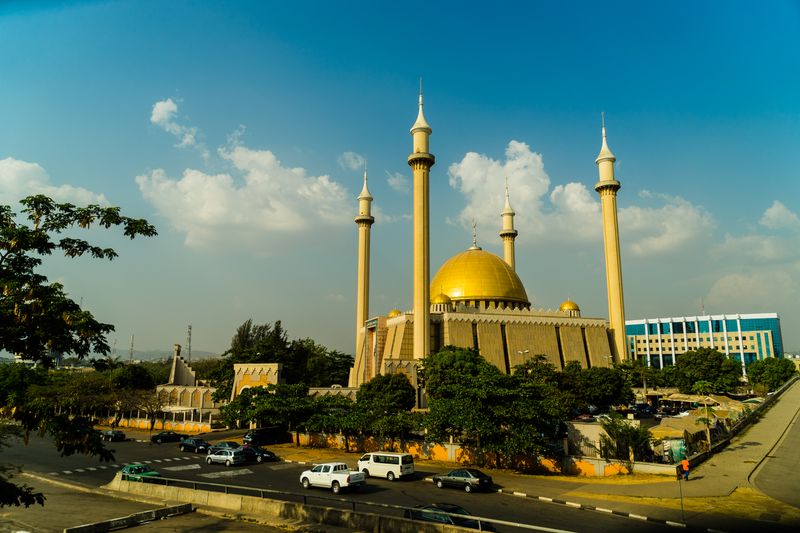
Nigeria is Africa’s most populous country and one of its largest economies, which makes its health struggles both significant and urgent. Life expectancy hovers around the mid-50s, one of the lower figures globally, and the causes are deeply rooted in poverty, infrastructure gaps, and disease burden.
Infectious diseases including malaria, cholera, typhoid, and HIV take an enormous toll, particularly on children under five. Nigeria accounts for a disproportionately large share of global child mortality, a statistic that reflects both healthcare access problems and the underlying grip of poverty.
Vaccination coverage has improved but remains inconsistent across regions.
Healthcare infrastructure outside major cities like Lagos and Abuja is severely limited. Many rural health facilities lack reliable electricity, clean water, basic medications, and trained personnel.
Brain drain is a serious issue too, as Nigerian doctors and nurses trained at home frequently migrate to better-paying positions in the UK, US, and Canada, leaving already strained facilities even more depleted. Nigeria has enormous human and economic potential, and there are dedicated health professionals working tirelessly to improve outcomes.
But without major investment in infrastructure, sanitation, and equitable resource distribution, progress will remain frustratingly slow for millions of its citizens.
Chad (Struggles Severely)
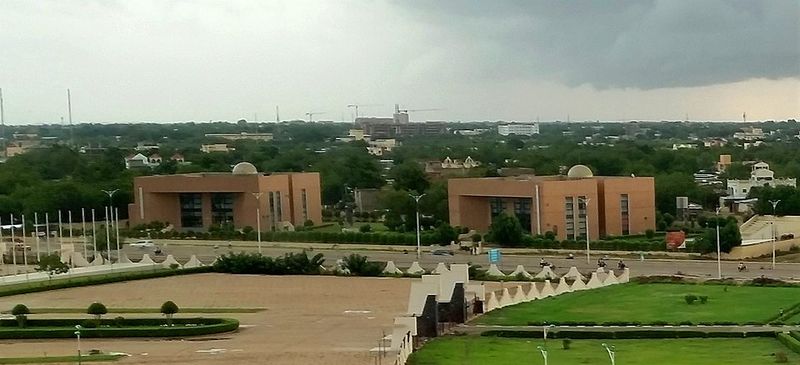
Chad ranks near the very bottom of nearly every global health index, and understanding why requires looking at a combination of geography, conflict, poverty, and decades of limited international investment. It is a landlocked country in central Africa, frequently affected by drought, food insecurity, and waves of refugees from neighboring conflict zones.
Life expectancy in Chad sits at around 54 years, and maternal and child mortality rates are among the highest anywhere in the world. Access to skilled healthcare workers during childbirth is limited across much of the country, contributing to preventable deaths that would be routine to treat elsewhere.
Malnutrition affects a staggering proportion of children under five.
Healthcare infrastructure in Chad is minimal. There are very few doctors per capita, medical facilities are concentrated in the capital N’Djamena, and vast rural populations have almost no reliable access to formal medical care.
Armed conflict and political instability have disrupted health programs repeatedly over the years. International organizations including the WHO and UNICEF maintain a presence and provide critical support, but the needs far outpace available resources.
Building sustainable health systems in Chad requires long-term commitment, peace, and investment that the country has not yet consistently received from the global community.
Lesotho (Struggles)
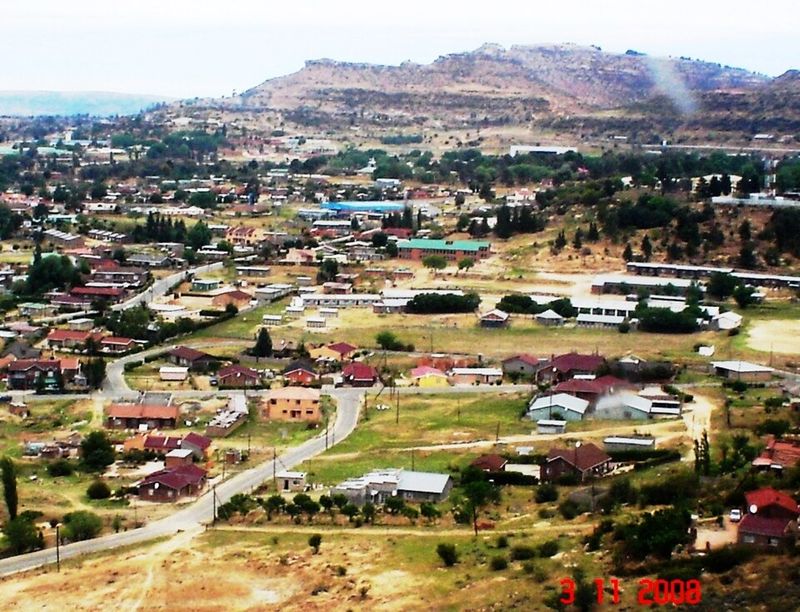
Completely surrounded by South Africa, Lesotho is a small mountainous kingdom facing some of the most severe public health challenges on the continent. Despite sharing a border with a much larger and wealthier neighbor, Lesotho has one of the lowest life expectancies in the world, sitting at around 54 years.
HIV and AIDS have hit Lesotho with devastating force. The country has one of the highest HIV prevalence rates globally, with roughly 23 percent of adults living with the virus.
Tuberculosis rates are also extremely high, and the interaction between HIV and TB creates a compounded health burden that overwhelms the small national healthcare system.
Poverty shapes almost every health outcome in Lesotho. Many communities in the highlands are remote and difficult to reach, especially during harsh winters when mountain roads become impassable.
Healthcare workers are scarce, and many trained professionals leave for better opportunities in South Africa. Nutrition is a persistent challenge, with food insecurity affecting large portions of the population.
International health organizations provide support, and the Lesotho government has made strides in expanding HIV treatment access. But geography, poverty, and disease burden make Lesotho one of the world’s most challenging environments for building a healthy population from the ground up.
Share this story