There is a small park in Oregon where trolls peek out from behind planters, flags from Scandinavian countries flutter in the coastal breeze, and informative plaques tell a story most people never knew existed. The Pacific Northwest has a deep Norse connection, and one city along the Columbia River wears that history proudly.
Long before most visitors ever think to ask why so many Scandinavian surnames appear on local businesses and street corners, the answer is quietly waiting at a compact but fascinating outdoor space right along the waterfront. Whether you have five minutes or an hour, this spot rewards curiosity in a way that feels refreshing, free, and genuinely fun to explore.
Where to Find It and What to Expect on Arrival

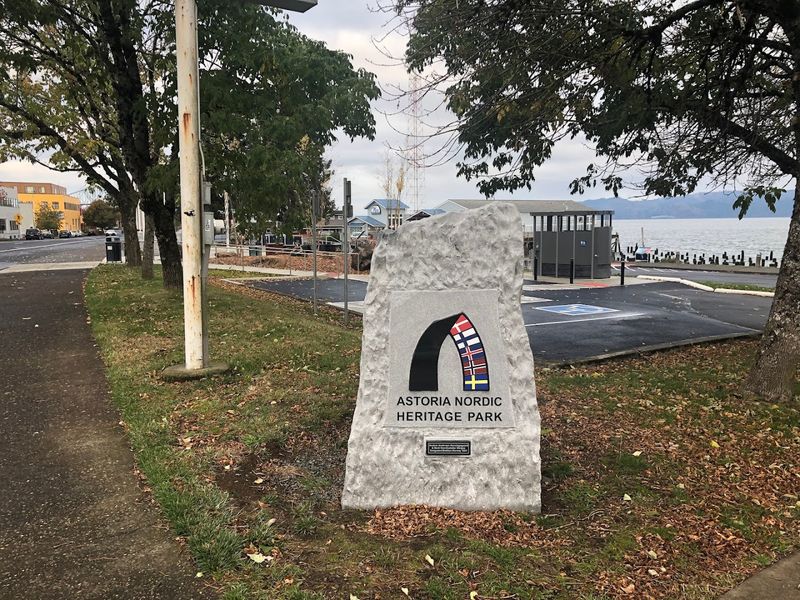
Astoria Nordic Heritage Park sits at 1590 Marine Dr, Astoria, OR 97103, right along the city’s famous Riverwalk near the Columbia River waterfront. The park is compact, clean, and easy to spot once you know it is there, though many visitors stumble upon it by happy accident while walking the waterfront trail.
Parking nearby can get tight on busy summer days, but free spots are usually available within a short walk. The park itself is free to enter, which makes it one of the most accessible cultural stops in the city.
The layout is mostly paved, with planter areas adding color and warmth to what could otherwise feel like a simple concrete plaza. Wheelchair accessibility is built in throughout, so the space works well for visitors of all mobility levels.
A public restroom on-site is a practical bonus that walkers along the waterfront genuinely appreciate. The whole setup feels thoughtfully designed rather than thrown together, and that care shows in every corner of the space, right down to the QR codes on the displays that link to deeper historical content.
The Troll Sculptures That Steal Every Visitor’s Attention
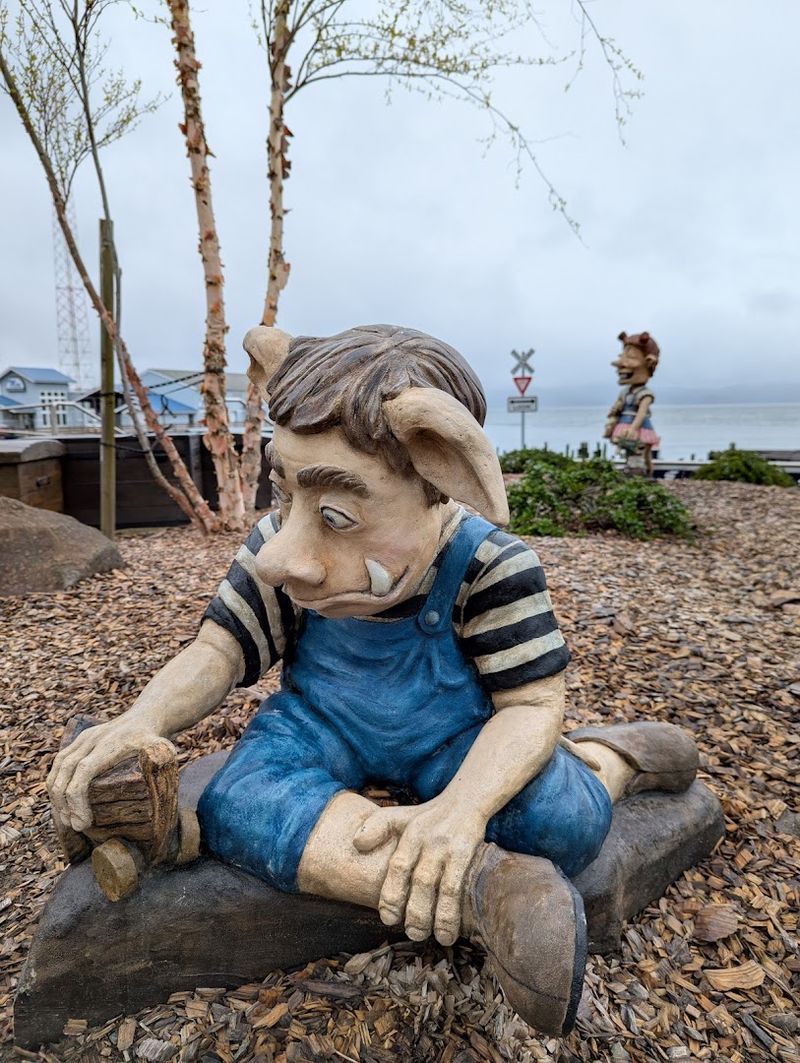
No matter how much history a person absorbs at this park, the troll sculptures are almost always the first thing people mention when they leave. These whimsical figures are tucked into the landscape in a way that feels playful rather than forced, and they have a way of catching you off guard even when you already know they are there.
Trolls hold a meaningful place in Scandinavian folklore, often appearing as guardians of wild places or mischievous figures living beneath bridges and in forests. Seeing them rendered as charming statues in an Oregon coastal park gives the whole space a storybook quality that appeals to adults and kids equally.
The craftsmanship on each figure is worth a close look. These are not generic garden ornaments but detailed pieces that reflect genuine creative effort and cultural awareness.
Photographers tend to linger longer than expected, and it is easy to understand why. Each troll has its own personality, its own posture, and its own little corner of the park to call home, making the hunt for all of them feel like a rewarding mini adventure along the waterfront path.
The Scandinavian History Behind This Oregon City
Most people associate Scandinavian culture with places like Minnesota or Wisconsin, but Astoria, Oregon has its own deep Norse roots that stretch back well over a century. Waves of Finnish, Norwegian, Swedish, and Danish immigrants arrived here in the late 1800s and early 1900s, drawn by the fishing and timber industries that defined life along the Columbia River.
These settlers did not just pass through. They built homes, businesses, churches, and communities that shaped the city’s character in lasting ways.
The park’s informative plaques lay out this history in clear, engaging language that makes the story accessible to visitors of any age or background.
One of the most surprising facts the park highlights is that Scandinavian craftsmen and laborers played a major role in constructing the famous Astoria Column, the towering landmark that overlooks the city from Coxcomb Hill. That detail alone reframes how you see the rest of the city once you leave the park.
Understanding this history gives Astoria a new layer of meaning, turning a pleasant coastal town into a place with a genuinely rich cultural story that deserves more attention than it typically gets from passing travelers.
The Flags, Railings, and Landscaping That Set the Atmosphere
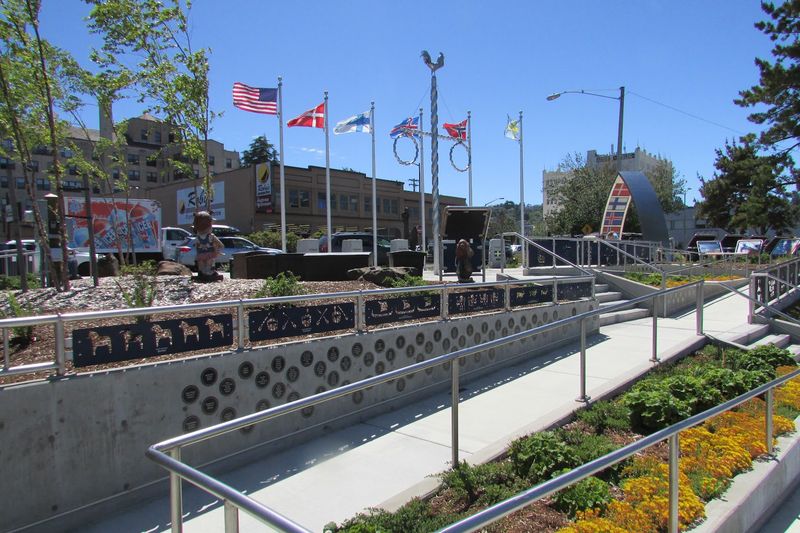
Before you read a single plaque or spot your first troll, the visual design of this park signals that something thoughtful is happening here. Flags representing Norway, Sweden, Finland, Denmark, and Iceland hang with pride, adding bright color against the gray-blue tones that often define the Oregon coast.
The railings throughout the park incorporate Nordic design elements that feel intentional rather than decorative for decoration’s sake. They give the space a cohesive visual identity that reinforces the cultural theme without becoming overwhelming or kitschy.
Planter areas soften the mostly paved layout and add seasonal color that changes throughout the year. The overall effect is a space that feels curated and cared for, which is a meaningful contrast to parks that receive less consistent attention from their communities.
Details like these matter more than they might seem at first. A well-maintained public space signals community pride, and Astoria’s investment in this park reflects how seriously locals take their Nordic heritage.
Every element, from the flag poles to the flower beds, tells visitors that this place was built with genuine respect for the culture it honors, not just as a tourist attraction but as a real community landmark.
Reading the Informative Displays and Learning Something New
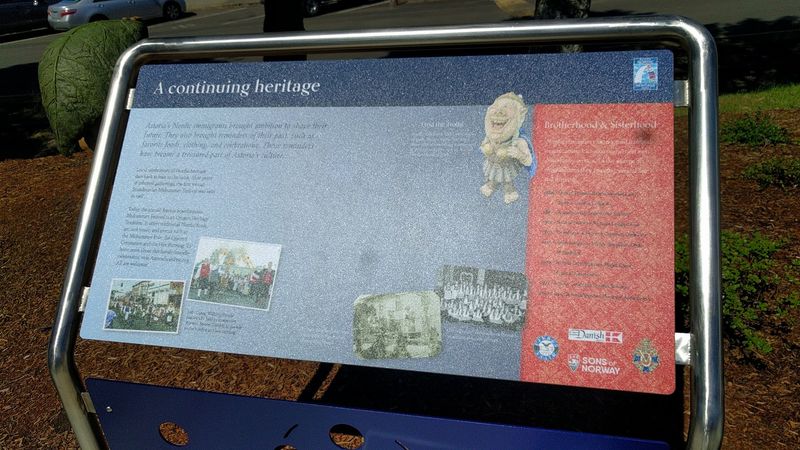
Not every outdoor park manages to educate visitors without making them feel like they are back in school, but this one gets the balance right. The displays are well-written, visually clear, and organized in a way that rewards both quick readers and those who want to spend more time with the material.
Topics covered include the history of Nordic immigration to the Pacific Northwest, the role Scandinavian workers played in the fishing and shipbuilding industries, and the lasting cultural contributions these communities made to Astoria’s identity. The writing avoids being dry or overly academic, which keeps the experience enjoyable rather than obligatory.
QR codes on several signs link to additional content online, which is a smart touch for visitors who want to explore the history further after leaving the park. It also means the physical space does not need to carry every detail, keeping the displays clean and readable.
A visit here genuinely leaves you knowing something you did not know before, which is a rarer outcome from a short park stop than most people expect. That feeling of walking away smarter is part of what makes this small space punch well above its weight as a cultural destination in Oregon.
How This Park Fits Into Astoria’s Broader Heritage Trail
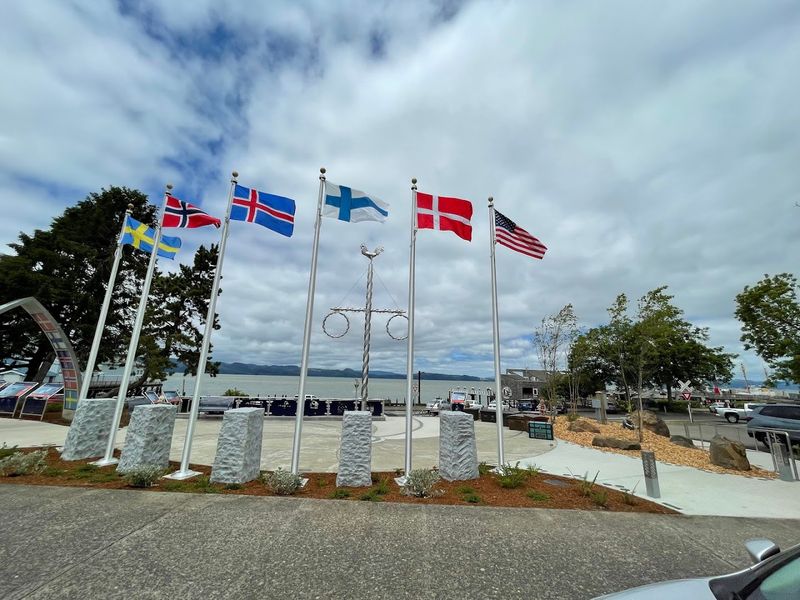
Astoria takes its heritage parks seriously, and this one fits into a broader network of outdoor cultural spaces that together tell the city’s layered story. The Nordic Heritage Park joins landmarks like the Garden of Surging Waves, the Maritime Memorial Park, and the Astoria Riverwalk as part of a connected set of experiences that reward visitors who take time to explore beyond the obvious tourist stops.
The Riverwalk itself runs right past the park, making it easy to incorporate this stop into a longer waterfront walk without any extra driving or planning. That convenience means you can cover a surprising amount of Astoria’s history in a single afternoon on foot.
Each heritage site in the city focuses on a different cultural thread, and together they weave a picture of a community shaped by many different immigrant groups and industries. The Nordic park adds the Scandinavian chapter to that story in a way that feels both specific and generous.
For anyone treating Astoria as a day trip, starting at the waterfront and working through these parks in sequence is genuinely one of the best ways to understand what makes this Oregon city so different from every other coastal town on the Pacific Northwest map.
The Best Time to Visit and What the Atmosphere Feels Like

The Oregon coast runs on its own weather schedule, and Astoria is no exception. Summer months from June through September offer the most reliable sunshine and the warmest temperatures, making outdoor exploration genuinely comfortable rather than a test of endurance.
That said, the park has a certain moody charm on overcast days that actually suits its Nordic theme quite well. Fog rolling in off the Columbia River, flags moving in a cool breeze, and the quiet of a less crowded weekday morning can make the experience feel almost cinematic in a low-key way.
Spring visits bring fresh plantings and fewer crowds, while fall offers crisp air and the kind of golden light that makes everything look better in photos. Winter is quieter still, but the park remains open and accessible year-round for those willing to layer up.
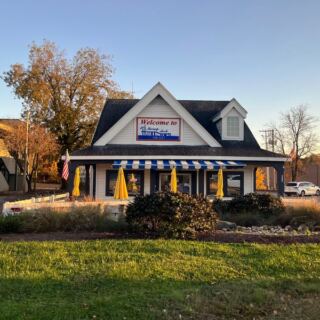
Weekday mornings tend to offer the most peaceful experience, giving you time to read every plaque and circle back to photograph each troll without navigating around other visitors. Weekends in summer get busier, especially when the ice cream shop across the street draws a crowd, but the park itself rarely feels overwhelmed regardless of the season or the day of the week.
Who the Park Is Perfect For and Why Families Love It

Few public spaces manage to appeal equally to curious adults, history-minded travelers, and kids who just want to find the next hidden troll, but this park genuinely pulls it off. The mix of interactive elements, visual storytelling, and whimsical sculpture gives different visitors different reasons to enjoy the same compact space.
Children respond immediately to the troll figures, which are charming enough to hold attention without being scary or overwhelming. Turning the visit into a troll-spotting game keeps younger visitors engaged while parents and older family members take time with the historical displays.
The wheelchair-accessible layout means the park works for visitors with mobility considerations, and the public restroom on-site removes one of the most common logistical headaches of outdoor exploring. These practical details might seem minor, but they make a real difference for families and older visitors planning a longer day out.
Solo travelers and couples also find the park rewarding, especially those with an interest in Pacific Northwest history or Scandinavian culture. The space is small enough to explore thoroughly in under an hour, but rich enough to leave you with a genuine sense of having learned something worth knowing about this corner of Oregon.
The Connection Between Nordic Culture and the Pacific Northwest
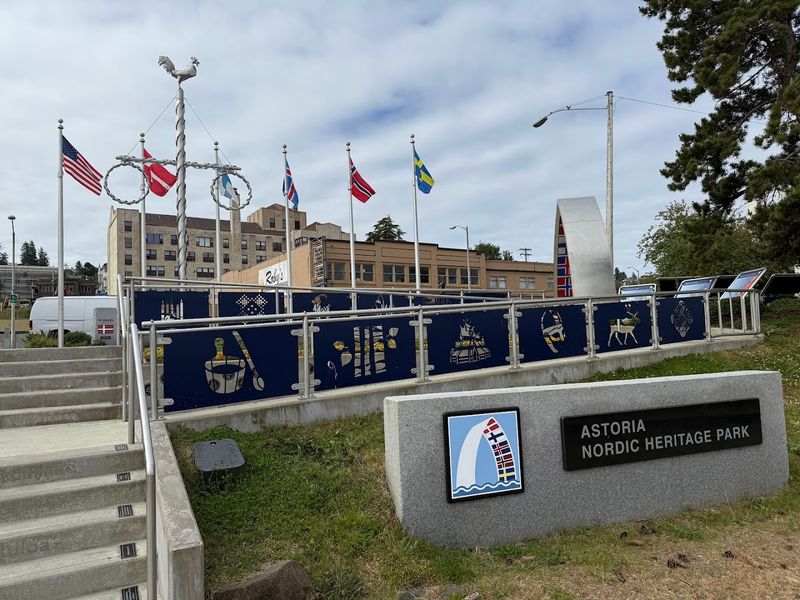
The relationship between Scandinavian immigrants and the Pacific Northwest is one of those historical connections that tends to surprise people who did not grow up learning about it. The fishing-based economies of Norway and the coastal communities of Oregon had more in common than geography might suggest, and that shared relationship with the sea drew thousands of Nordic families to this region.
Astoria in particular became a hub for Finnish and Norwegian fishermen who brought their knowledge of nets, boats, and cold-water fishing to the Columbia River salmon industry. Their technical skills and work ethic shaped the commercial fishing trade here in ways that still echo through the local economy today.
The park makes these connections concrete and personal rather than abstract, using specific examples of industries and individuals to ground the broader historical narrative. That specificity is what separates good public history from a collection of generic facts on a sign.
Standing in this small park and reading about shipbuilders, cannery workers, and community organizers who crossed an ocean to build a new life along the Columbia River is a quietly moving experience. It is the kind of history that does not shout for attention but rewards anyone who stops long enough to actually listen to what the place is saying.
Practical Tips for Making the Most of Your Visit
A few simple tips can make your visit to this park noticeably more enjoyable. Arriving with a fully charged phone is worth mentioning, because the QR codes on the displays link to additional content that genuinely adds to the experience, and you will almost certainly want to photograph the trolls before you leave.
Wear comfortable walking shoes, especially if you plan to continue along the Riverwalk after your park visit. The waterfront trail extends in both directions and offers great views of the Columbia River and the historic district, making a longer walk an easy and rewarding extension of your time here.
The park is free to enter, which makes it an easy yes even on a tight travel budget. Combining it with a stop at the nearby Astoria Column or the Garden of Surging Waves turns a single afternoon into a genuinely comprehensive introduction to the city’s heritage without spending anything on admission fees.
One last practical note worth sharing: the ice cream shop across the street from the park is a popular post-visit stop, and on busy days the area around it can get congested. Arriving early or visiting on a weekday keeps things calmer and gives you the most relaxed, unhurried version of this small but genuinely rewarding Oregon experience.
Share this story