Not all gardens are quiet patches of green. Some feel like open-air galleries where every path reveals a new creative surprise.
These hidden gems blur the line between landscape design and artistic expression, offering immersive experiences that go far beyond a typical stroll.
1. Majorelle Garden, Morocco
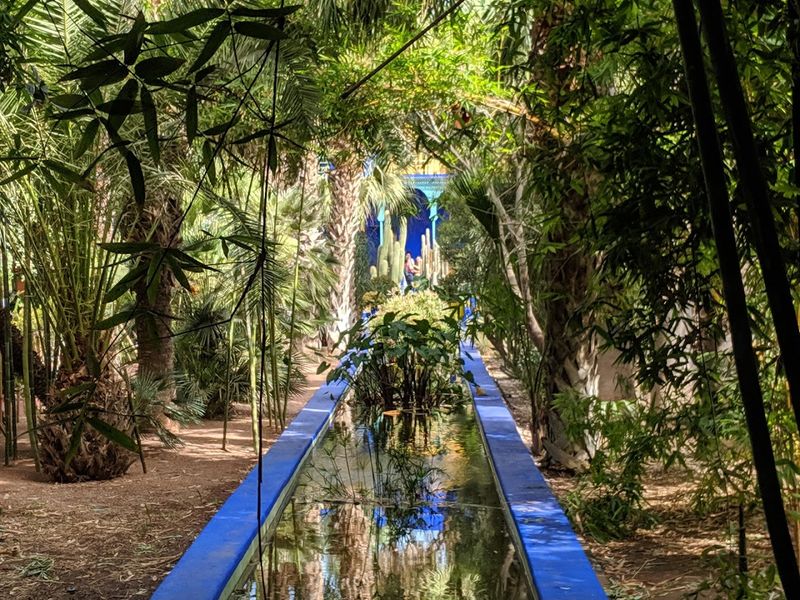
Hidden within the busy streets of Marrakech, Majorelle Garden offers a striking contrast of color and calm. Designed by French artist Jacques Majorelle, the garden is best known for its intense cobalt blue structures that pop against lush greenery and exotic plants.
Every detail feels intentional, from the layout of pathways to the placement of fountains and pots. The garden later became associated with fashion designer Yves Saint Laurent, adding another layer of artistic influence.
Visitors often describe the space as walking through a living canvas, where bold color choices guide the eye from one scene to the next. Bamboo groves, cacti, and tranquil water features create a soothing rhythm throughout the space.
It’s not just a garden but a carefully composed visual experience that shows how color, design, and nature can come together to create something unforgettable.
2. Ninfa Garden, Italy
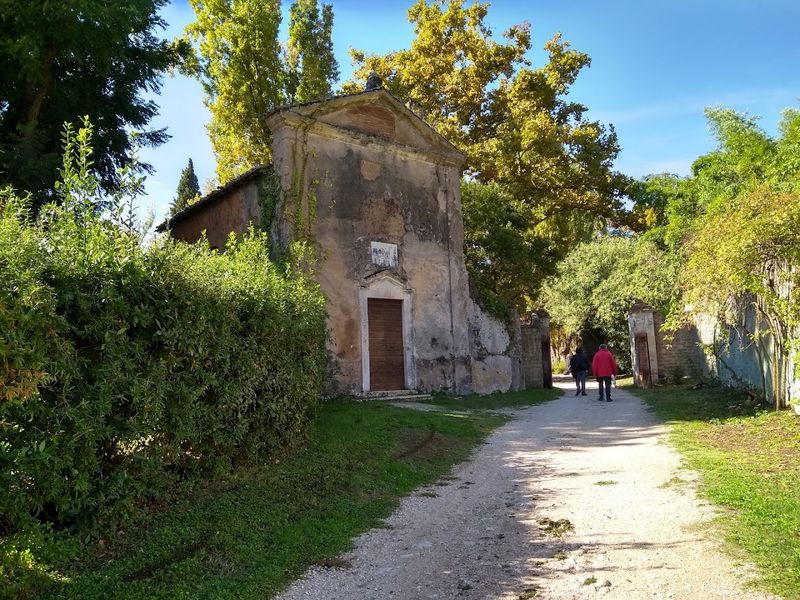
Tucked away in the Italian countryside, Ninfa Garden feels like a forgotten world brought back to life through art and nature. Medieval ruins sit quietly among wildflowers, with ivy and roses climbing over crumbling stone walls like living brushstrokes.
Streams run through the garden, reflecting arches and towers that once formed a bustling town centuries ago. What makes Ninfa truly unique is its balance between structure and wild growth, where nothing feels overly manicured.
Artists and photographers are drawn here for its soft, romantic atmosphere and ever-changing seasonal colors. Spring, in particular, transforms the garden into a vivid palette of pinks, purples, and greens.
Walking through Ninfa feels less like visiting a garden and more like stepping into a painting that has been slowly evolving over time, shaped equally by history, nature, and quiet artistic intention.
3. Cosmic Speculation Garden, Scotland
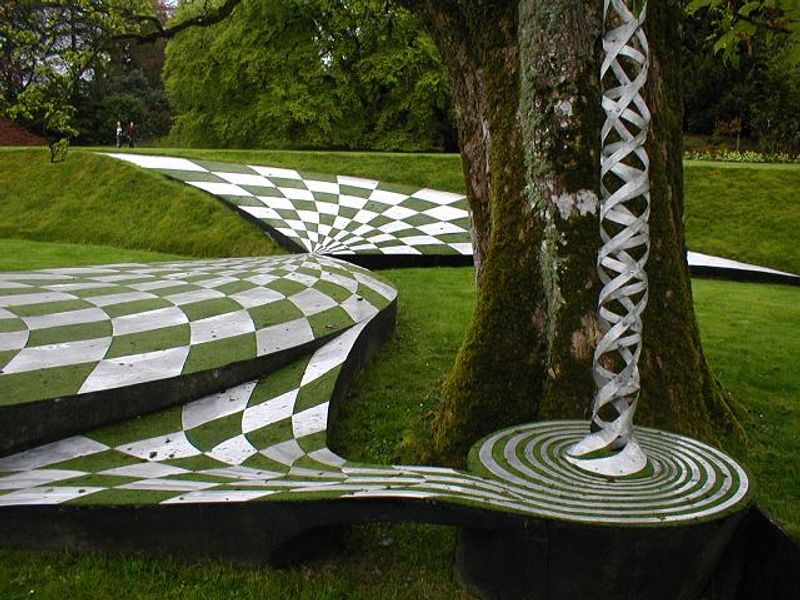
This extraordinary garden in Scotland challenges traditional ideas of what a garden should be. Designed by landscape architect Charles Jencks, the Cosmic Speculation Garden is inspired by science, mathematics, and the structure of the universe.
Rolling hills form spirals and waves, while pathways mimic fractals and cosmic patterns. It feels more like a conceptual art installation than a natural space.
Every curve and slope has meaning, often representing theories about black holes, DNA, or the origins of the universe. Unlike most gardens, it’s only open to the public on limited days, which adds to its mysterious appeal.
Visitors often find themselves both fascinated and slightly disoriented as they try to interpret the shapes around them. It’s a place where curiosity takes over, inviting you to think as much as you observe, making it one of the most intellectually engaging gardens in the world.
4. Jardim Botânico Tropical, Portugal
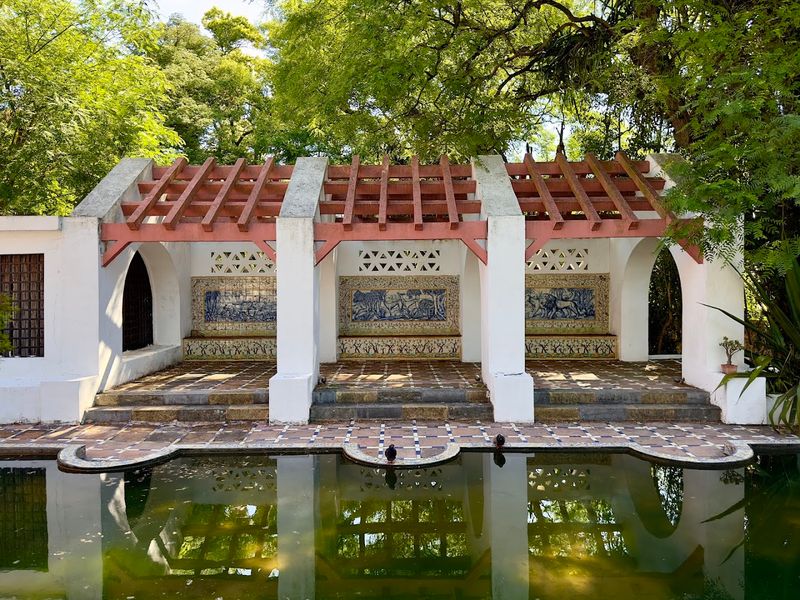
Located in Lisbon, this garden quietly blends botanical beauty with historical storytelling. Originally created during Portugal’s colonial era, it features plant species from Africa, Asia, and South America.
What sets it apart is the integration of artistic and cultural elements throughout the landscape. Sculptures, stone carvings, and traditional azulejo tiles appear unexpectedly among the greenery.
Some areas feel like curated exhibits, while others retain a more natural, slightly overgrown charm. This contrast gives the garden a layered personality, where each section reveals a different influence or era.
Visitors can wander from palm-lined paths to shaded corners filled with statues that hint at Portugal’s global past. It’s not just a place to admire plants but also to reflect on how art, history, and nature intersect in subtle and sometimes surprising ways.
5. Hunter’s Point South Park, New York, USA
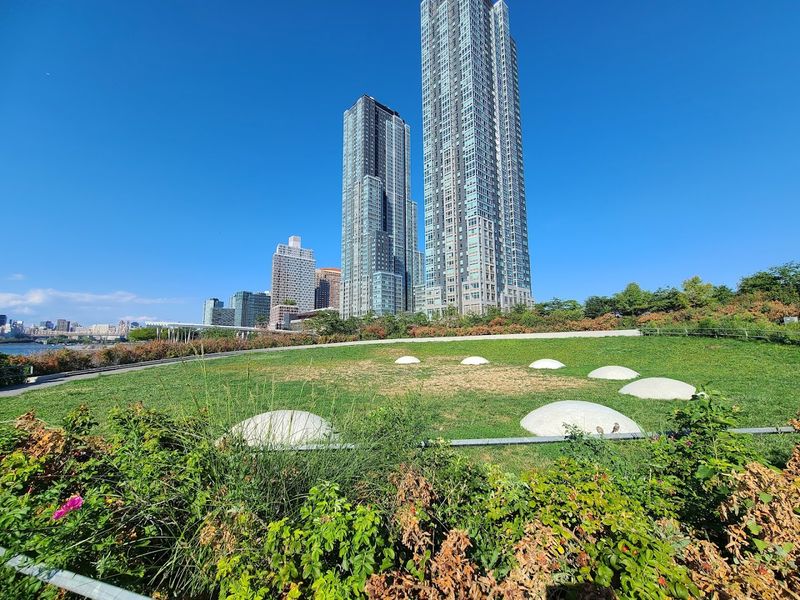
This modern urban garden transforms a waterfront space into a blend of ecology and contemporary design. Located in Queens, Hunter’s Point South Park features sculptural seating, geometric pathways, and carefully curated plant life that changes with the seasons.
The design emphasizes sustainability while still feeling artistic and inviting. Native plants create a natural rhythm, while elevated walkways offer unique perspectives of both the garden and the Manhattan skyline.
Art is woven into the environment rather than displayed separately, making the entire park feel like one cohesive installation. It’s especially striking at sunset when the light reflects off the river and highlights the shapes and textures of the landscape.
This space proves that even in a dense city, thoughtful design can create a peaceful, visually engaging retreat where nature and creativity coexist beautifully.
6. Les Jardins de Marqueyssac, France
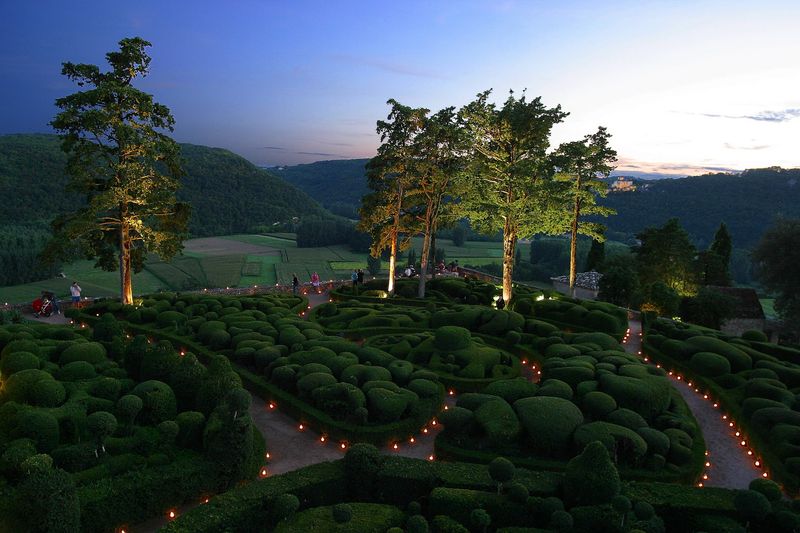
Perched above the Dordogne Valley, this garden is famous for its meticulously sculpted boxwood hedges. Thousands of hand-trimmed shrubs form flowing, wave-like patterns across the hillside, creating a sense of movement in an otherwise still landscape.
The precision involved in maintaining these shapes turns the garden into a living sculpture. Winding paths lead visitors through this green maze, offering viewpoints that reveal the full scale of the design.
At certain times of year, candlelight evenings transform the space into something even more magical, with soft light dancing across the curves of the hedges. Despite its formal appearance, the garden feels inviting rather than rigid.
It’s a perfect example of how careful design and artistic vision can elevate simple elements into something truly extraordinary and immersive.
7. Ryoan-ji Zen Garden, Japan
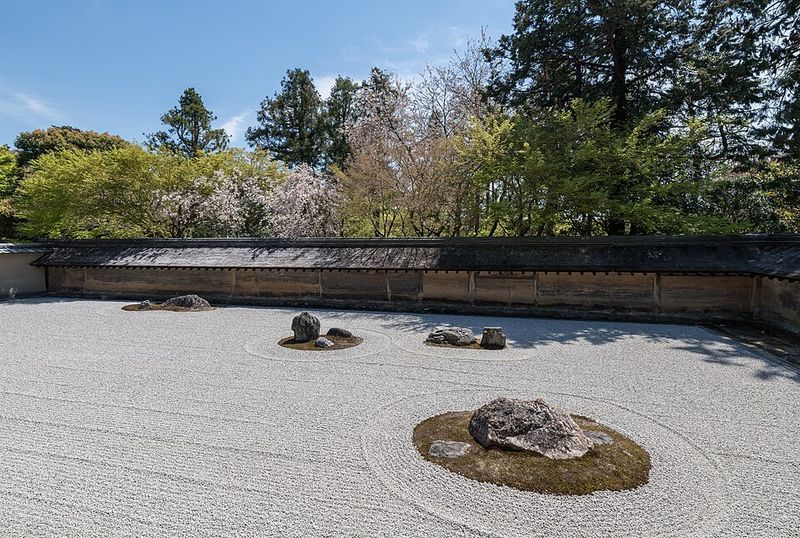
Ryoan-ji is one of the most famous Zen gardens in the world, yet its simplicity makes it endlessly intriguing. Located in Kyoto, this rock garden consists of carefully arranged stones set within a sea of raked gravel.
At first glance, it may seem minimal, but that’s where its depth lies. The arrangement is designed so that no matter where you stand, you can never see all the stones at once.
This subtle detail encourages contemplation and reflection. The garden is less about visual complexity and more about the experience it creates within the observer.
It invites stillness, focus, and a deeper appreciation for balance and space. Over time, visitors often find that the garden reveals new meanings, making it as much a mental journey as a physical one.
8. Keukenhof Sculpture Garden, Netherlands
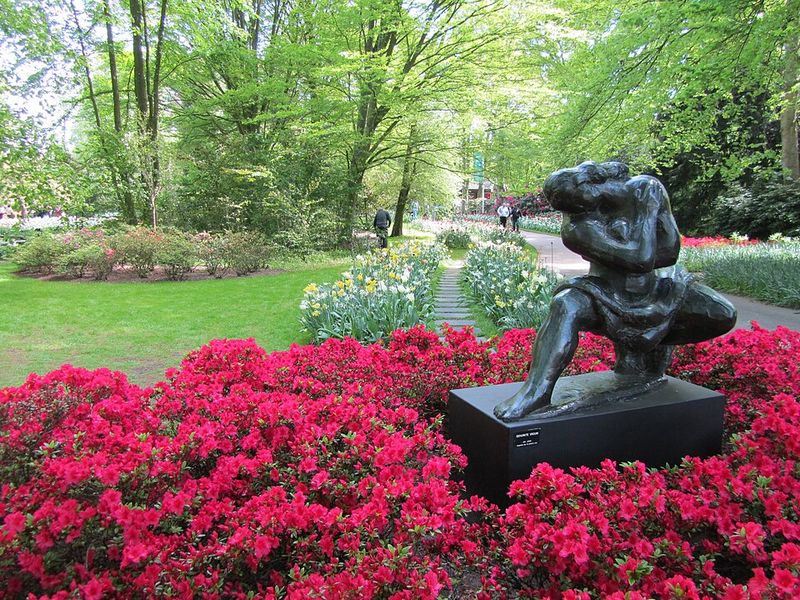
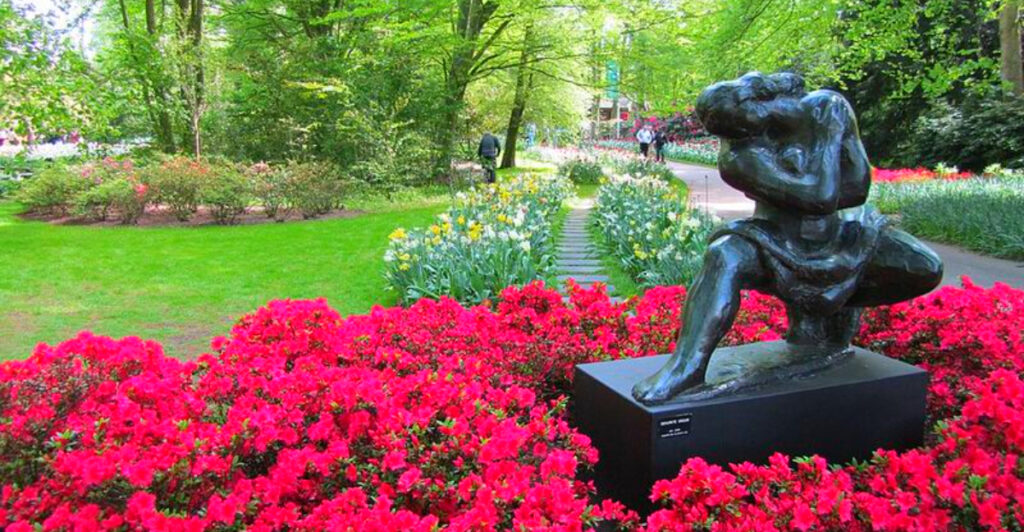
While Keukenhof is widely known for its vibrant tulip displays, its sculpture garden adds another layer of creativity to the experience. Spread throughout the grounds, modern and classical sculptures appear among the flowers, creating unexpected moments of artistic discovery.
Each year, the selection of artworks changes, ensuring that no two visits are exactly the same. The contrast between organic floral patterns and structured sculptures makes the space feel dynamic and alive.
Visitors can wander through colorful fields while encountering pieces that provoke thought or simply add visual interest. The integration of art doesn’t overpower the natural beauty but enhances it, encouraging a slower, more observant way of exploring the garden.
9. Kirstenbosch Sculpture Garden, South Africa
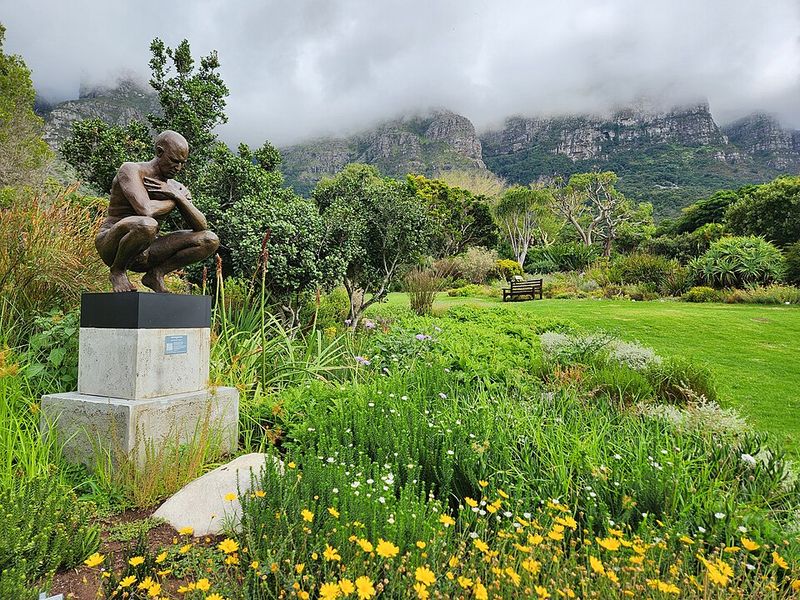
Set at the base of Table Mountain, Kirstenbosch is already one of the most beautiful botanical gardens in the world. The addition of sculptures throughout the landscape elevates it into a cultural experience as well.
Many of the artworks are created by African artists, reflecting local stories and traditions. These pieces are carefully placed among native plants, creating a seamless blend between art and environment.
Walking through the garden feels like moving through a curated exhibition that changes with every turn. The dramatic mountain backdrop adds to the sense of scale and beauty.
It’s a place where nature and human creativity complement each other perfectly, offering visitors both visual inspiration and a deeper connection to the surrounding landscape.
10. Gardens of Bomarzo, Italy
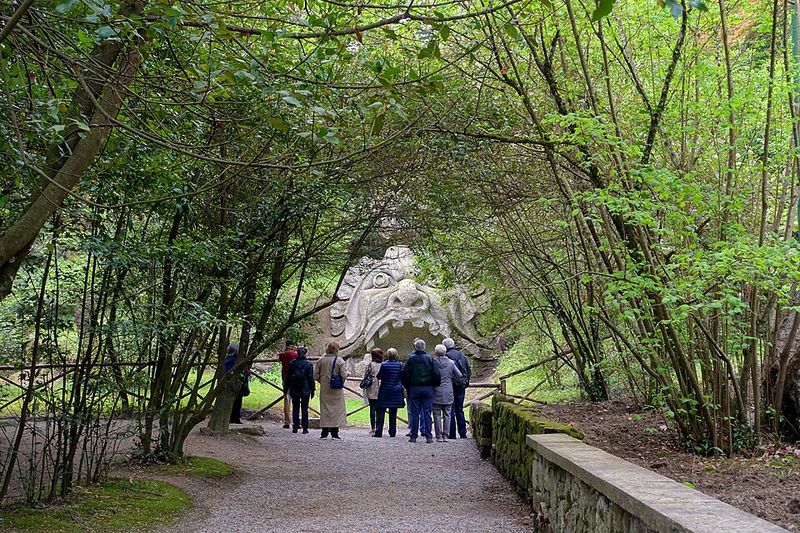
Also known as the “Monster Park,” the Gardens of Bomarzo offer a completely different kind of artistic experience. Hidden in a forest, the garden is filled with bizarre and sometimes unsettling stone sculptures.
Massive faces, mythical creatures, and strange structures appear unexpectedly along winding paths. Created in the 16th century, the garden was designed to surprise and provoke emotion rather than follow traditional aesthetics.
Some sculptures even include hidden messages or inscriptions, adding layers of mystery. The slightly overgrown setting enhances the surreal atmosphere, making it feel like a dream—or perhaps a nightmare.
It’s not a garden for relaxation but for exploration and curiosity, where art challenges expectations at every step.
11. Villa Celle Sculpture Park, Italy
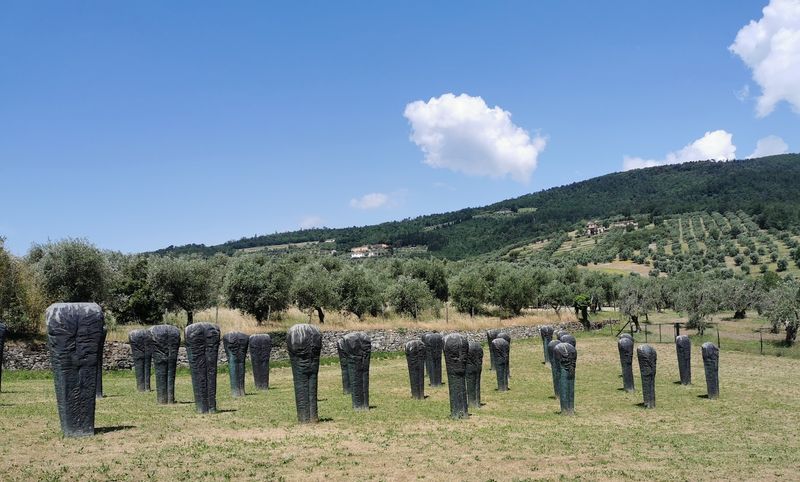
Villa Celle combines contemporary art with a historic landscape in a way that feels both bold and harmonious. Large-scale installations are scattered throughout the park, each interacting with its surroundings in a unique way.
Some pieces are subtle, blending into the environment, while others are impossible to miss. The garden encourages visitors to explore slowly, discovering each artwork as part of a larger narrative.
The contrast between modern design and traditional greenery creates a dynamic visual experience. It’s a space where art doesn’t just sit within nature but actively engages with it, transforming the way visitors perceive both.
12. Alnwick Garden, England
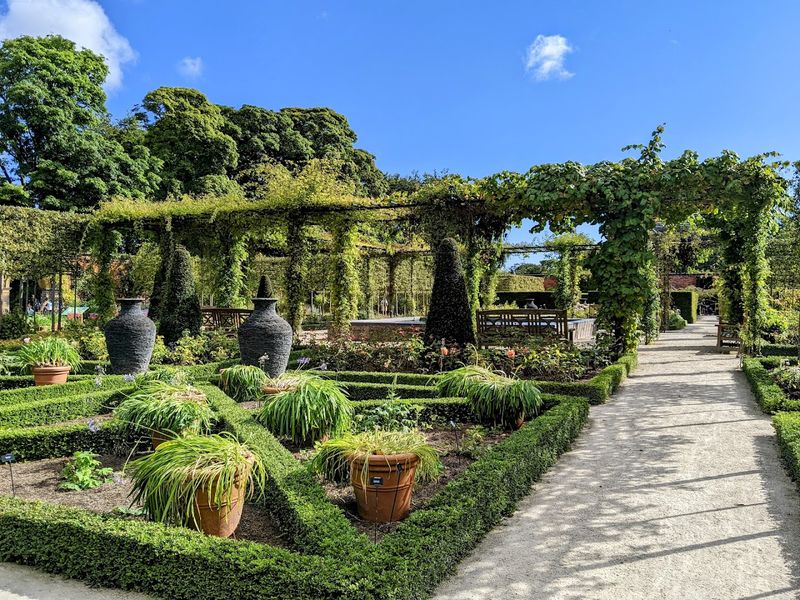
Alnwick Garden stands out as one of the most imaginative green spaces in the UK, blending bold design with a sense of curiosity and discovery. Its most famous feature, the Poison Garden, showcases a collection of toxic plants that are both beautiful and dangerous, all carefully curated with guided tours that explain their history and effects.
Beyond this intriguing section, the garden unfolds into a series of visually striking spaces filled with cascading fountains, geometric landscaping, and sculptural elements that feel almost theatrical. Seasonal blooms add shifting color palettes throughout the year, ensuring there’s always something new to experience.
The layout encourages exploration, with hidden corners and open spaces that invite visitors to slow down and take it all in. It’s a place where storytelling, science, and artistic landscaping come together in a way that feels engaging rather than overwhelming.
13. Hakone Open-Air Museum Garden, Japan
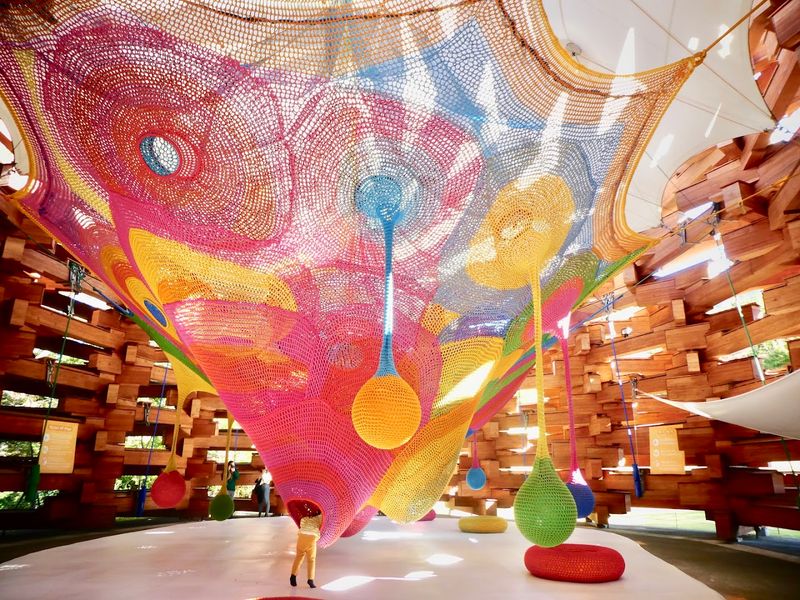
Set against the serene mountains of Hakone, this open-air garden transforms art viewing into a fully immersive experience. Large-scale sculptures are thoughtfully placed across rolling lawns, creating a dialogue between human creativity and the natural landscape.
The collection includes works from both Japanese and international artists, ranging from abstract installations to more recognizable forms. One of the most captivating aspects is how the environment changes the artwork itself – fog, sunlight, and seasonal shifts all alter how each piece is perceived.
Visitors are encouraged to interact with certain installations, making the experience feel playful as well as reflective. Walking through the garden feels like moving through a living exhibition where no two moments are quite the same.
It’s a perfect example of how art can exist beyond walls, becoming part of the world rather than separate from it.
14. Inhotim, Brazil
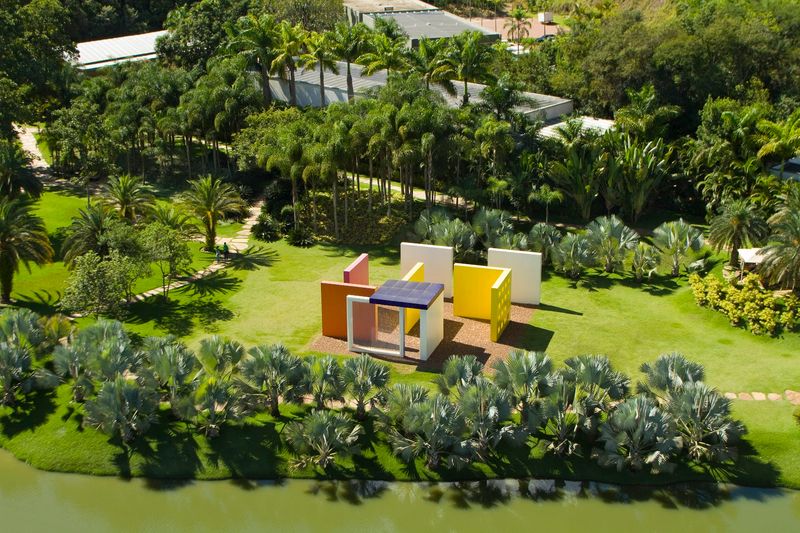
Inhotim is less a garden and more an entire universe dedicated to the fusion of art and nature. Spanning a vast area in the Brazilian countryside, it combines botanical collections with cutting-edge contemporary art installations.
The scale alone is impressive, with winding paths leading visitors through tropical landscapes, hidden pavilions, and expansive open-air galleries. Each section feels like its own world, where architecture, sculpture, and plant life interact in unexpected ways.
Some artworks are monumental and bold, while others are subtle and tucked away, rewarding those who take the time to explore. Electric carts are often used to navigate the grounds, emphasizing just how expansive the space is.
Inhotim invites visitors to spend a full day – or more – wandering, discovering, and reflecting. It’s a place where creativity feels limitless, offering an ever-evolving experience that blends relaxation with inspiration.
15. Queen Elizabeth Olympic Park Gardens, London
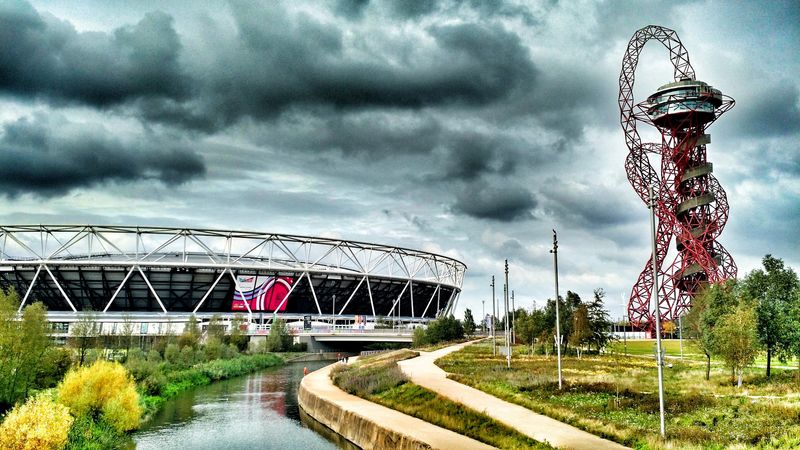
What was once the site of the 2012 Olympic Games has been transformed into a vibrant and forward-thinking green space that feels both modern and inviting. The gardens are designed with sustainability in mind, featuring diverse plant species that support local wildlife while creating a visually dynamic environment.
Flowing pathways guide visitors through colorful meadows, wetlands, and carefully designed landscapes that change with the seasons. Subtle artistic elements are woven throughout the park, from sculptural bridges to creative planting patterns that feel almost painterly when viewed from above.
The space also serves as a community hub, blending recreation with quiet areas for relaxation. It’s a strong example of how urban design can prioritize both beauty and function, turning a once temporary event space into a lasting destination where nature and creativity continue to thrive side by side.
Share this story