Some destinations aren’t just defined by how they look, but by the strange stories they carry. From abandoned experiments to accidental landmarks, these places prove history can be just as unusual as nature.
1. Hashima Island, Japan
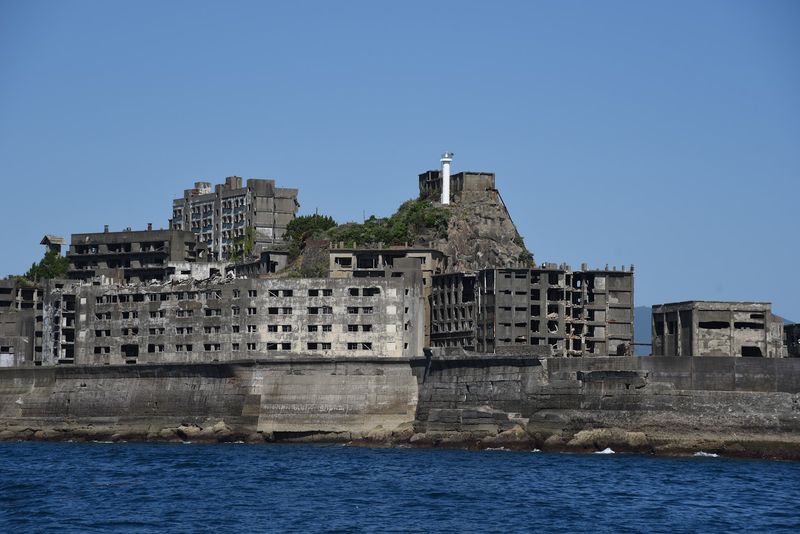
Hashima Island, often called Battleship Island due to its shape, was once a powerful symbol of Japan’s rapid industrialization.
During the early 20th century, it became a major coal mining facility, packed with workers and their families living in tightly built concrete apartment blocks.
At its peak, thousands of people lived on this tiny island, making it one of the most densely populated places in the world.
Life was intense but self-contained, with schools, shops, and communal spaces built into the limited area.
When coal demand declined, the island was abandoned in 1974 almost overnight.
Everything was left behind, from furniture to personal belongings, creating a haunting snapshot of daily life frozen in time.
Today, visitors can explore parts of the island on guided tours.
The crumbling buildings, combined with crashing waves and empty silence, create an atmosphere that feels both cinematic and deeply unsettling.
2. Centralia, Pennsylvania, USA
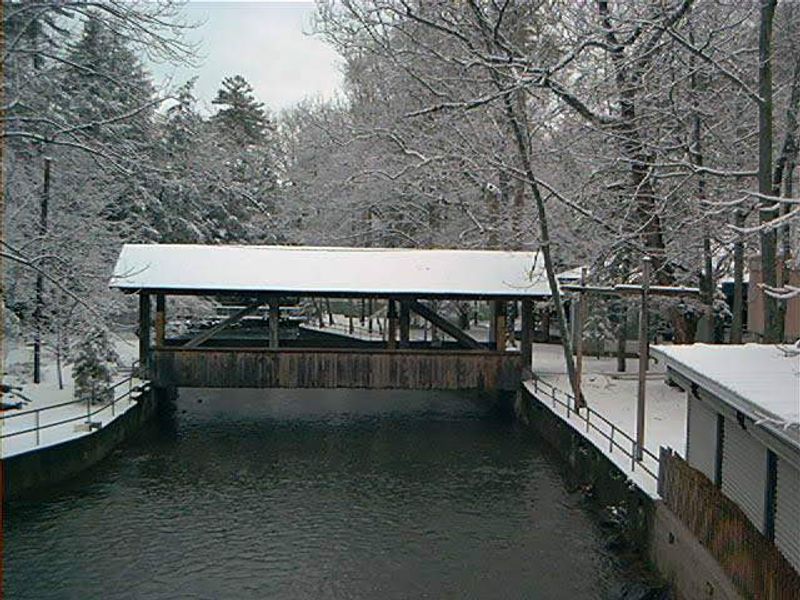
Centralia’s story began in 1962 with what seemed like a routine landfill fire. However, the flames spread underground into coal seams, igniting a fire that still burns today.
As the fire grew, residents began noticing strange and dangerous changes.
Toxic gases leaked into homes, sinkholes opened unexpectedly, and the ground itself became unstable.
Over the years, the government relocated most of the population for safety reasons.
Homes were demolished, leaving behind empty streets and scattered remnants of a once-lively town.
Even now, smoke can be seen rising from cracks in the earth, and some areas remain too dangerous to access.
Graffiti-covered roads and abandoned spaces have turned Centralia into an eerie, open-air reminder of environmental disaster.
It’s a place where a single incident reshaped an entire community for generations.
3. Aokigahara Forest, Japan
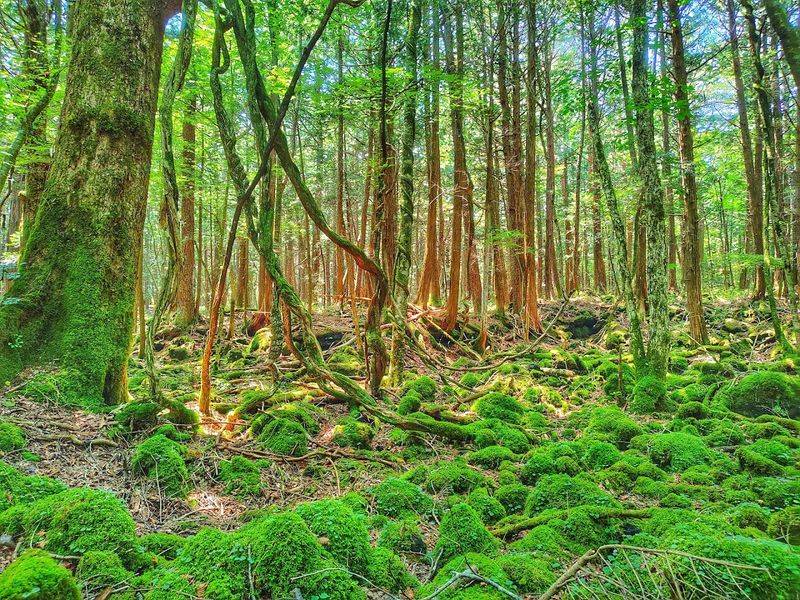
Aokigahara Forest stretches across the base of Mount Fuji, known for its dense vegetation and unusual stillness.
The volcanic soil absorbs sound, creating a quiet that many visitors describe as almost unnatural.
Historically, the forest has been connected to Japanese folklore and spiritual beliefs.
These stories have contributed to its mysterious and sometimes somber reputation over time.
Despite this, Aokigahara is also rich in natural features.
Hidden caves formed by past lava flows and unique plant life make it an interesting destination for exploration.
Walking through the forest can feel disorienting, as the dense trees block visibility and distort sound.
Many visitors report a mix of calmness and unease during their visit.
It’s a place where nature’s beauty and human emotion intersect, creating an experience that is both peaceful and deeply thought-provoking.
4. The Winchester Mystery House, California, USA
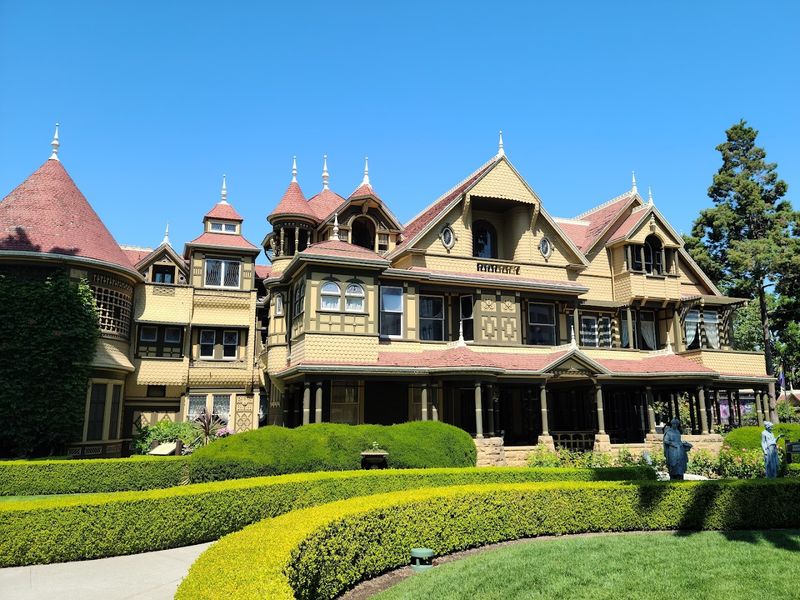
The Winchester Mystery House is one of the most unusual architectural creations in the United States.
Built by Sarah Winchester, the widow of a firearm manufacturer, the house expanded continuously for decades.
Construction rarely followed a clear plan, resulting in a maze-like structure filled with odd design choices.
Staircases lead to ceilings, doors open into walls, and windows appear in unexpected places.
Some believe the design was meant to confuse spirits, while others see it as a reflection of grief and obsession.
Regardless of the reason, the house stands as a unique example of unconventional thinking.
Visitors today can explore its many rooms and passageways, often feeling like they’re navigating a puzzle.
Each corner reveals something unexpected, adding to the sense of mystery.
It’s a place where architecture becomes storytelling, shaped by emotion, rumor, and imagination.
5. Pripyat, Ukraine
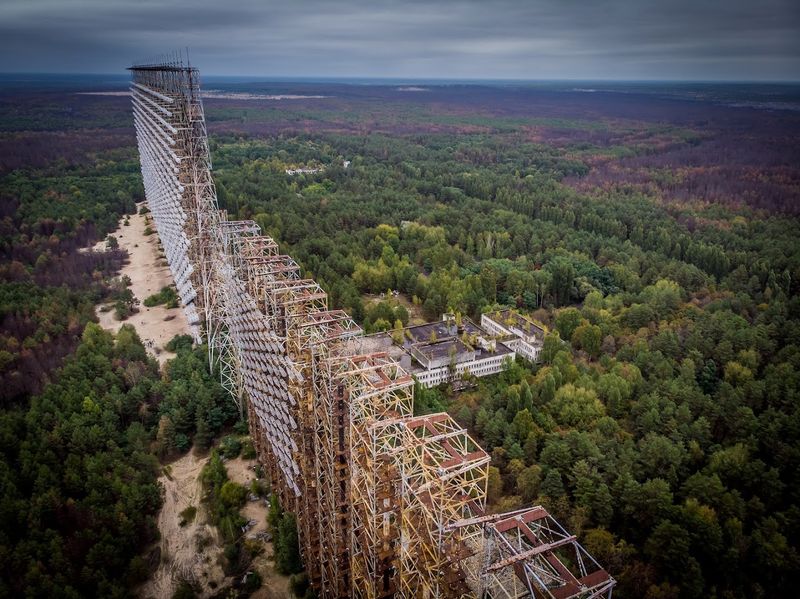
Pripyat was once a thriving city built to house workers of the nearby Chernobyl nuclear power plant.
It featured modern amenities, including schools, parks, and an amusement park that was never fully used.
After the 1986 nuclear disaster, the city was evacuated in a matter of hours.
Residents left behind everyday items, expecting to return, but they never did.
Today, Pripyat remains largely untouched, offering a rare glimpse into life at that moment in history.
Nature has slowly reclaimed the area, with trees growing through buildings and wildlife returning.
The contrast between human abandonment and natural recovery is striking.
Rusting structures stand alongside greenery, creating a surreal visual landscape.
It’s both a historical site and a reminder of the risks tied to technological advancement.
6. Roanoke Colony, North Carolina, USA
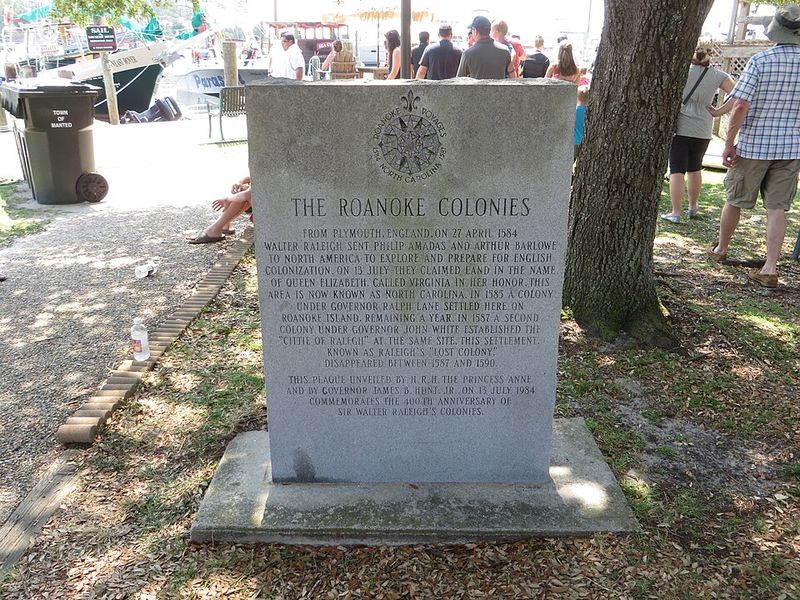
The Roanoke Colony remains one of the most enduring mysteries in American history.
Established in the late 1500s, it was one of the first English settlements in the New World.
When a supply expedition returned after several years, the colony had vanished completely.
There were no signs of conflict, only the word “CROATOAN” carved into a post.
Historians have proposed various theories, including relocation or integration with local tribes.
However, no explanation has been proven definitively.
The lack of evidence continues to spark curiosity and debate.
It’s a mystery that has persisted for centuries without resolution.
Roanoke stands as a reminder that not all chapters of history have clear endings.
7. Area 51, Nevada, USA
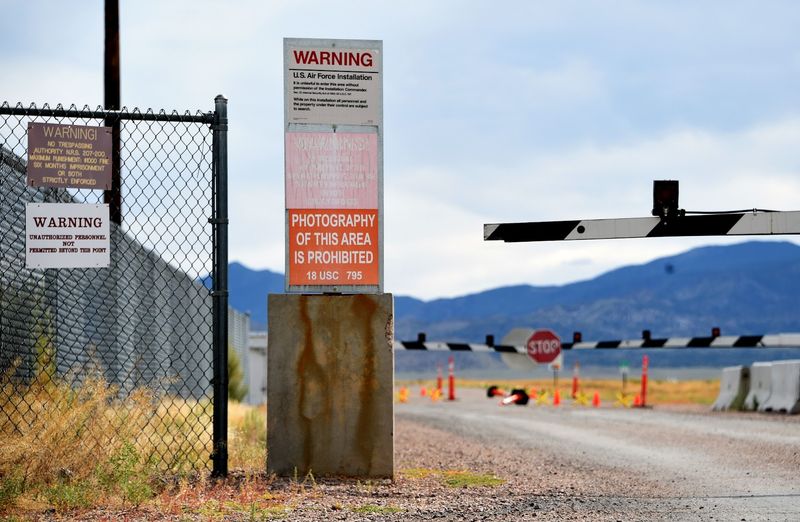
Area 51 is one of the most secretive and widely discussed locations in the world.
Officially, it has been used for testing experimental aircraft and military technology.
Its remote desert location adds to the sense of isolation and secrecy.
Restricted access has fueled decades of speculation and conspiracy theories.
Stories of alien encounters and hidden experiments have become deeply tied to its identity.
Even as some information has been declassified, much remains unknown.
The mystery surrounding Area 51 has made it a cultural phenomenon.
It represents how secrecy can spark imagination and storytelling on a global scale.
Whether viewed as a real military site or a symbol of the unknown, it continues to fascinate.
8. Easter Island, Chile
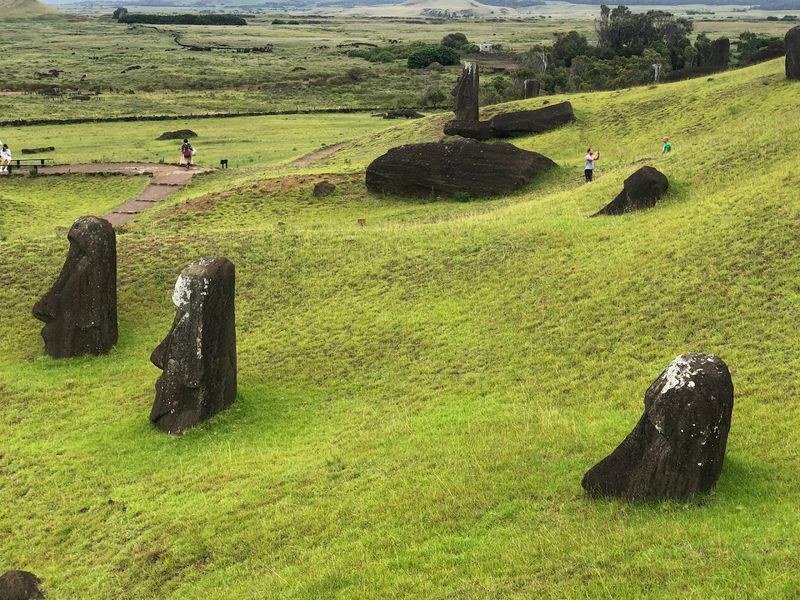
Easter Island feels like a place suspended between history and myth.
Scattered across its grassy landscape are the iconic moai statues – massive stone figures carved centuries ago, each with a quiet, watchful presence.
What makes them so fascinating isn’t just their size, but the mystery behind them.
How were they transported across the island without modern tools, and why were they placed where they are?
Researchers have proposed clever theories, but no single explanation fully answers every question.
That uncertainty is part of the island’s charm.
Beyond the statues, Easter Island tells a deeper story of survival, environmental strain, and cultural evolution.
Standing among the moai, you get a sense that this place holds more history than it reveals.
It’s not just a destination – it’s an experience shaped by silence, scale, and unanswered questions that continue to spark curiosity.
9. The Door to Hell, Turkmenistan
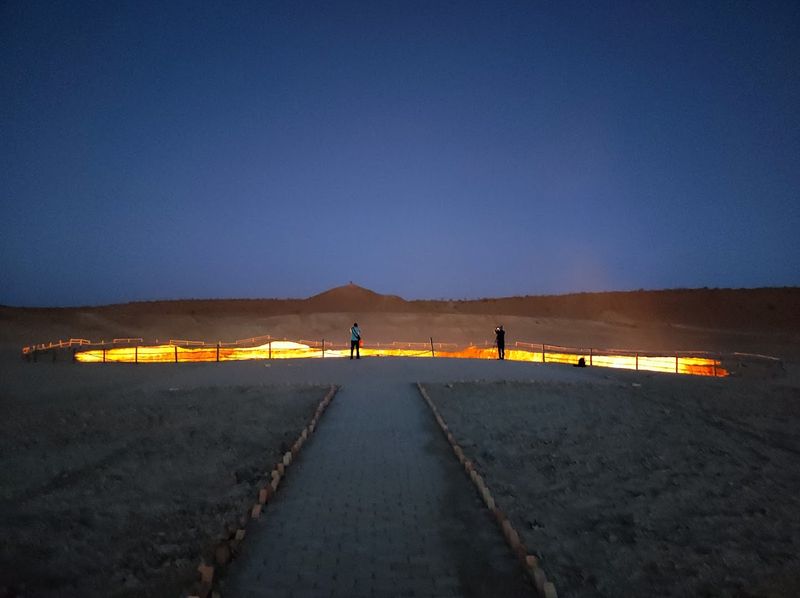
In the middle of Turkmenistan’s desert, a massive fiery crater burns without pause.
Known as the Door to Hell, it’s one of the most surreal sights you can encounter anywhere in the world.
It began as a scientific miscalculation when a drilling operation collapsed into a gas pocket.
To prevent dangerous emissions, the gas was set alight, with the expectation it would burn out in days.
Decades later, it’s still going.
The flames flicker constantly, casting an orange glow that becomes even more dramatic after sunset.
Standing at the edge, you feel the heat rising and hear the steady roar of fire below.
It’s both mesmerizing and slightly unsettling.
What started as a mistake has become a strange landmark – one that feels almost too intense to be real.
10. Bhangarh Fort, India
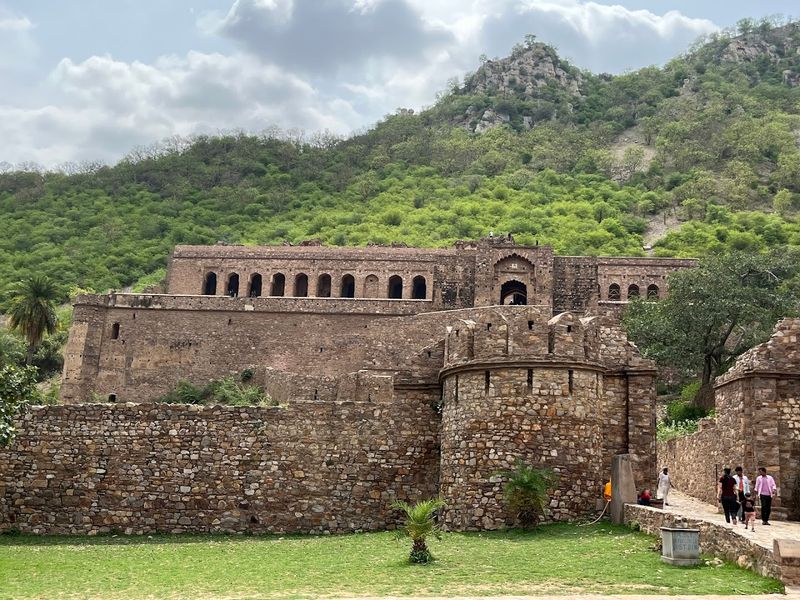
Bhangarh Fort is often described as one of India’s most mysterious historical sites, and it’s easy to see why.
Set among rocky hills and scattered ruins, it carries a quiet atmosphere that feels slightly off the moment you arrive.
The site’s reputation comes largely from local legends.
Stories of curses, tragic love, and sudden abandonment have been passed down for generations.
Whether these tales are true or not, they shape how people experience the place.
Even during the day, there’s a subtle sense of tension in the air.
The ruins themselves are expansive, including temples, marketplaces, and palace remains that hint at a once-thriving community.
Everything now sits in silence, slowly weathered by time.
Visitors are required to leave before sunset, which only deepens the intrigue.
Bhangarh is less about what happened – and more about what might have.
11. Poveglia Island, Italy
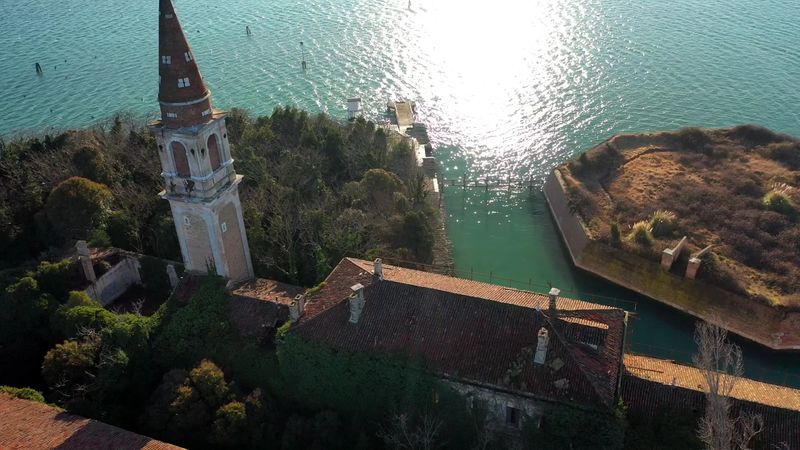
Poveglia Island sits quietly in the Venetian Lagoon, but its past tells a far heavier story.
For centuries, it was used as a quarantine zone during outbreaks of plague, isolating the sick from the mainland.
Thousands were brought here, and many never left, giving the island a deeply somber history.
Later, it became home to a mental institution, adding another layer of unease to its reputation.
Today, the island is abandoned, with crumbling buildings and overgrown vegetation slowly reclaiming the land.
There are no tourists, no shops, and no easy access.
This isolation has only fueled speculation and stories about what might still linger there.
Even from a distance, it carries an unsettling presence.
Poveglia isn’t dramatic in appearance, but its history gives it weight.
It’s the kind of place where silence feels louder than anything else.
12. Skara Brae, Scotland
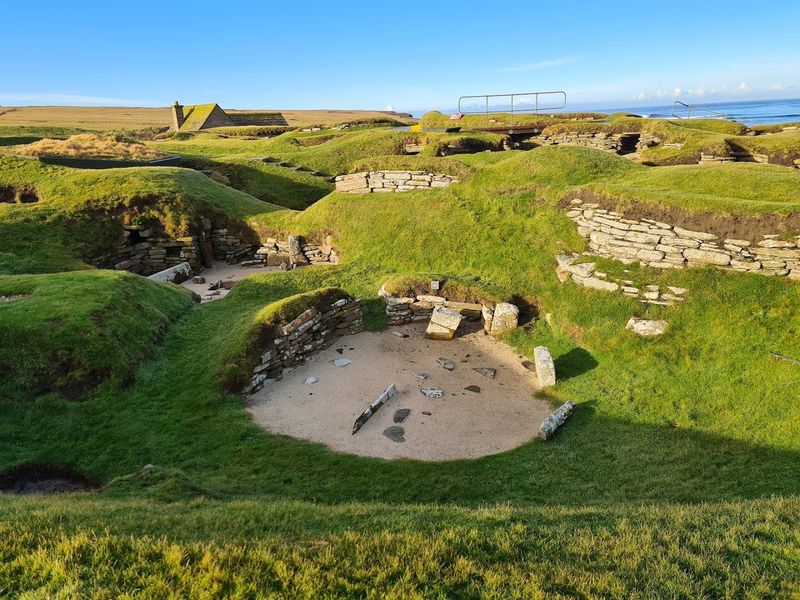
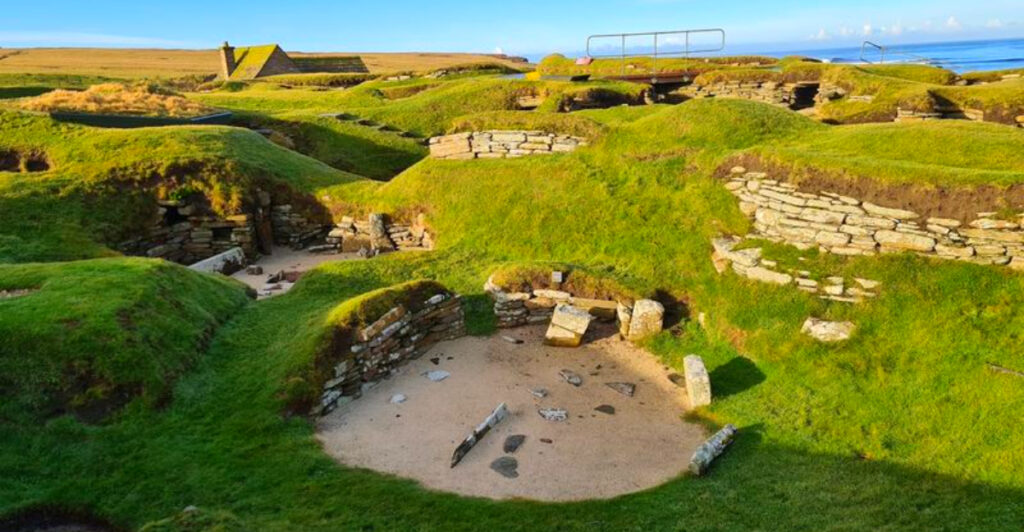
Skara Brae offers one of the clearest windows into prehistoric life anywhere in the world.
Dating back over 5,000 years, this stone-built village was hidden beneath sand dunes until a storm revealed it in the 1800s.
What makes it remarkable is how intact everything is.
Homes still contain stone beds, storage compartments, and even primitive shelving.
The layout suggests a close-knit community, with passageways connecting each structure.
It feels organized, intentional, and surprisingly advanced for its time.
Walking through Skara Brae doesn’t feel like visiting ruins.
It feels like stepping into someone’s home, just paused in time.
The simplicity of the design contrasts with its durability.
Despite thousands of years of exposure, much of it remains standing.
It’s a quiet but powerful reminder that human life, even in its earliest forms, was far more complex than we often imagine.
13. The Bermuda Triangle, Atlantic Ocean
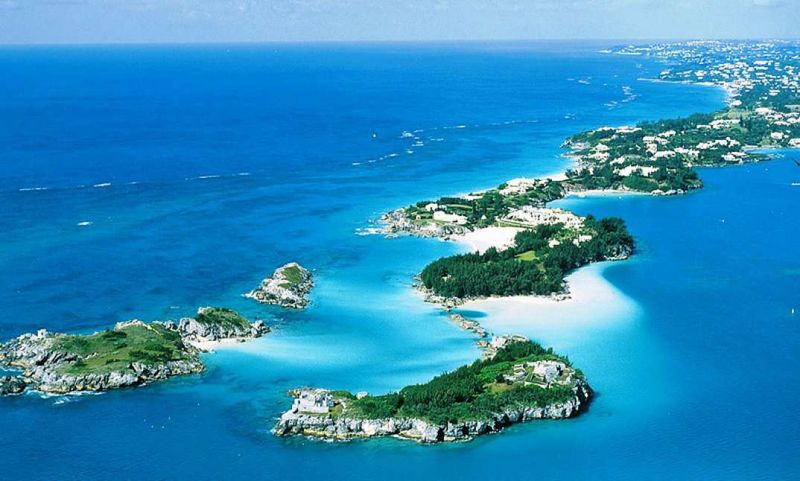
The Bermuda Triangle is less a defined place and more a collection of stories that refuse to fade.
Stretching between Florida, Bermuda, and Puerto Rico, it has been linked to unexplained disappearances for decades.
Ships and aircraft have reportedly vanished under unusual circumstances, often without clear evidence.
While many incidents have logical explanations, the pattern has fueled endless speculation.
Over time, the mystery has grown through books, documentaries, and popular culture.
It has become a symbol of the unknown rather than just a geographic area.
What makes it so compelling is the lack of a single answer.
Each story adds another layer to the legend.
Even today, the Bermuda Triangle sparks curiosity and debate.
It reminds us that sometimes, the stories we tell can be just as powerful as the facts themselves.
14. Oradour-sur-Glane, France
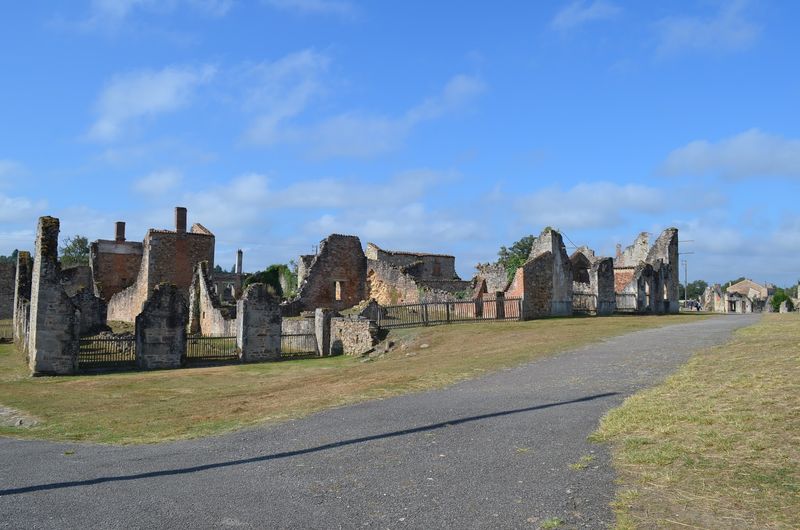
Oradour-sur-Glane stands as one of the most powerful preserved historical sites in Europe.
After being destroyed during World War II, the village was never rebuilt, intentionally left as a memorial.
What remains is a haunting but respectful snapshot of the past.
Burned-out homes, rusted cars, and personal belongings still sit where they were found.
Walking through the village feels quiet and reflective rather than eerie.
There’s a sense of stillness that encourages visitors to slow down and absorb what happened.
Unlike restored historical sites, nothing here has been softened or reconstructed.
The rawness is what gives it meaning.
It serves as a reminder of real lives, not just historical events.
Every detail tells part of that story.
Oradour-sur-Glane doesn’t rely on mystery or legend.
Its impact comes from reality, preserved in its most honest form.
15. Socotra Island, Yemen
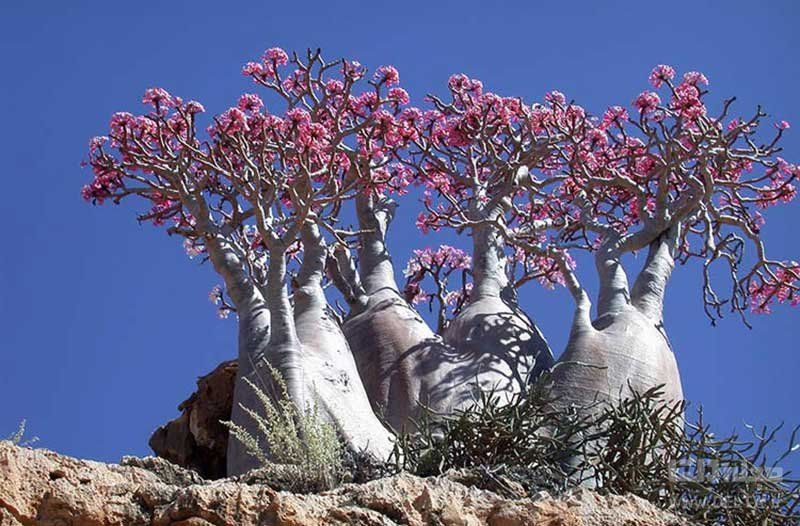
Socotra Island feels almost disconnected from the rest of the world in the best possible way.
Its landscapes are so unusual that they’re often compared to scenes from another planet.
The most iconic feature is the dragon blood tree, with its wide, umbrella-like canopy and striking shape.
These trees, along with many other species, exist nowhere else on Earth.
This biodiversity is the result of millions of years of isolation.
With little outside influence, the island developed its own unique ecosystem.
Human life here has also adapted to these conditions, creating distinct traditions and ways of living.
It’s not just nature that feels different – it’s the entire experience.
Visitors often describe Socotra as surreal yet peaceful.
It’s a rare example of a place that has remained largely untouched.
In a world that feels increasingly familiar, Socotra stands out as something truly unexpected.
Share this story