History has a funny habit of preserving signatures, portraits, court records, patents, and gossip while misplacing the one detail everyone actually wants. From Renaissance notebooks and imperial succession puzzles to missing aircraft files and classified scientific papers, the past is full of locked drawers that no archive has fully opened.
The people in this list shaped art, empires, literature, technology, and popular imagination, yet each left behind a question that still sends scholars, fans, and professional speculators back to the evidence. Read on, and you will see how a single unanswered detail can keep an entire era feeling unfinished.
1. Leonardo da Vinci
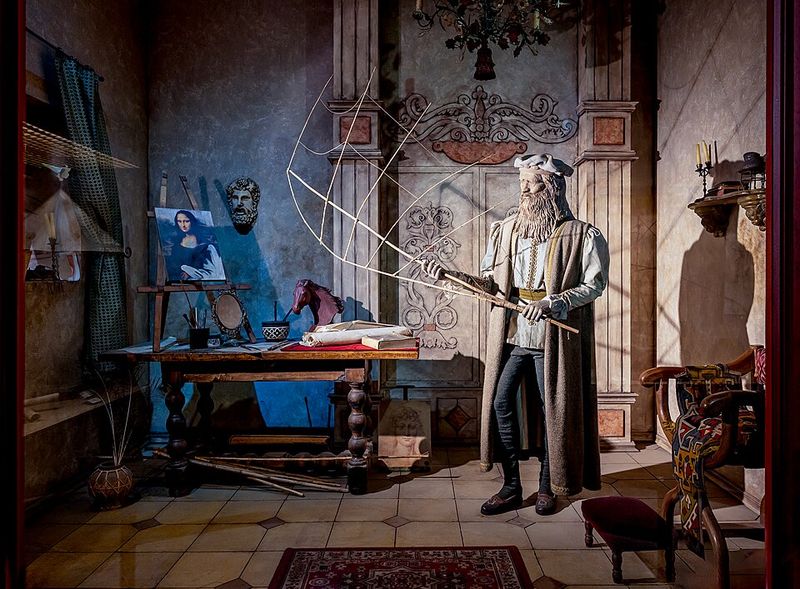
A notebook written backward is exactly the kind of paperwork that keeps historians gainfully employed. Leonardo da Vinci filled thousands of pages with studies of anatomy, machines, water systems, optics, and flight, often using mirror writing from right to left.
Only about 7,000 pages survive, probably a fraction of what once existed. His designs included flying machines, a parachute, self-supporting bridges, mechanical devices, and a diving suit he may have withheld because of military uses.
The mystery is not simply whether he hid messages, though some researchers still test that idea. It is what disappeared when his manuscripts were scattered after 1519, and how many ideas never reached patrons, printers, or builders.
You can read his notebooks as brilliance, caution, or private habit. Either way, Leonardo kept enough unsaid to make every sketch feel like a door left half open.
2. Cleopatra
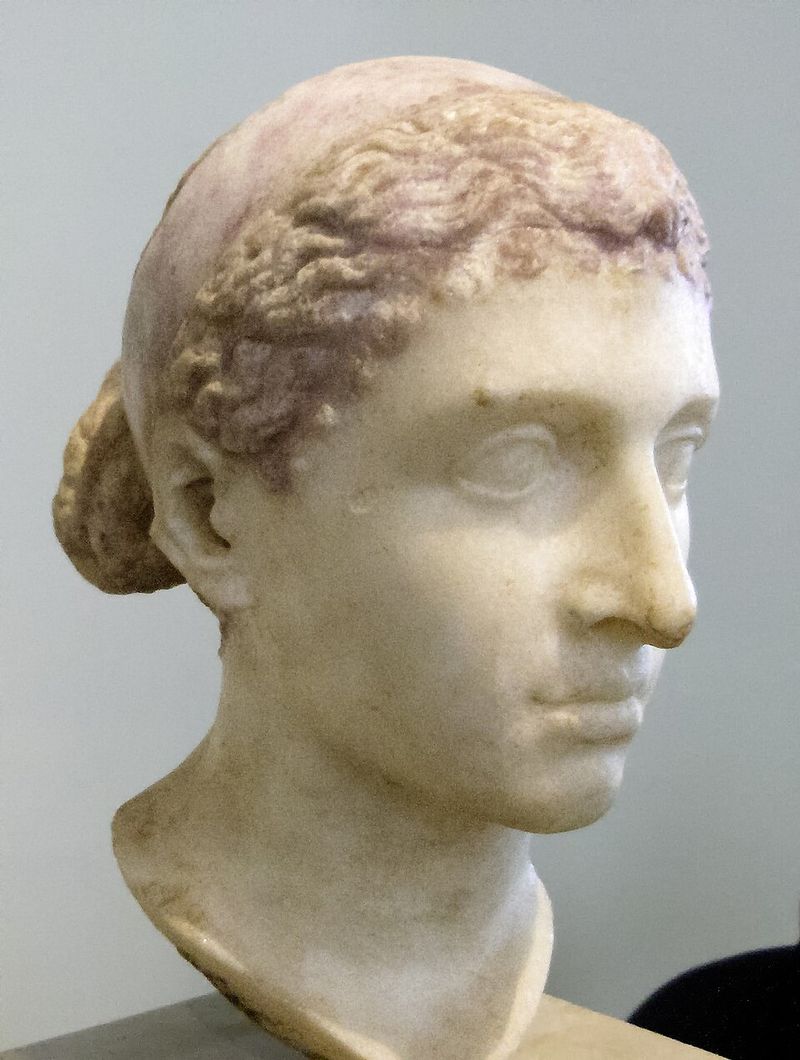
Few rulers have been edited by their enemies as thoroughly as Egypt’s last Ptolemaic queen. Cleopatra lived in a world where Roman politics, dynastic ambition, and public image were all part of survival.
Her final hours in 30 BCE remain debated because the surviving accounts came through writers shaped by Rome’s victory. The famous snake story is memorable, but poison, staged ritual, or a more practical method have all been proposed.
What she intended for Egypt is another unfinished file. She negotiated with Rome, ruled with administrative skill, issued coinage, and presented herself through both Greek and Egyptian traditions.
The missing truth matters because her reputation became a political tool almost immediately. Cleopatra left no personal memoir to correct the script, so later centuries inherited a queen filtered through propaganda, theater, painting, and film.
Her secret is partly the event itself, and partly the person hidden behind the legend.
3. Alexander the Great
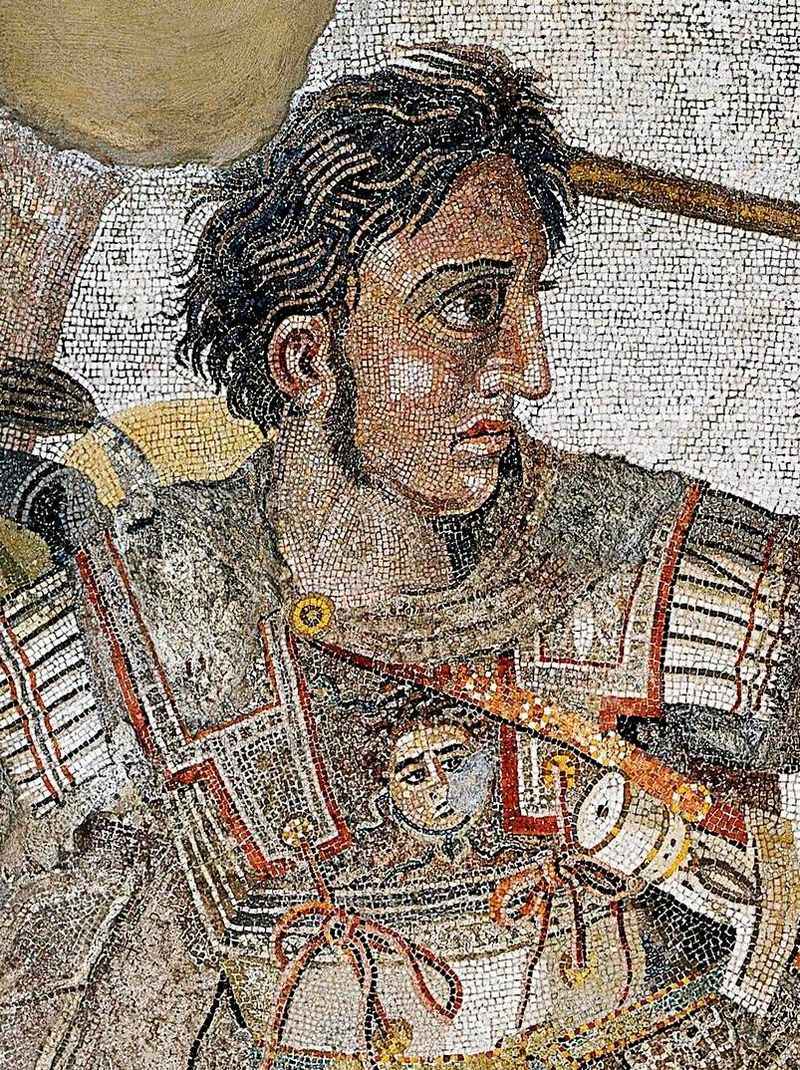
An empire stretching across three continents is a terrible thing to leave without clear instructions. Alexander the Great reached Babylon in 323 BCE after campaigns that connected Greece, Egypt, Persia, and parts of India.
Then, at 32, he fell gravely ill after days of fever, pain, and court uncertainty. Ancient sources disagree on whether disease, poisoning, exhaustion, or complications from earlier wounds best explain the crisis.
The larger secret was political. No accepted adult heir stood ready, and reports that he offered the empire to “the strongest” may reflect later storytelling more than reliable minutes from the room.
His generals divided territories, founded dynasties, and reshaped the Mediterranean and Near East for centuries. Yet the key question remains whether Alexander had a real succession plan that vanished in panic, was suppressed by rivals, or never existed.
His silence turned conquest into one of history’s messiest inheritance disputes.
4. William Shakespeare
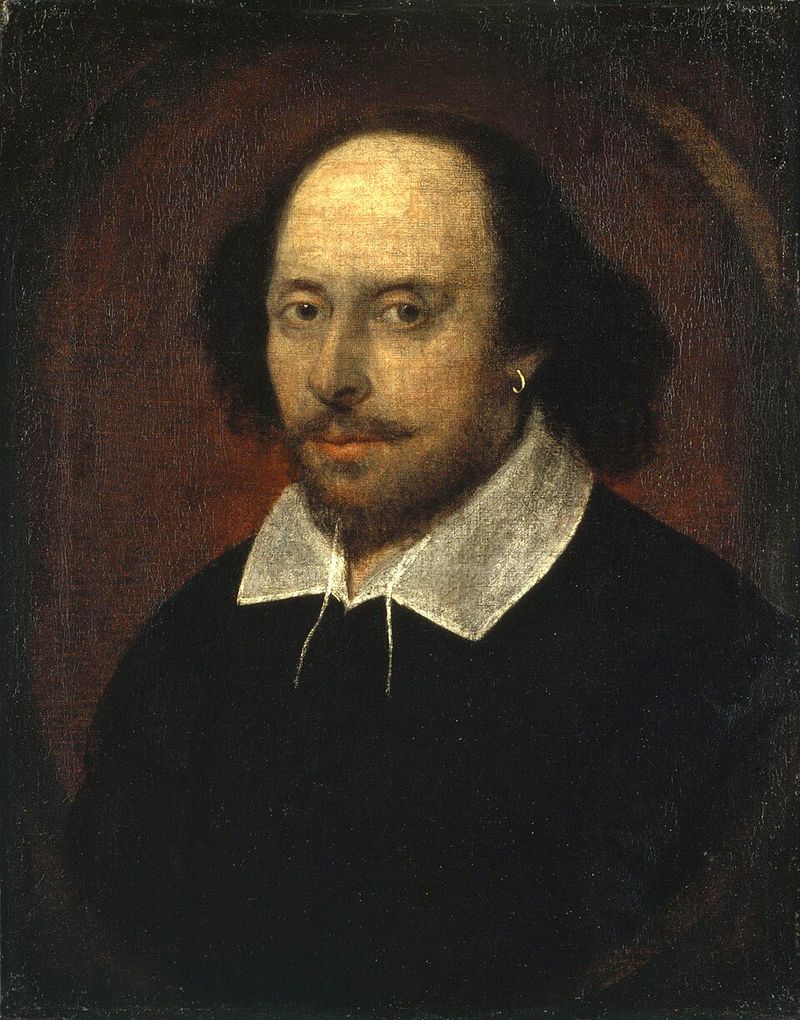
The world’s most quoted playwright left scholars with a surprisingly thin paperwork trail. William Shakespeare appears in baptismal records, legal documents, property transactions, theater references, and a will, but not in the chatty personal material readers crave.
That gap has invited centuries of speculation about his education, sources, friendships, and writing habits. Authorship theories remain popular in corners of pop culture, though mainstream scholarship firmly attributes the plays to the Stratford writer.
The real mystery is less dramatic and more human. How did a glover’s son from a market town absorb law, court manners, classical stories, foreign settings, and the commercial instincts of London theater so effectively?
Shakespeare did not leave diaries explaining his process or opinions. He gave us kings, clowns, schemers, lovers, and stage directions, then stepped out of view.
The missing private voice keeps every biography part detective work, part educated guess, and part reminder that fame does not guarantee documentation.
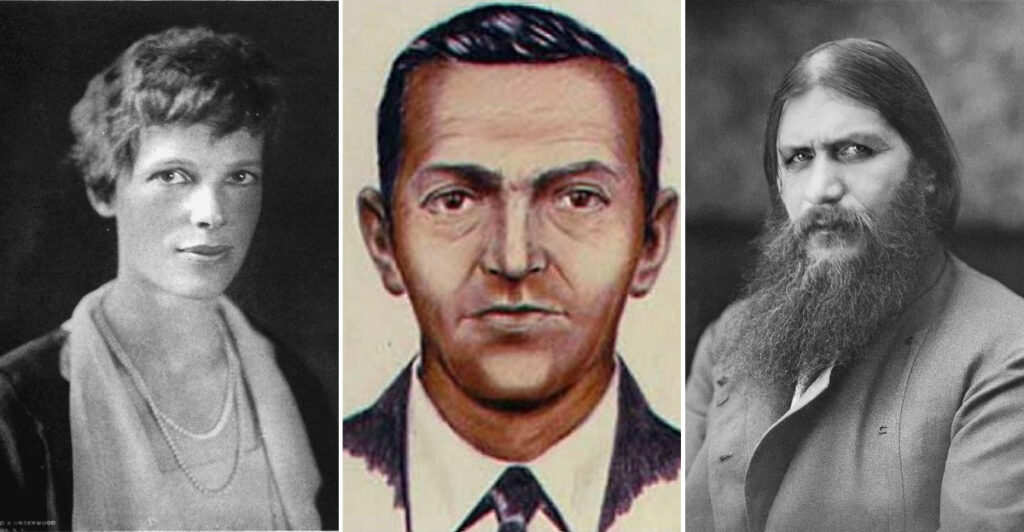
5. Amelia Earhart
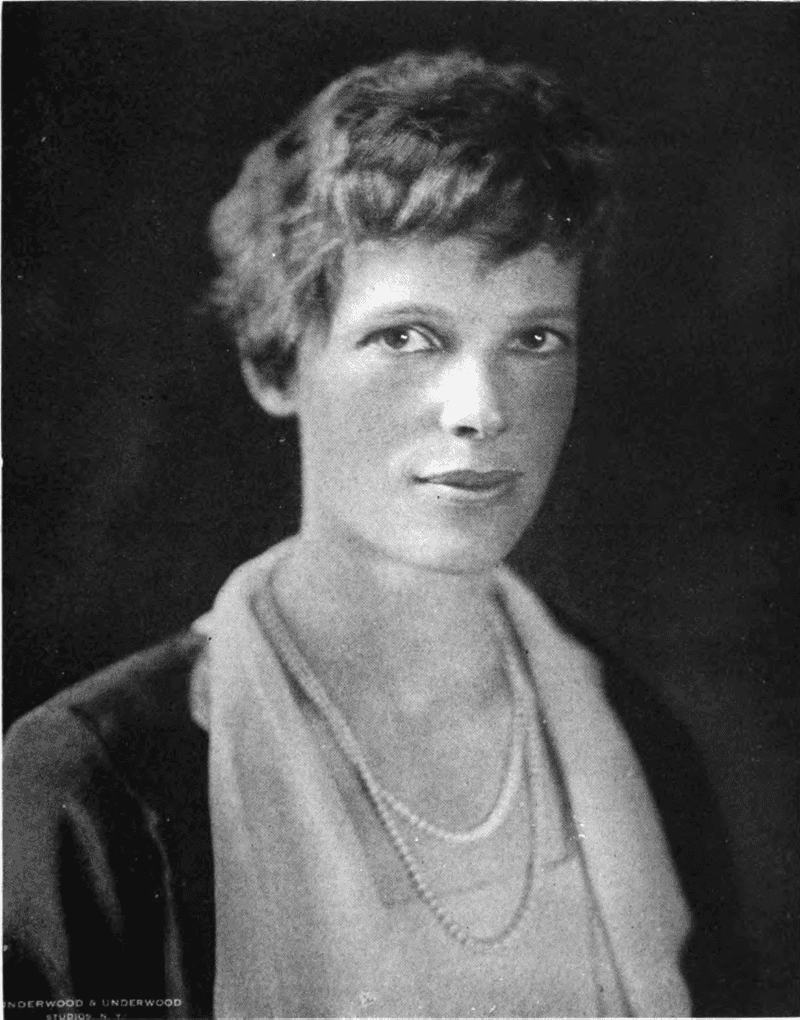
Aviation history still has one route that refuses to close neatly on the map. Amelia Earhart and navigator Fred Noonan vanished in 1937 while attempting to circle the globe in a Lockheed Electra.
The official search focused on the central Pacific near Howland Island, where radio confusion, navigation challenges, and limited fuel created a narrow window for survival. The leading explanation is that the aircraft went down near its intended destination.
Other theories have persisted because the evidence is incomplete. Nikumaroro, Japanese custody claims, and scattered artifact reports have each drawn attention, though none has settled the case.
Earhart’s secret is not a hidden confession but an unfinished sequence of decisions. What exact position did Noonan calculate?
Which transmissions were heard accurately? How close did they come to land?
Until physical proof answers those questions, her final flight remains a technical puzzle wrapped in celebrity, courage, and 1930s media fascination.
6. Wolfgang Amadeus Mozart
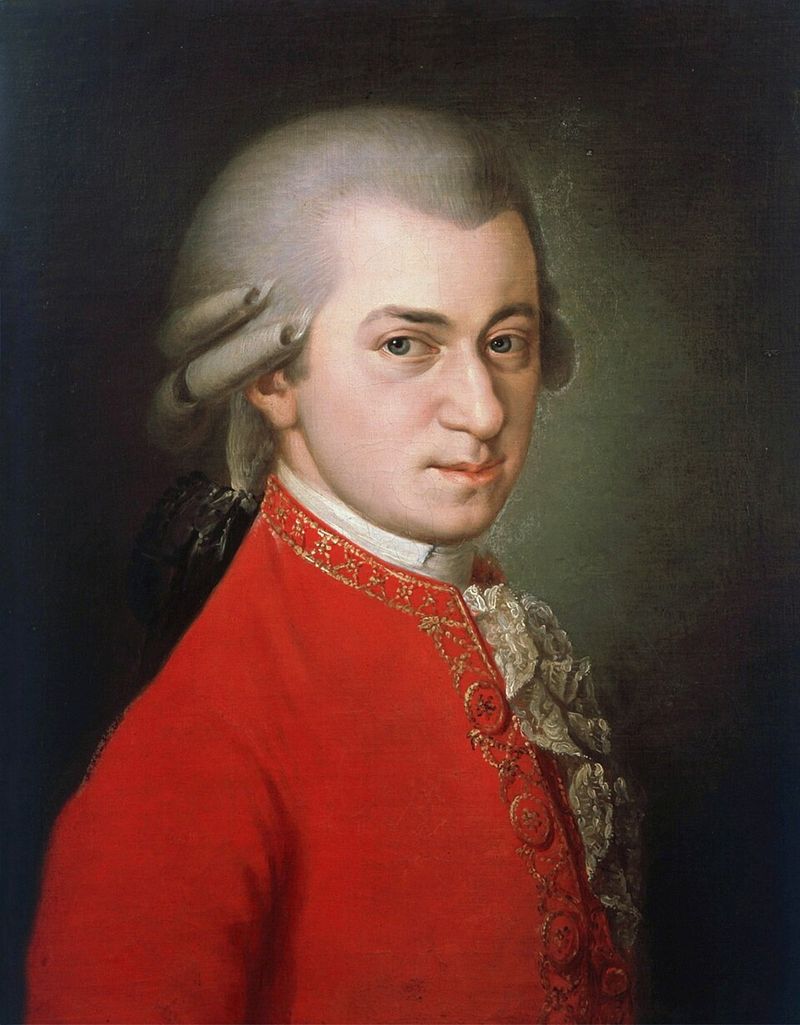
A half-finished Requiem is practically an invitation for rumor to pull up a chair. Wolfgang Amadeus Mozart became seriously ill in Vienna in 1791 while juggling commissions, performances, family pressure, and relentless work.
He was 35, celebrated but financially strained, and the exact medical cause remains uncertain. Later stories accused rival composer Antonio Salieri, but historians largely treat that as mythology amplified by theater, fiction, and film.
Medical theories have included infection, kidney disease, rheumatic fever, and complications common in the period. The records are too limited to satisfy modern diagnosis, and Mozart left no clear explanation of what he suspected.
The secrecy around the Requiem added more fuel. It had been commissioned anonymously by Count Franz von Walsegg, who apparently planned to present it as his own tribute.
Mozart’s unfinished score, completed by others, became a cultural mystery machine, proving that paperwork and music can generate legends long after the last note is written.
7. Howard Hughes
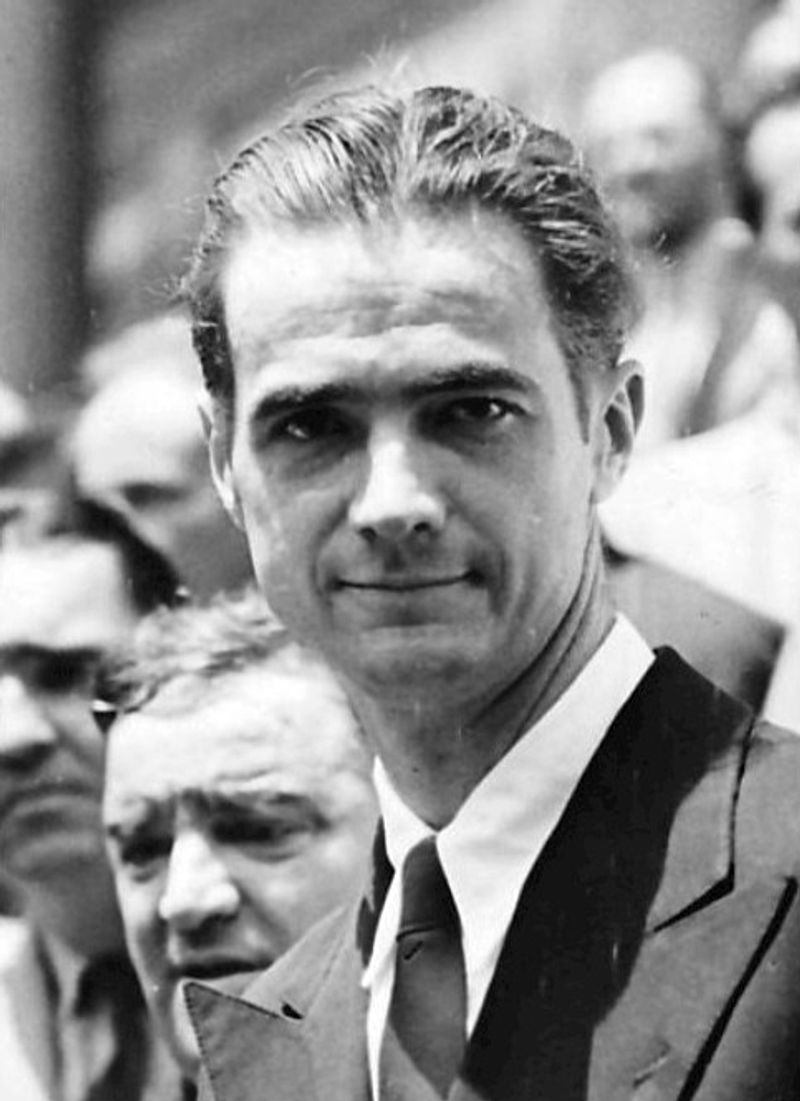
Some tycoons build companies, while others accidentally build entire rumor industries. Howard Hughes was an aviator, film producer, engineer, defense contractor, casino investor, and one of the most scrutinized private citizens of the twentieth century.
He set flight records, produced major films, developed aircraft, and controlled a complicated network of businesses. Over time, his reclusive habits made reliable information harder to separate from hearsay.
Questions still surround his finances, personal papers, medical treatment, and decision-making in later years. The famous fake autobiography scandal of the 1970s proved how eager the public was to believe hidden Hughes material might surface.
His secret was partly administrative. Who truly influenced him when access narrowed?
Which plans were abandoned, buried in corporate files, or managed by aides? Hughes left behind lawsuits, archives, aircraft, and headlines, but not a simple map of his intentions.
His life remains a case study in how wealth can both document and obscure a person.
8. Rasputin
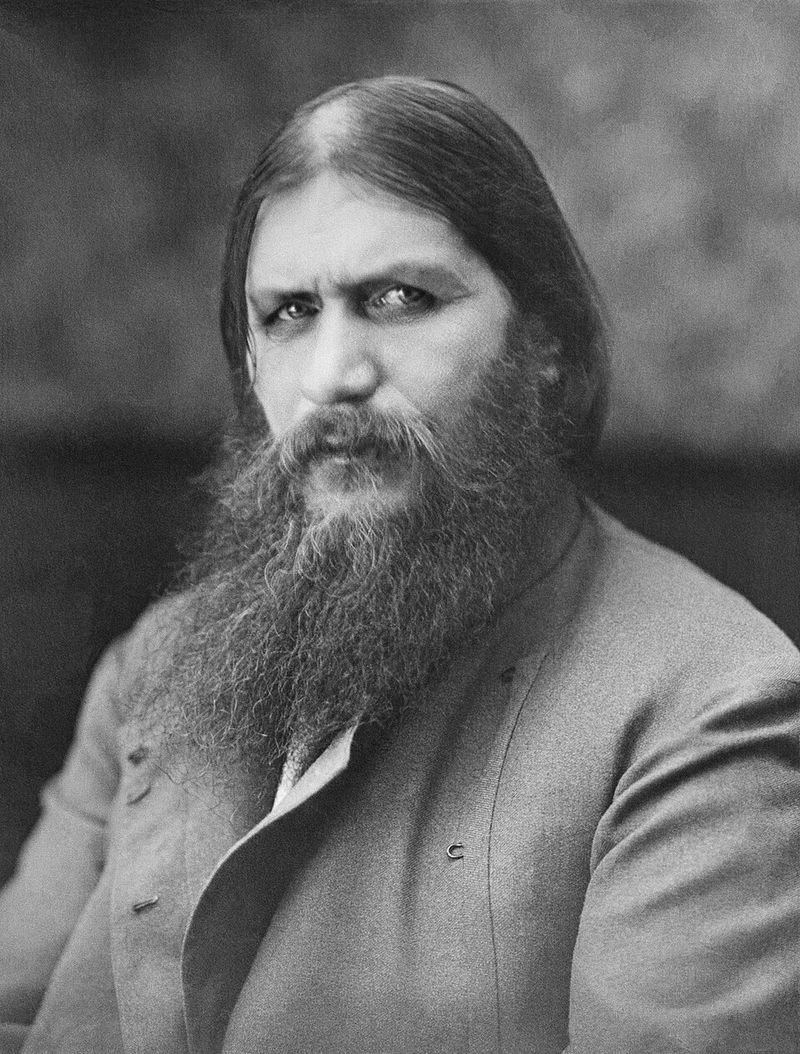
Imperial Russia already had enough problems before a Siberian holy man became a household argument. Rasputin entered the orbit of Nicholas II and Alexandra because they believed he could help their son, whose health condition was politically sensitive.
His influence at court became a magnet for gossip, scandal sheets, and elite resentment. Some claims about his power were exaggerated by opponents who wanted to portray the monarchy as compromised and irrational.
The enduring secret is how much authority he truly exercised. Did ministers rise and fall because of him, or did his reputation become a convenient explanation for deeper institutional weakness?
Rasputin left letters and testimonies, but no careful account of his private arrangements with the imperial family. Later retellings turned him into a pop culture figure with capes, songs, films, and wild eyebrows.
Behind that cartoonish afterlife sits a serious historical question about access, influence, and how rumor can become stronger than records.
9. D.B. Cooper
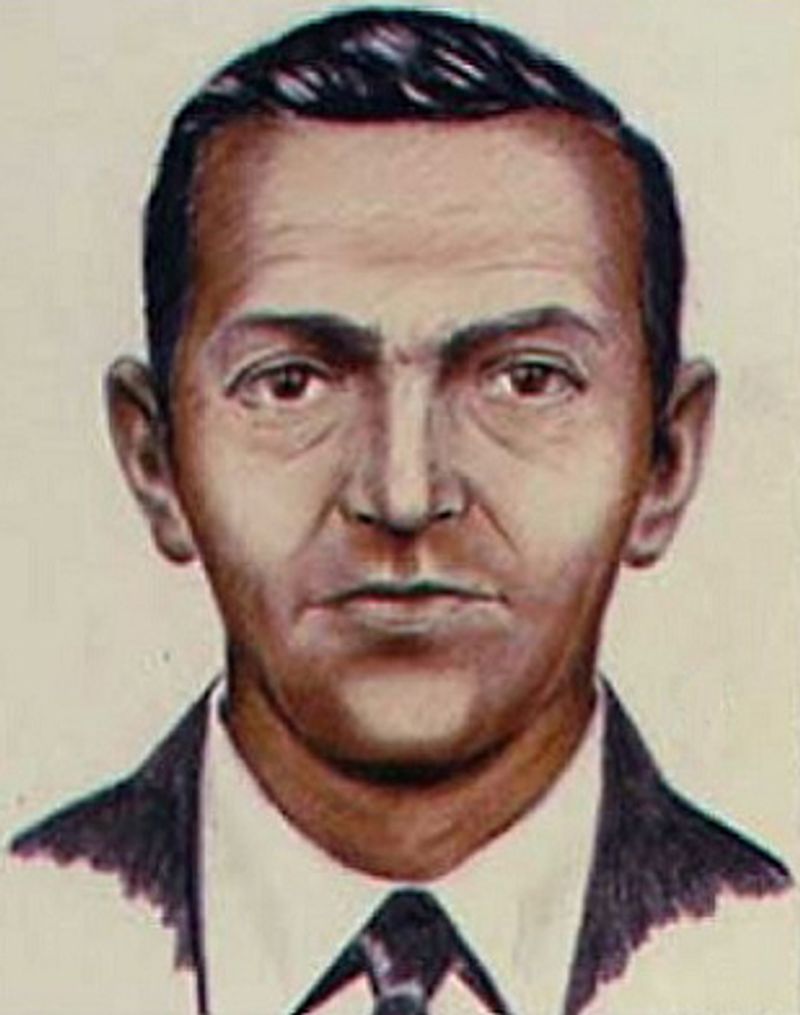
A man in a business suit turned a routine 1971 flight into America’s neatest unsolved identity puzzle. The figure known as D.B.
Cooper used a ticket under the name Dan Cooper, received ransom money, and parachuted from a Boeing 727 over the Pacific Northwest.
The FBI investigated for decades, gathering suspects, cigarette evidence, parachute details, and witness descriptions. In 1980, a portion of the ransom cash was found along the Columbia River, raising fresh questions rather than closing the file.
His real name remains unknown. So does whether he landed successfully, had aviation experience, or received help from anyone on the ground.
The case became pop culture catnip because it mixed bureaucracy, planning, and a disappearing act without a confirmed final answer. Cooper’s secret is a practical one: identity.
Until a conclusive document, DNA match, or confession appears, he remains a blank spot wearing a tie in the history of American crime.
10. Edgar Allan Poe
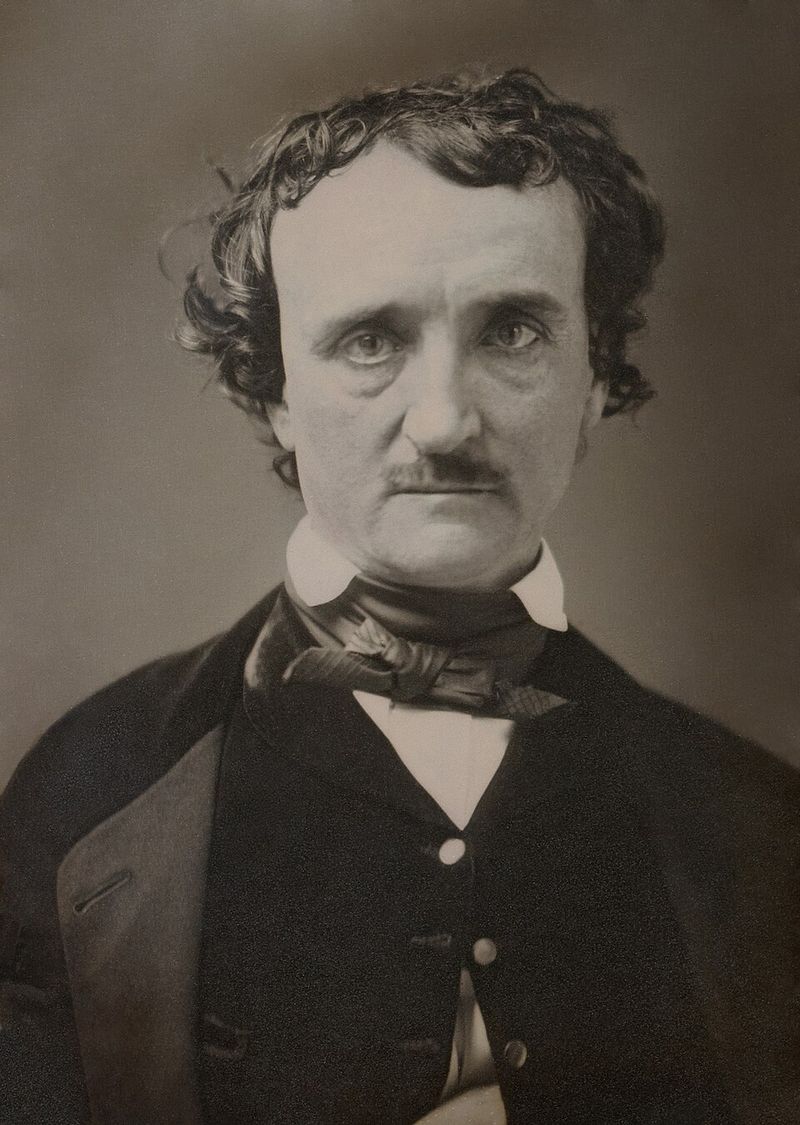
Leave it to America’s master of unsettling plots to exit the record with one more unresolved chapter. Edgar Allan Poe was found in Baltimore in 1849 in a distressed and confused state, wearing clothing that reportedly was not his own.
He was taken for care and passed soon afterward, but his medical records did not survive in a way that settles the matter. Theories have included illness, election fraud schemes, exposure, neurological problems, or other causes debated by biographers.
Poe had already become famous for poems, criticism, detective fiction, and stories that helped define modern suspense. His personal struggles were real, but later myths often flattened him into a spooky brand.
The secret of his final days matters because it shapes how readers interpret the man behind the work. Without reliable testimony from Poe himself, every explanation must wrestle with patchy newspapers, biased memoirs, and missing documents.
The result is a literary mystery worthy of his own invention.
11. Nikola Tesla
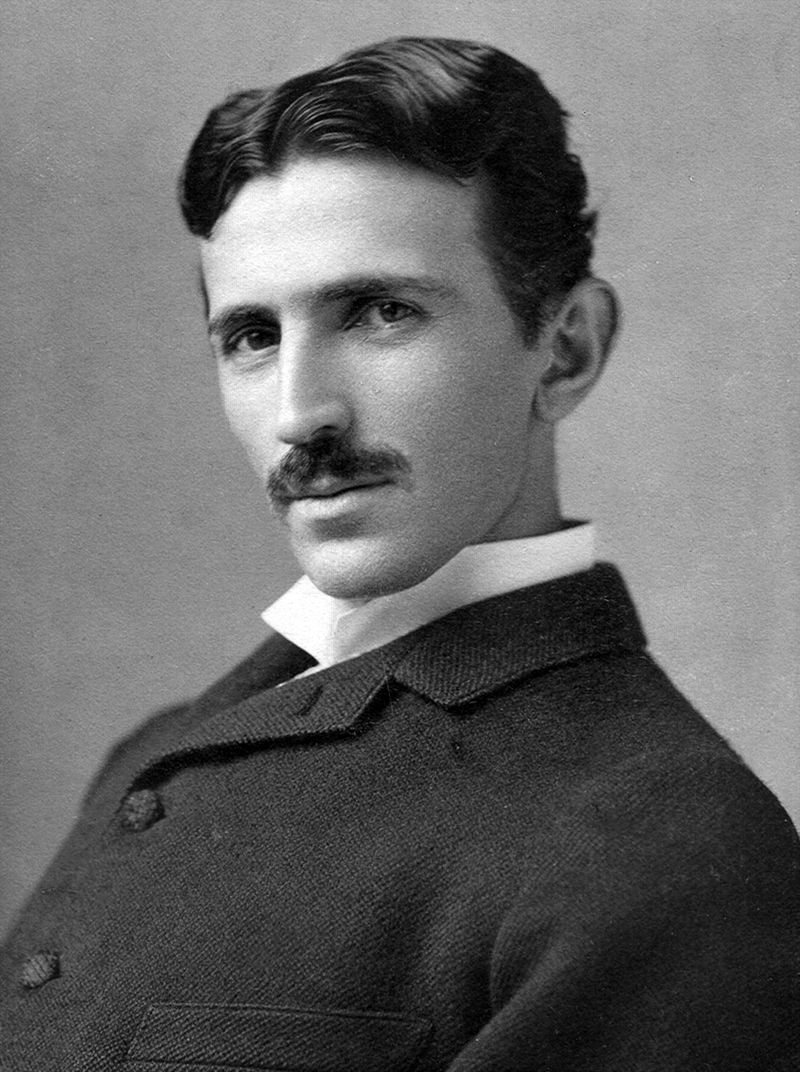
If any inventor could make a filing cabinet seem suspicious, it was Nikola Tesla. The Serbian-American engineer helped develop alternating current systems, experimented with wireless power, radio, remote control, turbines, and high-voltage demonstrations that made newspapers pay attention.
By the time he spent his later years in New York hotels, his reputation mixed genuine achievement with increasingly speculative claims. After his passing in 1943, federal officials reviewed some of his papers because wartime technology concerns were high.
Most documents were eventually handled by his nephew and later preserved through the Nikola Tesla Museum in Belgrade. Still, stories persist about lost inventions, secret weapons, and suppressed breakthroughs.
The verified mystery is more interesting than the conspiracy version. Which ideas were workable, which were underfunded, and which existed mainly as bold proposals?
Tesla left patents and lectures, but not a final organized roadmap. That gap lets admirers imagine the future he might have built with steadier backing.
12. Genghis Khan
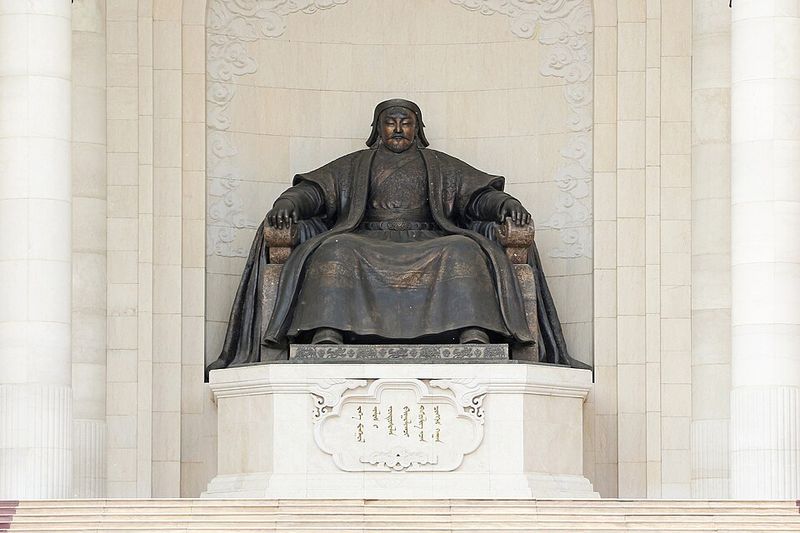
A ruler who organized one of history’s largest land empires also managed an impressive privacy policy. Genghis Khan united Mongol tribes, transformed cavalry warfare, promoted merit within his system, and created networks that reshaped Eurasian exchange.
After his final campaign in 1227, accounts indicate that his burial place was deliberately concealed. Legends describe careful secrecy, restricted access, and efforts to keep the location from becoming a political target.
Modern researchers have used satellite imagery, historical texts, and archaeological caution to search possible regions, especially around Burkhan Khaldun in Mongolia. Yet no tomb has been definitively identified, partly because local traditions often discourage disturbance.
The missing site is more than treasure-hunting bait. It raises questions about imperial ritual, sacred geography, and how a mobile empire chose to remember its founder.
Genghis Khan’s hidden resting place remains one of history’s most effective classified documents, protected by terrain, tradition, and eight centuries of uncertainty.
13. Alan Turing
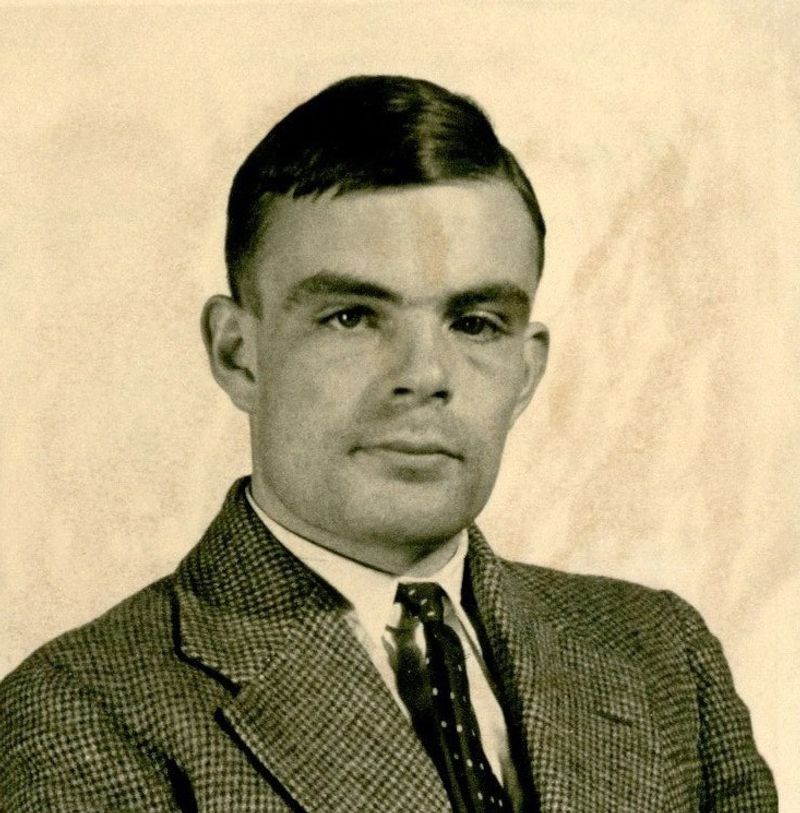
The person who helped teach machines to think left historians with questions no machine can fully answer. Alan Turing was central to wartime codebreaking at Bletchley Park and later helped lay foundations for computer science, artificial intelligence, and mathematical biology.
In 1952, he was prosecuted under British laws targeting same-sex relationships and subjected to harsh treatment by the state. His 1954 passing was ruled self-inflicted, but some researchers have questioned whether accident or incomplete evidence should remain part of the discussion.
What he endured also intersects with what he knew. Much of his wartime work stayed classified for years, limiting public understanding of his achievements during his lifetime.
Turing left papers, theories, and machines that changed the twentieth century, but not a full personal account of his final period. His secret is both private and institutional: how a brilliant mind navigated secrecy, surveillance, injustice, and unfinished research.
The unanswered details still make his legacy feel urgent rather than settled.
Share this story