At the tip of a narrow peninsula in northern Michigan, you can stand at the exact halfway point between the Equator and the North Pole. That marker alone draws visitors, but it is only one part of what makes this destination worth the trip.
The park combines several standout features in one place. There is an 1870 lighthouse open for tours, a restored 19th-century log cabin, miles of wooded trails, and beaches with unusually shallow water that stretch far from shore.
Views across Grand Traverse Bay extend in multiple directions, giving the area a distinct layout you will not find elsewhere nearby.
It is the kind of stop that blends history, geography, and outdoor access in a way that keeps people exploring longer than they planned.
The Park at the Tip of the Peninsula
Most parks sit comfortably in one category: nature reserve, historic site, or beach destination. Old Mission State Park, found at 4001-4475 Murray Rd, Traverse City, MI 49686, refuses to pick just one.
The park occupies the northernmost tip of the Old Mission Peninsula and, together with adjacent Lighthouse Park, covers 650 acres of land that sits precisely on the 45th Parallel, the invisible line marking the halfway point between the North Pole and the Equator.
Peninsula Township manages the park under a lease from the Michigan Department of Natural Resources, which means local stewardship shapes the experience here.
Before the state acquired the land in the 1980s, much of it was covered in working cherry orchards. That agricultural past is still quietly visible in the landscape today, adding a layer of character you would not expect from a typical state park.
And the story of what came before the orchards is even more fascinating, as you will soon discover.
A Settlement Older Than Michigan Statehood
Long before cherry trees lined the hillsides or tourists drove M-37 for the views, this peninsula was home to one of the most significant early settlements in all of northern Michigan.
In 1839, Presbyterian missionary Peter Dougherty arrived and established what became the oldest permanent settlement in the Grand Traverse Bay region.
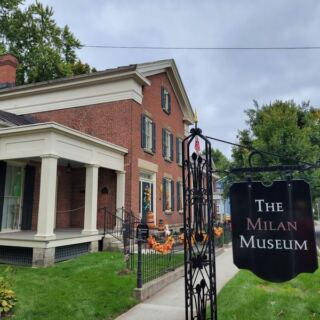
His 1842 residence, known as the Dougherty Mission House, still stands and operates as a small museum, giving visitors a direct connection to that founding chapter.
Dougherty also planted the peninsula’s very first cherry tree in 1852, a quiet act that grew into one of Michigan’s most celebrated agricultural industries.
The region around Traverse City now produces a significant share of the country’s tart cherries, and it all traces back to one missionary with a shovel and a seedling.
That kind of origin story is rare, and it gives this park a depth that goes well beyond its trails and beaches. The lighthouse adds another dimension entirely.
The 1870 Lighthouse That Still Turns Heads
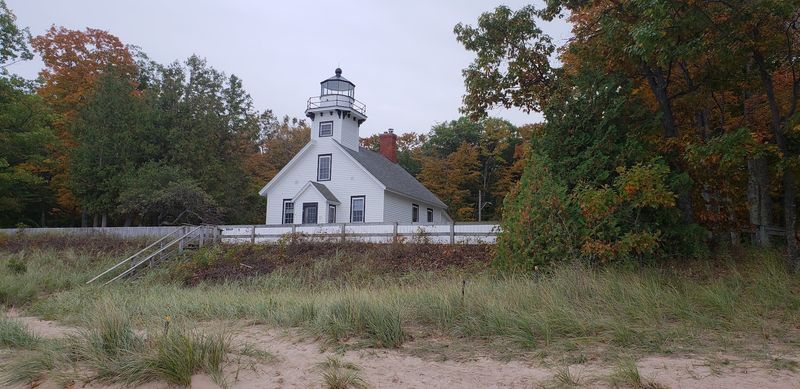
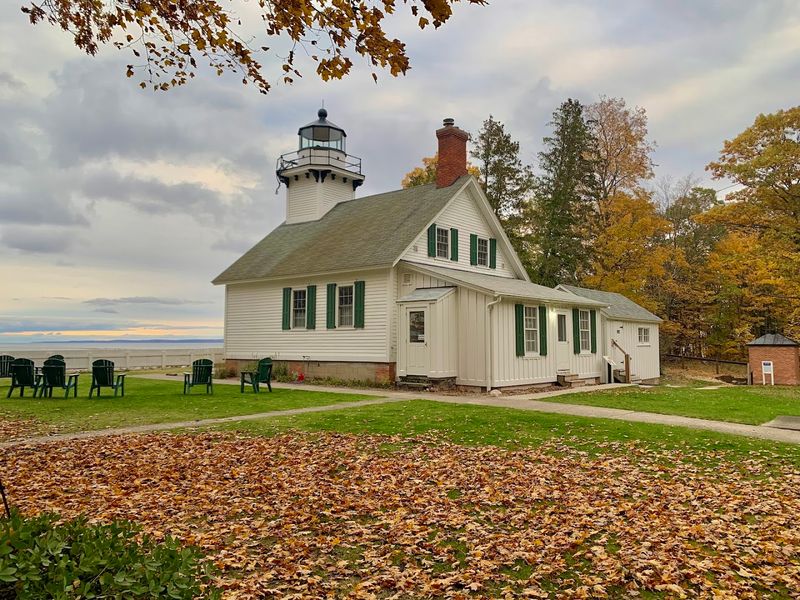
The Mission Point Lighthouse is the kind of structure that makes people slow their cars down and reach for their cameras before they have even parked.
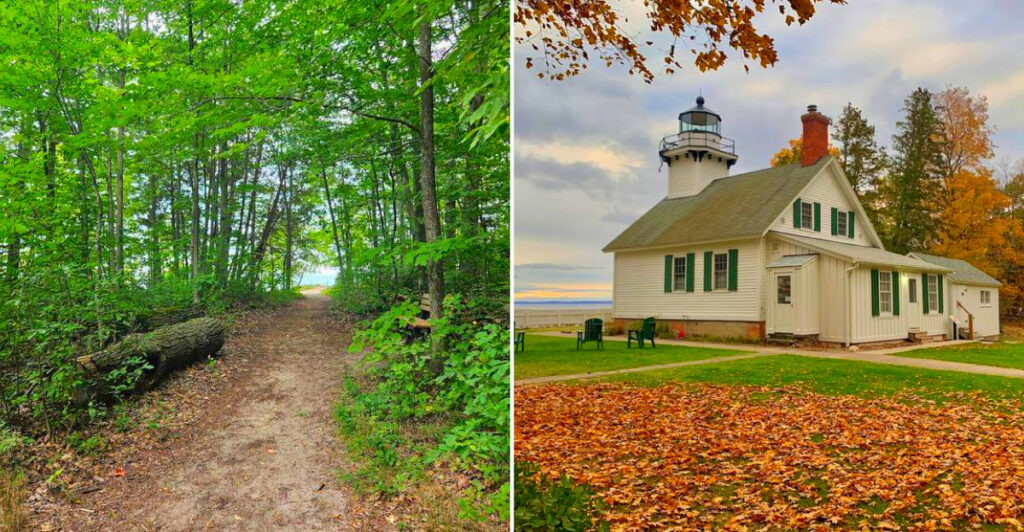
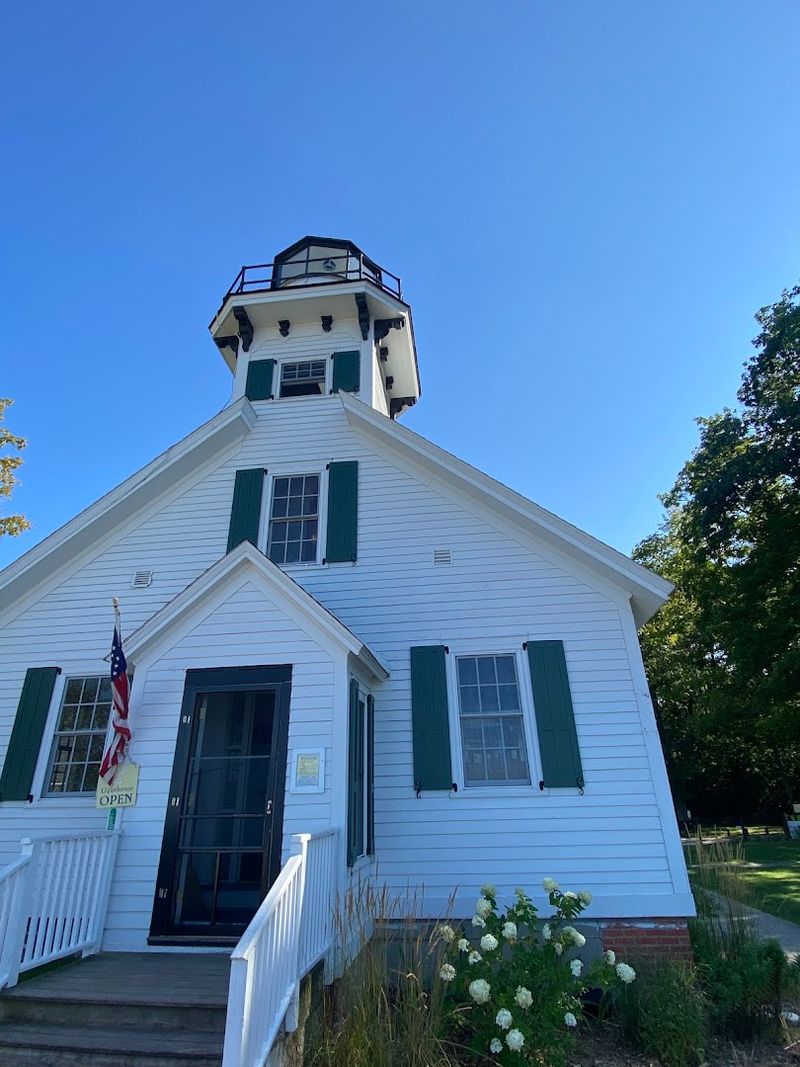
Built in 1870, this white wooden lighthouse was designed to guide mariners safely through the rocky, often unpredictable waters of Grand Traverse Bay.
It served that purpose faithfully for decades before being replaced by an offshore buoy light in 1933, when it quietly went dark.
The lighthouse reopened as a museum in 2008, and visitors can pay a small fee to tour the interior, browse a collection of vintage photos and artifacts, and climb the tower for a view that justifies every step of the ascent.
The tour is volunteer-staffed, and a small gift shop inside helps fund ongoing preservation efforts.
No public restrooms are inside the lighthouse, but porta-johns are available on the grounds.
Standing at the top of that tower and looking out over the bay is the kind of moment that tends to stick with you long after the drive home.
The Log Cabin That Traveled Through Time
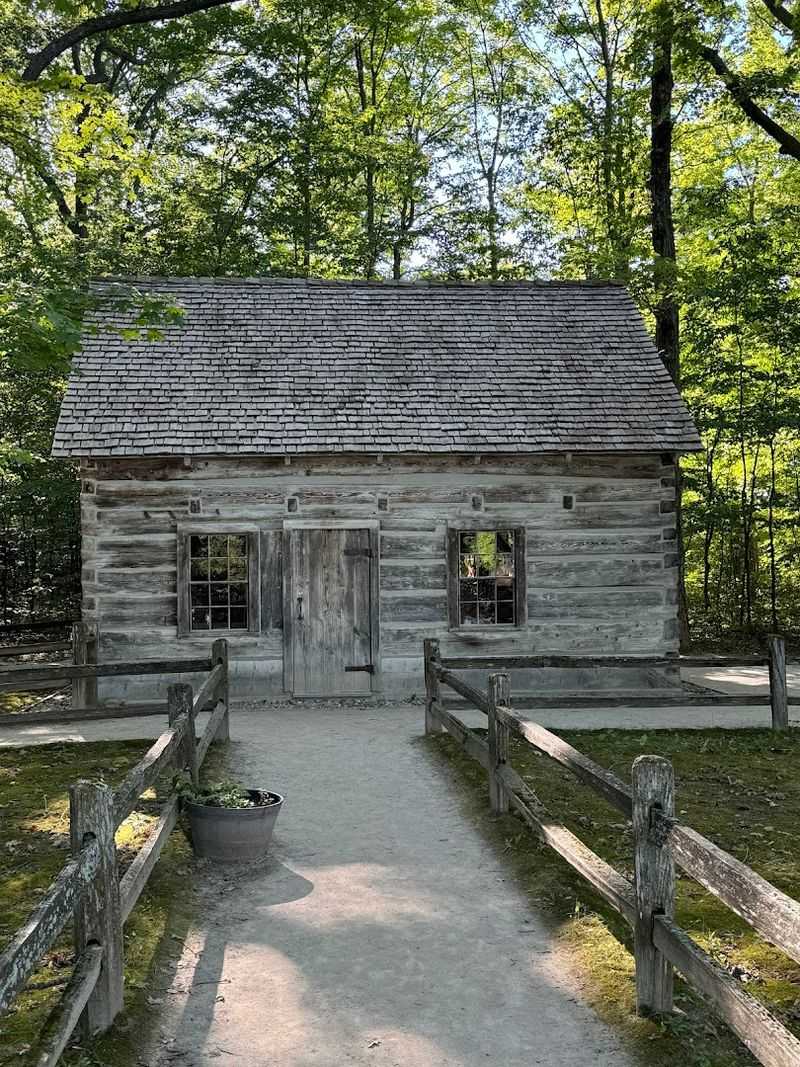
Not every museum needs four walls and a parking garage. The Hessler Log Cabin proves that a single small structure can tell a story just as powerfully as any grand exhibit hall.
Built in 1854 or 1856, this hand-hewn cabin was relocated to Lighthouse Park in 1992 and carefully restored to reflect everyday life on the Michigan frontier in the 19th century.
Admission is free, and the interpretive displays inside give a vivid, grounded sense of what it meant to build a home and a life in this remote northern landscape.
The cabin sits close to the lighthouse, so most visitors naturally wander between the two, moving through roughly 170 years of local history in a single afternoon stroll.
There is something quietly affecting about standing inside a structure where families actually lived, cooked, and survived harsh winters more than a century and a half ago.
It is a small building with a big presence, and it pairs naturally with the trail system waiting just beyond its door.
Trails That Wind Through Orchard Ghosts
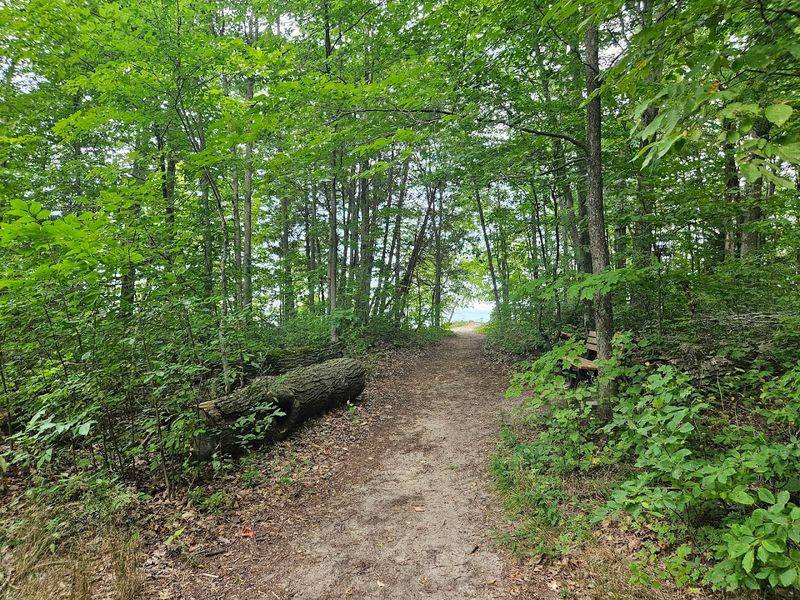
Forty acres of former cherry orchards now sit quietly within Old Mission State Park, and hiking through them feels like reading a chapter of a book where someone forgot to erase the previous draft.
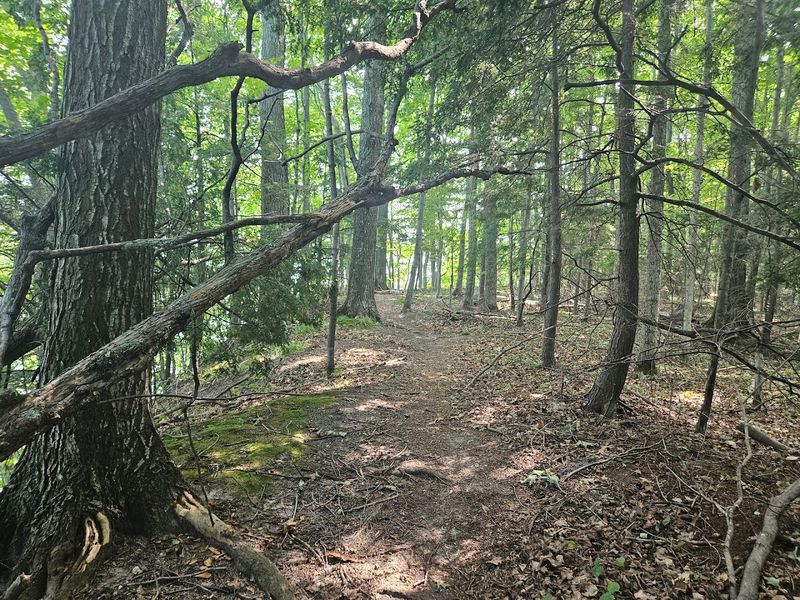
The old two-track lanes that once served as farm roads still cut through the landscape, now functioning as informal trail corridors that carry hikers deeper into the park’s wooded interior.
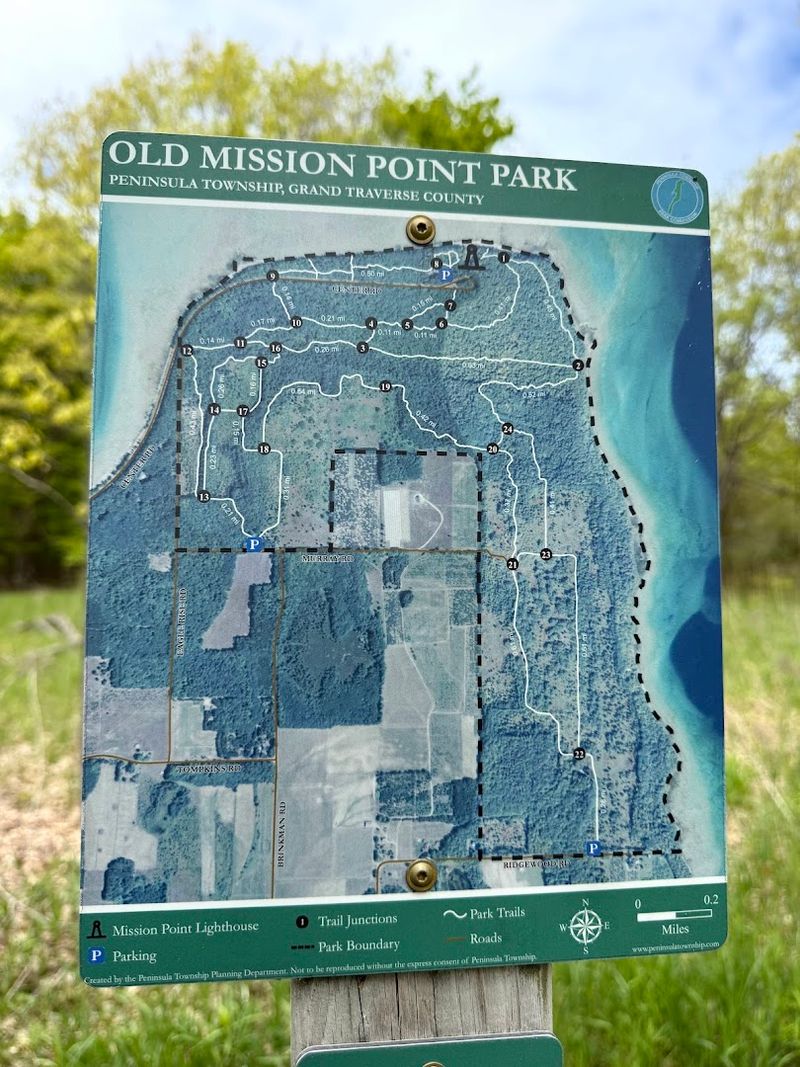
In total, the interconnecting trail system across Old Mission Point Park and Lighthouse Park covers about 10 miles, offering routes for hikers of different fitness levels and time budgets.
Trail intersections are marked with numbered signs, and taking a photo of the map at the trailhead before heading out is a smart move, especially in winter when snow can obscure some markers.
The forest contains some genuinely impressive trees, with trunks wide enough to make you stop and stare.
A full loop of nearly five miles leaves plenty of trails unexplored, which is actually a great reason to come back for another visit.
Where Two Bays Frame Every View
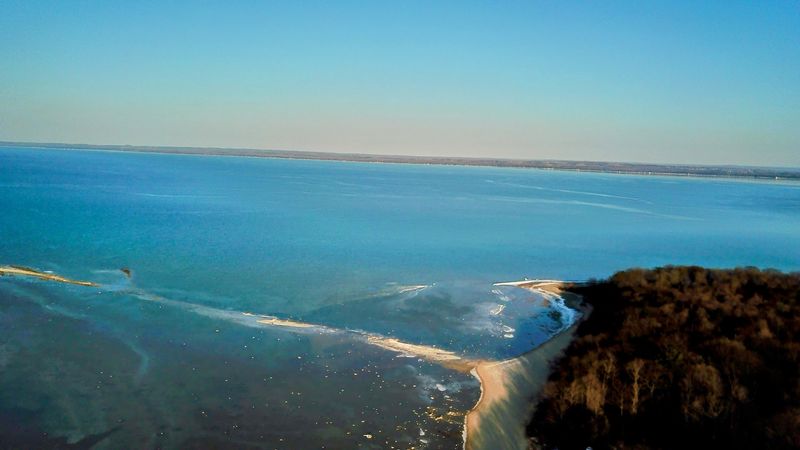
Few parks in Michigan can offer views of two bodies of water at the same time, but the geography of the Old Mission Peninsula makes it a natural double feature.
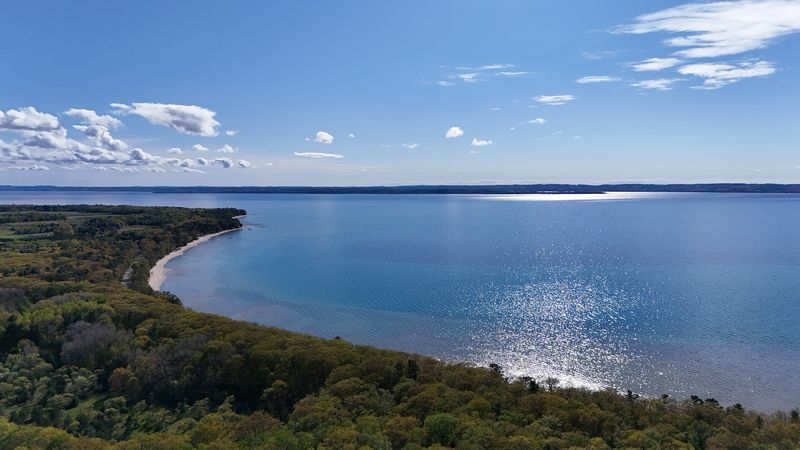
From various points along the trails and shoreline, the West Arm and East Arm of Grand Traverse Bay come into view simultaneously, with the narrow land of the peninsula sandwiched between them.
On a clear day, the contrast between the deep blue water and the green tree line on the opposite shores creates a scene that looks almost too composed to be real.
Photographers, couples, and families with young children all tend to linger at these viewpoints longer than they planned.
The water itself has a clarity that surprises first-time visitors, especially along the shallower stretches where a sandy bottom is visible several feet down.
These views do not require any special equipment or advance planning, just a willingness to walk a trail and look up at the right moment.
The beach experience waiting at the end of the trail adds a whole new reason to keep moving forward.
A Beach Where the Shallows Seem to Go On Forever
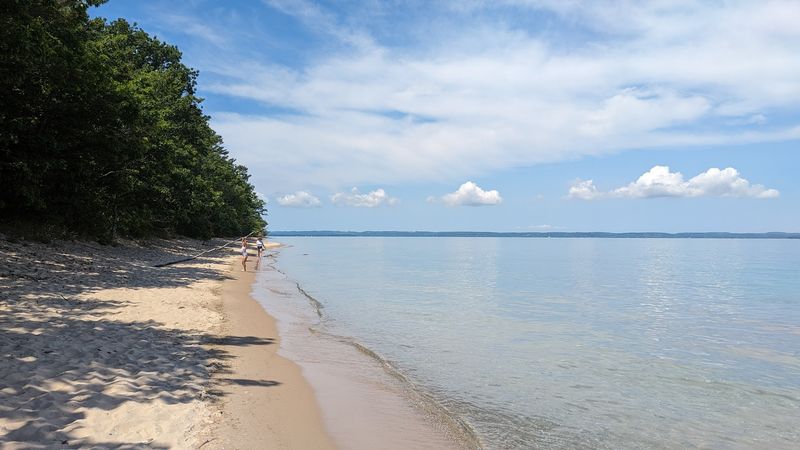
The beach at Old Mission Point is not the kind of place where you take three steps and suddenly find yourself in over your head.
The water stays remarkably shallow for a long stretch from shore, with a sandy bottom that makes wading comfortable for young kids and adults alike.
On warm summer days, the shallows fill with people sitting on rocks, soaking up the sun, and letting the cool bay water wash over them without ever needing to swim a single stroke.
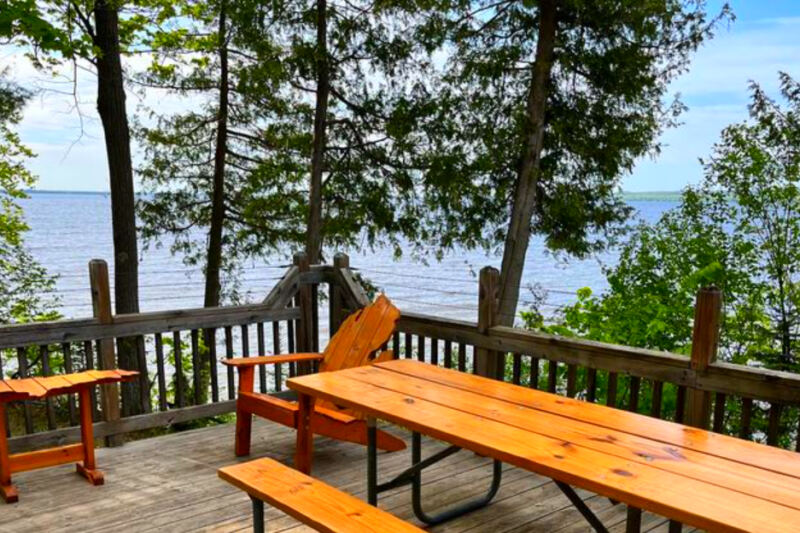
The beach itself is kept clean and well-maintained, with picnic tables and a swing set in the sand adding a relaxed, family-friendly atmosphere.
A swim here in late July feels like a reward after a morning on the trails, and the water is typically warm enough to make that reward genuinely satisfying.
Dogs are welcome on the walking trails, making this a popular destination for pet owners looking for a full outdoor day.
Just beyond the waterline, the bay deepens and the views open up in a way that makes the beach feel connected to something much larger.
The Drive Up M-37 Is Half the Experience
The journey to the park tip is not just a means to an end; it is genuinely one of the better drives in northern Michigan.
M-37 runs the full length of the Old Mission Peninsula, and the scenery along the way shifts between cherry orchards, vineyards, farmhouses, and sudden glimpses of glittering bay water on either side.
The drive feels unhurried by design, with the narrow road and rolling terrain encouraging a slower pace that most highway travel never allows.
Families who made the trip describe it as a highlight in itself, and it is easy to understand why once you are behind the wheel watching the landscape unfold.
The peninsula sits on the same latitude as parts of southern France and northern Italy, a fact that helps explain why the microclimate here supports such productive fruit growing.
Wineries along the route offer water views alongside their tastings, though the park at the tip remains the undisputed scenic anchor of the whole corridor.
Once you arrive, the real surprises begin at ground level.
Standing on the 45th Parallel
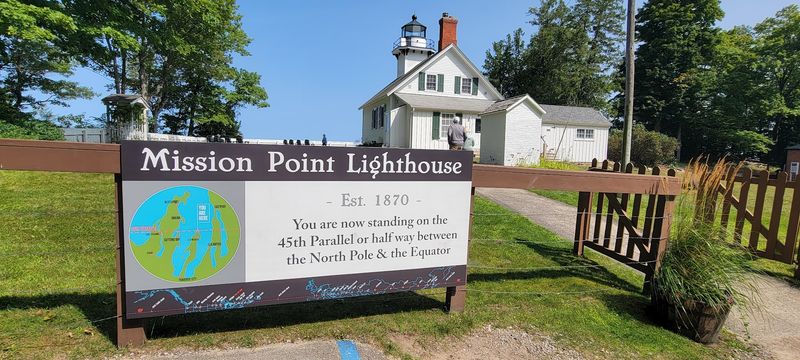
There is a marker near the tip of the peninsula that most visitors walk past without fully absorbing what it means: you are standing exactly halfway between the North Pole and the Equator.
The 45th Parallel cuts directly through Old Mission Point, and that geographic fact gives the park an unusual distinction that most state parks simply cannot claim.
It is the kind of detail that sounds like trivia until you are actually standing on the spot, at which point it starts to feel surprisingly significant.
The same latitude line runs through parts of Montana, Oregon, France, and northern Italy, which makes this quiet Michigan park part of a much larger global story.
Marking the moment with a photo at the parallel sign has become something of a tradition for visitors, and it is one of those low-effort, high-payoff park experiences.
The setting around the marker, with bay water visible in multiple directions, makes the photo worth keeping.
The history embedded in the soil beneath that marker runs even deeper than the coordinates suggest.
Practical Tips for Your Visit
A little preparation goes a long way toward making a visit to Old Mission State Park as smooth as possible.
Parking is available near the lighthouse, and restrooms are on the grounds, though the lighthouse building itself does not have public facilities inside.
The trail system uses numbered intersection signs, so snapping a photo of the trailhead map before heading out is a genuinely useful habit, particularly during winter visits when snow can obscure some trail markers.
The lighthouse museum and historic buildings are open for interior visits during spring, summer, and fall only, so winter visitors will enjoy the exterior and trails but should not expect to go inside.
Lighthouse tower admission runs around eight dollars, which covers the full museum collection of photos and artifacts as well as the tower climb.
Dogs are welcome on the trails, and the beach allows plenty of room for four-legged visitors to enjoy the shallows.
Arriving on a weekday morning during peak summer season gives you the best chance of finding quiet trails and uncrowded beach access.
Why This Place Stays With You
Some parks are pleasant enough in the moment but fade quickly from memory once you are back on the highway. Old Mission State Park is not one of those places.
The combination of genuine history, accessible trails, a working lighthouse museum, a log cabin from the 1850s, and beaches where the water turns impossibly clear and shallow creates an experience that covers far more ground than its 650 acres might suggest.
The 45th Parallel marker, the ghost of cherry orchards underfoot, and the panoramic bay views from the trail all contribute to a layered sense of place that is difficult to replicate elsewhere in Michigan.
First-time visitors frequently describe the urge to turn around and do it all again before they have even reached their cars.
The park has a way of making you feel like you found something that not enough people know about, even on a busy summer weekend.
That feeling, more than any single feature, is what keeps people coming back to the very tip of the peninsula year after year.
Share this story