The 2026 FIFA World Cup is coming to North America, and the road to the final runs through some seriously iconic cities. From Canada’s Pacific coast to the heart of Mexico and across the United States, 16 host stadiums will light up for the biggest sporting event on the planet.
I spent way too many late nights mapping this route, and trust me, the journey is just as exciting as the destination. Buckle up, because this is one road trip worth following.
BMO Field, Toronto, Ontario
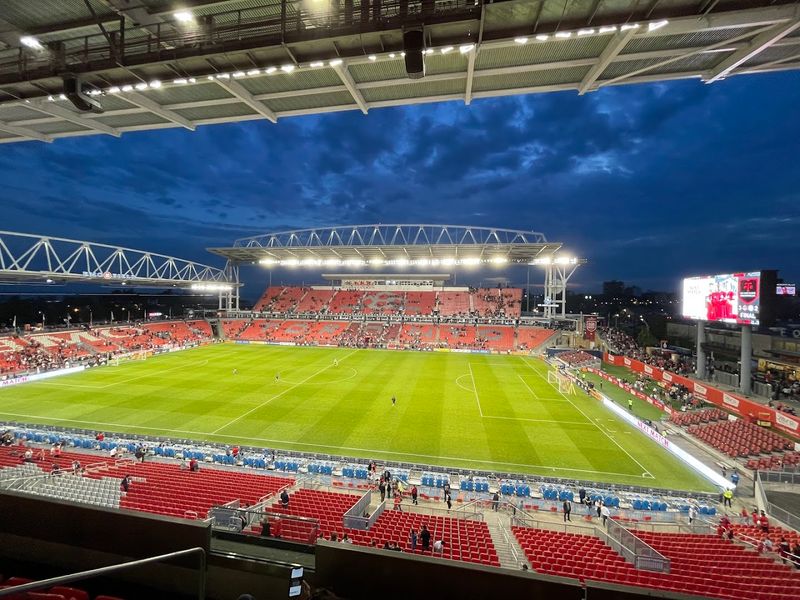
Canada’s largest city is stepping onto the world stage, and BMO Field is the ticket. Located at 170 Princes’ Blvd, this venue gives the 2026 World Cup a bold Canadian gateway in the east.
Toronto is already a sports-obsessed city, so adding FIFA to the mix feels completely natural.
The stadium sits near Lake Ontario, making it one of the more scenic stops on the entire 16-venue map. Toronto’s multicultural energy is legendary, and World Cup fans from every corner of the globe will feel right at home here.
The city’s food scene alone is worth the trip.
From here, the World Cup road continues west and south, spreading across the continent. Toronto is the kind of opener that sets a high bar.
Canada’s eastern anchor is ready, polished, and absolutely pumped to host the planet’s biggest football party.
BC Place Vancouver, Vancouver, British Columbia
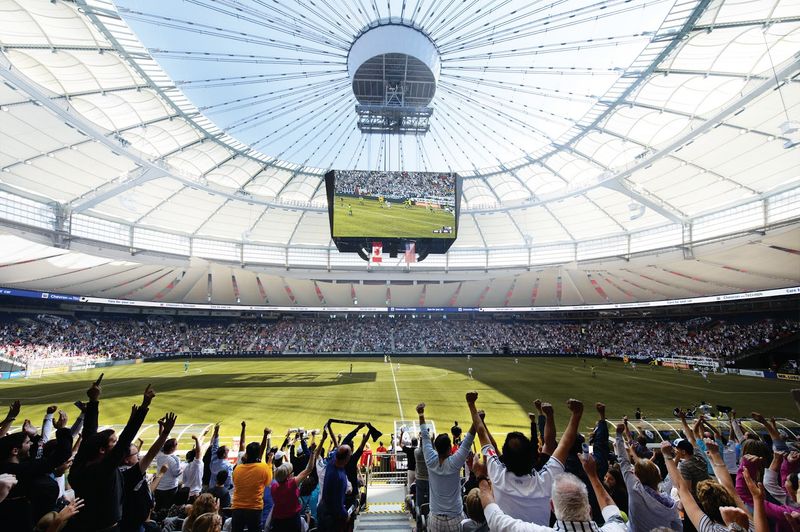
Few stadiums on this list can compete with BC Place’s backdrop. Sitting at 777 Pacific Blvd in downtown Vancouver, this retractable-roof arena brings the World Cup to Canada’s stunning Pacific coast.
Mountains on one side, ocean on the other, it is genuinely unfair how beautiful this city is.
Vancouver has hosted major international events before, including the 2010 Winter Olympics, so the city knows how to throw a global party. BC Place’s retractable roof means weather is never an excuse for a bad game day experience.
Rain in Vancouver? Not a problem inside this dome.
The stadium’s location in downtown Vancouver makes it incredibly accessible for fans arriving from across the Asia-Pacific region. As a western Canadian anchor for the tournament, BC Place carries serious weight on the map.
This stop is part postcard, part football cathedral, and fully ready for 2026.
Banorte Stadium, Mexico City, Mexico
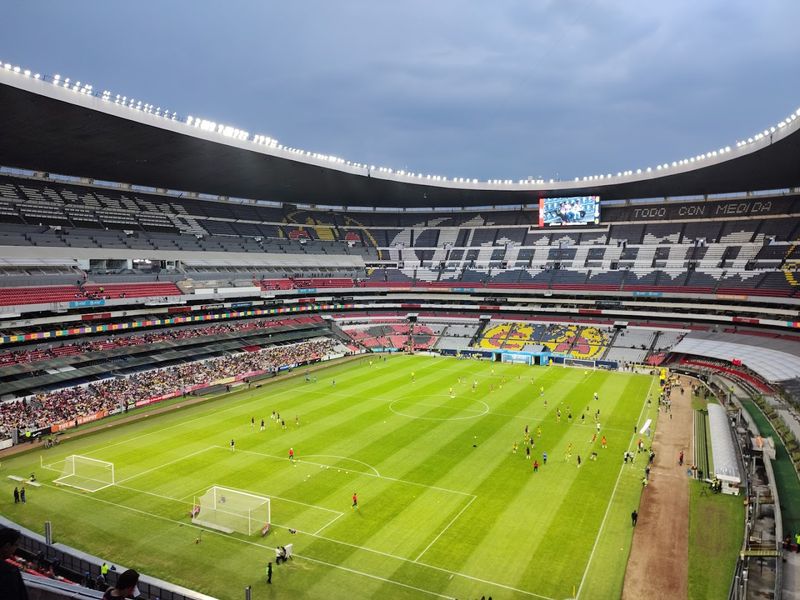
No stadium on this list carries more history than the one in Mexico City. FIFA has officially listed it as the venue for the opening match on June 11, 2026, which tells you everything about its status in world football.
This place has seen legends, upsets, and moments that rewrote football history books.
Mexico City’s altitude sits at roughly 2,240 meters above sea level, meaning players will feel the thin air before the first whistle even blows. The crowd here is famously passionate, loud, and deeply knowledgeable about the beautiful game.
Visiting fans, consider yourselves warned in the best possible way.
Hosting the opening match is not handed out to just any venue. Mexico City earned this honor through decades of football tradition and stadium grandeur.
When the 2026 World Cup kicks off, all eyes on the planet will be fixed on this iconic Mexican stage.
Akron Stadium, Guadalajara, Jalisco
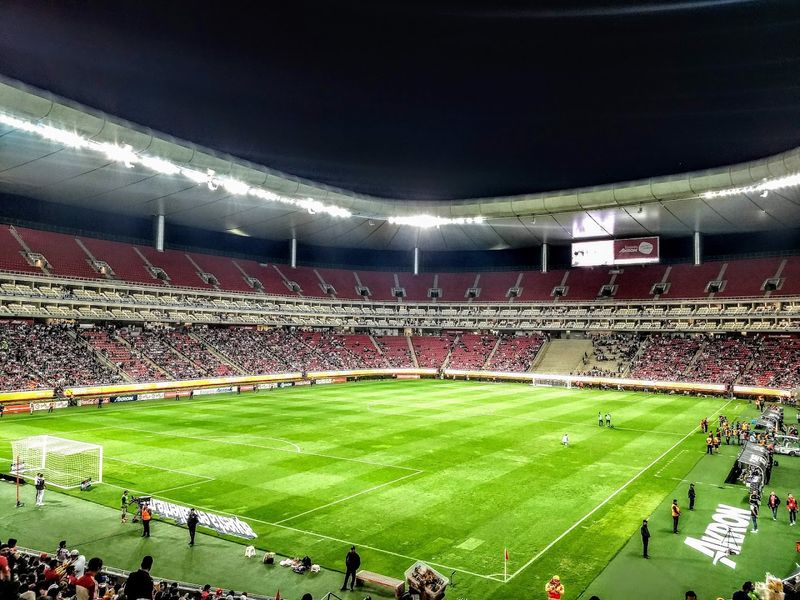
Guadalajara is one of Mexico’s true football heartlands, and Akron Stadium is its crown jewel. FIFA has placed it on the opening day schedule, giving this venue a debut moment that millions of fans will watch live.
Not bad for a city that already considers football a religion.
Jalisco state has produced some of Mexico’s most celebrated football clubs, so the local fan base arrives with serious credentials. The atmosphere at this match is something longtime football fans talk about for years afterward.
Loud, colorful, and completely committed to the sport.
The stadium itself is modern and well-equipped for a global tournament of this scale. Guadalajara as a city adds culture, cuisine, and mariachi music to the World Cup experience, making it a destination beyond just the football.
This stop on the road to New Jersey is one fans will want to visit in person, not just watch on a screen.
Estadio Monterrey, Guadalupe, Nuevo León
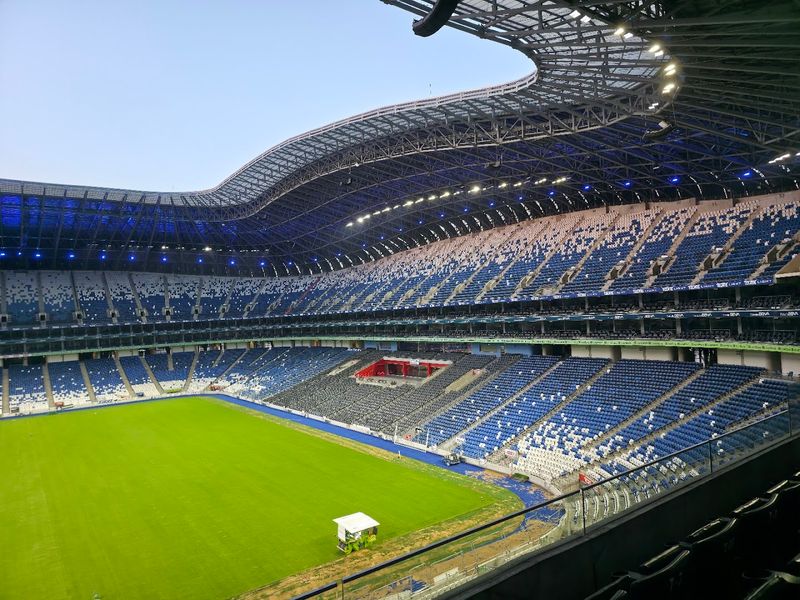
Here is a fun geography lesson: Estadio Monterrey is not technically in Monterrey. FIFA lists the address in Guadalupe, Nuevo León, a municipality right next door.
The host name says Monterrey, but the stadium itself is firmly planted in Guadalupe. Close enough for football purposes, though.
Monterrey is northern Mexico’s industrial powerhouse and a city with a fierce football culture all its own. The stadium, known locally as Estadio BBVA, is widely considered one of the most visually striking grounds in all of Latin America.
The Sierra Madre mountains framing the backdrop make for genuinely jaw-dropping views.
As Mexico’s third World Cup host city, Monterrey adds northern Mexican energy to a tournament already packed with personality. Fans traveling between the Mexican venues will find this stop well worth the detour.
The mountains, the city, and the football combine here into something genuinely special on the 2026 map.
New York New Jersey Stadium, East Rutherford, New Jersey
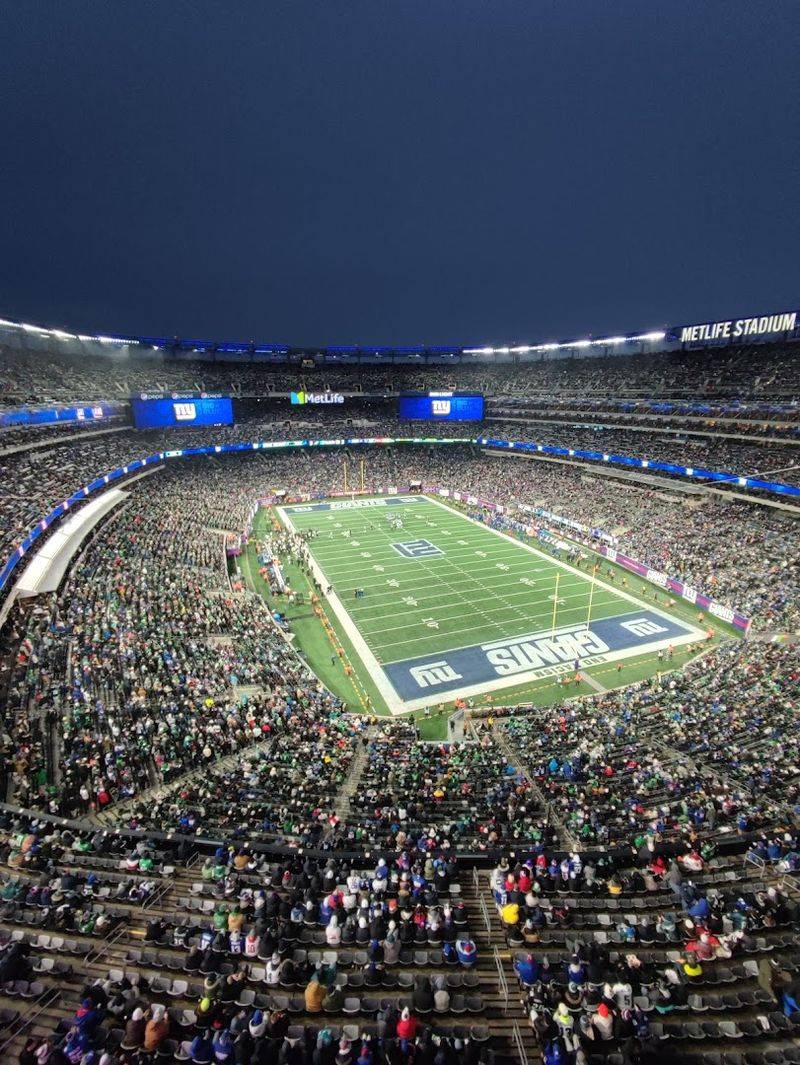
This is the destination. Everything on this map leads here.
New York New Jersey Stadium, located at 1 MetLife Stadium Dr in East Rutherford, New Jersey, is set to host the 2026 World Cup Final. I have driven past MetLife Stadium dozens of times, never once thinking it would one day crown the world’s best football team.
The New York metro area is the most densely populated region in the United States, meaning the energy surrounding this final will be absolutely electric. Fans from every continent will pour into the tri-state area for one of sport’s greatest spectacles.
Hotels within 50 miles are probably already sold out.
Hosting the World Cup Final is the highest honor FIFA can give a stadium. MetLife already hosts the NFL’s Giants and Jets, but July 2026 will be its defining moment.
The road ends here, in New Jersey, with the whole world watching.
Philadelphia Stadium, Philadelphia, Pennsylvania
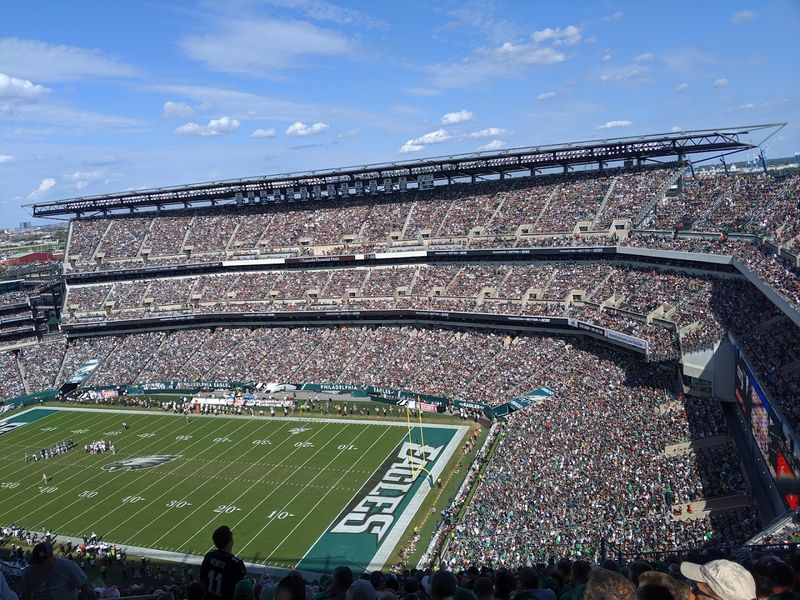
Philadelphia has been fighting for respect since 1776, and the 2026 World Cup is just the latest arena for that chip-on-the-shoulder energy. FIFA lists Philadelphia Stadium at One Lincoln Financial Field Way, home to the NFL’s Eagles and now a future World Cup host.
Philly fans are famously passionate, and football fans everywhere should feel right at home.
The city’s history is woven into every street corner, from Independence Hall to the Rocky steps at the Philadelphia Museum of Art. Adding a World Cup stop to that legacy feels completely right for a city built on big moments.
Philadelphia does not do things quietly, which is exactly the right attitude for a tournament this size.
Lincoln Financial Field is a well-run, modern stadium with strong transport links and a roaring fan base ready to adopt world football for the summer. Expect noise, color, and genuine Philly intensity when the World Cup comes to town.
Boston Stadium, Foxborough, Massachusetts
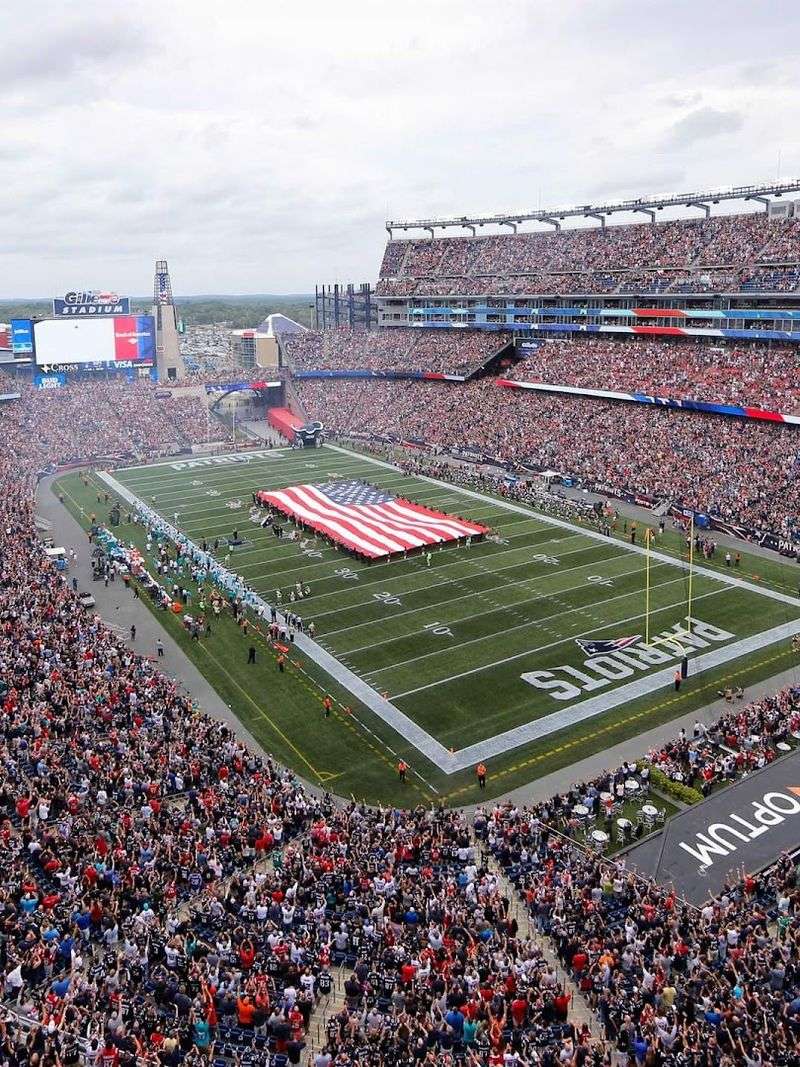
Boston Stadium has the same geographic quirk as Dallas and Los Angeles: the host name is a major city, but the stadium address tells a different story. Gillette Stadium sits at 1 Patriot Pl in Foxborough, Massachusetts, a solid 30 miles south of Boston proper.
New England fans have been making that drive for years, so this is hardly a hardship.
Foxborough itself is a small town that punches well above its weight in sports significance. Gillette Stadium is home to the NFL’s Patriots dynasty and the New England Revolution MLS club, so the ground has seen its share of high-stakes moments.
World Cup football will be a natural fit.
Boston’s football history runs deep, and the surrounding region has a passionate soccer following thanks in part to the Revolution and the area’s large immigrant communities. When the World Cup rolls through New England, Foxborough will be ready to deliver a proper football atmosphere.
Miami Stadium, Miami Gardens, Florida
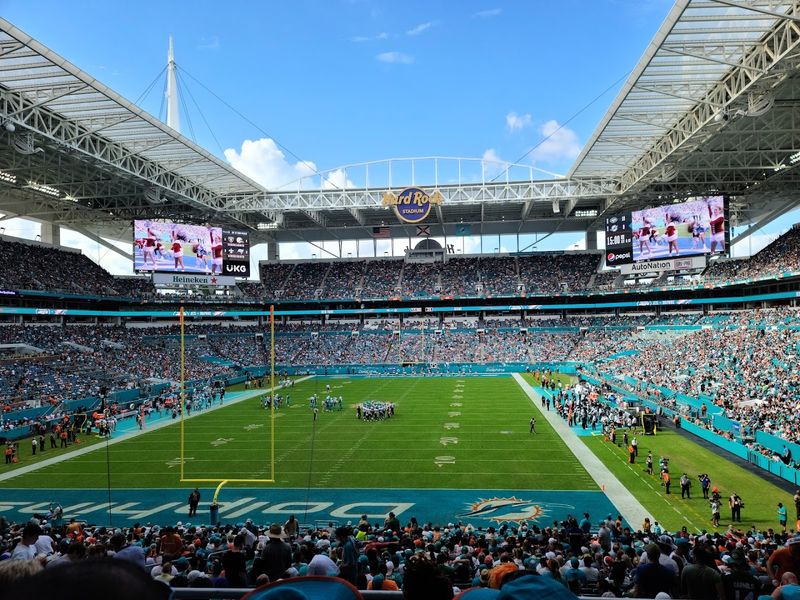
South Florida and the World Cup were basically made for each other. Miami Stadium, located at 347 Don Shula Dr in Miami Gardens, brings a tropical World Cup stop to the map that no other host city can replicate.
Heat, humidity, and high-octane football sound like a perfect summer package.
Miami Gardens sits just north of Miami proper, and Hard Rock Stadium is already a proven international events venue. The city’s Latin American cultural roots give it a natural connection to football that most American host cities can only aspire to.
Spanish will be heard in the stands as often as English, maybe more.
The fan experience in South Florida extends well beyond the stadium. Ocean Drive, Little Havana, and Wynwood are all within reach for visiting supporters looking to make a full trip of it.
Miami always delivers on atmosphere, and the 2026 World Cup will be no different.
Atlanta Stadium, Atlanta, Georgia
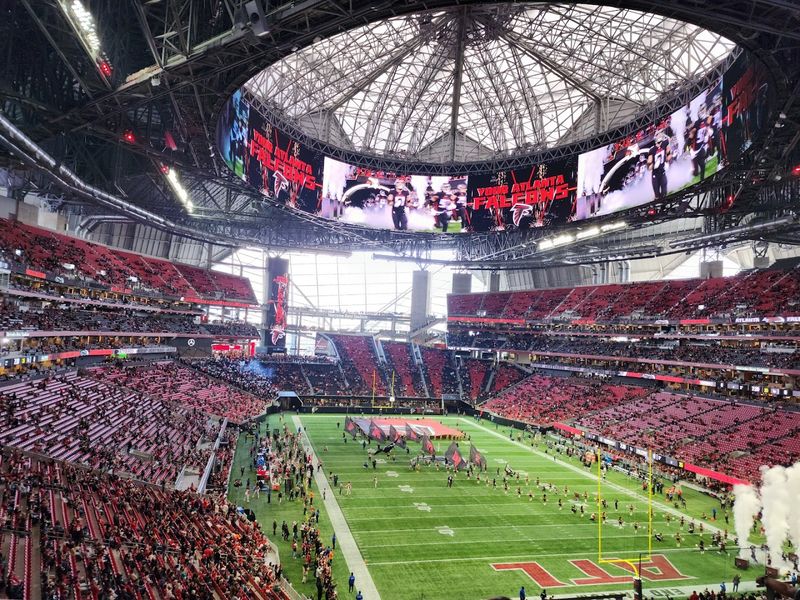
Atlanta Stadium is one of the most architecturally striking venues on the entire 2026 World Cup map. Mercedes-Benz Stadium at 1 AMB Dr NW is not just a football ground; it is genuinely one of the coolest buildings in American sports.
The petal-shaped retractable roof alone is worth a Google search right now.
Atlanta hosted the 1996 Summer Olympics and has a long track record with major international events. The city’s energy is youthful, creative, and sports-obsessed, making it an ideal World Cup host.
FIFA’s decision to include Atlanta among the official U.S. venues was met with zero complaints from anyone who has been inside this stadium.
The surrounding area offers world-class food, music, and culture to keep fans entertained between matches. Atlanta’s airport is one of the busiest on the planet, meaning international fans will find getting here surprisingly straightforward.
This stop on the road to New Jersey has serious style points.
Dallas Stadium, Arlington, Texas
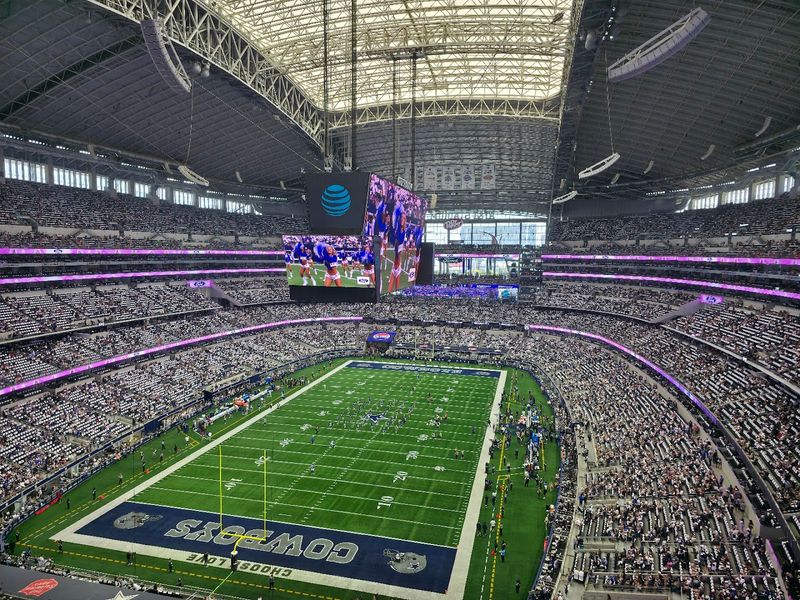
Everything is bigger in Texas, and AT&T Stadium in Arlington proves that point without breaking a sweat. Dallas Stadium sits at 1 AT&T Way in Arlington, which is technically its own city between Dallas and Fort Worth.
The host name says Dallas, but the zip code says Arlington, and the stadium says absolutely enormous.
AT&T Stadium is one of the largest domed stadiums in the world, with a seating capacity that makes other venues look modest. The retractable roof and massive video boards make it a genuinely impressive setting for World Cup football.
Cowboys fans may disagree, but this stadium was built for moments bigger than the NFL.
Arlington’s location in the Dallas-Fort Worth metroplex means millions of potential fans within easy driving distance. Texas has a rapidly growing football culture, fueled by a large Hispanic population with deep ties to the sport.
Dallas Stadium is ready to bring serious Texas-sized energy to the 2026 tournament.
Houston Stadium, Houston, Texas
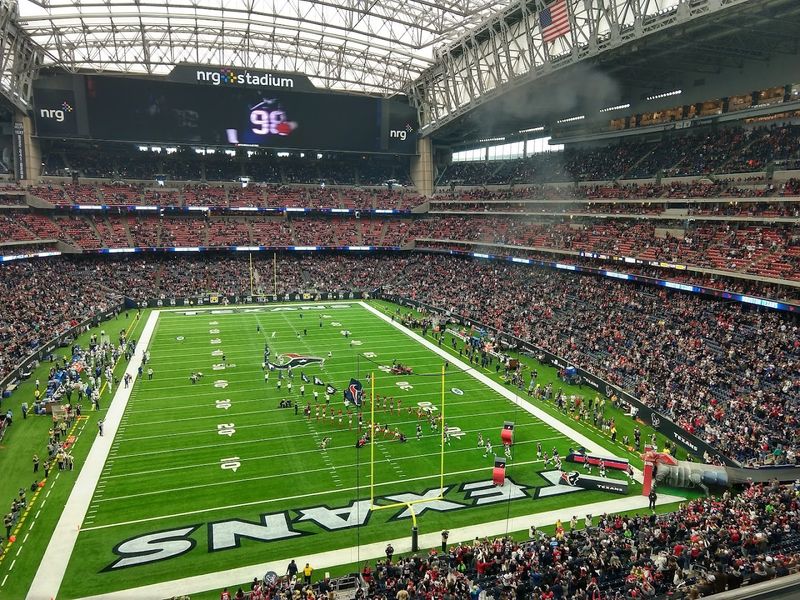
Texas gets a second World Cup stop, and Houston is absolutely here for it. Houston Stadium is listed by FIFA at NRG Pkwy in Houston, the same address as NRG Stadium, home to the NFL’s Texans.
Two Texas venues in one World Cup is not greed; it is just math given the state’s size and football passion.
Houston is one of the most ethnically diverse cities in the United States, with massive Latin American, African, and Asian communities all sharing a love for the beautiful game. The local MLS club, Houston Dynamo, has spent years building a football-first fan base in a city that once leaned heavily toward American football.
NRG Stadium’s retractable roof handles Houston’s notoriously humid summers without complaint, keeping the playing conditions manageable for players and fans alike. As the fourth Texas-area venue on this 16-stop map, Houston adds depth and diversity to the American leg of the World Cup journey.
Kansas City Stadium, Kansas City, Missouri
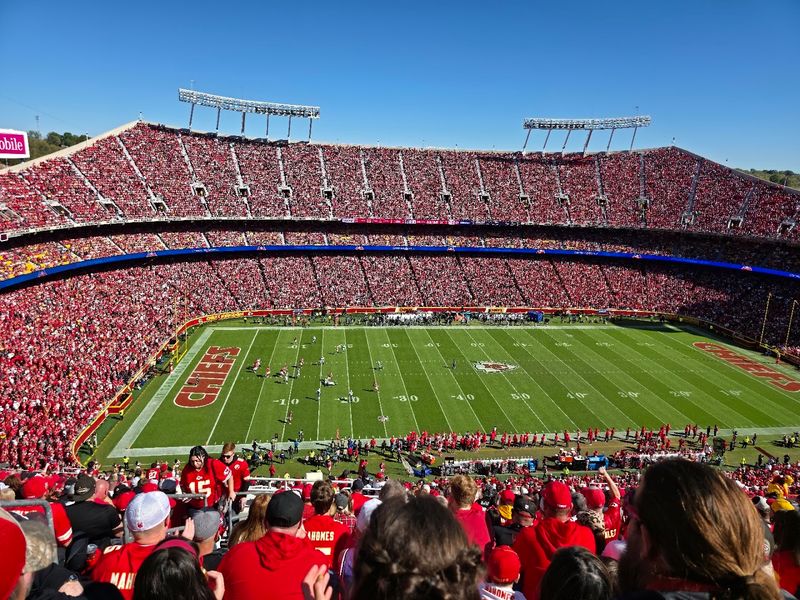
Right in the heart of the country, Kansas City Stadium brings the World Cup to a region that rarely gets this kind of global spotlight. Located at 1 Arrowhead Dr in Kansas City, Missouri, this is Arrowhead Stadium, one of the loudest outdoor venues in American sports.
The NFL’s Chiefs have turned crowd noise into a competitive weapon here for decades.
Kansas City sits roughly equidistant from both coasts, making it a genuine centerpiece on the 16-stop map. The city has experienced a major sports renaissance in recent years, riding the Chiefs’ Super Bowl success into a full-blown sports obsession.
World Cup fever should fit right in with that energy.
The local football scene has grown steadily, with Sporting Kansas City building one of MLS’s most respected supporter cultures. Fans traveling through the middle of the country will find a welcoming, passionate city that takes its sports very seriously.
Kansas City is the heartbeat of this continental World Cup route.
Los Angeles Stadium, Inglewood, California
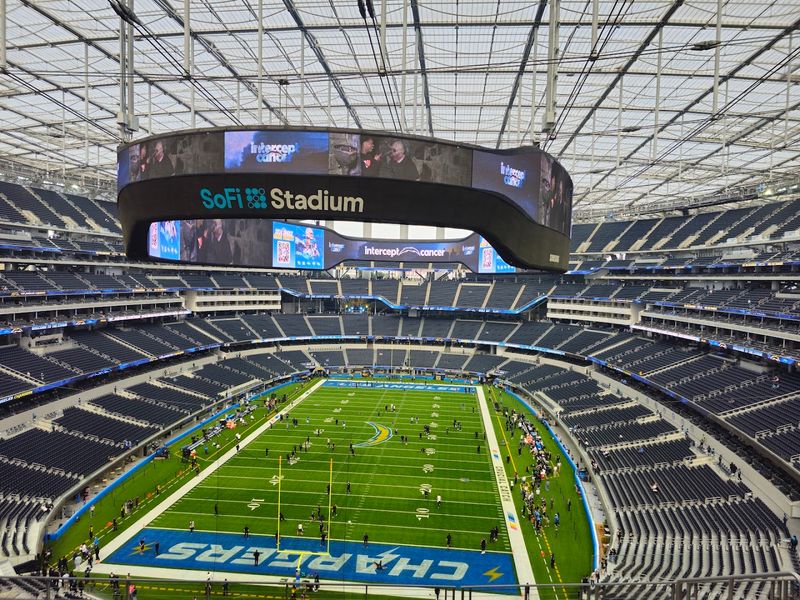
Los Angeles is the entertainment capital of the world, so of course it gets a World Cup venue. SoFi Stadium at 1001 Stadium Dr in Inglewood, California is the host, even though the official name on FIFA’s list reads Los Angeles.
Inglewood residents, you are hosting the World Cup whether you get the name credit or not.
SoFi Stadium is one of the newest and most expensive stadiums ever built, opening in 2020 with a price tag reportedly north of five billion dollars. The translucent roof lets in natural light while keeping the California sun from turning the field into a frying pan.
It is a genuinely spectacular building that looks like the future of stadium design.
Los Angeles brings star power, global media attention, and a massive football-loving population to the 2026 tournament. The city’s diverse communities from Central America, South America, and beyond guarantee a crowd that understands exactly what World Cup football means.
San Francisco Bay Area Stadium, Santa Clara, California
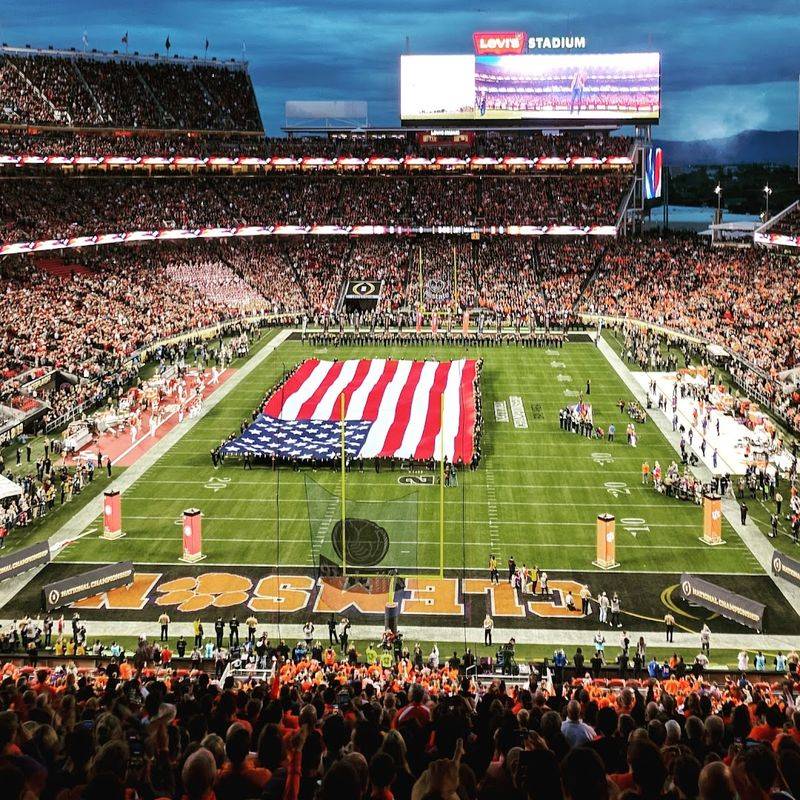
Silicon Valley meets world football at San Francisco Bay Area Stadium. Levi’s Stadium at 4900 Marie P DeBartolo Way in Santa Clara is the Bay Area’s World Cup venue, even though San Francisco gets the headline credit.
Santa Clara is home to the NFL’s 49ers and is now adding a World Cup chapter to its resume.
The Bay Area is one of the wealthiest and most internationally connected regions on earth, with a tech industry that pulls talent and residents from every corner of the globe. That means a built-in fan base for almost every national team competing in 2026.
World Cup fever here will be genuinely worldwide in a single stadium.
Santa Clara’s location in the heart of the Bay Area means easy access from San Francisco, San Jose, and Oakland. The weather in Northern California during summer is typically perfect for football.
This stop on the road to New Jersey carries both prestige and that classic California cool that only the Bay Area can deliver.
Seattle Stadium, Seattle, Washington
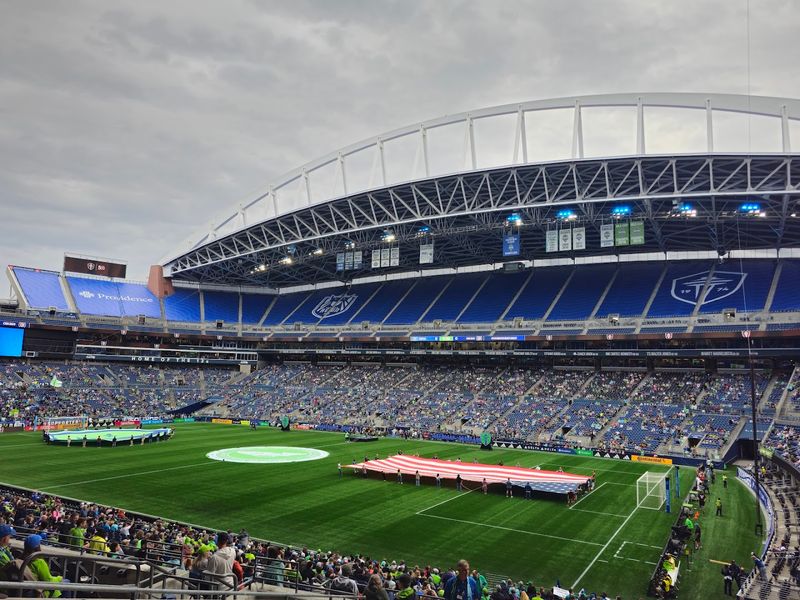
Seattle Stadium closes out the U.S. West Coast portion of this 16-stop map with serious football credentials.
Lumen Field at 800 Occidental Ave S is home to the Seattle Sounders, one of MLS’s most successful and best-supported clubs. Unlike some other host cities still building their football identity, Seattle has had one for years.
The Sounders regularly sell out Lumen Field and have won MLS Cup multiple times, including a memorable CONCACAF Champions League title. Their supporter culture, led by groups like the Emerald City Supporters, is among the most organized and passionate in American football.
World Cup fans will walk into a venue that already knows how to do this properly.
Seattle’s Pacific Northwest setting adds a distinct character to the tournament map. The city is surrounded by water, mountains, and evergreen forests, which sounds nothing like a football backdrop but somehow works perfectly.
As the final West Coast stop on the journey, Seattle signs off in style.
Share this story