There is a 156-acre stretch of preserved land in Essex County, New Jersey, that could have been swallowed up by suburban development decades ago. Instead, it survived, and today it stands as one of the most rewarding outdoor spots in the entire state.
Tucked between neighborhoods and just a short drive from New York City, this park offers wooded trails, rocky terrain, and a skyline view that stops people in their tracks. The story of how this land was saved, what it offers today, and why so many people keep coming back is worth every word.
Whether you are a casual walker, a dog owner, a mountain biker, or just someone who needs a break from the concrete world, this place has something real to offer. Keep reading to find out why this almost-lost reservation deserves a spot on your weekend plans.
Where to Find This Hidden Woodland Retreat
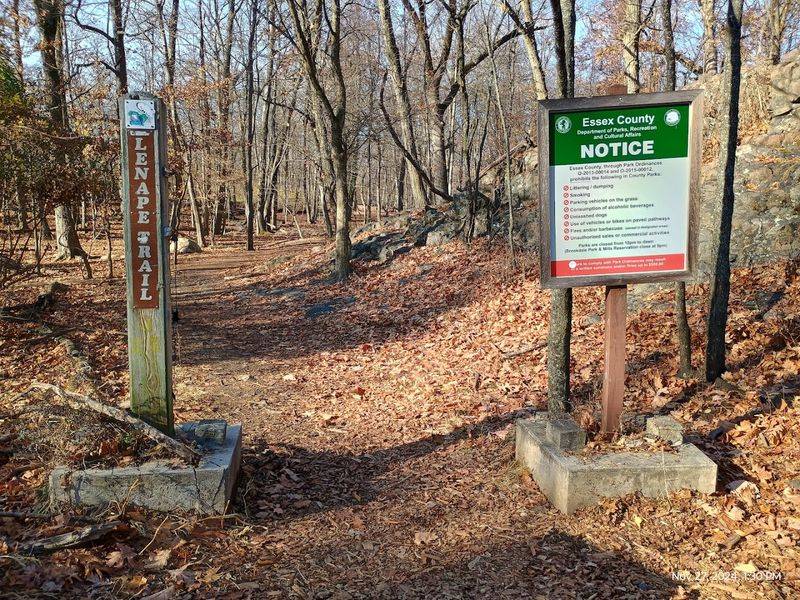
Mills Reservation sits at the corner of Normal Ave and Reservoir Dr in Cedar Grove, NJ 07009, right in the heart of Essex County. The address sounds ordinary enough, but the moment you step past the trailhead markers, the suburban surroundings fade fast.
Cedar Grove is a quiet township in northeastern New Jersey, positioned close enough to New York City that a Manhattan skyline view is actually part of the park experience. The reservation is managed by Essex County and is accessible through the Essex County Park System, with its official site at essexcountyparks.org.
The park operates daily from 7 AM to 7 PM, giving visitors a solid window of time for a morning hike or an afternoon walk. Parking is available on-site, though the lot is small and fills up quickly on weekends.
Arriving early on busy days is the smart move.
The Story of Land That Almost Disappeared
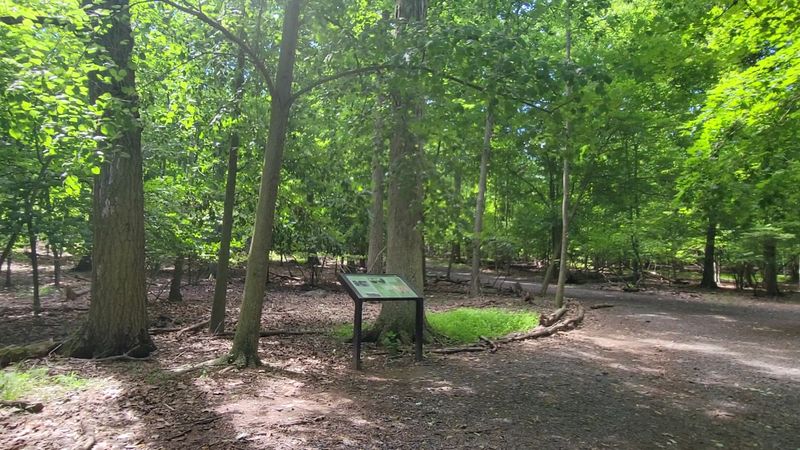
Not every patch of green in New Jersey has a dramatic backstory, but Mills Reservation does. This land sat in the crosshairs of mid-20th century suburban expansion, when developers were eyeing every available acre in Essex County for housing and commercial projects.
The fact that it still exists as a natural preserve today is largely thanks to the Essex County park system and conservation advocates who pushed to protect it. The reservation carries the name of the Mills family, whose legacy is tied to the land’s preservation history in the county.
Over the decades, the park has been steadily improved. Trail markers were added, paths were maintained, and the overall experience was upgraded significantly from what early visitors encountered.
Someone who hiked here 40 years ago would barely recognize the well-organized trail network that exists now. That kind of long-term investment in a public green space is something worth acknowledging out loud.
156 Acres That Pack a Real Punch
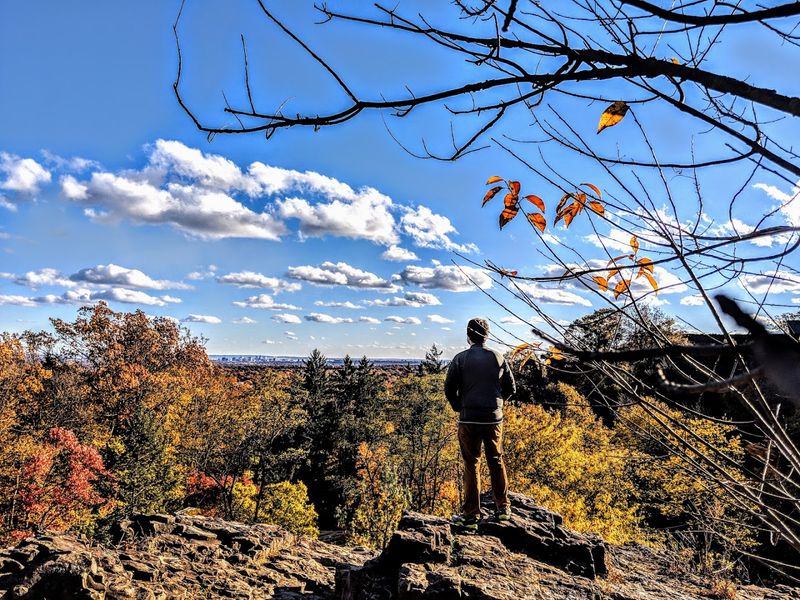
At 156 acres, Mills Reservation is not the largest park in New Jersey, and it makes no attempt to pretend otherwise. What it lacks in size, it more than compensates for with variety and accessibility.
The terrain shifts from flat carriage-style paths to rocky single-track routes, giving hikers a range of experiences within a relatively compact footprint.
The trail network is designed so that multiple paths crisscross each other throughout the reservation. This layout is one of the park’s best features, because it allows visitors to build their own route on the fly.
A short loop can be done in under an hour, while a longer combination of trails can stretch a visit to two hours or more.
For a park that sits inside a densely populated suburban county, 156 acres of preserved woodland is genuinely significant. The density of the tree cover and the natural terrain make it feel much larger than the numbers suggest.
Trail Options for Every Kind of Walker
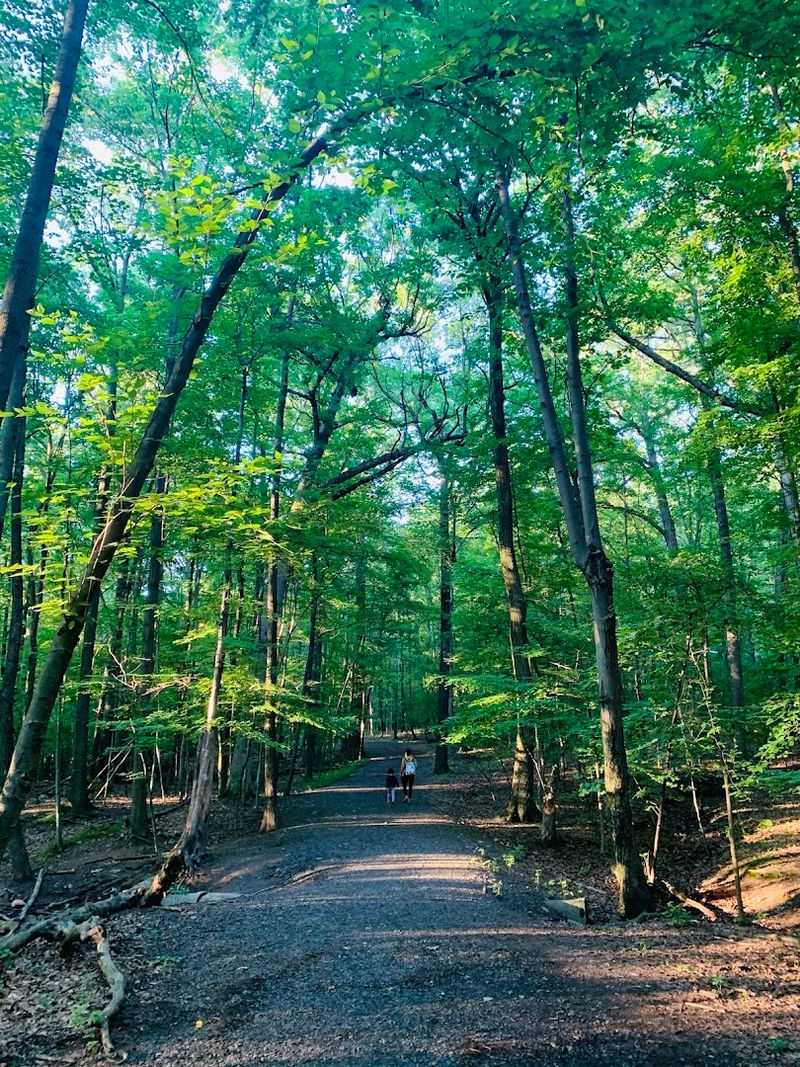
The trail system at Mills Reservation is one of its strongest selling points. There are five trails of varying difficulty levels, ranging from 0.5 to 1.5 miles each.
The main trail runs 1.5 miles and is the most popular route, drawing a steady mix of hikers, dog walkers, and families on any given day.
Some trails follow smooth, wide carriage-style paths that are easy underfoot, while others push through rockier terrain that requires a bit more attention and footing. The variety keeps things interesting, and the way the trails intersect means you can switch between them mid-hike without backtracking all the way to the start.
Trail markers are color-coded, though a few hikers have noted that the colors on the entrance map do not always match the markers on the ground perfectly. Bringing the trail map from the park’s official website, or snapping a photo of the entrance board before heading in, saves a lot of confusion later on.
The View at the Top That Makes It All Worth It
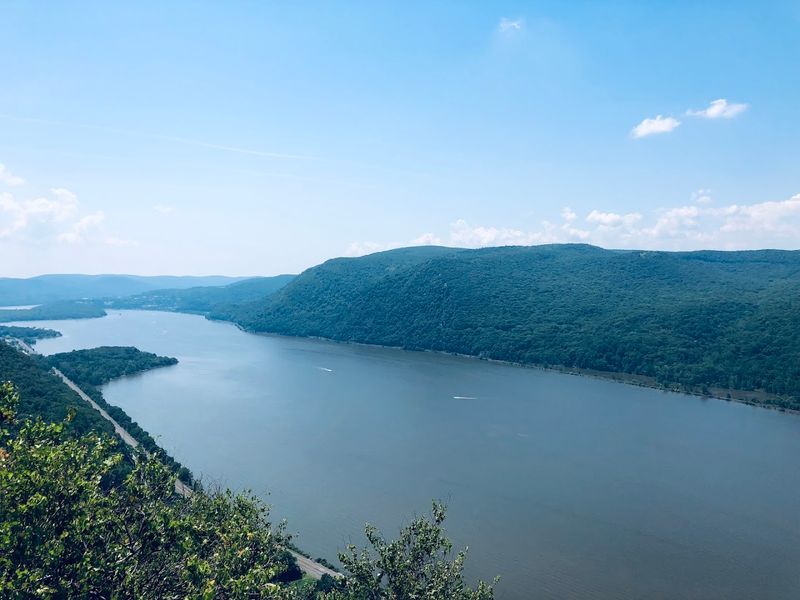
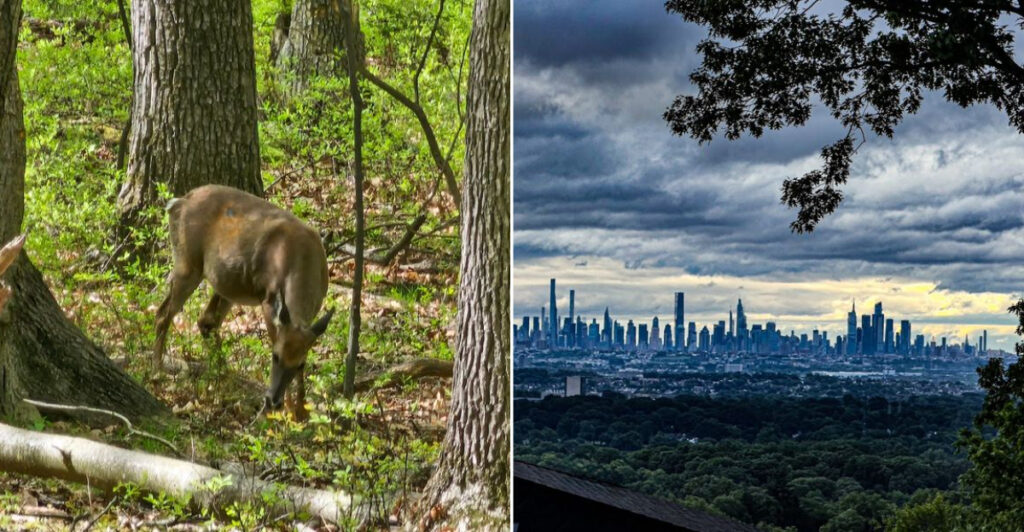
Getting to the top of Mills Reservation’s main overlook is not a brutal climb, but it does require some steady walking and a bit of elevation gain. The reward waiting at the summit is a clear view of the Manhattan skyline, which surprises a lot of first-time visitors who did not expect a New York City panorama from a suburban New Jersey park.
The view has been slowly narrowing over the years as tree growth fills in the sightlines, but it remains one of the most talked-about features of the park. On clear days, the skyline is crisp and unmistakable.
The winter solstice reportedly places the sun directly over Manhattan when viewed from this spot, which is a genuinely striking natural detail.
There are also multiple points along the outer blue and yellow trails where skyline glimpses are possible, not just at the main overlook. Exploring those outer routes gives a broader perspective of what the park has to offer beyond the summit.
A Park That Welcomes Dogs With Open Arms

Dogs are a big part of the Mills Reservation community, and the trails reflect that. Leashed dogs are officially welcome throughout the park, and the mix of terrain, from flat open paths to rockier sections, gives active dogs a genuinely engaging walk rather than a boring loop around a flat field.
The park draws a consistent crowd of dog owners on weekends, and the general atmosphere on the trails is friendly and relaxed. Dogs encounter plenty of other dogs along the way, which tends to make the whole outing more social for both the pets and their owners.
A few practical notes for dog owners: there are no water stations or waste bag dispensers on the trails, so bringing both is essential. After rain, some sections of the trail get muddy, and dogs tend to find every muddy patch with great enthusiasm.
Packing a towel in the car is not a bad idea. Ledge areas near the overlook also deserve extra caution with smaller or younger dogs.
Mountain Bikers Have Claimed Their Corner Too

Mills Reservation is not primarily a mountain biking destination, but it has carved out a real reputation among local cyclists who know the area well. The single-track trails that weave through the rockier sections of the park offer enough technical challenge to keep experienced riders engaged without being so extreme that they scare off casual trail users.
The park’s trail network, with its multiple intersecting paths, gives cyclists the ability to string together different routes and vary their rides from visit to visit. The compact size of the reservation means lap-style riding is a natural fit, allowing riders to cover the same ground multiple times with slight variations each time.
Hikers and cyclists share the trails, which generally works well given the moderate pace most people maintain. Being aware of other trail users, especially on blind corners and narrow single-track sections, keeps the experience enjoyable for everyone.
The park’s mix of terrain makes it a legitimate multi-use space rather than one that just tolerates cyclists as an afterthought.
Families With Young Kids Actually Love This Place
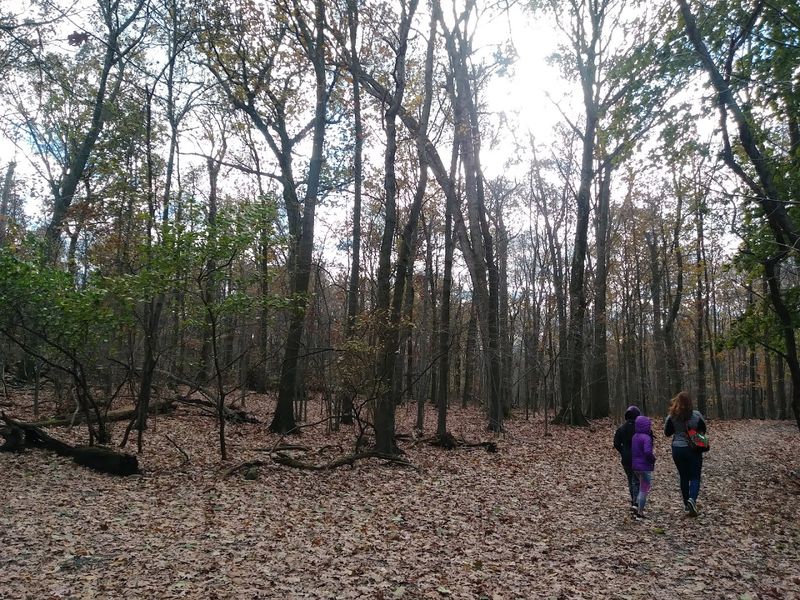
Not every nature reserve is genuinely family-friendly, but Mills Reservation earns that label honestly. The easier trails are flat enough and wide enough for families with strollers or very young children, and the overall loop distances are short enough that small legs can handle them without turning the outing into a ordeal.
The wooded setting gives kids a real dose of nature without requiring a long drive or a full day commitment. Trees, rocks, and the occasional wildlife sighting keep younger hikers curious and moving forward.
Deer are spotted on the trails with enough regularity that a family walk can turn into an impromptu wildlife lesson.
The park does not have bathroom facilities at the main parking area, which is the one logistical challenge families should plan around. Handling that detail before arriving makes the whole visit smoother.
Beyond that, the combination of manageable trails, natural scenery, and a friendly community atmosphere makes Mills Reservation a genuinely solid choice for a family outdoor outing in Essex County.
Wildlife and Nature Beyond Just Trees

Mills Reservation is described officially as a park offering native wildlife and scenic outlooks, and that description holds up on the trails. Deer are the most commonly spotted large animals, and they appear often enough that regular hikers have come to expect the occasional sighting rather than treating it as a rare event.
Beyond deer, the park supports the kind of woodland wildlife typical of preserved northeastern New Jersey habitat. Birds are plentiful, particularly during migration seasons, which connects directly to the park’s hawk lookout feature.
Smaller mammals, insects, and native plant species round out the ecological picture of what 156 acres of protected land can sustain inside a suburban county.
The preservation of this land has allowed a functioning natural ecosystem to persist right next to a densely developed region. That ecological function is easy to overlook when the main draw is a nice hike, but it is part of what makes the reservation genuinely valuable beyond its recreational appeal.
Seasonal Changes That Transform the Trails
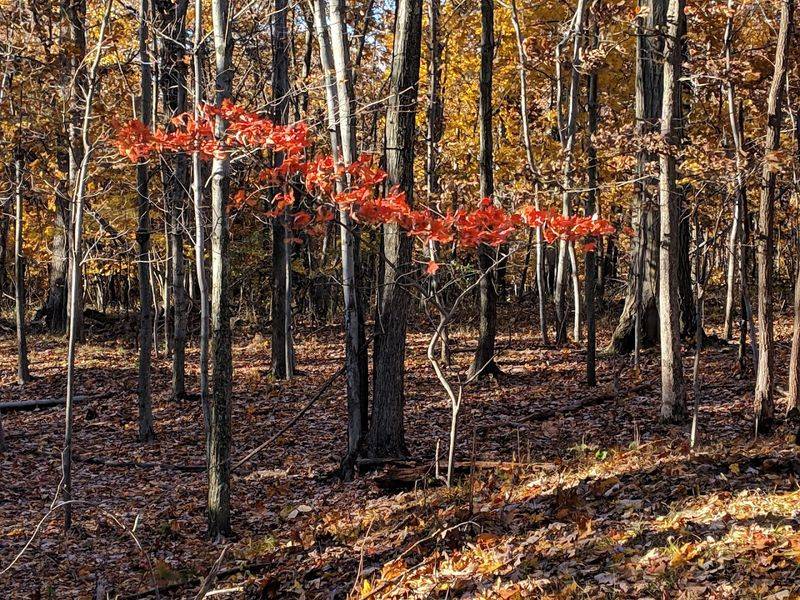
Mills Reservation shifts its character noticeably with the seasons, and each one brings something different to the trails. Fall is the most visually dramatic period, when the tree canopy turns and the wooded paths take on a completely different look from their summer version.
The overlook views also open up slightly as leaves drop, restoring some of the skyline sightlines that tree growth narrows during warmer months.
Winter visits have their own appeal. The trails remain accessible in most conditions, and a light snowfall transforms the reservation into a genuinely quiet, peaceful space.
One hiker famously noted that two hours of snow hiking here revealed no trace of the trail conditions that bothered warm-weather visitors, which speaks to how different the experience can be depending on when you go.
Spring brings muddy sections after rain, so trail footwear matters more in March and April than in other months. Summer offers dense shade from the full canopy, which makes midday hikes far more comfortable than they would be on an exposed trail.
What to Bring and How to Prepare
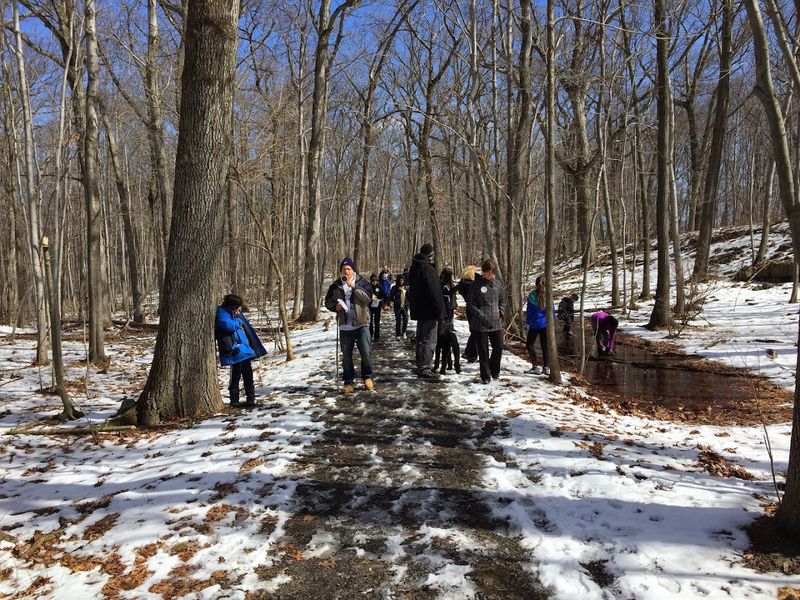
A visit to Mills Reservation does not require extensive gear, but a few basics make a real difference. Water is the top priority since there are no water fountains or facilities on the trails.
Bringing enough for the full hike, plus a little extra, is the standard advice for any outdoor outing in this region.
Sturdy footwear matters more than it might seem for a suburban park. The rocky sections of the trail are uneven enough that flat sneakers can become uncomfortable quickly, and after rain, muddy stretches make grip a genuine concern.
Trail shoes or light hiking boots handle the terrain well across all seasons.
A downloaded or printed trail map is worth having before heading in, particularly because the color-coded markers on the ground do not always match the entrance map perfectly. Cell service is generally available in the area, but relying on a saved map rather than live navigation keeps things simple.
Bug spray from late spring through early fall rounds out the practical preparation list.
Close to the City, Far From the City Feel
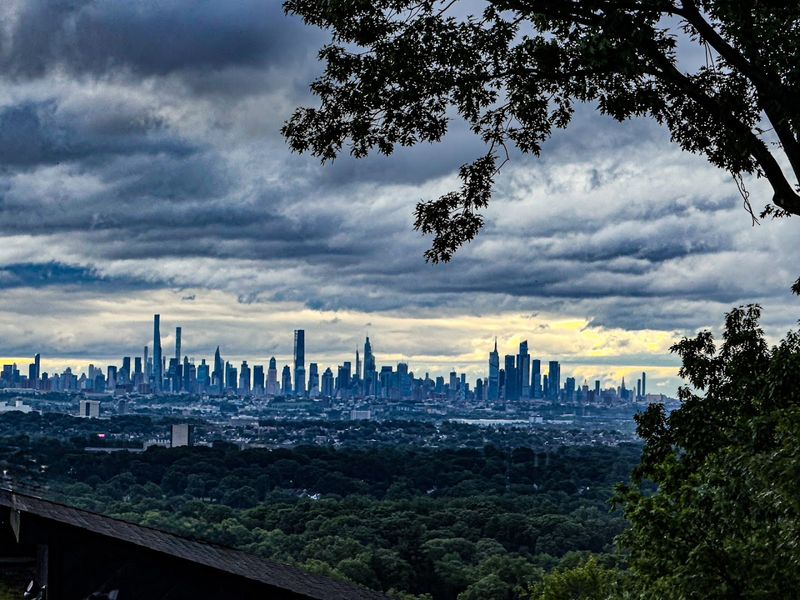
One of the genuinely unusual things about Mills Reservation is its geographic position. The park sits close enough to New York City that the Manhattan skyline is visible from the overlook, yet the wooded interior of the reservation creates a complete break from the urban environment just a few miles away.
For residents of Essex County and nearby communities, that combination is rare and valuable. A full hiking experience with real terrain, tree cover, and wildlife is accessible without leaving the county or spending hours in a car.
The proximity to the city also makes the park appealing to day-trippers from Manhattan and surrounding boroughs who want a nature fix without a long commute.
The drive from midtown Manhattan to Cedar Grove is manageable on a weekend morning, and the payoff of a wooded hike with a skyline view at the top is a combination that few parks within that driving radius can match. The contrast between where you came from and where you end up is the whole point.
Why This Place Keeps Pulling People Back
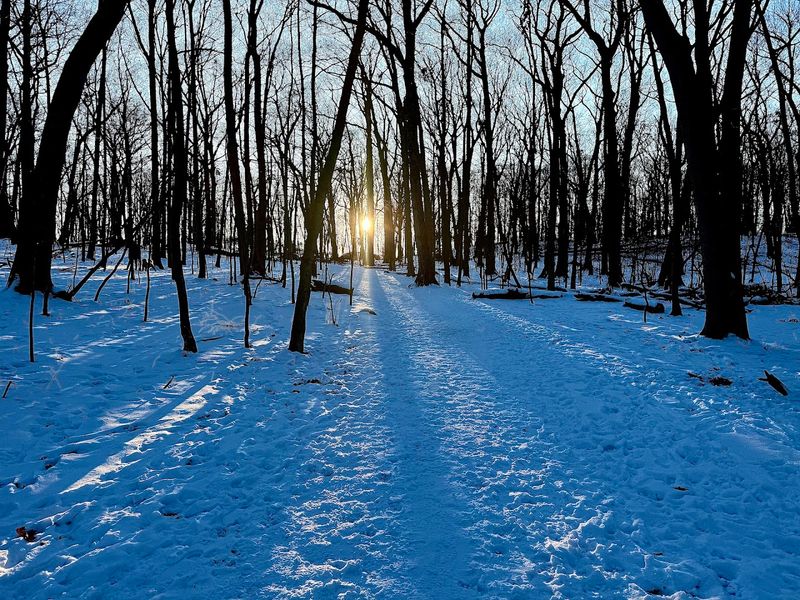
Repeat visitors to Mills Reservation are not hard to find. The park has a consistent community of regulars, including dog owners, morning walkers, cyclists, and birders, who return week after week across different seasons.
That kind of loyalty to a local park usually signals something beyond just convenience.
Part of the appeal is the flexibility the trail network offers. The ability to customize a route on every visit, choosing between longer or shorter loops depending on the day, means the park never quite feels identical from one outing to the next.
That variety within a compact space is harder to find than it sounds.
The combination of preserved woodland, a genuine skyline view, accessible trails, and a welcoming community atmosphere adds up to something that holds up over time. Mills Reservation is not the flashiest outdoor destination in New Jersey, but it is the kind of place that earns its reputation quietly and consistently, one return visit at a time.
Share this story