Some prisons around the world are known not just for holding criminals, but for the extreme conditions and strict rules that make daily life almost unbearable. From total isolation to severe overcrowding, these facilities push the boundaries of what humans can endure.
Understanding these places helps us think about justice, human rights, and what it truly means to be punished. Here is a closer look at 15 of the world’s toughest prisons and the harsh rules that govern life inside their walls.
1. ADX Florence, USA
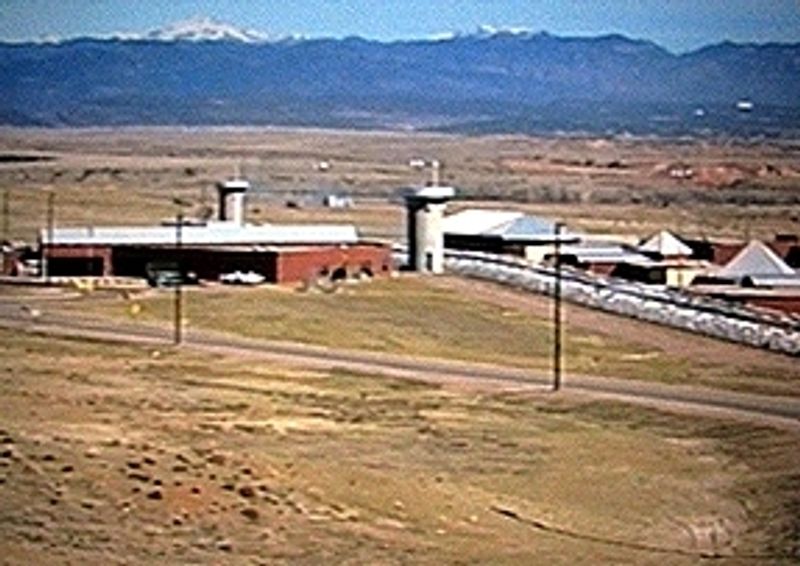
Known as the “Alcatraz of the Rockies,” ADX Florence in Colorado holds some of the most dangerous criminals in the United States. Located in a remote area, this supermax facility was designed to keep the outside world completely out of reach.
Inmates spend up to 23 hours every day locked alone in a small, soundproof cell. Human contact is almost nonexistent.
Meals are delivered through a slot in the door, and movement outside the cell is extremely limited.
The cells contain a desk, a bed, and a toilet, all made of concrete. There are no windows with a normal view, and natural light barely enters.
Many former inmates have described the experience as mentally crushing. The facility currently houses notorious figures including terrorists and cartel leaders, making it one of the most secure prisons ever built.
2. Black Dolphin Prison, Russia
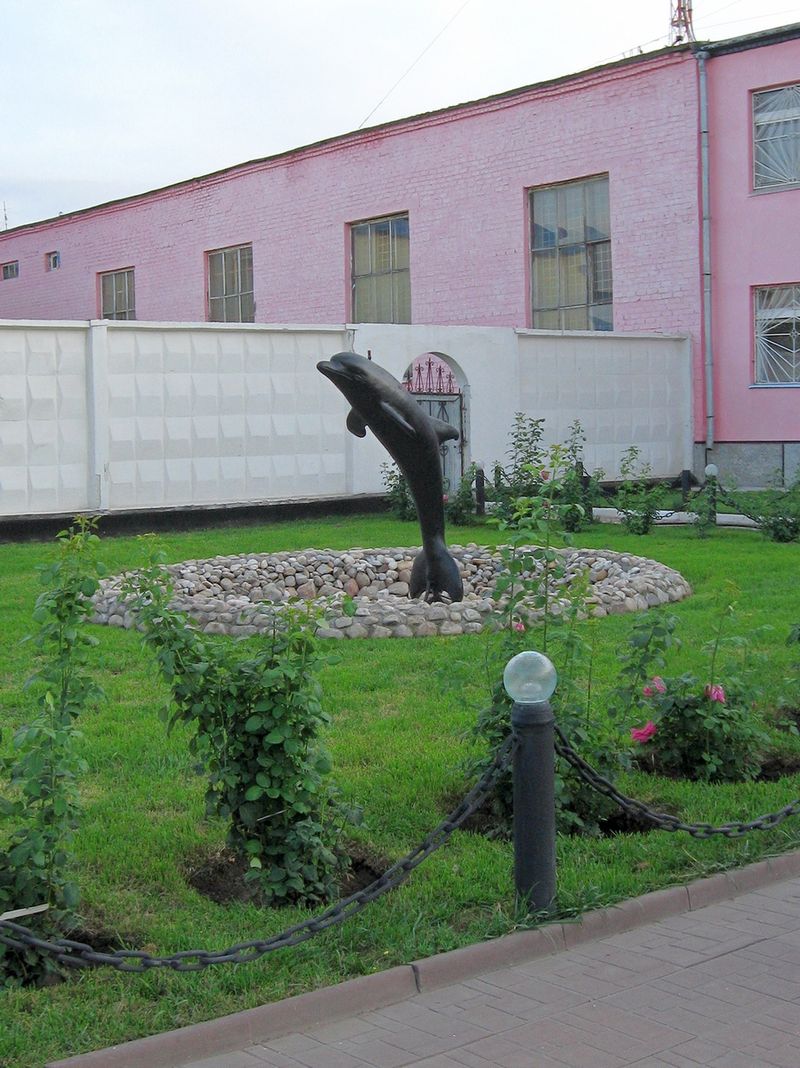
Sitting near the Kazakhstan border in the Russian city of Sol-Iletsk, Black Dolphin Prison earns its fearsome reputation through relentless control over every inmate movement. The facility houses Russia’s most violent criminals, including murderers and terrorists serving life sentences.
One of the most striking rules here involves transportation. Whenever inmates are moved from one area to another, they must walk bent at the waist at a 90-degree angle while blindfolded.
This prevents them from memorizing the prison layout and planning any escape route.
Guards maintain constant surveillance, and inmates are watched around the clock to prevent any unsupervised activity. Sleep is also monitored closely.
Prisoners must remain visible to guards at all times, even while resting. The psychological weight of these rules, combined with the harsh Siberian-like climate, makes Black Dolphin one of Russia’s most feared correctional facilities.
3. Gitarama Prison, Rwanda
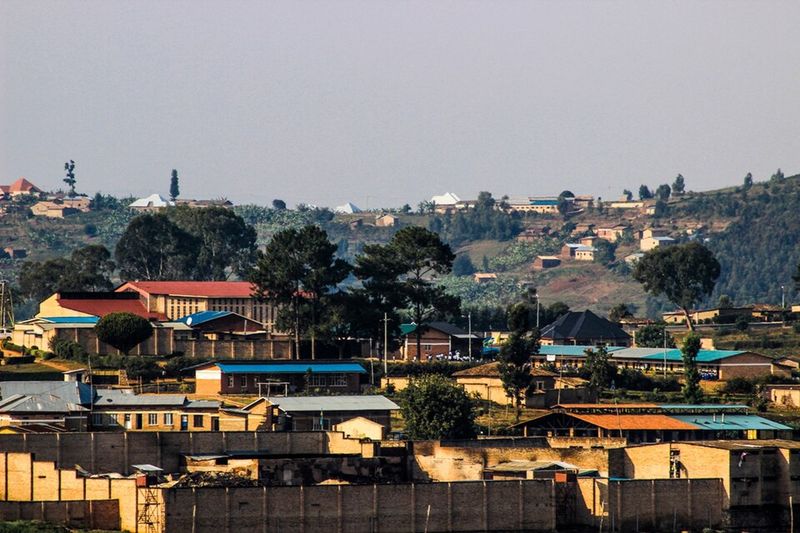
Built to hold around 400 people, Gitarama Prison in Rwanda became globally infamous when its population swelled to over 7,000 inmates following the 1994 genocide. The numbers were so overwhelming that basic survival became a daily challenge for everyone inside.
Space was so scarce that many prisoners reportedly had to stand for days at a time because there was simply no room to sit or lie down. The floor was perpetually wet, and infections spread rapidly.
Reports emerged of inmates losing limbs to gangrene caused by standing in filth for extended periods.
Food and water were dangerously scarce, and medical care was nearly nonexistent. The situation drew sharp international criticism and highlighted the catastrophic consequences of overcrowding in the prison system.
Gitarama became a symbol of how extreme circumstances can turn a place of detention into a humanitarian crisis of staggering proportions.
4. La Sabaneta Prison, Venezuela
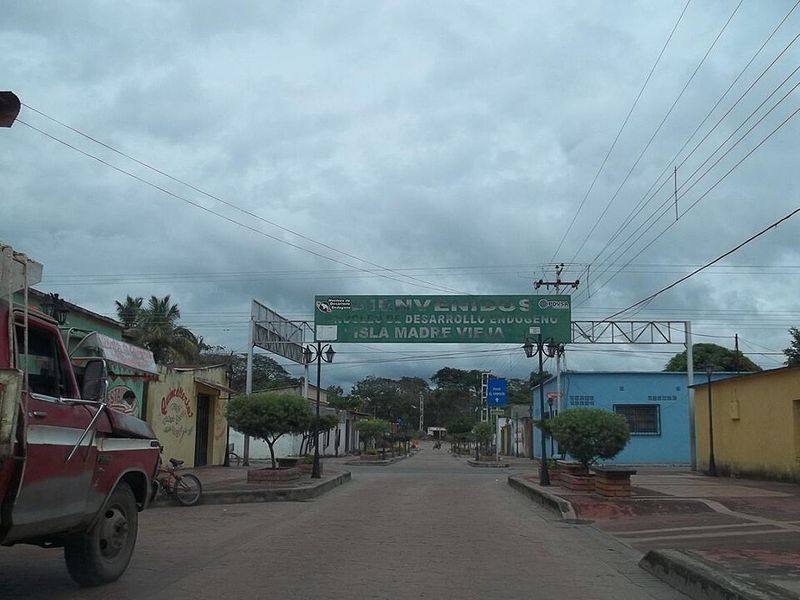
La Sabaneta in Venezuela once held the title of the world’s most dangerous prison, and for good reason. Located in the city of Maracaibo, the facility became a place where official authority had largely collapsed, leaving inmates to create their own brutal systems of control.
Guards rarely entered certain sections of the prison, allowing powerful inmate gangs to dictate the rules. Violence was a constant reality.
Riots and killings occurred with disturbing regularity, and weaker prisoners lived in constant fear of stronger ones. A 1994 riot at La Sabaneta resulted in over 100 deaths.
Basic necessities like food, medicine, and clean water were in short supply, and families of inmates sometimes had to bring supplies from outside just to keep their loved ones alive. The prison has since been closed, but its legacy as a place of unchecked violence and suffering remains deeply troubling.
5. Bang Kwang Prison, Thailand
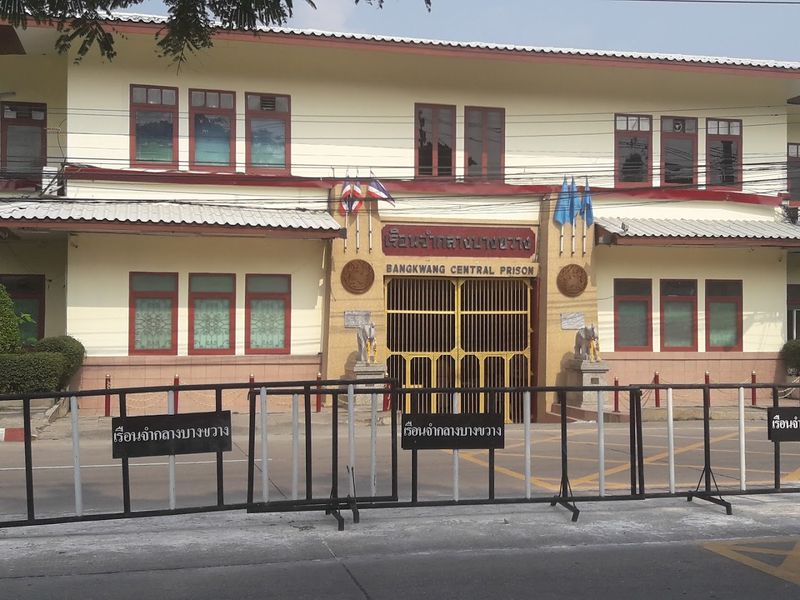
Bang Kwang Prison, nicknamed the “Bangkok Hilton” with dark irony, sits along the Chao Phraya River in Thailand and is known for some of the harshest treatment of inmates in Southeast Asia. Foreign prisoners in particular have described the experience as deeply traumatic.
Death row inmates at Bang Kwang are shackled in leg irons for extended periods, sometimes for months or even years before their sentences are carried out. The weight of the chains causes physical damage over time.
Strict discipline governs every part of the day, and any violation of the rules can result in severe punishment.
Food rations are minimal, and inmates rely heavily on support from family members or charitable organizations. Overcrowding adds to the misery, with cells designed for far fewer people than they actually hold.
Bang Kwang remains operational and continues to draw concern from human rights organizations worldwide.
6. Tadmor Prison, Syria
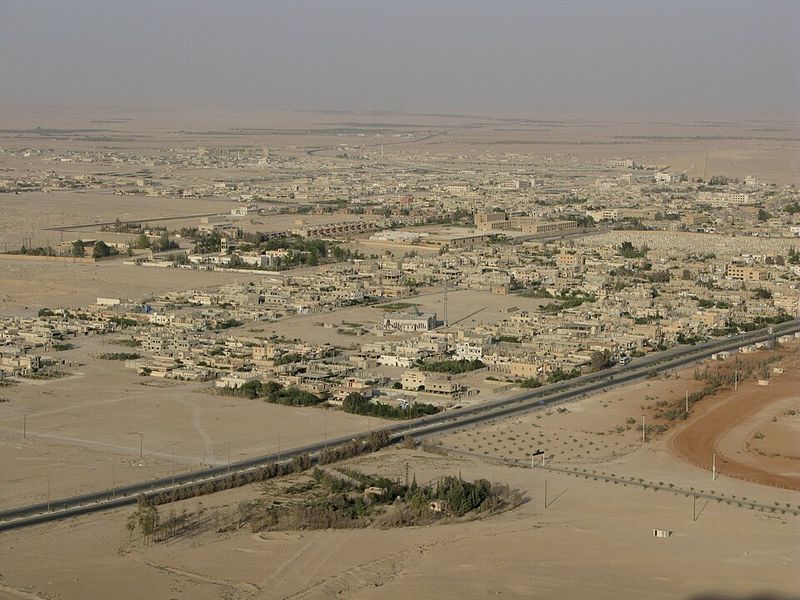
Few prisons in modern history carry the dark legacy of Tadmor Prison, located in the Syrian desert city of Palmyra. Opened during the French mandate era, it became most notorious under the Assad regime for systematic torture and brutal treatment of political prisoners.
Survivors have described a world where beatings were routine and psychological abuse was deliberate. Prisoners had almost no legal rights and were held without trial for years.
One of the most chilling accounts involves a 1980 massacre in which hundreds of inmates were reportedly killed in a single night following an assassination attempt on President Hafez al-Assad.
The prison was eventually demolished by ISIS forces in 2015, but its history lives on in survivor testimonies and human rights reports. Tadmor stands as one of the clearest historical examples of how a prison can become an instrument of political terror and state-sanctioned cruelty.
7. Carandiru Prison, Brazil
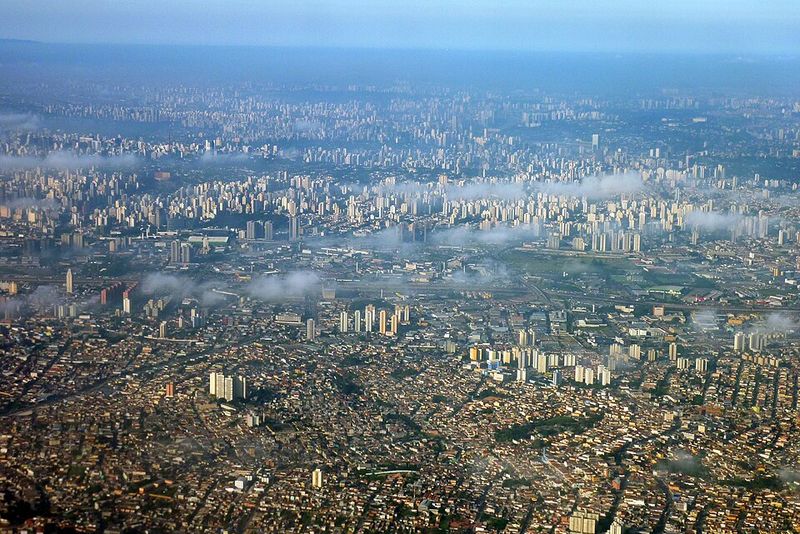
Carandiru Penitentiary in Sao Paulo was once the largest prison in Latin America, holding over 7,000 inmates in a facility built for far fewer. For decades, it operated as a crowded, violent, and disease-ridden institution where survival depended on navigating dangerous social hierarchies.
The prison’s most infamous moment came on October 2, 1992, when military police entered to suppress a riot and opened fire on inmates. Over 111 prisoners were killed, many reportedly shot while unarmed or trying to surrender.
The event became known as the Carandiru massacre and triggered widespread outrage both in Brazil and internationally.
Investigations revealed deeply troubling conditions inside the facility, including rampant drug use, gang control, and inadequate medical care. The prison was officially closed in 2002 and demolished between 2002 and 2005.
A park and cultural center now stand on the site, but the massacre’s memory has never fully faded.
8. Guantanamo Bay Detention Camp, Cuba/USA
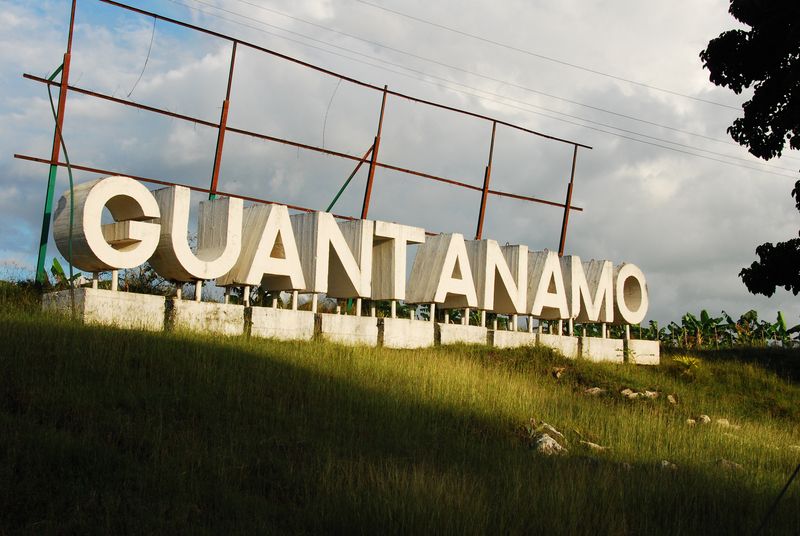
Opened in January 2002 in the wake of the September 11 attacks, Guantanamo Bay Detention Camp sits on a U.S. naval base in Cuba and quickly became one of the most debated detention facilities in the world. Its existence raised serious questions about legal rights, international law, and the limits of national security measures.
One of the most controversial aspects of Guantanamo is the policy of indefinite detention. Many detainees were held for years, and in some cases decades, without being formally charged or given a traditional trial.
Allegations of harsh interrogation techniques, sleep deprivation, and psychological pressure drew widespread condemnation from human rights groups.
At its peak, the camp held nearly 780 detainees. As of recent years, a small number remain.
Multiple U.S. presidents have attempted to close the facility, but legal and political challenges have kept it operational. Its story continues to shape global conversations about justice and detention.
9. Petak Island Prison, Russia
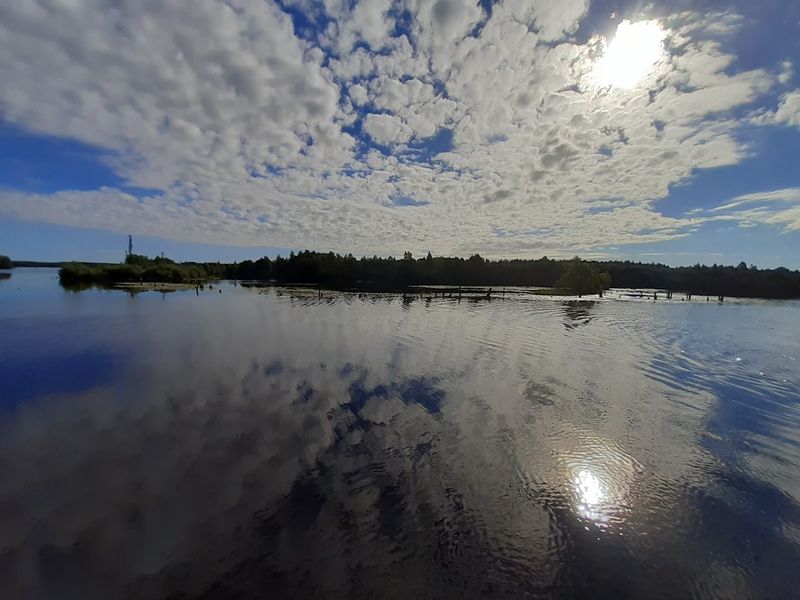
Petak Island Prison sits on a tiny island in the middle of White Lake in Russia’s Vologda region, accessible only by boat during warmer months and by ice road in winter. The isolation is not just physical; it is a deliberate part of the punishment for inmates sent there.
Housing some of Russia’s most dangerous convicted criminals, the facility enforces strict daily routines with very little variation. Inmates spend most of their time in small cells and are allowed out for only brief, supervised periods.
Communication with the outside world is severely limited, and family visits are rare due to the remote location.
The psychological effect of being surrounded by water with no realistic path to freedom is considered part of the prison’s controlling design. Guards maintain tight oversight at all times.
Petak is often described by Russian authorities as the country’s equivalent of a supermax facility, reserved for the most severe cases.
10. Mendoza Prison, Argentina
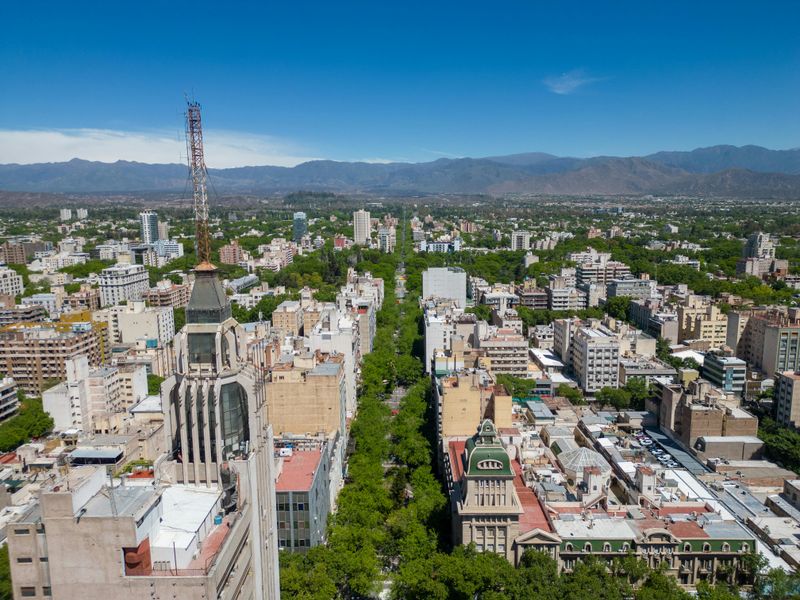
Mendoza Prison in Argentina earned international attention not through a single event, but through years of consistently alarming conditions. Human rights organizations, including the Inter-American Court of Human Rights, repeatedly condemned the facility for its treatment of inmates.
Severe overcrowding meant that cells designed for a handful of people were packed with many more. Sanitation was poor, and access to clean water, medical care, and adequate food was unreliable at best.
Inmates with mental health conditions were particularly vulnerable, often receiving little to no appropriate treatment.
Violence between inmates was common, partly because guards were too few in number to maintain effective order throughout the facility. Reports of deaths inside the prison prompted legal action and international scrutiny.
Argentina faced pressure to reform the facility, and improvements were eventually made, though advocates argued they came far too slowly. Mendoza became a symbol of systemic neglect in the Latin American prison system.
11. Diyarbakir Prison, Turkey
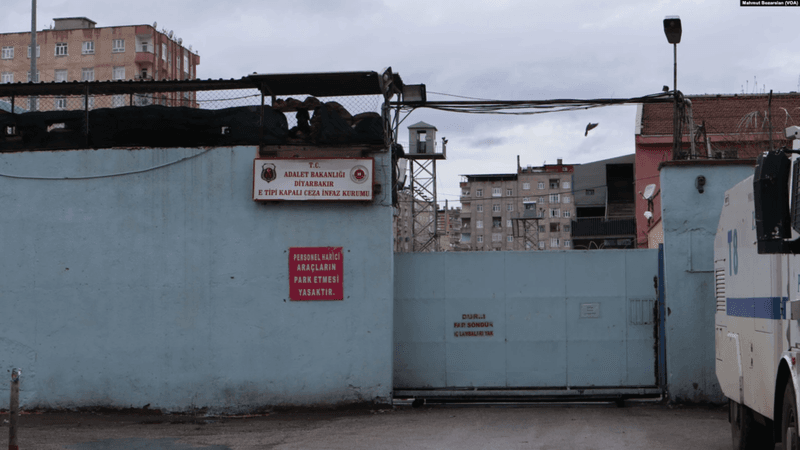
Diyarbakir Prison in southeastern Turkey built a deeply troubling reputation during the 1980s, particularly in the years following the military coup of 1980. The facility held political prisoners, Kurdish activists, and others detained during a period of intense political repression in the country.
Survivor accounts describe a regime of systematic abuse, including physical torture, forced exercises designed to humiliate, and psychological manipulation. Discipline was enforced with extreme severity, and any resistance was met with harsh punishment.
The conditions were so severe that several inmates reportedly took their own lives rather than endure continued treatment.
The prison became a focal point for human rights campaigns both within Turkey and abroad. Its history is still discussed today in conversations about the country’s political past and the treatment of minority communities.
Diyarbakir stands as a sobering reminder of what happens when prison systems operate without adequate oversight or accountability from outside authorities.
12. Kamiti Maximum Security Prison, Kenya
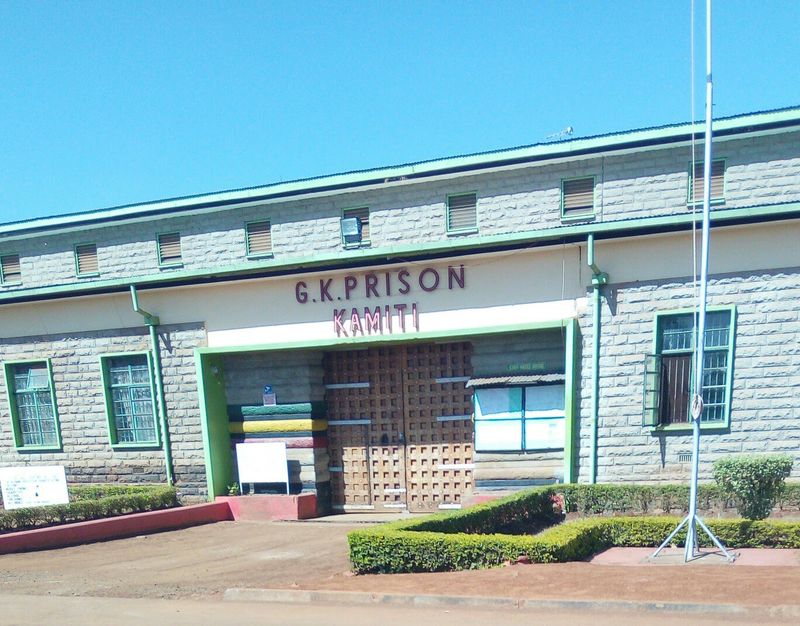
Kamiti Maximum Security Prison near Nairobi is Kenya’s largest and most heavily fortified detention facility. Originally built during the British colonial era, it has housed some of the country’s most high-profile convicted criminals, including those on death row.
Life inside Kamiti is defined by strict discipline and a rigid daily schedule that leaves little room for personal freedom. Overcrowding is a persistent issue, with the prison regularly holding far more inmates than its official capacity allows.
Resources are stretched thin, and access to healthcare, education, and rehabilitation programs is limited for many prisoners.
Reports over the years have highlighted concerns about living conditions, including inadequate sanitation and insufficient food. Despite these challenges, the prison does run some vocational training programs aimed at preparing inmates for life after release.
Kamiti remains a central part of Kenya’s criminal justice system, even as advocates continue pushing for meaningful reform of conditions inside.
13. La Modelo Prison, Colombia
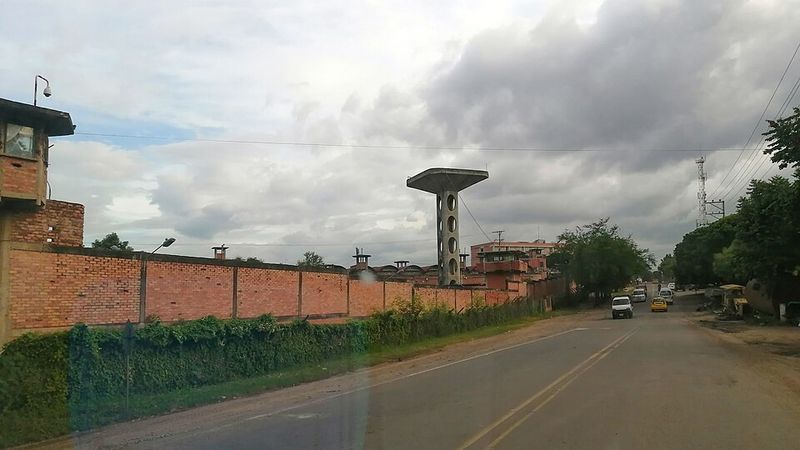
La Modelo Prison in Bogota, Colombia, has long been a place where official rules compete with unofficial ones enforced by powerful inmate factions. For years, rival groups inside the prison carved out their own territories, creating a fractured internal world where loyalty and affiliation determined survival.
A particularly deadly chapter came in April 2000, when a violent confrontation between rival gang factions inside La Modelo resulted in the deaths of more than 25 inmates. The incident exposed how little control authorities had over daily life inside certain sections of the facility.
Guards and prison administrators have struggled to maintain order in a facility that has consistently housed more inmates than it was designed for. Drug trafficking, extortion, and gang recruitment reportedly continued even within the prison walls.
Reform efforts have been made over the years, but La Modelo remains a complex and often dangerous environment that reflects broader challenges in Colombia’s justice system.
14. Fuchu Prison, Japan
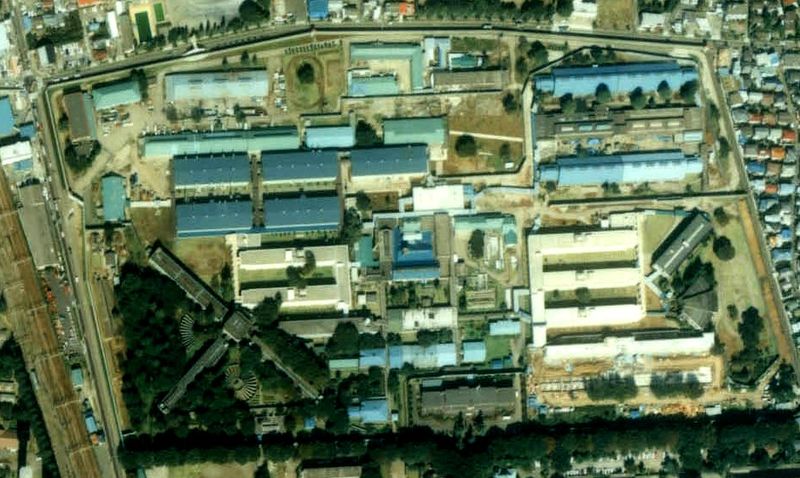
Japan’s prison system is often praised for its low recidivism rates, but for those inside facilities like Fuchu Prison in Tokyo, the experience can feel suffocating. Fuchu is one of Japan’s largest prisons and is known for an almost military level of discipline that governs every moment of the day.
Inmates are required to sit in specific postures, walk in exact patterns, and follow a tightly controlled schedule from morning to night. Talking is heavily restricted, especially during meals and work periods.
Eye contact with guards must be maintained in a specific way, and any deviation from expected behavior can result in punishment.
Foreign inmates at Fuchu have written memoirs describing the experience as deeply disorienting, particularly the enforced silence and the expectation of constant physical compliance. While the prison is clean and organized compared to many others on this list, the psychological pressure of its rigid rules makes it one of the world’s most demanding places to serve time.
15. Kresty Prison, Russia
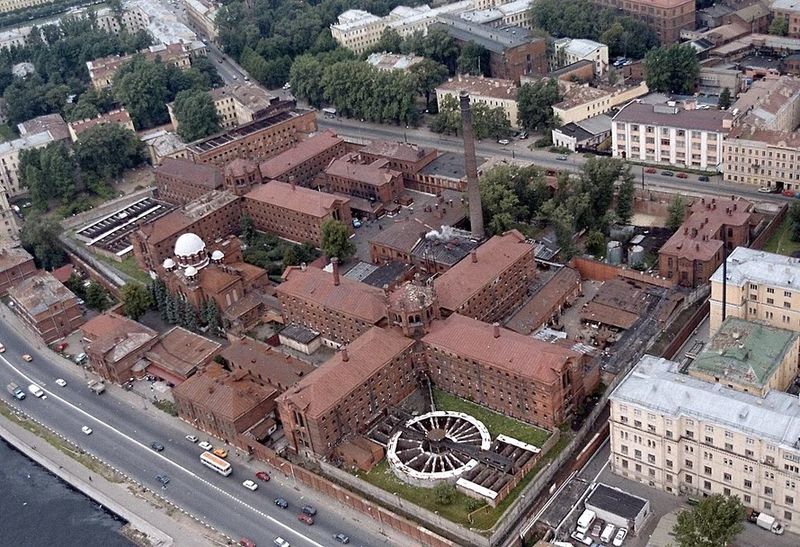
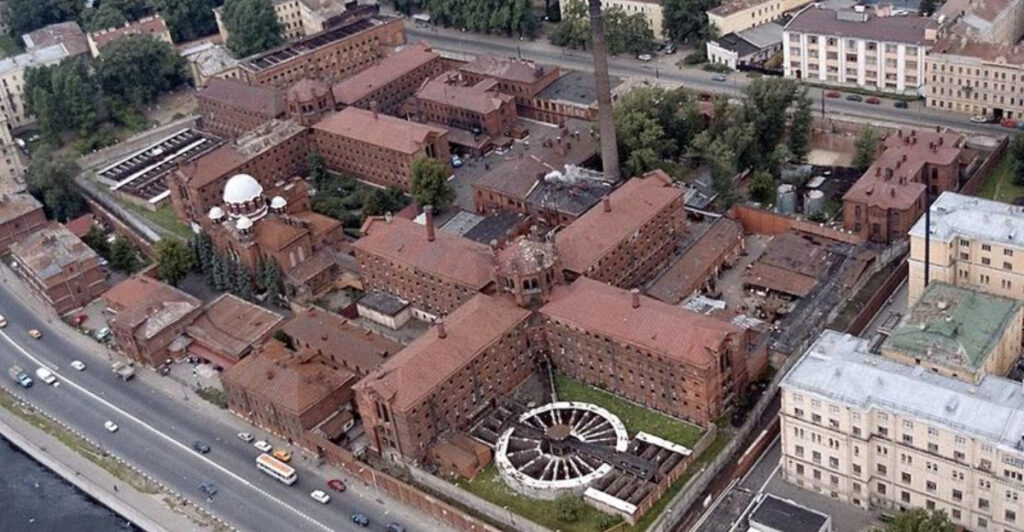
Kresty Prison in Saint Petersburg is one of Russia’s oldest detention facilities, with a history stretching back to the late 19th century. Its distinctive cross-shaped brick buildings have witnessed some of Russia’s most turbulent political periods, including the Stalinist purges of the 1930s.
For much of the 20th century and into the 21st, Kresty was severely overcrowded. Cells meant for one or two people regularly held five or more.
Sanitation was poor, tuberculosis spread rapidly, and the psychological toll of confinement in such tight quarters was immense. At one point, the prison held nearly five times its intended capacity.
Strict surveillance and rigid control over inmate movement added to the oppressive atmosphere. A newer Kresty facility was opened in 2017 to address some of these issues, but the original building’s legacy as a place of suffering and overcrowding is deeply embedded in Russian history.
The old structure now stands as a grim monument to decades of prison mismanagement.
Share this story