The year 1945 did far more than close the deadliest war in history. It created institutions, borders, rivalries, and moral precedents that still shape the news you read today.
Many of the world’s biggest tensions, from nuclear strategy to European security, trace back to choices made in those final months. Look closely, and 1945 starts to feel less like the past and more like the foundation under our feet.
1. The Creation of the United Nations
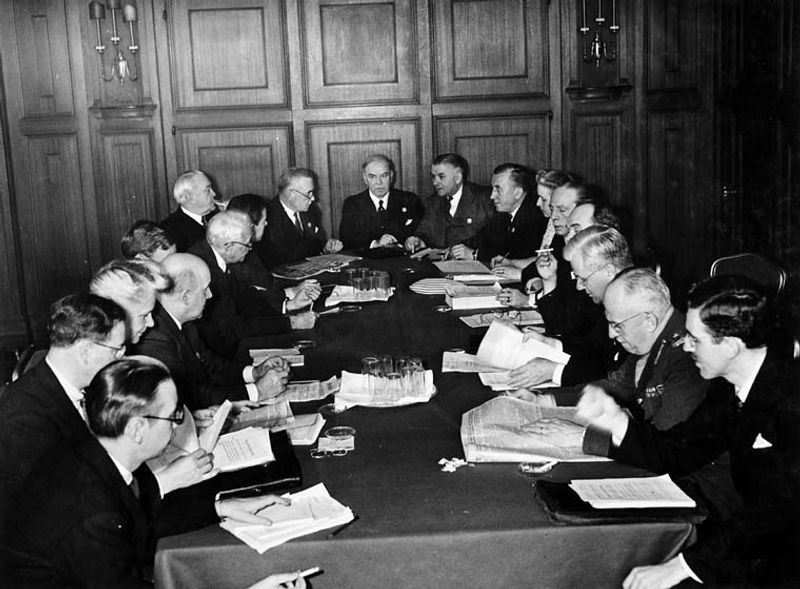
When the United Nations officially came into existence on October 24, 1945, it represented a bold attempt to avoid another global catastrophe. The UN Charter had been signed months earlier in San Francisco, and its ratification gave the world a new diplomatic arena.
You can still see that decision shaping nearly every major international crisis today.
The Security Council, peacekeeping missions, humanitarian agencies, and human rights bodies all grew from this 1945 framework. Its structure reflects the power realities of the war’s victors, especially through the permanent members and veto system.
That design often frustrates people, but it also explains why the UN remains central to global politics.
From climate talks to refugee aid, the organization keeps expanding beyond its original mission. It has not ended war, but it created a place where enemies must at least speak.
That alone changed diplomacy permanently.
2. The Division of Germany
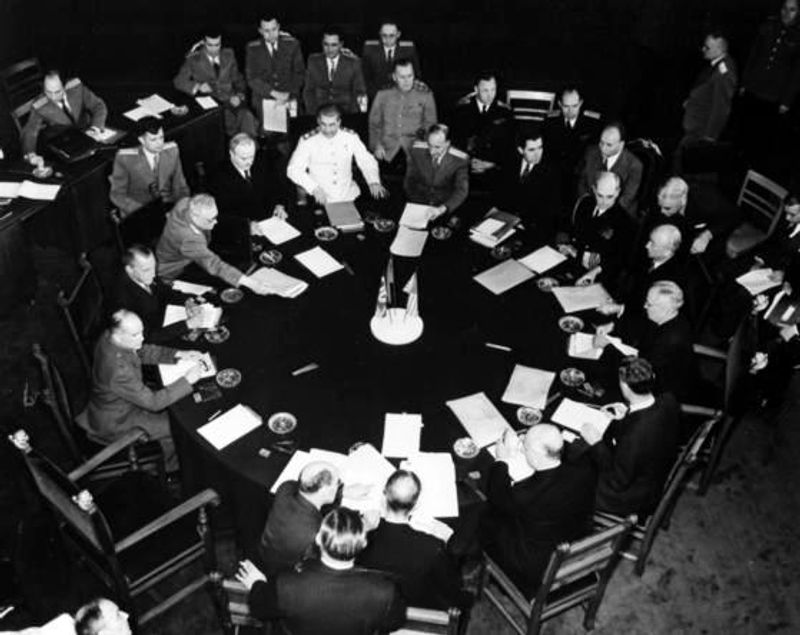
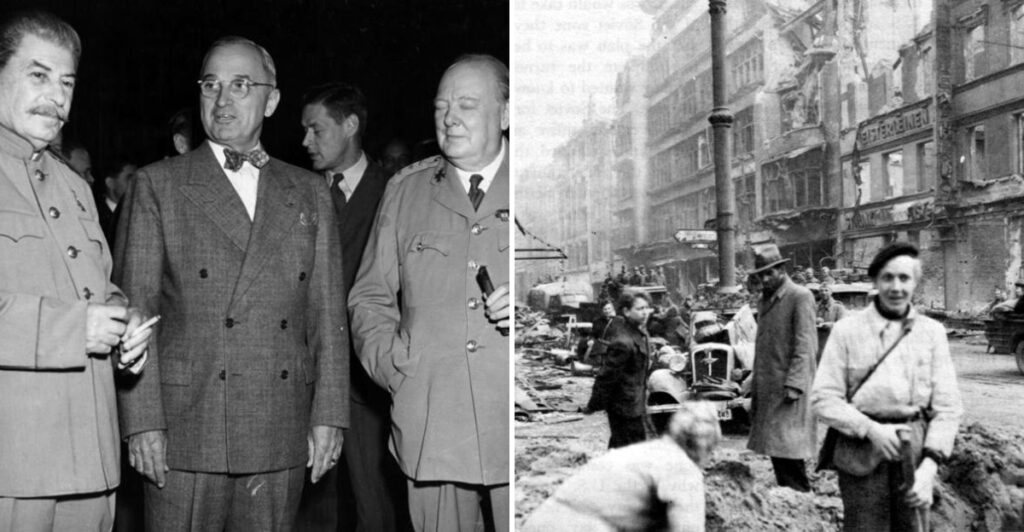
At Potsdam, the Allied powers divided defeated Germany into occupation zones controlled by the United States, Britain, France, and the Soviet Union. What sounded like temporary administration quickly became one of the defining arrangements of the twentieth century.
If you want to understand modern Europe, this is one of the first decisions to revisit.
The split hardened as Western zones moved toward democratic capitalism while the Soviet zone became a communist state. By 1949, two Germanys existed, West Germany and East Germany, each tied to opposing alliances.
Families, economies, and political identities were pulled in different directions for more than four decades.
Even after reunification in 1990, the legacy did not simply disappear. Regional economic gaps, voting patterns, and memory of dictatorship still influence German public life.
A decision made in occupation offices became a long-term social reality for millions.
3. The Division of Berlin
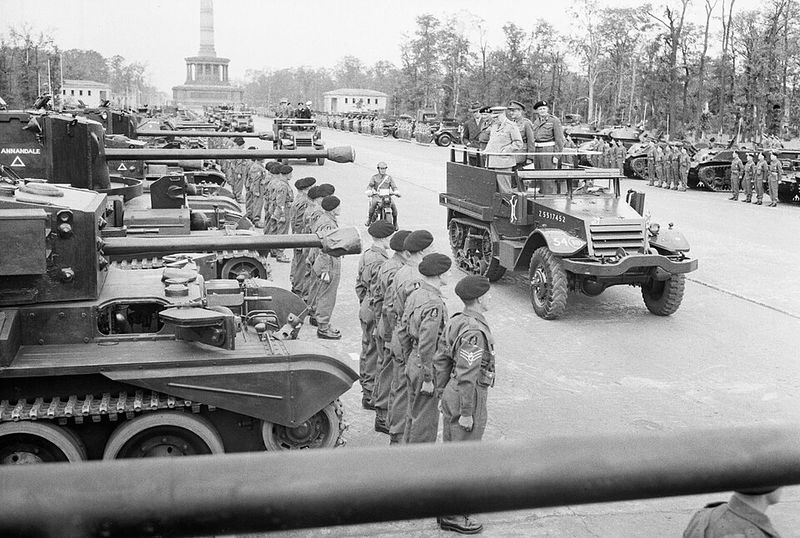
Berlin’s division was especially dramatic because the city sat deep inside the Soviet occupation zone. Allied leaders still split it into American, British, French, and Soviet sectors, creating a Western outpost surrounded by Soviet-controlled territory.
That unusual choice turned Berlin into the Cold War’s most visible pressure point.
The consequences arrived quickly. In 1948, the Soviet blockade tried to force the Western Allies out, and the Berlin Airlift kept the city supplied by plane.
Later, the Berlin Wall transformed this administrative division into concrete, barbed wire, guard towers, and heartbreak.
For people living there, geopolitics meant separated families, escape attempts, and daily reminders of ideological conflict. The wall’s fall in 1989 became a global symbol of freedom, but its origins reach back to 1945.
Berlin shows how a line on a map can become a wound in human lives.
4. The Use of Atomic Bombs on Japan
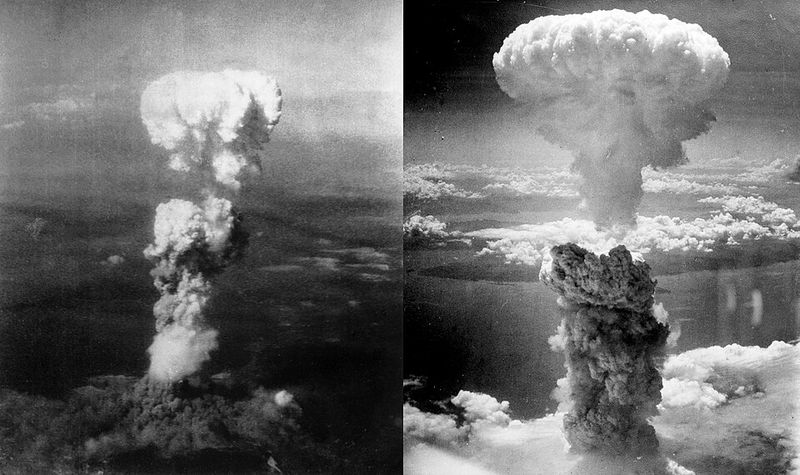
In August 1945, the United States dropped atomic bombs on Hiroshima and Nagasaki, killing vast numbers of civilians and forcing the world into the nuclear age. Japan announced its surrender days later, ending World War II in the Pacific.
Yet the decision’s moral, military, and political consequences are still debated intensely.
The bombings showed that one weapon could destroy a city in moments, changing how leaders imagined war and deterrence. Soon, the United States and Soviet Union entered a nuclear arms race that shaped Cold War strategy.
Every modern conversation about proliferation, disarmament, and deterrence lives in that shadow.
The survivors, known as hibakusha, kept the human cost from becoming an abstraction. Their testimony reminds you that nuclear policy is not just about strategy charts or missile counts.
It is about whether civilization can survive its own inventions.
5. The Potsdam Agreement
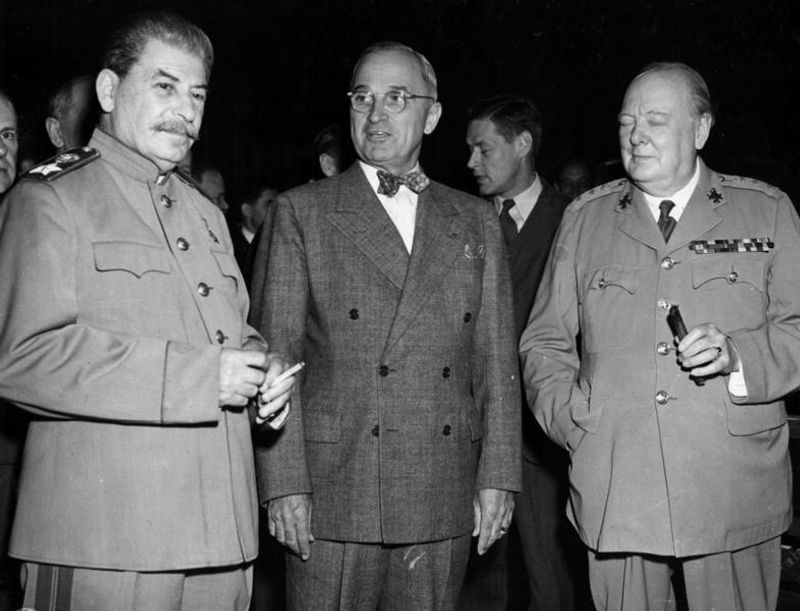
The Potsdam Agreement grew out of meetings between Allied leaders in the summer of 1945, when victory in Europe had already been achieved. They faced the enormous task of deciding how Germany and much of Europe would be governed after Nazi defeat.
Those choices were meant to secure peace, but they also exposed deep mistrust.
The agreement called for Germany’s demilitarization, denazification, democratization, and decentralization. It also addressed reparations, occupation policy, and territorial changes that affected millions of people.
On paper, the Allies still spoke as partners, but their visions for Europe were already diverging.
Potsdam became less a final settlement than a bridge into a divided world. The United States and Britain wanted recovery under democratic institutions, while Stalin prioritized security and Soviet influence.
The tensions embedded there helped define the Cold War before it even had a name.
6. The Redrawing of Poland’s Borders
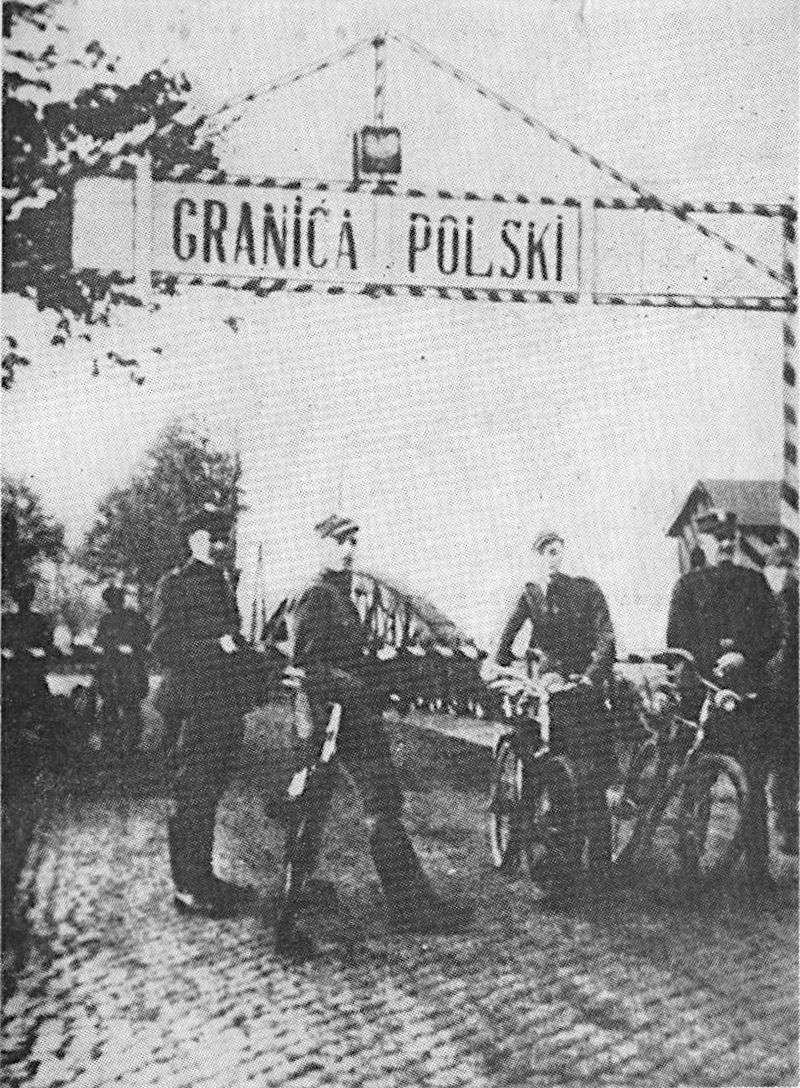
Poland’s postwar borders were dramatically shifted west in 1945, one of the most consequential territorial decisions in modern Europe. The country lost eastern lands to the Soviet Union and gained former German territories along the Oder-Neisse line.
For ordinary people, this was not just cartography, it meant leaving homes forever.
Millions of Germans were expelled or fled from areas that became Polish, while Poles from eastern regions were moved into newly acquired western lands. Cities changed names, communities vanished, and memories were layered over unfamiliar streets.
The human upheaval was enormous and often traumatic.
These changes still shape identity, politics, and historical memory in Poland, Germany, and neighboring countries. Germany formally recognized the border only decades later, after the Cold War was ending.
The 1945 settlement shows how borders can settle one conflict while planting emotional legacies that last generations.
7. Soviet Control Over Eastern Europe
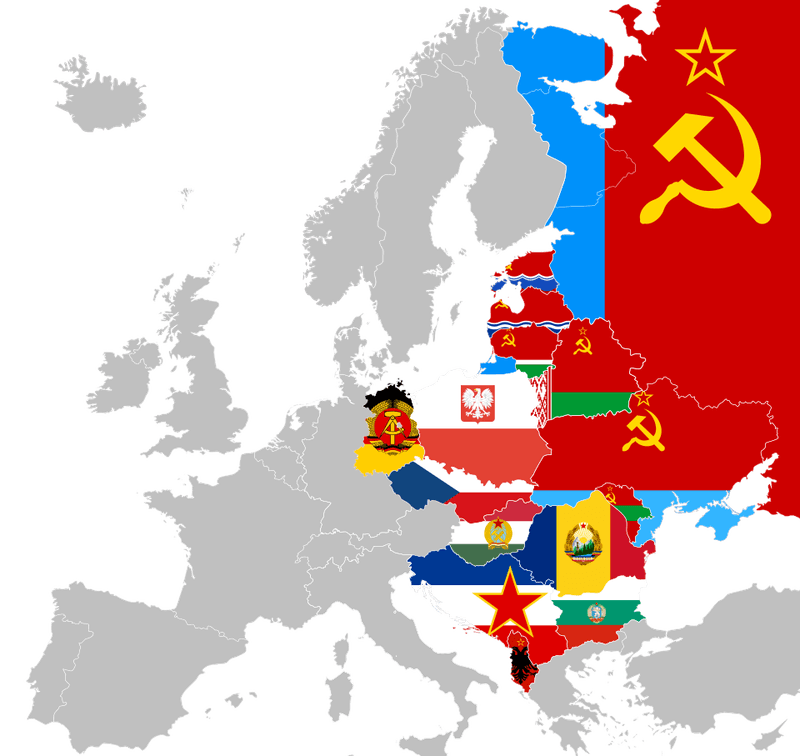
As the Red Army pushed Nazi forces out of Eastern Europe, Soviet influence followed close behind. In 1945, Moscow began consolidating control over countries including Poland, Hungary, Romania, Bulgaria, and Czechoslovakia.
What began as military occupation soon became a political transformation of the region.
Communist parties, often backed by Soviet pressure, gained power through a mix of elections, intimidation, coalitions, and purges. By the late 1940s, the Eastern Bloc had taken shape, separating much of Europe from the Western democratic sphere.
This division affected economies, education, religion, media, and everyday speech.
The legacy remains visible even after 1989 and the fall of communist regimes. Debates over Russia, NATO, democracy, corruption, and national sovereignty often carry memories of Soviet domination.
For many people in Eastern Europe, 1945 was liberation from Nazism, but also the beginning of another kind of control.
8. The Bretton Woods System Takes Hold
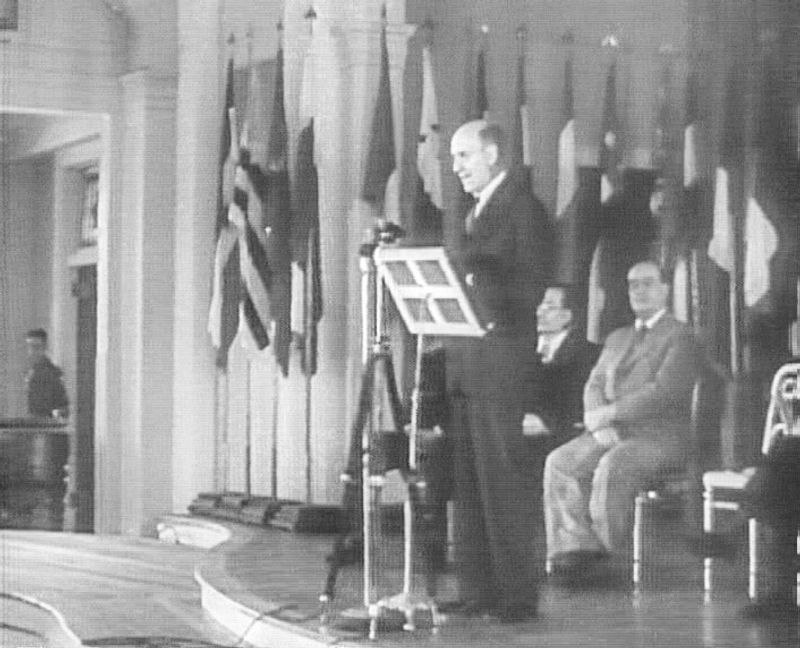
The Bretton Woods agreements were designed in 1944, but 1945 helped turn them into operating institutions. The International Monetary Fund and World Bank emerged to stabilize currencies, support reconstruction, and prevent the economic chaos that had fed extremism before the war.
This decision quietly shaped the financial world you live in.
The system tied economic stability to international cooperation, with the United States playing a leading role. It encouraged rules, lending structures, and development programs that influenced how countries handled debt, reconstruction, and growth.
Even after the original fixed exchange-rate system ended, the institutions remained powerful.
Today, the IMF and World Bank still advise governments, fund projects, and intervene during crises. Critics argue they can impose painful conditions, while supporters see them as essential stabilizers.
Either way, 1945 helped make global finance an organized, institutional force rather than a loose scramble among nations.
9. The Occupation and Reform of Japan
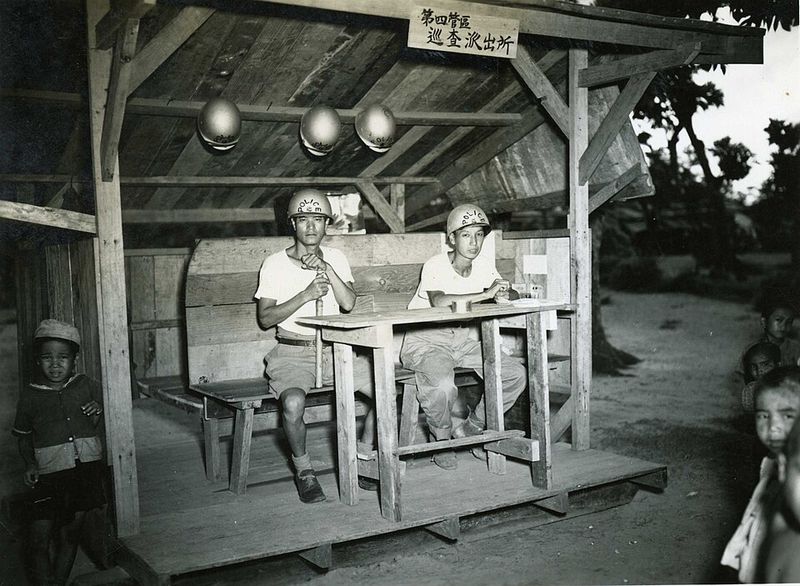
After Japan’s surrender, the United States led an occupation that transformed the country’s political system. Beginning in 1945, occupation authorities pushed reforms that reshaped government, education, land ownership, civil rights, and the role of the emperor.
The most lasting result was Japan’s new constitutional order.
Article 9, the famous pacifist clause, renounced war and limited Japan’s ability to maintain military forces for aggression. This provision helped define Japan’s postwar identity as an economic power with a restrained security posture.
It also anchored Japan firmly within the American-led order in Asia.
Today, debates over Japan’s Self-Defense Forces, regional threats, and constitutional revision still revolve around that postwar settlement. China, Korea, and other neighbors also view Japan’s military posture through memories of empire and war.
The occupation decision did not merely rebuild Japan, it redefined its place in the world.
10. The Beginning of Decolonization
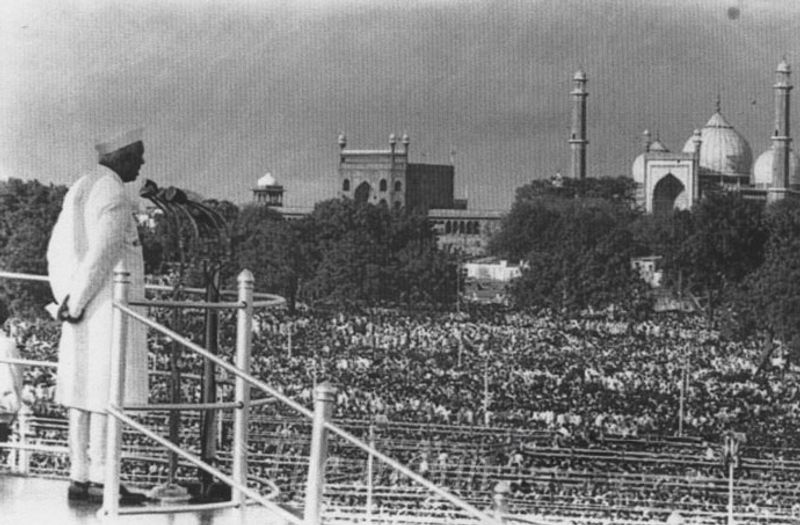
World War II left European empires weakened, indebted, and morally exposed. In 1945, colonial subjects across Asia and Africa saw that supposedly invincible powers could be defeated, occupied, and exhausted.
Independence movements gained new confidence, and the old imperial order began to crack.
The change did not happen overnight, and many struggles were violent. India, Indonesia, Vietnam, Ghana, Algeria, Kenya, and many others followed different paths, but the momentum accelerated after the war.
Leaders used wartime promises of freedom and self-determination to challenge colonial rule.
Modern borders, national identities, and conflicts across the Global South are deeply tied to this turning point. Some countries inherited fragile institutions and arbitrary boundaries, while others built powerful independence myths that still shape politics.
In that sense, 1945 was not only an ending in Europe, but a beginning for much of the world.
11. The Nuremberg Trials Decision
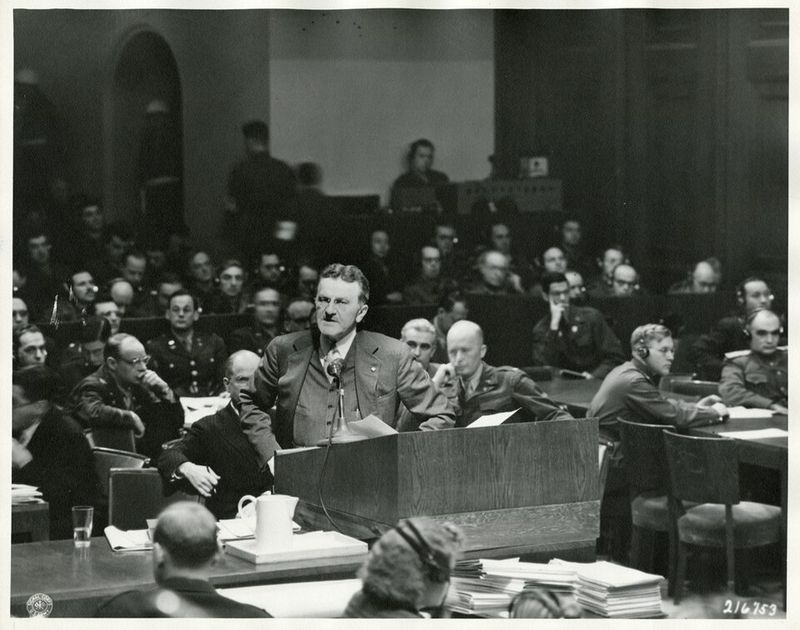
After Nazi Germany’s defeat, the Allies had to decide what justice should look like. Instead of simply executing captured leaders, they created an international tribunal at Nuremberg, with proceedings beginning in November 1945.
That decision changed the language of accountability forever.
The trials established that state officials could be personally responsible for crimes against peace, war crimes, and crimes against humanity. “I was following orders” was no longer treated as a complete shield from responsibility. The courtroom became a place where evidence, testimony, and law confronted atrocities on a global stage.
Nuremberg’s legacy runs through later tribunals for Rwanda, the former Yugoslavia, and the development of international criminal law. It did not make justice perfect or politically neutral, but it created a standard people still invoke.
When leaders commit mass crimes today, the world reaches for concepts born in 1945.
12. The Recognition of Superpower Rivalry
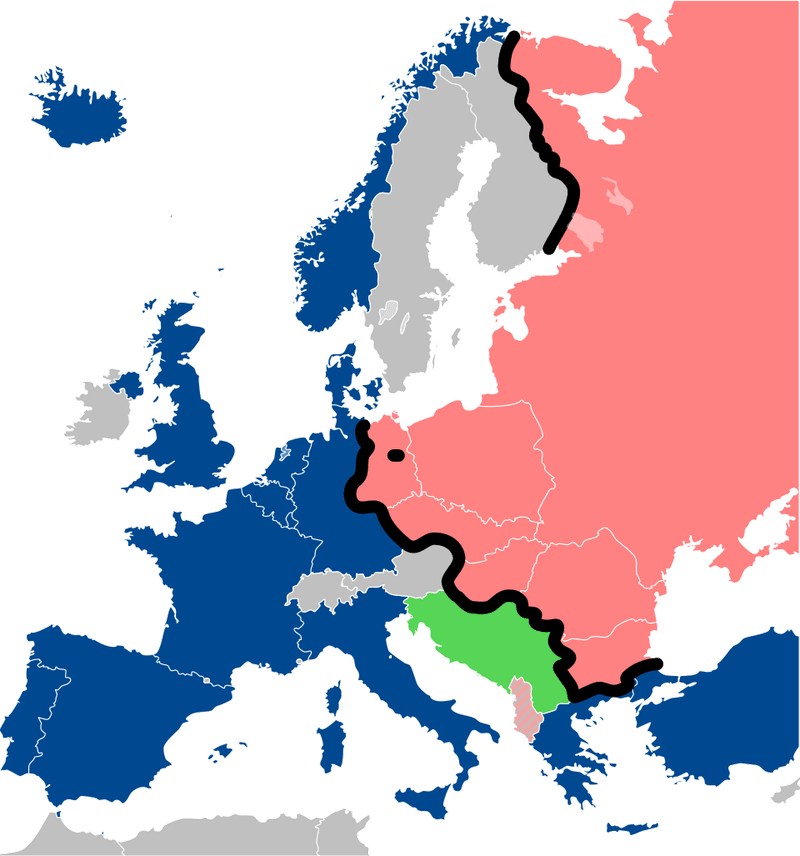
By the end of 1945, the wartime alliance between the United States and the Soviet Union was already fraying. Their shared enemy had been defeated, and old ideological suspicions quickly returned.
Decisions over Germany, Eastern Europe, nuclear weapons, and reconstruction made the coming rivalry impossible to ignore.
Washington saw Soviet expansion as a threat to freedom and open markets, while Moscow saw Western power as a danger to Soviet security. Each side interpreted the other’s moves as aggressive, even when leaders claimed defensive motives.
That spiral became the foundation of the Cold War.
The rivalry shaped military alliances, proxy wars, intelligence agencies, space exploration, and domestic politics across the world. Even after the Soviet Union collapsed, many current tensions echo those first postwar divisions.
If today’s geopolitics sometimes feels locked into old patterns, 1945 is one reason why.
13. The Rebuilding of Europe
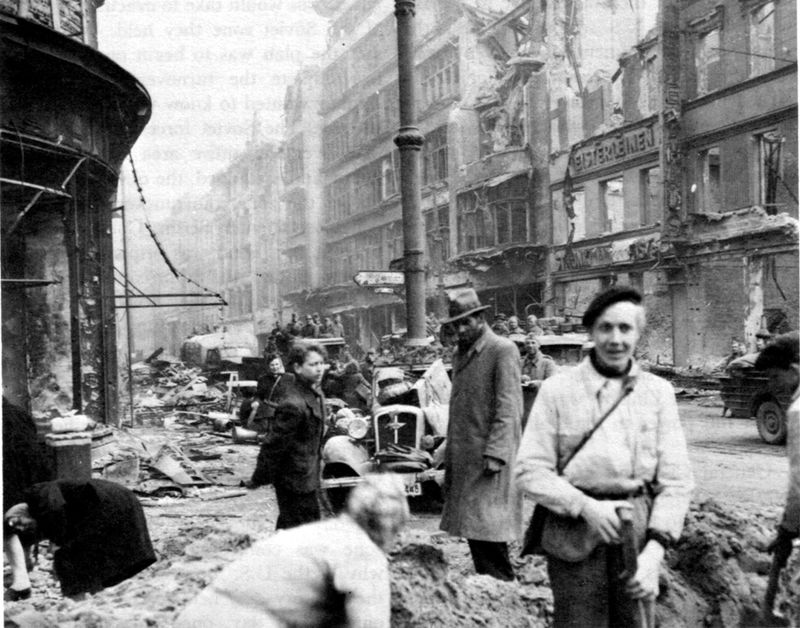
The Marshall Plan officially began later, but the thinking behind Western Europe’s recovery started immediately after the war. In 1945, American and European leaders understood that ruined economies could produce hunger, instability, and political extremism.
Rebuilding was not charity alone, it was strategy.
The United States gradually embraced economic aid as a tool for shaping the postwar order. Stronger European economies would buy goods, resist communist parties, and anchor democratic governments.
This early planning helped turn reconstruction into one of the most successful foreign policy projects of the twentieth century.
The results still influence the transatlantic relationship. Western Europe’s recovery strengthened institutions, encouraged integration, and helped lay the groundwork for later cooperation through NATO and European communities.
When you see today’s wealthy, interconnected Europe, part of that story begins with leaders in 1945 deciding that peace required prosperity, not just treaties.
14. The End of Imperial Japan’s Expansion
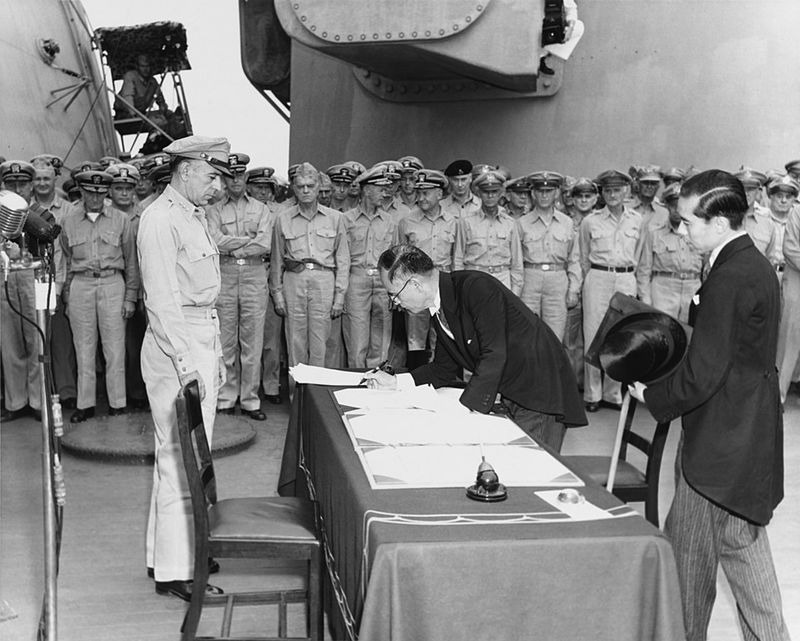
Japan’s formal surrender on September 2, 1945, ended an imperial expansion that had reshaped Asia through conquest, occupation, and violence. The collapse of Japanese power created a huge political vacuum across the region.
What came next still shapes Asian security today.
Korea, formerly under Japanese colonial rule, was divided into Soviet and American occupation zones, setting the stage for two rival states. In China, Japan’s defeat reopened the struggle between Nationalists and Communists, leading eventually to the founding of the People’s Republic of China.
Southeast Asian independence movements also accelerated as European colonial powers tried to return.
The end of Japan’s empire therefore did not produce a simple peace. It rearranged power, memory, borders, and alliances across the Pacific.
Current tensions involving Korea, China, Taiwan, Japan, and the United States all carry traces of 1945, when one empire fell and a new Asian order began forming.
Share this story