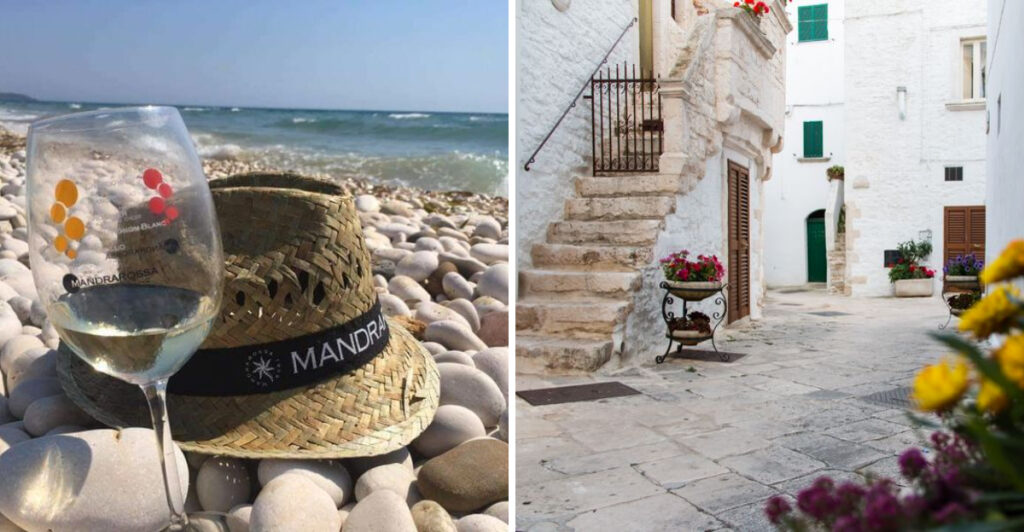
Southern Italy is a treasure chest of rolling vineyards, sun-soaked hillsides, and villages where winemaking is as old as the cobblestones underfoot. From the whitewashed trulli towns of Puglia to the volcanic slopes of Basilicata and the sun-drenched coasts of Sicily, every corner tells a story through its wine.
These villages offer more than just a glass — they offer a window into centuries of tradition, culture, and local pride. Whether you are a seasoned wine enthusiast or simply curious about Italian culture, these 15 charming destinations are worth every sip.
Cisternino, Puglia
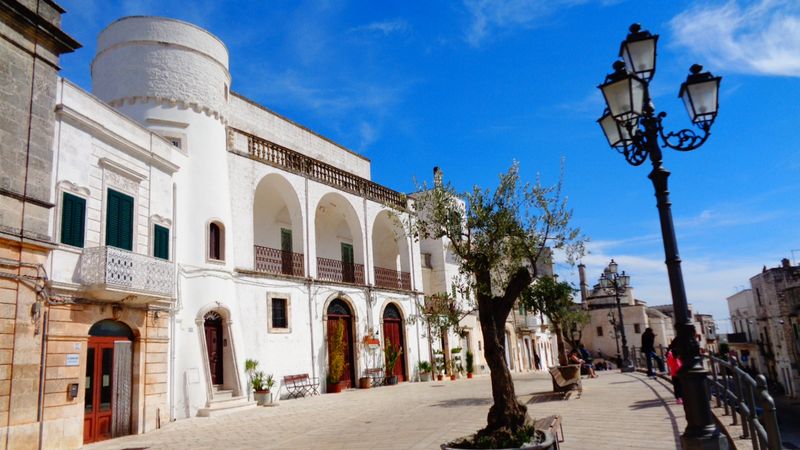
Wander through Cisternino on a warm evening and you will quickly understand why locals say the village itself tastes like wine. Tucked into the heart of the Itria Valley, this gorgeous whitewashed gem is officially listed among the Most Beautiful Villages in Italy.
Olive groves and vineyards wrap around it like a warm embrace, setting the mood before you even pour a glass.
The village sits close to the Salento wine region, celebrated for its bold reds and crisp rosés made from grapes like Negroamaro and Primitivo. Local trattorias source wine directly from nearby estates, so what lands in your glass is genuinely fresh and local.
The farm-to-table culture here is not a marketing buzzword — it is simply how things have always been done.
Evenings in Cisternino belong to the piazza. Residents gather in small squares to eat, drink, and chat long after the sun sets.
Narrow alleys draped in bougainvillea lead you from one cozy wine bar to the next. Visiting here feels less like tourism and more like being welcomed into someone’s family dinner, which honestly might be the best compliment any village can receive.
Alberobello, Puglia
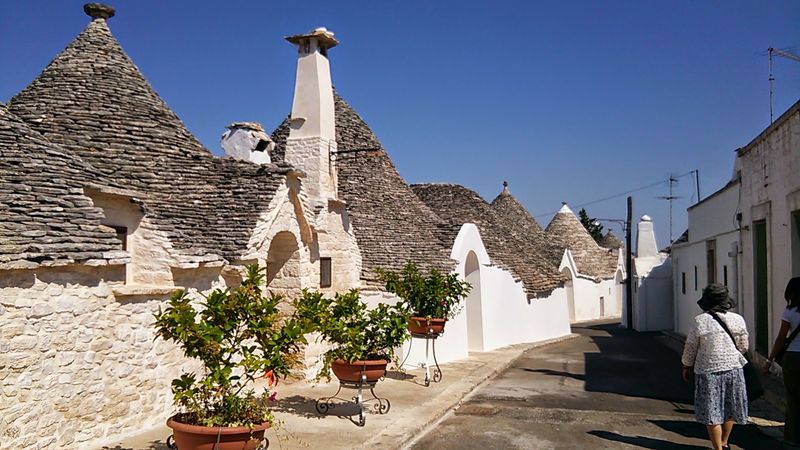
Alberobello looks like it was lifted straight out of a fairy tale — and the wine is good enough to make you want to stay in that fairy tale forever. Famous worldwide for its trulli, those quirky cone-roofed stone houses that dot the hillside, the town is also planted firmly in one of Puglia’s most productive wine territories.
The two-for-one experience is hard to beat.
The surrounding area grows Primitivo and Negroamaro grapes with impressive skill, producing wines that are rich, fruity, and deeply satisfying. Many agriturismos near Alberobello offer tasting sessions that include local cheeses, cured meats, and olive oils alongside the wine.
It is the kind of spread that makes you forget you had plans to leave before dinner.
The trulli district itself is a UNESCO World Heritage Site, so the village draws plenty of visitors year-round. Thankfully, venturing just a short distance outside the main tourist zone reveals quieter wine estates where the pace slows considerably.
Sitting on a terrace overlooking rows of old Primitivo vines with a glass in hand is one of those simple pleasures that stays with you long after the trip ends.
Matera, Basilicata
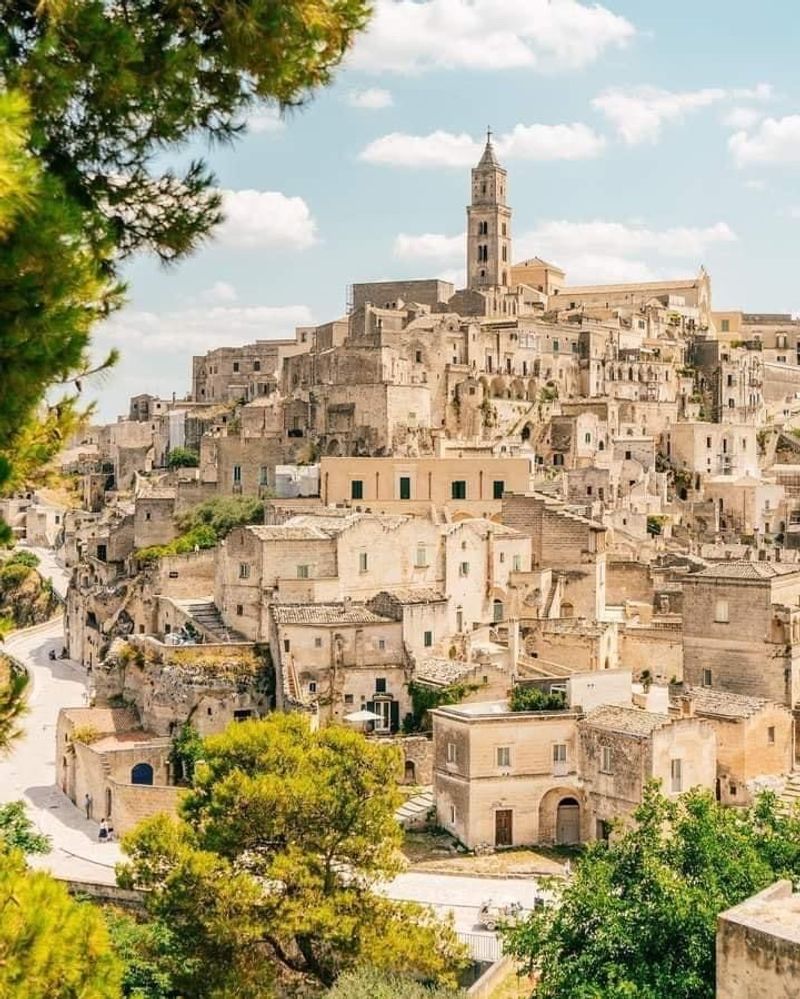
Matera does not just have history — it practically breathes it. One of the oldest continuously inhabited cities in the world, this extraordinary place is carved into dramatic limestone ravines and looks more like a film set than a real town.
It served as a backdrop for several Hollywood productions, and once you see it, you completely understand why directors keep coming back.
Beyond the jaw-dropping scenery, Matera sits close to the Aglianico del Vulture wine zone in neighboring Basilicata. This powerful red wine, grown on volcanic soils, is often compared to Barolo for its depth, tannin structure, and aging potential.
Day trips from Matera into the wine country are popular and well worth the short drive.
The city became a European Capital of Culture in 2019, which brought new restaurants, wine bars, and tasting rooms into its ancient streets. Several of these spots specialize in regional wines, making it easy to explore Basilicata’s wine identity without leaving the city.
Staying overnight in one of the cave hotels — yes, actual cave hotels — while sipping a glass of Aglianico is one of those bucket-list experiences that genuinely lives up to the hype.
Manduria, Puglia
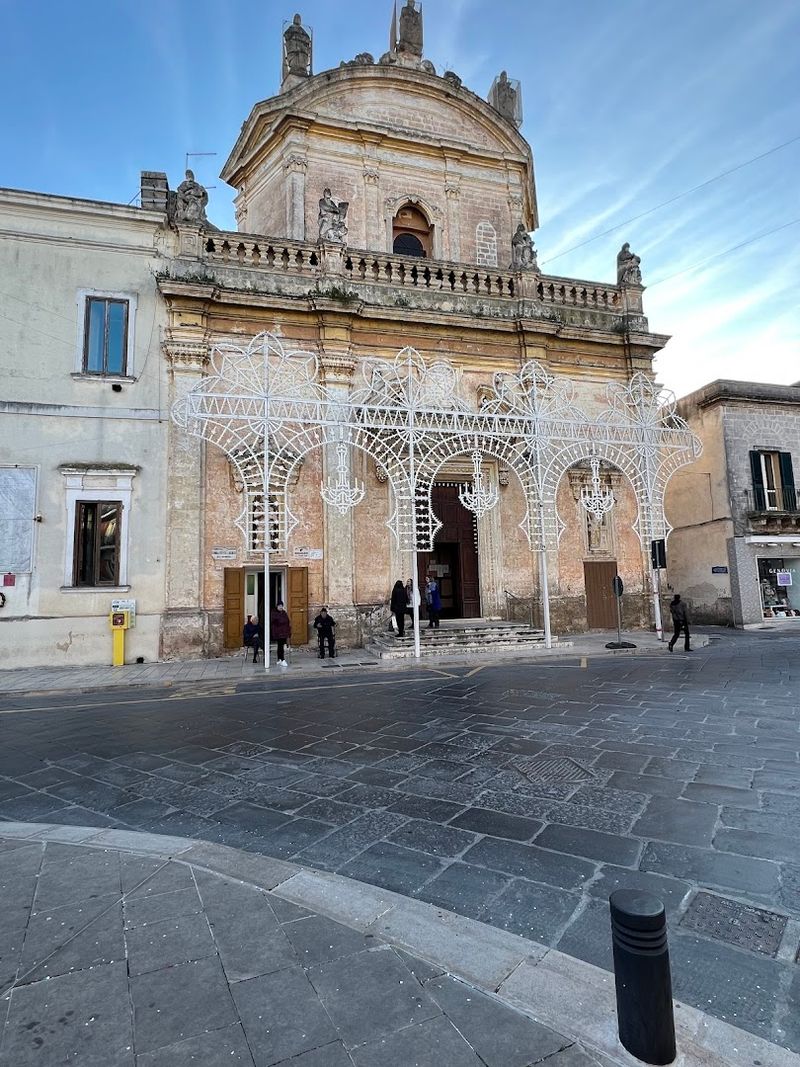
Ask any Italian wine lover about Manduria and watch their eyes light up immediately. This town in the Taranto province is ground zero for Primitivo di Manduria, one of southern Italy’s most celebrated wines and a bottle that has earned fans across the globe.
The wine is bold, lush, and packed with dark fruit flavors that practically demand a plate of grilled lamb alongside it.
The landscape around Manduria is almost entirely devoted to viticulture. Ancient bush-trained vines, some over a hundred years old, grow low to the ground to survive the intense summer heat.
These old vines produce concentrated, complex grapes that give the wine its signature power. Winery tours here often include a walk through these historic vineyards, which is a genuinely moving experience even if you know nothing about grapes.
The town itself has a pleasant historic center with a medieval quarter worth exploring between tastings. Several producers offer excellent cellar door experiences, and the local wine cooperative is one of the most visited in the region.
Manduria is not flashy or overly touristy, which actually works in its favor. It is a working wine town through and through, and that honesty is deeply refreshing.
Venosa, Basilicata
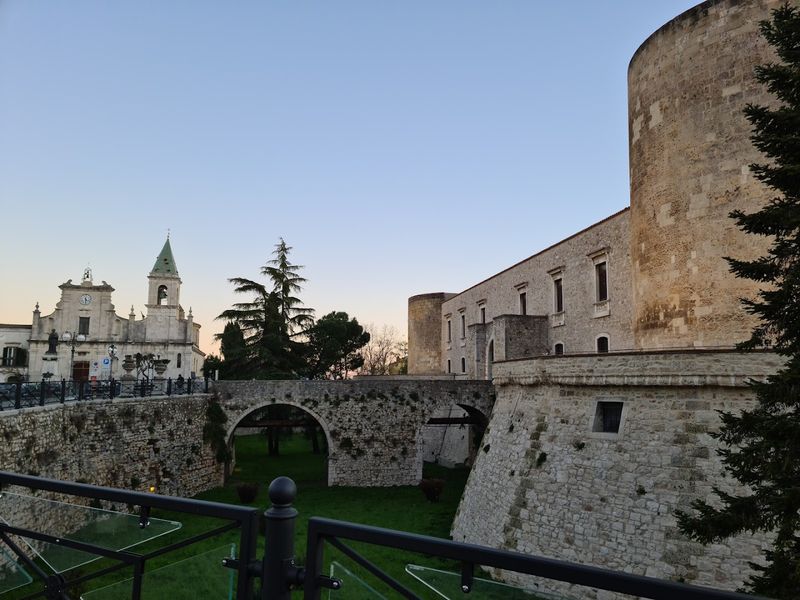
Venosa carries the kind of quiet dignity that only centuries of history can produce. The birthplace of the Roman poet Horace, this small Basilicata town sits surrounded by vineyards that produce some of the region’s finest Aglianico grapes.
It is the sort of place where you can walk past a Roman ruin in the morning and swirl a glass of excellent red wine by noon without anyone thinking that is unusual.
The volcanic soils around Venosa give the local Aglianico del Vulture wines a distinctive mineral edge that sets them apart from other southern Italian reds. The wines tend to be structured and age-worthy, with flavors of dark cherry, tobacco, and earth.
Local producers are proud of this heritage and generally happy to share it over an extended tasting session.
The town itself is calm and unhurried, which makes it a welcome contrast to busier tourist destinations. The Norman castle and the ruins of an ancient abbey add layers of visual interest between vineyard visits.
Venosa rarely appears on mainstream travel itineraries, which means those who do make the effort to visit are rewarded with an experience that feels genuinely off the beaten track.
Taurasi, Campania
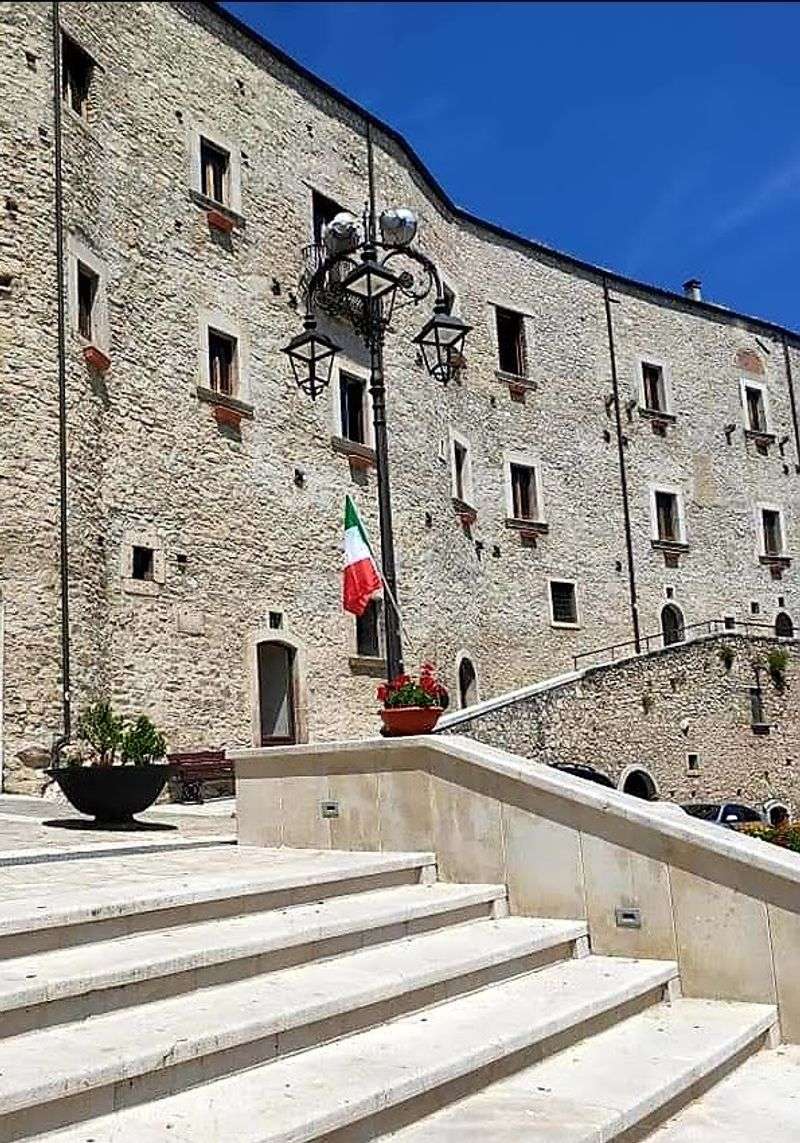
Wine experts call Taurasi the Barolo of the South, and that title is not handed out lightly in Italian wine circles. Nestled in the Irpinia hills of Campania, this small village produces a red wine from Aglianico grapes that is powerful, complex, and built to age for decades.
A well-cellared bottle of Taurasi DOCG can develop extraordinary layers of dried fruit, spice, and leather over time.
The winemaking tradition here stretches back to ancient times, with evidence of viticulture in the area dating to the Greek settlers who arrived over two thousand years ago. The volcanic and clay soils of the surrounding hills give the wine a firm tannic backbone that can seem almost too serious when young but transforms beautifully with patience.
Several of Campania’s top wine producers are based in or around Taurasi.
The village itself is modest in size but rich in atmosphere. A medieval castle overlooks the surrounding vineyards, and the streets are lined with small producers offering cellar door tastings.
Visiting during the autumn harvest brings an added layer of energy, as the whole community buzzes around the grape picking season. Taurasi is proof that great things really do come in small packages.
Locorotondo, Puglia
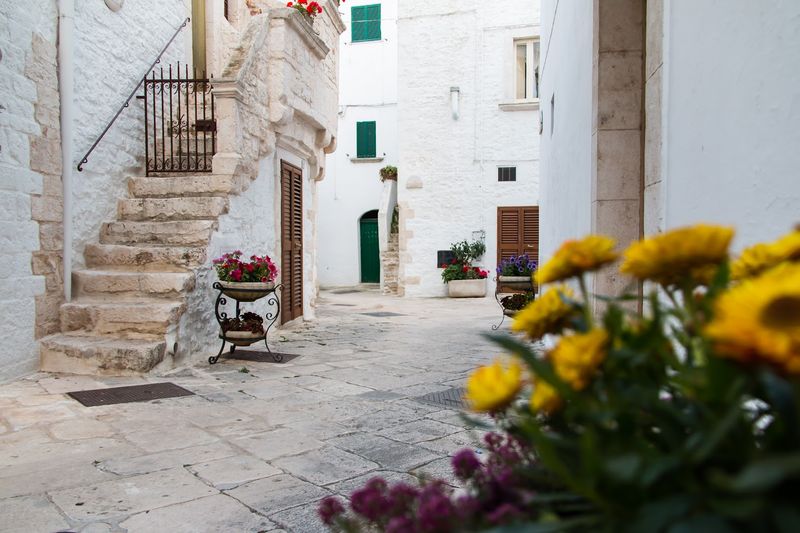
From above, Locorotondo looks like someone drew a perfect circle of white houses in the middle of a green quilt of vineyards. The village gets its name from its famously round layout, and that quirky geometric charm is just the beginning of what makes it special.
Sitting in the Valle d’Itria, it offers sweeping panoramic views that wine lovers and photographers both fight over.
The town lends its name to the Locorotondo DOC, a designation producing some of Puglia’s finest crisp white wines. Made primarily from Verdeca and Bianco d’Alessano grapes, these whites are light, floral, and refreshing — perfect paired with local seafood or fresh ricotta.
Several small family-run cellars in and around the village welcome visitors for relaxed, no-fuss tastings.
The streets here are almost theatrical in their beauty. White stone houses decorated with colorful geraniums line paths so narrow that two people can barely walk side by side.
In summer, the village hosts outdoor wine events that draw visitors from across Europe. Even outside festival season, Locorotondo rewards slow walkers — the kind who stop every few meters because something beautiful keeps getting in the way.
Greco di Tufo, Campania
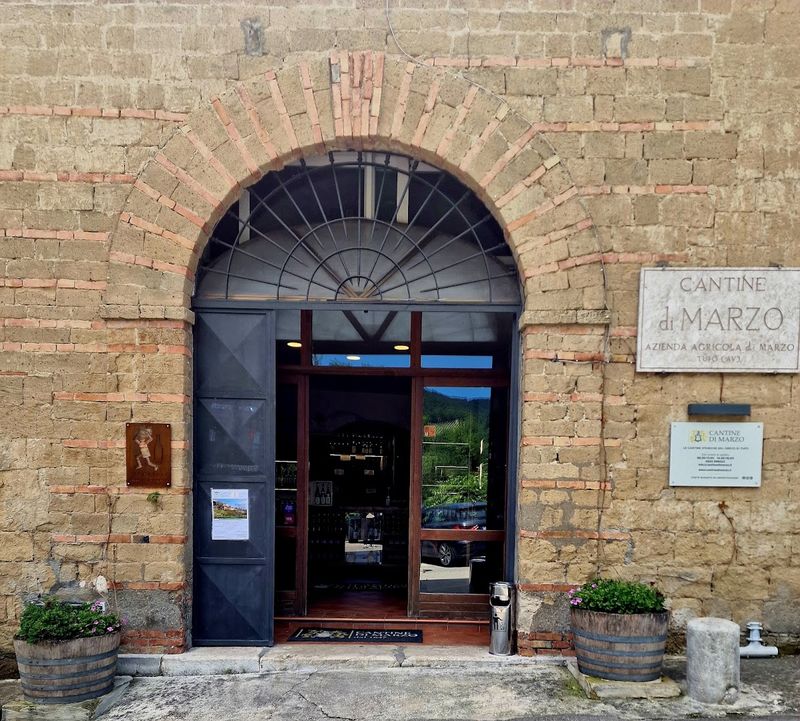
There are not many places in the world where a village and its wine share the exact same name, but Greco di Tufo pulls it off with effortless style. Located in the Avellino province of Campania, this quiet little settlement is the heart of one of Italy’s most respected white wine appellations.
The wine, made from the ancient Greco grape variety, is crisp, mineral-rich, and slightly aromatic with a lovely almond finish.
The tufo in the name refers to the volcanic tuff soil that defines the terroir here. This distinctive geology gives the wine a stony, almost electric quality that makes it stand out from other Italian whites.
Wine producers in the area tend to be small, family-run operations with deep roots in the land and a genuine passion for what they make.
The village offers a quieter, more intimate alternative to the bigger wine towns nearby. Rolling green hills, ancient vineyards, and a relaxed local pace make it ideal for visitors who prefer substance over spectacle.
Tastings here often happen in simple cantinas where the winemaker pours directly from the barrel and answers questions with the enthusiasm of someone who genuinely loves what they do. That energy is completely contagious.
Fiano di Avellino, Campania
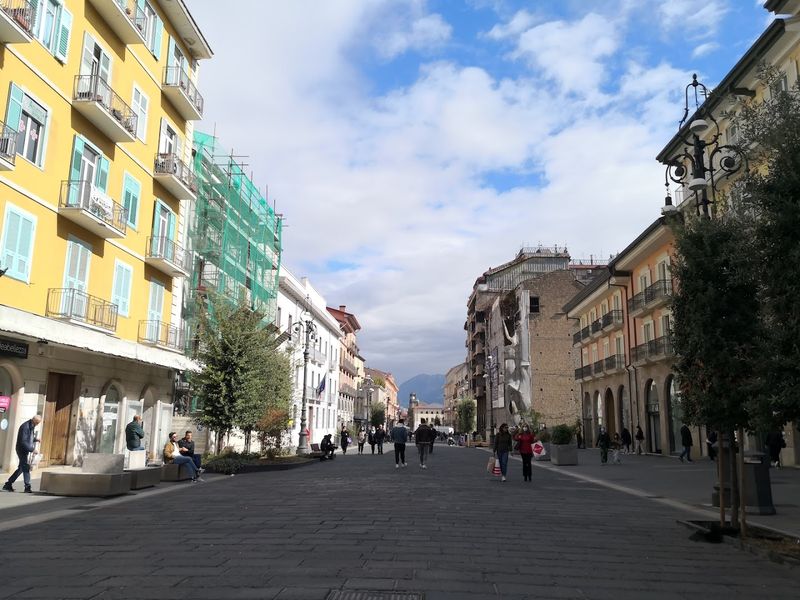
If Greco di Tufo is the sharp, minerally sibling, then Fiano di Avellino is the elegant, aromatic one that everyone at the table quietly prefers. Both are white wines from Campania’s Irpinia region, but Fiano has a rounder, more honeyed character with notes of hazelnut, pear, and white flowers.
It is the kind of wine that makes you pause mid-sip and think about what you are actually tasting.
The Fiano grape variety has ancient roots in this area — Roman writers mentioned it centuries ago under the name Vitis Apiana, meaning the grape that bees love. That historical detail alone is charming enough to earn a visit.
The fertile green hills and cooler mountain climate of the Avellino area create ideal conditions for producing wines with real freshness and complexity.
Visiting the village and its surrounding estates is a deeply relaxing experience. The landscape is genuinely beautiful, with chestnut forests and misty hilltops framing the vineyards.
Several producers offer tasting experiences that pair Fiano wines with local dishes like pasta e fagioli or smoked provola cheese. The combination of great wine, great food, and gorgeous scenery makes Fiano di Avellino one of Campania’s most rewarding wine destinations.
Ciro, Calabria
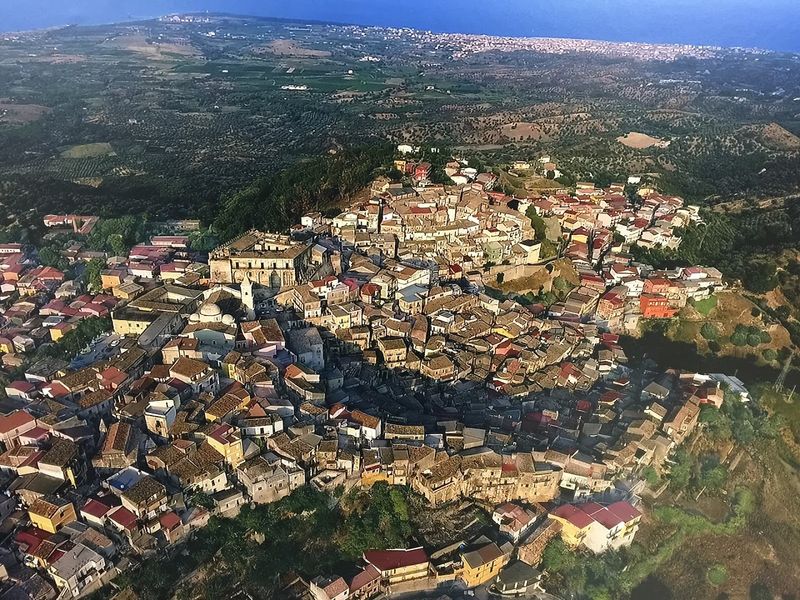
Ciro has a bold claim to make: it may produce the oldest continuously made wine in the Western world. Ancient Greeks who settled in Calabria over 2,500 years ago planted vines in this coastal area, and the Gaglioppo grape they cultivated is still the backbone of Ciro wines today.
That kind of unbroken winemaking lineage is genuinely rare and worth celebrating with a full glass.
The wines of Ciro DOC are warm, earthy, and full of character — very much a reflection of Calabria’s sun-baked personality. Ciro Rosso, made from Gaglioppo, tends to be deep-colored with flavors of dried cherry, licorice, and spice.
The coastal location also produces fresh, mineral-driven whites and rosés that pair beautifully with the local seafood.
The village sits close to the Ionian coastline, and many wineries enjoy views that stretch out over the sea. Tasting local wine while looking at the same water the ancient Greeks once sailed across is the kind of experience that puts everything in perspective.
Ciro has gained growing international recognition in recent years, attracting wine journalists and curious travelers who want something genuinely historic in their glass.
Saracena, Calabria
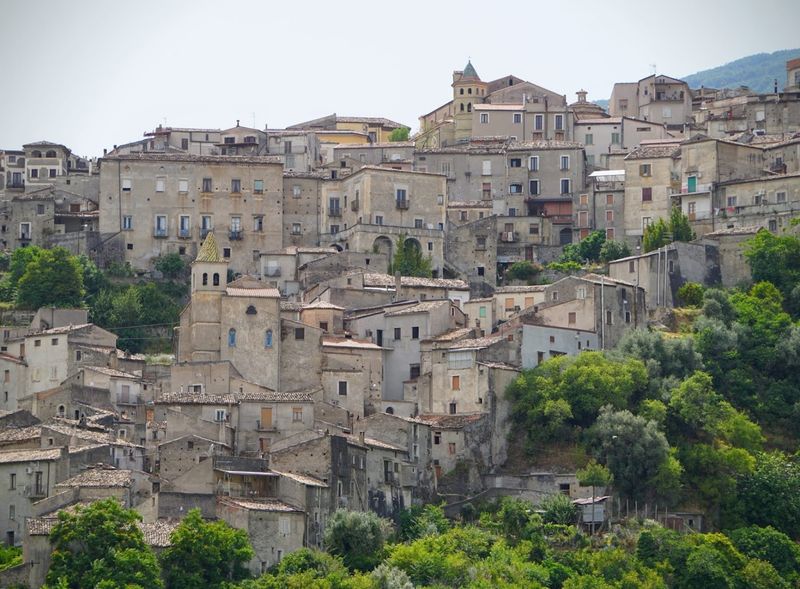
Saracena guards a sweet secret that most of the wine world has not discovered yet. Tucked into the mountains of northern Calabria, this medieval hilltop village produces Moscato di Saracena, a rare amber-colored dessert wine with roots stretching back to the Renaissance.
The wine was reportedly served at papal banquets in the 16th century, which is arguably the most impressive guest list any bottle of wine could have.
What makes Moscato di Saracena unusual is its production method. Winemakers blend Moscato grapes with a cooked grape must made from other local varieties including Malvasia, Guarnaccia, and Odoacra.
The result is a wine that is sweet, complex, and unlike anything else produced in Italy. The process is entirely handcrafted and kept alive by just a handful of dedicated local producers.
The village itself is wonderfully untouched by mass tourism. Stone streets, old churches, and mountain views create a setting that feels authentically medieval.
Visiting Saracena requires a bit of effort — the mountain roads demand patience — but the reward is a genuinely rare wine experience combined with a peek into a Calabrian village that time seems to have treated very gently.
Stilo, Calabria
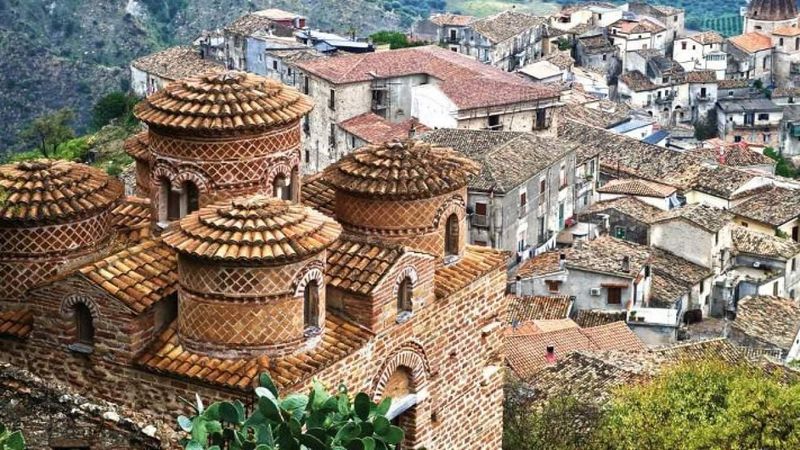
Stilo is the kind of place that makes you stop scrolling and actually book the trip. Perched dramatically on the slopes of Monte Consolino, this ancient hilltop village in Calabria is home to the Cattolica di Stilo, a perfectly preserved Byzantine church from the 10th century that looks like it was assembled from a dream.
The combination of extraordinary history and surrounding wine country makes it a standout destination.
The area around Stilo produces local wines alongside other traditional products like olive oil, bergamot, and honey. Winemaking here is small-scale and traditional, with local producers using indigenous grape varieties that rarely appear on international wine lists.
That obscurity is part of the appeal — these are wines you simply cannot find anywhere else.
Stilo is officially recognized as one of Italy’s Most Beautiful Villages, a designation it wears without any visible effort. The streets are steep and narrow, the views are spectacular, and the locals are the kind of welcoming that makes you want to extend your stay by several days.
Afternoon tastings at a local cantina, followed by a sunset walk past the Cattolica, is the sort of simple itinerary that tends to become a favorite travel memory.
Marsala, Sicily
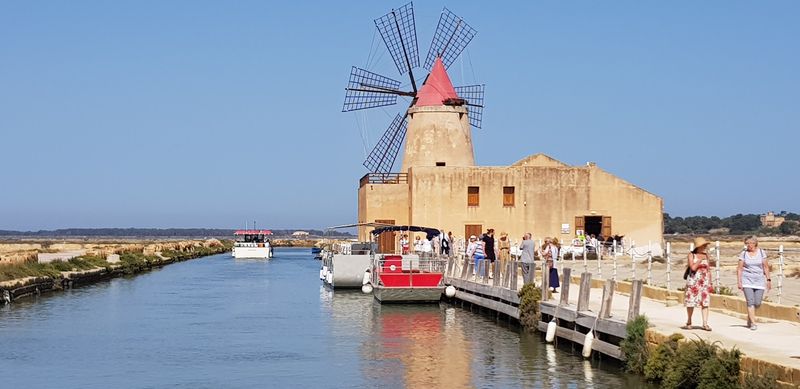
Marsala has been making wine famous for over two centuries, and the town knows it. Located on Sicily’s western tip, this coastal city gave its name to one of the world’s most recognized fortified wines — a rich, amber-colored liquid that ranges from bone dry to lusciously sweet depending on the style.
British merchant John Woodhouse accidentally discovered its potential in 1796 when he landed here during a storm and needed to preserve local wine for the long voyage home.
Today, historic wine houses like Florio and Pellegrino still operate grand cellars right in the city, where visitors can walk among enormous wooden barrels and learn the solera-style aging process used to create Marsala’s signature complexity. The range of styles available for tasting is genuinely impressive, from the nutty, dry Vergine to the rich, caramel-laced Superiore Dolce.
The town itself has a handsome baroque center with salt pans, windmills, and waterfront promenades adding to the atmosphere. Sunsets over the Stagnone lagoon near Marsala are famously beautiful and best enjoyed with a chilled glass of dry Marsala in hand.
Few wine destinations in Italy blend culture, history, and scenery quite as effortlessly as this one.
Menfi, Sicily
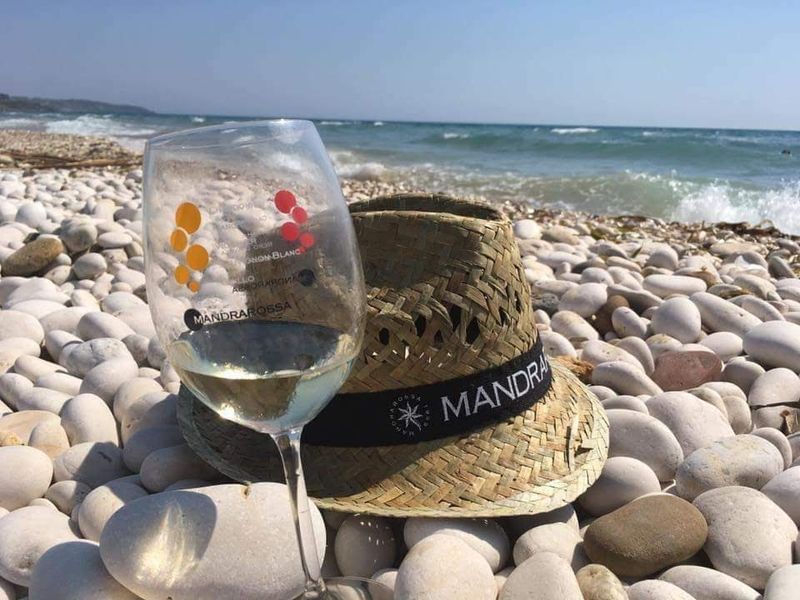
Menfi is Sicily’s quietly confident rising star, the kind of wine destination that insiders have been raving about while the rest of the world slowly catches up. Situated on Sicily’s southwestern coast in the Agrigento province, this compact town sits at the intersection of sea breeze, sunshine, and fertile agricultural land — a combination that produces wines of real freshness and personality.
The area is part of the Menfi DOC, which covers a wide range of varieties including Nero d’Avola, Syrah, Chardonnay, and Grecanico. The coastal influence keeps temperatures moderate, preserving acidity in the wines and giving them a lively, food-friendly quality.
Several forward-thinking producers in the area have attracted critical attention for their modern approach to Sicilian winemaking.
What makes Menfi especially appealing is the combination of wine and beach culture. The nearby coastline features some of Sicily’s cleanest and least crowded beaches, so a day of vineyard tours can naturally roll into an afternoon on the sand.
The town’s food scene is equally impressive, with restaurants serving outstanding local fish, caponata, and pasta dishes that pair perfectly with the wines. Menfi rewards visitors who like their holidays to feel both productive and deeply relaxing at the same time.
Pantelleria, Sicily
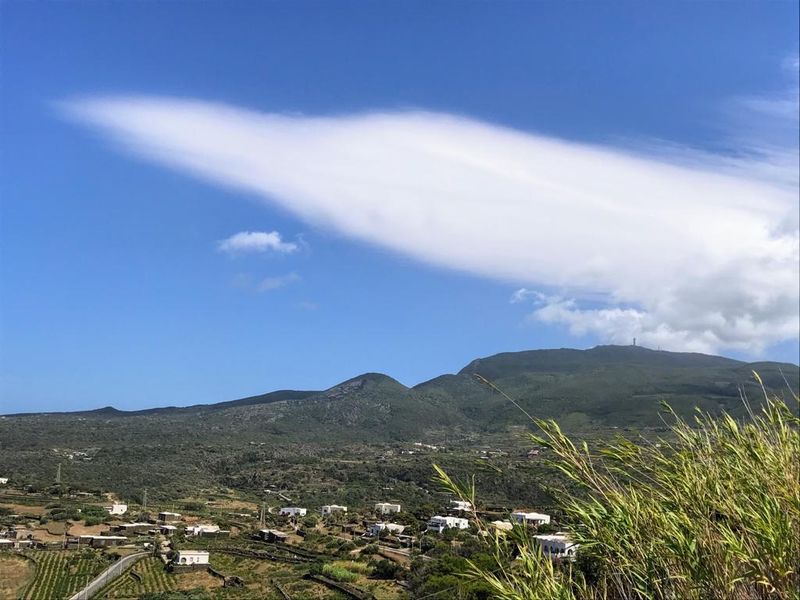
Pantelleria is not your average wine destination — it is a windswept volcanic island floating between Sicily and Tunisia with grapevines that practically grow sideways to survive the fierce Mediterranean winds. The unique low-trained bush vine system used here, called alberello pantesco, is so culturally significant that UNESCO added it to the Intangible Cultural Heritage list.
That is a remarkable achievement for a farming technique.
The island’s star product is Passito di Pantelleria, a golden dessert wine made from sun-dried Zibibbo grapes that tastes like liquid amber and apricot jam with a floral, honeyed finish. The grapes are harvested by hand and then laid out to dry in the volcanic sun for several weeks before pressing.
The resulting wine is intense, aromatic, and unforgettable, the kind of thing you buy a bottle of at the airport just to make the memory last a little longer.
Pantelleria itself is wild and beautiful in equal measure. Black lava rocks, natural thermal pools, and dramatic sea views define the landscape.
The island attracts a mix of Italian celebrities, wine enthusiasts, and adventurous travelers who want something genuinely different. Getting there requires a short flight or ferry from Sicily, but arriving feels like stepping into a world that operates entirely on its own terms.
Share this story