Award shows like the Oscars are supposed to celebrate the best of cinema, but history has proven they don’t always get it right. Some of the most beloved and influential films ever made were completely ignored or barely recognized when they first came out.
Looking back now, it’s hard to believe that movies we consider masterpieces were passed over entirely. Here are ten films that deserved far more recognition than they ever received.
1. The Big Lebowski (1998)
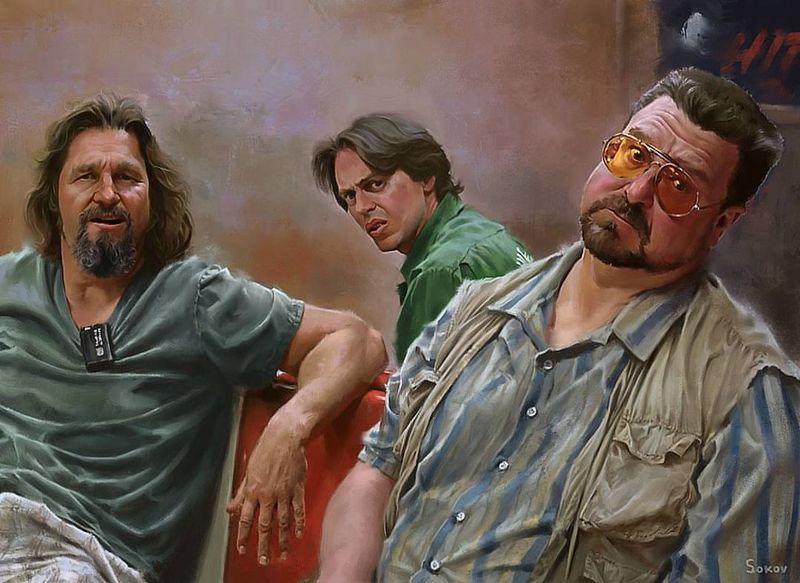
Few movies have built a following quite like The Big Lebowski. When it first hit theaters in 1998, critics were divided and audiences were puzzled.
The Academy completely ignored it, handing it zero nominations despite the Coen Brothers delivering one of the most original comedies in film history.
Today, the film has a massive cult following, an annual festival called Lebowski Fest, and characters that have become pop culture icons. Jeff Bridges as “The Dude” is quoted endlessly by fans across generations.
The film’s relaxed, offbeat humor and sharp writing have aged beautifully.
Sometimes awards bodies just aren’t ready for something truly different. The Big Lebowski is proof that a movie doesn’t need a trophy to earn a permanent place in people’s hearts and minds.
2. Se7en (1995)
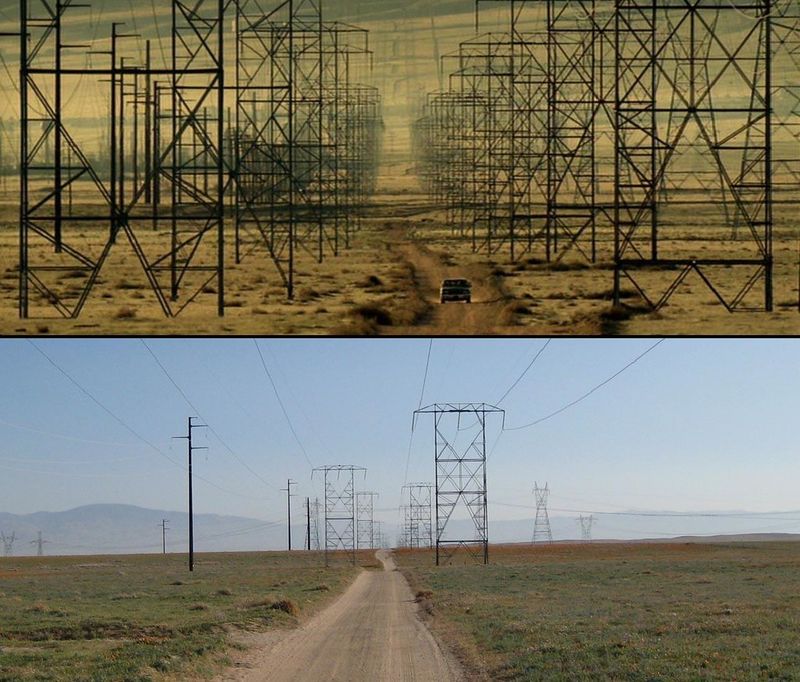
David Fincher’s Se7en is one of the most unsettling and brilliantly constructed thrillers ever put on screen. Brad Pitt and Morgan Freeman deliver career-defining performances, and the film’s ending remains one of the most talked-about in cinema history.
Yet the Academy gave it just one nomination, for Film Editing.
That single nod feels almost insulting given the film’s enormous cultural impact. Se7en reshaped how Hollywood approached dark, psychological storytelling.
Its influence can be seen in dozens of crime thrillers that followed throughout the late 1990s and 2000s.
The Academy’s near-silence on Se7en says more about the limits of awards recognition than it does about the film’s quality. Decades later, it still holds up as a masterclass in tension, atmosphere, and storytelling craft that few movies have matched.
3. Fight Club (1999)
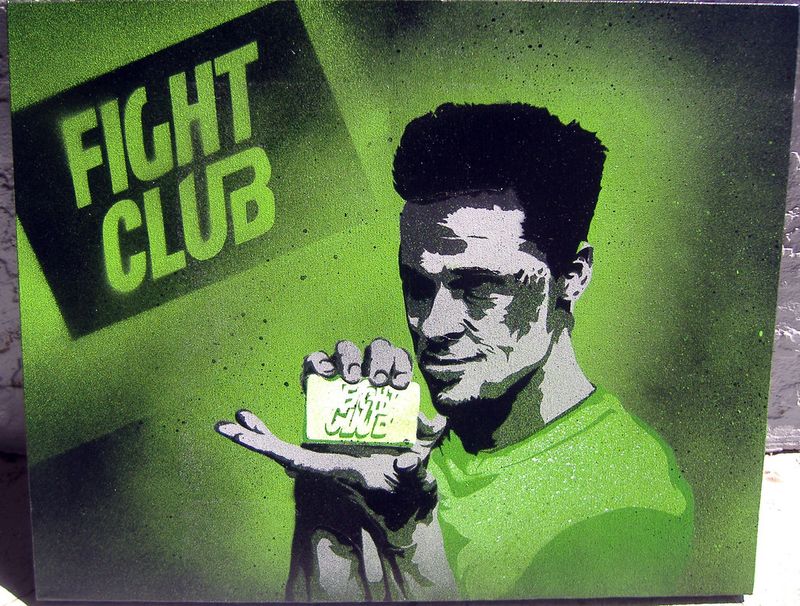
When Fight Club arrived in 1999, many critics dismissed it as too violent or too nihilistic. The Academy agreed, offering only a single nomination for Sound Editing.
At the time, it seemed like a forgettable blip in David Fincher’s career.
History had other plans. Fight Club slowly built one of the most passionate fan bases in modern cinema.
Its commentary on masculinity, consumerism, and identity became more relevant with each passing year. Edward Norton and Brad Pitt both delivered raw, electric performances that still hold up remarkably well.
The film’s twist ending and layered storytelling have made it required viewing in film schools and online discussion communities alike. Being overlooked at the Oscars clearly didn’t slow it down.
Fight Club now ranks among the most discussed and analyzed films of its entire generation.
4. The Thing (1982)
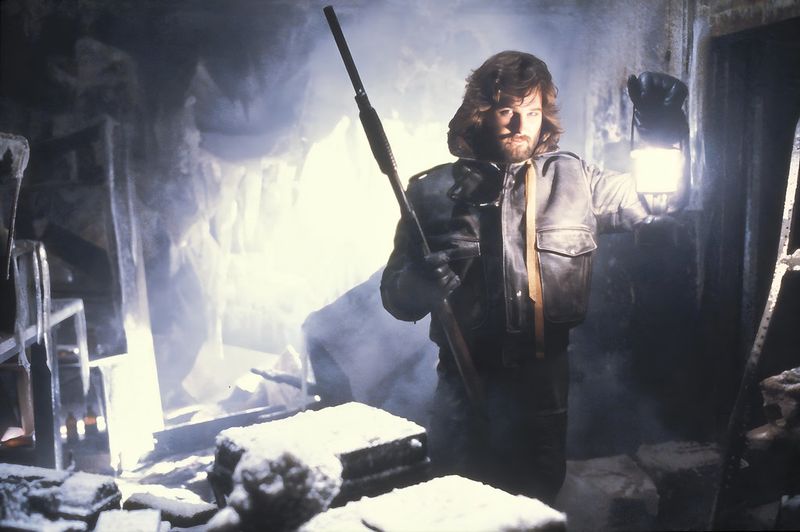
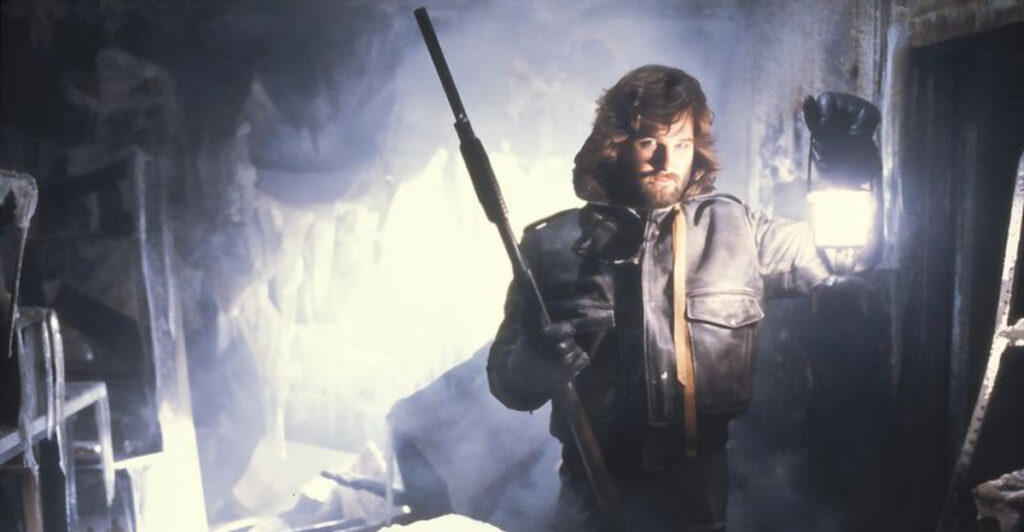
John Carpenter’s The Thing had one of the roughest releases imaginable. Critics called it cold, bleak, and unpleasant.
Audiences, still riding the warm feelings of E.T. the Extra-Terrestrial released the same summer, stayed away. The Academy gave it zero nominations, and it bombed at the box office.
Fast forward forty years, and The Thing is now widely considered one of the greatest horror and science fiction films ever made. Its practical special effects are still jaw-dropping, and its paranoid atmosphere is nearly impossible to replicate.
Film scholars regularly cite it as a technical masterpiece.
Rob Bottin’s creature effects alone should have earned some recognition, but awards voters weren’t interested. The Thing is a powerful reminder that what’s celebrated in the moment doesn’t always reflect what truly stands the test of time.
5. Groundhog Day (1993)
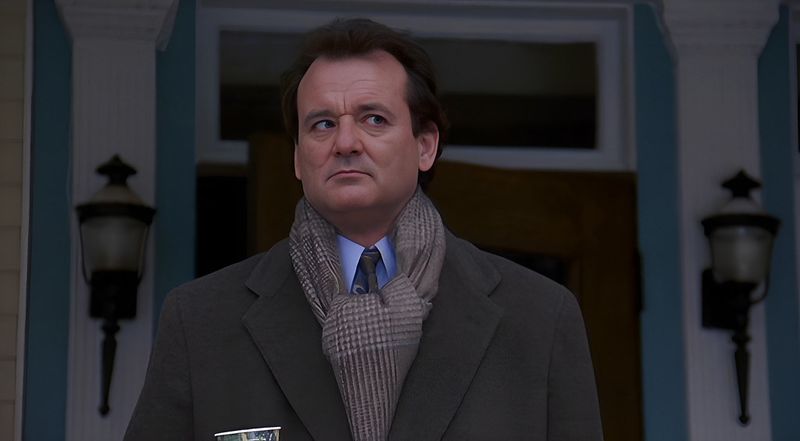
Groundhog Day is one of those rare films that works on multiple levels simultaneously. On the surface, it’s a funny comedy about a grumpy weatherman stuck reliving the same day.
Underneath, it’s a thoughtful meditation on personal growth, purpose, and what it means to be a better person.
Bill Murray gives one of the most nuanced comedic performances in Hollywood history, yet the Academy completely ignored the film at the 1994 ceremony. Not a single nomination was given to a movie that philosophers, theologians, and film critics have since written entire essays about.
Groundhog Day has been called one of the smartest films ever made, praised by thinkers far beyond the entertainment world. Skipping it entirely at awards time stands as one of the more puzzling oversights in Oscar history.
Its reputation today is practically untouchable.
6. Blade Runner (1982)
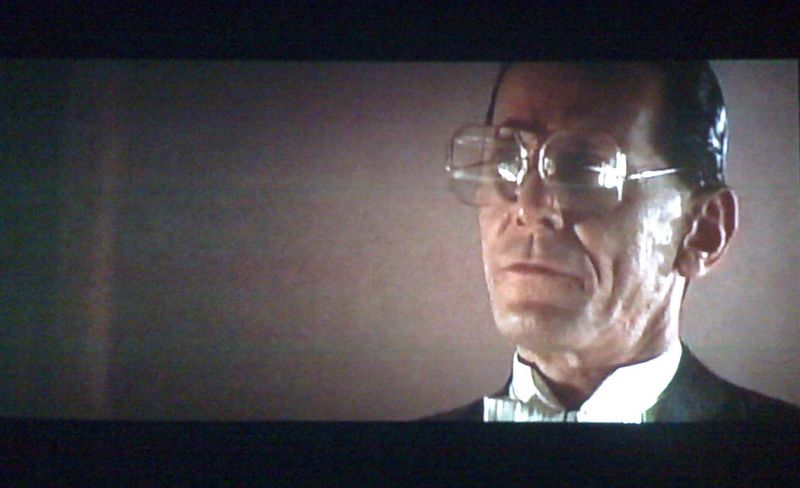
Ridley Scott’s Blade Runner arrived in 1982 with a visual style so ambitious it looked like nothing audiences had ever seen. Set in a rain-soaked, neon-lit future Los Angeles, the film asked deep questions about what it means to be human.
It earned two Oscar nominations but walked away with nothing.
The film was considered a commercial disappointment at the time, yet it quietly became one of the most influential science fiction movies ever produced. Its aesthetic shaped an entire genre of storytelling and visual design that still echoes through modern cinema and television.
Harrison Ford’s stoic performance and Rutger Hauer’s haunting final monologue are studied in film courses worldwide. Blade Runner eventually received a celebrated sequel in 2017, confirming just how far ahead of its time the original truly was.
Awards bodies simply weren’t prepared for it.
7. Donnie Darko (2001)
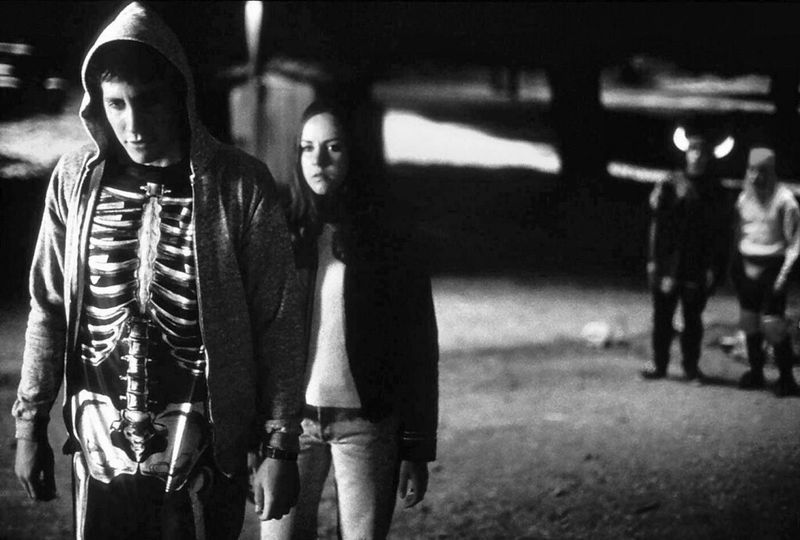
Released quietly in 2001 after a troubled debut at Sundance, Donnie Darko barely made a dent at the box office and earned zero Oscar nominations. Director Richard Kelly’s mind-bending story of time travel, teenage isolation, and a terrifying rabbit named Frank seemed too strange for mainstream recognition.
Then something unexpected happened. The film found its audience on DVD and late-night cable, slowly building a passionate cult following that grew year after year.
Jake Gyllenhaal’s haunted, deeply committed performance became one of the most celebrated breakout roles of his generation.
Donnie Darko is now the kind of movie that people discover and immediately need to talk about with someone else. Its themes of anxiety, destiny, and belonging have connected with generations of young viewers who felt just a little out of place in the world.
Awards missed it entirely.
8. Zodiac (2007)
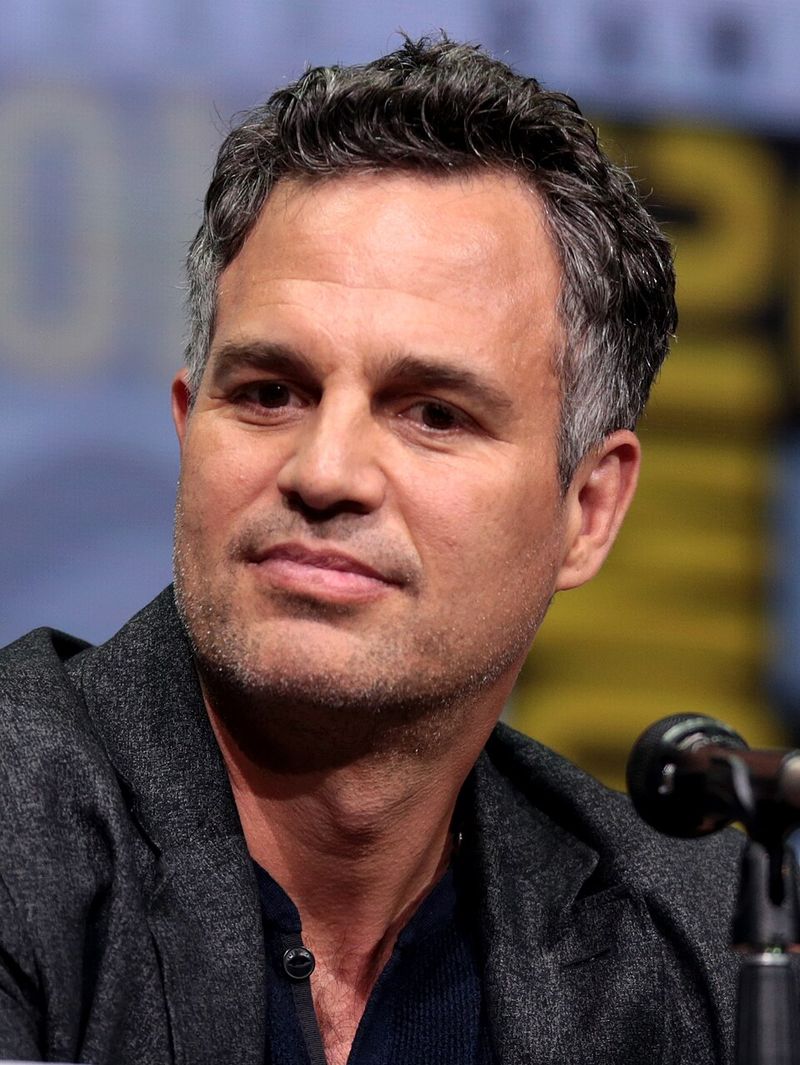
David Fincher made Zodiac with extraordinary patience and precision, crafting a procedural crime film that felt more like reading a great investigative novel than watching a Hollywood thriller. The performances from Jake Gyllenhaal, Mark Ruffalo, and Robert Downey Jr. were sharp and grounded.
Critics raved about it.
Then the Oscars arrived, and Zodiac received absolutely nothing. Zero nominations across every category, despite being one of the most technically accomplished and emotionally gripping films of 2007.
Many film critics later named it among the best films of the entire decade.
The film’s refusal to offer easy answers or dramatic resolution may have worked against it with awards voters. But that restraint is exactly what makes Zodiac so compelling and so rewatchable.
It respects the audience’s intelligence in a way that few crime films ever attempt, and that quality has only grown more appreciated over time.
9. The Shining (1980)
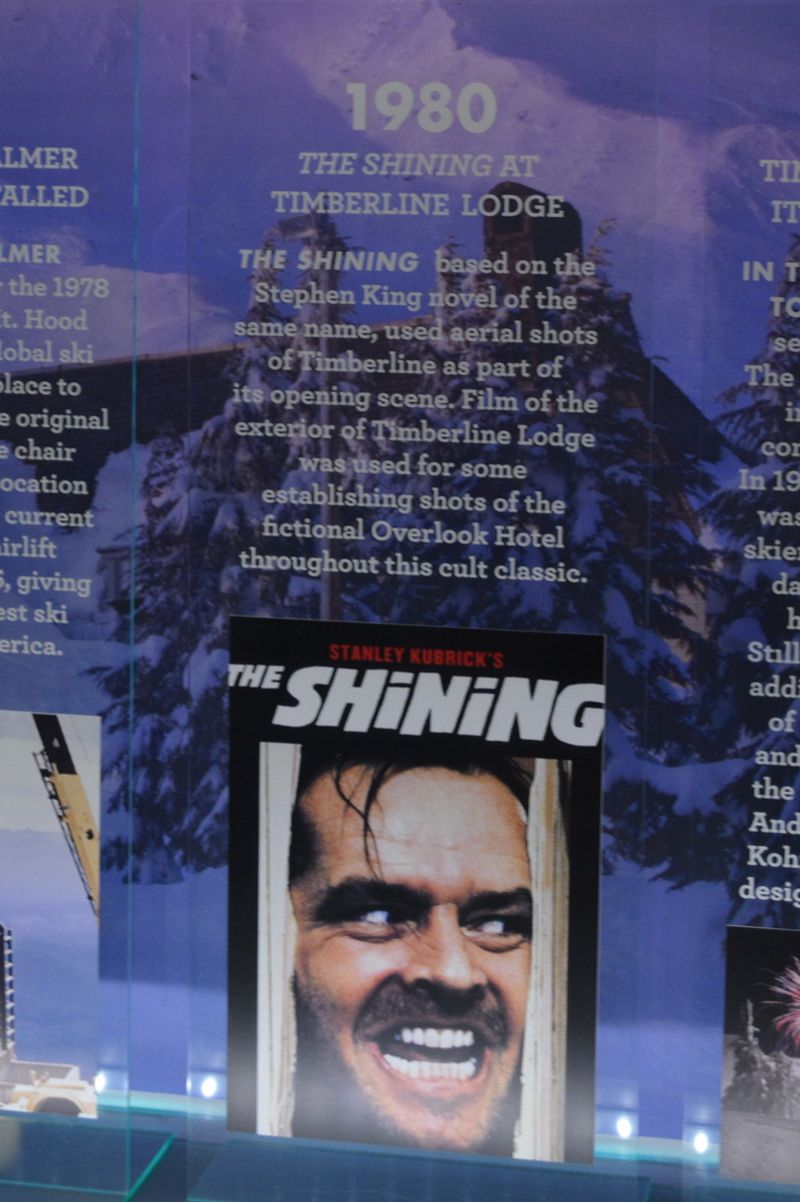
Stanley Kubrick’s The Shining is now considered one of the most masterfully directed horror films in cinema history. Jack Nicholson’s unraveling performance is iconic, Shelley Duvall’s terrified portrayal is deeply committed, and the Overlook Hotel itself feels like a living, breathing character.
It received zero Oscar nominations.
Even more surprising, the Razzies nominated Shelley Duvall for Worst Actress that same year. Looking back, that choice is genuinely shocking given how physically and emotionally demanding her role was throughout production.
The Shining has since inspired documentaries, academic essays, and an entire subculture dedicated to analyzing its hidden meanings and visual symbolism. Few horror films have generated as much thoughtful discussion over the decades.
Kubrick was rarely a favorite of awards voters, but the complete snub of The Shining remains one of the hardest to understand in Oscar history.
10. Heat (1995)
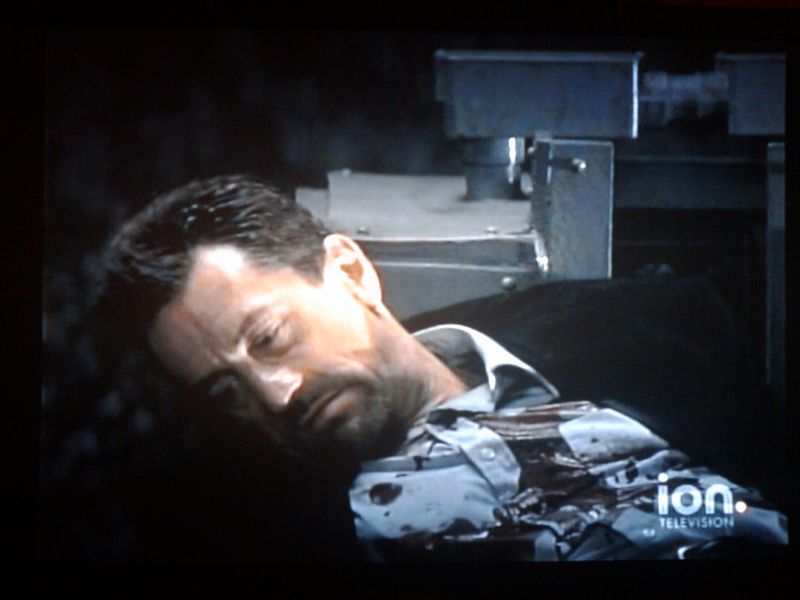
Michael Mann’s Heat brought together Al Pacino and Robert De Niro on screen for the first time in their careers, and the result was electric. Their single shared scene in a diner is one of the greatest moments in 1990s cinema.
The film also featured a bank robbery shootout so realistic that it became required viewing for law enforcement trainers.
Despite all of that, Heat received zero Oscar nominations. Nothing for direction, nothing for either lead performance, and nothing for the film’s meticulous craft.
It was a stunning oversight that left many film fans genuinely baffled.
Heat is regularly named among the finest crime films ever made, sitting comfortably alongside classics like The Godfather in many critical rankings. The fact that it was completely shut out by the Academy serves as a clear reminder that awards recognition and lasting greatness don’t always travel the same road.
Share this story