Portugal is famous for Lisbon, Porto, and the Algarve beaches, but the country holds so much more than its greatest hits. Some of its best places are tucked into mountain ridges, river valleys, and ancient villages where the tour buses rarely stop.
These spots reward the curious traveler with real history, wild scenery, and a pace of life that feels genuinely refreshing. If you are ready to swap the selfie crowds for something more memorable, this list is your starting point.
Marvão
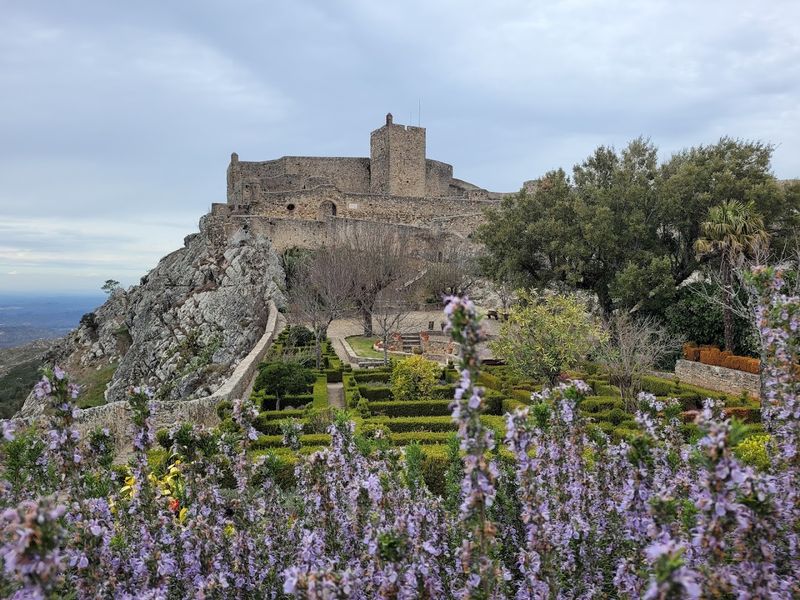
Sitting at the top of the Serra de São Mamede like a stone crown, Marvão is the kind of place that makes you stop walking just to stare. The views over Alentejo stretch so far that Spain is visible on a clear day.
Few tourists make the detour, which means you often get this dramatic hilltop almost to yourself.
The medieval walls are in remarkable shape, and the castle at the top is free to explore at your own pace. Whitewashed houses line narrow lanes that twist upward with zero concern for your calves.
Every corner reveals another postcard-worthy angle.
VisitPortugal describes it as a tranquil village set at the highest point of the range, and tranquil is exactly the right word. Pack water, wear comfortable shoes, and go on a weekday morning.
Marvão rewards slow walkers who take time to absorb what makes it genuinely special.
Monsanto: The Village Built Around Boulders
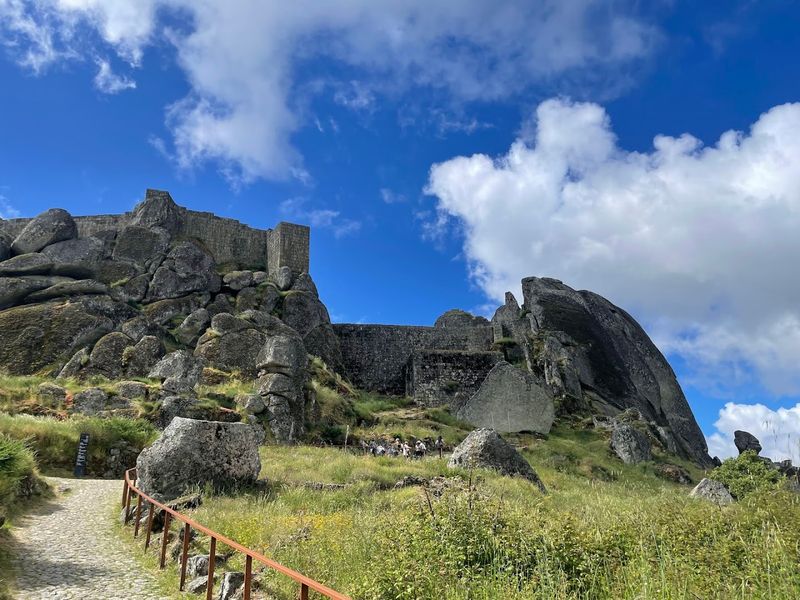
Monsanto may be the only village in the world where houses are literally wedged between giant granite boulders. The rocks are not decoration; they are the walls, the roofs, and in some cases the floors.
Walking through it feels like stumbling onto a film set, except everything is completely real.
Perched on a high crag in Beira Interior, the village earned the title of Most Portuguese Village back in 1938, and the locals still celebrate it with a festival every May. The castle ruins at the top add serious atmosphere, especially late in the afternoon when the light turns golden.
Monsanto is not polished or overly touristed, which is a big part of its appeal. A few small restaurants and guesthouses keep things simple.
Come expecting rugged charm rather than luxury, and you will leave with one of the most unusual travel memories Portugal can offer.
Piódão: The Schist Amphitheater
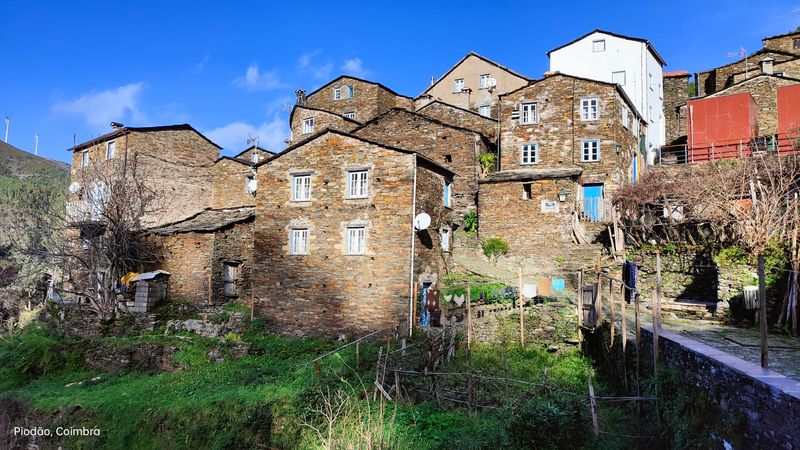
Piódão looks like someone carved a village directly into the mountain and forgot to tell the modern world about it. The dark schist houses with their blue window frames stack up the hillside in a formation so tidy it almost looks deliberate.
It sits deep in the Serra do Açor, far enough from major roads to feel genuinely remote.
VisitPortugal notes that its isolated position once made it a natural refuge, and that sense of being tucked away still lingers today. The village church glows white against all that dark stone, making it one of the most photographed spots in central Portugal.
Getting there involves a winding mountain road that is absolutely worth every curve.
Piódão is part of the Schist Villages network, so combining it with nearby stops makes for a brilliant slow-travel route. Stay overnight if you can.
The village after the day visitors leave is a completely different, much quieter experience.
Sortelha: Frozen in the Middle Ages
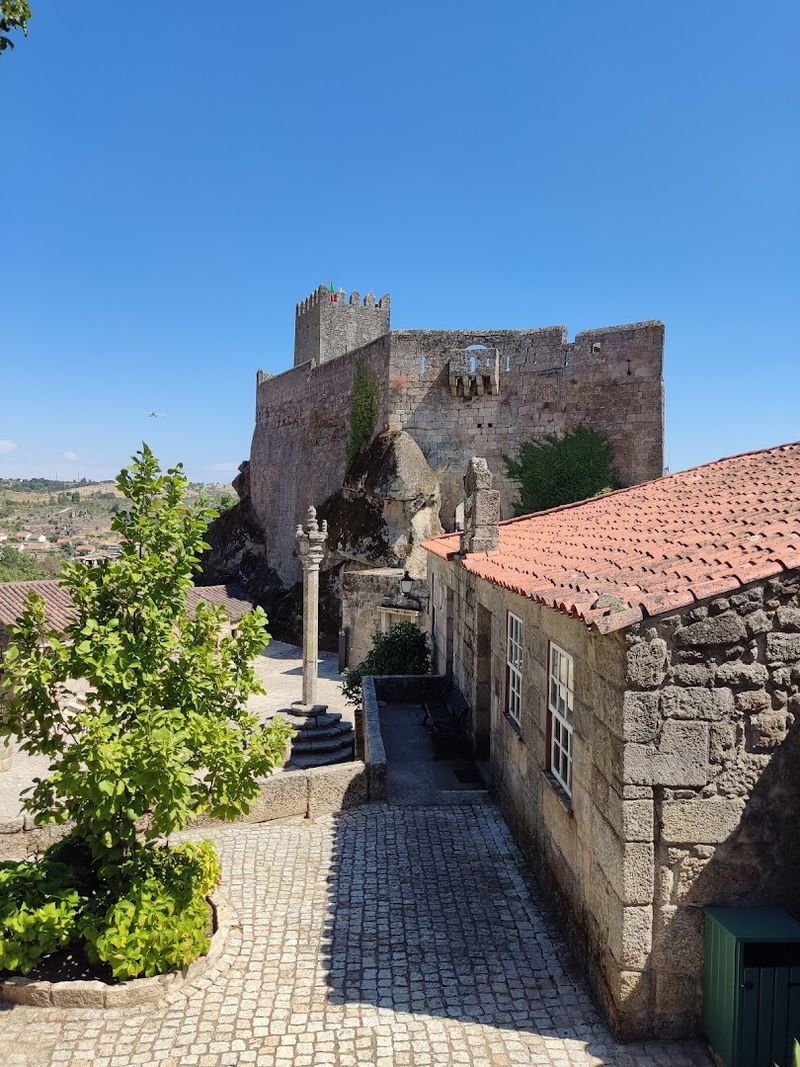
Sortelha has barely changed since the medieval period, and that is not an exaggeration. The granite houses, circular defensive walls, and castle-topped rocks create an atmosphere so cinematic that filmmakers have actually used the village as a location.
Walking inside the old walls feels like history swallowed you whole.
Unlike some historic villages that have been over-restored to the point of feeling fake, Sortelha still has rough edges and real character. Chickens wander the lanes.
A small restaurant inside the walls serves honest local food. VisitPortugal confirms it retains its medieval appearance, which is a polite way of saying almost nothing has been changed.
The surrounding landscape is equally dramatic, with rocky outcrops and open countryside stretching in every direction. Sortelha is best visited on a quiet weekday when you can have the old village largely to yourself.
Bring a camera, a good lunch, and no particular schedule.
Paiva Walkways: Nature’s Best Boardwalk
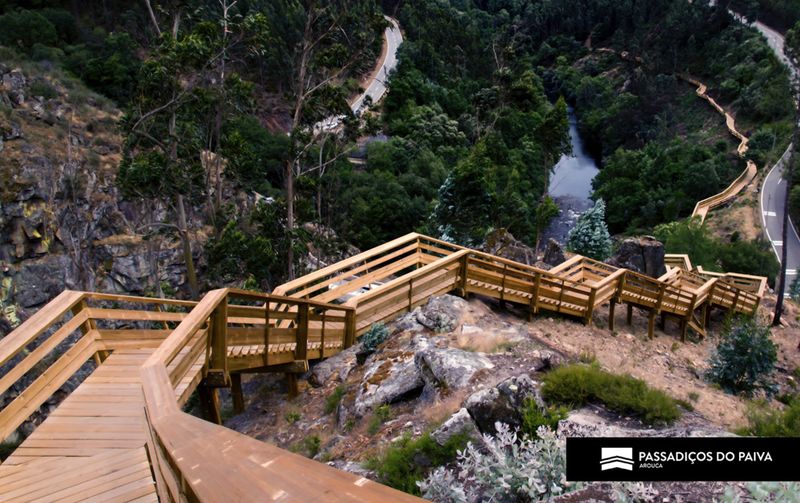
The Paiva Walkways might be the best argument for skipping the cities entirely. The wooden route hugs the Paiva River for around eight kilometers, passing through dramatic cliffs, river beaches, and Arouca Geopark scenery that genuinely earns the word spectacular.
Nature lovers, this one belongs at the top of your list.
The trail is accessible from either Espiunca or Areinho, and the official site strongly recommends reservations because capacity fills up, especially on weekends and during summer. That popularity is well-deserved; the walkway offers some of the most varied and visually rewarding hiking in Portugal without requiring expert-level fitness.
Sturdy shoes are essential because some sections involve steps and uneven terrain. Carry water and a snack since facilities along the route are limited.
The suspension bridge at the halfway point is a bonus thrill. Few places in Portugal pack this much natural drama into a single half-day outing.
Côa Valley: Rock Art That Rewrites History
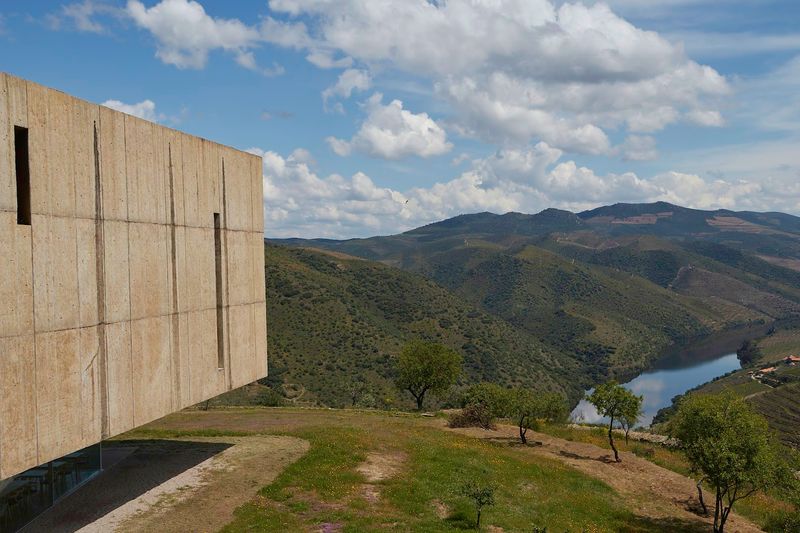
The Côa Valley contains some of the oldest outdoor rock art in the world, and most travelers have never heard of it. That feels like a serious oversight.
The engravings, carved into schist rock faces along the river valley, date back over 20,000 years and are a UNESCO World Heritage site. This is not just pretty scenery; it is evidence of human creativity from the Ice Age.
The Côa Museum near Vila Nova de Foz Côa handles guided access and does an excellent job of providing context for what you are seeing. Without a guide, the art can be easy to miss, so booking a tour is genuinely worth it.
The museum itself is architecturally impressive and worth time on its own.
Visitors who make the effort to get here consistently describe it as one of Portugal’s most moving experiences. The remoteness is part of the point.
Few sites anywhere in Europe carry this much weight per square kilometer.
Mértola: Where Civilizations Stacked Up
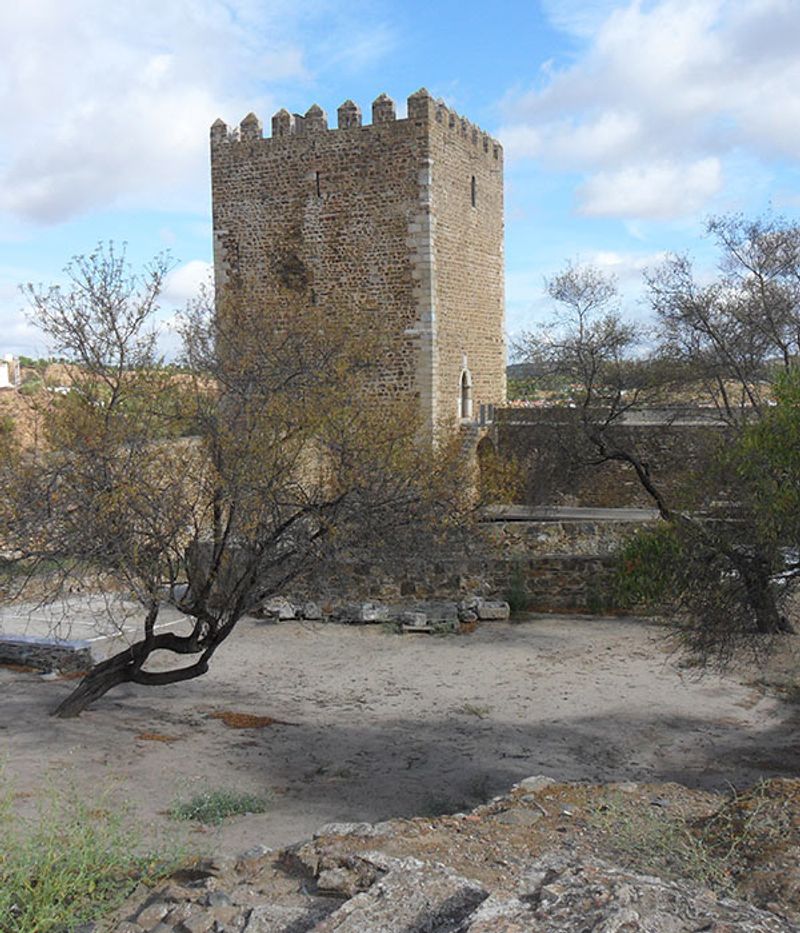
Mértola is one of those towns that rewards travelers who actually read the information boards. Its history layers Roman, Islamic, and Christian periods in ways that are still visible in the architecture and the museum collections scattered across the town.
VisitPortugal calls it a historic museum town, and that description is accurate in the best possible way.
The castle sits above the Guadiana River, and the former mosque that became a church is one of the most unusual religious buildings in Portugal. The Islamic heritage here is particularly well-preserved and presented, making Mértola a genuinely educational stop without ever feeling like a lecture.
The town moves at a slow Alentejo rhythm that is easy to fall into. Sit by the river, eat well, and wander without a plan.
Mértola is also a gateway to the Guadiana Natural Park, so combining a town visit with some riverside nature time makes for a very satisfying day or two.
The Schist Villages: 27 Reasons to Get Lost
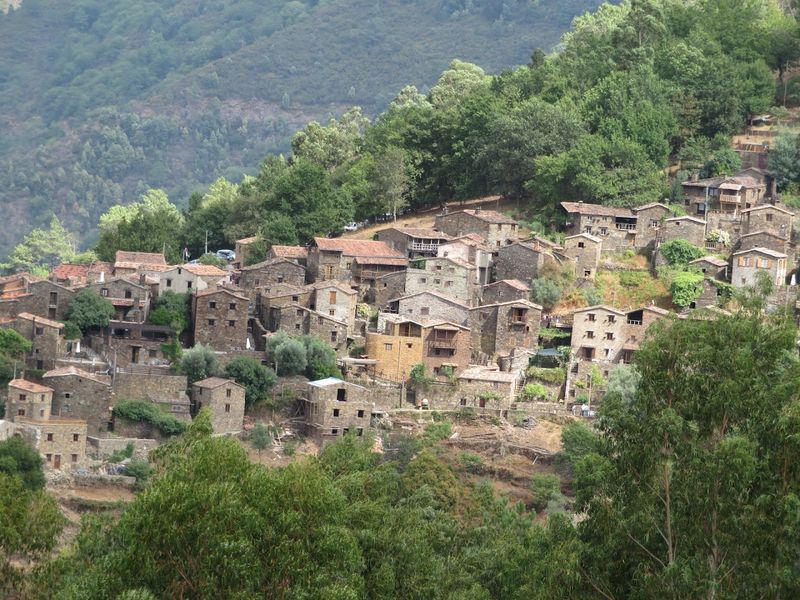
Choosing just one Schist Village is like choosing one flavor at an ice cream shop with 27 options. The network of villages spread across the Lousã and Açor mountains are all built from the same dark local stone, and all of them blend into their surroundings so naturally that they practically disappear into the hillsides.
These villages are perfect for slow drives with no fixed agenda. Each one has its own character: some have river beaches nearby, others have better hiking trails or more atmospheric old quarters.
Piódão is the most famous, but villages like Gondramaz, Cerdeira, and Talasnal are equally rewarding with far fewer visitors.
Overnight stays in restored schist guesthouses are an increasingly popular option and genuinely worth booking. Waking up in a stone village with mountain views and near-total quiet is an experience that most Lisbon and Porto visitors never get close to.
The Schist Villages are Portugal at its most authentically rural.
Conímbriga: Rome Never Really Left
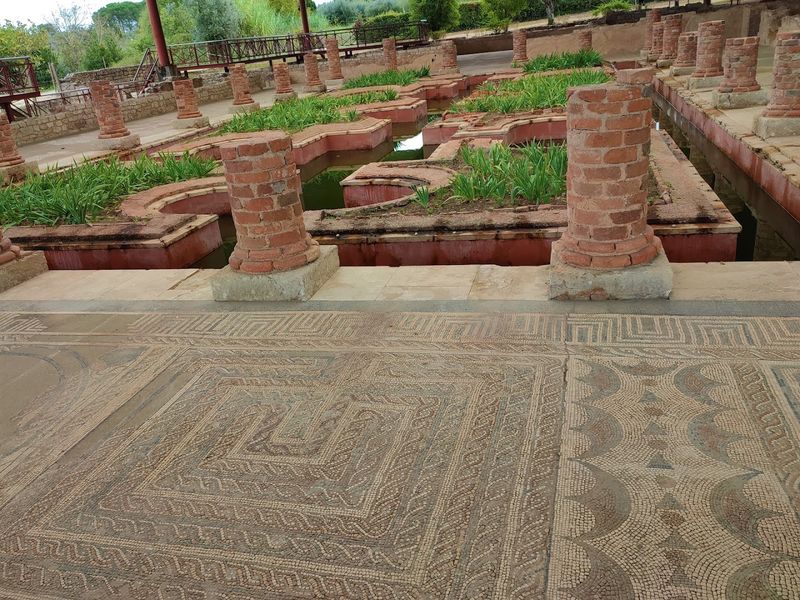
Conímbriga is proof that Portugal was very much on Rome’s radar. The site contains some of the best-preserved Roman mosaics in the Iberian Peninsula, and walking past them without your jaw dropping at least once is an impressive feat of self-control.
The Casa dos Repuxos, with its elaborate floor mosaics and central fountain system, is the undisputed highlight.
Located just south of Coimbra, it is easy to combine with a city visit and makes a satisfying half-day detour. The national museum on site provides solid context for what you are seeing, and the layout allows visitors to explore the ruins at their own pace without feeling rushed.
Compared to Roman sites in Italy or France, Conímbriga gets very modest visitor numbers, which means you can actually stand and look without elbowing anyone. Entry is affordable, the signage is good, and the museum cafe is a decent place to recover after all that ancient history appreciation.
Berlengas Islands: Wild Atlantic, Controlled Entry
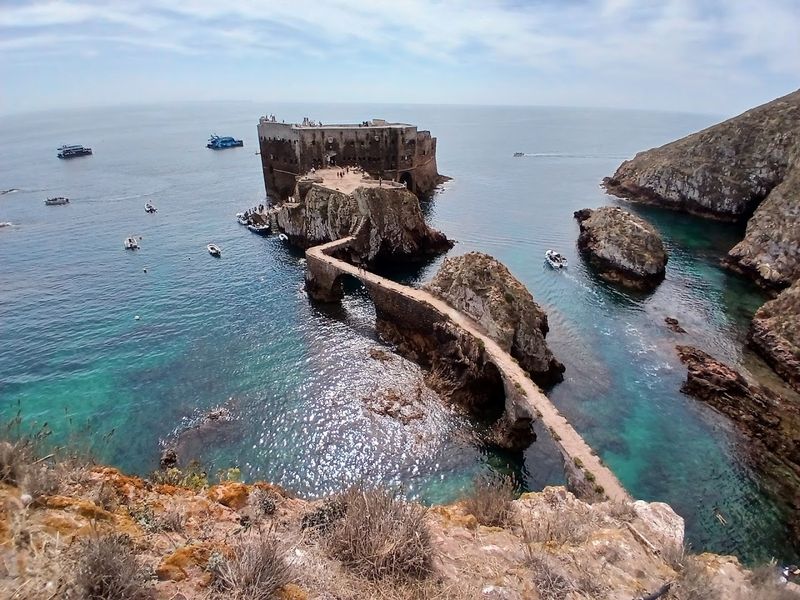
The Berlengas are the kind of place that makes you grateful someone had the sense to protect them. This rocky archipelago off the coast of Peniche is a nature reserve with strictly controlled visitor numbers, which is exactly why it still looks extraordinary.
A Berlenga Pass and access fee are required, and that minor barrier keeps the experience genuinely unspoiled.
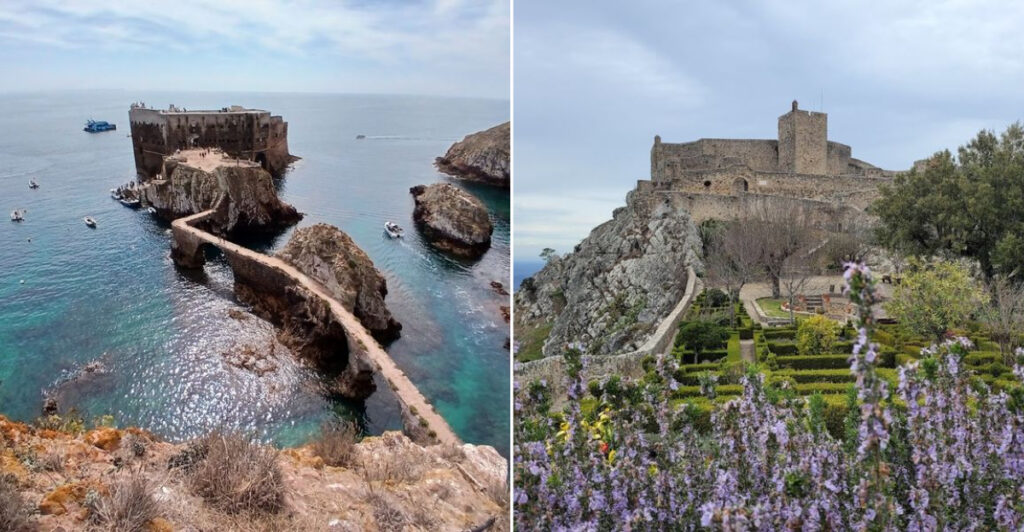
The boat crossing from Peniche takes about an hour and can be choppy, so sea legs are an advantage. Once you arrive, the clarity of the water around the cliffs is remarkable, and the 17th-century fortress on the main island adds a dramatic historical note to the wild scenery.
Seabirds nest here in huge numbers.
Day trips are the most common option, but a small number of visitors can stay overnight in basic accommodation inside the fortress itself. Book that option well in advance because it sells out fast.
The Berlengas are not a casual stop, and that is entirely the point.
Peneda-Gerês: Portugal’s Wild North
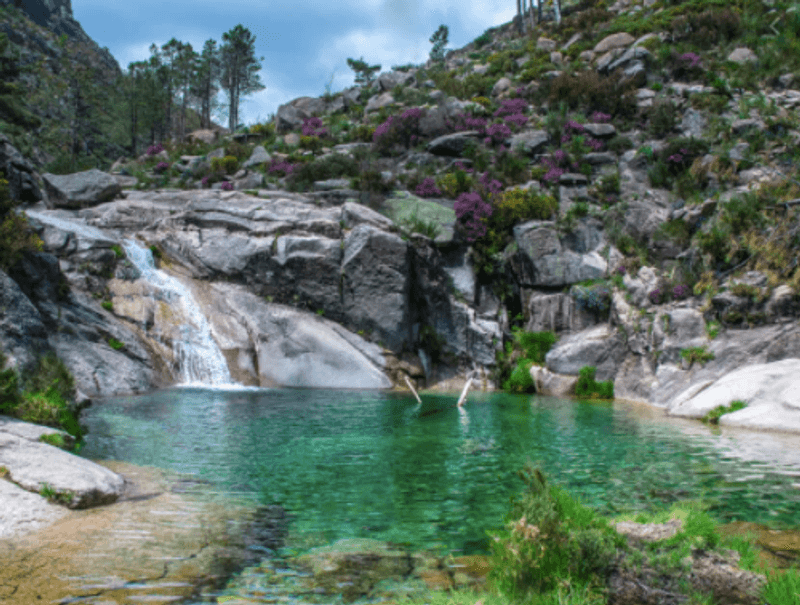
Portugal has exactly one national park, and Peneda-Gerês makes every kilometer of that designation count. The park covers a substantial chunk of northern Portugal near the Spanish border and contains mountain villages, ancient roads, waterfalls, forests, and wildlife that includes wolves and golden eagles.
This is not the Portugal most visitors picture.
VisitPortugal describes it as a place where human activity and nature are harmoniously integrated, which sounds like marketing but is actually accurate. Traditional stone villages within the park have been inhabited for centuries, and some communities still practice old pastoral traditions.
The contrast with coastal tourist Portugal could not be sharper.
Hiking trails range from easy river walks to serious mountain routes, so the park works for different fitness levels. The waterfalls at Tahiti and Fecha de Barjas are particularly popular and worth the walk.
Gerês town makes a convenient base, with accommodation options ranging from simple guesthouses to comfortable hotels with thermal spa access.
Tavira: The Algarve’s Quieter Side
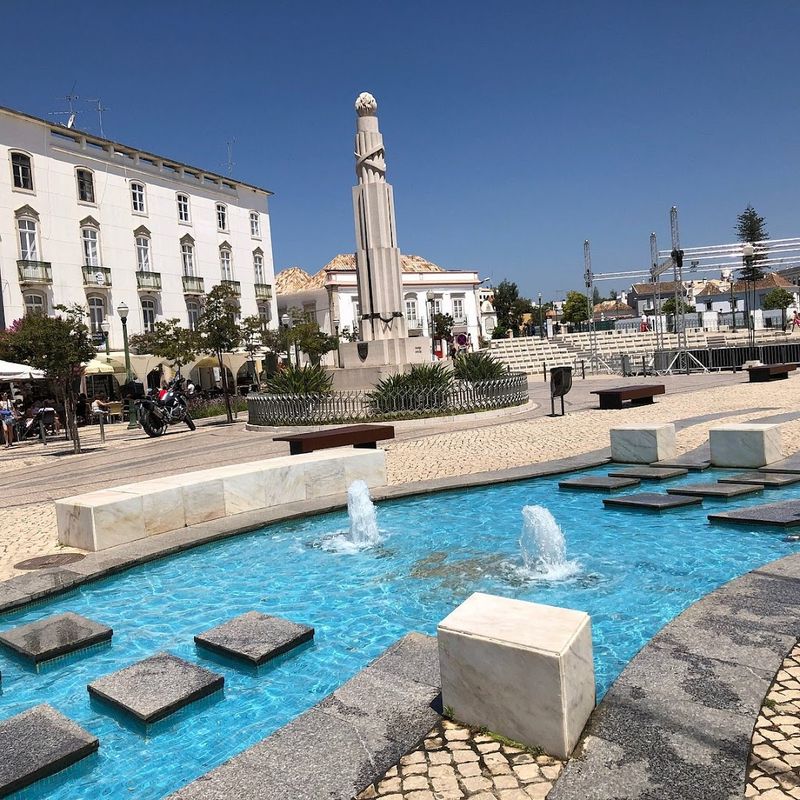
Tavira proves that the Algarve has more than one speed setting. While the western resorts run at full volume through summer, this eastern town keeps a pace that is closer to a pleasant afternoon stroll than a beach party.
The Roman bridge, riverfront cafes, and cluster of historic churches give it a character that most Algarve stops simply lack.
The town itself is charming, but the real bonus is the easy boat access to barrier island beaches like Terra Estreita and Cabanas-Mar. These are long, uncrowded stretches of sand backed by the Ria Formosa Natural Park, and they feel nothing like the packed beach scenes further west.
The ferry crossings are short and inexpensive.
Tavira also has a genuinely good food scene, with fresh seafood restaurants that cater more to locals than to tourists. I stumbled into a tiny tasca near the market once and ate the best grilled fish of my entire trip.
Go hungry, stay curious, and skip the tourist menus.
Share this story