Not every band that gets called a legend actually earned that crown. Some bands rode massive waves of hype that were bigger than their actual music.
I grew up listening to a lot of these groups and slowly started questioning whether the praise matched the songs. This list takes an honest, sometimes uncomfortable look at 15 metal bands whose reputations might just be bigger than their catalogs.
Metallica

Let me just say it: Metallica’s first four albums are genuinely untouchable. Master of Puppets alone could carry an entire career.
But here is where things get messy for me.
The moment Load dropped in 1996, something shifted. Suddenly the band that defined thrash metal was cutting their hair and chasing radio play.
Longtime fans felt genuinely betrayed, and honestly, that reaction was not entirely unfair.
The debate is not really about talent. Nobody questions that James Hetfield can write a riff.
The real question is whether a band can coast on early greatness forever. Metallica’s legendary status now rests almost entirely on albums they made before 1992.
The later catalog has highlights, sure, but it also has St. Anger, which sounds like someone drumming on a tin can in a parking lot. Their hype is real, but it is very selectively earned.
Iron Maiden
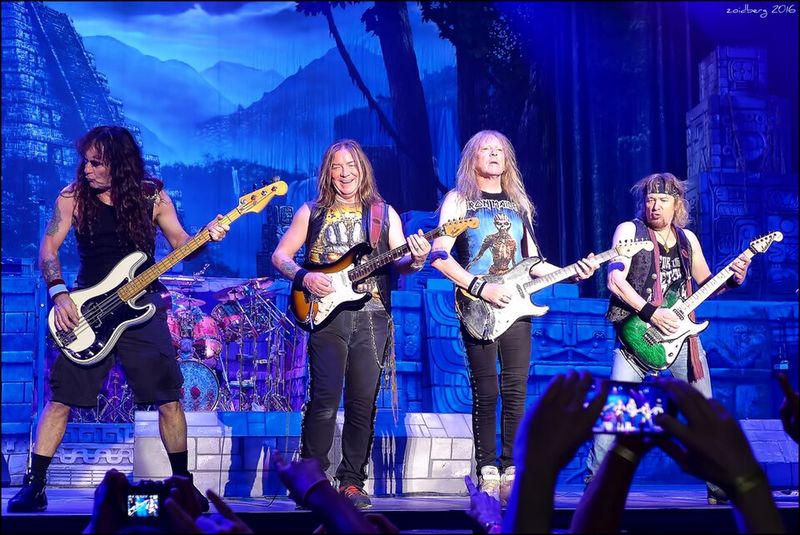
Iron Maiden built an entire universe around their music, and credit where it is due, that is genuinely impressive. Eddie the mascot, the historical themes, the theatrical stage setups.
It is all very cool packaging.
But here is the thing about packaging: sometimes it outshines what is inside the box. Critics who look past the spectacle often find that Maiden’s formula has stayed remarkably similar for decades.
Galloping bass line? Check.
Operatic vocals? Check.
Seven-minute song about a war or a book? Double check.
I remember putting on a post-2000 Maiden album expecting something fresh and getting… more Maiden. Which is fine if that is what you want.
But the critical praise surrounding every new release tends to be enormous, as if each album reinvents heavy metal. It rarely does.
The live shows are spectacular, but spectacular shows and spectacular albums are two very different things.
Judas Priest
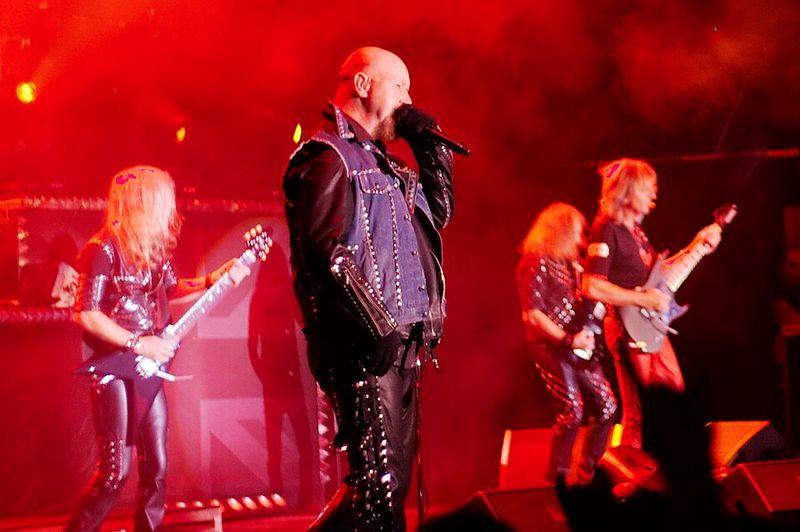
Judas Priest basically invented the visual language of heavy metal. Leather jackets, studs, motorcycles, screaming falsettos.
The whole aesthetic owes them a massive debt. Their Rock and Roll Hall of Fame induction felt well-deserved to a lot of people.
Still, when you sit down and actually listen through their full discography, the peaks and valleys are pretty dramatic. British Steel, Screaming for Vengeance, and Painkiller are legitimately great.
A big chunk of the rest? Serviceable at best.
The criticism is not that Priest is bad. It is that the conversation around them treats every era equally, when the reality is much more uneven.
Their later albums get praised partly because of who made them rather than what is actually on them. Legacy credit is a powerful thing in metal, and Judas Priest have been cashing those checks for a long time.
The studs are cool, though. Always cool.
Megadeth
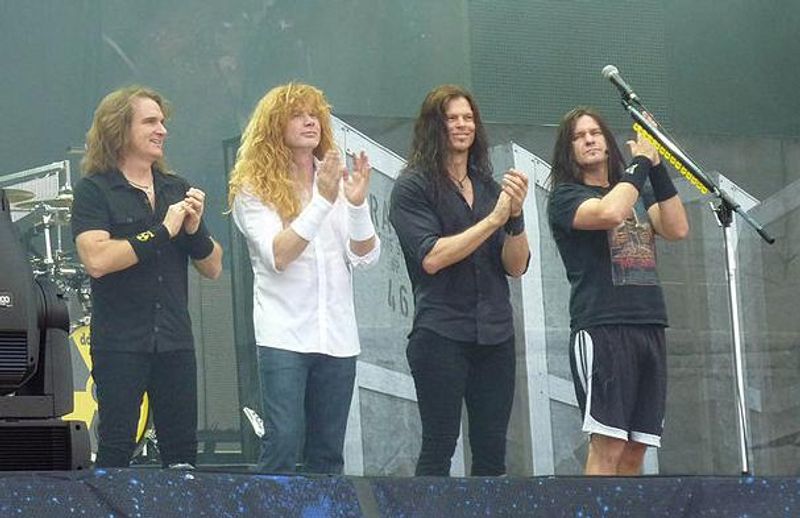
Rust in Peace is one of the most technically impressive thrash albums ever recorded. That is not up for debate.
Dave Mustaine can shred with the best of them, and the band’s precision is genuinely jaw-dropping.
But here is where I land after years of listening: technical complexity is not the same as emotional connection. Megadeth songs often feel like watching someone solve a math problem really fast.
Impressive, yes. Moving?
Not always.
The political edge adds flavor, but it can also feel more like a bumper sticker than a real message. Some of their mid-career albums get treated as masterpieces largely because Mustaine is a controversial and fascinating figure.
His drama with Metallica has fueled decades of fan debate that sometimes benefits Megadeth’s reputation more than the actual music does. Speed and precision are real skills.
But a great song needs more than a fast guitar solo and an angry headline to back it up.
Pantera
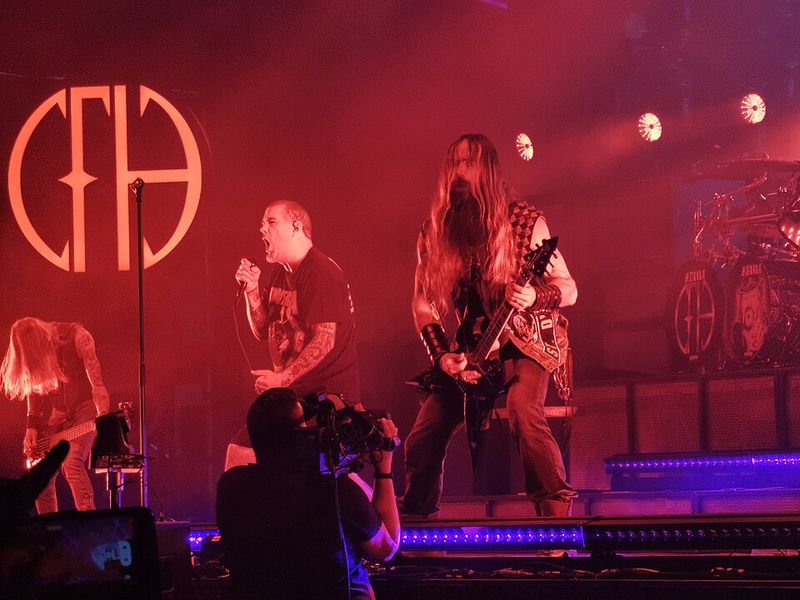
Cowboys from Hell changed the game in 1990, and Vulgar Display of Power is still one of the heaviest things ever put on tape. Pantera had something real, and their best moments genuinely hit like a freight train.
The problem is the mythology that grew up around the band. The tough-guy image, the alpha male posturing, and the “no glam, all attitude” story became almost more famous than the music itself.
Fans talk about Pantera like they invented heaviness, which conveniently ignores about forty years of metal history before them.
Dimebag Darrell was an extraordinary guitarist, and his death made the band’s legacy almost impossible to criticize without feeling like a villain. But separating the tragedy from the catalog is important.
Pantera made great records. They also made some very average ones.
The hype around them has always been cranked up louder than even their own amps.
Slipknot
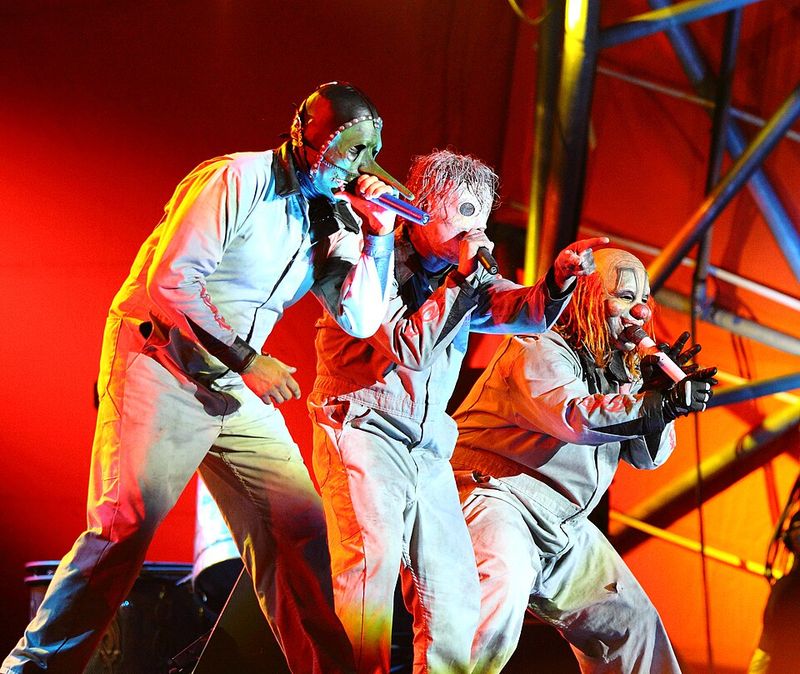
Nine guys in masks and matching jumpsuits is a wild commitment to a bit, and Slipknot committed fully. The chaos was real, the energy was real, and Iowa is still one of the most punishing albums of the 2000s.
But let us be honest about how much of their reputation was built on shock value. The masks, the numbers instead of names, the blood, the maggots.
A lot of that was designed to get attention, and it worked brilliantly. Whether the songs always backed up the spectacle is a different question.
I was fourteen when I first heard Slipknot and thought they were the most dangerous thing on Earth. Revisiting that catalog as an adult, some of it holds up beautifully, and some of it feels like a Halloween costume stretched over a fairly standard hard rock song.
The image created a hype machine that the music occasionally outran and occasionally could not keep up with.
Korn
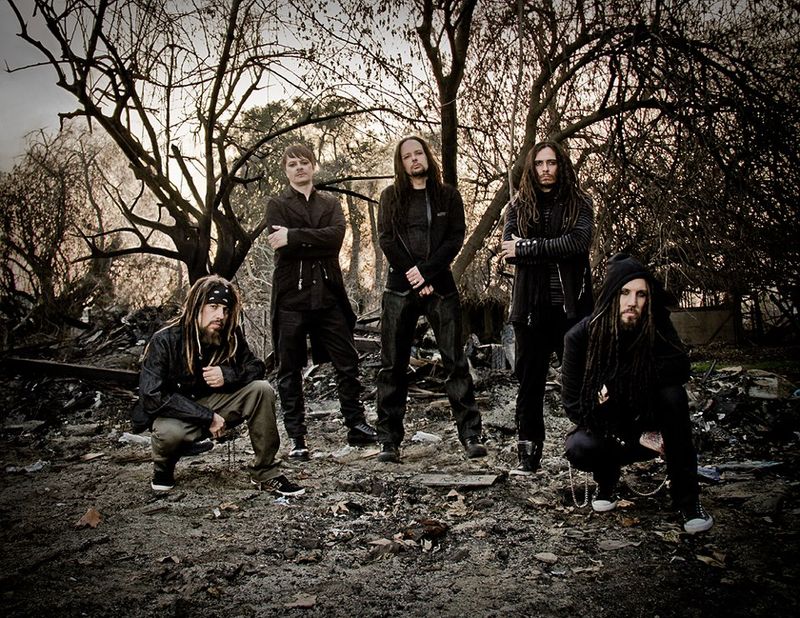
Korn’s debut album genuinely scared parents in 1994, which is always a good sign for a rock band. Jonathan Davis sang about real pain in a raw way that connected with an entire generation of outsiders and misfits.
The problem is that influence and quality are not always the same thing. Korn launched nu-metal into the mainstream, and then nu-metal aged like milk left on a summer porch.
A lot of their later albums chased trends in ways that felt desperate rather than daring.
Their influence on music is undeniable, but influence alone does not make every album great. The critical and commercial praise around Korn often treats the whole catalog with the same reverence reserved for the debut.
That is generous at best. They helped build a movement, but movements and masterpieces are different things.
Korn deserves credit for starting something. They do not deserve credit for finishing it well.
Avenged Sevenfold
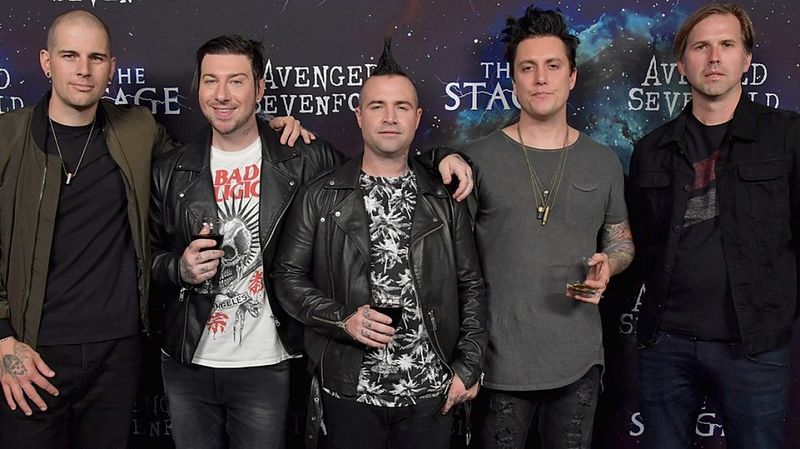
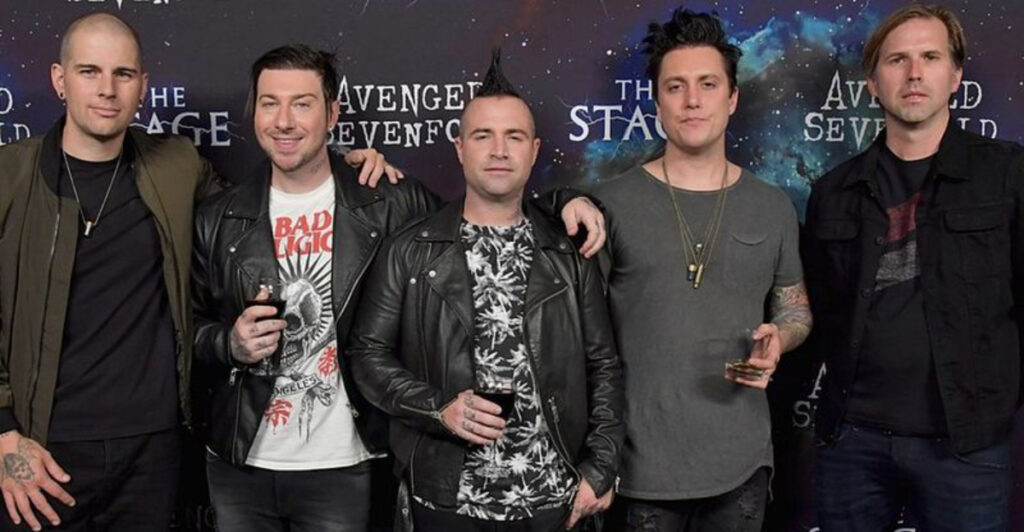
Avenged Sevenfold clearly studied every successful rock band that came before them and took detailed notes. The theatrical visuals, the arena-sized choruses, the melodic guitar solos borrowed lovingly from classic metal.
It is all very well assembled.
City of Evil has some genuinely strong moments, and the band’s ambition is never in question. But ambition and authenticity are not always traveling companions.
A lot of A7X’s music feels like it was engineered to sound important rather than actually being important.
The fanbase is enormous and extremely loyal, which creates its own kind of hype bubble. Any criticism of the band tends to get met with fierce pushback, which makes honest evaluation harder.
Their polished production values are impressive, but polish can also smooth out the rough edges that make metal feel dangerous. Avenged Sevenfold sounds like a band that really, really wants to be legendary.
Sometimes wanting it that badly shows a little too clearly in the music.
Disturbed
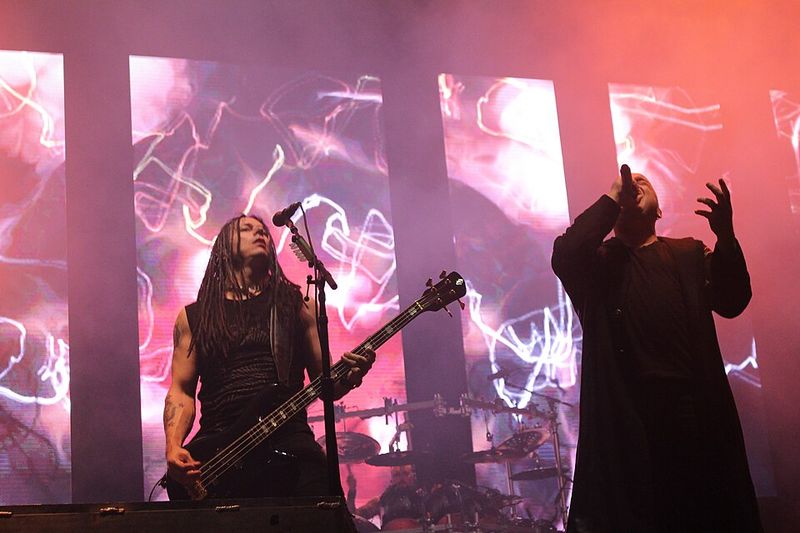
Disturbed’s Sound of Silence cover got more YouTube views than most metal bands get in a lifetime, which tells you a lot about where their appeal actually lives. David Draiman has an undeniably powerful voice, and the band knows how to write a hook.
The issue is that knowing how to write a hook and knowing how to write a great metal song are different skills. Disturbed is very good at the first one.
Their catalog is packed with songs that sound huge on first listen and then fade quickly from memory.
Metal fans with stricter genre standards often dismiss them as hard rock dressed up in a heavier coat. That is a bit harsh, but not entirely wrong.
Every Disturbed album follows a recognizable pattern: aggressive verses, massive chorus, dramatic breakdown, repeat. The formula works commercially.
It just does not always work artistically. Reliable is not the same as remarkable, no matter how loud the crowd gets.
Linkin Park

Hybrid Theory sold over 27 million copies worldwide, which makes it one of the best-selling debut albums in history. That is a genuinely staggering number, and Chester Bennington’s voice was a remarkable instrument.
But selling 27 million copies and being a metal band are two things that can coexist awkwardly. Linkin Park occupied a strange middle space between rock, rap, and electronic music that appealed to everyone and fully satisfied almost no one genre-wise.
The metal community often includes them in conversations where they do not quite fit. Their emotional resonance is real and their cultural impact is huge.
But emotional resonance is not the same as metal credibility. Linkin Park were a genuinely great pop-rock band with some heavier tendencies.
Calling them a metal band stretches the definition to its breaking point. The hype around them in metal circles has always been a bit like inviting a pop star to a mosh pit.
System of a Down
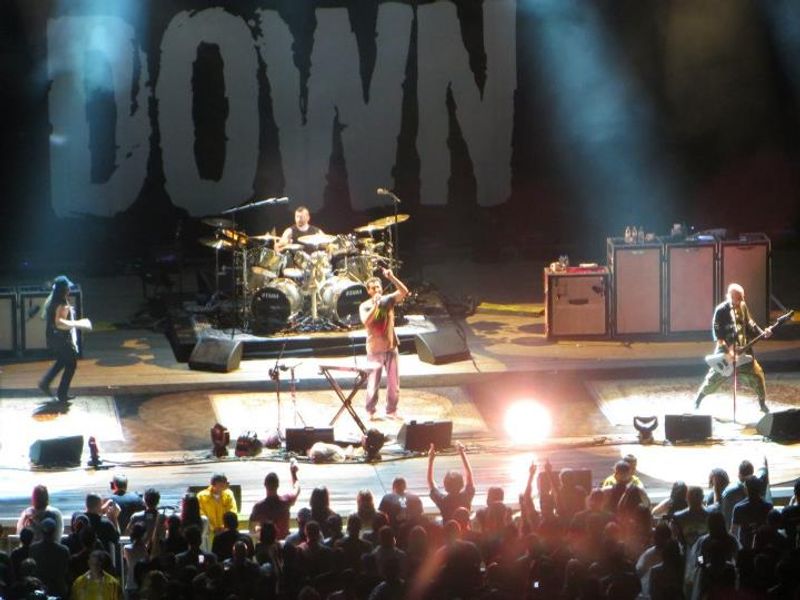
System of a Down might be the most fascinating band on this list because their weirdness is genuinely unique. Nobody sounds quite like them, and Toxicity is a wild, entertaining, occasionally brilliant record.
The problem is that uniqueness gets mistaken for depth pretty regularly. SOAD’s chaotic song structures, political screaming, and sudden tempo shifts can feel more like controlled madness than actual musical sophistication.
Some listeners find it exhilarating. Others find it exhausting after about forty minutes.
The band’s hiatus also created a scarcity mystique that inflated their reputation significantly. When something is unavailable, people tend to remember it as better than it was.
The reunion tours were massive, but the new music released afterward was met with a noticeably cooler reception. System of a Down is genuinely interesting and genuinely fun.
Whether they are the genre-defining geniuses their most devoted fans claim is a much harder argument to win convincingly.
Rammstein
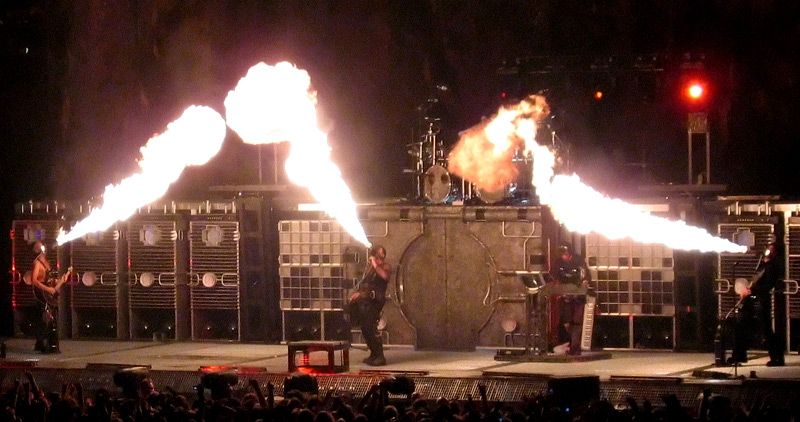
Rammstein shows are genuinely spectacular. Fire cannons, provocative visuals, theatrical costumes, and Till Lindemann performing like a man who decided subtlety was for other people.
The spectacle is world-class, full stop.
But spectacle and songwriting are two separate departments, and Rammstein’s songwriting department is considerably smaller than their pyrotechnics budget. Most of their songs follow a very similar industrial groove template, and without the live show context, many tracks sound fairly interchangeable.
The German language adds an exotic quality for non-German speakers that probably inflates the perceived depth of the lyrics. When you translate them, they are often simple, provocative, and occasionally juvenile.
That is not necessarily a criticism, but it does complicate the serious artistic reputation the band enjoys. Rammstein figured out early that controversy plus fire equals enormous attention.
They were absolutely right. Whether that equation also equals great music is a question worth asking more often than it gets asked.
Motley Crue
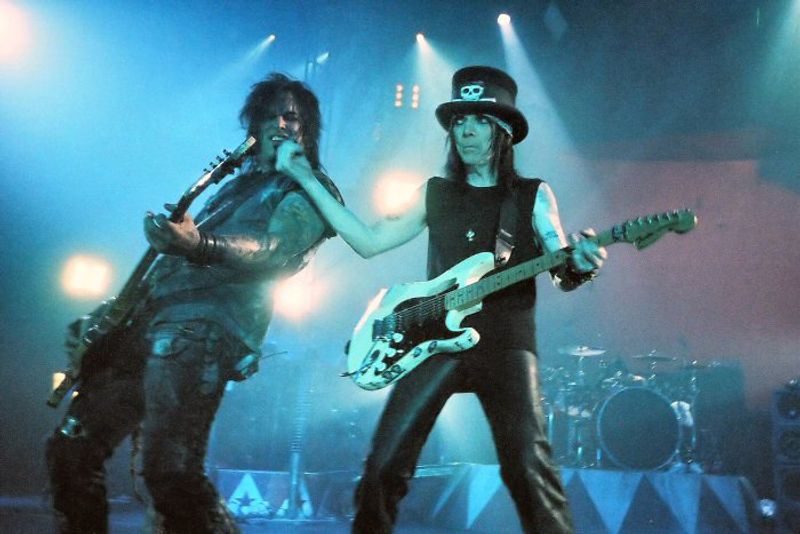
Motley Crue’s biography The Dirt is one of the most entertaining rock books ever written, which actually kind of proves the point here. The story of the band is more compelling than most of the music the band made.
Dr. Feelgood is a legitimately fun album, and Girls Girls Girls has a certain sleazy charm. But the bulk of their catalog is pretty thin when you strip away the mythology of the excess and the scandals and the impossible hair.
The Netflix movie based on their lives got more attention than any of their albums released in the last twenty years. When your story outshines your songs by that wide a margin, something is off.
Motley Crue were masters of the rock lifestyle brand before lifestyle branding was even a concept. They sold an image spectacularly well.
The music was sometimes just the thing playing in the background while the real show happened offstage.
Dream Theater
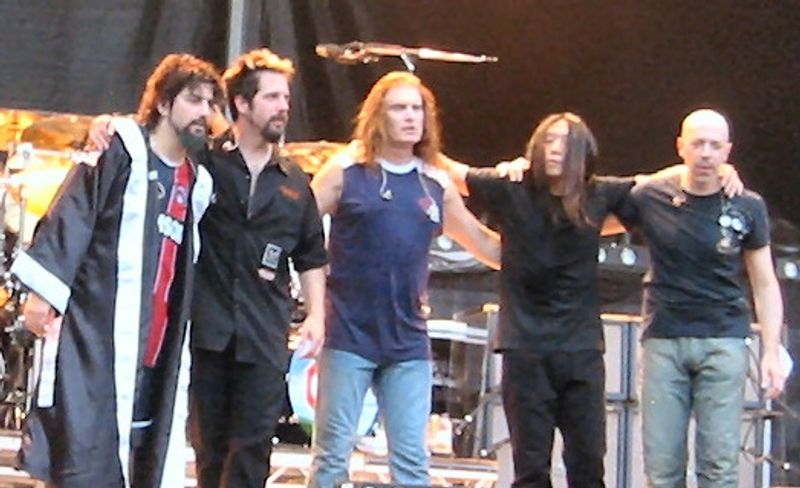
Dream Theater fans will tell you that criticizing the band proves you simply do not understand music. That response is itself a small red flag worth examining.
Technical mastery is real, and John Petrucci is one of the most skilled guitarists alive.
But skill and enjoyability are not always the same concert ticket. A twenty-minute song with seven time signature changes and three extended instrumental sections is impressive the way a very long math textbook is impressive.
You respect it more than you enjoy it.
Progressive metal as a genre rewards complexity, and Dream Theater are its professors. The issue is that their most devoted fans sometimes confuse length with depth and difficulty with meaning.
Not every emotional moment needs a seventeen-minute setup. Some of their best songs are actually their shorter ones, which the band seems to view as an embarrassing accident rather than a creative strength.
Less is more is a concept that has never quite reached their rehearsal room.
Lamb of God

Lamb of God are the band that metal journalists reach for whenever they need to prove they have good taste. Ashes of the Wake and Sacrament are solid, aggressive, well-crafted modern metal records.
No argument there.
The criticism is about range, or more accurately, the lack of it. Album after album delivers the same tight grooves, the same Randy Blythe bark, the same relentless mid-paced chug.
Consistency is a virtue, but it can also be a creative ceiling.
Some bands grow and surprise you. Lamb of God mostly just shows up and does the thing they have always done, which their fans love and their critics find limiting.
The hype around them in American metal circles treats every new release as a major event when most of them are reliable rather than remarkable. Reliable is great for a dishwasher.
For a band trying to leave a lasting mark, it might not be quite enough.
Share this story