Most people think of Florida as a flat, sandy state full of beaches and theme parks. So when you hear there are actual caves to explore here, it sounds almost impossible.
But tucked away in the forests of Citrus County, there is a spot that will completely change how you see the Sunshine State. Real limestone caves, quiet trails, bouldering rocks, and zero admission cost make this one of the most surprisingly cool outdoor adventures in the entire state.
Whether you are a curious kid on a family hike or an adult who loves off-the-beaten-path discoveries, this place delivers something genuinely rare. Keep reading to find out exactly what makes this hidden Florida treasure worth putting on your weekend list.
Where Exactly You Will Find This Underground Surprise
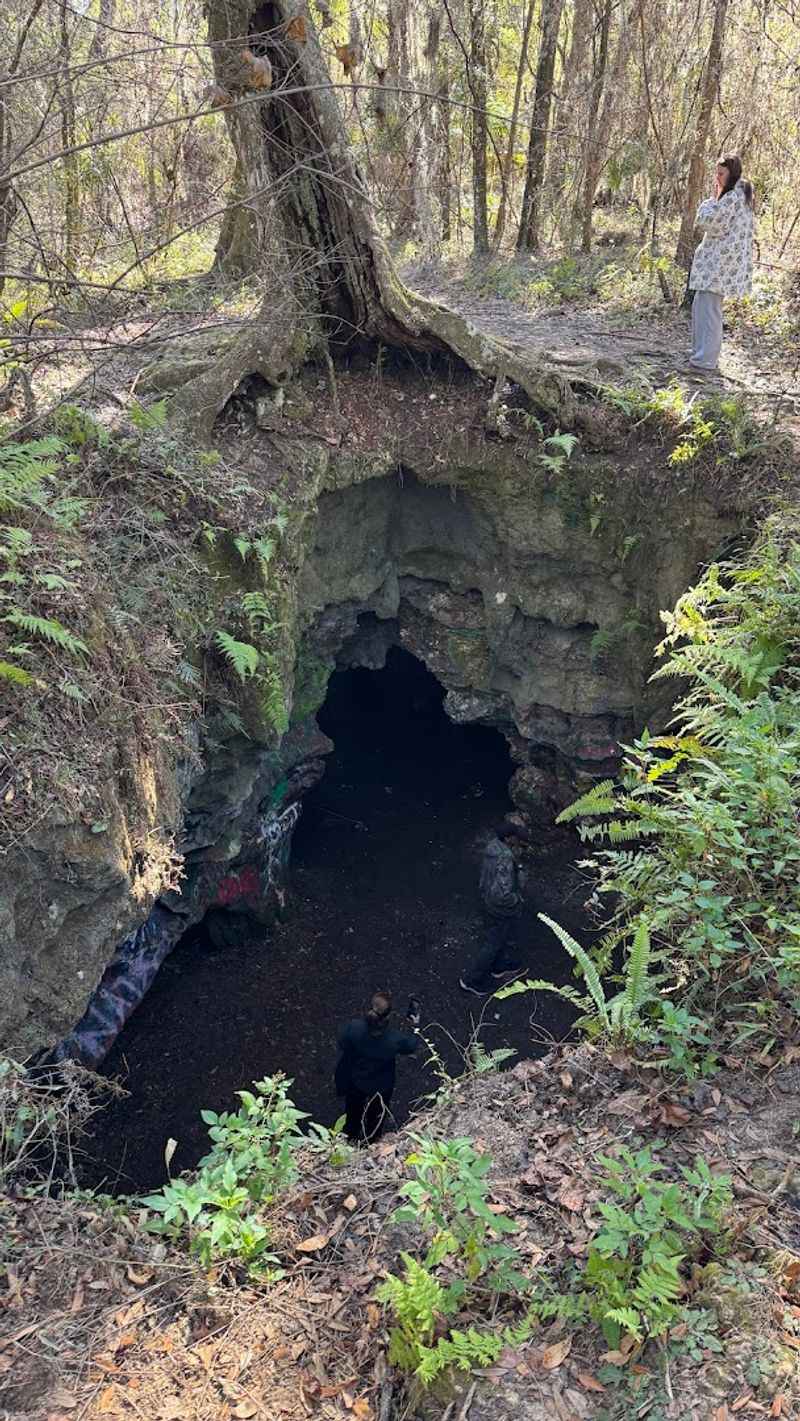
Florida is not exactly famous for its cave systems, which makes finding one feel like uncovering a secret the state has been keeping for years. Dames Cave is located along Trail 22 within the Citrus Tract of the Withlacoochee State Forest, at the address PH54+MR in Lecanto, FL.
Lecanto sits in Citrus County on Florida’s Nature Coast, about 75 miles north of Tampa. The trailhead is not heavily marked, so the AllTrails app is a more reliable navigation tool than Google Maps for first-time visitors.
Look for a brown trash can near the start of the trail, which has become an informal landmark pointing hikers in the right direction. The caves themselves are roughly a half mile up the main trail from the parking area.
Open daily from 7 AM to 6 PM, the site is free to enter and accessible to most fitness levels.
The Geology Behind Florida’s Surprising Caves
Florida sits on top of one of the largest limestone platforms in North America, and that geology is exactly why caves like this one exist at all. Over millions of years, slightly acidic groundwater slowly dissolved the limestone bedrock, carving out hollow spaces, tunnels, and caverns beneath the surface.
This process, called karstification, is responsible for Florida’s famous sinkholes as well as its underground cave networks. The caves at this site are shallow compared to deep karst systems elsewhere in the world, but they are genuinely formed by the same natural forces.
The rock walls you touch inside these caves have been shaped over an enormous span of time, which makes the experience feel surprisingly humbling. Running your hand along those rough, pitted surfaces connects you to something far older than anything built by human hands, and that quiet realization tends to stick with visitors long after they leave.
Four Caves, Each With Its Own Personality
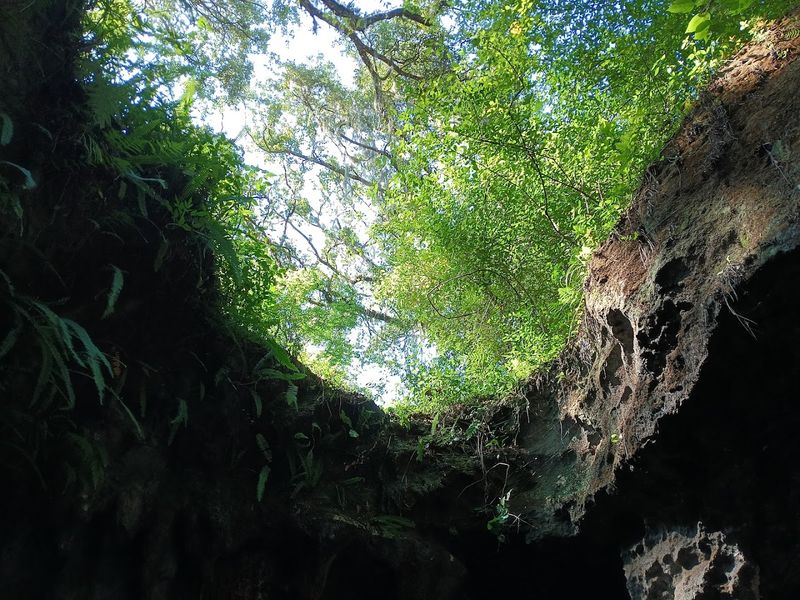
One of the best things about this spot is that there is not just a single cave waiting at the end of the trail. There are four separate caves spread across the area, and each one offers a noticeably different experience from the others.
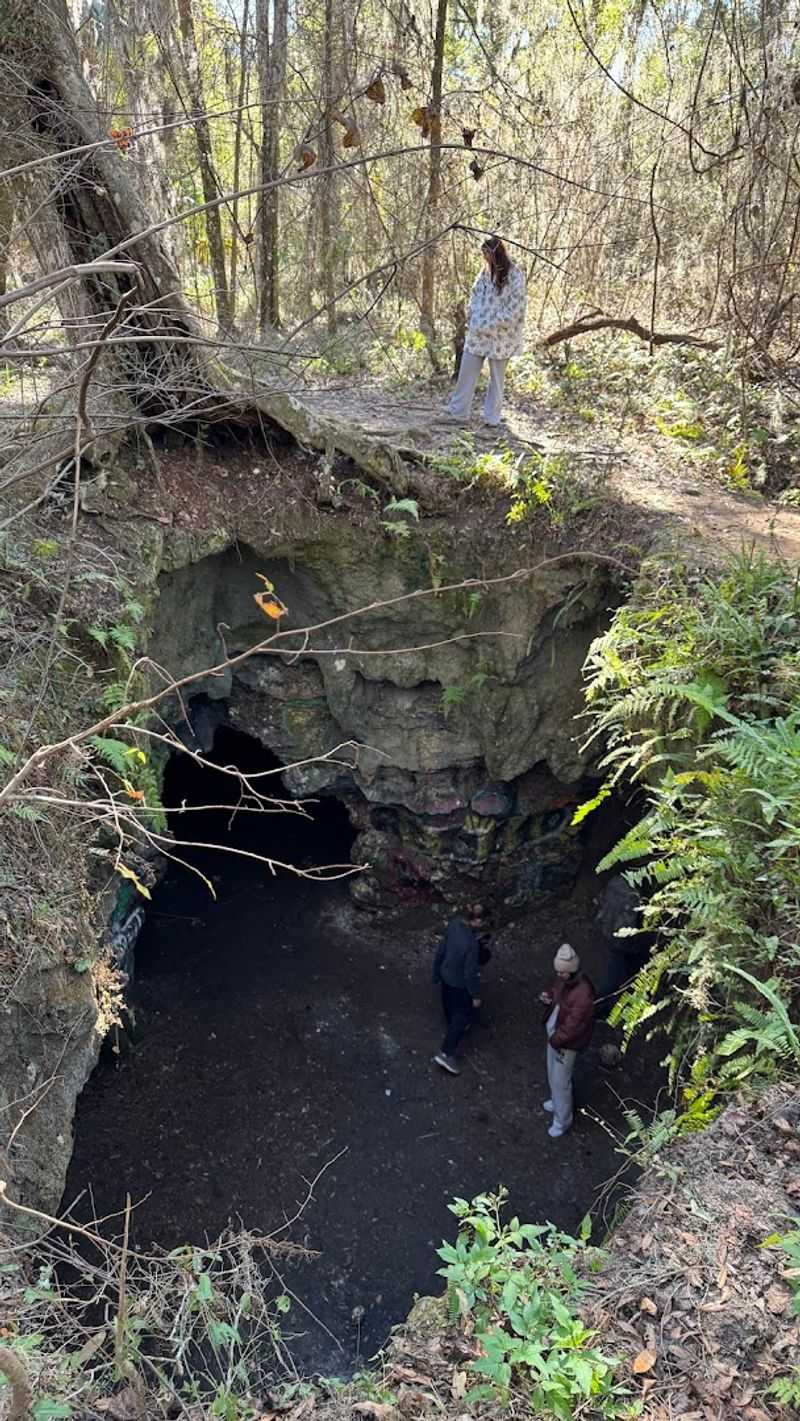
Dames Cave is the most well-known and most visited of the four, and it is large enough to walk into without crouching. The other three caves are smaller, less trafficked, and arguably more interesting precisely because fewer people bother to seek them out.
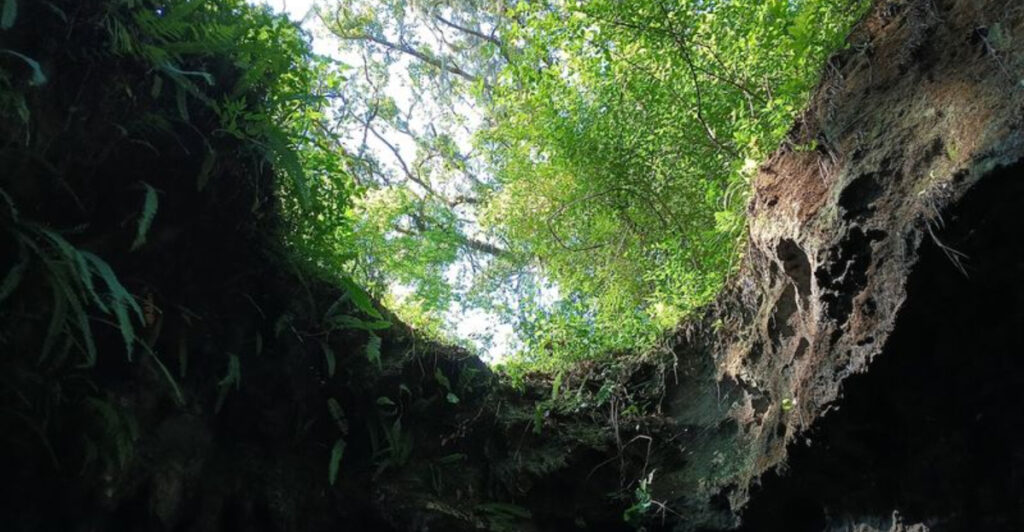
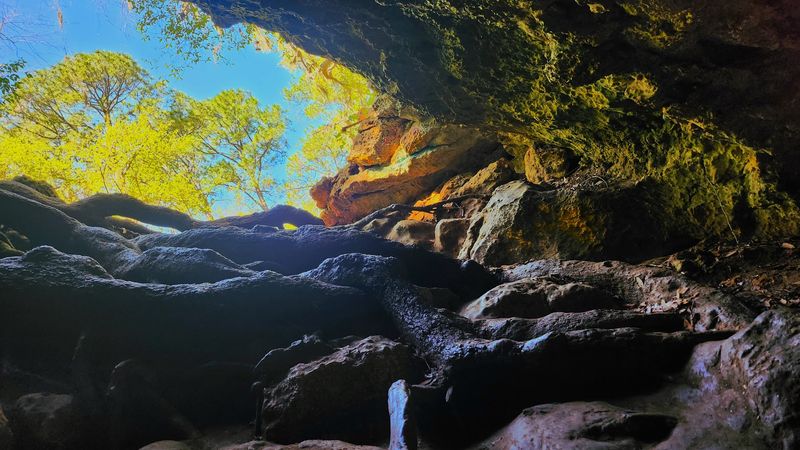
One cave features a natural opening in the ceiling that lets sunlight pour down from above, creating a striking visual that feels almost theatrical. Another has tight crevices and narrow passages that spark serious curiosity.
Spending a full afternoon exploring all four caves, with short hikes connecting them, is a completely doable and rewarding way to experience everything this unusual outdoor destination has to offer.
What the Main Cave Actually Looks Like Inside
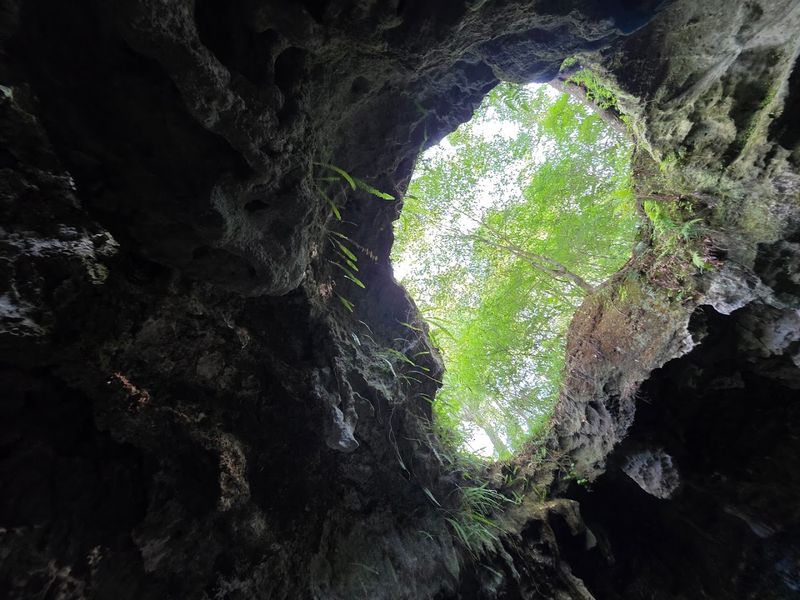
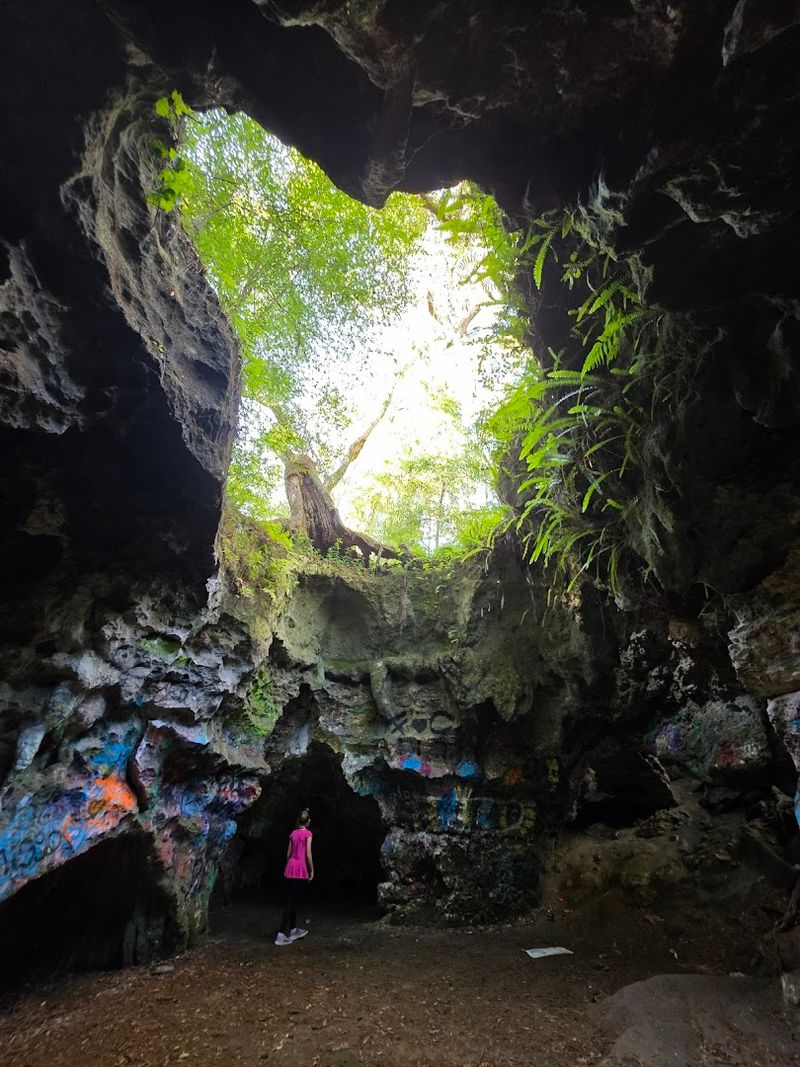
The main attraction earns its reputation the moment you step inside. The ceiling rises high enough that most adults can stand fully upright, and the walls curve outward in a way that makes the space feel genuinely cavernous rather than just a shallow rock shelter.
Natural light filters in through the entrance and through a gap in the ceiling, casting soft shadows across the uneven rock floor. The air inside is noticeably cooler than the forest outside, which feels especially welcome on a warm Florida afternoon.
The floor is a mix of packed earth, loose rock, and small boulders, so solid footwear with good grip is strongly recommended before you head in. The texture of the walls is rough and pitted, full of tiny holes and ridges created by centuries of water erosion.
It is raw, unpolished, and genuinely wild in a way that no manicured tourist attraction could ever replicate.
The Half-Mile Hike That Sets the Mood
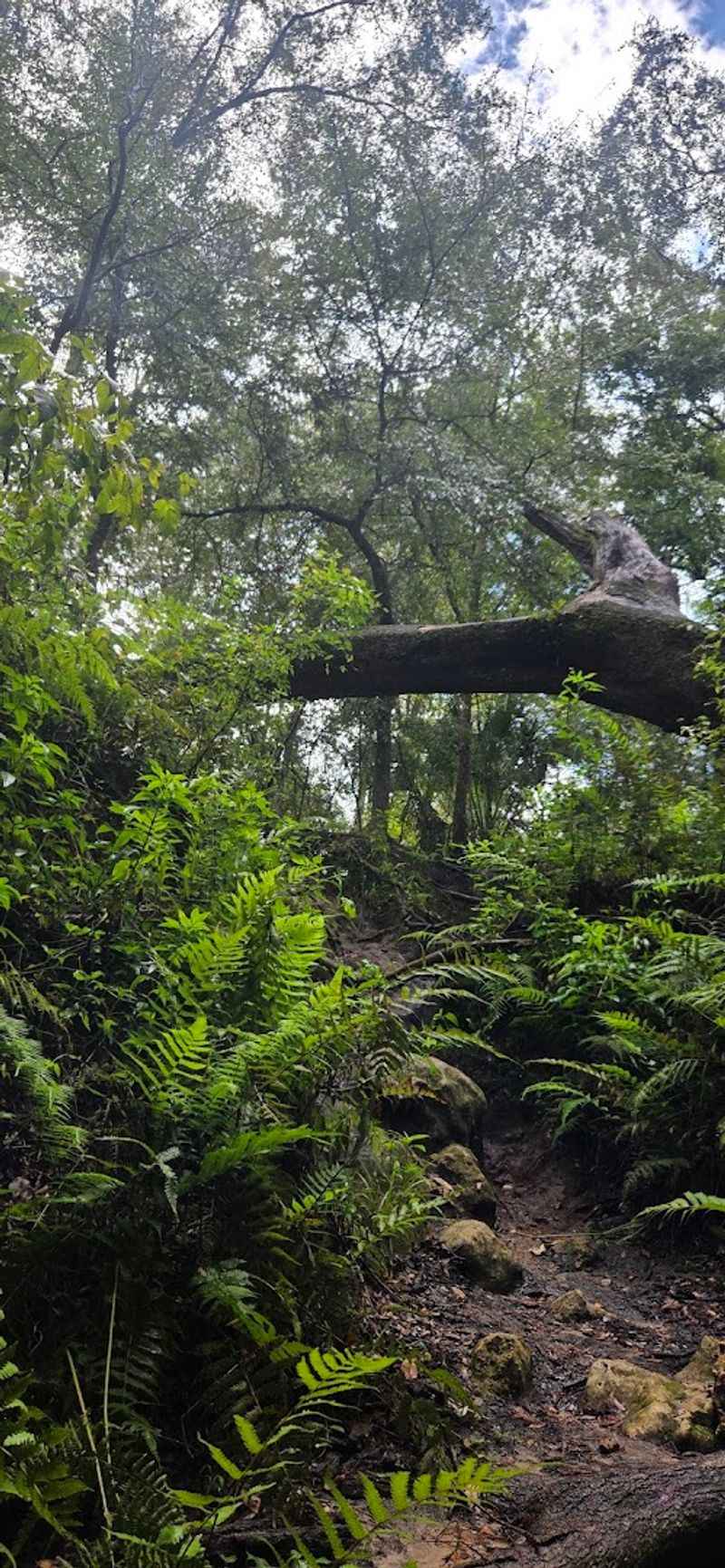
Getting to the caves is half the fun, and the trail that takes you there does a great job of building anticipation. The path runs about half a mile from the trailhead to the main cave area, winding through a mixed forest of oaks, palms, and pines that feels genuinely lush and shaded.
The terrain is mostly flat, which makes it accessible for young kids and older adults alike. Along the way, fallen trees provide natural obstacles to hop over, and mushrooms pop up along the forest floor in the wetter months, adding small bursts of visual interest.
The trail is not paved or manicured, so it has the honest feel of a real outdoor adventure rather than a guided nature walk. A few off-shoot paths branch away from the main trail and invite further exploration for those who want to wander a bit before reaching the caves themselves.
Bouldering Opportunities That Climbers Actually Love
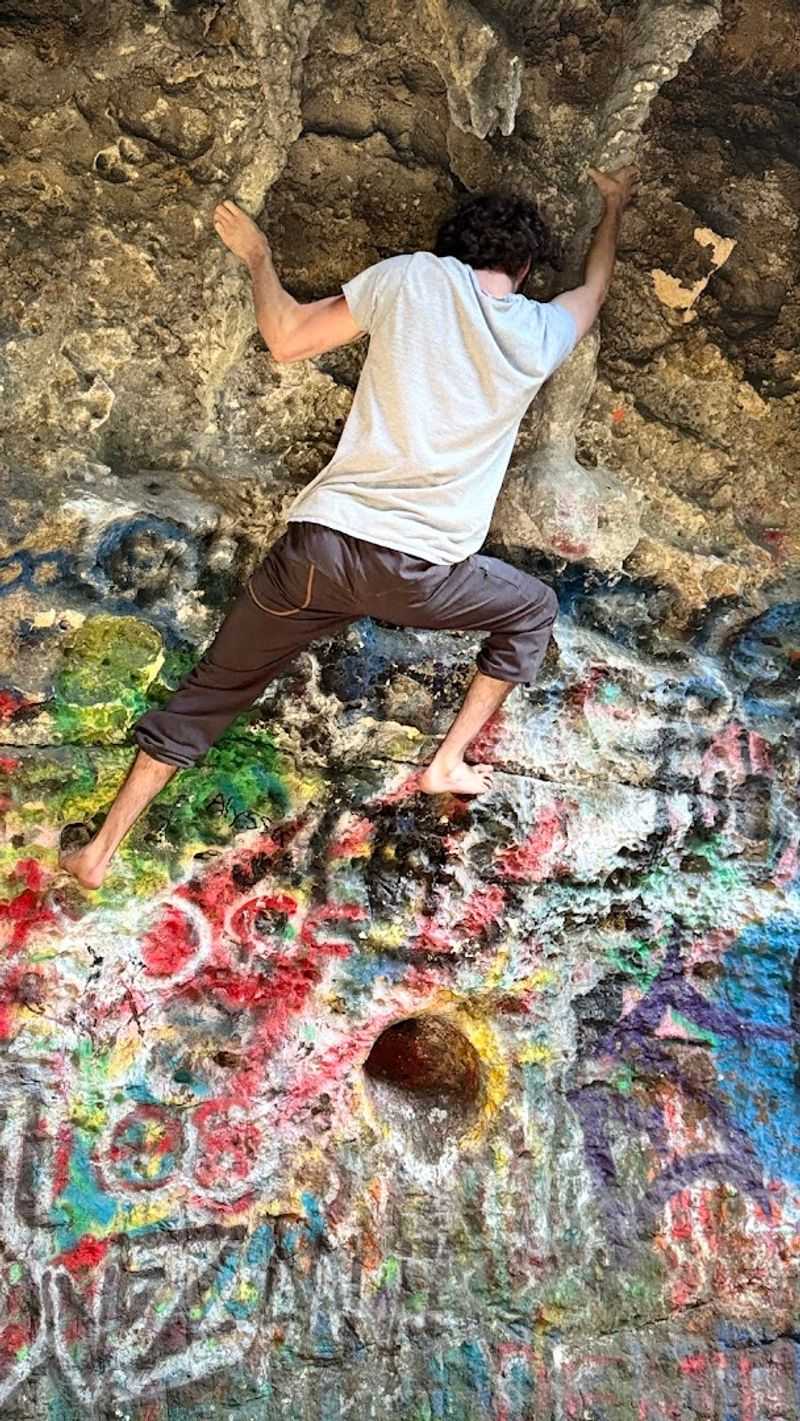
Florida is not a state that climbers usually put on their bucket list, mostly because the entire peninsula is famously, stubbornly flat. That makes the rock formations at this site genuinely exciting for anyone who enjoys bouldering or scrambling on natural surfaces.
The limestone outcroppings around the cave area offer enough variety and challenge to keep a casual climber busy for a good stretch of time. The rock is grippy in dry conditions and provides natural handholds and footholds that do not require any equipment beyond a good pair of shoes.
Families with adventurous kids especially appreciate this feature, since the rocks give younger visitors something physical and playful to do beyond just looking at cave walls. Weekends tend to draw a modest crowd of outdoor enthusiasts who come specifically for the bouldering, so arriving earlier in the morning on a Saturday or Sunday will give you more space to move around freely.
A Free Outdoor Adventure in an Era of Expensive Everything
At a time when most family outings seem to come with a steep price tag, this place stands out for a refreshingly simple reason: it costs absolutely nothing to visit. No entrance fee, no parking charge, no ticket booth, and no reservation system to navigate.
That zero-cost factor makes it especially popular with local families, hikers on a budget, and anyone who simply wants a real outdoor experience without the overhead of a theme park or organized tour. A family of five spent nearly five and a half hours exploring all the caves and trails here without spending a single dollar on admission.
Pack your own snacks and water, wear sturdy shoes, and you are fully equipped for a genuinely memorable day out. Free does not mean low quality here; it means the forest and the caves are doing all the work, and they do it remarkably well.
What to Bring for the Best Experience
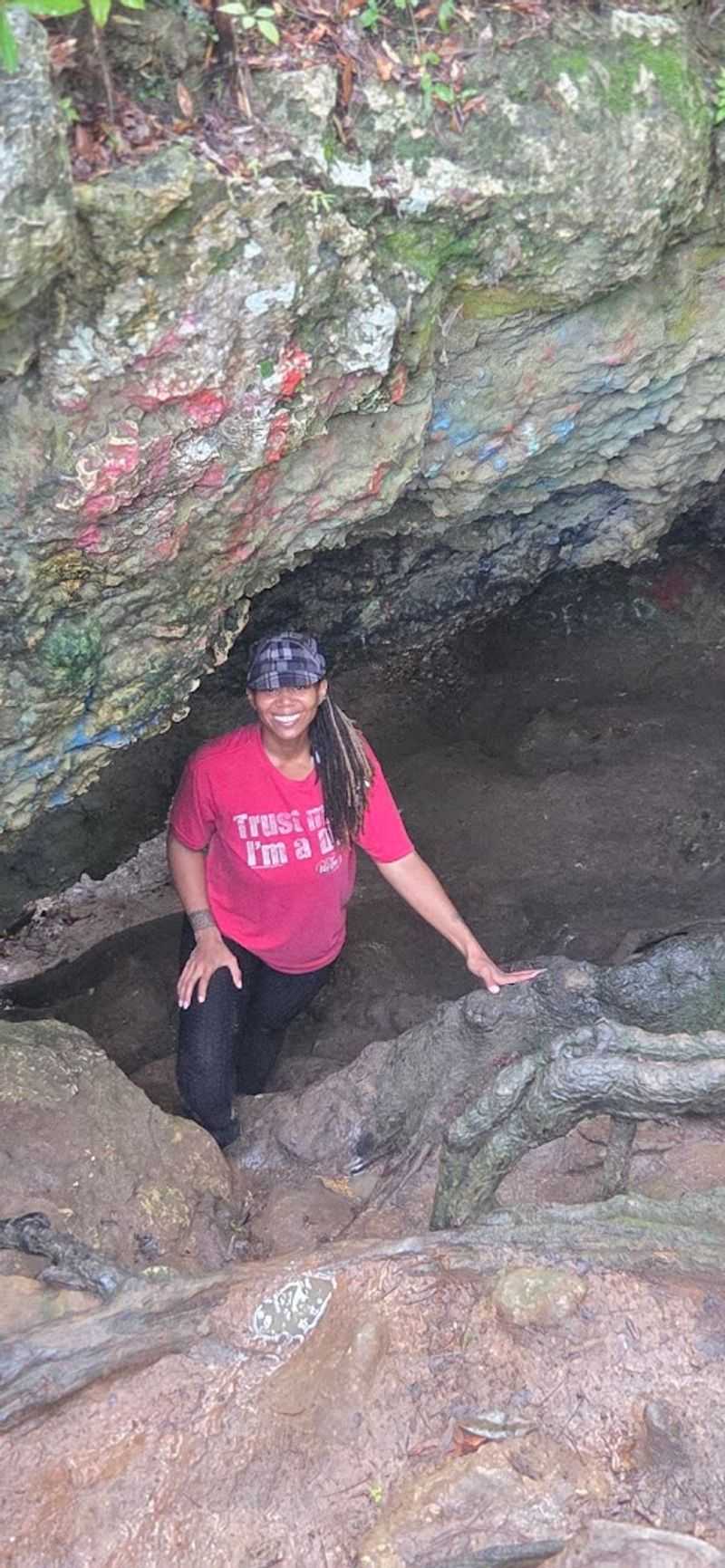
A little preparation goes a long way at this site, especially since it lacks the infrastructure of a managed state park. The single most important item to bring is a reliable headlamp, and it is worth carrying two backup light sources as well, since the interior of the caves gets genuinely dark once you move away from the entrance.
Sturdy closed-toe shoes with ankle support are essential because the cave floors and surrounding terrain are uneven, rocky, and occasionally slippery. A helmet is a smart addition for anyone planning to squeeze into smaller cave passages where low ceilings are a factor.
Bring more water than you think you need, especially during Florida’s hot and humid months from April through October. A small trash bag tucked into your pack is a thoughtful addition that helps keep the site clean for everyone who comes after you, and that kind of care genuinely makes a difference here.
The Litter and Graffiti Problem Worth Knowing About
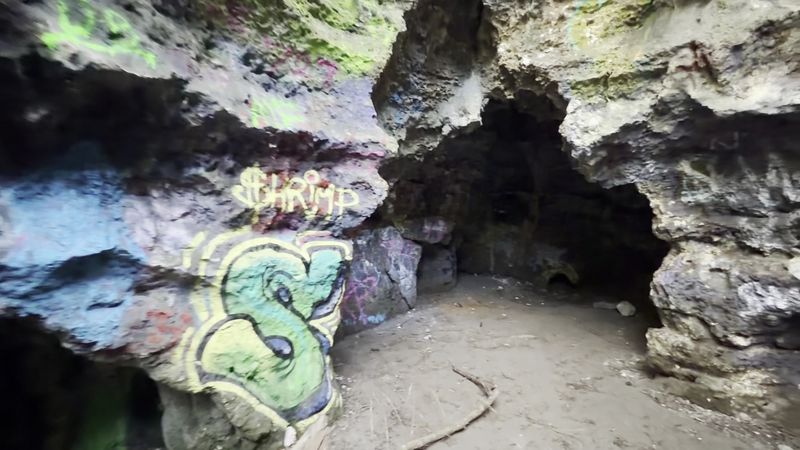
Honesty matters when recommending a place, and this site has a real and visible problem with litter and graffiti that would be unfair to leave out. The cave walls, particularly in the main cave, have been heavily tagged with spray paint over the years, and trash has been left behind by irresponsible visitors on a regular basis.
The area lacks consistent ranger presence or active maintenance, which has allowed the problem to persist and worsen over time. The deeper you hike past the cave area, the cleaner and more peaceful the forest becomes, which gives some sense of what the whole site could feel like with better stewardship.
Bringing a small trash bag and picking up what you can is a simple and meaningful act that many regular visitors already practice. The natural formations themselves are genuinely remarkable, and they deserve far better treatment than they have received from a careless minority of past visitors.
Navigation Tips So You Do Not Get Turned Around
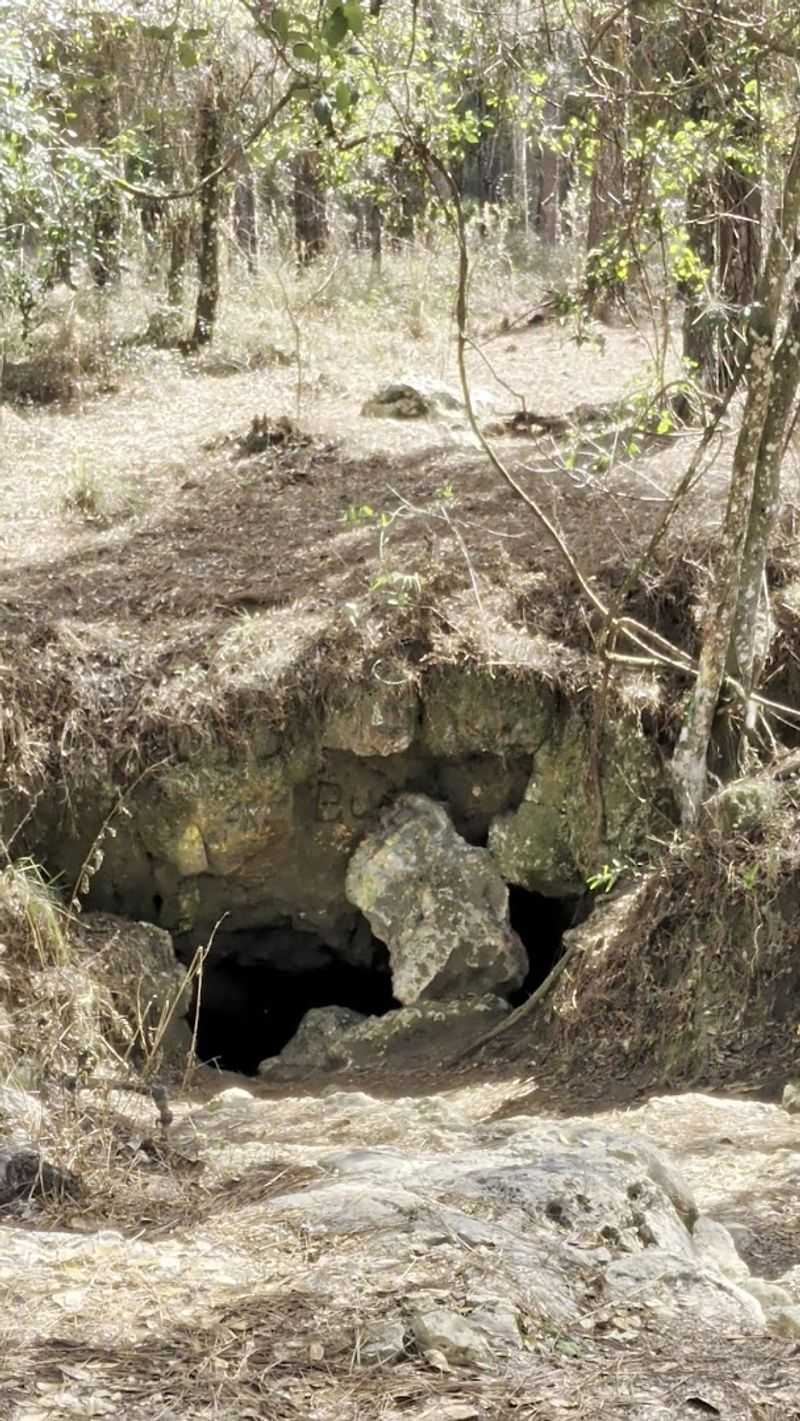
Getting to the caves without a bit of directional help can be genuinely confusing, and more than a few visitors have arrived at the parking area only to wander in the wrong direction for a while before finding the trail. The signage at the trailhead is minimal at best, and Google Maps does not always route drivers or hikers accurately once they are on foot.
The AllTrails app is consistently recommended as the most reliable navigation tool for this specific location. It provides a trail map that clearly marks the path to the caves and helps distinguish the main trail from the various side paths that branch off along the way.
The brown trash can near the trailhead is a surprisingly useful landmark for orienting yourself at the start. Once you are on Trail 22 and heading in the right direction, the half-mile walk to the caves is straightforward, but having a map on your phone the whole time is simply smart practice here.
The Best Time of Day and Year to Visit
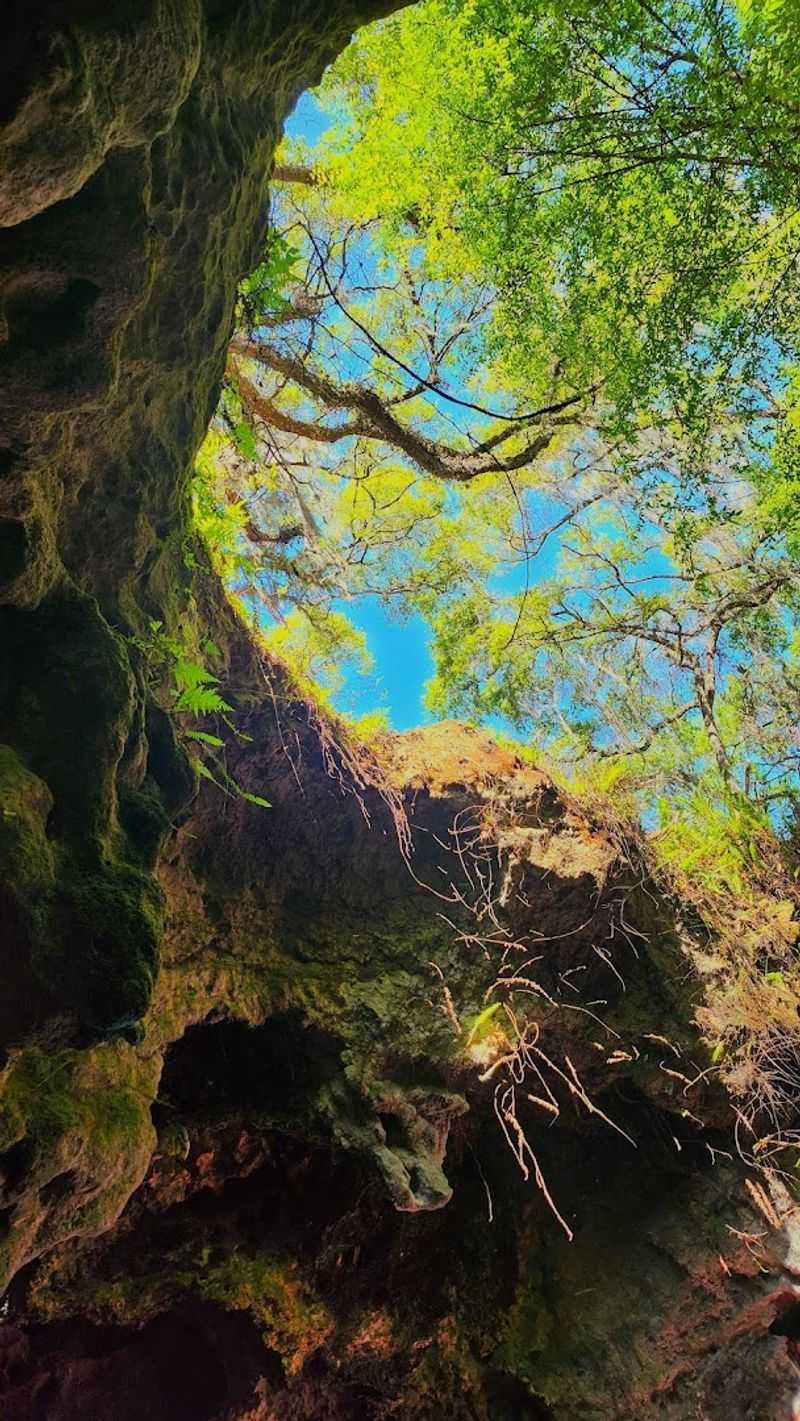
Florida’s climate plays a big role in how enjoyable any outdoor adventure turns out to be, and this site is no exception. The cooler months from November through March offer the most comfortable hiking conditions, with lower humidity, milder temperatures, and far fewer insects than the summer season brings.
Early morning visits, particularly on weekdays, give you the best chance of having the trails and caves largely to yourself. Weekends draw more families and outdoor enthusiasts, which makes the experience livelier but also more crowded around the main cave entrance.
Arriving right around the 7 AM opening time during a cool winter morning is genuinely one of the best ways to experience this place at its most peaceful and atmospheric. The forest light in the early hours is soft and golden, the air carries a pleasant chill, and the caves feel especially quiet and unhurried when the crowds have not yet arrived for the day.
The Cave With a Skylight That Stops Hikers in Their Tracks
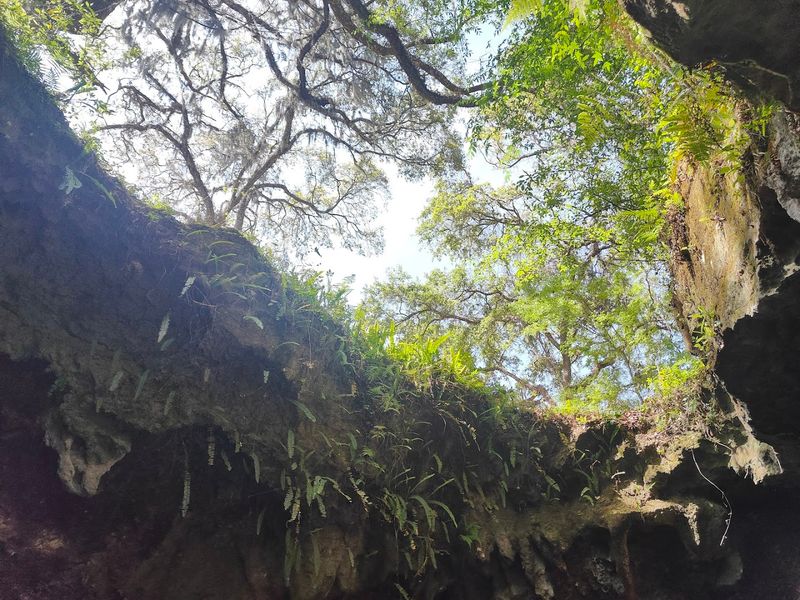
Among the four caves at this site, one stands out for a feature that feels almost theatrical in the best possible way. A natural gap in the cave ceiling lets a shaft of sunlight pour straight down into the interior, creating a beam of light that cuts through the dimness and illuminates the rock walls below in a striking way.
The effect is especially dramatic on clear mornings when the sun is at a low angle and the light enters the cave at a slant. Photographers and casual visitors alike tend to stop and stare for a moment, which is a completely understandable reaction.
This feature is one of the reasons experienced visitors recommend exploring beyond just the main Dames Cave and seeking out each of the four cave entrances individually. The lesser-visited caves reward curiosity with details and moments that the main entrance, as impressive as it is, simply cannot match on its own.
Nearby Trails for Those Who Want More After the Caves
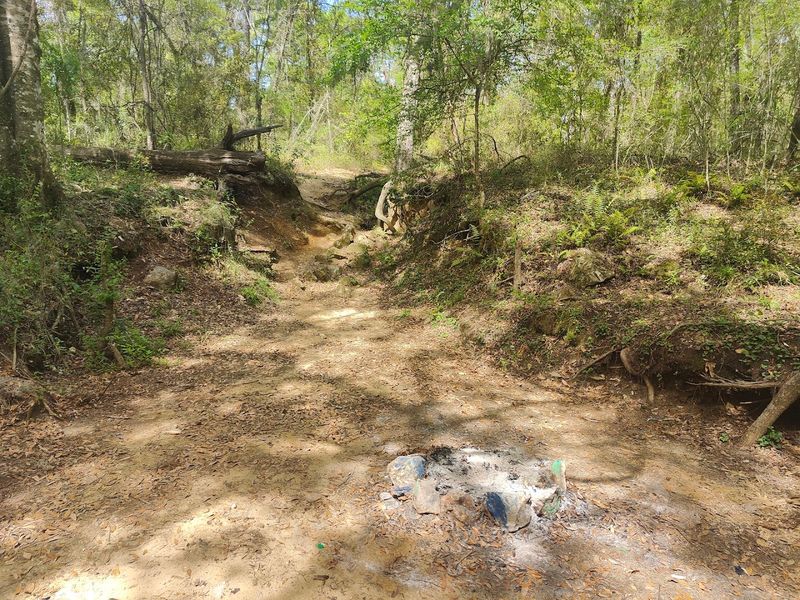
The cave area sits within the larger Withlacoochee State Forest, which means there is significantly more trail to explore once you have finished with the caves themselves. The deeper sections of the forest past the cave area are noticeably cleaner and quieter, offering a pleasant contrast to the busier cave entrance zone.
The Annutteliga Hammock Trailhead, located a short drive down the road from the cave parking area, provides a long loop trail through mature hardwood hammock forest. That trail is well-maintained, clearly marked, and a worthwhile extension of any visit to the cave site.
Combining both locations into a single day trip gives you a well-rounded experience of what Citrus County’s natural landscape truly looks like. The Nature Coast region of Florida is genuinely underappreciated by visitors who stick to the coasts, and a day spent exploring these interconnected forest trails makes a strong case for coming back again with more time to spare.
Why This Place Stays With You After You Leave
Most Florida day trips follow a familiar script: a beach, a spring, a theme park, or a boardwalk. This cave site breaks that script entirely, and that is precisely why it tends to leave a stronger impression than many better-known destinations in the state.
The combination of free access, real geological features, physical exploration, and genuine wildness creates an experience that feels earned rather than packaged. You hike to reach it, you use your own light to see inside it, and you navigate a trail without a guide holding your hand, and all of that adds up to something that feels authentically adventurous.
Florida has a way of surprising people who think they already know what it has to offer, and this cave system is one of the clearest examples of that. Once you have stood inside a real limestone cave on Florida soil, it becomes very hard to look at the state the same way again.
Share this story