Phoenix sits in the heart of the Sonoran Desert, where red rock formations, towering saguaro cacti, and wide-open skies make for a seriously impressive backdrop. The city gets over 300 days of sunshine a year, which means there is almost never a bad time to visit.
Whether you are chasing outdoor adventure, world-class art, or just want to explore a landscape that looks like it belongs on another planet, Phoenix delivers. From ancient cultural landmarks to trails that take you high above the city skyline, this destination has more layers than most people expect.
The 13 places listed here cover the full range of what makes Phoenix worth the trip, from peaceful garden walks to rugged mountain hikes. Each one offers something genuinely different, so no two stops on this list will feel the same.
Read on to find out which spots deserve a spot on your Phoenix itinerary.
1. Desert Botanical Garden
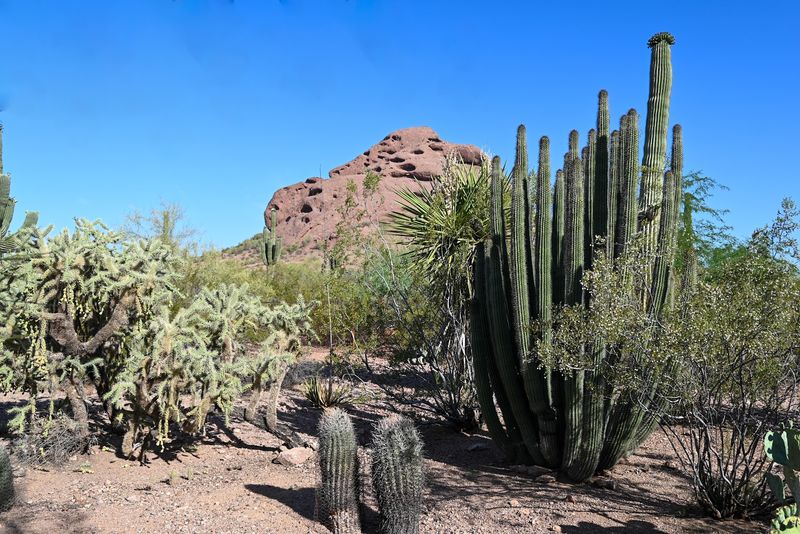
Spread across 140 acres inside Papago Park, the Desert Botanical Garden is one of the most impressive plant collections anywhere in the world. It holds over 50,000 plants from arid regions across the globe, with more than 4,000 plant taxa represented across its 55 acres of outdoor exhibits.
One-third of those plants are native to the Sonoran Desert, and 379 species on display are classified as rare, threatened, or endangered. That makes a visit here more than just a pleasant stroll.
It is a front-row look at plants that are genuinely hard to find anywhere else.
The garden offers guided tours, workshops, and rotating art exhibitions throughout the year. Families with kids will find interactive exhibits that explain desert ecology in a clear and engaging way.
Spring is a popular time to visit when many cacti and wildflowers are in bloom, but the garden stays open and worth visiting year-round.
2. Camelback Mountain
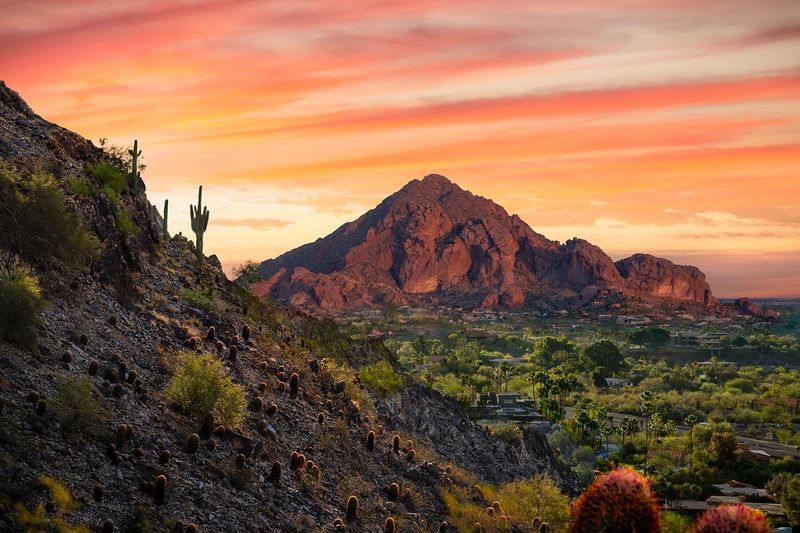
Named for the unmistakable shape of a kneeling camel, Camelback Mountain is one of the most recognizable landmarks in the entire Phoenix area. At 2,704 feet, the summit offers some of the best panoramic views of the Valley of the Sun you will find anywhere.
Two trails lead to the top: Echo Canyon and Cholla. Both are rated as challenging, with steep inclines and rocky scrambles near the upper sections that require real effort.
Hikers gain about 1,200 feet in elevation from trailhead to summit, so this is not a casual afternoon walk.
That said, the payoff is genuinely worth it. From the top, you get a full 360-degree view of downtown Phoenix, Scottsdale, and the surrounding mountain ranges.
Most hikers recommend an early morning start to avoid the midday heat. Bring plenty of water, wear good shoes, and plan for at least two to three hours round trip.
3. Papago Park
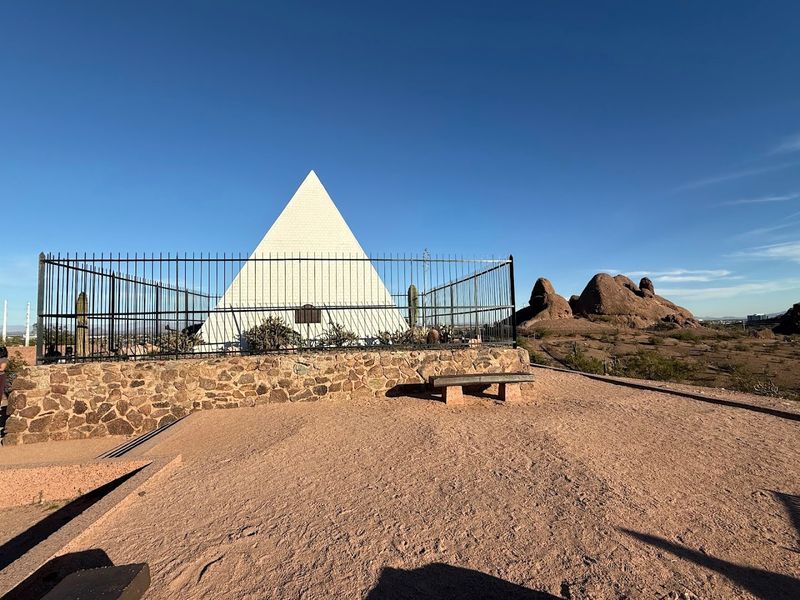
Papago Park is the kind of place that surprises first-time visitors. Those distinctive red sandstone formations rising out of the flat desert floor look like something from a geology textbook, and they have been drawing curious visitors for well over a century.
The park sits between Phoenix and Tempe, making it one of the most accessible natural areas in the metro. Trails here are generally short and easy, which makes it a great choice for families, casual hikers, or anyone who wants a desert experience without a strenuous climb.
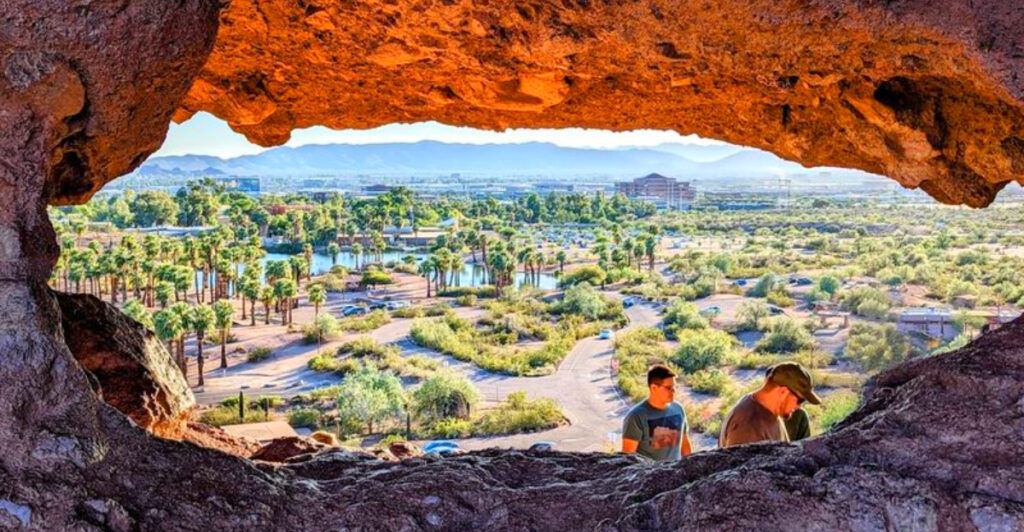
The famous Hole-in-the-Rock formation is the most popular stop, offering a natural window framing views of the surrounding landscape.
Papago Park is also home to the Desert Botanical Garden and the Phoenix Zoo, so you can easily combine multiple stops in a single visit. Parking is available and free at most trailheads.
The park is open year-round and is especially pleasant during the cooler months between October and March.
4. Heard Museum
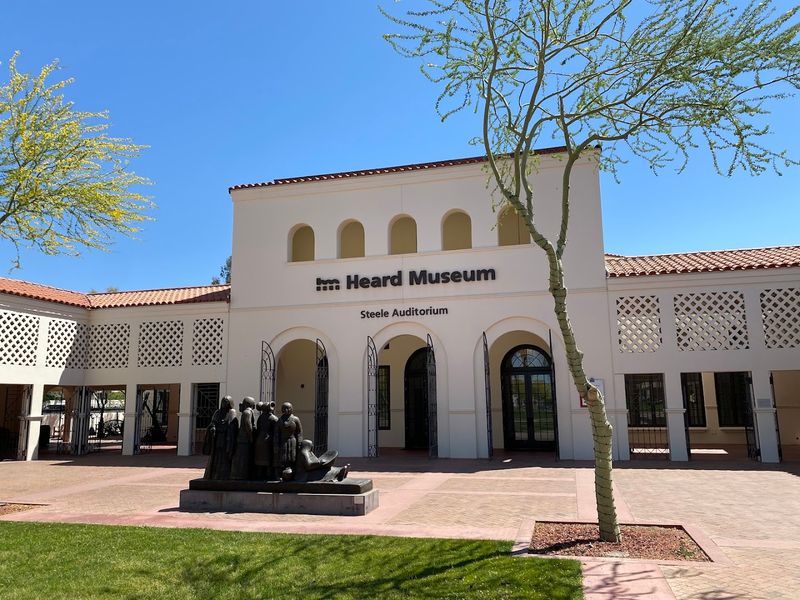
Few museums in the Southwest carry the cultural weight of the Heard Museum. Founded in 1929, it has grown into one of the most respected institutions in the country for the study and celebration of Native American art, history, and culture.
The permanent collection spans thousands of objects, including pottery, jewelry, textiles, and paintings from tribes across the Southwest and beyond. One of the most powerful exhibits focuses on the history of Native American boarding schools, presenting a deeply important chapter of American history with honesty and care.
Rotating exhibitions bring in contemporary Native artists alongside historical works, keeping the experience fresh for repeat visitors. The museum also hosts events, artist talks, and cultural festivals throughout the year.
The gift shop is worth a stop on its own, carrying authentic handmade pieces from Native artists rather than mass-produced souvenirs. Plan at least two to three hours here to give the collection the attention it deserves.
5. South Mountain Park and Preserve
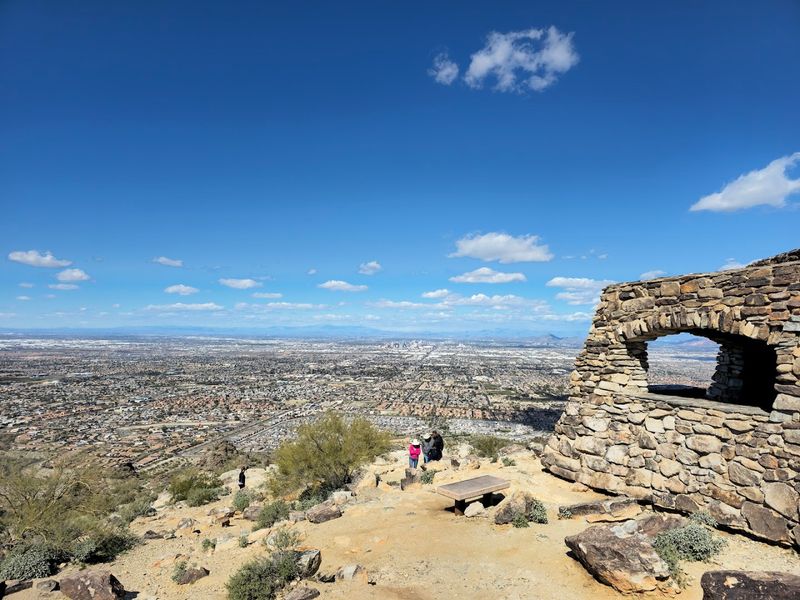
At over 17,000 acres, South Mountain Park and Preserve holds the title of one of the largest municipal parks in the entire United States. That is not a small claim, and the park absolutely backs it up with more than 50 miles of trails built for hiking, mountain biking, and horseback riding.
The terrain ranges from flat desert washes to rocky ridgelines, giving visitors of all fitness levels a trail that fits. Ancient petroglyphs carved into boulders throughout the park add a fascinating historical layer to the outdoor experience.
These rock carvings, made by the Hohokam people, are scattered across multiple sites within the preserve.
Dobbins Lookout is the most visited destination inside the park, reachable by car via Summit Road or on foot via several trail options. The views from the top stretch across the entire Phoenix metro.
Sunrise and sunset are the most popular times to visit, and weekends can get busy, so an early arrival is a smart move.
6. Roosevelt Row Arts District

Roosevelt Row is Phoenix’s most creative neighborhood, and it wears that title proudly on its walls. Literally.
Large-scale murals cover buildings up and down the district, turning a stretch of downtown Phoenix into an open-air gallery that changes regularly as new artists are commissioned.
The area runs along Roosevelt Street between 5th Avenue and 16th Street, with galleries, studios, boutiques, and restaurants filling the spaces between the painted walls. First Friday Art Walks, held on the first Friday of each month, draw large crowds and give visitors the chance to meet local artists, browse new work, and explore the neighborhood at a lively pace.
Beyond the murals, Roosevelt Row has a strong independent business culture. Most of the shops and eateries here are locally owned, giving the district a character that feels genuinely distinct from the rest of the city.
Even on a regular weekday, a walk through the area offers plenty to look at and explore without spending a single dollar.
7. Phoenix Art Museum
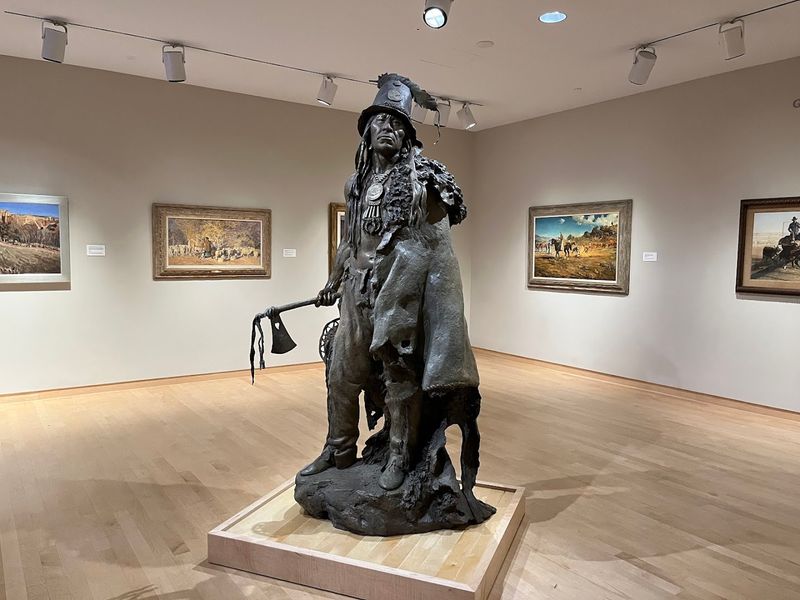
The largest art museum in the entire American Southwest, the Phoenix Art Museum holds a collection of over 20,000 works spanning centuries and continents. The building itself covers more than 285,000 square feet, making it large enough to spend a full day exploring without seeing everything.
The permanent collection includes European masters, American Western art, Asian decorative arts, and a strong selection of Latin American works. The fashion design collection is one of the more unexpected highlights, featuring pieces that treat clothing as a serious art form.
Temporary exhibitions rotate throughout the year and frequently bring in nationally touring shows that draw visitors from across the region. The museum runs a range of public programs, including film screenings, lectures, and family-friendly events.
Admission is free on the first Friday evening of each month, which makes those nights particularly popular. The museum is located in the Midtown neighborhood and has a dedicated parking structure, making it straightforward to visit by car or light rail.
8. Old Town Scottsdale
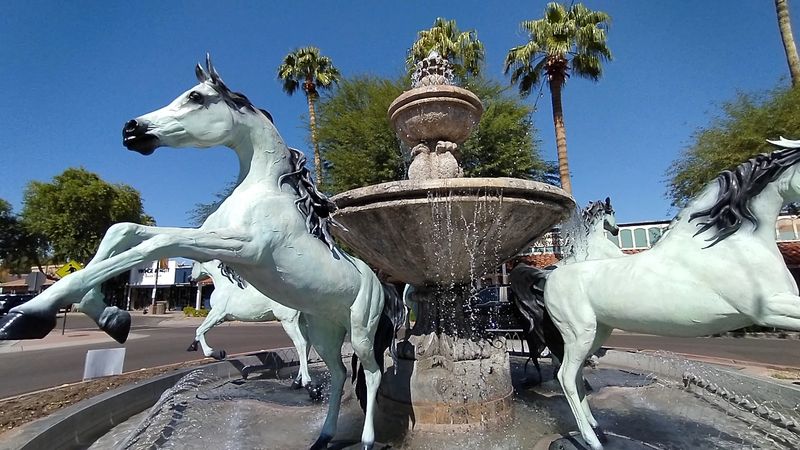
Old Town Scottsdale sits just east of Phoenix and packs a surprising amount of variety into a walkable stretch of streets. The area blends genuine Western history with a lively modern scene, and the combination works better than you might expect.
The historic district features adobe-style buildings, art galleries, boutique shops, and restaurants that range from casual to upscale. The Scottsdale Arts District within Old Town is home to more than 80 galleries, making it one of the densest concentrations of art spaces in the Southwest.
Thursday evening Art Walks are a local tradition worth joining if your visit lines up.
The Western-themed block near Main Street includes a small but well-done collection of historic buildings and a bronze sculpture trail that winds through the district. The Scottsdale Museum of Contemporary Art is also nearby for those who want to extend the cultural experience.
Old Town is easily walkable, and most of the main attractions are within a few blocks of each other.
9. Taliesin West
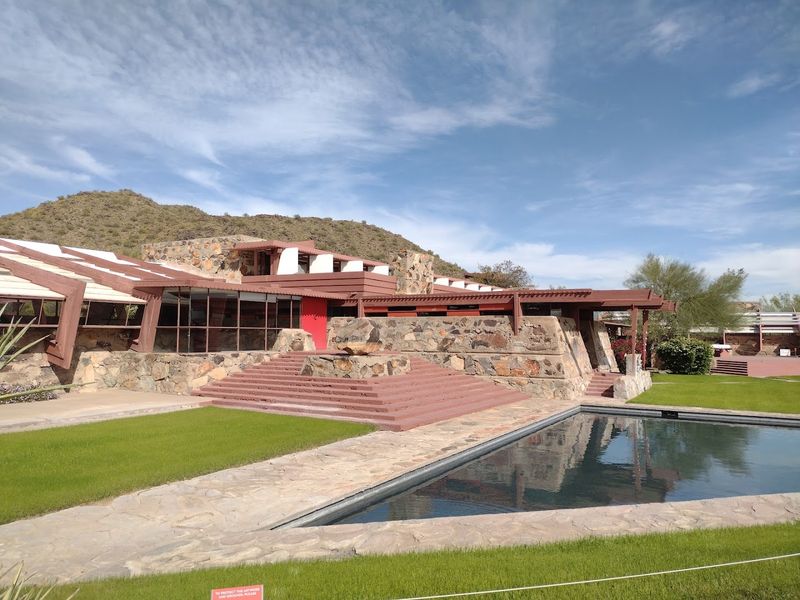
Frank Lloyd Wright built Taliesin West as his winter home and architectural school starting in 1937, and it remains one of the most fascinating buildings in Arizona. The complex was designed to blend directly into the desert landscape, using local stone, sand, and wood to create structures that feel like they grew out of the ground rather than being placed on it.
Today it operates as an active school of architecture and serves as the headquarters of the Frank Lloyd Wright Foundation. Guided tours run daily and cover the history of the site, Wright’s design philosophy, and the ongoing work being done there.
Tours range from 60-minute introductory walks to longer, more detailed experiences for those who want a deeper look.
The property is a UNESCO World Heritage Site, recognized as part of a group of Wright’s most significant works across the United States. Reservations are recommended, especially during peak season.
The site is located in the McDowell Mountains area of Scottsdale, about 30 minutes from central Phoenix.
10. Hole-in-the-Rock
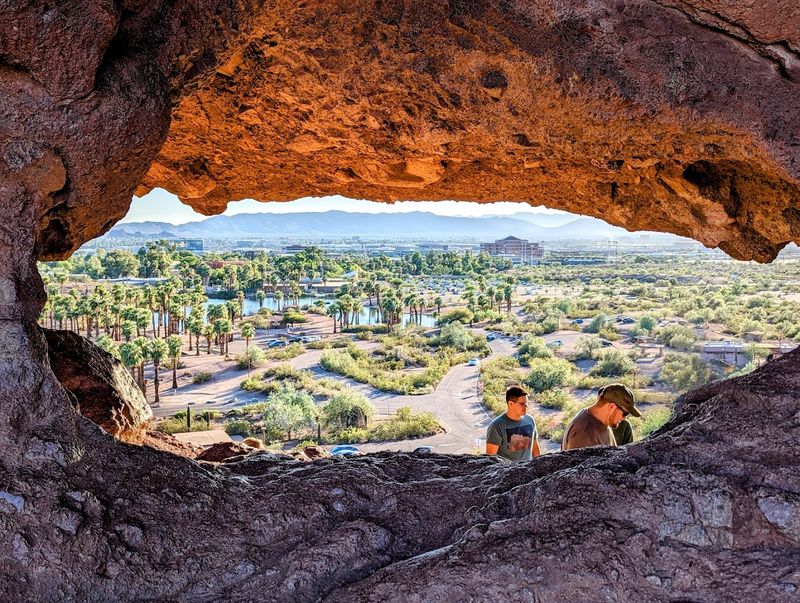
Hole-in-the-Rock is one of those geological curiosities that stops people mid-trail and makes them reach for their phones. The formation is a large, naturally occurring oval opening in a red sandstone butte, and it has been a landmark in the Phoenix area for thousands of years.
Evidence suggests the Hohokam people used this formation as an astronomical calendar, aligning the opening with the rising sun during the winter solstice. That detail alone makes it worth a visit beyond the photo opportunity.
A short, paved path leads from the parking area to the base of the rock, and a staircase takes you up to the opening itself.
The whole trip from car to viewpoint takes about 15 to 20 minutes, making it one of the most accessible natural landmarks in the city. The formation sits inside Papago Park, so it pairs naturally with visits to the Desert Botanical Garden or the Phoenix Zoo nearby.
Morning visits offer the best light for photography.
11. Arizona Science Center
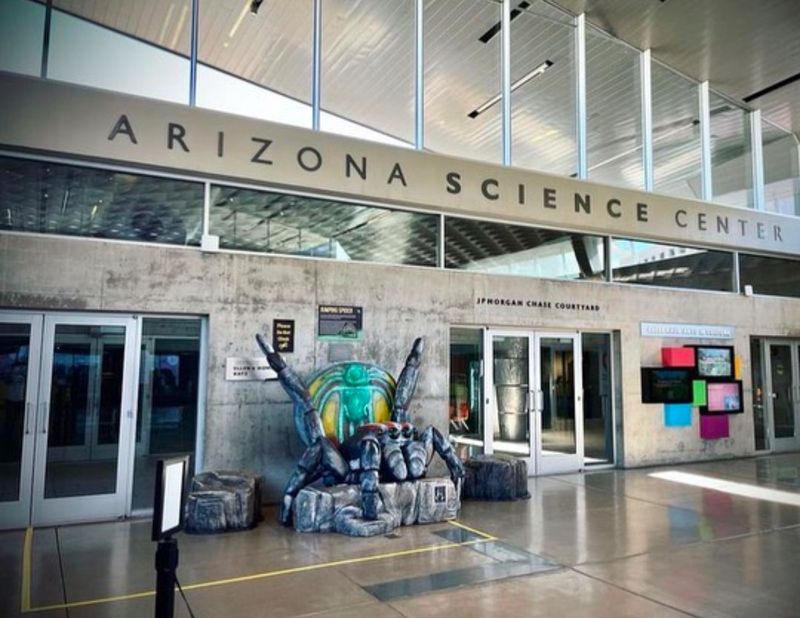
The Arizona Science Center in downtown Phoenix is one of those places where kids drag their parents from one exhibit to the next and parents secretly enjoy every minute of it. The museum covers five floors of interactive exhibits focused on science, technology, engineering, and math.
The Dorrance Planetarium inside the center offers dome-screen shows throughout the day, covering topics from astronomy to natural history. A separate IMAX theater runs educational films that pair well with the exhibit themes.
Both require separate tickets but are worth adding to the visit.
Permanent galleries cover topics including forces and motion, life science, and earth science, with hands-on activities built into nearly every section. The center runs rotating special exhibitions as well, which give repeat visitors new reasons to return.
Located on Washington Street in the heart of downtown, the museum is easy to reach by car or light rail. It is a practical choice on especially hot days when spending time outdoors becomes less appealing.
12. Encanto Park
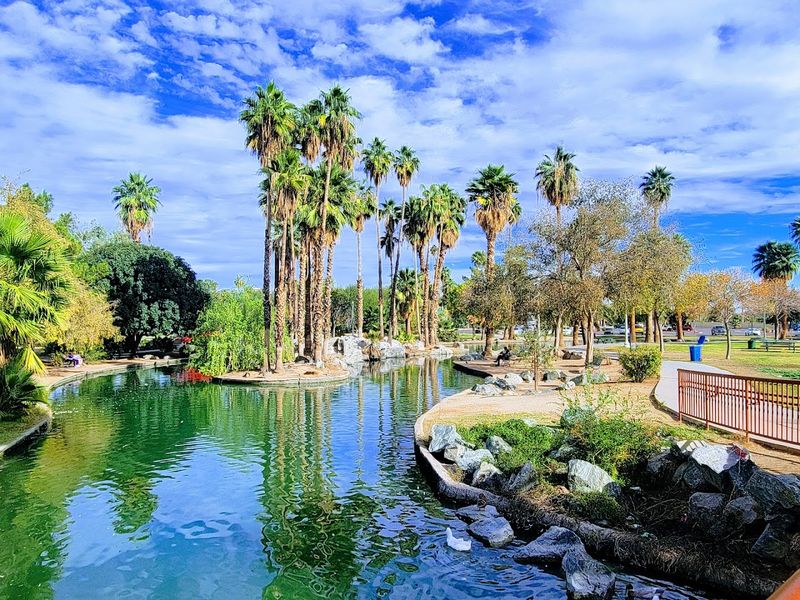
Not every great Phoenix destination involves a strenuous hike or a museum admission fee. Encanto Park, located in a historic neighborhood just north of downtown, is a 222-acre public park that offers a genuinely relaxing alternative to the city’s more intense outdoor options.
The park centers around two lakes that are popular for paddleboating and fishing. Tall trees line the shoreline, creating shaded areas that feel noticeably cooler than the surrounding desert, which is a real advantage in the warmer months.
Picnic tables, open lawns, and a bandshell make it a popular spot for families and groups on weekends.
Enchanted Island, a small amusement area inside the park, features rides and attractions aimed at younger children, making Encanto a practical family destination. The park also has tennis courts, a golf course, and a swimming pool open seasonally.
Admission to the park itself is free, and parking is available on site. It is a good option for a slower-paced afternoon between busier activities.
13. Dobbins Lookout
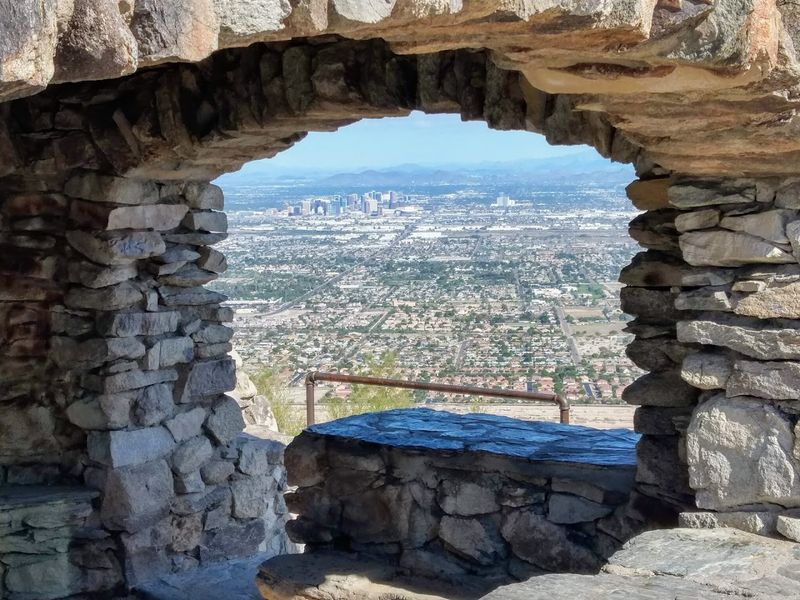
Dobbins Lookout holds the title of the highest accessible point in South Mountain Park and Preserve, sitting at about 2,330 feet above sea level. From the observation area, the entire Phoenix metro spreads out below in a way that makes the city look both enormous and surprisingly ordered.
The lookout is reachable by car via Summit Road, a 5.5-mile paved drive that winds up through the preserve. For those who prefer to earn the view on foot, several trails lead up from lower trailheads to the same destination.
The drive itself offers its own set of views and is worth taking slowly.
A covered ramada at the top provides shade, and interpretive signs explain the geography and history of the region. Sunrise and sunset visits are the most popular, and the parking area can fill up fast on weekends during those times.
Arriving 30 minutes before your target time is a reliable way to secure a good spot without the stress of circling the lot.
Share this story