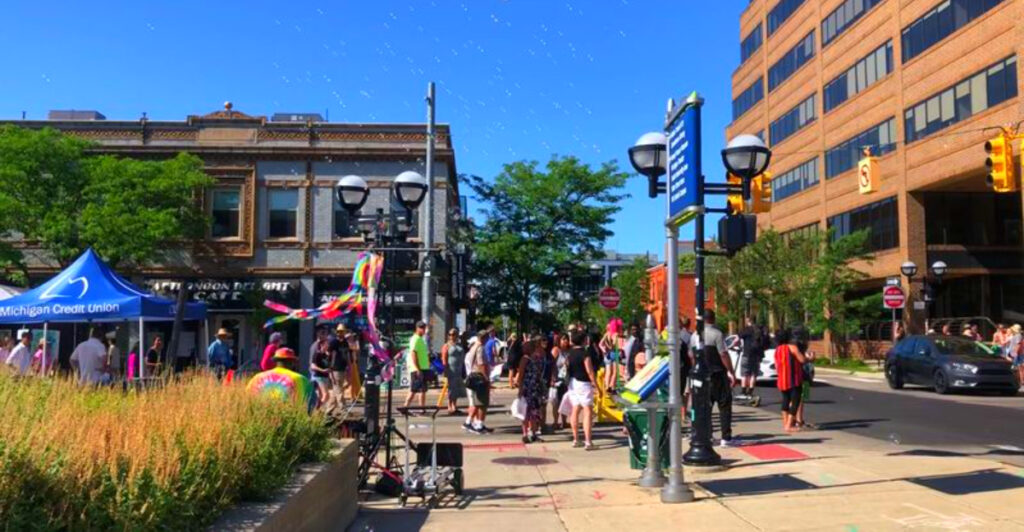
Every July, downtown Ann Arbor becomes one of the largest outdoor art events in the country. The State Street District Art Fair is part of a three-day showcase that draws nearly half a million visitors and features hundreds of artists across ceramics, painting, jewelry, and more.
What sets it apart is the direct access to the artists themselves. Many are on-site, ready to talk about their work, making it feel more personal than most large-scale events.
A Street Grid Turned Into an Open-Air Gallery
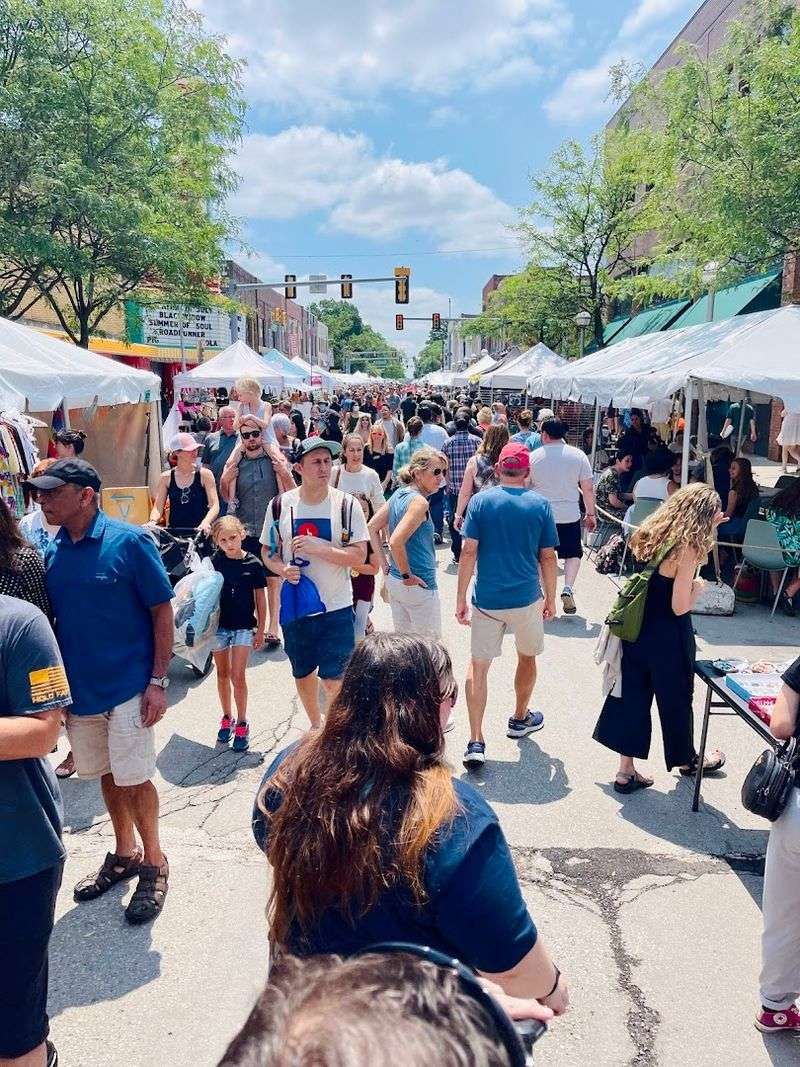
The moment you turn onto Liberty Street and see the rows of white tents stretching as far as you can see, the scale of the Ann Arbor State Street District Art Fair becomes real very fast.
The organization behind it all is based at 527 E Liberty St, Suite 208, Ann Arbor, MI 48104, right in the heart of the action. The fair takes over Liberty, North University, Maynard, East William, and several connecting streets, transforming roughly 30 city blocks into one continuous outdoor gallery.
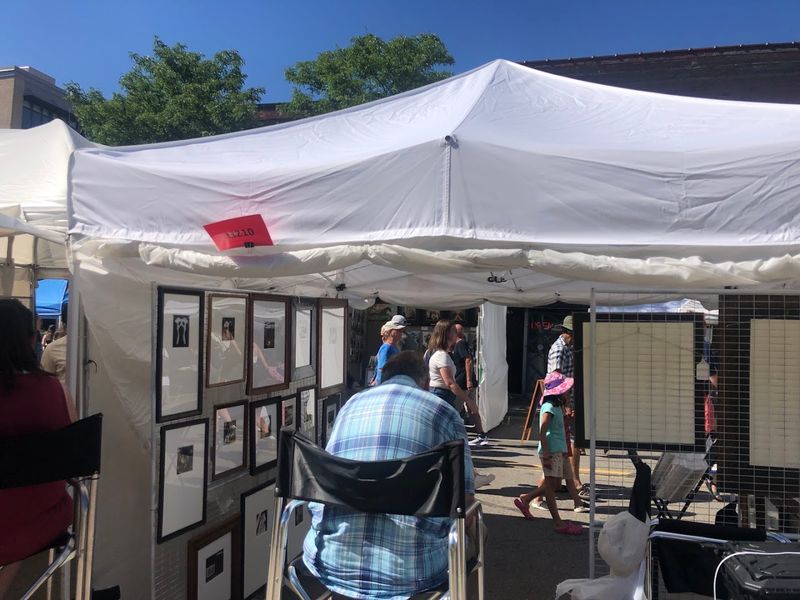
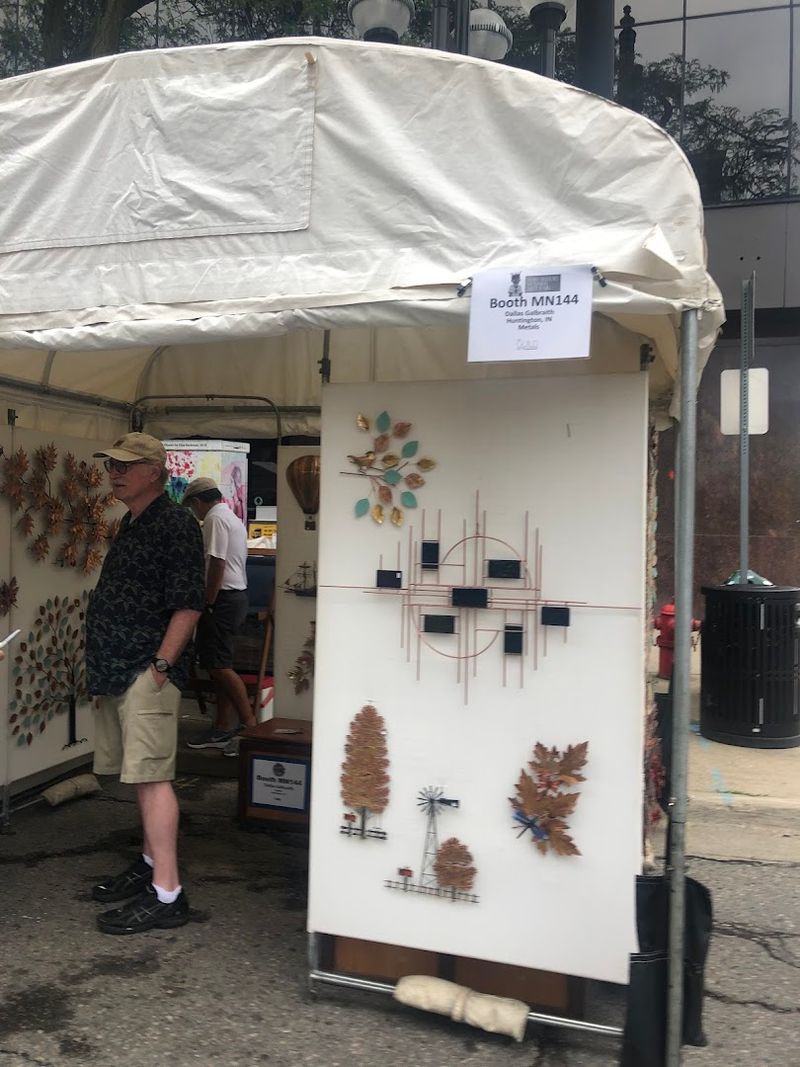
What makes this layout special is that every turn brings something new. One block might be heavy with paintings and photography, while the next surprises you with sculptural glasswork or hand-thrown ceramics.
The streets are closed to traffic during the fair, so the whole area belongs entirely to art and the people who love it. It is a full sensory experience that no museum floor plan could ever replicate.
How a 1968 Idea Grew Into a Michigan Institution
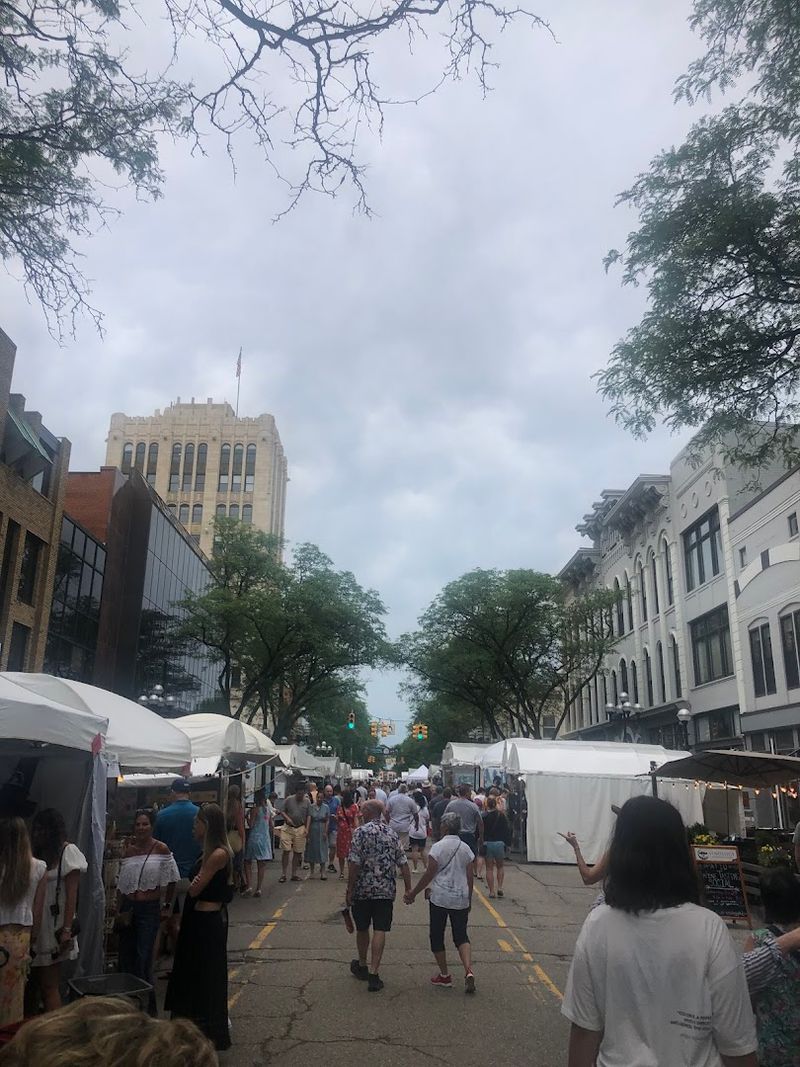
Most events that started in 1968 have either faded out or been swallowed by corporate sponsors, but the State Street District Art Fair has done neither.
Founded as an independent, juried, non-profit art fair, it has spent over five decades refining what it means to celebrate original art in a public space. The non-profit structure is not just a legal detail.
It means that every dollar the fair generates goes back into supporting artists, strengthening local businesses, and funding community programs rather than padding anyone’s profit margin.
That commitment to purpose over profit is exactly why the event has earned award recognition and continued loyalty from both artists and visitors year after year. The fair did not grow by accident.
It grew because the people running it genuinely believed that accessible, high-quality art could change how a community feels about itself. More than 50 years later, that belief still shows in every carefully juried booth on the street.
What “Juried” Actually Means for the Art You See
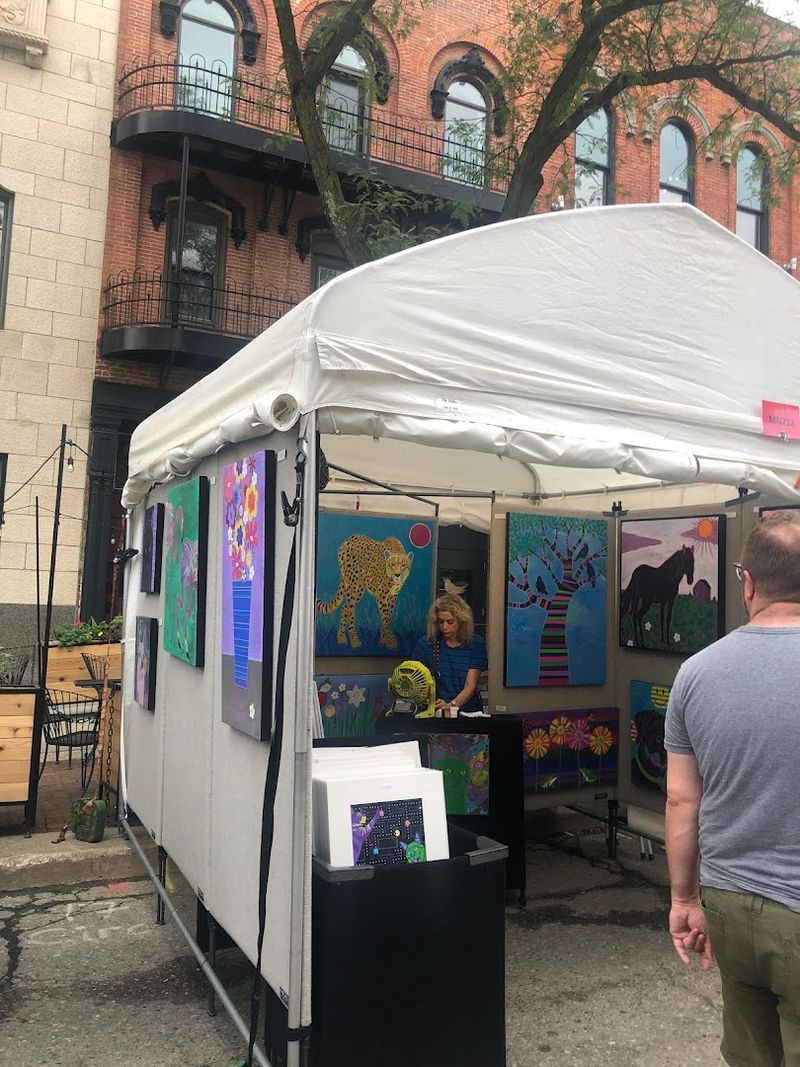
Not every outdoor market gets to call itself a juried art fair, and that distinction matters more than most visitors realize.
For the State Street District Art Fair, every artist who wants to participate must go through a competitive selection process. A panel of qualified reviewers evaluates submitted work based on originality, craftsmanship, and artistic merit before any booth space is awarded.
That means the roughly 200 to 300 artists you encounter on those streets earned their spot.
This process protects the quality of the experience for everyone walking through. You will not stumble across mass-produced items dressed up as handmade art.
What you find instead is work that reflects real skill, real creative decisions, and real hours of labor. For collectors and casual browsers alike, that guarantee of quality changes the entire feeling of shopping at the fair.
It turns browsing into something that feels more like visiting a curated exhibition than a typical outdoor market.
The Surprising Range of Art Waiting on Those Blocks
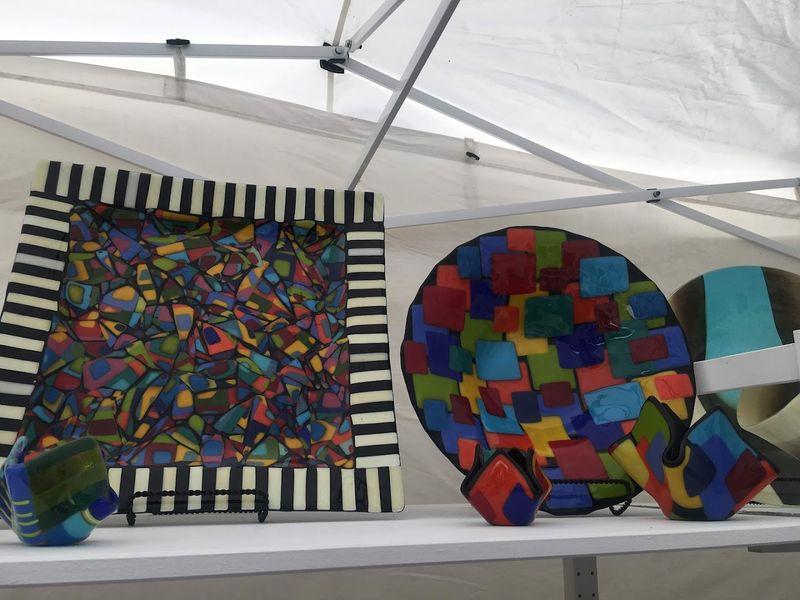
People sometimes assume an art fair means paintings and not much else, but the State Street District Art Fair dismantles that idea within the first few minutes of your walk.
The range of work on display spans paintings, ceramics, photography, glass art, woodwork, handmade jewelry, fashion, accessories, home decor, bath and beauty products, pet products, children’s items, and artisan foods. Each category brings its own corner of the fair to life with distinct textures, colors, and craftsmanship.
A hand-blown glass piece catches the afternoon light differently than a large-format photograph, and a carved wooden bowl carries a completely different kind of appeal than a hand-stitched textile.
That variety is actually one of the fair’s greatest strengths. It means you can visit with a specific purchase in mind or with no plan at all and still leave having found something that genuinely surprised you.
The breadth of mediums on display keeps the experience fresh no matter how many years in a row you attend.
The Emerging Artists Section Is Where Things Get Exciting
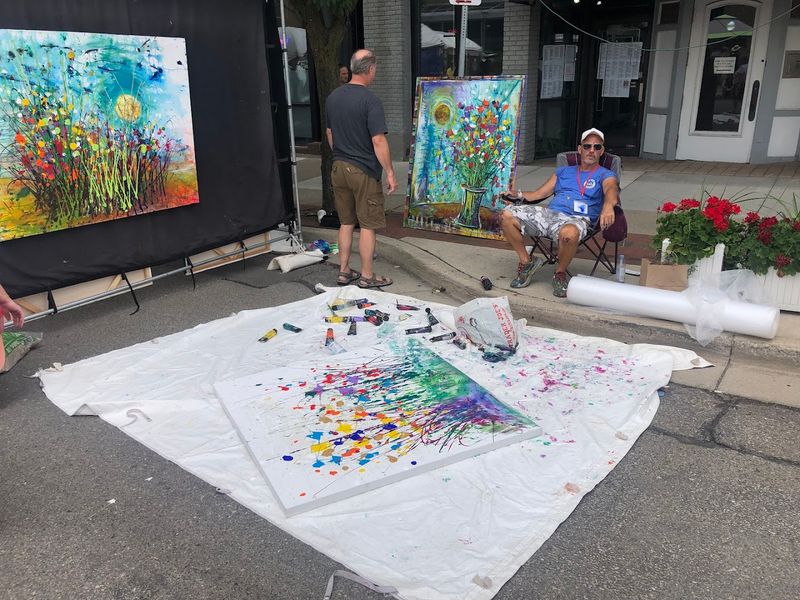
Every major art fair has its established names, but the State Street District Art Fair puts real energy into what comes next by featuring a dedicated emerging artists section.
This part of the fair is where you find artists who are still building their reputations, testing new ideas, and bringing a kind of creative urgency that is hard to manufacture. The work here tends to be bolder, stranger, and sometimes more personally revealing than the work from artists with decades of sales behind them.
That rawness is not a flaw. It is the whole point.
For visitors, the emerging section offers something rare: the chance to buy work from someone who might be significantly more recognized in five or ten years. For the artists, it offers a high-visibility platform and direct access to an audience of hundreds of thousands.
It is one of the fairest exchanges in the art world, and it keeps the event feeling genuinely alive rather than predictable. Do not skip this section.
Nearly Half a Million People and It Still Feels Personal
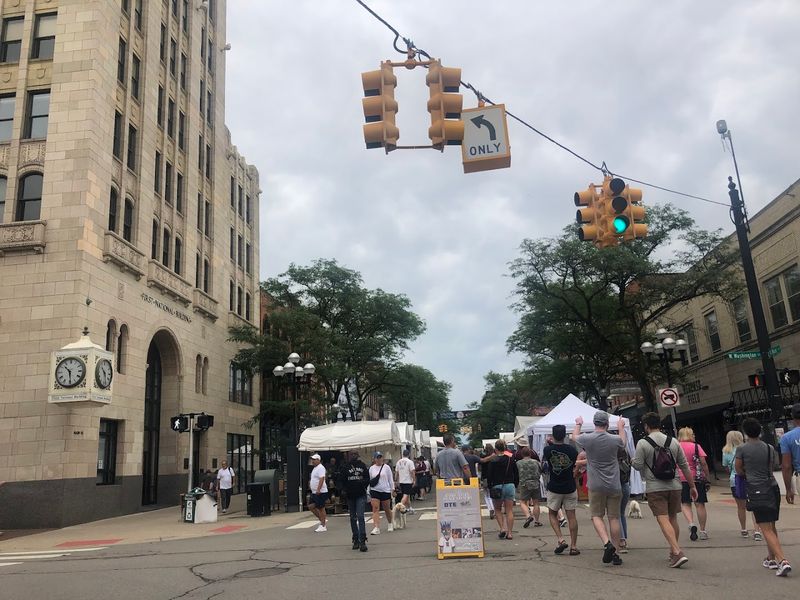
The attendance numbers for the Ann Arbor Art Fair as a whole are genuinely staggering. Between 400,000 and 500,000 people pass through over the three-day run, making it one of the most visited outdoor art events in the entire country.
What is remarkable is that despite those numbers, the experience rarely feels like being trapped in a crowd with no purpose. The 30-block layout gives the foot traffic room to breathe, and the design of the fair encourages wandering rather than funneling everyone through a single path.
You find your own rhythm pretty quickly.
Conversations with artists happen naturally because the booth format puts makers right next to their work. You can ask a sculptor how a particular piece was fired or ask a photographer about the location of a specific shot, and you will almost always get a real, enthusiastic answer.
That human connection is what separates this fair from a gallery visit, and it is what keeps people coming back every single July.
Three Days in July That Reshape the City’s Calendar
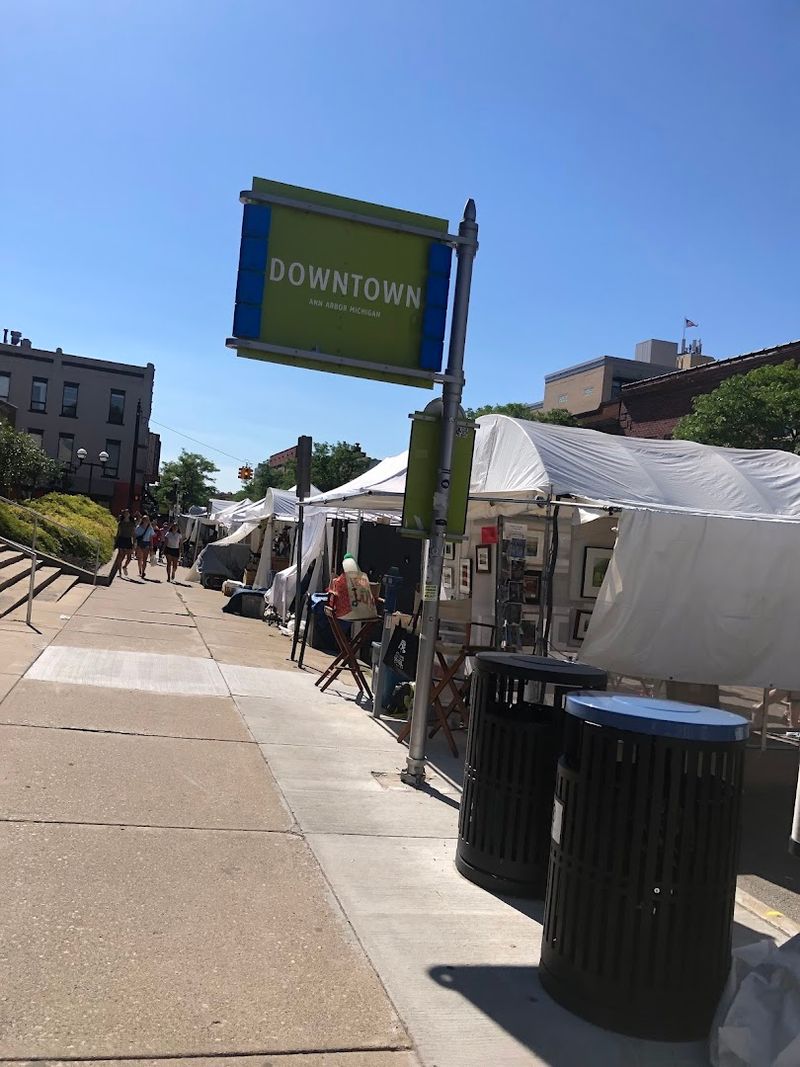
The State Street District Art Fair runs for three days each July, and for those three days, downtown Ann Arbor operates on a completely different schedule than the rest of the year.
For 2025, the dates are July 17 through 19, and for 2026, the fair is set for July 16 through 18. The fair runs Thursday and Friday from 10 AM to 9 PM and Saturday from 10 AM to 8 PM, giving visitors a solid window each day to cover serious ground.
That evening run on weekdays is particularly useful if you want to avoid the peak afternoon heat and the heaviest crowds.
The July timing is deliberate. Ann Arbor’s summer energy is at its highest, the university campus nearby adds a creative backdrop, and the long daylight hours mean the art stays visible and vibrant well into the evening.
Planning your visit around the Thursday or Friday evening hours can genuinely change how relaxed and unhurried the whole experience feels.
Live Music, Food, and the Full Street-Fair Energy
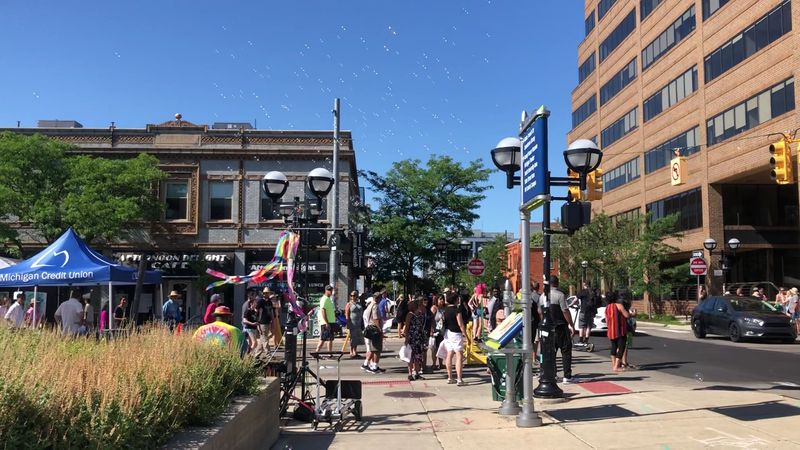
Art is the headline act, but the State Street District Art Fair fills in every gap around it with music, food, and activity that keeps the energy high from opening to closing each day.
Musical stages are set up throughout the fair area, offering live performances that range from solo acoustic sets to full bands. The sound drifts between the booths in a way that adds to the atmosphere without overpowering the quieter moments of looking at art.
Food vendors are spread across the fairgrounds as well, so you can grab something to eat without having to leave and find a restaurant.
Merchant displays from local businesses add another layer, blending the commercial energy of State Street’s shops with the handmade focus of the fair itself. The result is a street-level experience that feels both festive and purposeful at the same time.
The combination of art, sound, and food turns a simple afternoon of browsing into something that actually fills a whole day without anyone noticing the hours passing.
Parking, Navigation, and Getting the Most Out of Your Visit
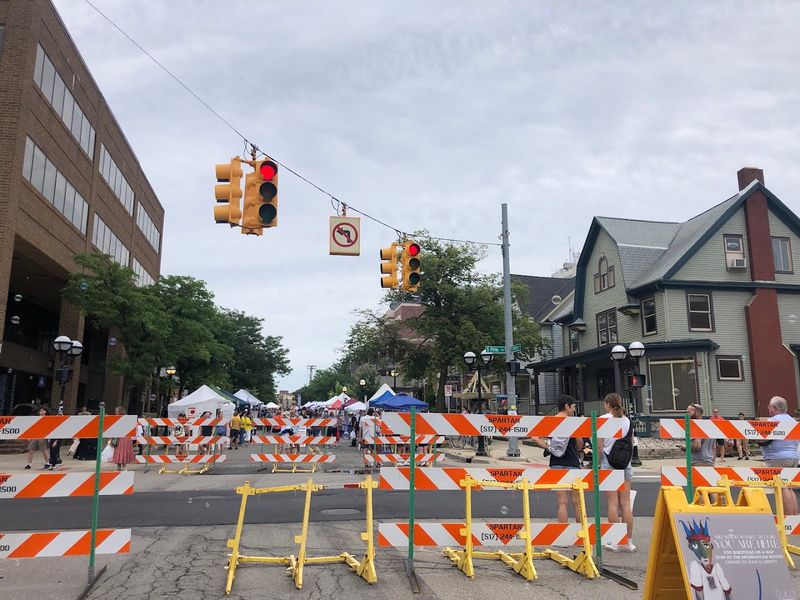
Getting to the State Street District Art Fair is less stressful than the attendance numbers might suggest, which is one of the pleasant surprises for first-time visitors.
Ann Arbor has a solid network of parking structures within walking distance of the fair’s footprint, and many visitors report that finding a spot is manageable if you arrive with a little patience and flexibility. The city is also well-served by public transit options that drop you close to the action without the parking puzzle entirely.
Once you are on the ground, the layout of the fair across Liberty, North University, Maynard, East William, and the Marketplace streets on Liberty, State, and Thompson is logical enough to navigate without a map, though grabbing a printed guide at the entrance saves time. Comfortable shoes are non-negotiable.
The fair covers enough ground that even a focused visit will clock several miles of walking, and that is a feature rather than a flaw when the streets are this full of things worth stopping for.
Why the Non-Profit Model Changes Everything About This Fair
There are plenty of outdoor art markets that operate as for-profit businesses, and there is nothing wrong with that, but the State Street District Art Fair’s non-profit structure creates a noticeably different kind of event.
Every dollar of revenue the fair generates is reinvested directly into supporting participating artists, strengthening local businesses along State Street, and funding community initiatives and programming. That circular flow of resources means the fair actively builds up the ecosystem it depends on rather than extracting from it.
Artists get better support, the neighborhood benefits from increased foot traffic and visibility, and visitors get a richer, more intentional experience as a result.
The fair also carries award-winning recognition as part of the larger Ann Arbor Art Fair, which adds credibility and draws artists from across the country who want their work seen by a serious, engaged audience. That reputation compounds year after year.
The non-profit model is not just a feel-good detail. It is the structural reason this event has stayed excellent for over five decades.
What Makes This Fair Worth Putting on Your Annual Calendar
Some events are worth attending once just to say you have been. The State Street District Art Fair is not that kind of event.
It is the kind you start scheduling around.
The combination of rigorous jurying, genuine artist diversity, community investment, family programming, live entertainment, and a walkable downtown setting creates an experience that is hard to replicate anywhere else in Michigan. The fair earns its 4.8-star rating not through marketing but through consistency.
Year after year, it delivers on the promise of quality art in an accessible, welcoming format.
Whether you come as a serious collector, a casual browser, or someone who just wants to spend a July afternoon surrounded by creative energy and good food, the fair meets you where you are. You can reach the organization directly at 734-768-2907 if you have questions before your visit.
The streets of Ann Arbor open up every July, and they are genuinely worth showing up for. Your next great art discovery might be one booth away.
Share this story