Movies have a strange power to plant words inside your brain and keep them there for decades. A single line delivered at the right moment can outlive the film itself, showing up in school hallways, office meetings, and family dinners for generations.
Since the 1930s, Hollywood has handed us a surprisingly useful vocabulary for everyday life. Some quotes captured a feeling so perfectly that no original phrase could ever replace them.
This list covers 13 lines that jumped off the screen and permanently settled into everyday speech. You have probably used at least a few of these without even realizing where they came from.
Each entry explores the film it came from, why the line landed so hard, and how it evolved from a scripted moment into a cultural shortcut that billions of people still reach for today. Read through and keep a mental count of how many you have personally said out loud.
1. “May the Force be with you.” Movie: Star Wars (1977)
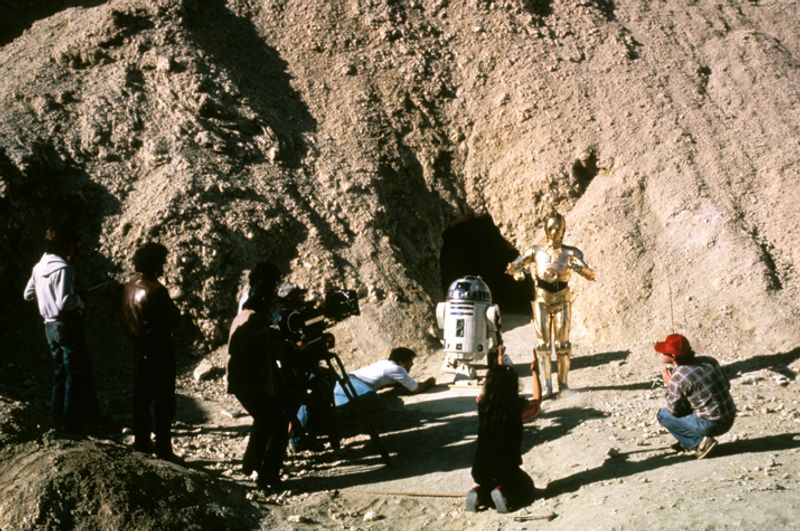
Few phrases in movie history crossed over into real-world use as completely as this one. When George Lucas wrote it for the original 1977 film, it served as a spiritual blessing passed between rebels fighting an overwhelming empire.
The phrase borrowed structure from older religious expressions, giving it an immediate sense of weight and sincerity. Teachers say it before exams.
Athletes hear it in locker rooms. Parents text it to kids heading into job interviews.
Star Wars earned over 775 million dollars at the worldwide box office in its original theatrical run, making it the highest-grossing film of its time. The quote appeared in multiple sequels, prequels, and spin-offs, reinforcing its place in the cultural vocabulary with each new generation of viewers.
It works because it is short, flexible, and sounds genuinely encouraging without being specific to any situation. That adaptability is exactly why it never went away.
2. “There’s no place like home.” Movie: The Wizard of Oz (1939)
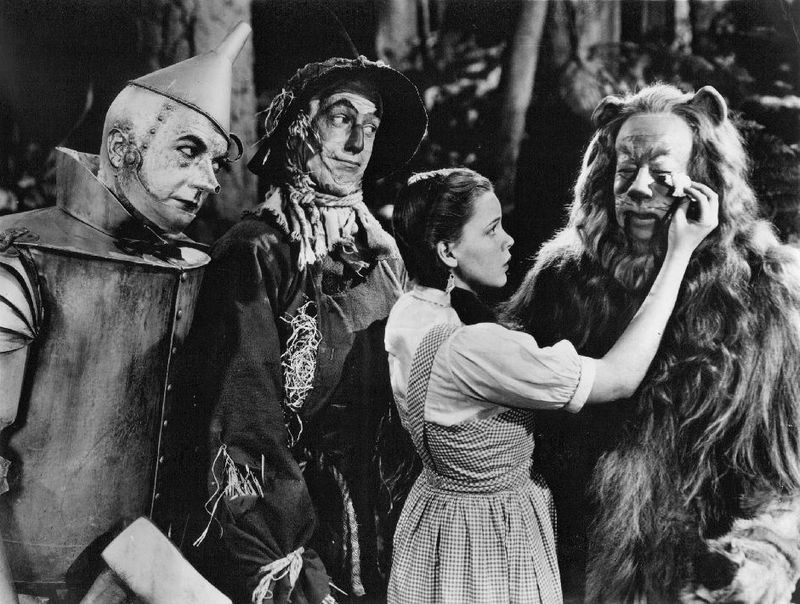
Judy Garland was 16 years old when she filmed The Wizard of Oz, and her delivery of this final line became one of the most emotionally recognized moments in American cinema. The film was initially considered a box office disappointment but became a cultural cornerstone after repeated television broadcasts beginning in 1956.
By the 1960s, it was one of the most-watched films in American television history, reaching new generations every year. That sustained exposure kept the quote alive long after the original theatrical run ended.
The line works as a genuine sentiment and as gentle sarcasm. Travelers returning from difficult trips say it sincerely.
People stuck in frustrating situations say it with irony. That range of application is rare for a quote this old.
L. Frank Baum wrote the original story in 1900, but the film’s version of the phrase belongs entirely to Garland’s performance, which gave it emotional specificity that the book alone could never have achieved.
3. “I’m going to make him an offer he can’t refuse.” Movie: The Godfather (1972)
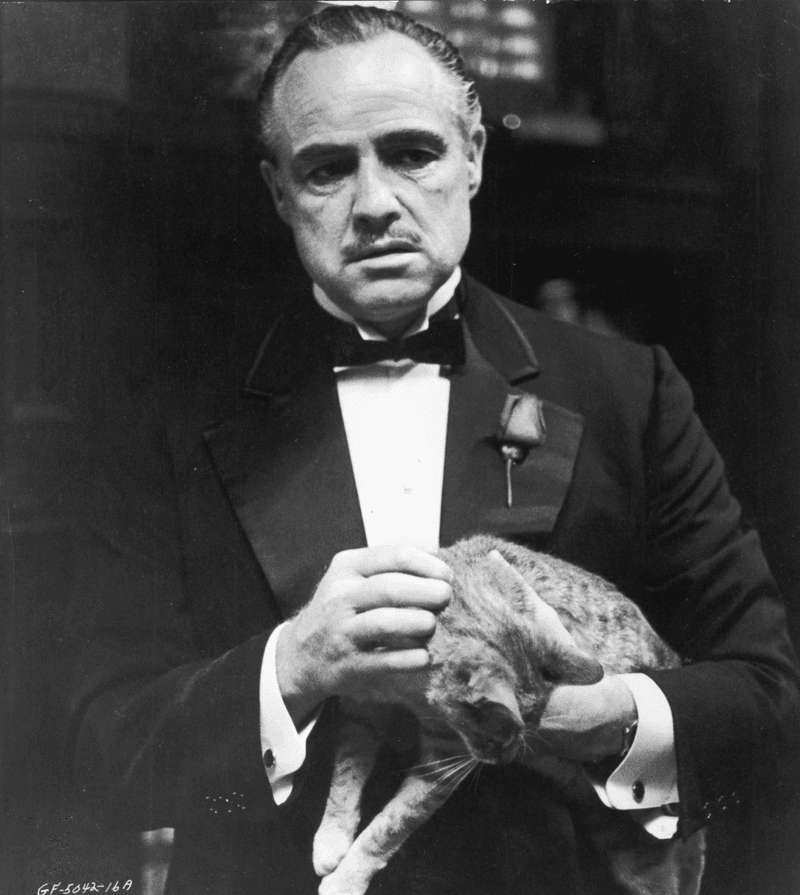
Mario Puzo wrote this line for his 1969 novel before it ever appeared on screen, but Marlon Brando’s delivery in Francis Ford Coppola’s 1972 adaptation turned it into something else entirely.
The Godfather won three Academy Awards including Best Picture, and the American Film Institute ranked this specific quote as the second most memorable line in cinema history. That ranking came from a 2005 survey of over 1,500 film professionals.
What makes the line endure is its layered meaning. On the surface it sounds like a generous deal.
Underneath, everyone understands it as a veiled warning. That combination of politeness and implied pressure translated perfectly into everyday humor.
People quote it when negotiating a pizza topping, convincing a friend to join a road trip, or pushing a colleague toward a decision. The original menace has softened into comedy, but the quote’s recognizability remains completely intact after more than five decades.
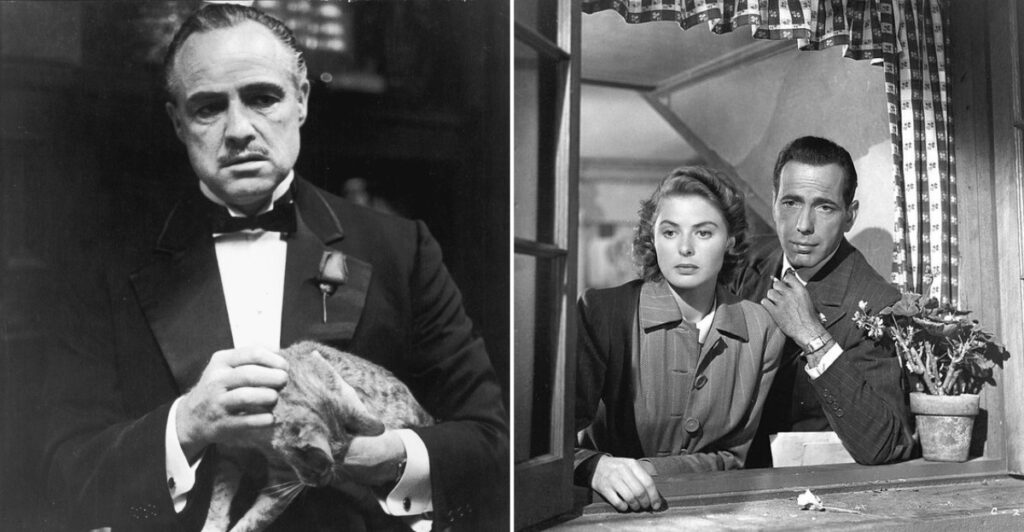
4. “Here’s looking at you, kid.” Movie: Casablanca (1942)
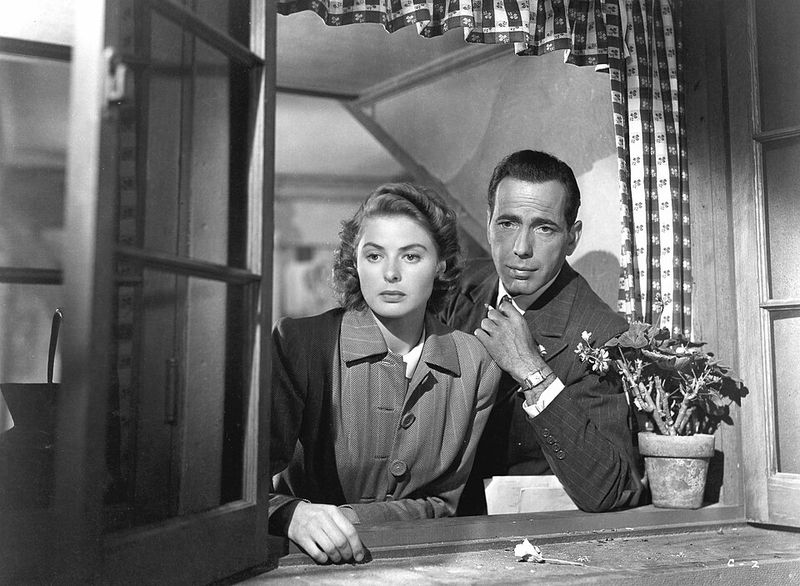
Humphrey Bogart reportedly improvised this line during the filming of Casablanca, drawing from a phrase he used while teaching Ingrid Bergman to play poker between takes. That off-script origin makes it feel more personal than most written dialogue.
Casablanca was released in 1942 and went on to win three Academy Awards including Best Picture. The film has never left public consciousness, regularly appearing on greatest-films lists compiled across the past eight decades.
The quote itself functions as a toast, a farewell, and an expression of affection all at once. Its brevity makes it easy to drop into conversation, and its old-fashioned phrasing gives it a nostalgic texture that people find charming rather than dated.
It shows up in anniversary speeches, retirement toasts, and farewell cards. The AFI ranked it fifth on its 100 greatest movie quotes list in 2005, confirming that its staying power is not accidental but deeply rooted in cultural memory.
5. “You talking to me?” Movie: Taxi Driver (1976)
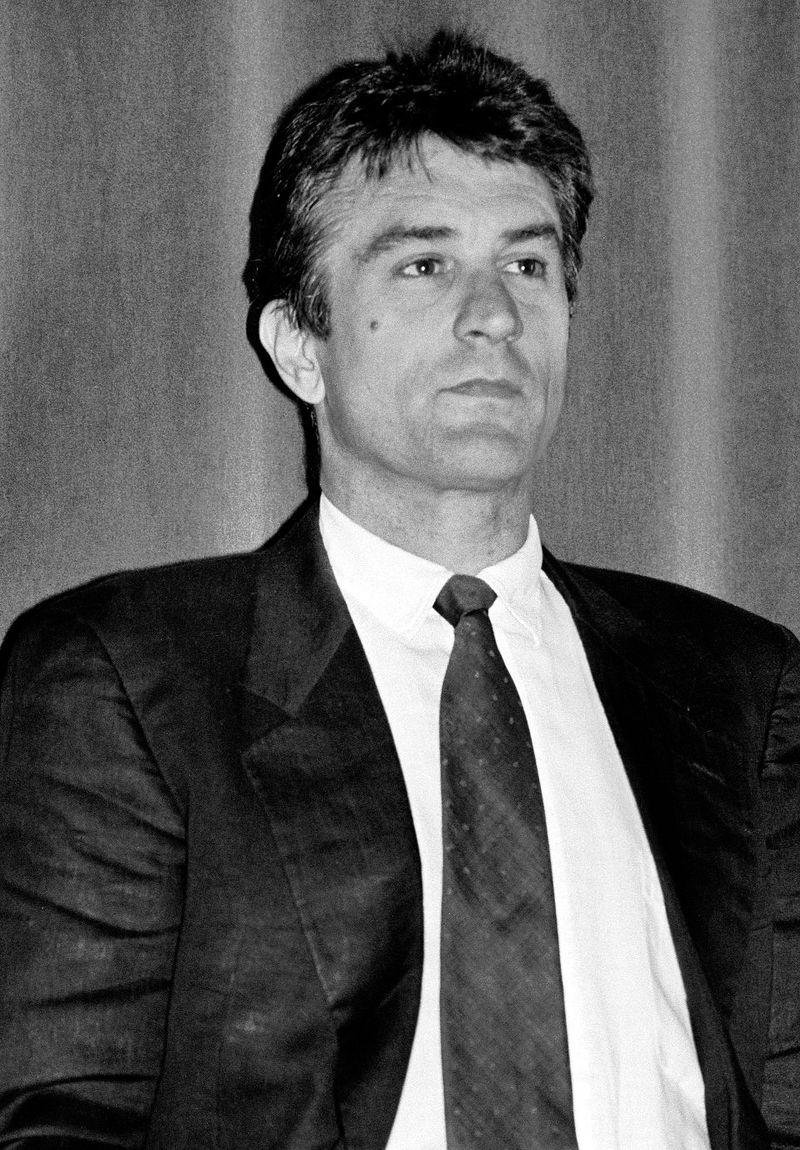
Robert De Niro improvised this line entirely. Director Martin Scorsese had only written the stage direction “Travis speaks to himself in the mirror” in the script, leaving De Niro to fill the moment however he saw fit.
That spontaneous creative decision produced one of the most quoted lines in American film history. The AFI ranked it tenth on its 2005 list of the 100 greatest movie quotes.
Taxi Driver itself was selected for preservation in the National Film Registry by the Library of Congress in 1994.
The quote spread because it captures a very human impulse: the moment someone wants to assert themselves but directs the energy inward first. People use it playfully when surprised, challenged, or singled out in a group.
It works equally well as a joke or as a genuine expression of mild indignation. Its survival across nearly five decades speaks to how well De Niro’s unscripted instinct captured something universally recognizable in that single, repeated question.
6. “I’ll be back.” Movie: The Terminator (1984)
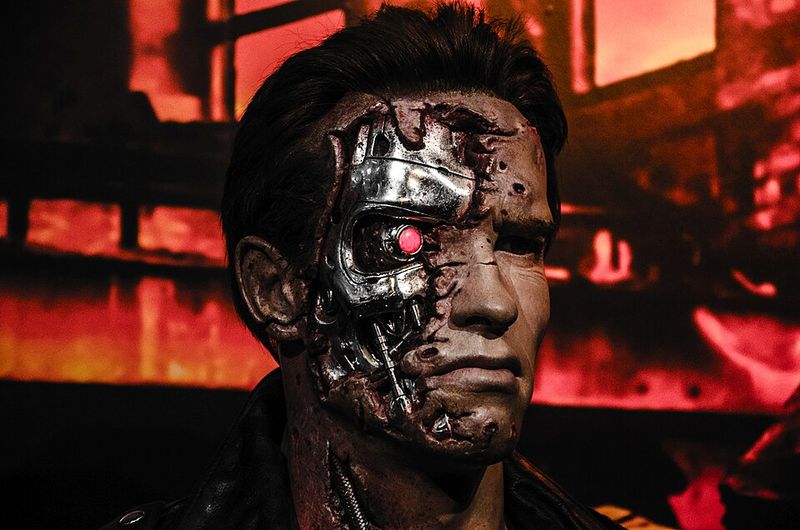
Arnold Schwarzenegger originally wanted to say “I will be back” because he felt the contraction sounded unnatural with his Austrian accent. Director James Cameron insisted on keeping “I’ll” in the script, and the resulting slight awkwardness became part of the phrase’s charm.
The Terminator was made on a budget of approximately 6.4 million dollars and earned over 78 million dollars worldwide, launching one of the most successful science fiction franchises in Hollywood history. The line appears in multiple sequels, each time playing on the audience’s familiarity with the original.
Three words delivered in a flat, mechanical tone became a universal shorthand for any temporary departure. People say it when leaving a meeting, stepping out of a party, or even just heading to the kitchen.
The AFI placed it 37th on its 100 greatest quotes list. Its power comes from simplicity.
Short enough to remember instantly, flexible enough to fit almost any exit, and attached to one of cinema’s most recognizable characters.
7. “Houston, we have a problem.” Movie: Apollo 13 (1995)
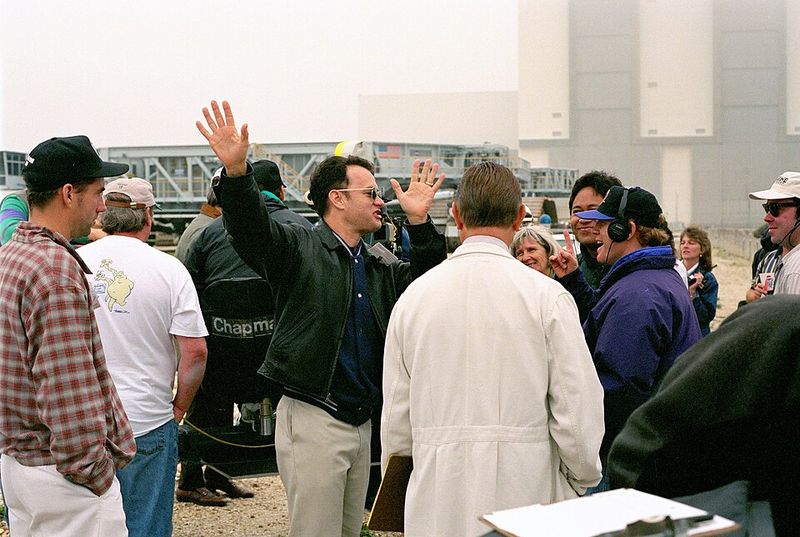
The actual transmission from the real 1970 Apollo 13 mission used slightly different wording. Astronaut Jack Swigert said “Houston, we’ve had a problem,” using past tense.
The 1995 Ron Howard film changed it to present tense, and that version became the cultural standard.
Apollo 13 earned over 355 million dollars worldwide and received nine Academy Award nominations. Tom Hanks delivered the line with calm precision, which made the understatement of reporting a spacecraft emergency so dramatically effective.
The quote entered everyday language as the perfect way to announce any complication, large or small. It signals trouble while maintaining composure, which is exactly the tone most people want when delivering bad news.
It appears in corporate presentations, school projects, and casual texts. The irony of using a phrase associated with a near-catastrophic space mission to describe a flat tire or a broken printer is exactly what makes people keep reaching for it.
8. “Why so serious?” Movie: The Dark Knight (2008)
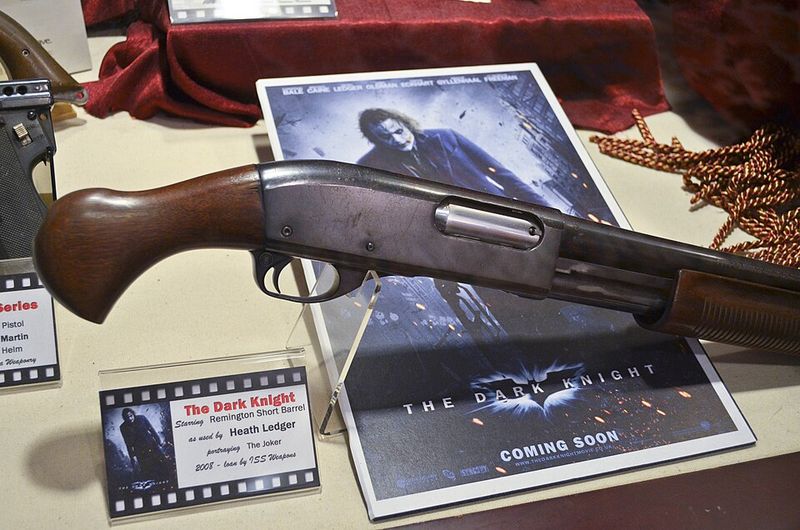
Heath Ledger’s portrayal of the Joker in Christopher Nolan’s 2008 film earned him a posthumous Academy Award for Best Supporting Actor, the first such award given to a performer who had passed before the ceremony.
The Dark Knight grossed over one billion dollars worldwide, making it one of the first superhero films to cross that threshold. Ledger reportedly kept a personal journal while developing the character, filling it with notes, images, and ideas that shaped the Joker’s unpredictable behavior.
The phrase itself is deceptively simple. Four words that flip any tense situation by questioning why anyone is taking things seriously at all.
It became a meme almost immediately after the film’s release and spread across social media platforms throughout the 2010s.
People use it to defuse arguments, tease overly stressed friends, or caption photos of minor workplace frustrations. The line’s cultural footprint grew far beyond comic book fans, reaching anyone who needed a quick, recognizable way to say “relax.”
9. “I’m king of the world!” Movie: Titanic (1997)
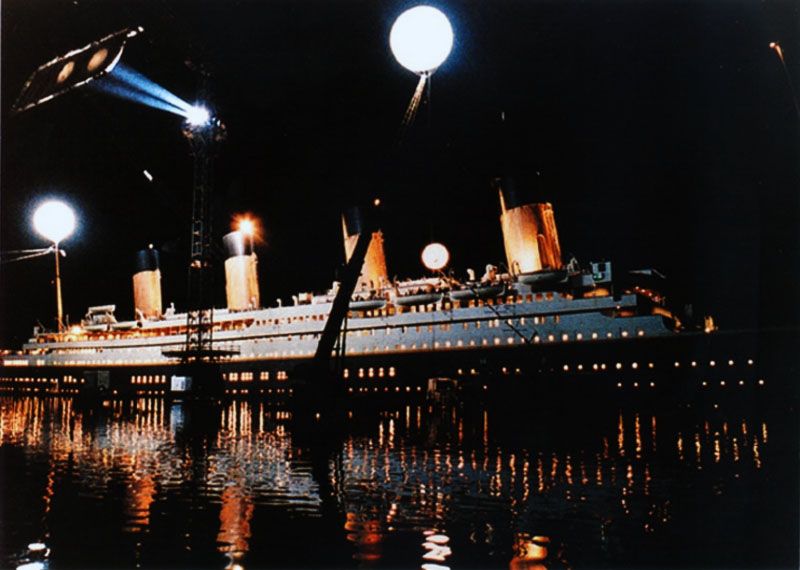
James Cameron reportedly ad-libbed this line on the day of filming, standing on the bow set and shouting it himself before directing Leonardo DiCaprio to do the same. DiCaprio was 22 years old during production and later admitted the scene felt slightly awkward to perform.
Titanic became the highest-grossing film in history at the time of its release in 1997, earning over 2.1 billion dollars worldwide. It held that record for 12 years until Avatar, also directed by Cameron, surpassed it in 2010.
The line captures a very specific feeling: the moment when everything seems to be going perfectly and you want the whole world to know it. Sports fans shout it after victories.
Kids yell it from playground equipment. Adults use it sarcastically after minor personal wins.
It became shorthand for peak excitement, the verbal equivalent of throwing your arms wide open and claiming the moment as entirely yours.
10. “To infinity and beyond!” Movie: Toy Story (1995)
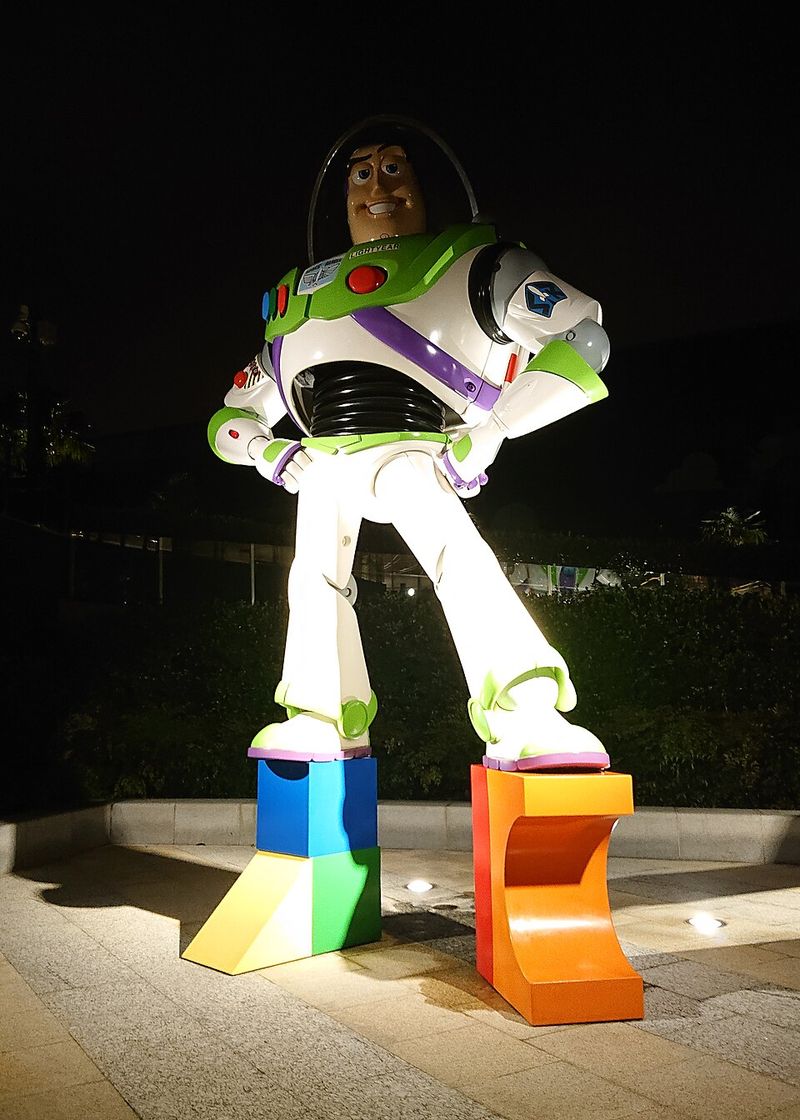
Buzz Lightyear’s signature battle cry was written by the Toy Story screenwriting team as a deliberate joke about the character’s delusion. Buzz genuinely believes he is a space ranger, not a toy, which makes the phrase both heroic and comically misguided at the same time.
Toy Story was released in 1995 as the first fully computer-animated feature film in history, produced by Pixar Animation Studios with a budget of approximately 30 million dollars. It earned over 373 million dollars worldwide and permanently changed the animation industry.
The quote became popular precisely because it sounds genuinely motivational despite its absurd origin. Teachers print it on classroom walls.
Coaches use it in pep talks. Parents say it when encouraging kids to dream bigger.
NASA even referenced it during various missions and public communications, acknowledging the phrase’s cultural reach. For a line originally meant to satirize overconfidence, it aged remarkably well as an actual expression of ambition.
11. “Just keep swimming.” Movie: Finding Nemo (2003)

Ellen DeGeneres voiced Dory, the forgetful but relentlessly cheerful fish who delivers this line in Pixar’s 2003 film. The character’s short-term memory loss was written as a comedic device, but the advice she offers became genuinely meaningful to audiences dealing with real challenges.
Finding Nemo earned over 940 million dollars worldwide and won the Academy Award for Best Animated Feature in 2004. It remained the best-selling DVD of all time for several years after its release.
The quote resonated because it strips motivation down to its most basic form. No strategy, no complex plan, just the instruction to keep moving forward.
Therapists have referenced it in sessions. Athletes paint it on gear.
Students write it on notebooks during exam periods.
A sequel, Finding Dory, arrived in 2016 and brought the phrase back into wide circulation. Few motivational quotes from animated films have shown this much staying power across two separate decades of cultural conversation.
12. “Life is like a box of chocolates.” Movie: Forrest Gump (1994)
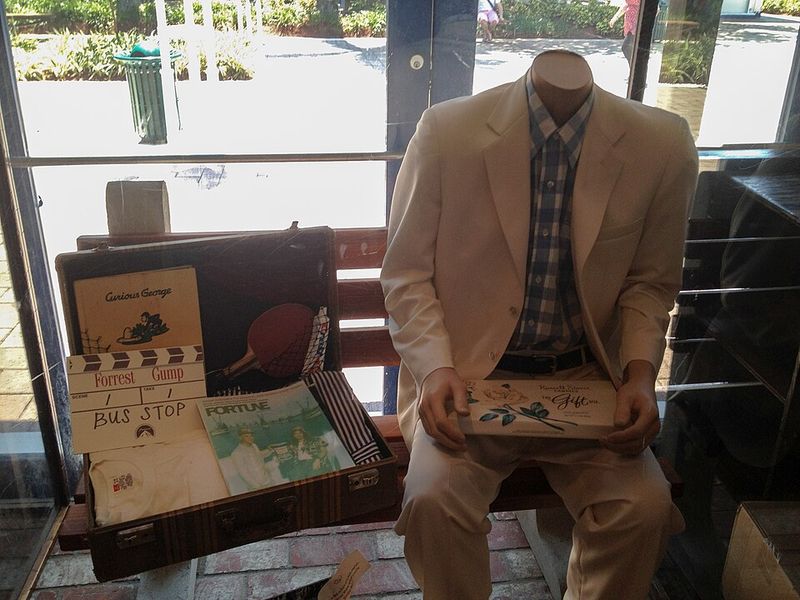
Tom Hanks won his second consecutive Academy Award for Best Actor for his portrayal of Forrest Gump, a record-matching achievement at the time. The film itself won six Oscars including Best Picture and Best Director for Robert Zemeckis.
The full quote, as spoken in the film, is “Mama always said life was like a box of chocolates. You never know what you’re gonna get.” Most people shorten it to the first sentence, which is actually how it appeared on the promotional posters and merchandise.
Forrest Gump grossed over 678 million dollars worldwide in 1994 and became one of the defining films of that decade. The quote became a philosophical shorthand for accepting life’s unpredictability without bitterness.
It appears on graduation cards, motivational posters, and social media captions. The AFI ranked it 40th on its greatest quotes list.
What keeps it alive is its optimistic framing of uncertainty, treating the unknown as variety rather than threat.
13. “I see dead people.” Movie: The Sixth Sense (1999)
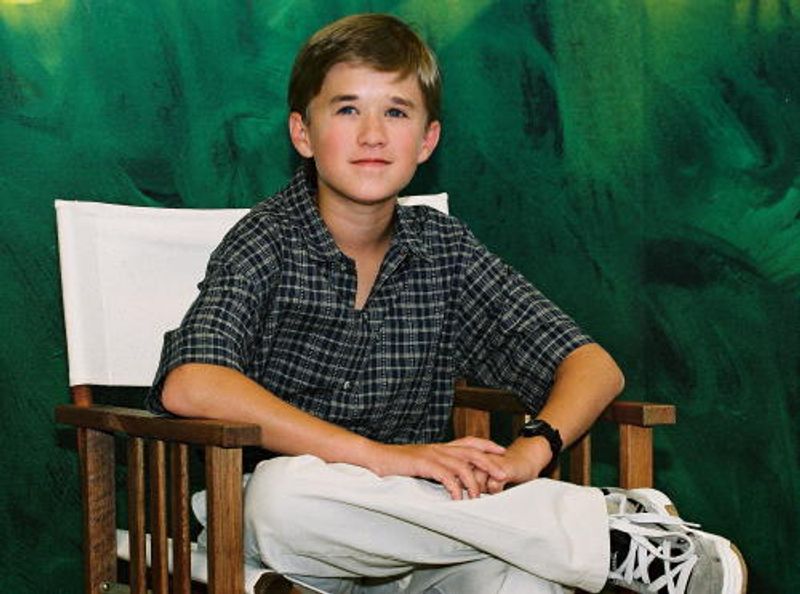
Haley Joel Osment was 11 years old when he delivered this line in M. Night Shyamalan’s 1999 psychological thriller, and his performance earned him an Academy Award nomination for Best Supporting Actor at that age.
The Sixth Sense was made on a budget of approximately 40 million dollars and earned over 672 million dollars worldwide, making it one of the most profitable films of that year. Its twist ending became one of the most discussed plot revelations in modern cinema history.
The quote spread quickly because it is short, strange, and instantly recognizable. It entered pop culture as a punchline almost immediately after the film’s release, used whenever someone claims to notice something others cannot see.
People apply it to spotting patterns in data, recognizing old trends returning, or simply joking about being more perceptive than those around them. The line has outlasted the film’s original shock value entirely, now functioning purely as a clever cultural reference with a flexible range of comedic applications.
Share this story