Tucked deep in the forested hills of northwestern New Jersey, there is a place where old farm buildings have been transformed into working artist studios, and where people travel from across the country just to learn a craft they have always wanted to try. The campus sits inside the Delaware Water Gap National Recreation Area, which means the surrounding landscape is as striking as the work being made inside.
This place has been running workshops, hosting artists, and building a creative community for decades, and its reputation keeps growing. From blacksmithing and ceramics to fiber arts and photography, the range of disciplines taught here is genuinely impressive.
This article takes a close look at what makes this remote New Jersey campus so worth knowing about, and why so many people who visit once end up planning their return before they even leave.
A Historic Campus Hidden in the Hills
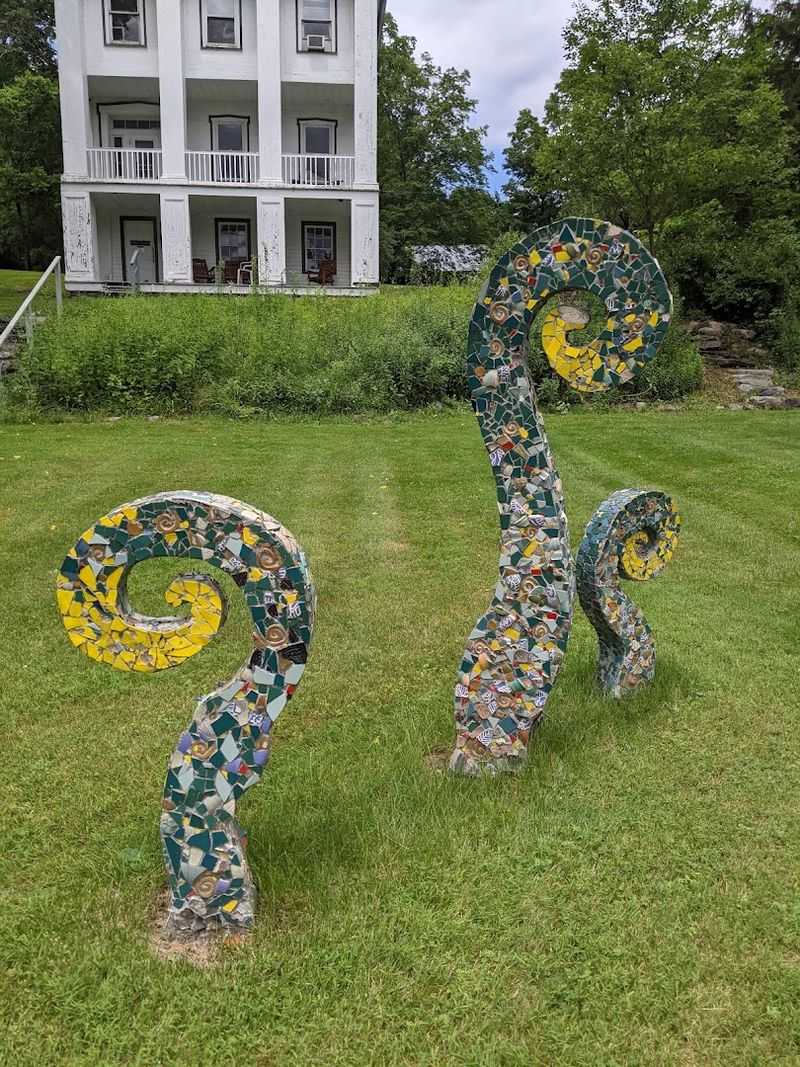
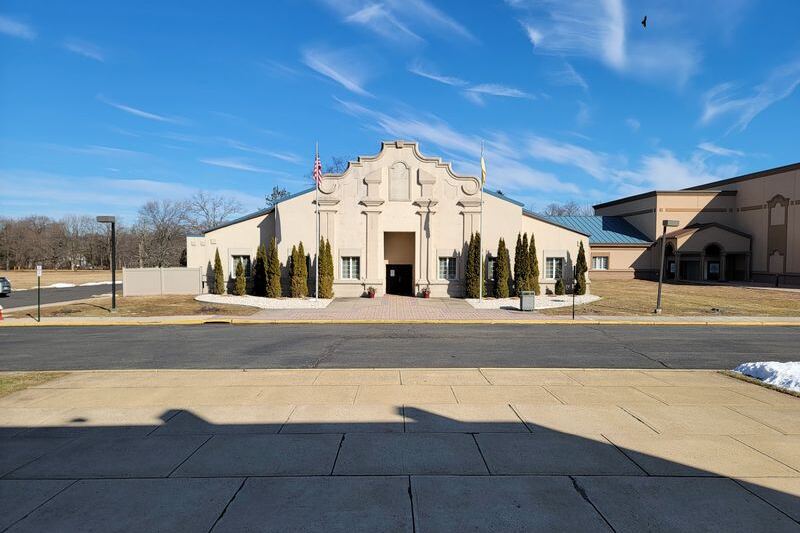
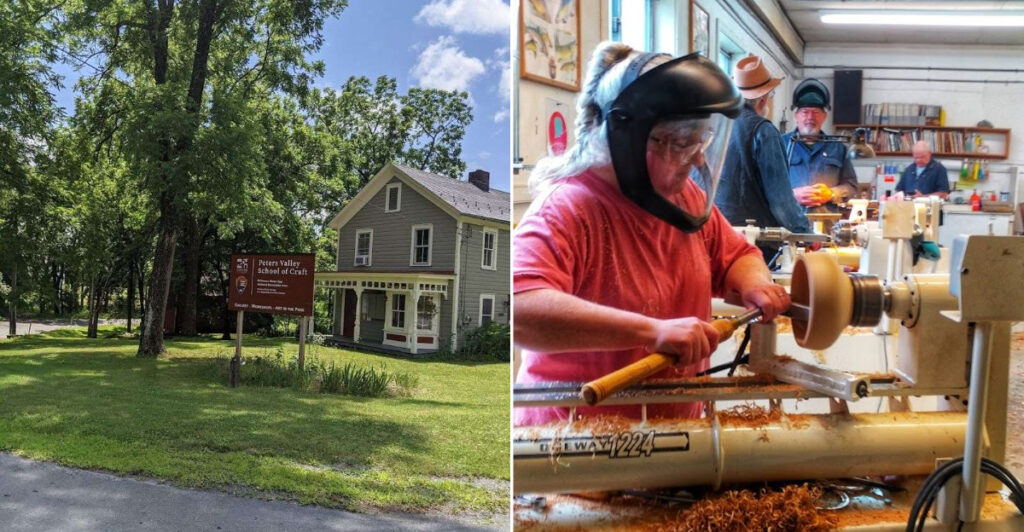
Peters Valley School of Craft is located at 19 Kuhn Rd, Sandyston, NJ 07851, positioned within the Delaware Water Gap National Recreation Area in Sussex County. The campus is not easy to find by accident, which is part of what makes it feel so rewarding once you arrive.
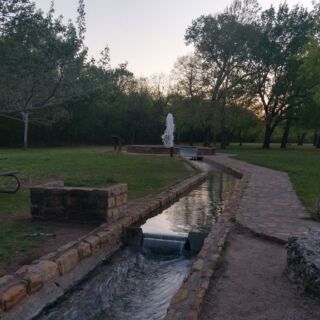
The school sits in a quiet rural valley, surrounded by woodland and farmland that has been part of this landscape for well over a century. The buildings themselves are historic structures, many of them original farm buildings that have been carefully preserved and repurposed into functional creative spaces.
Getting there requires a drive through winding back roads, but the payoff is a campus that feels genuinely removed from the pace of everyday life. The office is open Monday through Friday, 9 AM to 5 PM, making weekday visits the best option for anyone who wants to speak with staff in person.
How Old Barns Became Working Studios
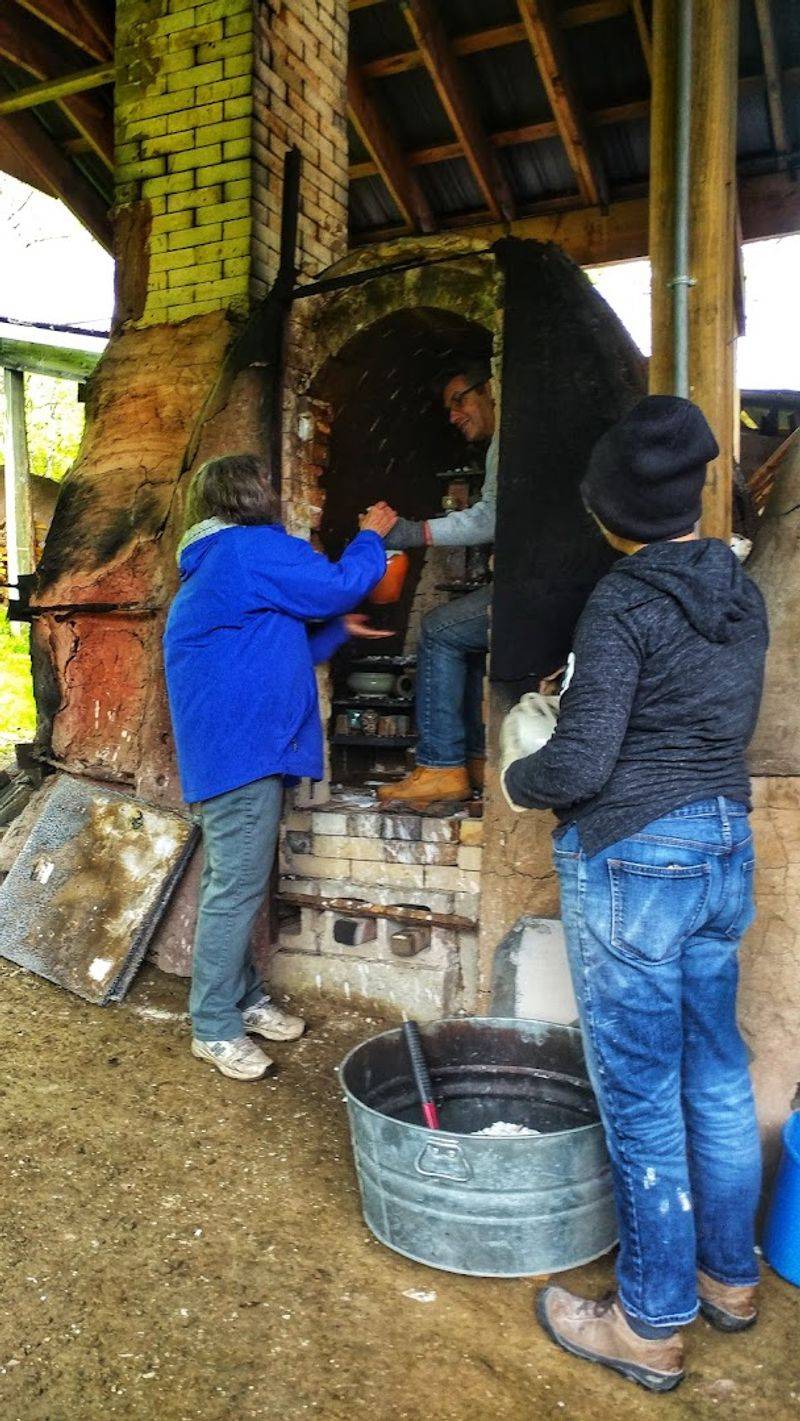
The transformation of agricultural buildings into creative workspaces is not something that happens by accident. At Peters Valley, it was the result of deliberate planning and a clear vision for what a craft school in a historic setting could become.
Barns that once stored hay and equipment now house forges, pottery wheels, looms, and printmaking presses. The original timber frames and wooden beams have been kept intact, giving each studio a character that a modern building simply cannot replicate.
Working inside a converted barn adds a layer of connection to the craft process itself. There is something grounding about making things by hand in a building where generations of people also worked with their hands, even if the tools and the purposes were completely different.
The physical history of the space becomes part of the experience, and many students say it contributes to a focus and intentionality that is hard to find elsewhere.
The Range of Crafts Taught Here Will Surprise You
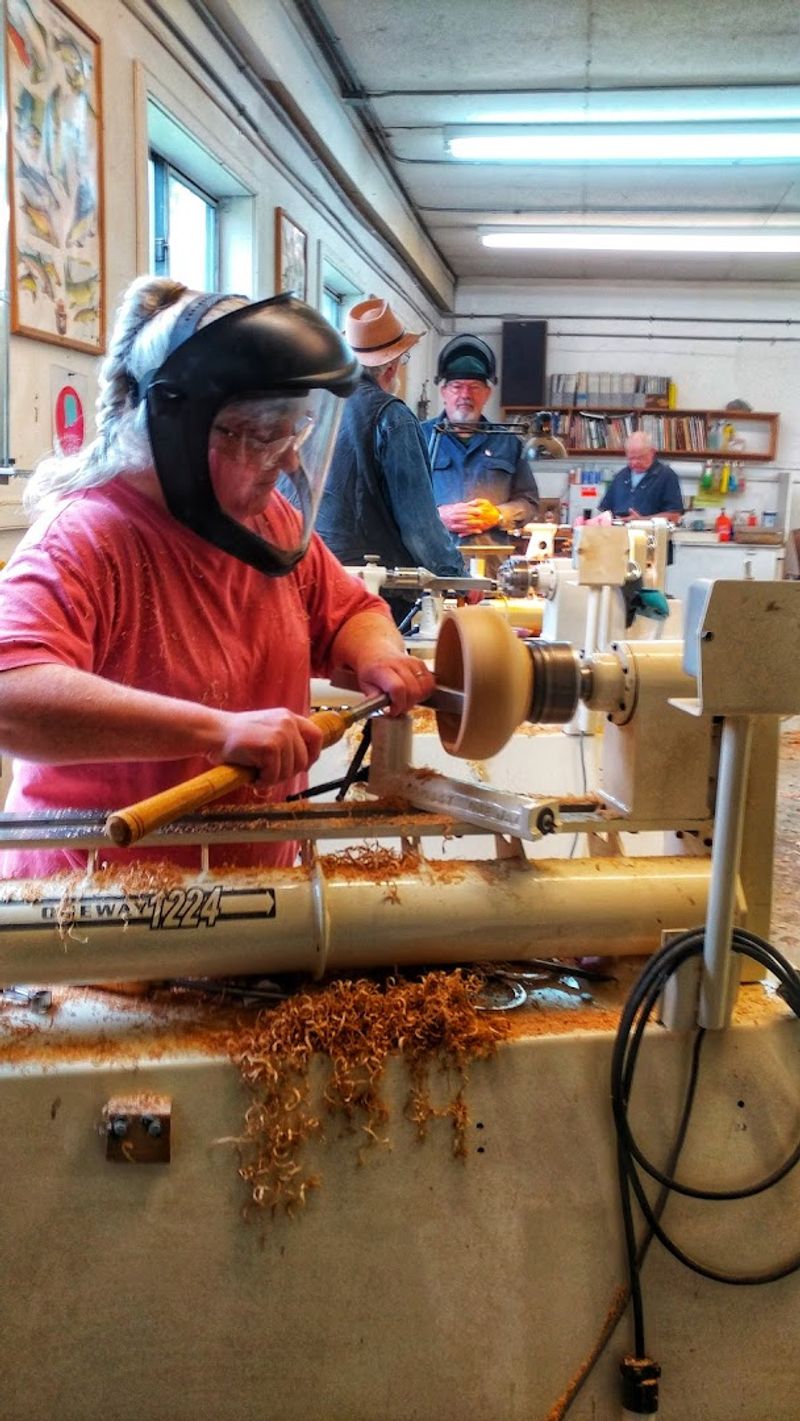
Most people expect a craft school to cover pottery and painting. Peters Valley goes considerably further than that, offering workshops in disciplines that are genuinely rare to find taught at this level anywhere in the Northeast.
The curriculum includes ceramics, blacksmithing, fiber arts, weaving, photography, jewelry making, printmaking, woodworking, and surface design, among others. Each discipline is taught by instructors who are working professionals in their field, not just teachers who have read about the craft in books.
Blacksmithing, in particular, stands out as a draw for students who want to try something completely outside their comfort zone. Every student in the blacksmithing program gets access to their own forge and anvil, which means actual hands-on time is maximized from the first session.
That kind of dedicated equipment access is unusual for a school of this size, and it makes a measurable difference in how much students learn over the course of a workshop.
Weekend Workshops That Actually Deliver Results
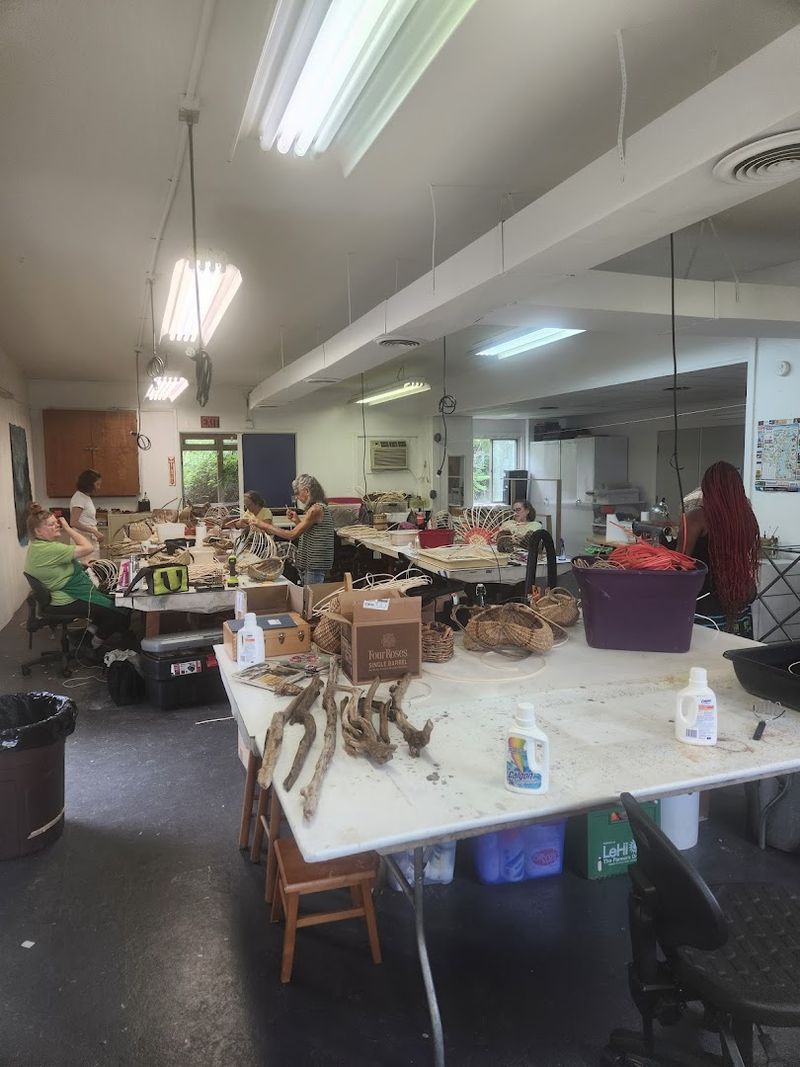
Not everyone has a full week to dedicate to learning a new skill, which is why the weekend workshop format at Peters Valley has become one of its most popular offerings. Two days of focused instruction, away from phones and daily obligations, turns out to be enough time to make real progress.
Basketry, marbling, beginning blacksmithing, and surface design are among the weekend options that have drawn strong interest. Students often arrive on a Friday afternoon and leave Sunday with finished work in hand, which is a satisfying and concrete result for a short time commitment.
Staying on campus during a weekend workshop is an option that many students take advantage of. The on-site accommodations keep costs reasonable and eliminate the stress of commuting.
Waking up already on campus means more time in the studio and more time connecting with fellow students, which tends to be one of the most valued parts of the entire experience.
Week-Long Immersions for Serious Learners
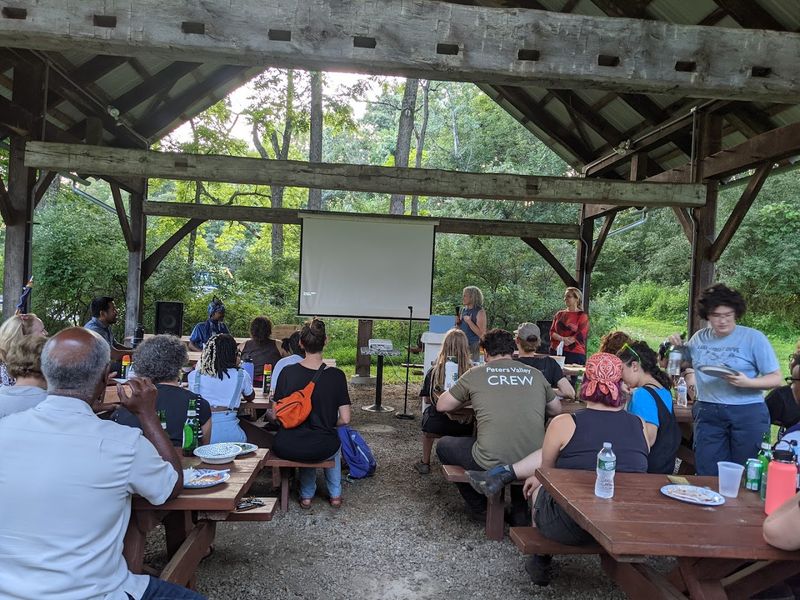
For those who want to go deeper into a craft, the week-long workshop format provides a level of immersion that shorter programs simply cannot match. A full five days with an expert instructor changes the way a student relates to a material or technique.
Week-long sessions are available across most of the disciplines offered at Peters Valley, and they attract students from across the country who plan their annual trip around the schedule. The combination of instruction, practice time, and community that develops over a full week creates an environment where learning accelerates in ways that are hard to predict at the start.
Instructors at this level are not generalists. They are nationally recognized craftspeople who bring professional-level knowledge into the studio every day.
Students at every experience level, from complete beginners to working artists looking to expand their skills, find that a week at Peters Valley moves them forward in ways that months of self-directed practice might not.
Blacksmithing at Peters Valley: Fire and Focus
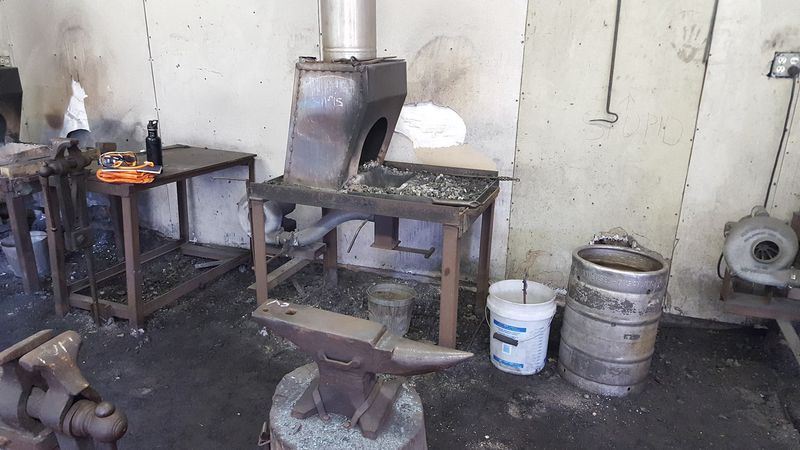
Blacksmithing is one of those crafts that most people assume they will never try. Peters Valley has been steadily changing that assumption for years, introducing students to the forge in a setting that is both professional and genuinely welcoming to beginners.
The blacksmithing studio is equipped so that each student has their own dedicated forge and anvil. That setup removes the waiting and watching that characterizes many group craft classes, replacing it with constant, productive hands-on work.
Students leave with actual metal objects they made themselves, which has a way of making the whole experience feel real rather than just educational.
One course that drew particular attention was led by a winner of the television competition show Forged in Fire, which gave students the chance to learn directly from someone who had tested their skills at a national level. That kind of access to high-caliber instructors is a consistent feature of the Peters Valley program, not a rare exception.
The Gallery and Shop Worth Stopping In For
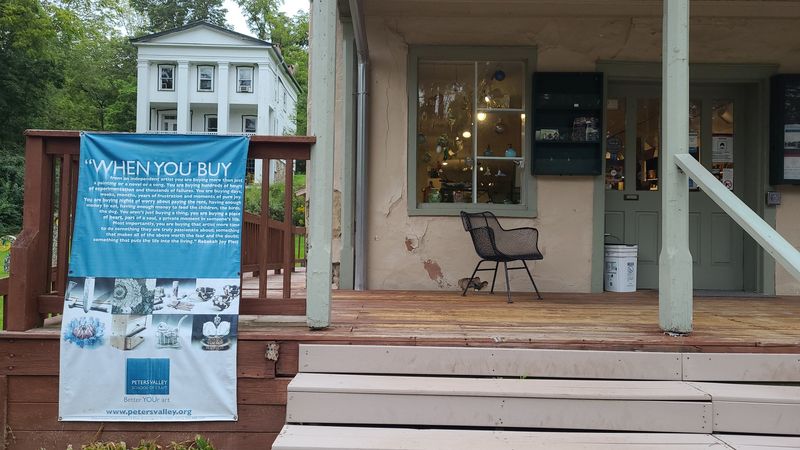
Not everyone who comes to Peters Valley is there for a class. The gallery and shop on the campus draw their own crowd, particularly during the holiday season when the selection of handmade work is at its most varied and extensive.
The gallery showcases work by artists who have taught and studied at the school, as well as pieces from the broader craft community. The quality of what is on display reflects the caliber of the people involved with the program, and browsing the collection gives a clear sense of the range of disciplines practiced on campus.
The shop carries handmade items across multiple craft categories, from ceramics and jewelry to textiles and woodwork. Buying something from the shop is a direct way to support working artists, which the school makes a point of communicating clearly.
A banner near the entrance puts it plainly: supporting an independent artist buys them more time to do something they are truly passionate about.
On-Campus Housing That Makes the Trip Easier
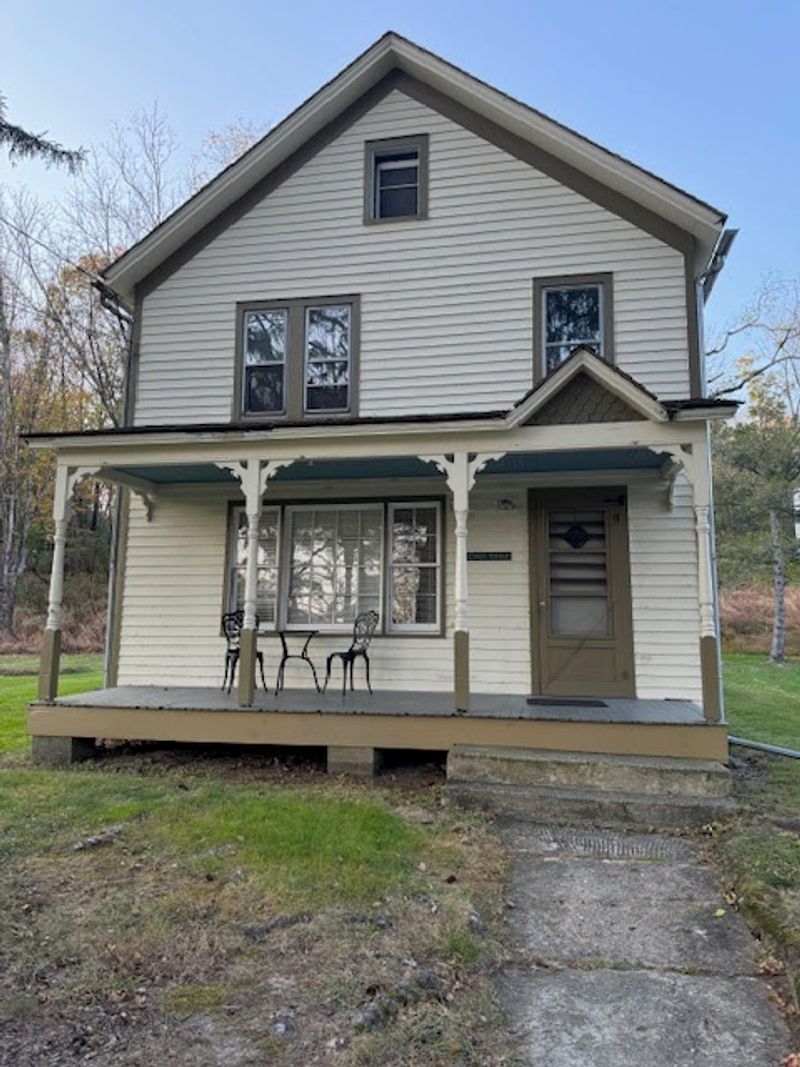
Traveling to a remote campus in Sussex County, New Jersey, raises a practical question for anyone considering a workshop: where do you stay? Peters Valley answers that question with on-campus housing that keeps the logistics simple and the costs manageable.
The accommodations are housed in historic buildings that, like the studios, have been preserved rather than replaced. They are not luxury lodgings, but they are clean, well-maintained, and entirely functional.
Students who stay on campus consistently find that the convenience outweighs any absence of modern amenities.
Being on-site overnight changes the dynamic of a workshop in subtle but meaningful ways. Evening conversations with fellow students and instructors continue after studio hours end, and the sense of being part of a temporary creative community becomes more pronounced.
For many students, the social dimension of staying on campus turns out to be just as valuable as the instruction itself, and it is something that commuting students consistently say they wish they had chosen.
The Delaware Water Gap as a Natural Backdrop
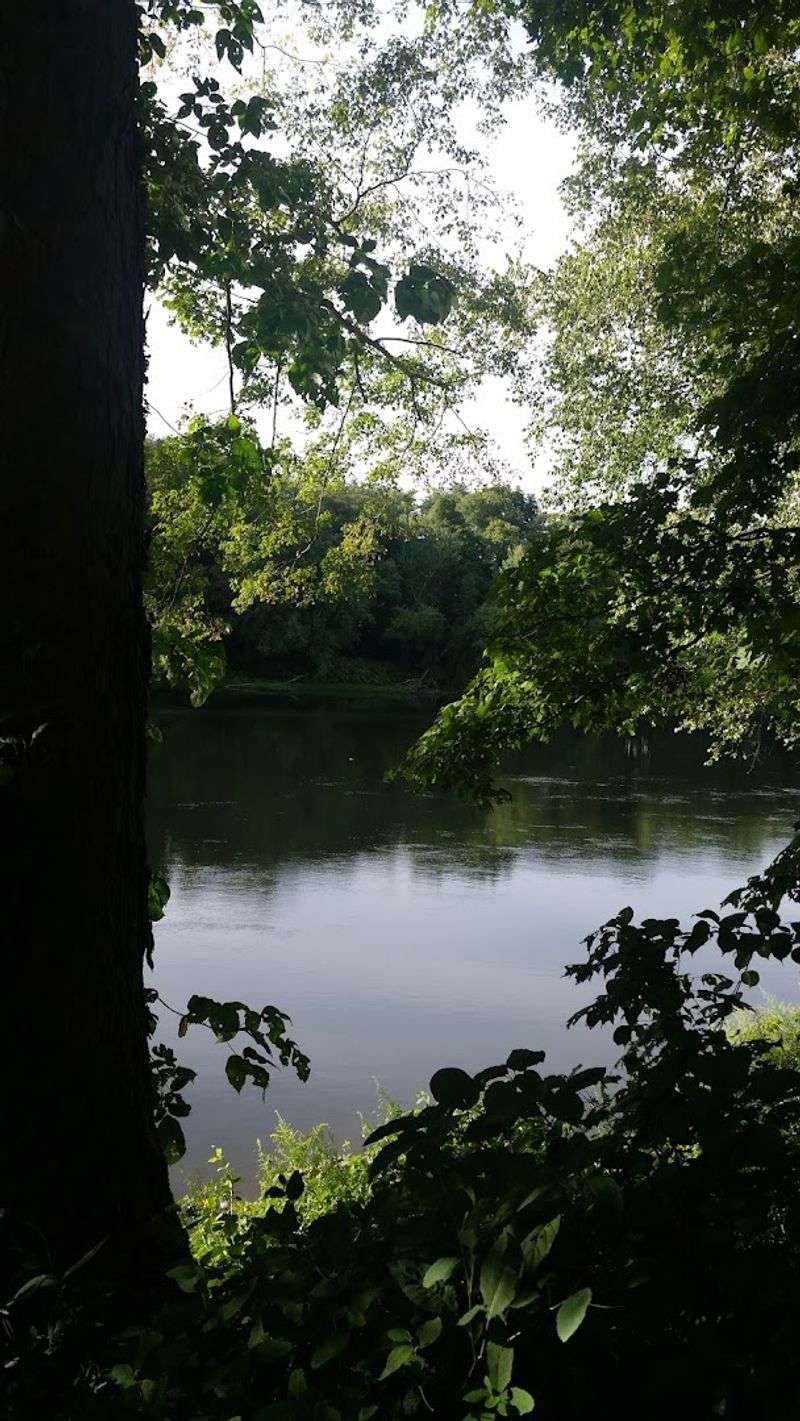
The location of Peters Valley inside the Delaware Water Gap National Recreation Area is not just a geographic detail. It shapes the entire character of a visit to the campus in ways that are hard to fully appreciate until you are there.
The recreation area covers more than 70,000 acres of protected land along the Delaware River, spanning both New Jersey and Pennsylvania. The campus sits just southeast of Dingmans Falls, surrounded by the kind of undeveloped landscape that has largely disappeared from the northeastern United States.
For students spending a week or a weekend at the school, the natural setting provides a context that reinforces the focus on making things by hand. The absence of commercial development nearby is striking, and it contributes to the sense of separation from ordinary routines that many students describe as one of the most restorative aspects of their time at Peters Valley.
Nearby camping options at Dingmans Campground make extended stays in the area easy to arrange.
Who Comes to Peters Valley and Why
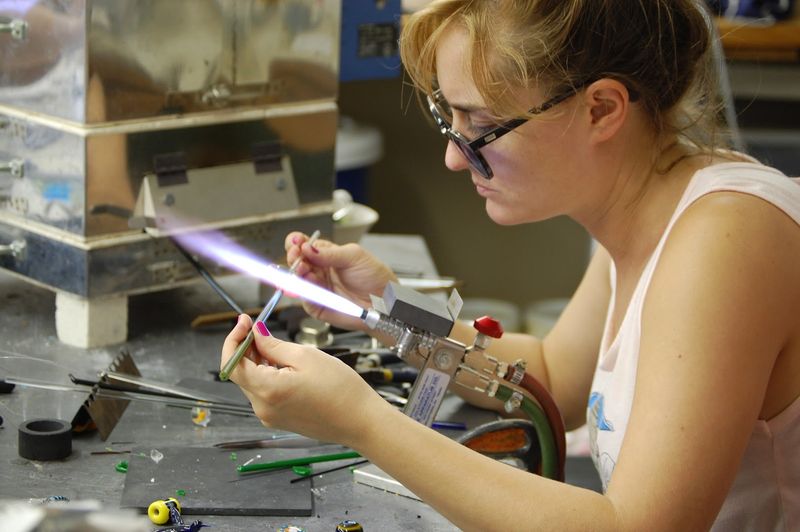
The student body at Peters Valley is not what most people expect. The workshops attract a genuinely diverse mix of ages, backgrounds, and experience levels, which makes the classroom dynamic more interesting than a typical continuing education setting.
Complete beginners show up alongside working professional artists. Retired individuals trying a craft for the first time share studio space with younger students building toward a career in the arts.
The common thread is curiosity and a willingness to work with materials in a focused, sustained way.
Many students return year after year, building on skills developed in previous workshops and deepening relationships with instructors and fellow students they have come to know over time. The community that forms around the school is one of its most frequently cited strengths, and it extends well beyond the campus itself.
People who meet during a weekend basketry class often stay in touch long after they have gone back to their regular lives.
Instructors Who Are the Real Deal
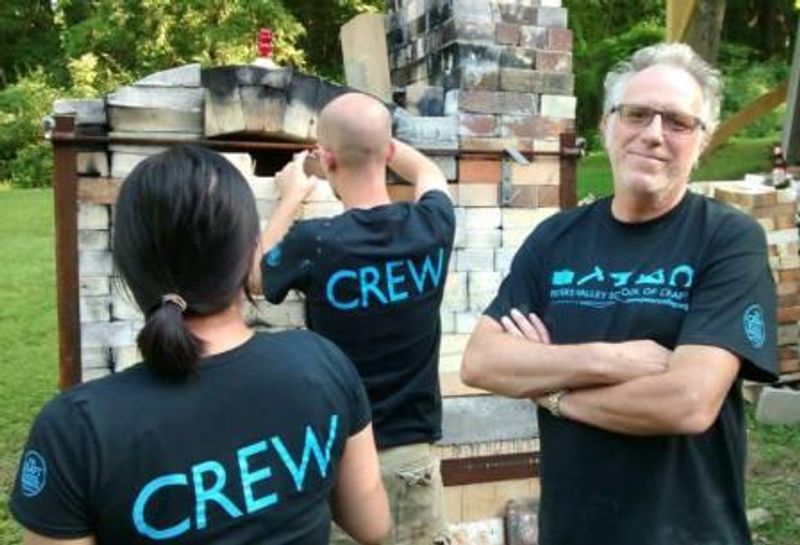
The quality of instruction at Peters Valley is one of the clearest differentiators between this school and other craft programs in the region. The faculty roster reads like a who’s-who of American studio craft, with nationally recognized artists teaching across every discipline.
Instructors are not recruited for their teaching credentials alone. They are active practitioners who maintain their own studios and exhibition careers alongside their work at Peters Valley.
That means students are learning from people who are currently engaged with the challenges and discoveries of their craft, not just transmitting information from a fixed body of knowledge.
The depth of expertise available in a single week of workshops is remarkable when you add it up. A student could spend Monday through Friday learning jewelry fabrication from an artist whose work is shown in galleries across the country, and that level of access is simply not available in most educational settings.
Peters Valley has built its reputation precisely on this commitment to bringing the best practitioners into its studios.
A Driving Tour Stop Worth Adding to Your Route
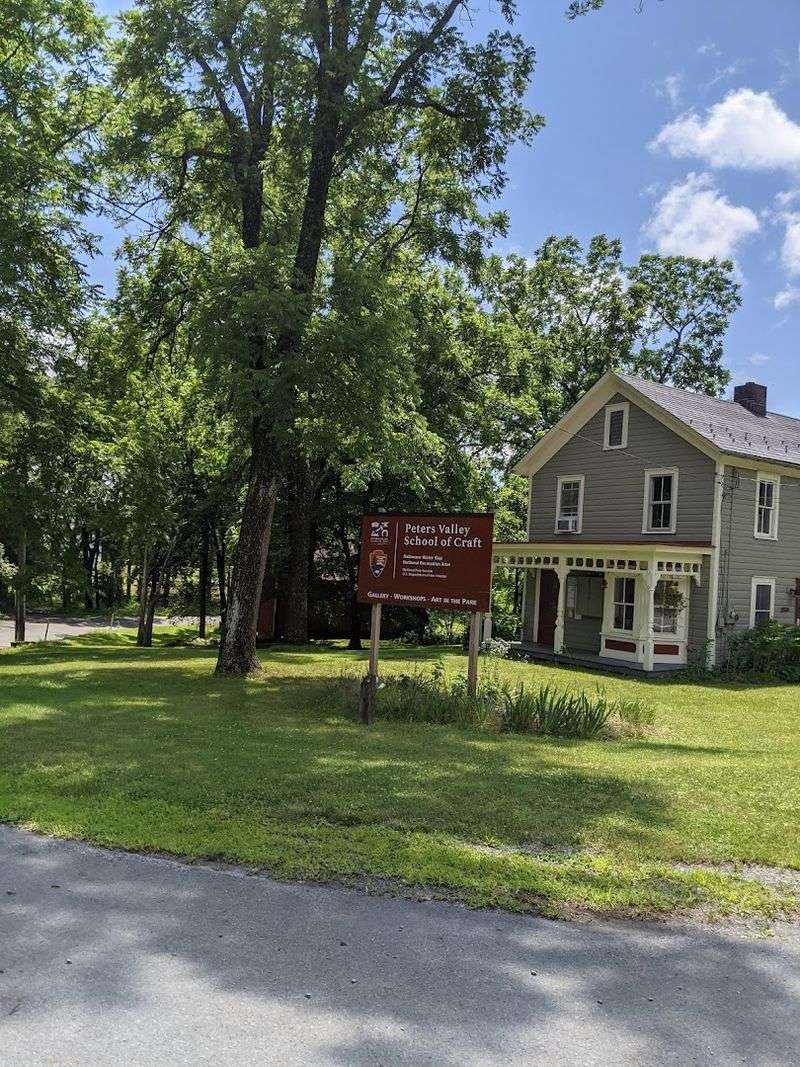
Not every visit to Peters Valley involves signing up for a class. The campus is a recognized stop on the Delaware Water Gap driving tour, which brings a steady stream of curious travelers through the area who might not have specifically sought out a craft school.
Stopping in as a casual visitor gives you access to the gallery and shop, a chance to walk the grounds, and an opportunity to learn about the history of the campus and the buildings. Staff in the office are generally welcoming to drop-in visitors and happy to explain what the school offers.
The office is open Monday through Friday, 9 AM to 5 PM, so planning a weekday stop is the most reliable way to find the campus active and staffed. Combining a visit to Peters Valley with a broader exploration of the Delaware Water Gap area makes for a full and varied day trip from any of the larger towns in northern New Jersey or eastern Pennsylvania.
The History Baked Into Every Building
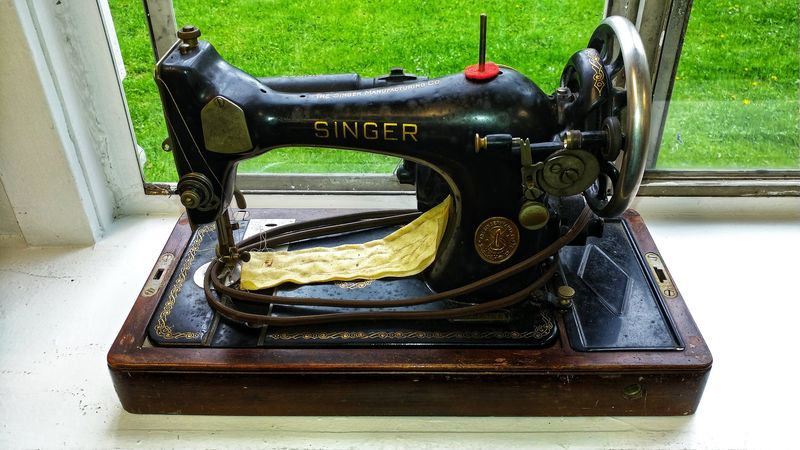
Peters Valley was established in the late 1960s after the federal government acquired the land for the Delaware Water Gap National Recreation Area. Rather than demolishing the existing farm buildings, the decision was made to preserve and repurpose them, which is how the campus came to have the character it carries today.
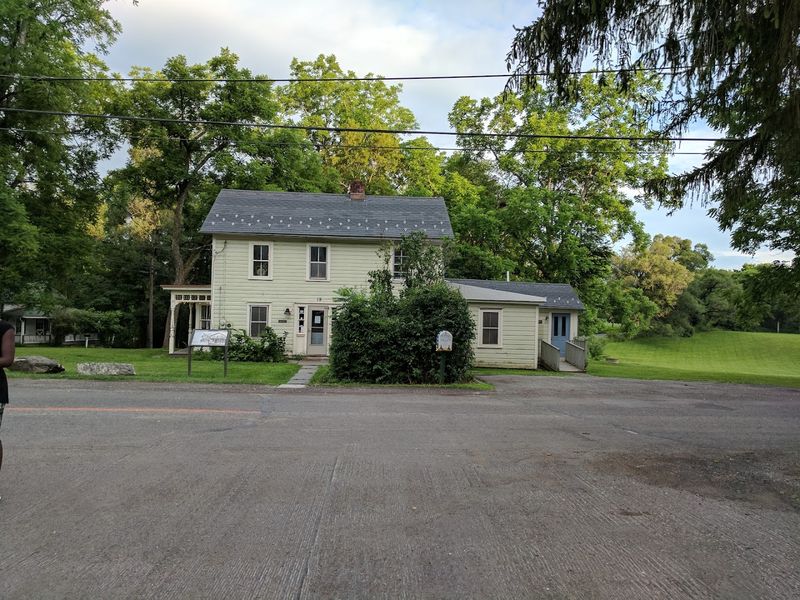
The historic structures on the property include farmhouses, barns, and outbuildings that date back generations. Each one has been adapted for its current use while retaining the architectural features that make it identifiable as part of the original farm landscape.
That history is not just decorative. It is a meaningful part of what Peters Valley is trying to do, which is connect craft practice to a longer tradition of working with materials and making things by hand.
The buildings serve as a constant reminder that skilled, careful work has been happening on this land for a very long time, and the school is simply continuing that in a new form.
Planning Your Visit: What to Know Before You Go
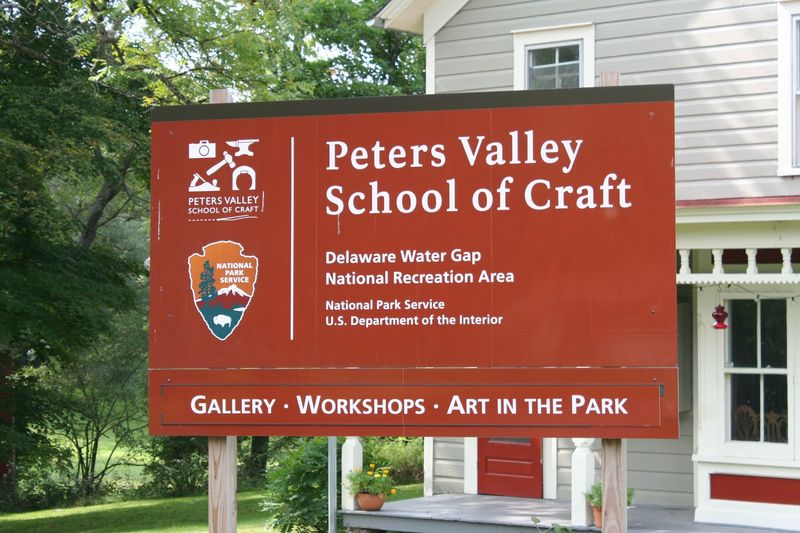
Getting the most out of a trip to Peters Valley starts with a little advance planning. The campus is located at 19 Kuhn Rd in Sandyston, NJ, deep in Sussex County, and the drive in from major highways involves a stretch of rural roads that rewards patience over speed.
The school’s website at petersvalley.org is the best starting point for checking the current workshop schedule, which is updated well in advance of each season. Registration for popular workshops fills up quickly, particularly for blacksmithing and ceramics courses, so early sign-up is strongly recommended.
The office operates Monday through Friday from 9 AM to 5 PM, and staff are accessible by phone or through the website for questions about specific programs. If a full workshop is not in the plans, a weekday visit to the gallery and shop is a low-commitment way to get a feel for the campus and decide whether a return trip for a class makes sense.
Why People Keep Coming Back to This Place
There is a pattern that repeats itself at Peters Valley with striking regularity. Students arrive for a single workshop, spend a few days or a week working on a craft in a historic studio surrounded by forest, and leave already thinking about which course to take next.
The combination of high-quality instruction, a focused environment, and a community of people who share a genuine interest in making things creates conditions that are genuinely hard to replicate elsewhere. The campus removes the usual distractions and replaces them with sustained creative work, which turns out to be something a lot of people are hungry for without quite knowing it until they experience it.
The school has been building this community for decades, and the loyalty it generates is one of the clearest signs that it is doing something right. Peters Valley is the kind of place that earns its reputation not through marketing but through the consistent quality of what happens inside those old converted barns, week after week, season after season.
Share this story