There is a place in Sarasota where upscale boutiques, outdoor dining, and a surprising circus history all come together on a single island ringed by palm trees and sea breezes. The layout alone is worth the visit: a perfectly round loop of storefronts surrounding a lush central park, connected to the mainland by a bridge that feels like crossing into a different world.
John Ringling, the circus magnate himself, helped shape this island into the stylish destination it is today. Whether you are browsing handcrafted jewelry, sharing a sidewalk table with a Gulf Coast sunset as your backdrop, or just soaking in the quirky charm of it all, this place delivers a full afternoon of discovery that most visitors never want to leave.
A Round Island With a Remarkable Address
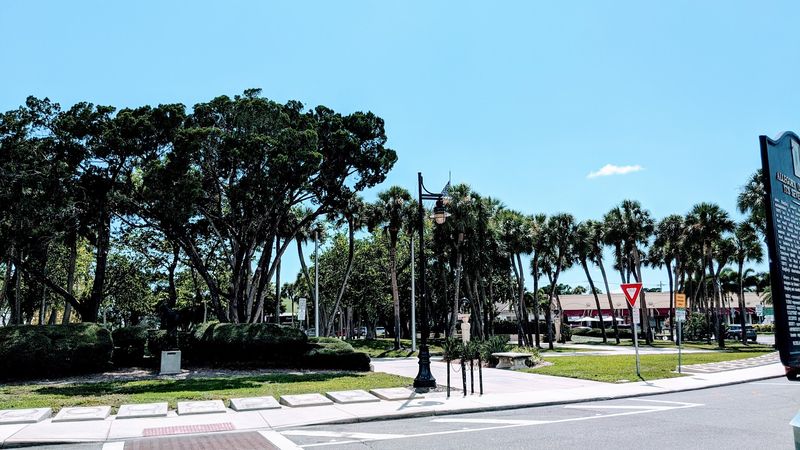
St. Armands Circle sits at the heart of St. Armands Key, a small barrier island in Sarasota, Florida, with the address centered around St. Armands Circle, Sarasota.
To get there, you cross the John Ringling Causeway, a scenic bridge that stretches over Sarasota Bay and delivers you directly onto the island.
The circular layout is not just a design quirk. It was part of an ambitious planned development that dates back to the early 20th century, and the bones of that original vision are still visible today.
Lido Key and its famous beach sit just a short drive away, making this circle a natural stop before or after a beach day.
The moment you arrive, the palm-lined streets and cheerful storefronts signal that this is not your average strip mall. It feels curated, breezy, and genuinely fun to explore on foot.
John Ringling’s Grand Vision for the Island

Most people associate John Ringling with big tops and acrobats, but his real estate ambitions were just as bold as his circus empire.
In the 1920s, Ringling purchased St. Armands Key with plans to transform it into a world-class shopping and residential destination modeled after upscale European plazas.
He envisioned grand boulevards, elegant shops, and a central park filled with art and greenery. The Florida land boom of that decade made his timing feel perfect, and construction began with serious momentum.
When the land bust hit in the late 1920s, the project stalled, and Ringling’s full vision was never completed during his lifetime.
Decades later, developers picked up where he left off, and the circle finally came into its own as a shopping and dining hub in the mid-20th century. His fingerprints, quite literally, are still all over the place.
The Circus Statues Hiding in Plain Sight
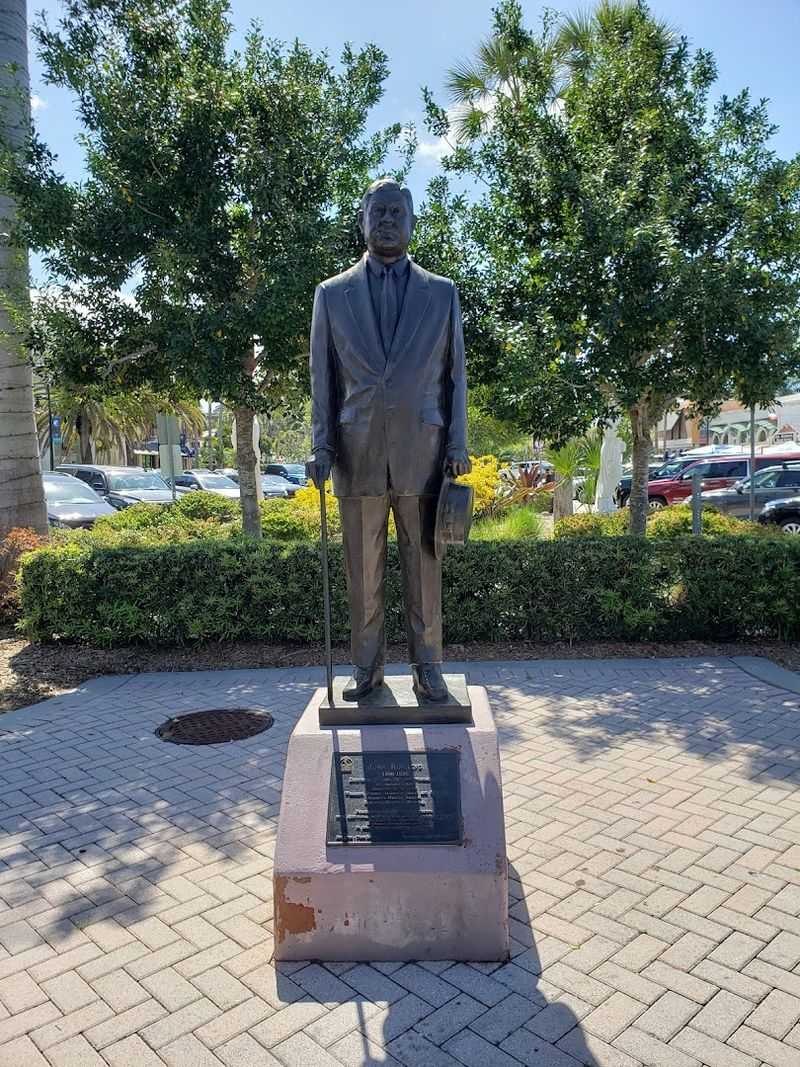
Scattered throughout the central park and along the walkways, a collection of bronze statues quietly celebrates the circus heritage that Ringling brought to Sarasota.
You will spot acrobats, clowns, and performers frozen mid-act, tucked between flower beds and benches where visitors eat ice cream and check their phones.
The statues are detailed and expressive, and many of them are interactive in a low-key way. Kids climb on them, adults pose beside them, and most people stop at least once to look more closely than they expected to.
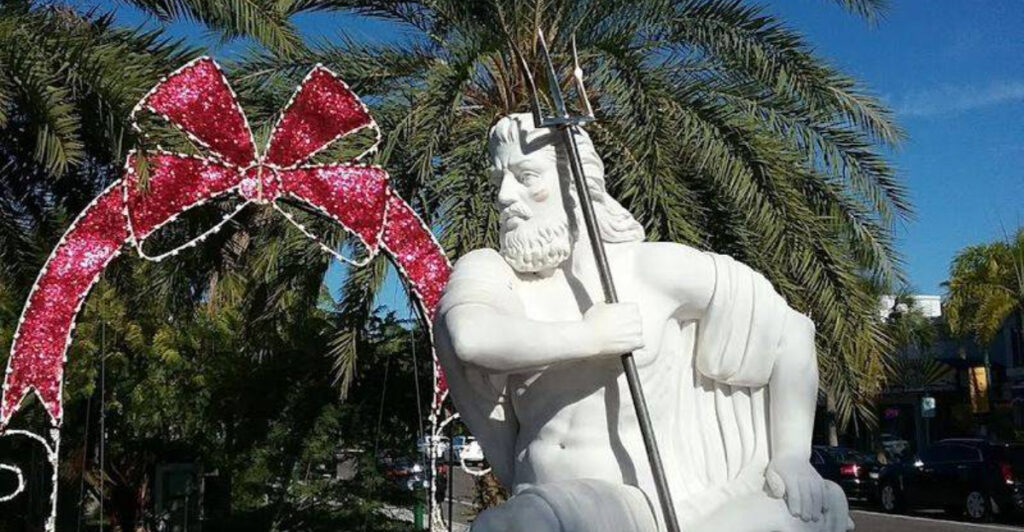
There are also classical sculptures mixed in, reflecting Ringling’s love of European art and his desire to bring that sensibility to his Florida development.
The combination of circus whimsy and classical elegance gives the park a personality that is hard to pin down but easy to enjoy. It is one of those small details that makes the circle feel genuinely layered.
Boutique Shopping That Actually Delivers
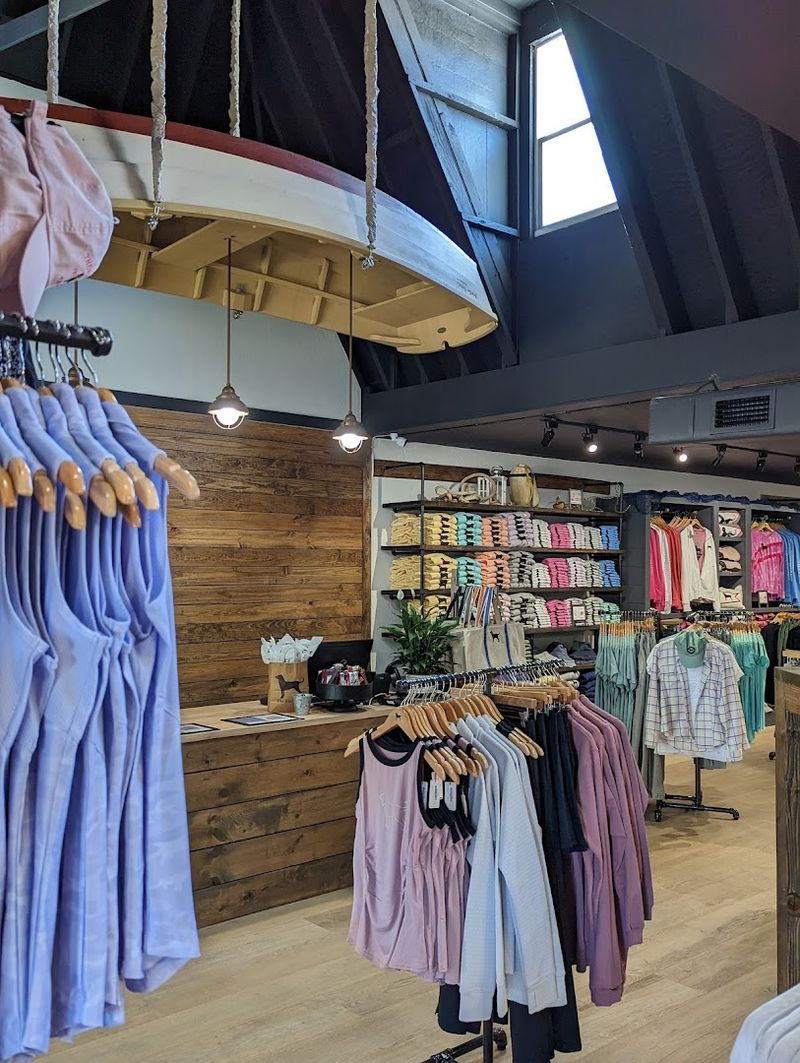
The shopping here leans toward the boutique end of the spectrum, with locally owned stores sitting comfortably alongside well-known national names.
You can find everything from resort wear and handcrafted jewelry to home decor, art prints, and specialty gifts that you will not stumble across in a typical mall.
Columbia Restaurant’s gift shop, several swimwear boutiques, and a handful of galleries give the circle a retail mix that caters to beach tourists and design-minded locals alike.
Prices reflect the upscale setting, but bargain hunters will find that browsing is free and genuinely enjoyable. Window shopping here feels less like a consolation prize and more like part of the experience.
Many shops keep their doors open to the street, so the scent of candles, fresh leather, and sunscreen drifts into the walkway and pulls you in before you even realize you have stopped walking.
Outdoor Dining With a Side of People-Watching
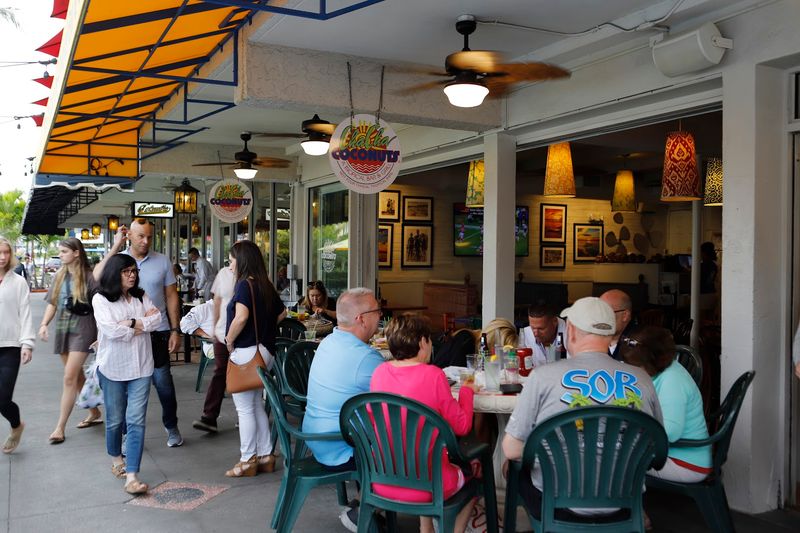
Eating outside is practically the default mode at St. Armands Circle, and the restaurants lean hard into that with wide patios, covered terraces, and sidewalk seating that faces the pedestrian flow.
The people-watching from any of these tables is genuinely top-tier. Families with strollers, couples in resort wear, and the occasional dog on a leash all cycle past in an easy, unhurried parade.
Menus across the circle cover a solid range: fresh seafood, wood-fired pizza, Cuban classics at Columbia Restaurant, and casual bites at spots designed for quick stops between shops.
The Columbia Restaurant location here is a standout, with its signature Spanish-Cuban dishes and a dining room that feels more formal than the breezy surroundings suggest.
Reservations are a smart move for dinner, especially on weekends when the circle fills up and the wait times at popular spots can stretch well past an hour.
The Central Park at the Heart of It All
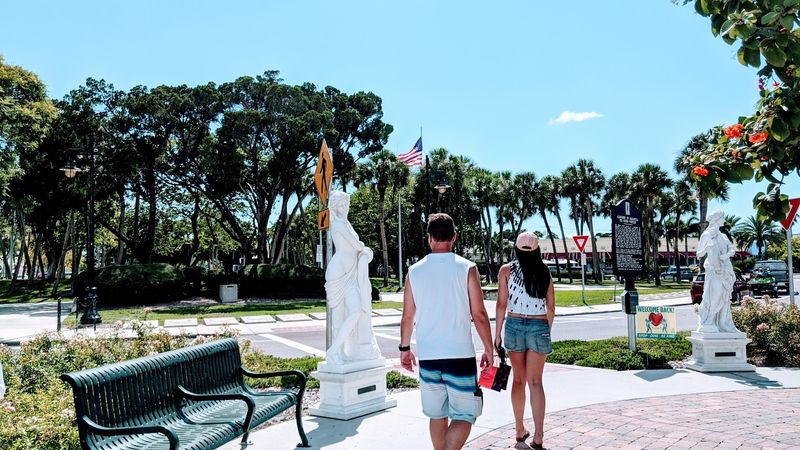
The park at the center of the circle is more than a landscaped roundabout. It is a genuine gathering spot with mature trees, manicured flower beds, and enough shaded benches to sit and decompress for a while.
On any given afternoon, you will find families taking a break from shopping, tourists consulting their maps, and locals who have clearly claimed their favorite bench as a regular post.
Seasonal flowers are rotated throughout the year, so the park looks different depending on when you visit. In winter, the reds and whites of holiday plantings give it a festive look that pairs well with the mild Sarasota temperatures.
The sculptures placed throughout the park create natural stopping points that break up the circular path and give the space a sense of discovery.
Even if you are not shopping or dining, the park alone is worth a slow lap around the circle on a good Florida afternoon.
A Walkable Layout That Rewards Slow Exploration
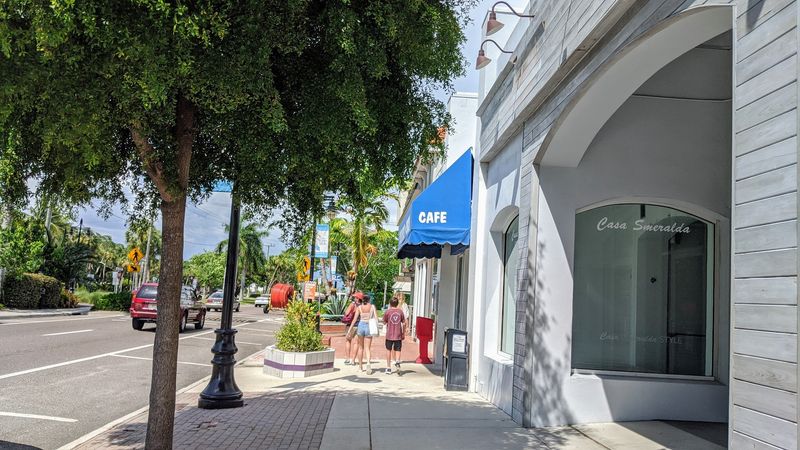
The entire circle is designed for walking, with wide brick-paved sidewalks, gentle curves, and no real reason to rush. One full loop is only about a quarter mile, but most people end up doing it two or three times without noticing.
There are no sharp corners or dead ends, which creates a flow that keeps you moving at a relaxed pace from one shop or restaurant to the next.
Benches, shade trees, and water fountains are placed at regular intervals, making it comfortable for older visitors or anyone with young kids who need frequent pit stops.
Strollers and wheelchairs move easily along the smooth pavement, and the lack of heavy traffic inside the circle keeps the whole area feeling calm and safe.
The layout rewards the kind of aimless wandering that most shopping destinations try to engineer but rarely achieve naturally. Here, it just happens on its own.
Annual Events That Draw Big Crowds
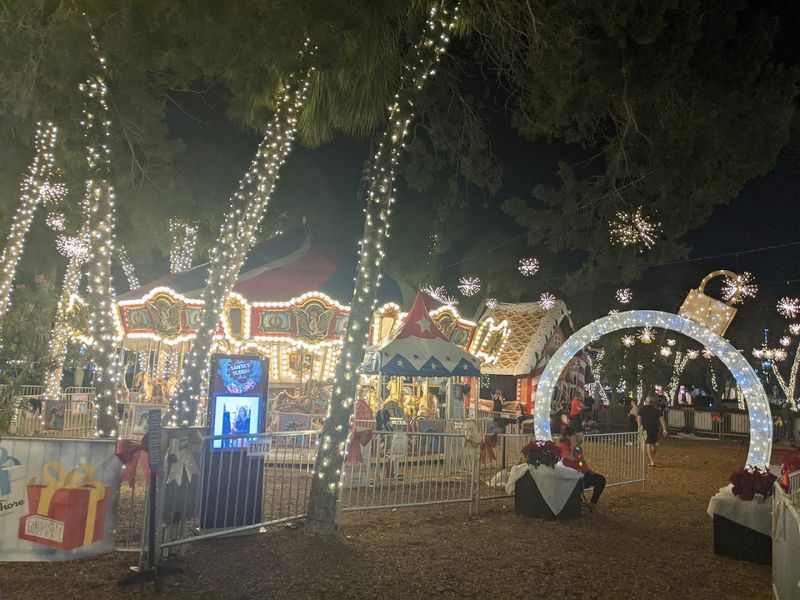
The circle hosts a packed calendar of events throughout the year, and some of them are legitimately worth planning a trip around rather than just stumbling into.
The St. Armands Circle Art Festivals, held multiple times annually, bring in hundreds of juried artists from across the country and fill the park and surrounding streets with paintings, sculpture, photography, and handmade goods.
Holiday events in November and December transform the circle into a festive outdoor market, complete with seasonal decorations, live music, and vendors selling items you will not find anywhere else in the region.
Car shows, food festivals, and charity events also rotate through the calendar, giving the circle a lively energy that changes with the seasons.
Checking the official St. Armands Circle Association event calendar before your visit is worth the two minutes it takes. You might time your trip to land in the middle of something special.
The Architecture and Ambiance of the Circle
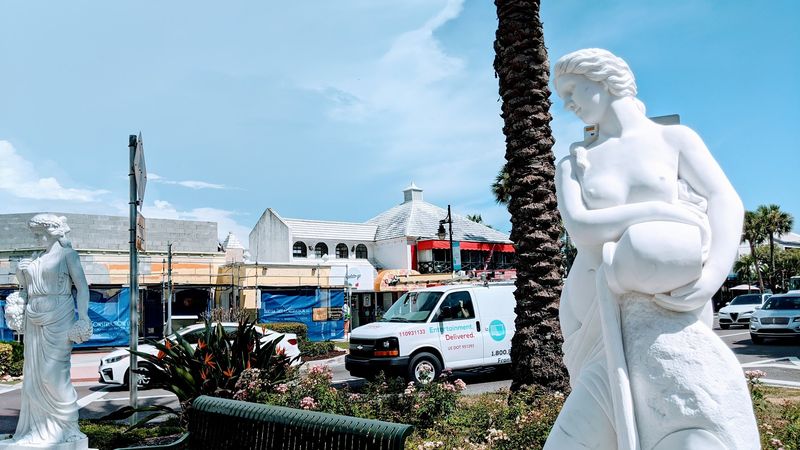
The buildings around the circle lean toward a Mediterranean Revival style that feels consistent with the broader architectural heritage Ringling brought to Sarasota in the 1920s.
Arched entryways, terracotta-colored facades, and low-profile storefronts give the streetscape a cohesion that makes the whole circle feel intentional rather than cobbled together over decades.
Awnings in muted stripes, hanging flower baskets, and decorative tile work on some of the older buildings add texture that rewards a closer look as you walk by.
At night, the circle takes on a warmer, softer quality. String lights and restaurant lanterns replace the bright Florida sun, and the whole place feels more intimate and date-night appropriate than it does during the day.
The architecture is not flashy, but it is consistent, and that consistency is exactly what gives St. Armands Circle its distinctive character compared to other Florida shopping destinations.
Best Times to Visit and Practical Tips
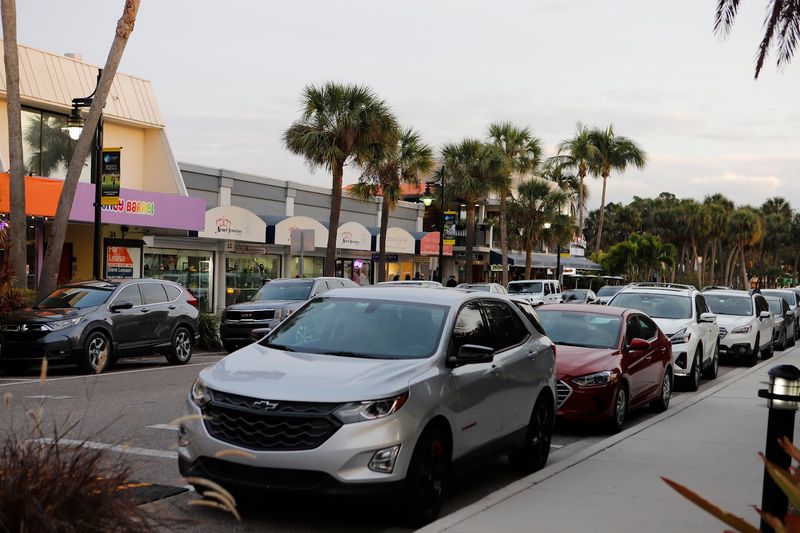
Sarasota’s peak tourist season runs from November through April, when snowbirds arrive and the weather is consistently mild, sunny, and dry. The circle is busiest during this window, and parking can be competitive on weekend afternoons.
The summer months bring heat, humidity, and afternoon thunderstorms, but also noticeably smaller crowds and a more relaxed pace that some visitors actually prefer.
Parking is available in surface lots around the circle and along nearby streets. Arriving before noon or after 4 PM on busy days gives you a much better chance of finding a spot without circling the block repeatedly.
Most shops open around 10 AM and stay open through the evening, with restaurants keeping later hours. A midweek visit during the off-season is the sweet spot for a crowd-free, unhurried experience.
Comfortable walking shoes, sunscreen, and a reusable tote bag are the three things that will make your visit noticeably better from start to finish.
The Sarasota Art Scene Spills Over Here
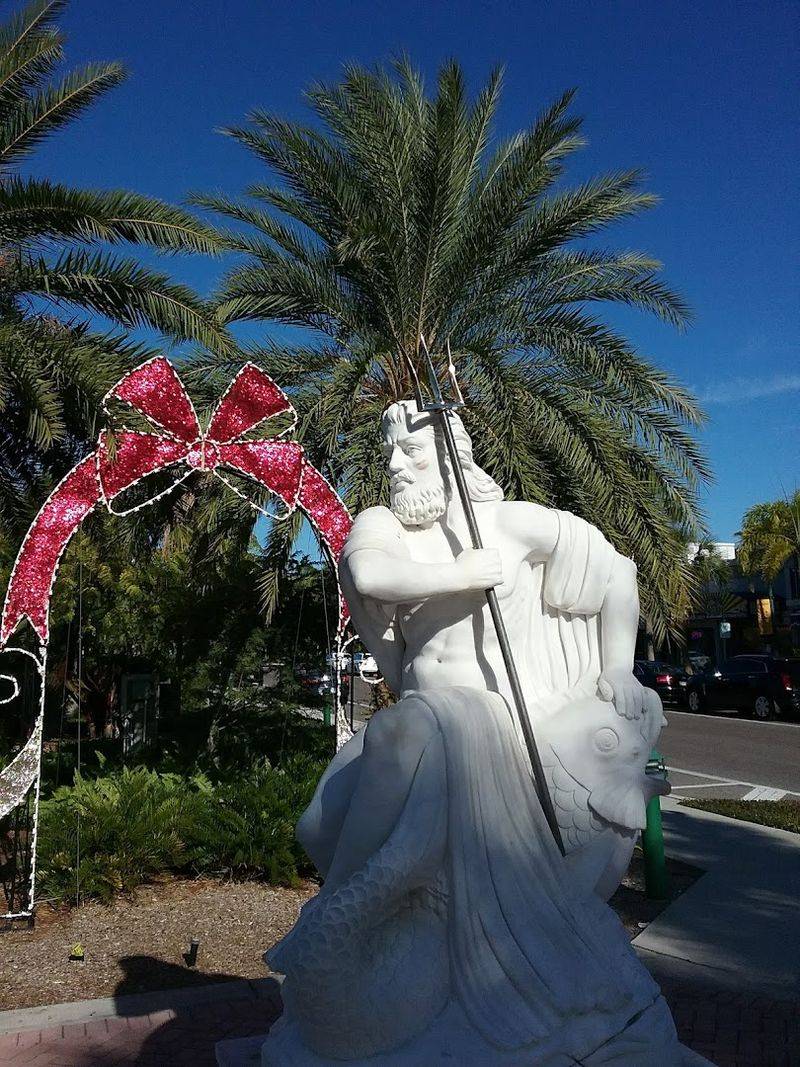
Sarasota has a strong arts culture, and St. Armands Circle is one of the places where that culture shows up in a very accessible, street-level way.
Several galleries along the circle feature work by regional and national artists, covering everything from realistic coastal paintings to abstract mixed media pieces that spark a second glance.
The art festivals held here multiple times a year reinforce that identity and attract serious collectors alongside casual browsers who just want to see something interesting.
Public art installations rotate through the park periodically, adding a layer of visual interest that changes the feel of the space from one visit to the next.
Even the shop windows often display locally made items with an artistic edge, from hand-thrown pottery to silk-screened textiles, that blur the line between retail and gallery in a way that feels genuinely Sarasota.
How the Circle Connects to the Broader Island Life
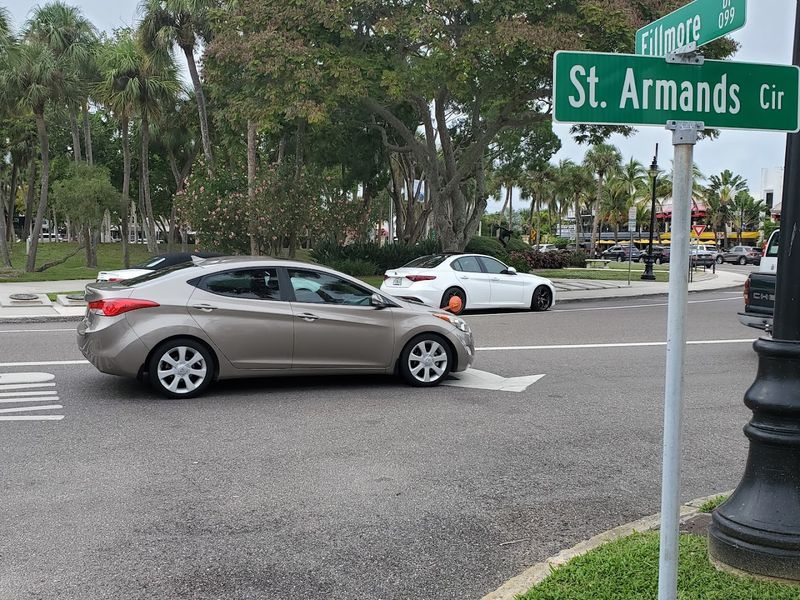
St. Armands Key is not just a shopping destination. It is a residential island where people actually live, and that combination gives the circle a grounded quality that pure tourist traps lack.
Beyond the circle’s ring of shops and restaurants, the island spreads out into quiet streets lined with mid-century homes, newer builds, and lush landscaping that blocks the Gulf heat.
Locals walk their dogs past boutiques on weekday mornings, grab coffee from the same spots tourists line up for on weekends, and treat the circle as a backyard amenity rather than a destination.
That overlap between local daily life and visitor activity creates an atmosphere that feels alive rather than staged.
The island also connects to Longboat Key to the north and Lido Key to the south, making it part of a longer coastal chain that rewards anyone willing to explore beyond the circle itself.
Why the Circle Stays Relevant After All These Years
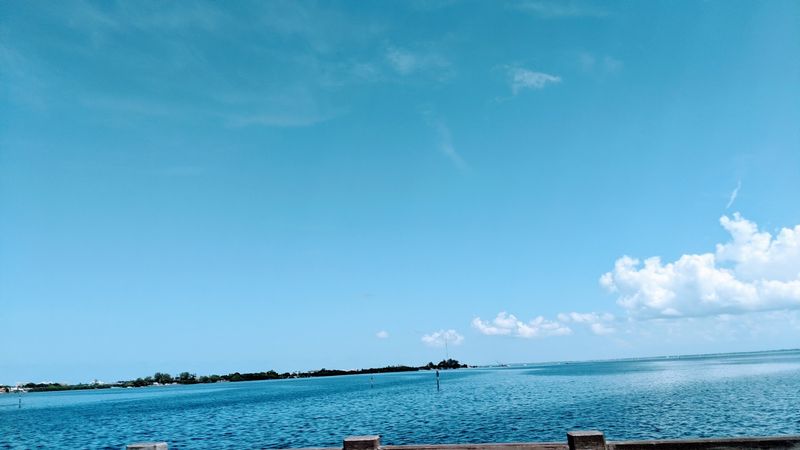
Plenty of outdoor shopping districts have come and gone in Florida over the decades, but St. Armands Circle has outlasted trends and economic shifts by staying true to what it does best.
The combination of walkability, waterfront proximity, quality dining, and a genuine sense of place keeps drawing visitors back year after year without needing a dramatic reinvention.
New restaurants and shops cycle in periodically, keeping the retail mix fresh while the overall character of the circle stays consistent. That balance is harder to achieve than it looks.
The circus history, the Ringling legacy, the art culture, and the Gulf Coast setting all layer on top of each other in a way that gives the circle more depth than a typical lifestyle center.
After spending a few hours here, most people leave already thinking about when they will come back, which is probably the most honest measure of a place worth visiting.
Share this story