Some cities just seem to have it all figured out. From spotless streets and world-class hospitals to parks where people actually want to hang out, these places make everyday life feel genuinely good.
Across the globe, a handful of cities have risen to the top by getting the basics right and then going way beyond the basics. Here are 20 cities that are setting the gold standard for quality of life worldwide.
Copenhagen, Denmark
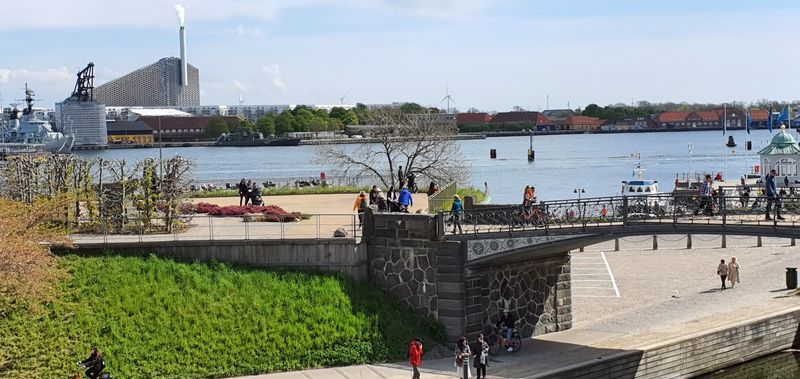
Cyclists outnumber cars in Copenhagen, and honestly, that tells you almost everything you need to know about this city. It topped the 2026 Global Liveability Index, and residents there will tell you it was no surprise.
The bike lanes are impeccably maintained, and getting around the city without a car is genuinely easy and enjoyable.
Healthcare is free, public transport is reliable, and green spaces are woven into nearly every neighborhood. The Danish concept of “hygge” shapes daily life here, encouraging people to slow down, connect with others, and find comfort in simple pleasures.
Work hours are reasonable, burnout is taken seriously, and people actually use their vacation days.
Copenhagen also leads the world in sustainability, with ambitious goals to become the first carbon-neutral capital city. Restaurants serve fresh, locally sourced food, and the harbor is clean enough to swim in during summer.
Living here feels less like surviving a city and more like actually thriving in one. Copenhagen is proof that a city can be both efficient and deeply human at the same time.
Vienna, Austria
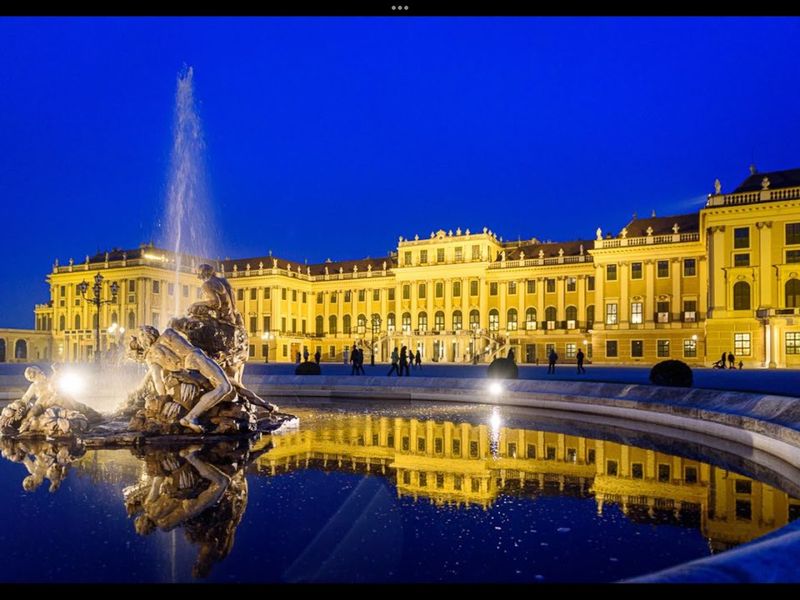
No city on earth quite blends imperial grandeur with everyday practicality the way Vienna does. For more than a decade, it has ranked at or near the very top of global quality-of-life indexes, and its residents enjoy one of the most balanced urban lifestyles anywhere.
The public transport system is so good that most people never feel the urge to own a car.
Healthcare is accessible, affordable, and genuinely excellent. The city is dotted with coffee houses that have been operating for centuries, giving Vienna a social culture that feels warm, unhurried, and deeply civilized.
Opera, museums, and live concerts are priced so that regular people can actually attend them regularly.
Safety is another major strength. Walking alone at night in most neighborhoods feels completely normal.
Families, students, and retirees all seem to find exactly what they need here. Vienna also invests heavily in social housing, keeping the city accessible to people across all income levels.
The result is a city that feels genuinely inclusive rather than just wealthy. Few places manage to honor their past so beautifully while building such a thoughtful and livable present.
Zurich, Switzerland
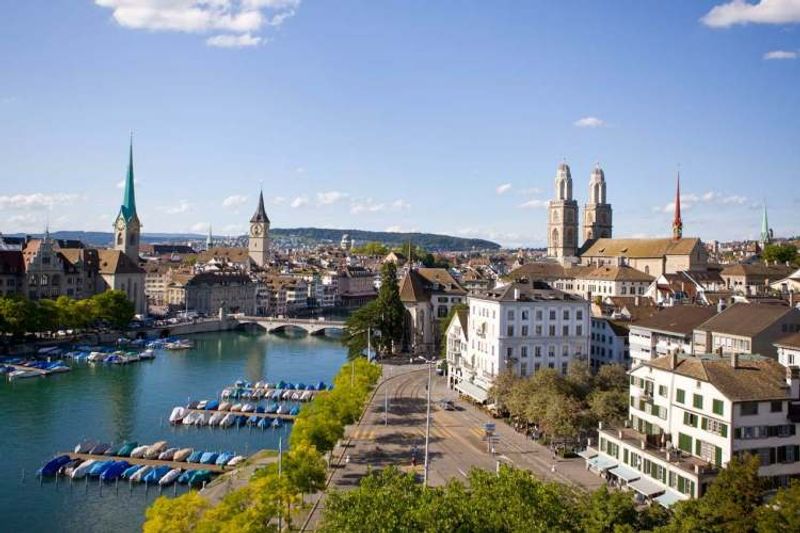
Zurich runs like a perfectly tuned watch, which feels appropriate given the country it calls home. Consistently landing in the top three cities globally for quality of life, it offers residents an almost frictionless daily experience.
Trains arrive on time, streets are spotless, and the infrastructure quietly does its job without anyone having to worry about it.
Yes, Zurich is expensive. But salaries here are among the highest in the world, and that purchasing power makes the cost of living feel far more manageable than the price tags suggest.
Healthcare is world-class, the education system is exceptional, and safety levels are remarkably high. The city also sits beside a stunning lake with the Alps visible on clear days, which never gets old.
What surprises many visitors is how livable Zurich feels despite its financial reputation. It is not all banks and boardrooms.
There are vibrant neighborhoods, excellent restaurants, independent bookshops, and a thriving arts scene. The city also prioritizes environmental quality, with clean air, clean water, and abundant green space.
Zurich may cost a lot to live in, but it delivers an equally impressive return on that investment every single day.
Geneva, Switzerland
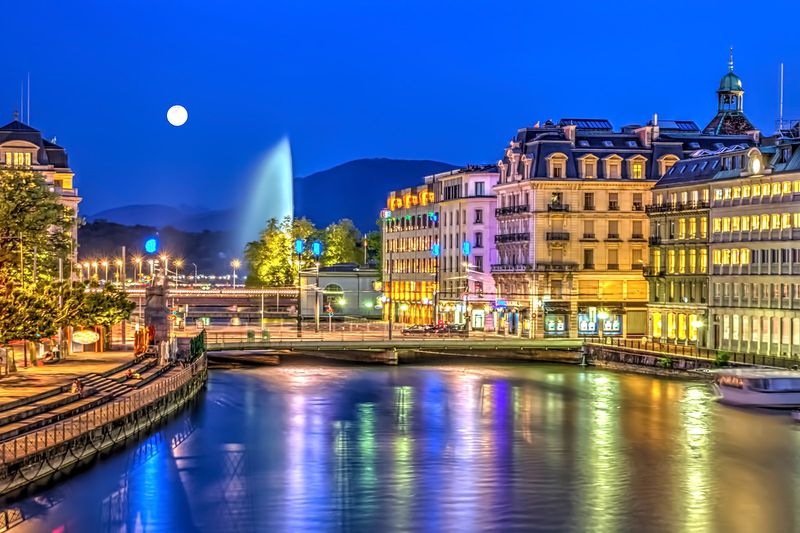
Few cities carry the kind of international weight that Geneva does while still managing to feel quietly livable. Home to the United Nations, the Red Cross, and dozens of global institutions, it operates at a global scale without losing its neighborhood charm.
The famous Jet d’Eau shoots water 140 meters into the air above Lake Geneva, and locals barely glance at it anymore because beauty here is just the background of ordinary life.
Healthcare in Geneva is excellent across the board, and the city draws highly skilled professionals from around the world, creating a diverse and intellectually stimulating environment. The lake and surrounding mountains offer endless opportunities for outdoor recreation, from sailing in summer to skiing in winter.
Life here connects urban comfort with natural access in a way that few cities manage.
Safety, cleanliness, and efficiency are all hallmarks of daily life in Geneva. Public services run smoothly, and the city has a strong commitment to sustainability and environmental quality.
The multilingual culture adds a unique richness to social life, with French, English, and German all heard regularly. For people who value both opportunity and quality of daily living, Geneva sits near the top of any honest list.
Amsterdam, Netherlands
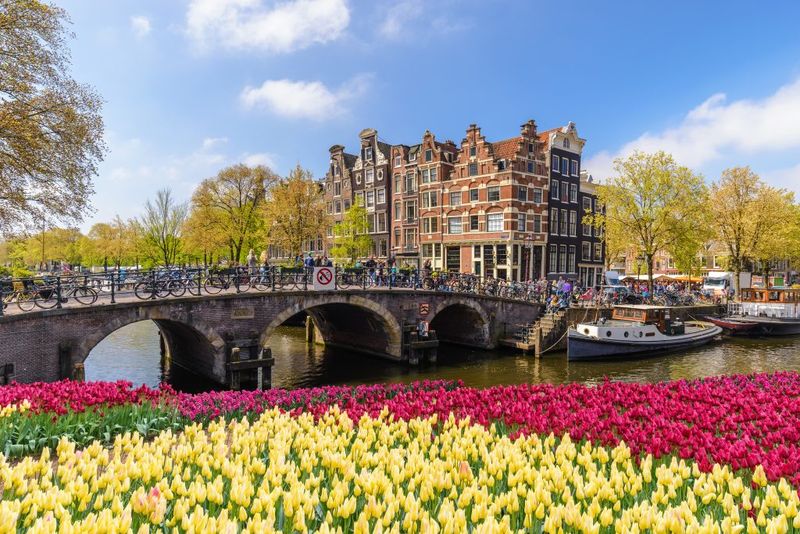
There is a certain looseness to life in Amsterdam that makes it feel unlike any other European capital. The canals reflect centuries of history, but the city itself feels refreshingly modern in its values.
Cycling is not just a transport option here, it is practically a civic religion, and the infrastructure built around it is genuinely world-class.
Healthcare is strong, public transport is efficient, and the city has a deep commitment to sustainability and green living. Amsterdam consistently ranks among Europe’s most livable cities because it manages to be both culturally rich and practically functional at the same time.
The arts scene is thriving, with world-famous museums sitting alongside independent galleries and live music venues.
The Dutch attitude toward work-life balance filters into everyday city life in a tangible way. People leave the office on time, spend evenings at outdoor cafes, and take their vacations seriously.
Housing can be competitive and pricey, but the overall quality of life remains high. Amsterdam is also one of the most open and internationally minded cities in the world, welcoming people from all backgrounds and lifestyles.
It is a city that feels genuinely free in the best possible sense of that word.
Vancouver, Canada
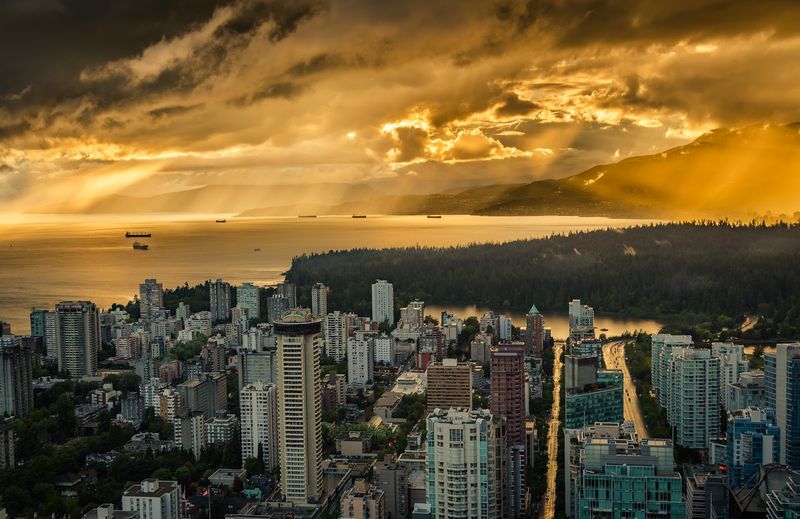
Standing downtown in Vancouver and looking up to see snow-capped mountains framing the skyline is the kind of view that makes people stop mid-sentence. Vancouver has long held a reputation as one of North America’s most livable cities, and that reputation is well earned.
It offers the cultural energy of a major city while keeping the natural world remarkably close and accessible.
The city has excellent healthcare, strong public schools, and a diverse, welcoming population drawn from across the globe. Stanley Park sits right at the edge of the downtown core, offering forests, beaches, and trails just minutes from office towers.
In winter, ski resorts are less than an hour away. In summer, the ocean is right there.
Vancouver is not without its challenges. Housing costs have risen sharply, and affordability remains a real issue for many residents.
But the overall quality of daily life, from air quality to safety to cultural options, remains genuinely impressive. The food scene reflects the city’s incredible diversity, with outstanding cuisine from dozens of cultures available in every neighborhood.
Vancouver proves that a city can be economically ambitious and environmentally responsible without sacrificing the things that make daily life worth living.
Melbourne, Australia
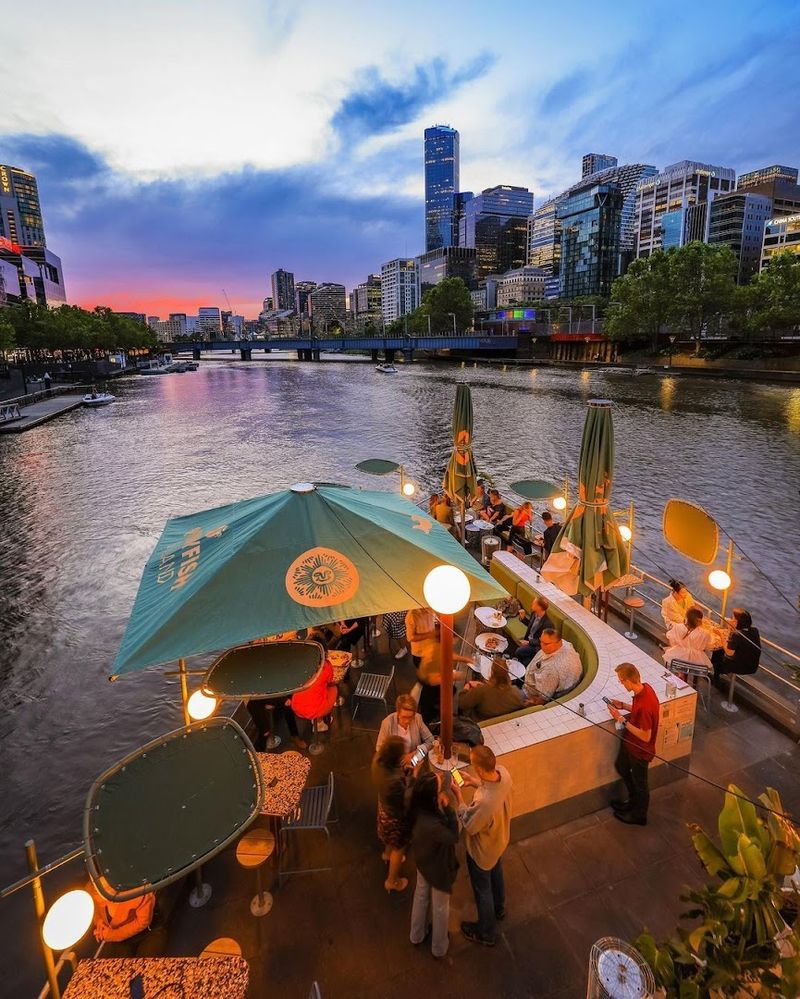
Melbourne has a personality that hits you the moment you turn down one of its famous laneways and find a hidden cafe serving extraordinary coffee next to a wall covered in fresh street art. This city does not just function well, it has genuine character.
It has ranked among the world’s most livable cities for years, and locals will enthusiastically tell you why over a flat white.
Public transport covers the city extensively, healthcare is strong, and the education system includes some of Australia’s finest universities. The cultural calendar is packed year-round with festivals, exhibitions, sporting events, and live performances.
Melbourne takes food and coffee exceptionally seriously, and that culture of quality spills over into how the city approaches most things.
The climate is famously unpredictable, with locals joking that you can experience all four seasons in a single afternoon. But even that quirk adds to Melbourne’s charm rather than detracting from it.
The city is also one of the most culturally diverse in the world, with vibrant communities from Greece, Italy, Vietnam, China, and dozens of other countries shaping its neighborhoods. That diversity makes Melbourne feel endlessly interesting and genuinely welcoming to newcomers from anywhere on earth.
Sydney, Australia
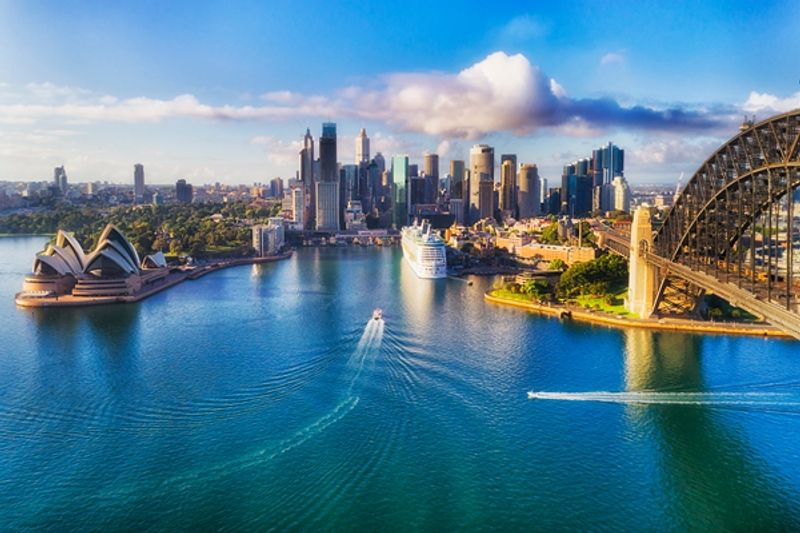
Waking up in Sydney on a clear morning and seeing the Opera House gleaming across the harbor is the kind of thing that never fully loses its magic, even for people who have lived there for decades. Sydney is one of the world’s most recognizable cities, and it backs up that postcard reputation with a genuinely high standard of living.
The harbor is not just beautiful, it is central to how the city functions and feels.
Healthcare is excellent, the economy is strong, and opportunities across finance, technology, and creative industries are abundant. Beaches are woven into the fabric of daily life here, with Bondi and dozens of others just a short drive or bus ride from the city center.
The outdoor lifestyle is not an occasional luxury but a regular part of how people spend their time.
Sydney is expensive, and the housing market presents real challenges for younger residents. But the quality of infrastructure, public services, and natural surroundings still places it firmly among the world’s top cities.
The food scene is outstanding, reflecting the city’s multicultural character with exceptional cuisine from every corner of the globe. Sydney rewards those who live there with a daily backdrop that most cities can only dream of offering.
Auckland, New Zealand
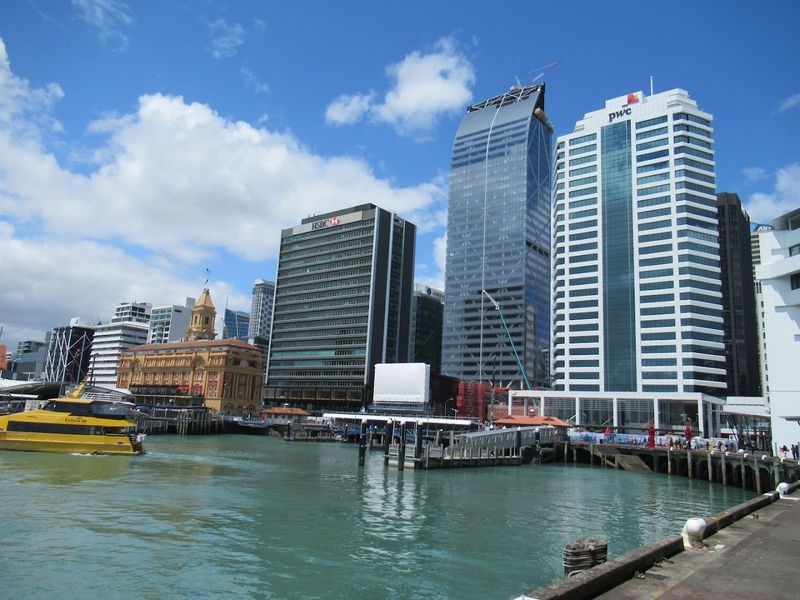
Auckland sits on a narrow isthmus between two harbors, meaning you are never far from the water no matter where you are in the city. That geographic quirk shapes everything about life here, from weekend sailing trips to the fresh, clean air that blows in off the Pacific.
New Zealand as a whole scores exceptionally well on safety and environmental quality, and Auckland benefits from both.
The city has strong healthcare infrastructure, excellent schools, and a warm, community-oriented culture that makes newcomers feel genuinely welcome. Outdoor living is central to Auckland life, with beaches, volcanic parks, hiking trails, and water activities all within easy reach.
The pace of life is noticeably more relaxed than in many comparable global cities.
Auckland is also one of the most ethnically diverse cities in the world, with large Maori, Pacific Islander, and Asian communities contributing to a rich cultural landscape. Food options reflect that diversity beautifully, and the local restaurant scene punches well above the city’s size.
Housing affordability has become a significant challenge in recent years, but the overall quality of life remains high. For people who want genuine safety, natural beauty, and a city that feels human-scaled and livable, Auckland delivers consistently and without much fanfare.
Munich, Germany
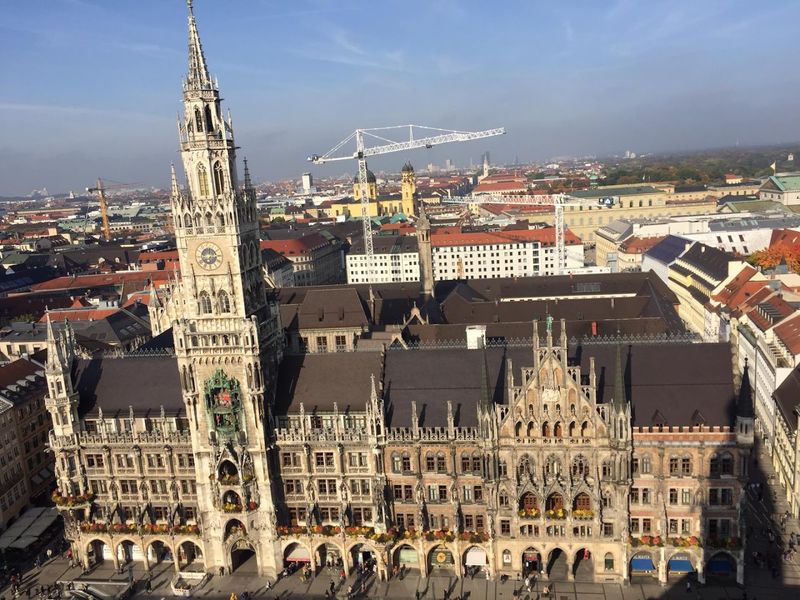
Munich manages to be one of Germany’s wealthiest cities without ever losing the warmth that makes people actually want to live there. The beer gardens alone would be enough to earn it a spot on this list, but Munich backs up that charm with genuinely excellent infrastructure, strong public services, and one of the most stable economies in Europe.
It is a city that works hard and relaxes even harder.
Public transport is clean, punctual, and extensive, covering the city and its surrounding region with impressive efficiency. Healthcare is excellent, schools are strong, and the city consistently ranks at or near the top of German livability surveys.
Safety levels are high, and the streets feel welcoming at all hours. The proximity to the Bavarian Alps means that world-class skiing and hiking are less than an hour away.
Munich also has a thriving arts and culture scene that often gets overshadowed by Oktoberfest in global coverage. World-class museums, opera houses, and galleries make it a genuinely rich cultural destination year-round.
The food scene goes far beyond pretzels and sausages, with excellent international cuisine throughout the city. Munich proves that economic success and quality of daily life are not mutually exclusive when a city gets its priorities right.
Frankfurt, Germany
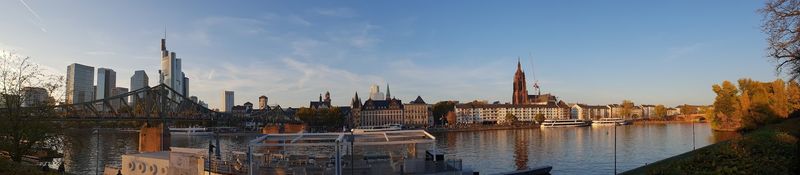
Frankfurt surprises people. From the outside it looks like a city of glass towers and finance, and yes, it is one of Europe’s most important banking centers.
But spend a few days actually living in it and a very different picture emerges. The old town, rebuilt after World War II, is charming.
The riverbanks are lined with museums and cycling paths. The food markets are excellent.
The city scores consistently high on global livability rankings thanks to its outstanding transport connections, clean environment, and strong economy. Frankfurt Airport is one of the busiest in the world, making international travel remarkably convenient.
Public transport within the city is efficient and reliable, and the overall infrastructure is maintained to a very high standard.
Healthcare in Frankfurt is excellent, and the city attracts a highly international population, giving it a cosmopolitan energy that sets it apart from many other German cities. English is widely spoken, making it accessible to expats and newcomers from the start.
The surrounding region offers forests, vineyards, and riverside towns perfect for weekend escapes. Frankfurt may not have the romantic reputation of some European capitals, but it delivers on the practical elements of quality living with quiet, consistent excellence that earns genuine respect.
Helsinki, Finland
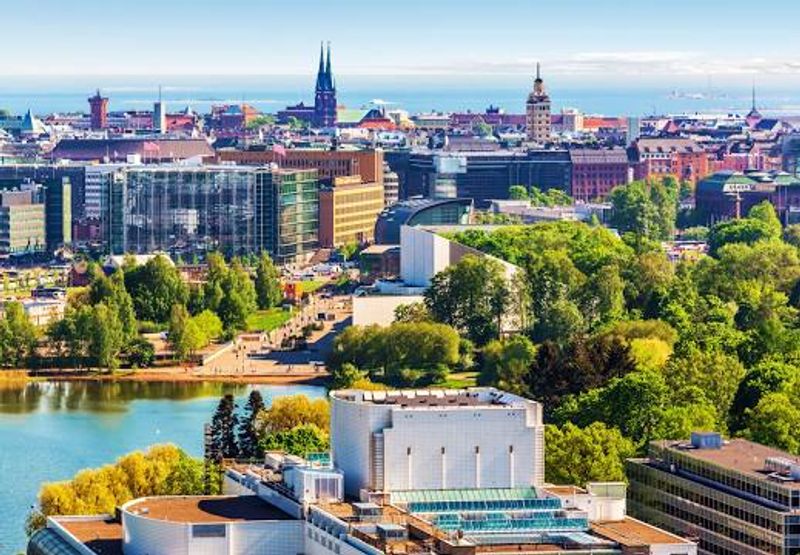
Finland has been ranked the happiest country in the world multiple years running, and Helsinki is the city that anchors that remarkable statistic. Something about this place genuinely works.
The streets are clean, the people are calm, and there is a quiet confidence to daily life that feels deeply rooted rather than performed. Helsinki does not try to impress you.
It just quietly delivers.
The education system here is world-renowned, producing consistently strong outcomes without the stress and pressure found in many other high-performing systems. Healthcare is universal and effective.
The city is surrounded by forests and sea, making nature a constant and accessible presence even in the middle of a busy week. Summer brings long, glorious days of sunlight that the city celebrates with outdoor markets, festivals, and late-night swimming.
Innovation is another hallmark of Helsinki. The city has produced globally significant technology companies and maintains a strong startup culture supported by excellent universities and research institutions.
Sustainability is embedded into city planning, with ambitious climate goals already being met ahead of schedule. Helsinki is also exceptionally safe, consistently ranking among the lowest crime rate capitals in Europe.
For people who value thoughtfulness, equality, and calm efficiency in a city, Helsinki is genuinely hard to beat.
Oslo, Norway
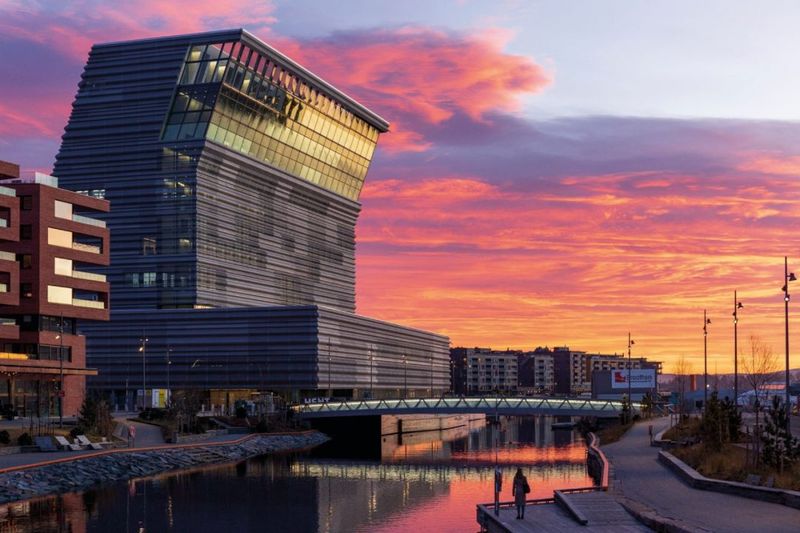
Oslo sits at the head of a fjord, surrounded by forested hills, and manages to be both a thriving modern capital and an outdoor enthusiast’s paradise at the same time. Norwegians have a concept called “friluftsliv,” which roughly translates to open-air living, and it shapes how Oslo functions as a city in a profound way.
Skiing trails start at the edge of the city. The fjord is clean enough to kayak in during summer.
Crime rates in Oslo are among the lowest of any capital city in the world. The social safety net is strong, with excellent healthcare, generous parental leave, and a well-funded education system available to all residents.
Income inequality is low by global standards, which contributes to a city where most people genuinely feel they belong and are looked after.
The cost of living is high, and Oslo is not a budget-friendly destination by any measure. But wages are correspondingly strong, and the quality of public services means residents get genuine value from what they pay.
The city is also deeply committed to reducing its environmental footprint, with ambitious targets for electric transport and green energy already making measurable progress. Oslo is a city that takes care of its people and its planet with equal seriousness.
Stockholm, Sweden
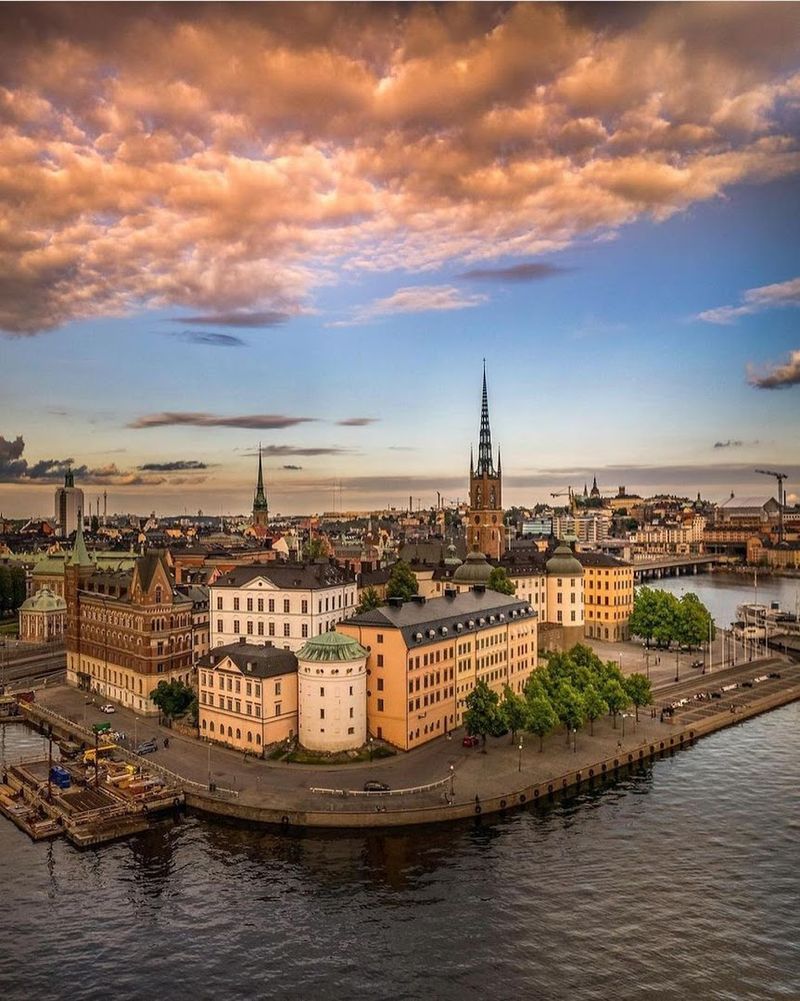
Stockholm is built across fourteen islands, and that geography gives it a visual drama that very few cities can match. Water is everywhere, and the city uses it beautifully, with bridges, ferries, and waterfront promenades connecting neighborhoods that each feel distinct and worth exploring.
Gamla Stan, the medieval old town, sits at the center like a living museum surrounded by a very modern and functional city.
Sweden’s strong social systems translate directly into Stockholm’s quality of life. Universal healthcare, excellent schools, and robust parental support make it one of the most family-friendly capitals in the world.
The tech industry is thriving, with Stockholm producing more billion-dollar startups per capita than almost any other city globally. Innovation and tradition coexist here with impressive ease.
Sustainability is deeply embedded in Stockholm’s DNA. The city has been working toward fossil-fuel-free status for years and has made significant measurable progress.
Green spaces are plentiful, cycling infrastructure is excellent, and the public transport system is clean and efficient. Culturally, Stockholm punches well above its weight, with world-class museums, a vibrant music scene, and a design culture that influences the entire globe.
For a city of roughly one million people, Stockholm’s impact on the world and the quality of life it offers residents are both extraordinary.
The Hague, Netherlands
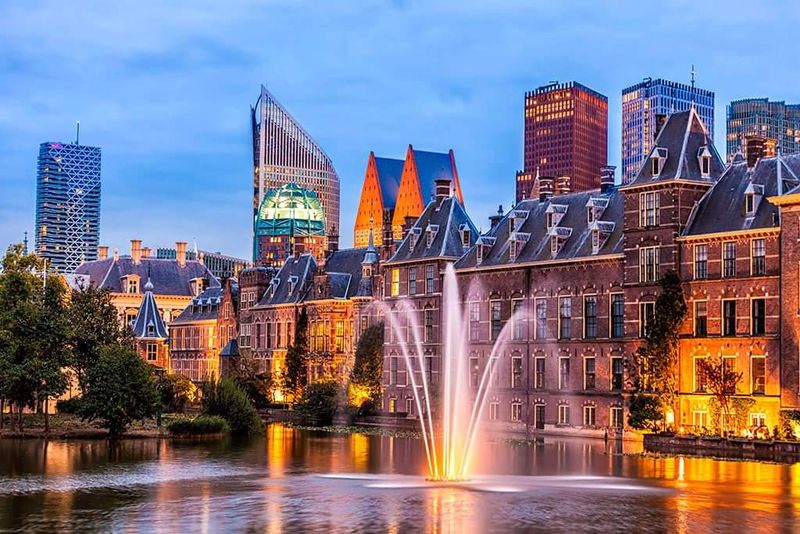
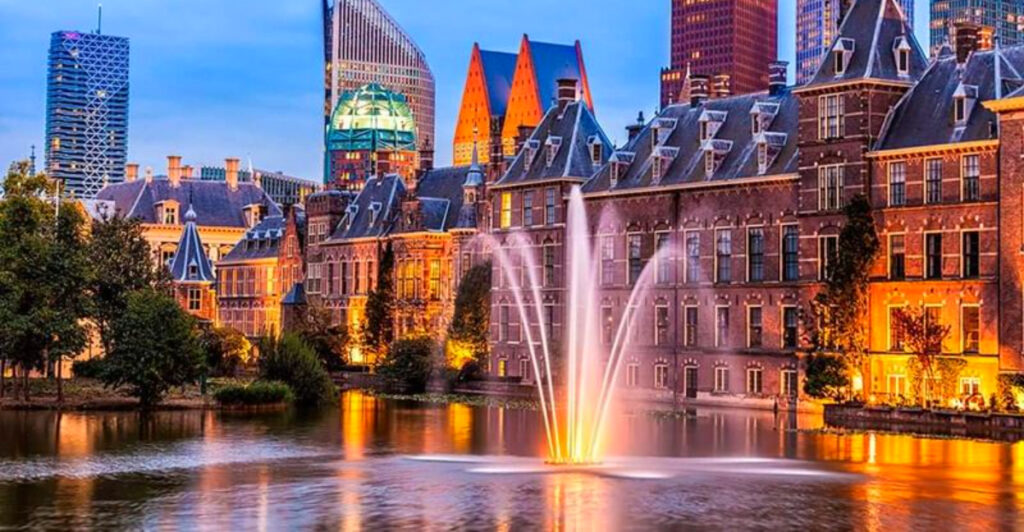
The Hague does not shout about itself, and that understated confidence is part of what makes it so appealing. As the seat of the Dutch government and home to the International Court of Justice, it carries significant global weight while maintaining the feel of a genuinely livable, human-scaled city.
It is less frenetic than Amsterdam and arguably more comfortable for everyday life.
Safety is one of The Hague’s strongest qualities, with consistently low crime rates and a well-maintained public environment. The city has excellent transport links to Amsterdam, Rotterdam, and the rest of the Netherlands, making it easy to access everything the country offers while living somewhere noticeably calmer.
The beach town of Scheveningen is just minutes away, adding a coastal dimension to daily life that many capitals cannot offer.
International institutions bring a highly educated and globally minded population to The Hague, creating a diverse, multilingual community that gives the city an unusually cosmopolitan character for its size. Healthcare and public services are strong, reflecting Dutch standards that rank among Europe’s best.
Housing is more affordable than Amsterdam, which makes the overall quality-of-life proposition genuinely attractive. The Hague quietly delivers everything a modern city should without the noise, crowds, or chaos that often come with urban living elsewhere.
Singapore
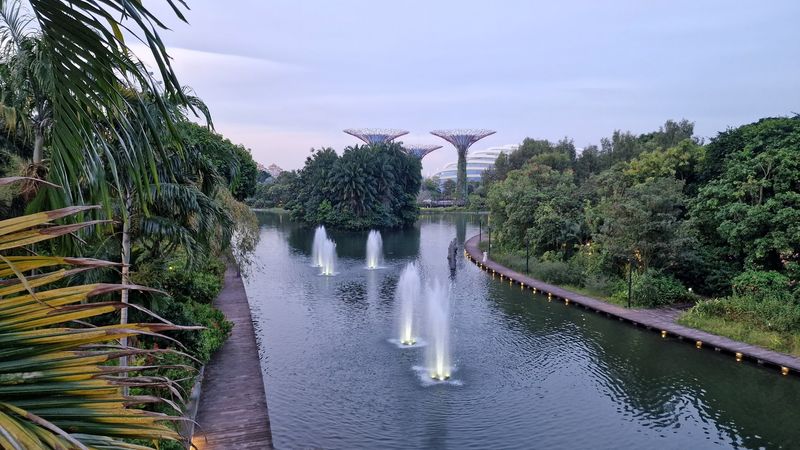
Singapore should not exist the way it does. A tiny island city-state with no natural resources, surrounded by much larger neighbors, it has somehow built one of the most efficient, prosperous, and livable urban environments on the planet.
That achievement did not happen by accident. Singapore is the result of decades of deliberate, disciplined city planning and governance that prioritized education, safety, and economic competitiveness above almost everything else.
Cleanliness here is not just a value, it is practically an institution. The streets, the public transport, the parks, and even the hawker food centers are maintained to a standard that regularly astonishes first-time visitors.
The Mass Rapid Transit system is one of the best urban rail networks in the world, making car ownership feel genuinely unnecessary. Healthcare is world-class, and the education system produces outstanding results.
Singapore also manages to be one of the greenest cities in Asia despite its density, with lush parks, rooftop gardens, and the spectacular Gardens by the Bay integrated into the urban fabric. The food scene is legendary, with hawker centers offering extraordinary cuisine from Chinese, Malay, Indian, and international traditions at remarkably affordable prices.
Singapore proves that a city can be safe, clean, efficient, and still manage to be genuinely exciting to live in.
Tokyo, Japan
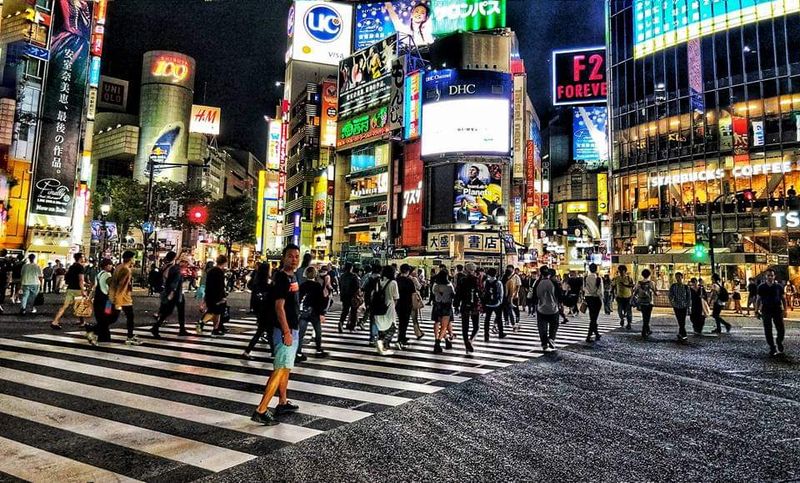
Tokyo is the largest city on earth by most measures, and yet somehow it manages to run more smoothly than cities a fraction of its size. Trains arrive within seconds of their scheduled time.
Convenience stores stock fresh, high-quality food around the clock. Neighborhoods that are home to millions of people feel safe, clean, and surprisingly quiet.
Tokyo operates at a scale that should be overwhelming but somehow never quite is.
The city offers an almost unmatched range of experiences, from ancient temples and traditional gardens to cutting-edge technology districts and Michelin-starred restaurants at every price point. Cultural richness here is not confined to museums and galleries.
It is in the architecture, the food stalls, the bookshops, and the quiet neighborhood shrines tucked between apartment buildings. Tokyo rewards curiosity endlessly.
Safety is one of Tokyo’s most remarkable qualities. It is consistently ranked among the safest major cities in the world, and that security shapes daily life in a profound way.
Healthcare is excellent and widely accessible. The public transport network is so comprehensive that navigating the city without a car is not just possible but genuinely preferable.
Tokyo challenges the idea that a megacity cannot also be deeply livable, and it wins that argument convincingly every single day.
Calgary, Canada
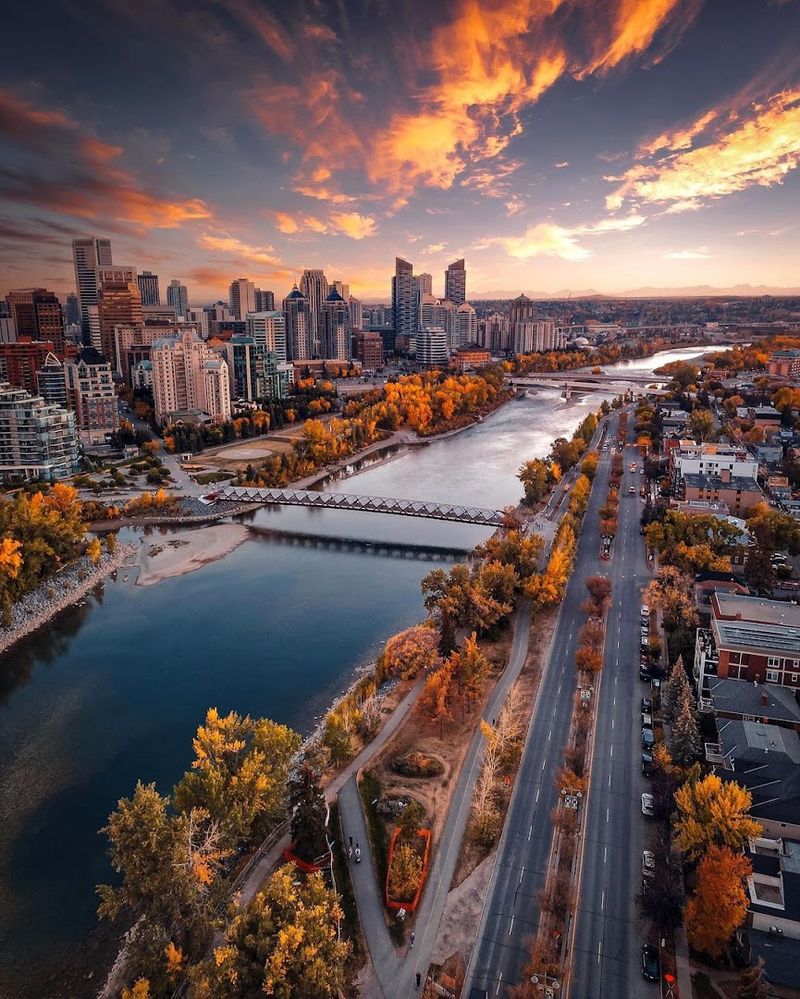
Calgary has a secret that people who have never been there tend to underestimate: the Rocky Mountains are right there. On clear days, the entire front range of the Rockies lines the western horizon like something out of a painting.
Banff National Park is less than ninety minutes away by car. That proximity to one of the world’s most spectacular natural environments is baked into the quality of life here in a very real and daily way.
The city consistently ranks highly on global livability indexes, and it earns those rankings through a combination of low crime rates, clean air, strong economic opportunities, and excellent public infrastructure. Calgary has one of the youngest and most educated populations of any major Canadian city, which gives it a dynamic, forward-looking energy.
The economy, historically tied to oil and gas, has been actively diversifying into technology and finance.
Healthcare and education are strong across the board, reflecting Canada’s national standards. The city also enjoys more sunshine hours per year than any other major Canadian city, which locals will happily point out at every opportunity.
Housing is more affordable than Vancouver or Toronto, making the overall value proposition genuinely compelling. Calgary is a city that combines natural grandeur with practical livability in a way that quietly earns enormous loyalty from the people who choose to call it home.
Basel, Switzerland
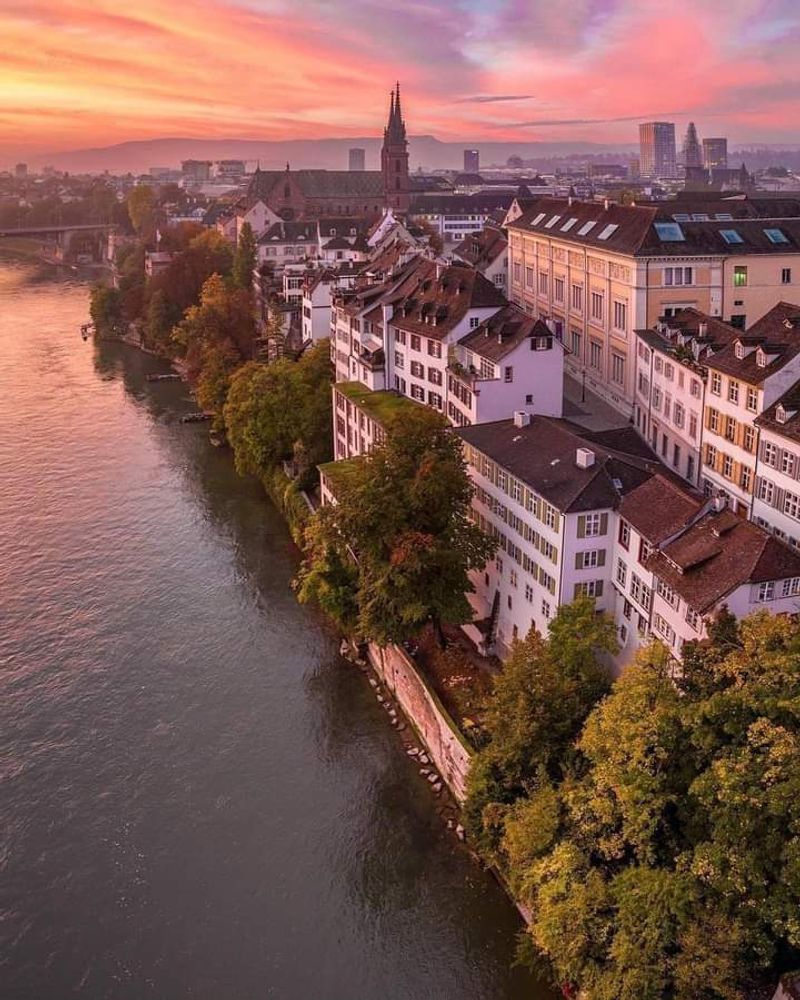
Basel is the kind of city that rewards people who look past the obvious. It sits at the exact point where Switzerland, Germany, and France meet, giving it a cultural richness that few cities its size can claim.
You can have lunch in one country, take a tram to another for coffee, and walk back across a third border before dinner. That geographic quirk shapes the city in genuinely interesting ways.
Switzerland’s famous standards of safety, cleanliness, and efficiency apply fully in Basel. Healthcare is excellent, infrastructure is impeccably maintained, and the quality of public services is among the highest in the world.
Purchasing power is strong, and while costs are high by most standards, salaries reflect that reality. The city is also home to some of the world’s largest pharmaceutical companies, creating a robust and highly skilled job market.
Art Basel, the world’s most prestigious art fair, takes place here every year, and that association with culture is not just a marketing point. Basel has outstanding museums, galleries, and cultural institutions for a city of its size.
The Rhine runs through the center, and locals swim in it during summer, carried downstream by the current in a tradition that perfectly captures Basel’s relaxed confidence. Small, stable, and quietly exceptional, Basel belongs on any serious quality-of-life list.
Barcelona, Spain
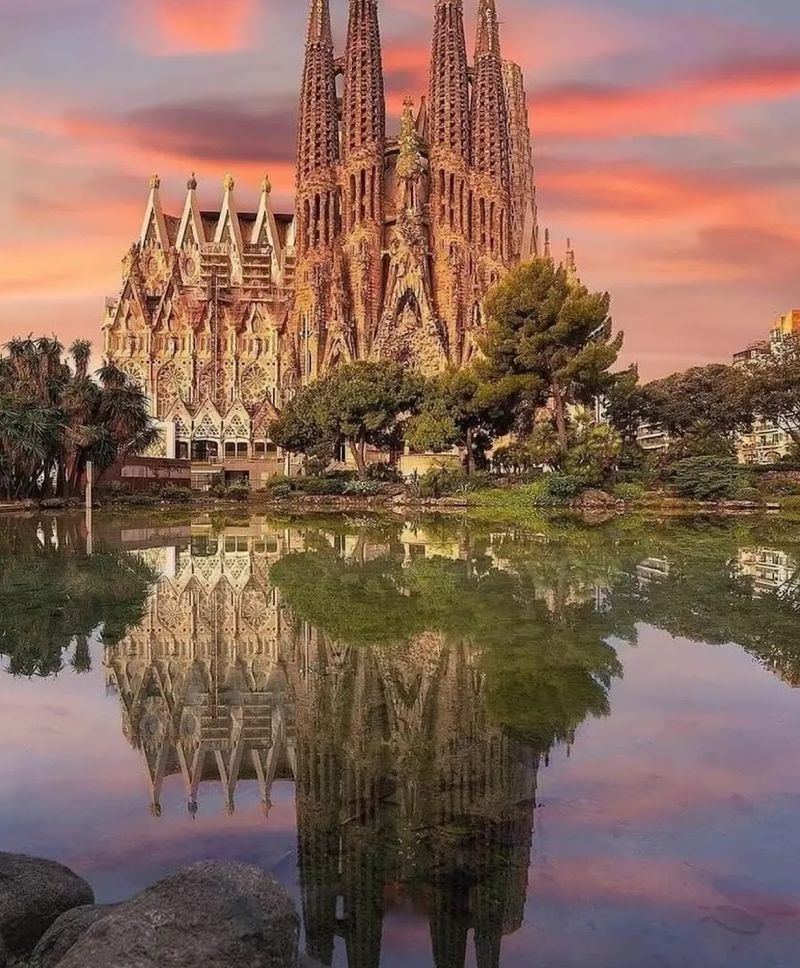
Barcelona has the kind of energy that gets under your skin. The food markets smell incredible, the architecture is genuinely unlike anywhere else on earth, and the Mediterranean light turns everything golden by late afternoon.
Antoni Gaudi’s buildings dot the city like sculptures from another dimension, making even a routine walk to the supermarket feel like a tour through a living art gallery.
Quality of life here is shaped by a combination of exceptional climate, outstanding food culture, walkable neighborhoods, and a coastline that puts a real beach within reach of the city center. The public transport system is comprehensive and affordable, and the city is well-designed for pedestrians and cyclists alike.
Healthcare is solid, and Spain’s universal system ensures broad access for residents.
Barcelona is also one of Europe’s most culturally vibrant cities, with a packed calendar of festivals, concerts, and sporting events throughout the year. FC Barcelona alone generates a civic pride and communal energy that is palpable on match days.
The Catalan culture adds a distinct local identity that makes the city feel proudly unique even within Spain. Housing costs have risen with the city’s global popularity, but the overall lifestyle Barcelona offers, the warmth, the food, the beauty, the light, remains genuinely hard to replicate anywhere else in the world.
Share this story