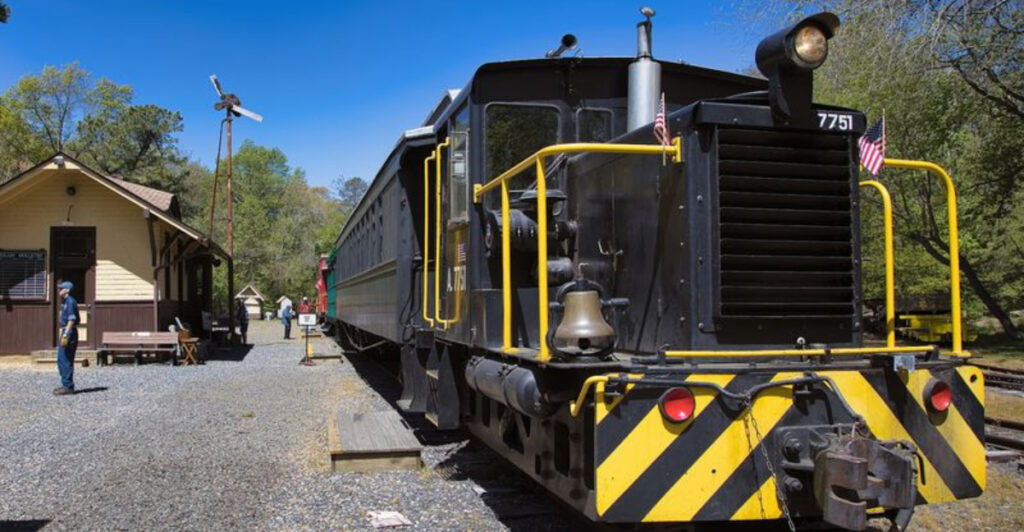
Tucked away in Monmouth County, New Jersey, there is a place where history does not just sit behind glass cases. It moves down the tracks at a steady chug, carrying passengers through a landscape that has barely changed in over a century.
This museum operates the Pine Creek Railroad inside Allaire State Park, and it is one of those spots that feels like a well-kept local secret. The museum runs entirely on volunteer power, preserves authentic rolling stock from the late 1800s and early 1900s, and still offers actual train rides to the public on weekends.
Whether you are a lifelong railroad enthusiast or just someone looking for an unusual afternoon out, this place delivers something that most museums simply cannot: a genuine, moving piece of American railroad history that you can actually board and ride.
Where to Find This One-of-a-Kind Railroad Museum
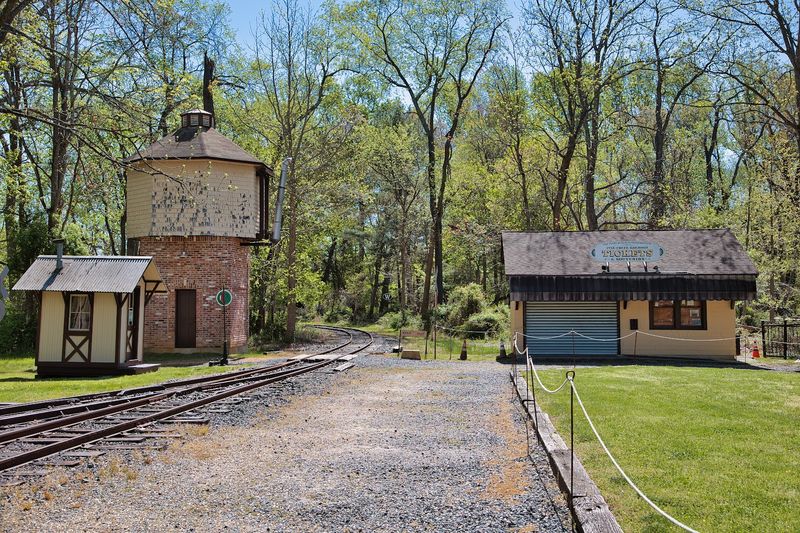
The New Jersey Museum of Transportation is located at 4265 Atlantic Ave Suite A, Wall Township, NJ 07727, inside the boundaries of Allaire State Park in Monmouth County.
The park setting gives the museum a backdrop that is hard to replicate. Tall trees line the perimeter, and the grounds feel open and unhurried, a sharp contrast to the busier parts of the Jersey Shore nearby.
The museum sits within walking distance of the Historic Village at Allaire, a restored 19th-century iron-making community that adds even more historical weight to the visit.
Getting there is straightforward from both the Garden State Parkway and Route 195, making it accessible for families coming from across the state. Parking is available on site, though on busy event weekends it can fill up earlier than expected.
Plan to arrive a few minutes before the half-hour mark to catch a train departure without a long wait.
A Railroad Museum Built Entirely by Volunteers
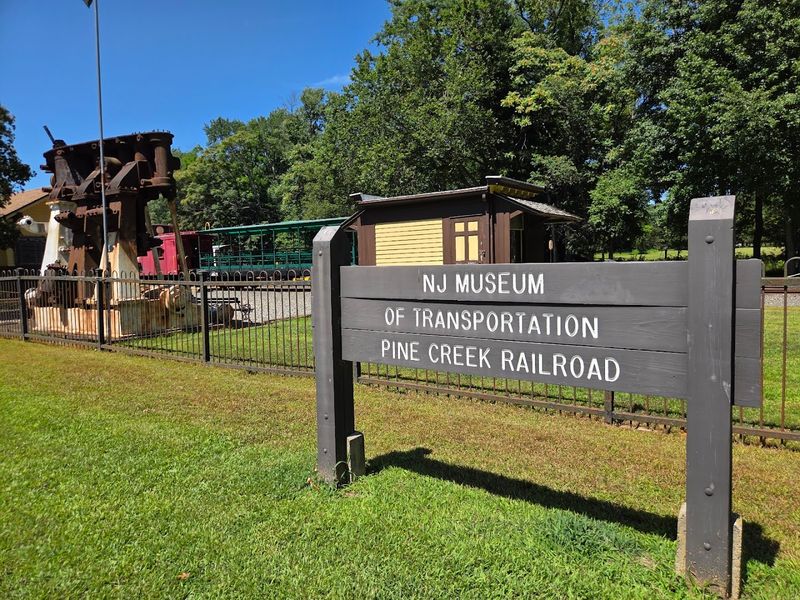
What makes this museum genuinely remarkable is not just its age or its collection. The entire operation runs on the dedication of unpaid volunteers who give their weekends to keep these machines alive and moving.
The museum receives no funding from the state of New Jersey, which means every repair, every coat of paint, and every track adjustment comes from donations and the efforts of people who simply love railroads.
That level of commitment shows in the quality of the experience. The volunteers are deeply knowledgeable about the history of each locomotive and car in the collection, and many of them have been involved with the museum for years, some for decades.
Tickets for a ride are priced at $6 per person, a figure that reflects both accessibility and the real cost of maintaining antique equipment.
Supporting this museum with a ticket purchase or a donation goes directly toward keeping a rare piece of American transportation history running for future generations.
The Pine Creek Railroad and Its Century-Old Trains
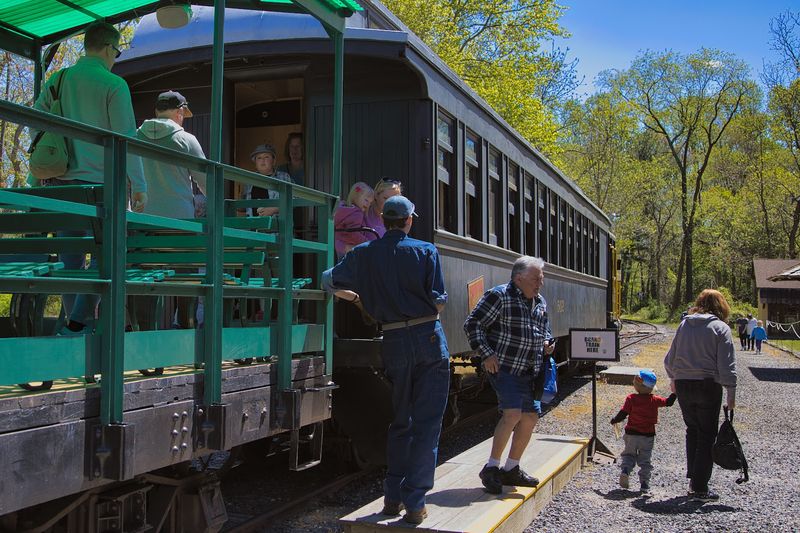
The heart of the museum experience is the Pine Creek Railroad, a narrow-gauge line that loops around the museum grounds and through a stretch of the surrounding parkland.
The locomotives and passenger cars in the collection date back to the late 1800s and early 1900s, making them well over a century old. Some of these machines were originally used in industrial operations across the northeastern United States before being preserved here.
Riding in an open or closed carriage pulled by equipment that old is a different kind of experience from anything a theme park can offer. The machinery is loud, the motion is distinctive, and the history is not simulated.
Each ride runs approximately 20 minutes and completes two full laps around the track. Trains depart on the half-hour, roughly twice per hour, so timing your arrival around the schedule helps avoid a long wait on busy days.
What the Weekend Schedule Actually Looks Like
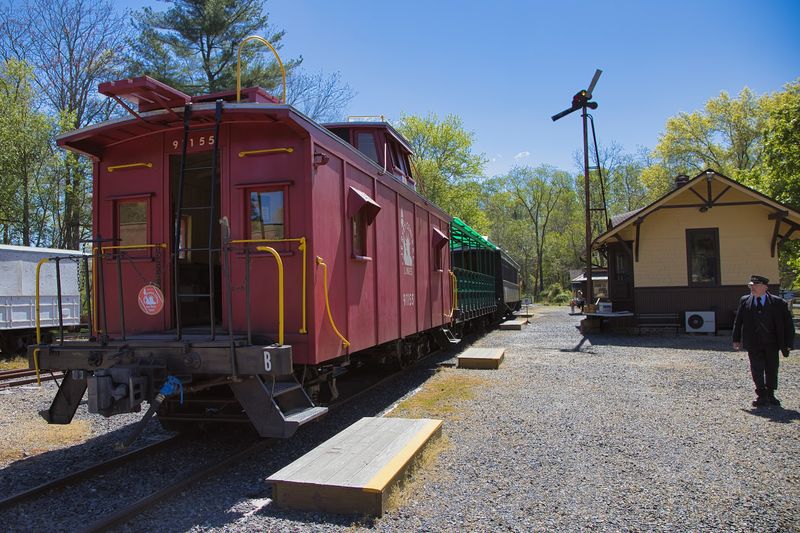
The museum operates on a tight seasonal schedule that is worth understanding before making the trip. Public rides are available on Saturdays and Sundays from 11 AM to 4 PM, and the museum is fully closed Monday through Friday.
Seasonal closures also apply during the winter months, so checking the museum website at njmt.org before visiting is strongly recommended. Showing up on a cold January Sunday will mean finding the gates locked and the tracks quiet.
During the warmer months from spring through fall, the schedule runs reliably on weekends. Trains depart approximately on the half-hour, and arriving before the top or bottom of the hour gives you the best chance of boarding without waiting through an extra cycle.
The museum does not require advance ticket purchases for standard weekend rides, but getting there early on event days is a smart move since capacity can fill up quickly during popular seasonal programs.
The Historic Village at Allaire Next Door
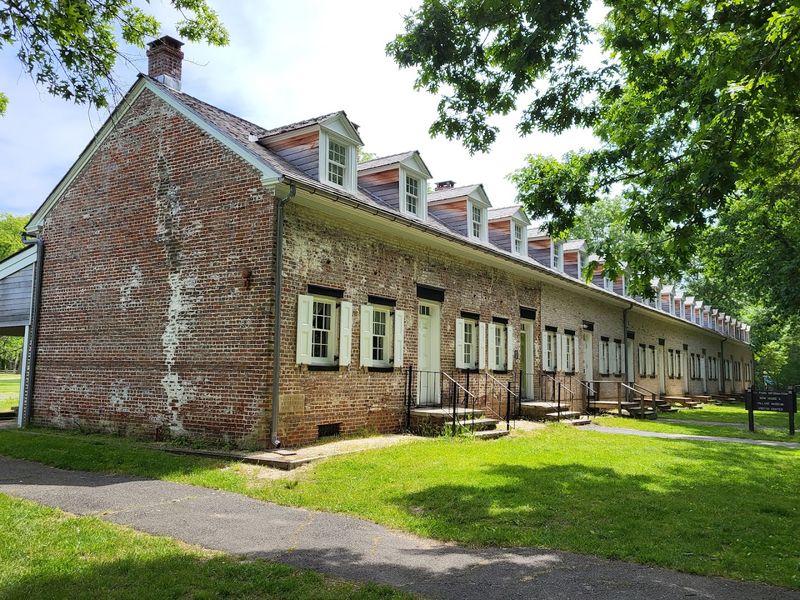
One of the underrated advantages of visiting the museum is its proximity to the Historic Village at Allaire, a preserved 19th-century industrial community that sits just a short walk away on the same park grounds.
The village includes original buildings from the Howell Works, an iron-making operation that was active in the early 1800s. Walking through the village after a train ride adds a broader historical context to the whole outing, connecting the railroad era to the earlier industrial period that preceded it.
On days when a flea market is running on the village grounds, there may be an entry fee charged at the gate even if the market itself is not the reason for the visit. Being aware of that possibility helps avoid any unexpected surprise at the entrance.
The combination of the train museum and the historic village makes for a full afternoon that covers multiple chapters of New Jersey history in a single trip without needing to drive anywhere else.
Open and Closed Carriages Depending on the Season
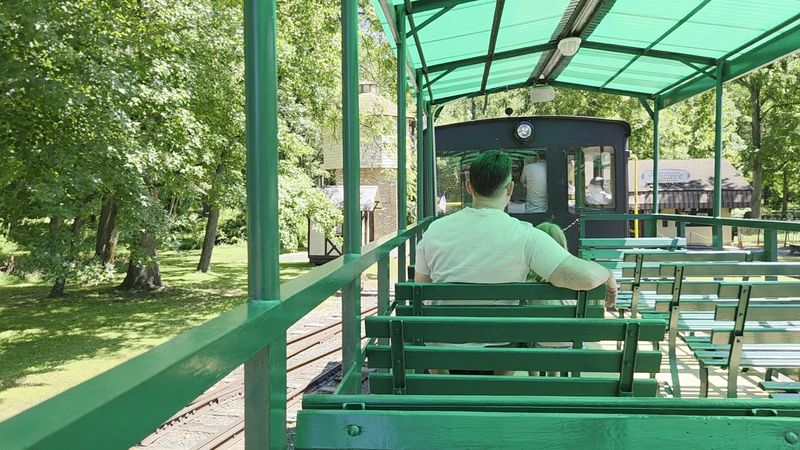
One practical detail that makes a noticeable difference in the ride experience is the type of carriage used on any given day. The museum operates both open and closed carriages, and the choice between them depends on the season and the weather conditions at the time of the visit.
Open carriages are the standard option during warmer months and give riders a clear view of the surrounding park and tree line throughout the two-lap circuit. On particularly hot days, the breeze from the moving train helps offset the heat, and the ride remains comfortable for most people.
Closed carriages come into use during cooler or wetter weather, providing shelter while still delivering the full ride experience. The difference in atmosphere between the two is real, and some enthusiasts prefer the enclosed version for the way it amplifies the mechanical sounds of the locomotive.
Either way, the 20-minute ride covers the same route and offers the same historical commentary over the loudspeaker from the crew on board.
The Collection of Locomotives and Rolling Stock
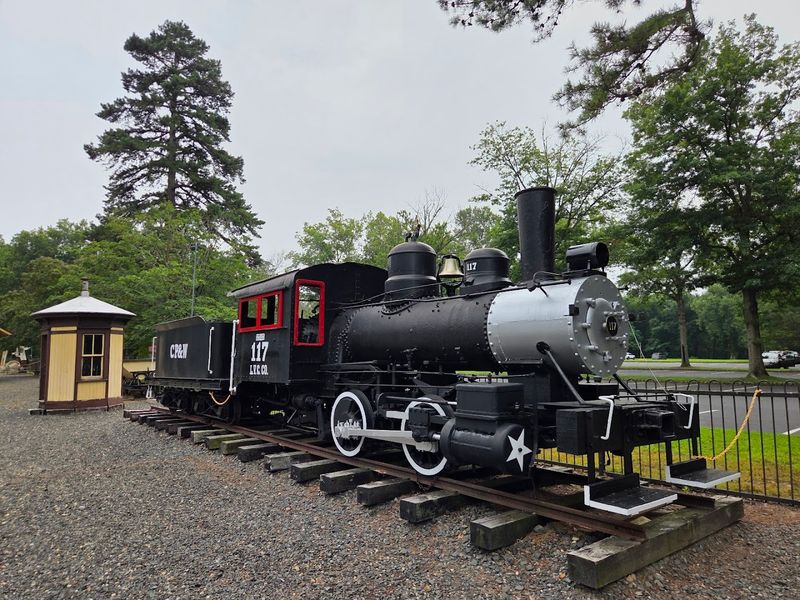
The museum holds a collection of locomotives and rolling stock that spans several decades of American narrow-gauge railroad history. Many pieces in the collection were working machines before they were acquired and preserved, which gives them a material authenticity that reproductions simply cannot match.
Some of the steam locomotives in the collection are currently out of service and would require significant restoration work to run again. Getting them back on the tracks would take a major financial investment, which is why the museum continues to rely on donations from supporters who want to see the full collection operational.
The diesel and gas-mechanical locomotives that are currently active carry passengers on the regular weekend rides and are maintained in working condition by the volunteer team.
For anyone with a serious interest in narrow-gauge railroad equipment, the collection offers a rare opportunity to get close to machines that rarely survive in any condition, let alone in a setting where they still operate on actual track.
A Perfect Outing for Kids and Families
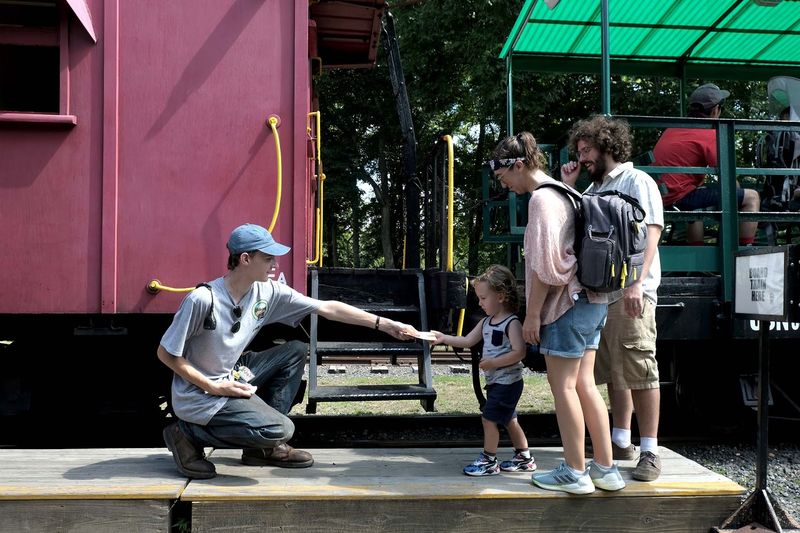
Few outings in central New Jersey hold a child’s attention the way a real train ride does, and this museum delivers that experience in a setting that is relaxed and easy to navigate for families.
The ride itself is short enough that younger children stay engaged throughout without getting restless, and the novelty of boarding equipment that is genuinely over 100 years old tends to spark questions and conversations that extend well beyond the train itself.
The grounds are open and walkable, giving families room to explore before and after the ride without feeling crowded or rushed. The Historic Village next door adds another layer of activity for kids who want to keep exploring after the train pulls back into the station.
The $6 per person ticket price keeps the outing affordable for families, and the combination of the train ride, the village, and the park grounds means there is enough to fill a full afternoon without needing to spend a lot.
The Role of Allaire State Park in the Experience
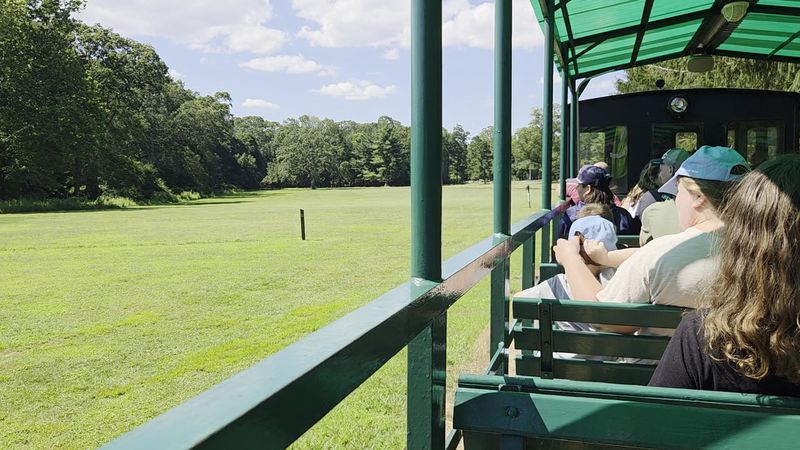
The museum does not exist in isolation. Its location within Allaire State Park in Wall Township gives it a natural setting that adds real value to the visit beyond the trains themselves.
The park covers over 3,000 acres of preserved land in Monmouth County, with hiking trails, picnic areas, and natural scenery that extend well beyond the museum grounds. Combining a train ride with a walk through the park turns the outing into something more substantial than a single attraction visit.
The railroad track itself runs through a portion of the park, so the ride offers a moving view of the wooded landscape rather than just a loop around a parking lot. That natural backdrop is a big part of what makes the experience feel different from a typical amusement ride.
Allaire State Park also has its own entry fee on certain days, separate from the museum ticket, so checking both schedules before arriving helps avoid any confusion at the gate.
Tips for Getting the Most Out of Your Visit
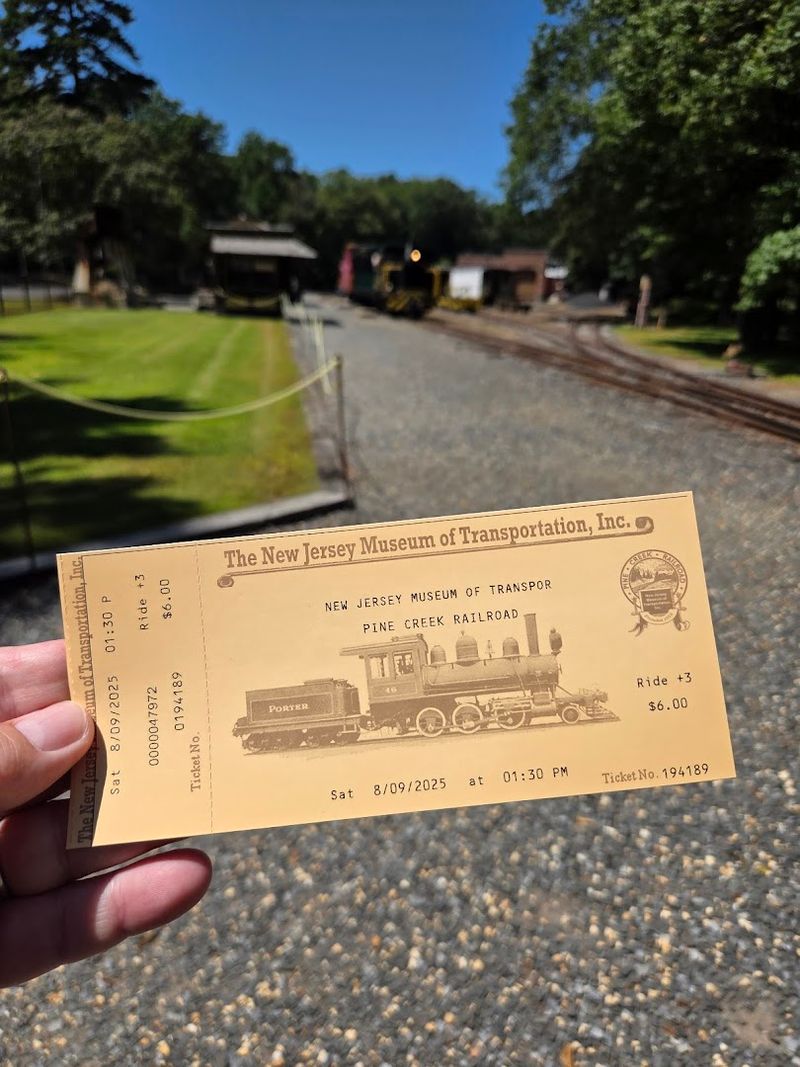
A few practical details can make the difference between a smooth visit and a frustrating one. Arriving before the half-hour mark is the single most useful tip for anyone who wants to board a train without waiting through an extra departure cycle.
Checking the museum website at njmt.org before heading out confirms whether the museum is open that weekend, since seasonal closures apply during winter months and the schedule is not always reflected on third-party listing sites.
For special event days like the Santa Train or Halloween rides, purchasing tickets in advance is strongly recommended since those events fill up well ahead of the day. Standard weekend rides do not require advance booking, but arriving early still gives you more flexibility.
Wearing comfortable shoes is a practical choice since the grounds involve some walking, and bringing cash is useful since the museum is a small nonprofit operation. The whole experience rewards a little preparation with a lot of return.
Why This Museum Deserves More Recognition
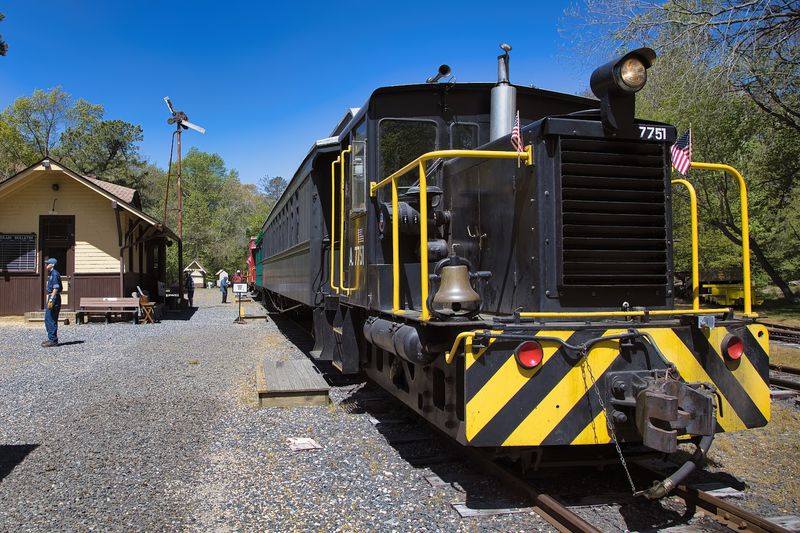
There are not many places left in the United States where you can board a working locomotive that dates back to the 1800s and ride it through a state park on a Sunday afternoon for six dollars.
The New Jersey Museum of Transportation is exactly that kind of place, and it operates with almost no public funding, relying entirely on the time and energy of people who care deeply about preserving this chapter of American history.
The museum does not advertise heavily, does not have a major marketing budget, and does not show up prominently in most travel guides to the Jersey Shore region. That relative obscurity is part of what keeps it feeling like a genuine discovery rather than a packaged tourist stop.
For anyone in New Jersey or the surrounding region who has not yet made the trip to Wall Township, this museum represents the kind of local treasure that tends to become a regular annual tradition once you find it for the first time.
Share this story