Some TV shows are designed to challenge you, reward your attention, and make your brain work overtime. These are the series that inspired fan wikis, Reddit threads, and family-tree diagrams just to keep up.
From mind-bending time travel to unreliable narrators and hidden timelines, these shows pushed storytelling to its limits. If you watched closely, you got something most viewers missed entirely.
1. Dark (2017-2020)

Few shows have ever demanded as much from their audience as Dark, the German sci-fi thriller from Netflix. The story weaves through multiple timelines spanning several generations of four interconnected families living in the fictional town of Winden.
Keeping track of characters across different ages is genuinely challenging. Many dedicated viewers created detailed family-tree guides just to follow who was related to whom and when.
The show does not hold your hand, and that is exactly what makes it so rewarding.
Time travel here is not simple. It is built on paradoxes where characters cause the very events they are trying to prevent.
Each season adds another layer of complexity, ultimately building toward a finale that connects every thread. Dark proved that subtitled foreign-language television could compete with and even surpass English-language prestige drama in depth and ambition.
2. Westworld (2016-2022)
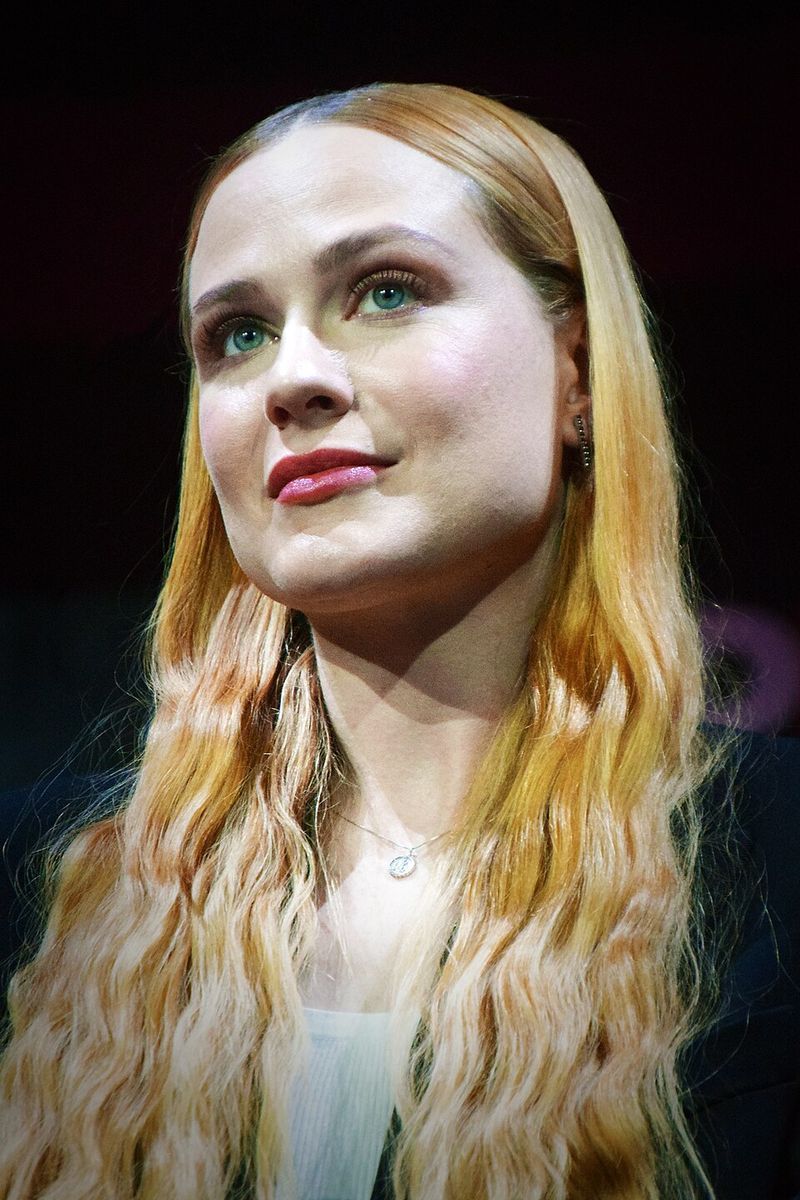
Westworld arrived on HBO in 2016 with a premise that seemed straightforward enough: a theme park populated by artificial beings called hosts. But Season 1 quietly hid an entire second timeline within the story, and attentive viewers who caught the clues felt like geniuses when the reveal landed.
The show explores heavy philosophical questions about consciousness, free will, and what it means to be human. Later seasons expand into layered simulations and alternate realities that require full concentration to follow.
Casual viewers often felt lost, while dedicated fans debated theories obsessively online.
Creator Jonathan Nolan and Lisa Joy built a world where nothing can be taken at face value. Every scene potentially carries a hidden meaning.
Westworld is the kind of show that almost demands a second viewing immediately after finishing, because the first watch is really just preparation for understanding what actually happened.
3. Twin Peaks (1990-1991, 2017)
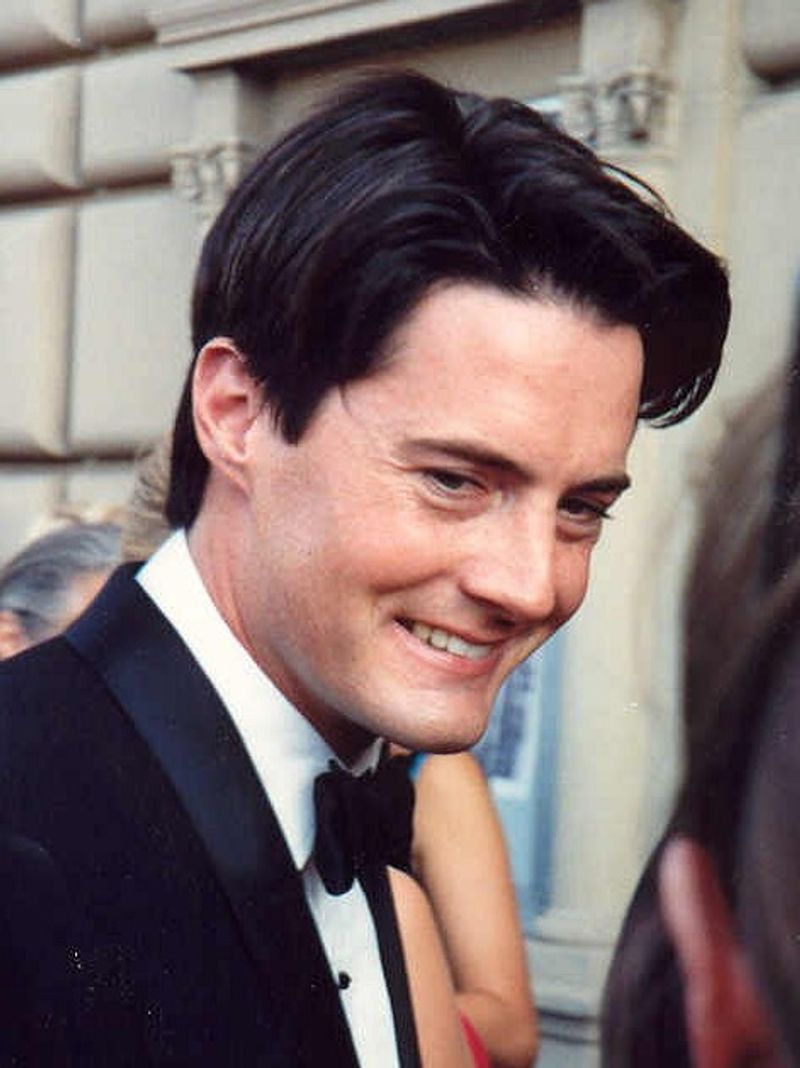
David Lynch and Mark Frost created something genuinely unlike anything else on television when Twin Peaks premiered in 1990. What began as a quirky murder mystery in a small Pacific Northwest logging town gradually transformed into something far stranger and more surreal.
The 2017 revival, Twin Peaks: The Return, pushed that strangeness to an entirely new level. Episodes could shift from absurdist comedy to terrifying horror to hypnotic, nearly wordless visual sequences without warning.
Critics and scholars have written extensively about its meaning, and no two interpretations are quite the same.
Lynch operates on dream logic rather than conventional narrative rules. Symbols repeat, characters behave inexplicably, and resolutions are deliberately withheld.
Watching Twin Peaks attentively means accepting ambiguity as part of the experience. Those who embraced that uncertainty found one of the most original and haunting works in television history waiting for them.
4. Lost (2004-2010)

Lost hooked millions of viewers with a simple setup: survivors of a plane crash stranded on a mysterious island. But the show quickly layered in flashbacks, flash-forwards, and eventually flash-sideways sequences that required careful attention to follow each character’s full arc.
The ensemble cast was enormous, and every character carried a personal history that connected to the island’s mythology in unexpected ways. Tracking those connections became a full-time hobby for dedicated fans who built elaborate online wikis and discussion boards throughout the show’s six-season run.
Science fiction, spirituality, philosophy, and character drama all collided in Lost’s storytelling. Some answers were given; many were not, which frustrated some viewers and thrilled others.
Understanding the show fully means accepting that it was always more interested in its characters’ emotional journeys than in providing clean explanations. For those who paid close attention, the emotional payoff was genuinely profound.
5. Mr. Robot (2015-2019)
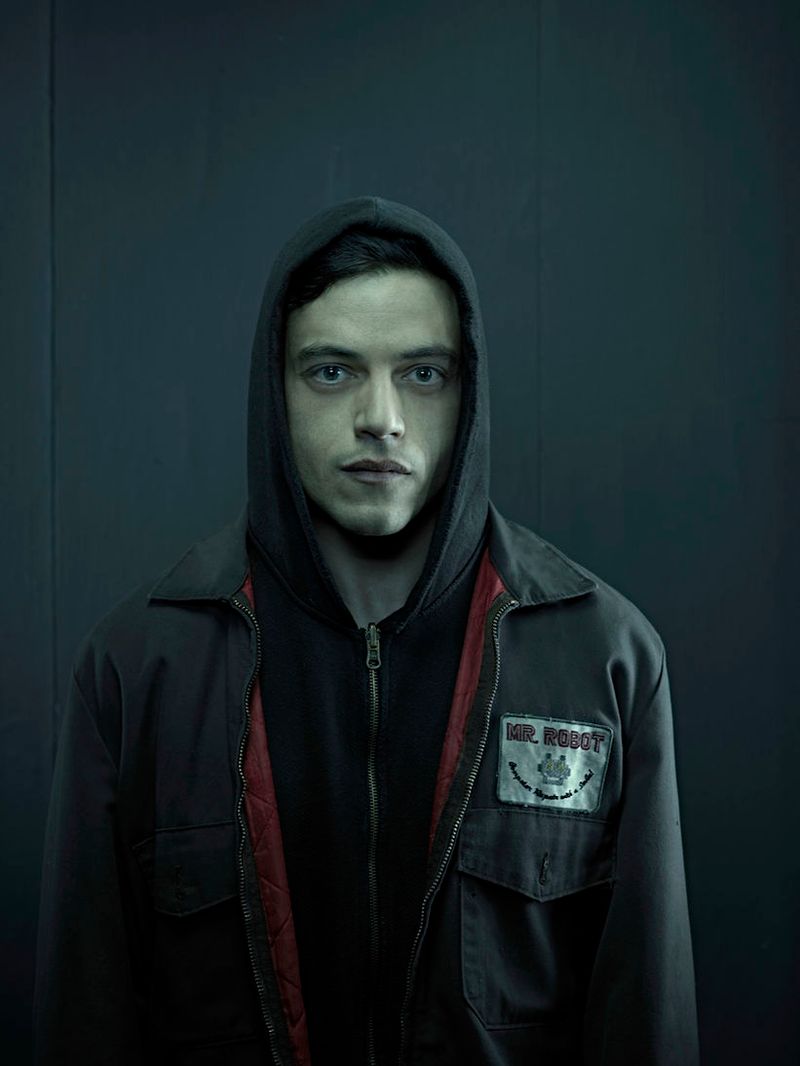
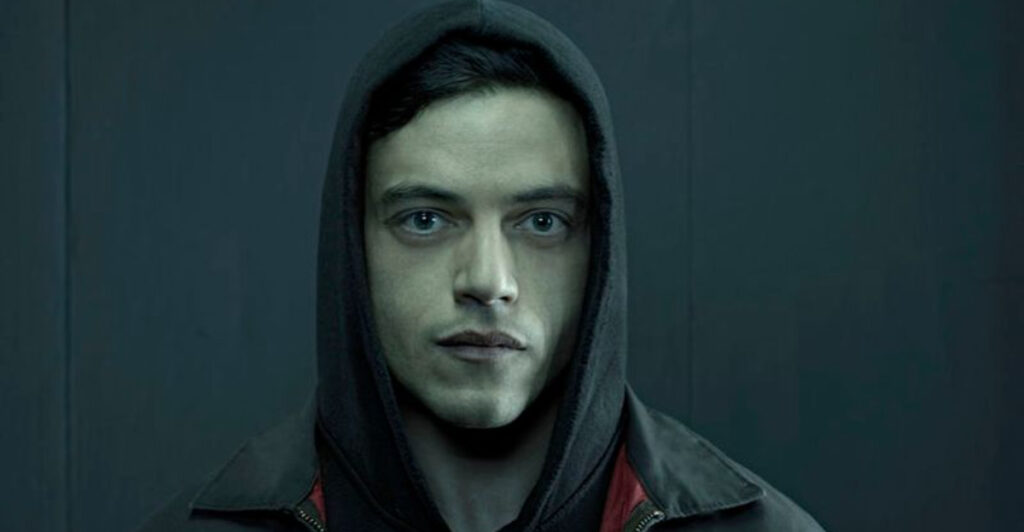
Mr. Robot built its entire identity around making you question what is real. Elliot Alderson, a brilliant but deeply troubled hacker, narrates his own story, but he is not a reliable guide.
The show plants seeds of doubt early and then detonates them in ways that force you to rethink everything you thought you understood.
Creator Sam Esmail structured the series so that major revelations in later seasons recontextualize scenes from earlier episodes. Rewatching the show after finishing it is a completely different experience, because the clues were always there, hidden in plain sight.
Beyond the psychological twists, Mr. Robot is also a strikingly accurate portrayal of hacking and cybersecurity, earning praise from actual security professionals. The show rewards patience, focus, and emotional investment.
Viewers who stayed with Elliot through all four seasons were treated to one of the most carefully constructed narrative payoffs in modern television.
6. The Leftovers (2014-2017)
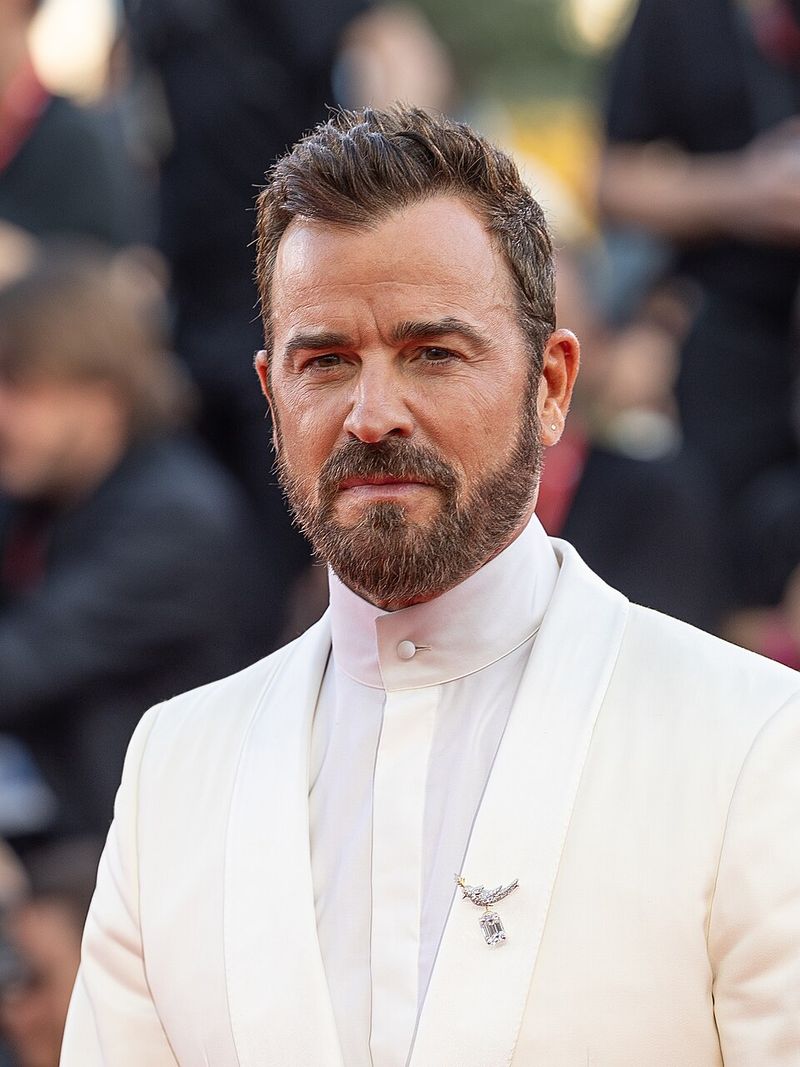
Imagine waking up one day to find that two percent of the world’s population has simply vanished without explanation. That is the premise of The Leftovers, and the show never once tries to explain why it happened.
The mystery is not the point. The grief is.
Adapted from Tom Perrotta’s novel and developed by Damon Lindelof, The Leftovers is a deeply emotional examination of how people cope with loss that has no meaning attached to it. Characters behave in strange, sometimes destructive ways, and the show asks you to understand them rather than judge them.
Symbolic events, religious cults, and surreal sequences fill the narrative without ever being neatly resolved. Season 2 and Season 3 are widely considered masterpieces of television storytelling.
Viewers who approached The Leftovers expecting answers left disappointed, but those who accepted its emotional honesty found something rare and genuinely moving.
7. Legion (2017-2019)

Legion came from the Marvel universe but felt nothing like a typical superhero show. Based on the X-Men character David Haller, the series plunged viewers directly into the fractured mind of a man who had been told his entire life that he was mentally ill, when in reality he was one of the most powerful mutants alive.
The visual style was extraordinary and deliberately disorienting. Reality shifted constantly, timelines bent, and sequences that seemed like hallucinations could turn out to be genuine events.
Creator Noah Hawley used the show’s visual language to reflect David’s internal psychological state, making the unreliable narrative feel completely intentional.
Tracking what was real versus imagined required genuine concentration. Legion rewarded viewers who paid attention to small visual cues and recurring symbols.
It was one of the boldest, most formally experimental shows on television during its run, and it remains criminally underappreciated by mainstream audiences.
8. Black Mirror (2011-present)

Each episode of Black Mirror is its own self-contained story, which means the show demands something different from viewers every single time. There is no ongoing plot to follow, but the depth of social commentary packed into each standalone episode is remarkable and sometimes unsettling.
Creator Charlie Brooker uses technology as a lens to examine human nature, and the results range from deeply sad to genuinely terrifying. Episodes like San Junipero, White Bear, and Shut Up and Dance each carry layers of meaning that reveal themselves more fully on a second watch.
The interactive episode Bandersnatch took complexity even further by giving viewers branching narrative choices that affected the story’s outcome. Not every episode lands equally, but the best of Black Mirror operates as sharp, thought-provoking science fiction.
Attentive viewers pick up on thematic connections and moral questions that casual watchers might completely miss.
9. The Wire (2002-2008)
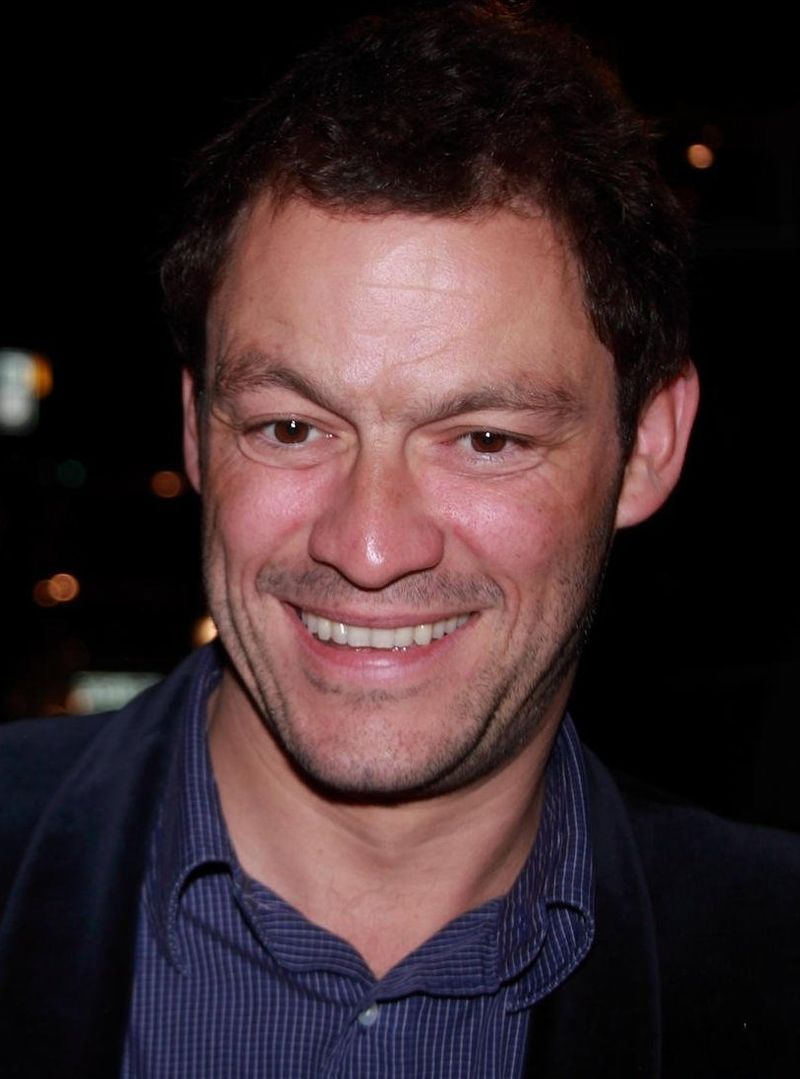
The Wire is often called the greatest television drama ever made, and the argument is hard to dispute. Created by David Simon, the show approaches Baltimore’s drug trade, police force, school system, and political structure with the patience and detail of serious journalism rather than conventional TV drama.
Each season shifts its primary focus to a different institution, requiring viewers to absorb a new set of characters, hierarchies, and dynamics. The show never explains itself or slows down for newcomers.
You are expected to keep up, and if you do, the rewards are extraordinary.
Characters are written with rare complexity, and the show refuses easy moral categories. Good people make terrible decisions; bad people show unexpected humanity.
The Wire builds its world slowly and deliberately over five seasons. Viewers who committed fully came away with a richer understanding of systemic social issues than most documentaries ever manage to provide.
10. Breaking Bad (2008-2013)
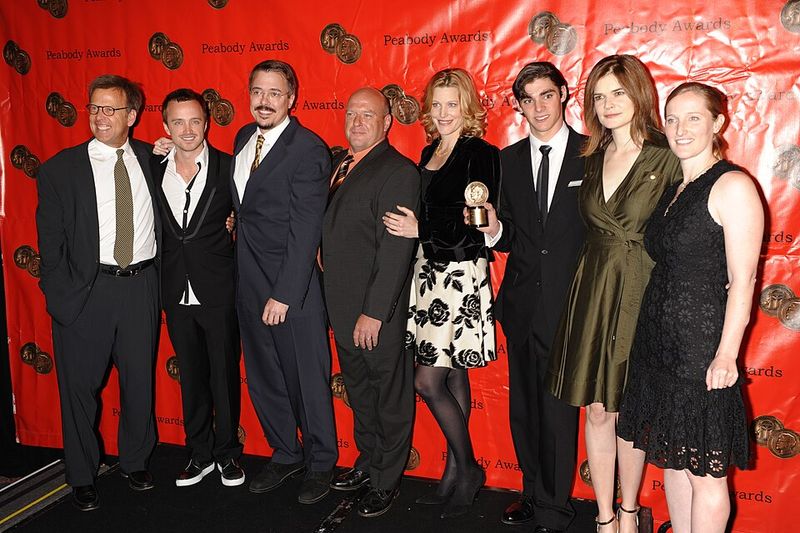
On the surface, Breaking Bad tells a straightforward story: a desperate chemistry teacher turns to cooking methamphetamine and gradually transforms into a dangerous criminal. But the genius of the show lies in how quietly and methodically it builds that transformation, using visual symbolism and careful foreshadowing at every turn.
Creator Vince Gilligan designed the series so that attentive viewers would catch details casual watchers would miss entirely. Colors in characters’ clothing shift meaningfully.
Objects reappear with new significance. Throwaway lines from early seasons become crucial later.
The show is structured like a long, intricate novel rather than episodic television.
Walter White’s descent is one of the most precisely charted character arcs in TV history. Viewers who paid close attention to the details felt the full weight of every choice he made.
Breaking Bad does not just tell you what happened; it shows you exactly why, step by careful step.
11. Fargo (2014-present)

Each season of Fargo tells a completely different story set in a different era, yet the show maintains a consistent identity through shared themes, tone, and the occasional subtle connection between seasons. Creator Noah Hawley drew inspiration from the Coen Brothers film but built something that stands entirely on its own terms.
The storytelling mixes dark comedy, brutal violence, and genuine moral philosophy in proportions that shift unpredictably. Some seasons fold in nonlinear timelines or parallel story threads that require careful tracking.
The anthology structure means every season asks viewers to start fresh while also rewarding those who remember earlier details.
Season 2 is widely considered a high point, weaving together multiple storylines across a sprawling cast with remarkable precision. Fargo trusts its audience to keep up without hand-holding.
Viewers who paid attention to recurring symbols and thematic echoes across seasons discovered a richer, more connected universe than the anthology format might initially suggest.
12. Severance (2022-present)
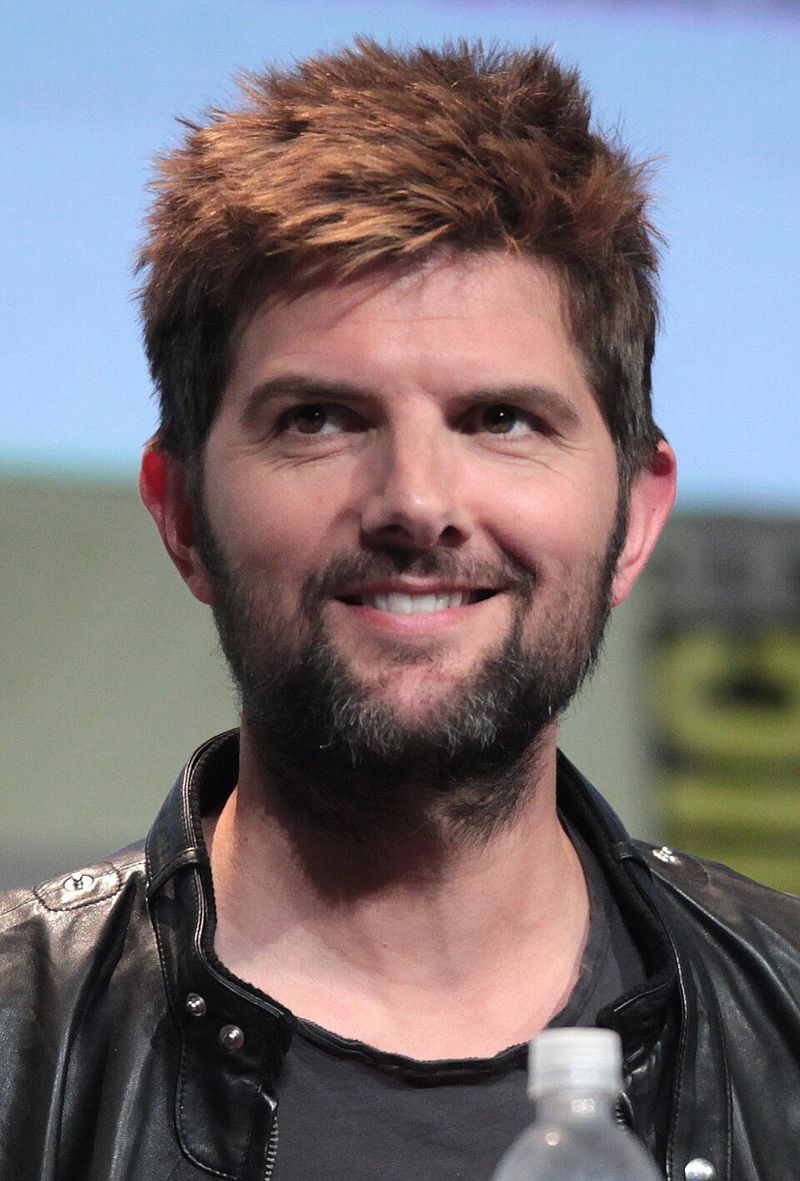
Severance introduces one of the most genuinely original premises in recent television history. Employees at a mysterious corporation called Lumon Industries have undergone a surgical procedure that completely separates their work memories from their personal memories.
Their work self, called the innie, has no knowledge of life outside the office.
The show builds its mystery slowly and deliberately, revealing information at a pace that keeps viewers constantly theorizing. Every detail of Lumon’s strange corporate culture carries potential meaning, and the show plants clues that only the most attentive viewers will notice on a first watch.
Creator Dan Erickson and director Ben Stiller constructed Severance as a layered thriller that works on multiple levels simultaneously. It functions as corporate satire, psychological horror, and workplace drama all at once.
Season 2 deepened the mythology significantly. Viewers who tracked every oddity and inconsistency in the world-building found themselves far ahead of the casual audience.
13. The OA (2016-2019)

The OA begins with a blind woman named Prairie Johnson returning home after seven years missing, now able to see. What she tells the small group of people who agree to listen to her story pulls together near-death experiences, interdimensional travel, and a series of physical movements called the Movements that carry metaphysical power.
The show blends science fiction and spirituality in ways that are deliberately difficult to categorize. Some viewers embraced it completely; others found it frustrating.
The narrative leaves enormous questions unanswered and asks you to hold contradictory interpretations simultaneously, trusting that ambiguity is part of the meaning.
Created by Brit Marling and Zal Batmanglij, The OA was cancelled after two seasons, leaving its story unfinished, which only deepened the sense of mystery for devoted fans. Those who watched carefully found a show genuinely unlike anything else, built on emotional truth rather than conventional plot resolution.
14. Fringe (2008-2013)
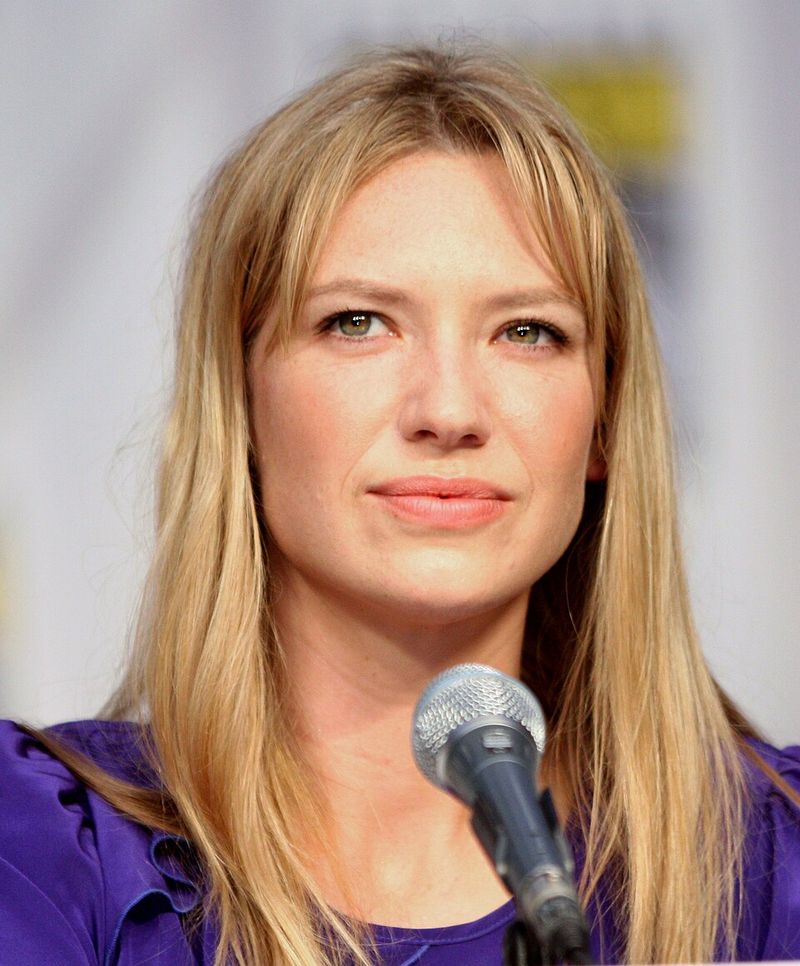
Fringe started as a procedural about a special FBI unit investigating strange scientific phenomena, but it steadily evolved into one of the most ambitious mythology-driven dramas on network television. By Season 3, the show was juggling parallel universes, alternate versions of main characters, and a conflict that threatened the existence of both worlds simultaneously.
The long-term story arcs built on each other carefully, meaning viewers who had forgotten earlier details were at a real disadvantage in later seasons. Small moments from Season 1 would resurface with major significance in Season 4 or 5, rewarding those who had been paying close attention all along.
John Noble’s performance as the eccentric scientist Walter Bishop became one of television’s great character studies, shifting from comic relief to tragic figure over five seasons. Fringe never got the mainstream recognition it deserved, but fans who committed to its full mythology were rewarded with a deeply satisfying and emotionally resonant conclusion.
Share this story