Iraq is one of those places where history does not just sit in museums behind glass. It is out in the open, baked into ancient bricks, spiral towers, and reed-lined waterways that have been around since before most countries even existed.
From the ruins of Babylon to the marshes of the south, Iraq holds some of the oldest and most jaw-dropping historic places on the planet. If you have ever wanted to walk through thousands of years of human civilization in a single trip, this list is your starting point.
Babylon
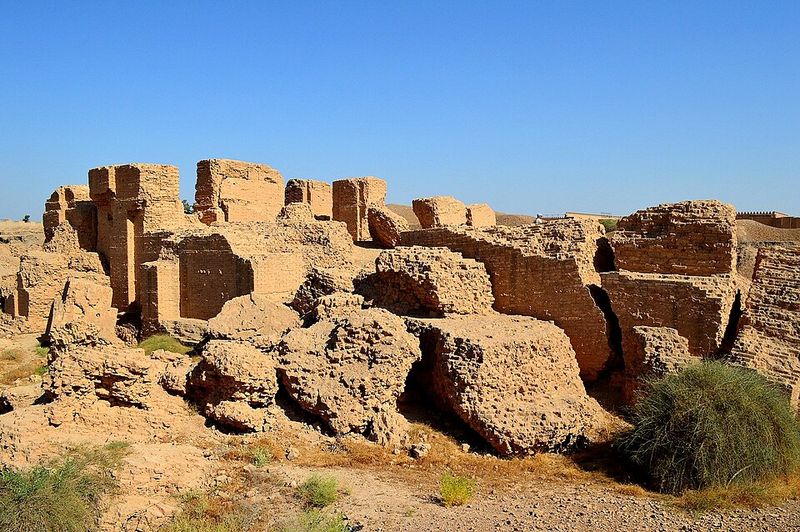
Few names in history carry as much weight as Babylon. Located near modern Hillah, this legendary city once ruled the ancient world and left behind ruins that still pull visitors in from across the globe.
The Lion of Babylon, a massive stone carving, greets you like a very serious bouncer at the world’s oldest party.
The Processional Way and the replica Ishtar Gate give you a real sense of how grand this city once was. UNESCO officially recognized Babylon as a World Heritage Site, which basically means the whole planet agrees it is worth protecting.
I visited on a warm morning and the scale of the place genuinely caught me off guard.
Daytime visits are the norm here, so plan accordingly. Bring water, wear comfortable shoes, and give yourself at least a couple of hours to explore properly.
Babylon rewards the curious traveler who takes time to look closely.
The Ziggurat of Ur
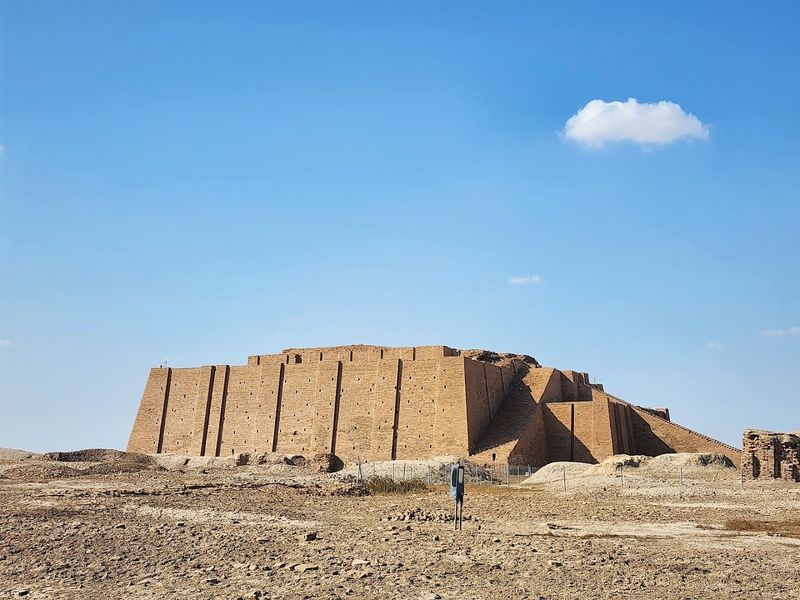
Standing in front of the Ziggurat of Ur feels like the earth itself is showing off. Built more than 4,000 years ago by the Sumerians, this massive stepped structure rises from the flat southern plains in a way that genuinely stops you mid-step.
It is one of the best-preserved ancient structures in the entire Middle East.
The city of Ur was once a thriving hub of Sumerian civilization, and this ziggurat was its crown jewel. Pilgrims and history lovers both make the journey here, and recent travel guides confirm it is accessible for tourists.
The site sits near the town of Nasiriyah, making it reachable with some planning.
What makes this place extra special is how raw it feels. There are no crowds, no gift shops every ten meters, just ancient brickwork under an enormous sky.
If you only pick one southern Iraq site, make it this one.
Erbil Citadel
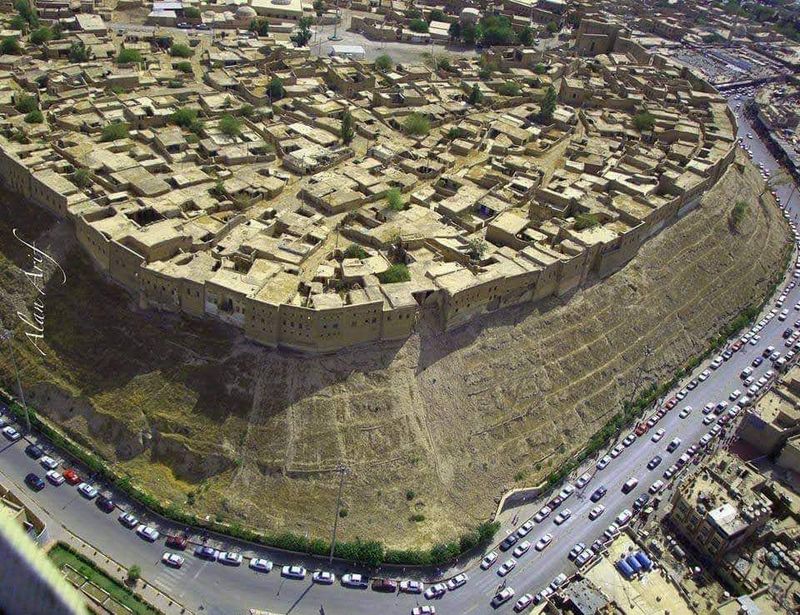
The Erbil Citadel does not just sit in the city. It lords over it from a raised mound that makes every building below look like it is bowing in respect.
UNESCO recognized it as a World Heritage Site, and honestly, once you see it, you understand why without needing a single explanation.
People have lived on this mound for at least 6,000 years, making Erbil one of the oldest continuously inhabited cities on earth. That is not a small claim.
The citadel has been a fortress, a residential neighborhood, and now a carefully restored historic monument all at once.
Erbil itself is one of the safer and more accessible destinations in Iraq for first-time visitors. The citadel is walkable from the city center and well worth an afternoon.
Go in the late afternoon when the light hits the old walls just right and the whole thing looks like a scene from a history documentary.
Hatra
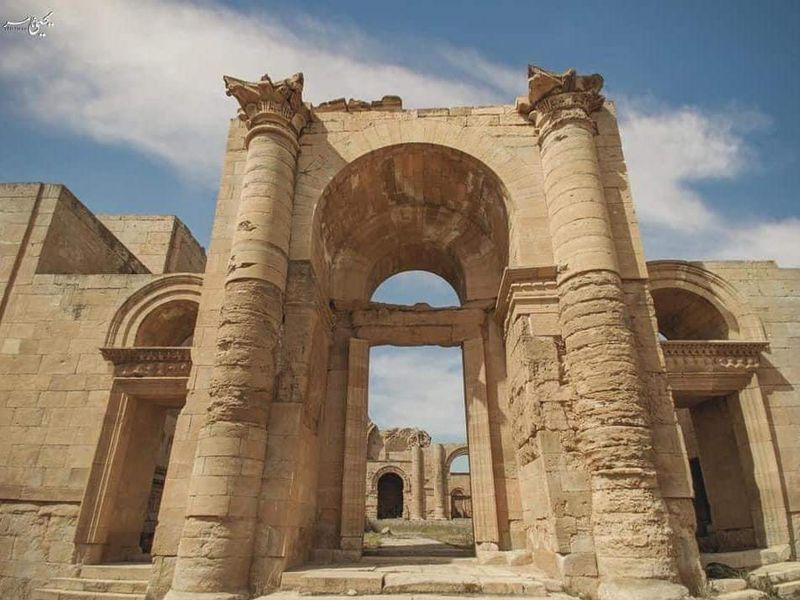
Hatra is the kind of place that makes archaeologists lose sleep in the best possible way. This ancient Parthian city, with its towering stone temples and fortified walls, survived Roman sieges but sadly not the destruction caused by ISIS.
The good news is that Hatra reopened to tourists in early 2024.
The scale of the stonework here is genuinely staggering. These are not small decorative ruins.
The temple complexes are massive, and the carved reliefs still visible on the walls show a level of artistic skill that feels ahead of its time. Hatra was a major religious and commercial center in its day, and the ruins make that very clear.
Because the area can still be sensitive, visiting with current local guidance is strongly recommended. Check updated travel advisories before you go and connect with a reputable local guide.
The effort is worth it. Hatra is one of Iraq’s most powerful and unforgettable historic sites.
The Great Mosque of Samarra and Malwiya Minaret
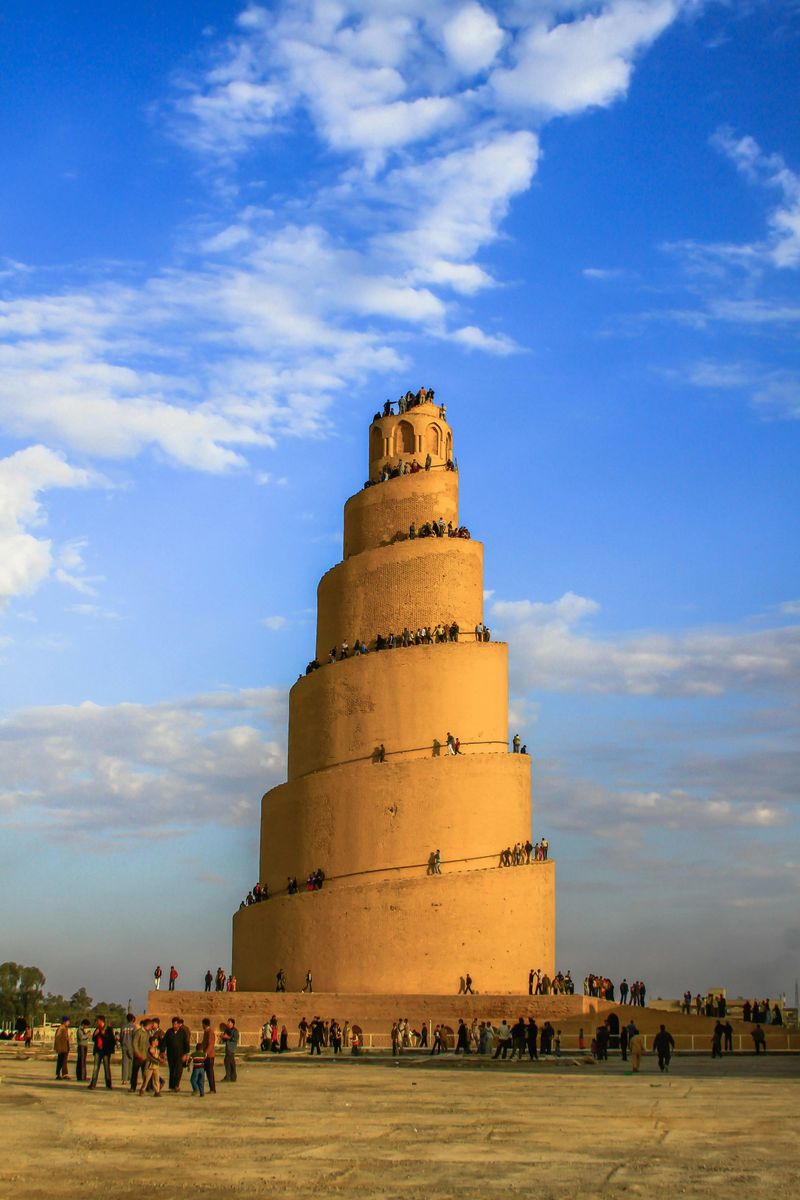
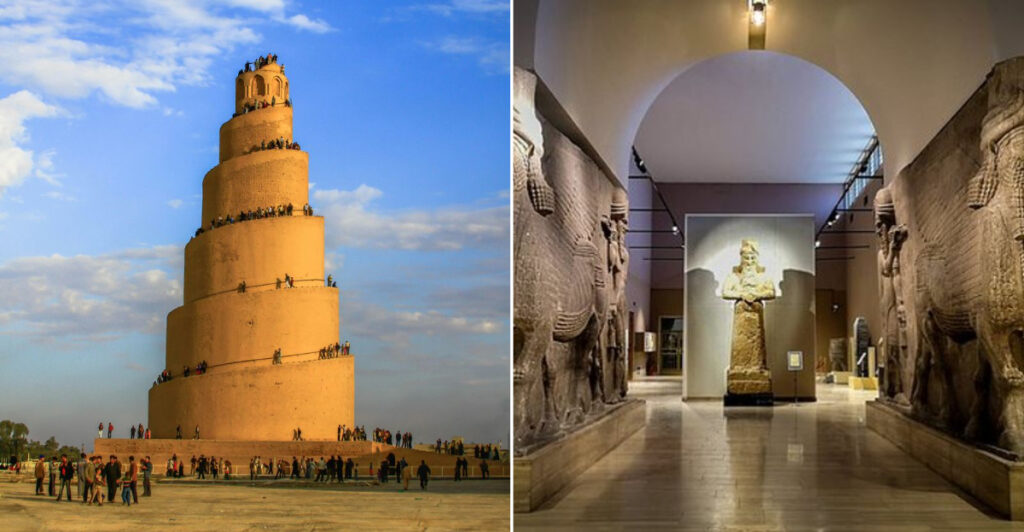
There is exactly one minaret in the world that looks like it was designed by someone who had never heard the word “straight,” and it is the Malwiya. Built in the 9th century as part of the Great Mosque of Samarra, this spiral tower is one of the most iconic structures in Islamic architecture.
No photo filter needed.
The tower stands about 52 meters tall and winds upward in a tight corkscrew that you can actually climb. Walking up the outer ramp gives you a view across the flat Iraqi landscape that makes the whole trip feel worthwhile.
The mosque complex surrounding it was once the largest in the world, which puts the minaret’s drama into context.
This is one of those sites that looks even better in person than in photos, which is rare. Abbasid architecture at this scale is hard to find anywhere else on earth.
The Malwiya is not just a landmark. It is a full-on statement.
Al-Nuri Grand Mosque, Mosul
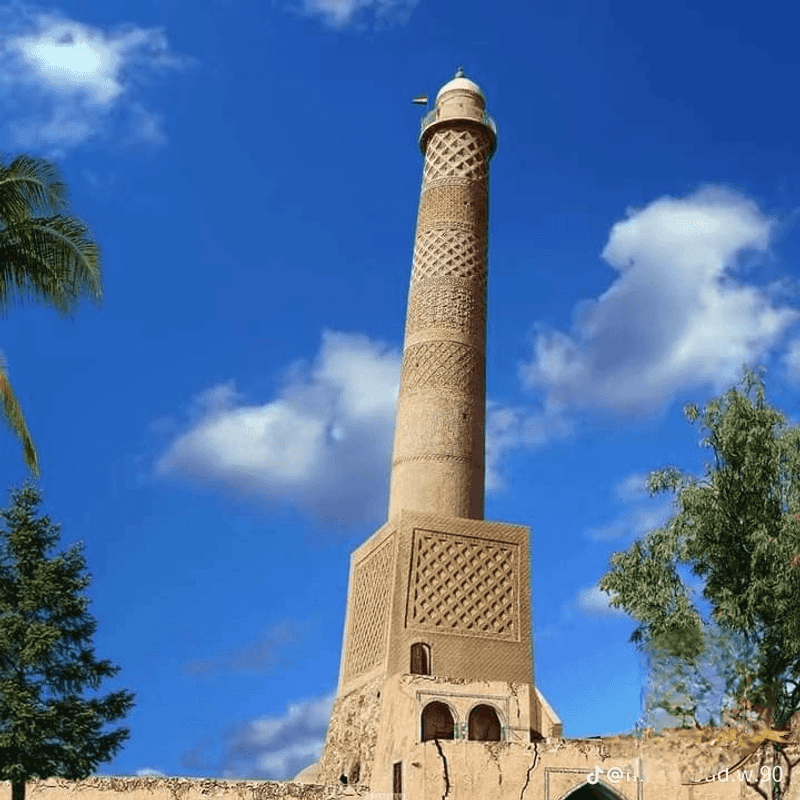
Al-Nuri Grand Mosque has one of the most remarkable comeback stories in modern history. ISIS destroyed the mosque and its famous leaning Al-Hadba Minaret in 2017, and yet by 2025, Iraq officially reopened the site after a UNESCO-supported reconstruction effort.
That is not just historic preservation. That is a statement.
The original mosque dates back to the 12th century, and the Al-Hadba Minaret was so beloved that it appeared on the old Iraqi dinar. Seeing it rebuilt carries a weight that goes beyond tourism.
It represents what a city can reclaim after devastating loss.
Mosul has worked hard to welcome visitors back, and Al-Nuri is now one of the most meaningful stops on any Iraq itinerary. I think places that have survived destruction and returned carry a kind of energy that newer sites simply cannot match.
Visit with respect, take your time, and let the story of this place actually sink in before you move on.
The Old City of Mosul
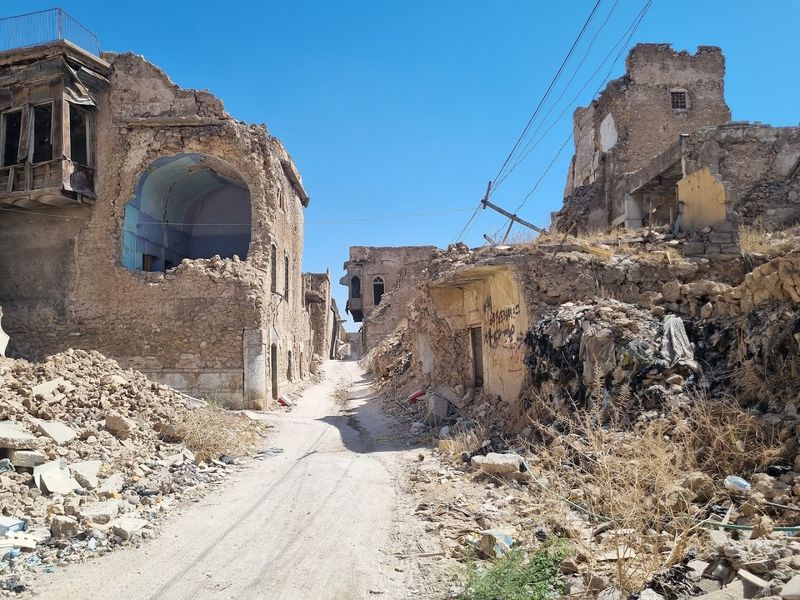
Mosul’s Old City is a place of two stories happening at once. On one side, you see the scars of conflict, buildings still bearing the marks of what happened between 2014 and 2017.
On the other, you see restoration crews, reopened churches, and renovated mosques slowly bringing the neighborhood back to life.
UNESCO has poured significant resources into the area, covering both Islamic and Christian heritage sites. That mix of faiths in a single historic district says a lot about what Mosul once was and what it is working to become again.
Several landmarks are now open to visitors, with more expected to follow.
Walking through the Old City is not like any other heritage experience on this list. It is part history tour, part witness to resilience.
Locals are proud of their city and genuinely welcoming to travelers who come with curiosity and respect. Give the Old City your full attention.
It has earned it.
The Iraq Museum, Baghdad
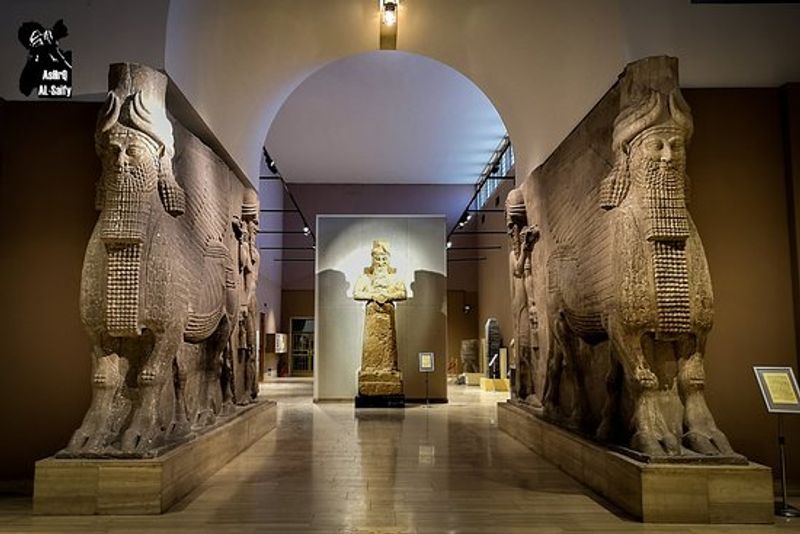
Before you head out to any ruin or ancient site in Iraq, the Iraq Museum in Baghdad deserves a full morning of your time. It covers more than 10,000 years of human civilization under one roof, which is the kind of thing that sounds like marketing but is actually just accurate.
The collection is staggering.
Mesopotamian artifacts, Abbasid treasures, and Persian-era objects sit side by side in a way that tells the full sweep of Iraq’s history without you needing to travel hundreds of kilometers between sites. The museum was looted during the 2003 invasion and lost thousands of pieces, which makes what remains here all the more precious.
Think of this as your orientation session before the rest of the trip. The context you pick up here will change how you see every ruin and monument that follows.
Good museums do not just show you things. They change how you look at everything afterward.
Al-Mustansiriya Madrasa, Baghdad
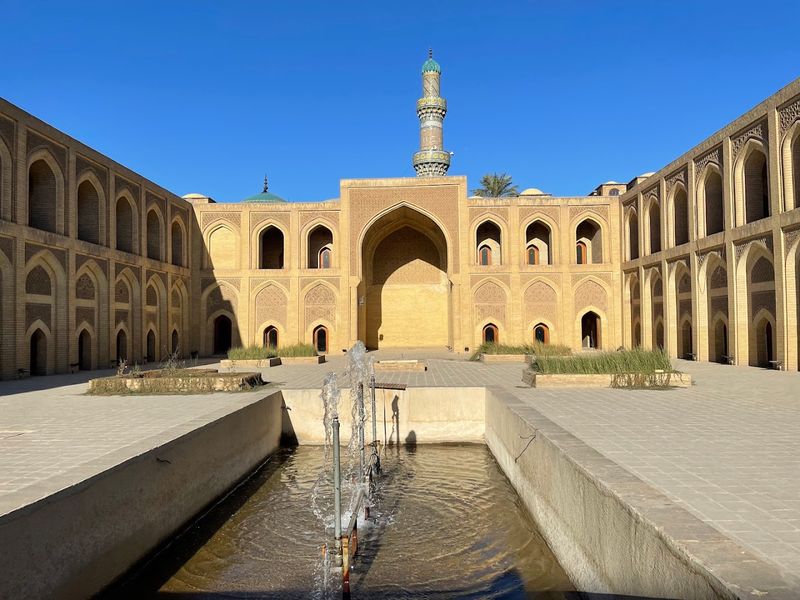
Founded in 1227, Al-Mustansiriya Madrasa is Baghdad’s answer to the question: what did medieval higher education look like? The answer is surprisingly beautiful.
This Abbasid-era institution taught medicine, mathematics, literature, grammar, philosophy, and Islamic law all under one roof, centuries before most European universities had even opened their doors.
The architecture alone makes a visit worthwhile. The brick facade, the arched iwans, and the central courtyard create a space that feels both scholarly and serene.
It is one of the best-preserved Abbasid buildings in Baghdad, which is saying something given what the city has been through over the centuries.
Al-Mustansiriya sits on the eastern bank of the Tigris and is accessible from central Baghdad. It is the kind of place where you slow down naturally, partly because of the history and partly because the courtyard genuinely invites you to sit and think for a while.
Highly recommended for anyone who loves architecture and history equally.
Abbasid Palace, Baghdad
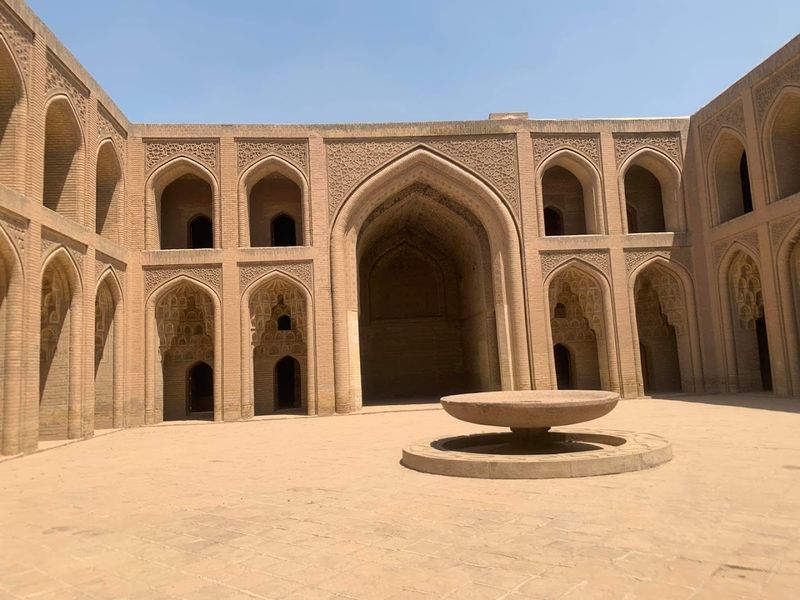
The Abbasid Palace is one of Baghdad’s oldest surviving buildings, and it has held its ground on the eastern bank of the Tigris through centuries of upheaval. The brickwork, the arched halls, and the open courtyard give you a direct connection to the era when Baghdad was the intellectual capital of the known world.
That is not an exaggeration.
During the height of the Abbasid Caliphate, Baghdad attracted scholars, poets, scientists, and traders from across Asia, Africa, and Europe. Walking through the palace’s arched corridors, it is easy to understand why this city carried so much weight in world history.
The structure has been partially restored and is open to visitors.
Pair this visit with Al-Mustansiriya Madrasa nearby and you have yourself a solid half-day of Abbasid history without needing to leave central Baghdad. Two sites, one era, and a whole lot of context.
That is a pretty efficient way to spend a morning in one of history’s most important cities.
The Mesopotamian Marshes and Relict Cities
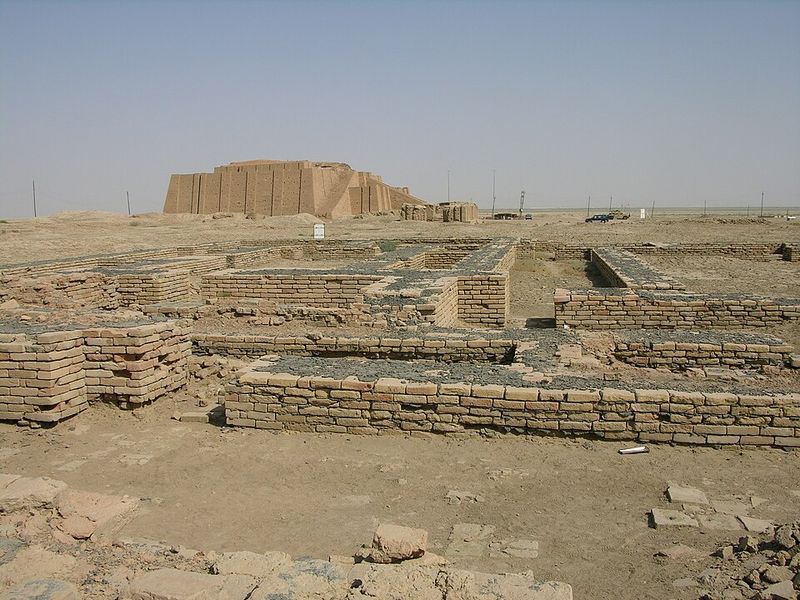
The Ahwar of Southern Iraq is unlike anything else on this list, and that is exactly why it belongs here. This UNESCO-listed mixed World Heritage property combines natural wetlands with the ruins of ancient Mesopotamian cities, creating a landscape that is part nature reserve and part open-air archaeological zone.
It is genuinely one of a kind.
The reed houses, the flat water, and the ancient settlement remains all exist together in a way that has barely changed for thousands of years. The Marsh Arabs who live here have maintained a way of life connected to some of the earliest known human civilizations.
That continuity is rare and worth seeking out.
Getting to the marshes requires more planning than a city museum, but the payoff is a completely different kind of epic. The scale of the water and sky together gives the whole journey a final-chapter feeling.
End your Iraq trip here and you will leave with something that is hard to put into words but impossible to forget.
Share this story