Most people think of Tunisia as sun, sand, and ancient ruins, and they’re not entirely wrong. But the country hides a jaw-dropping range of landscapes that most travelers never expect to find.
From flamingo-filled wetlands in the north to steaming desert oases in the south, Tunisia is quietly one of Africa’s most geographically diverse destinations. Pack more than just sunscreen because this country has serious range.
Ichkeul National Park
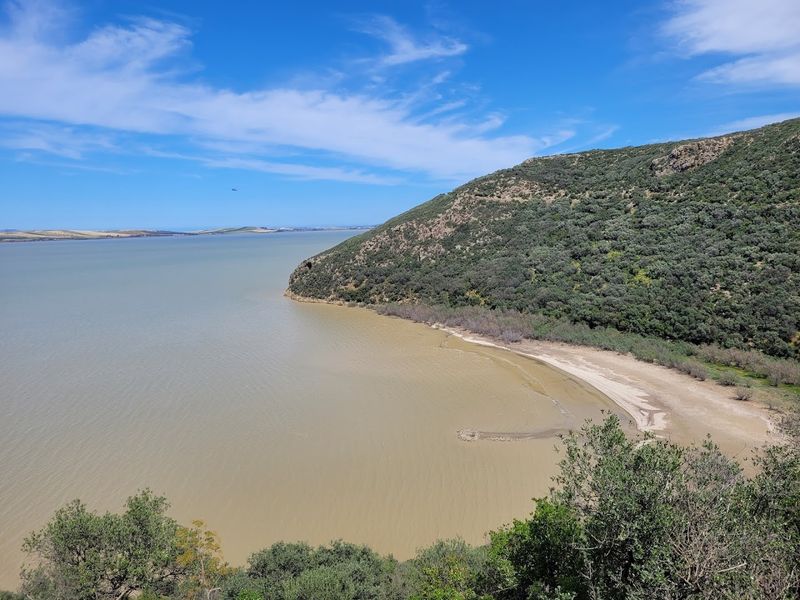
Tunisia’s most important bird address has a UNESCO badge to prove it. Ichkeul National Park protects the last remaining lake from a chain that once stretched across all of North Africa.
That’s not just cool trivia, it’s genuinely rare.
Every year, tens of thousands of ducks, geese, storks, and flamingos use Ichkeul’s wetlands as a rest stop on their long migratory journeys. Birdwatchers come prepared with binoculars and leave absolutely giddy.
The lake and its surrounding marshes shift dramatically with the seasons, making every visit feel different.
Getting here from Tunis is straightforward, and the park is well worth the detour. I once spotted a flock of flamingos wading near the reeds at sunrise and stood there for a solid ten minutes forgetting to take photos.
Ichkeul is one of those places that earns its World Heritage status every single morning without even trying.
Chott el Djerid
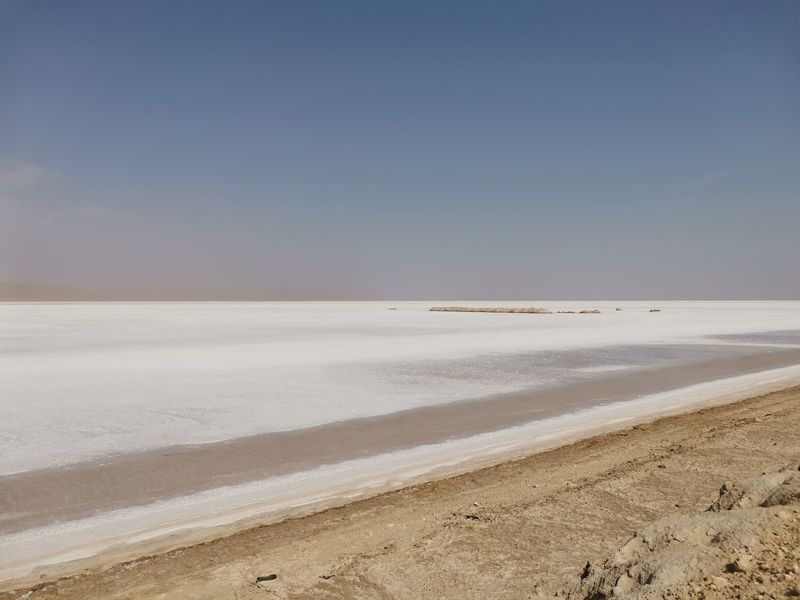
Chott el Djerid is Tunisia’s great optical illusion. On a hot afternoon, the salt crust shimmers so intensely that the horizon seems to melt into the sky.
It’s one of the largest salt-lake landscapes in the Sahara, and it earns that title dramatically.
Located near Tozeur and Kebili, the lake bed is mostly dry and covered in thick white salt. A paved road crosses it directly, which means you can pull over and stand in the middle of this surreal expanse without needing a 4×4.
Sunrise and sunset are peak viewing hours when the colors shift from white to gold to deep amber.
Star Wars fans will recognize this region instantly since several scenes were filmed nearby. Whether you’re here for the films or just the view, Chott el Djerid delivers something that photos barely do justice to.
It’s vast, quiet, and oddly humbling in the best possible way.
Chebika Oasis
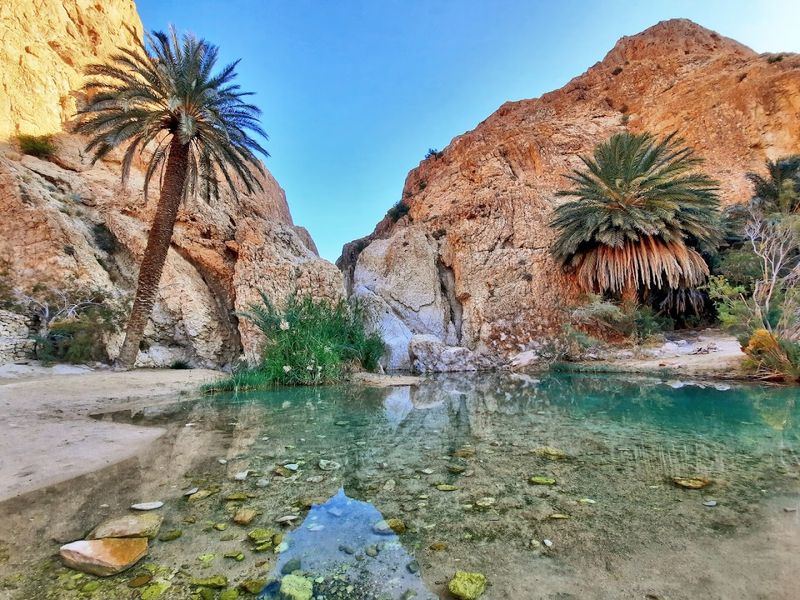
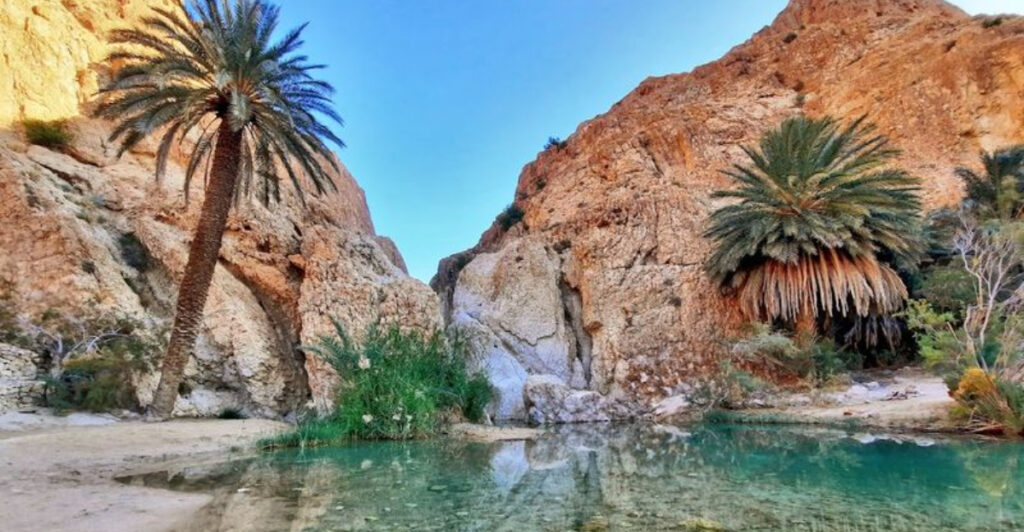
Chebika sits at the foot of the Atlas Mountains and looks like someone accidentally planted a garden in the middle of the desert. Palm trees, cliffs, and clear streams crowd together in a space that has no business being this lush.
Part of the famous Chebika-Tamerza-Mides circuit from Tozeur, this oasis is a reliable highlight on any southern Tunisia road trip. The walk through the canyon leading to the small waterfall takes about 20 minutes and rewards you with one of the most photogenic spots in the country.
Ancient ruins of the old village sit above, abandoned after severe flooding decades ago.
The contrast here is genuinely striking. One moment you’re walking through dry, rocky terrain, and the next you’re standing beside flowing water and swaying palms.
Chebika is proof that Tunisia’s south is far more complex than just rolling dunes. It rewards curiosity and comfortable walking shoes in equal measure.
Tamerza Oasis
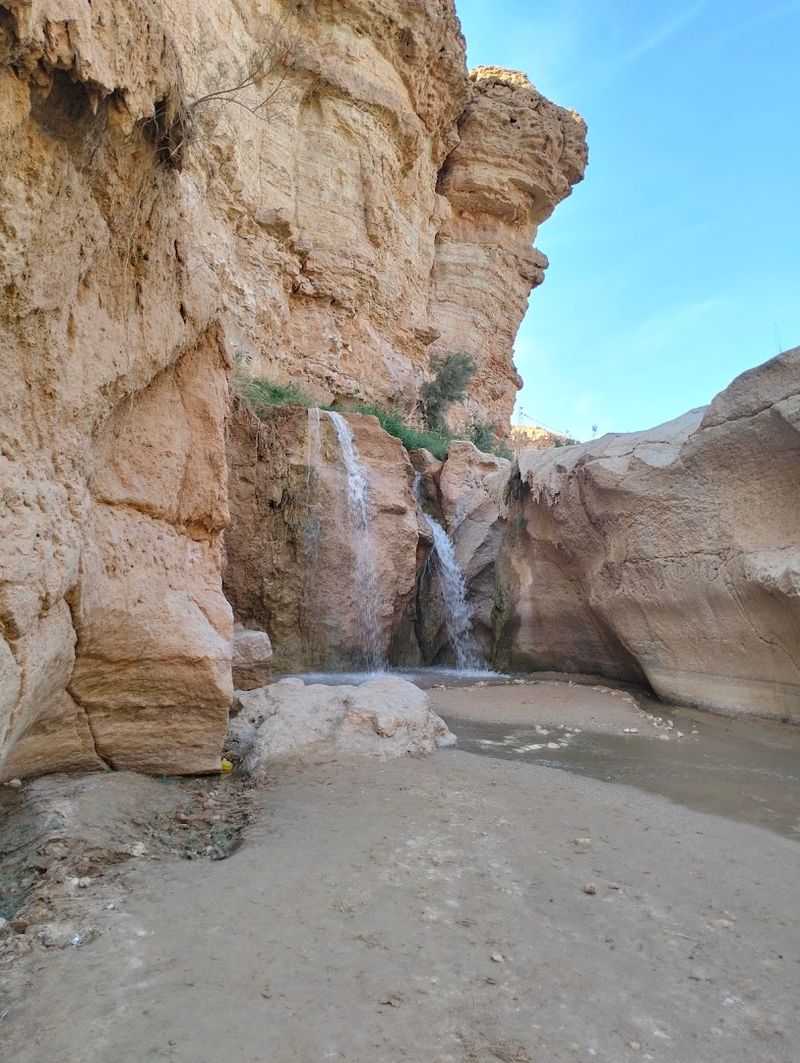
Tamerza is the largest mountain oasis in Tunisia, and it doesn’t let you forget it. Waterfalls, palm groves, and the eerie silhouette of an abandoned village all share the same dramatic frame.
It’s a lot to take in at once.
The old village of Tamerza was flooded by heavy rains in 1969 and never rebuilt. Today its crumbling walls sit quietly above the oasis like a ghost town with excellent views.
The contrast between the ruins and the green valley below is genuinely cinematic without needing any filter.
Tamerza is almost always paired with Chebika and Mides on day trips from Tozeur, and the combination makes for one of Tunisia’s best road trip routes. The waterfall here is modest in size but big on atmosphere, especially in the softer light of late afternoon.
If the south of Tunisia has a hidden gem circuit, Tamerza is firmly on it.
Midès Canyon
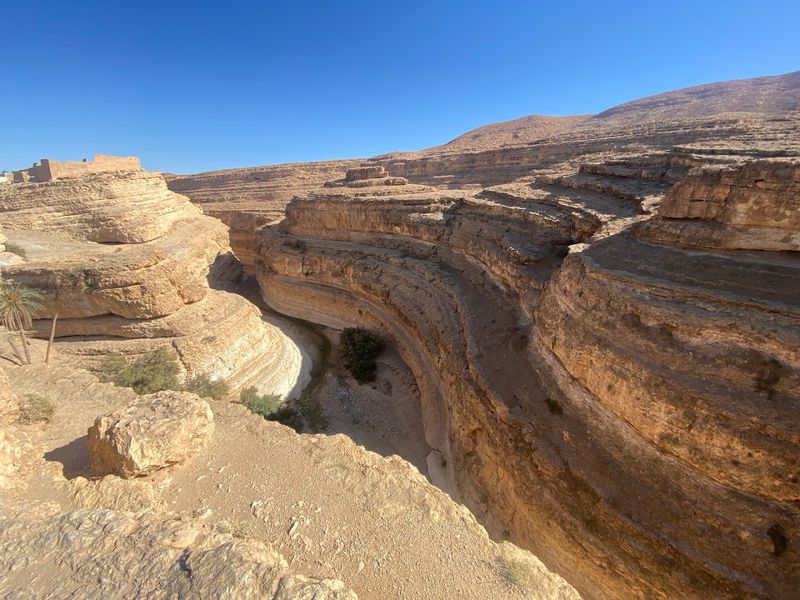
Nobody expects a canyon this dramatic in Tunisia. Mides sits right near the Algerian border and drops into a deep gorge of layered sandstone that looks more like the American Southwest than North Africa.
It’s one of the country’s most genuinely surprising landscapes.
The canyon viewpoint is accessible without hiking into the gorge itself, which makes it a great stop even for travelers short on time. The colors shift from pale yellow to deep orange depending on the angle of the sun, and the sheer walls drop sharply enough to make you step back instinctively.
I stood at the edge longer than planned, mostly because I kept convincing myself the next angle would make an even better photo.
Mides completes the trio alongside Chebika and Tamerza, and it’s arguably the most dramatic of the three. The sense of scale here resets your expectations of what Tunisian terrain can actually look like.
Worth every kilometer of the drive.
Ksar Ghilane Oasis
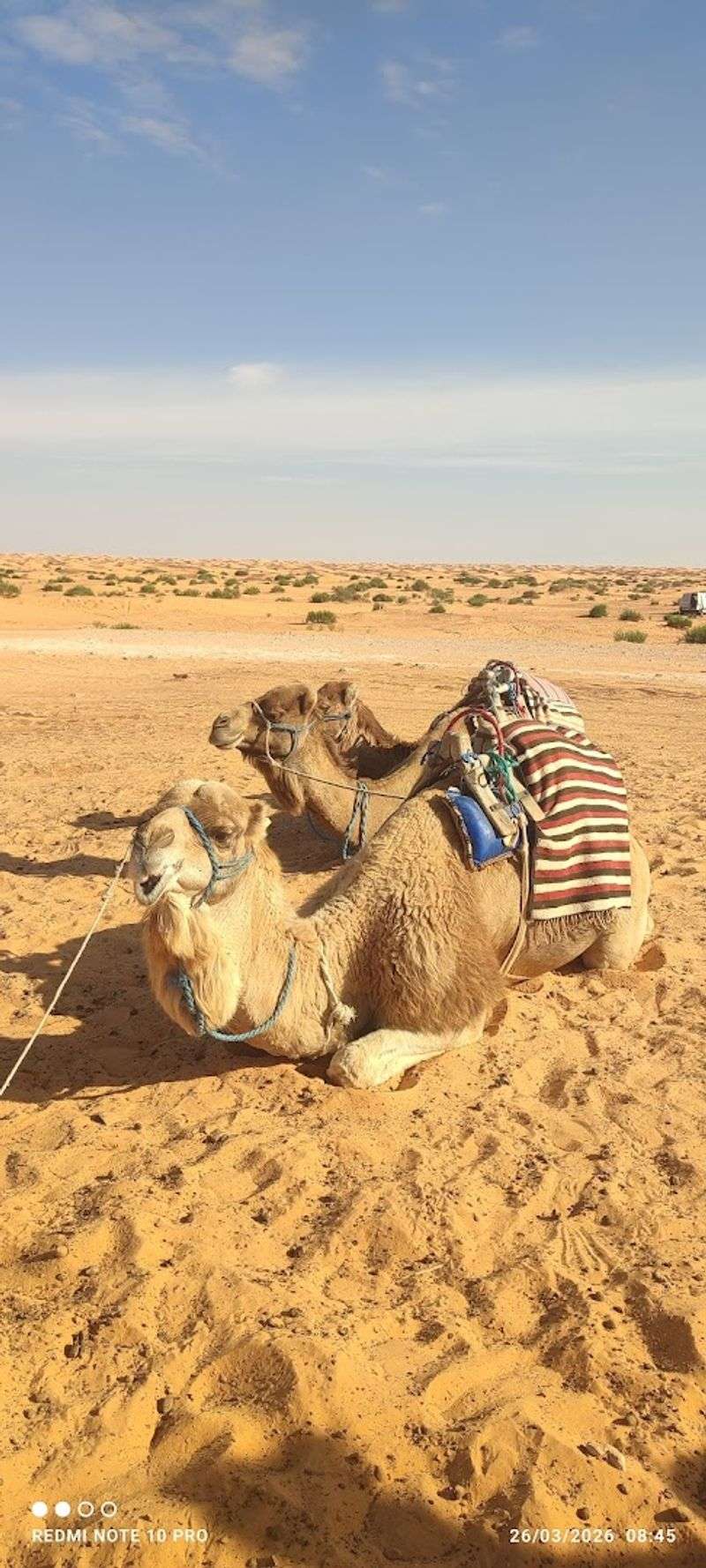
Ksar Ghilane is where the Sahara stops being an abstract concept and becomes very, very real. Sitting on the edge of the Grand Erg Oriental, this oasis is fed by a natural hot spring, which means you can swim in warm water while surrounded by towering sand dunes.
Yes, that’s as good as it sounds.
This is one of Tunisia’s most popular desert destinations, and the infrastructure for visitors is solid. Desert camps, camel treks, and 4×4 excursions into the dunes are all well-organized here.
The combination of hot spring, palms, and endless sand is genuinely hard to beat for sheer atmosphere.
Stargazing at Ksar Ghilane is exceptional since light pollution is almost nonexistent this far into the desert. The nights are quiet, the sky is ridiculous, and the morning views over the dunes make waking up early feel like a reward rather than a sacrifice.
Tunisia’s Sahara at its most accessible and most spectacular.
Boukornine National Park
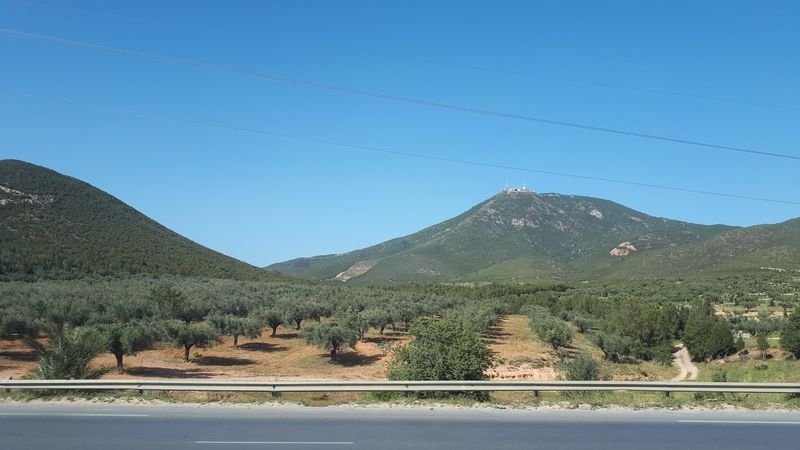
Just 20 kilometers from Tunis, Boukornine National Park proves that wild nature doesn’t always require a long road trip. Jebel Boukornine, the limestone mountain at the park’s center, rises sharply above the capital region and offers trails that feel surprisingly remote given the proximity to a major city.
The park protects Mediterranean scrubland, forested slopes, and a solid variety of bird species. Hikers come for the workout and stay for the views over the Gulf of Tunis, which stretch out impressively on clear days.
The contrast between urban Tunis below and the rugged terrain above is part of what makes this park so satisfying to visit.
Boukornine is an easy half-day escape that most tourists completely overlook. Local hikers and birdwatchers know the secret, but international visitors rarely make it here.
If you’re spending a few days in Tunis and need fresh air without a four-hour drive, this mountain park is the most underrated option on the map.
Tabarka’s Les Aiguilles Rock Formations
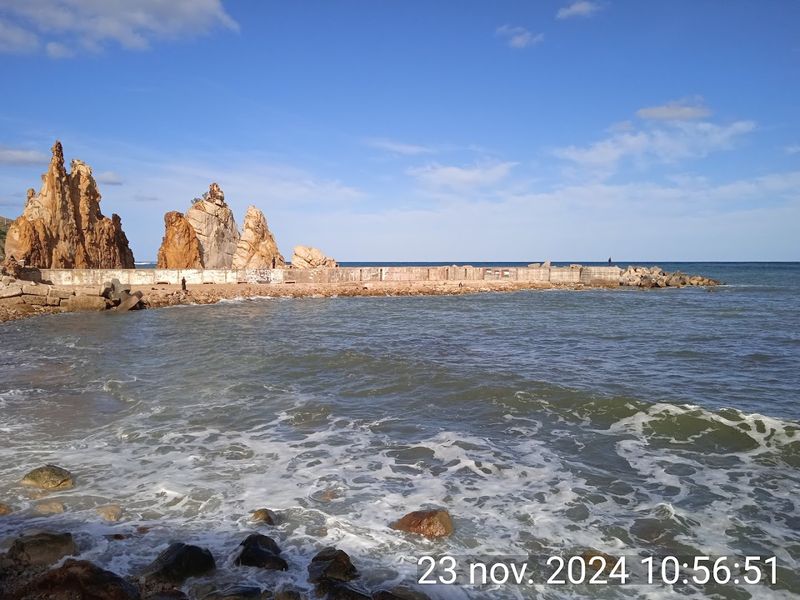
Tabarka plays by its own rules. While the rest of Tunisia’s coast is known for flat resort beaches, Tabarka’s northwestern shoreline throws up jagged granite needles called Les Aiguilles that shoot straight out of the sea.
The effect is dramatic and completely unexpected.
These rock formations sit close to the waterline, making them visible from the beach and even more striking from a boat. The combination of mountains, sea, and rocky coastline in one place gives Tabarka a personality that feels distinctly Mediterranean and unlike anything else in the country.
Coral diving is also excellent here, adding another layer to the visit.
Tabarka is also a gateway to the Kroumirie Mountains, so combining a coastal morning with a forested afternoon is entirely possible. The town hosts a jazz festival each summer, which means culture, nature, and live music can all happen in the same trip.
Few Tunisian destinations pack this much variety into a single location.
The Kroumirie Mountains and Ain Draham
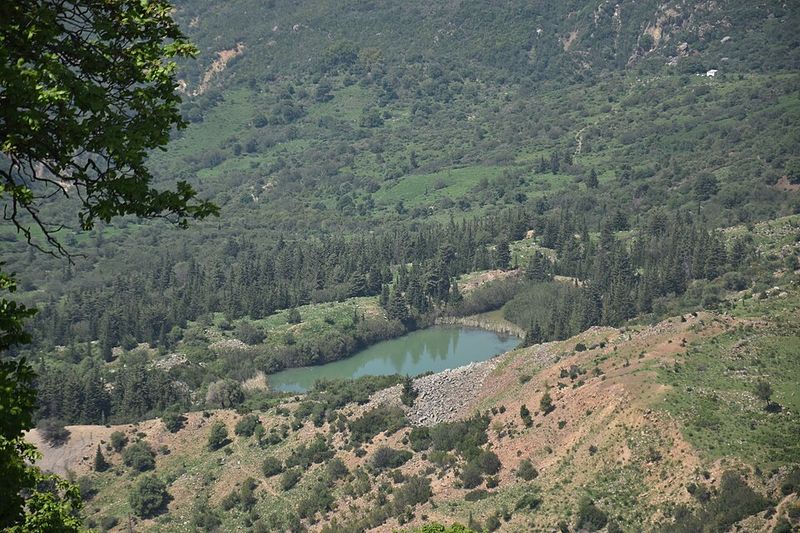
Tell someone Tunisia has cork oak forests and a cool mountain village that feels almost Alpine, and they’ll probably ask if you have the right country. Ain Draham, tucked into the Kroumirie Mountains, is exactly that and it’s completely real.
The Kroumirie region is one of the greenest corners of North Africa, receiving more rainfall than almost anywhere else in Tunisia. The cork oak forests are dense, the air is noticeably cooler, and the winding mountain roads are lined with trees rather than dust.
It’s the kind of landscape that makes you stop the car just to look around.
Ain Draham itself is a small village with a distinctly different architectural character from the rest of Tunisia, with red-roofed houses that look more like rural France than the Maghreb. Wild boar hunting is a traditional activity here, which surprises most visitors.
The Kroumirie Mountains are Tunisia’s best-kept geographic secret, full stop.
La Galite Archipelago
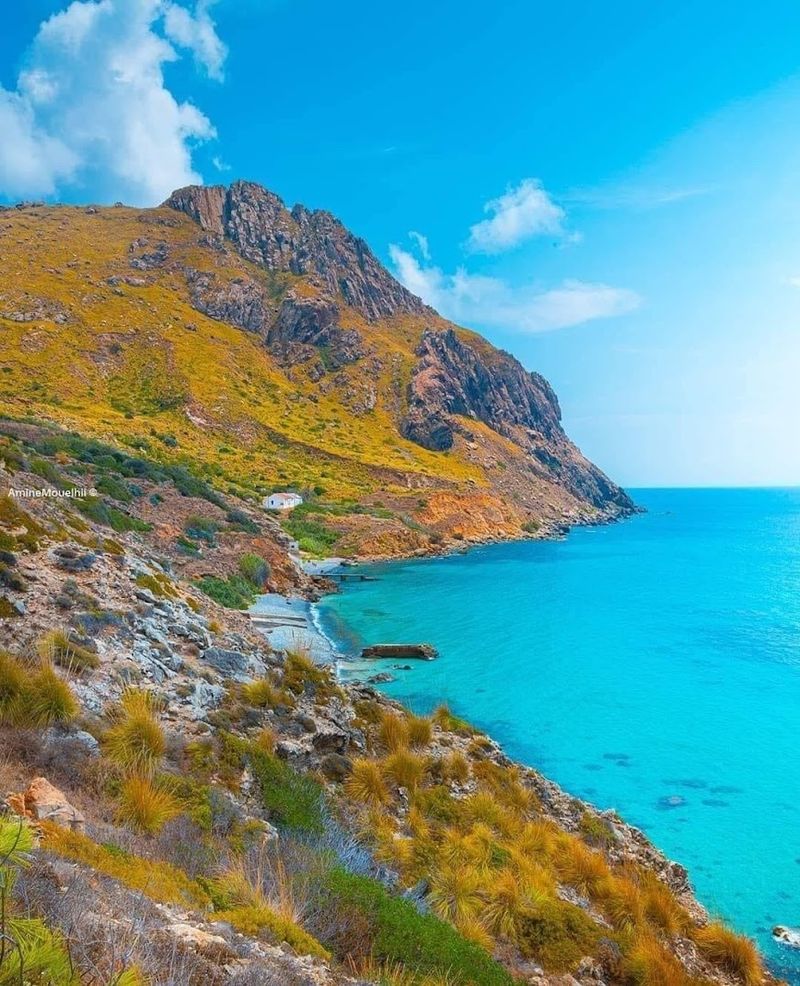
About 36 miles off the northern coast near Tabarka, La Galite is Tunisia’s wildest secret. Six uninhabited granite islands sit in clear Mediterranean water, completely untouched by mass tourism.
Getting there requires a boat, which keeps the crowds away and the ecosystem intact.
Tunisia’s official tourism sites describe La Galite as one of the country’s best-preserved natural areas, and the marine life backs that claim up. The waters around the archipelago are popular for snorkeling and diving, with visibility that rewards anyone willing to make the trip.
Mediterranean monk seals have been spotted here, which puts La Galite in genuinely rare company.
There are no hotels, no restaurants, and no infrastructure on the islands themselves. Day trips by boat from Tabarka are the standard approach, and they sell out during peak season for good reason.
La Galite is the kind of place that reminds you what coastlines looked like before anyone built anything on them. Refreshingly, stubbornly wild.
El Haouaria and the Cap Bon Cliffs
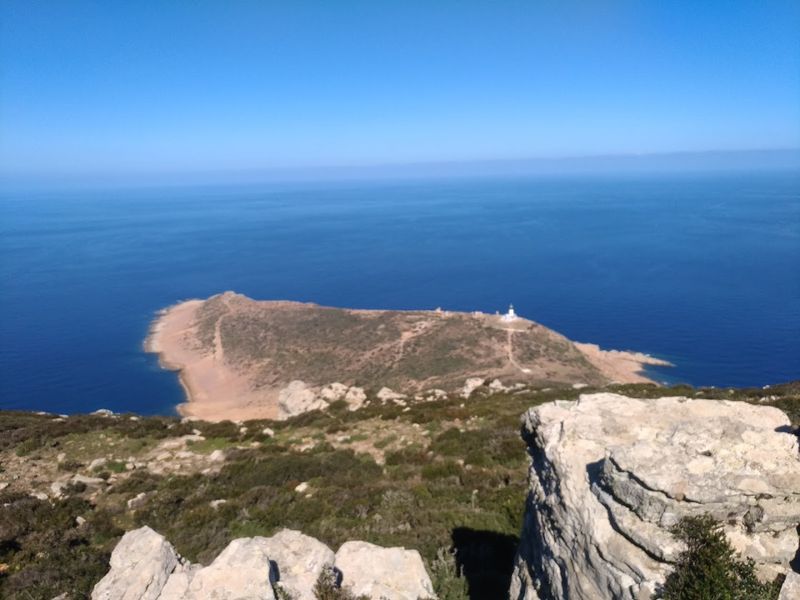
El Haouaria sits at the very tip of the Cap Bon Peninsula, and the scenery there earns its location at the edge of the map. Limestone cliffs drop into some of the clearest water in Tunisia, and ancient cave quarries cut into the rock add a layer of history that feels genuinely eerie in the best way.
The caves of El Haouaria were used by the Romans to quarry stone for building Carthage. Walking through them today, you can still see the chisel marks in the walls.
The mix of natural coastal drama and documented ancient history makes this spot unlike anything else on the Cap Bon circuit.
Raptors pass through El Haouaria in large numbers during spring migration, making it a well-known birdwatching point. The town also has a traditional falconry culture that goes back centuries.
Between the cliffs, the caves, the birds, and the water, El Haouaria quietly packs more into one small area than most destinations manage across an entire region.
Korbous Hot Springs (Ain Atrous Natural Hot Spring)
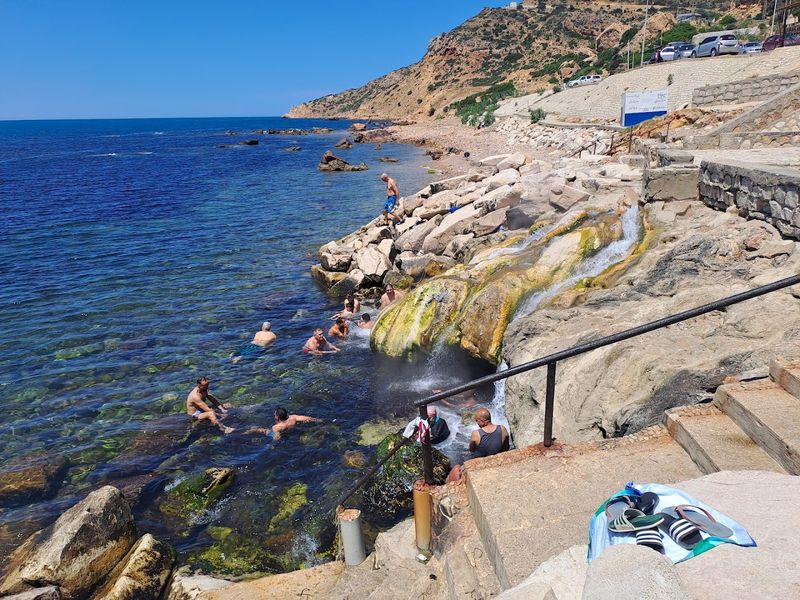
Korbous is the kind of place that makes you wonder why more people aren’t talking about it. A small coastal village on the Cap Bon peninsula, it sits beneath dramatic cliffs where natural hot springs flow directly into the sea.
The thermal waters have been valued here since Roman times, which is a solid endorsement.
The springs range in temperature and mineral content, and locals have used them for generations to treat various ailments. Some pour straight out of the cliff face onto rocky ledges above the water.
The setting is striking in a way that no spa facility could replicate regardless of budget.
Korbous is easily reachable from Tunis as a day trip, yet it feels genuinely off the beaten path. The drive along the Cap Bon coast to get here is scenic in its own right, winding between the sea and the hills.
Thermal bathing with a Mediterranean view is a combination Tunisia does quietly and very well.
Share this story