Water covers most of our planet, yet billions of people struggle to find enough clean water to drink, cook, or even wash their hands. Climate change, growing populations, and wasteful habits are pushing many countries to the edge of a water disaster.
Some nations are already there, scraping the bottom of ancient aquifers and praying for rain that never comes. These 15 countries are feeling the heat, quite literally, as the global water crisis tightens its grip.
1. Kuwait
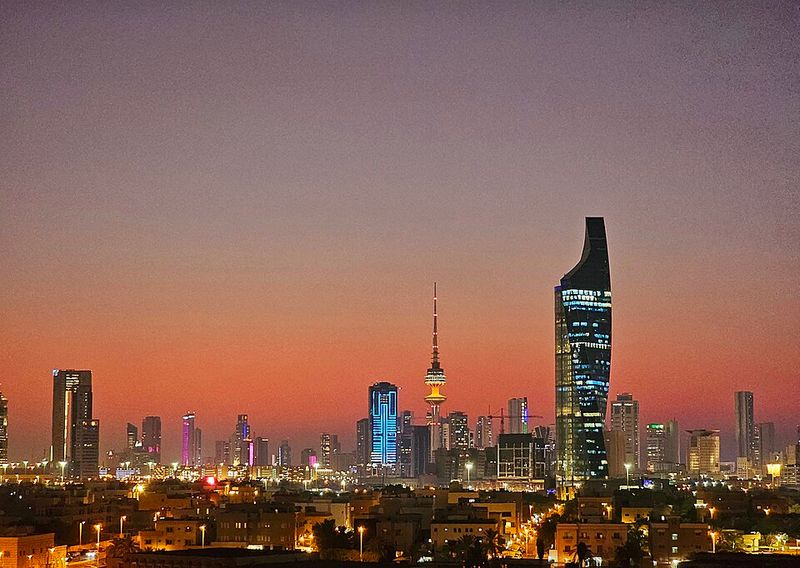
Kuwait holds a record nobody actually wants: it is one of the most water-scarce countries on Earth, with virtually zero natural freshwater resources. There are no rivers, no lakes, and rainfall is so rare that locals practically throw a party when clouds show up.
The country sits on a sea of oil but almost no usable water.
Kuwait relies almost entirely on desalination, turning salty Gulf water into drinking water through energy-hungry plants. This process works, but it is expensive and environmentally taxing.
One power outage or equipment failure could leave millions scrambling.
Groundwater does exist, but it is mostly too salty or too deep to use practically. The government has invested heavily in water storage and technology, but demand keeps growing.
Kuwait is a masterclass in surviving where nature never intended large cities to thrive.
2. Qatar
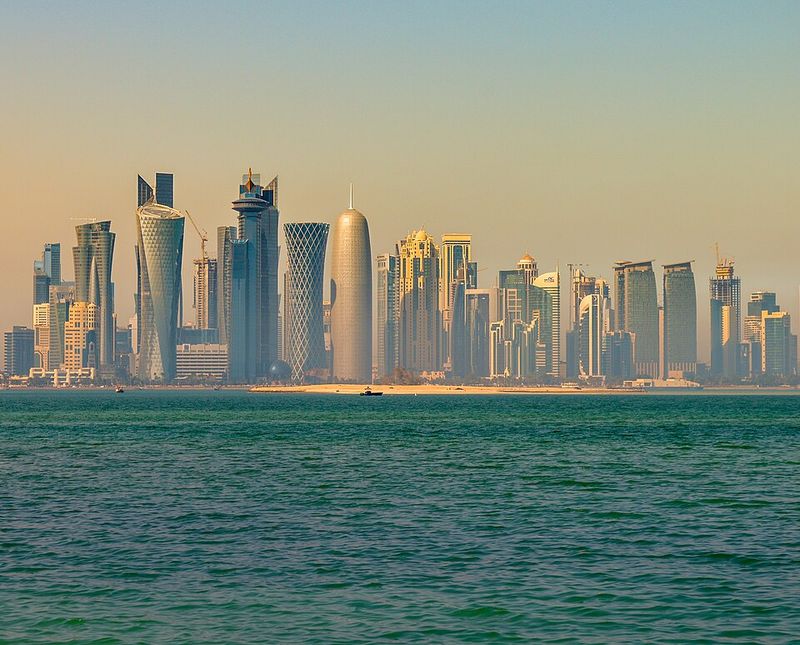
Qatar has more money than most countries dream of, yet it cannot buy its way out of one stubborn problem: water. Ranked among the most water-stressed nations globally, Qatar receives less than 80 millimeters of rain per year on average.
That is barely enough to dampen a sidewalk.
Like its neighbor Kuwait, Qatar depends heavily on desalination plants to keep taps running. These plants currently supply around 99% of the country’s drinking water, which sounds impressive until you realize how fragile that single source really is.
I once read that Qatar has enough water reserves for only three days if desalination stopped suddenly. Three days.
The country is working hard on water recycling and treated wastewater for agriculture, but the pressure is enormous. Hosting the FIFA World Cup was easier than solving this particular puzzle.
3. Oman
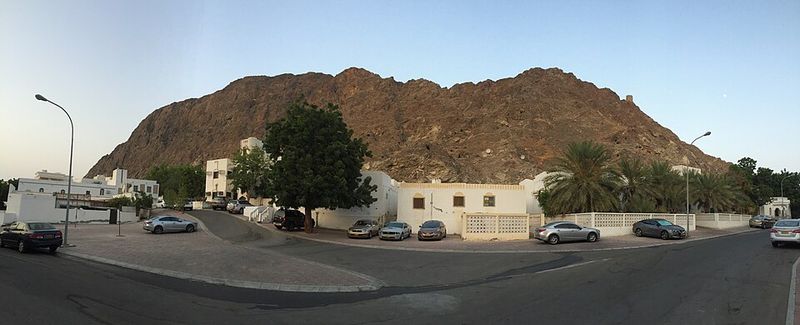
Oman is stunning, all rugged mountains, golden deserts, and ancient villages, but beneath that beauty lies a water crisis quietly building for decades. The country receives very little rainfall, and what little falls often evaporates before anyone can capture it.
Traditional water systems called aflaj, ancient channels carved into rock, have kept communities alive for thousands of years.
These ingenious old systems are UNESCO-recognized, which is lovely, but they cannot meet the demands of a modern, growing population. Oman now relies heavily on desalination and is increasingly tapping into deep groundwater reserves that take centuries to refill.
Agriculture uses a massive share of available water, which creates tension between farmers and city planners. Climate change is also shrinking the mountain snowpacks that once fed Oman’s springs.
The country is racing to modernize its water management before the ancient aflaj run dry for good.
4. United Arab Emirates
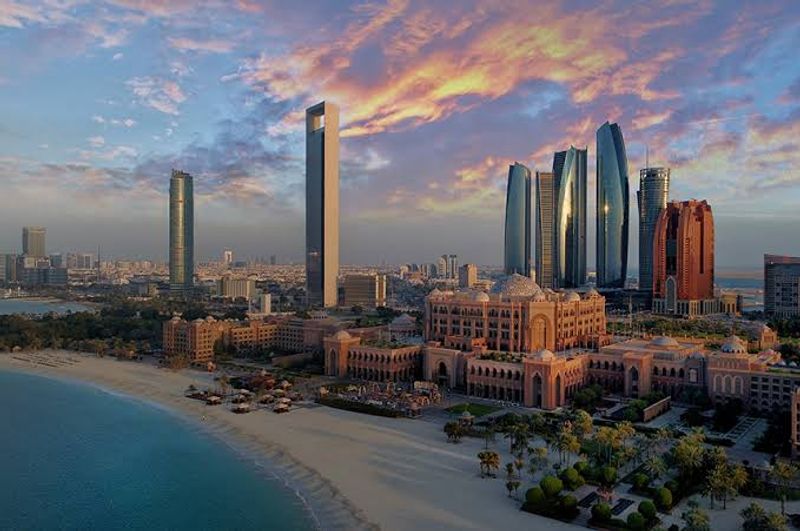
The United Arab Emirates has built indoor ski slopes, artificial islands, and sprawling green golf courses in the middle of a scorching desert. Impressive?
Absolutely. Sustainable?
That is a very different conversation. The UAE has one of the highest per-capita water consumption rates on the planet, which is a jaw-dropping stat for a country with almost no natural freshwater.
Desalination handles about 42% of water supply, and treated wastewater covers much of the rest. The UAE has invested billions into water technology, including cloud seeding programs that attempt to squeeze rain out of reluctant skies.
Sometimes it works. Sometimes it just makes the weather weird.
Groundwater is being pumped far faster than it can recharge, threatening long-term supply. The government knows the numbers and is pushing conservation campaigns hard.
But changing habits in a culture of abundance is its own uphill battle.
5. Saudi Arabia
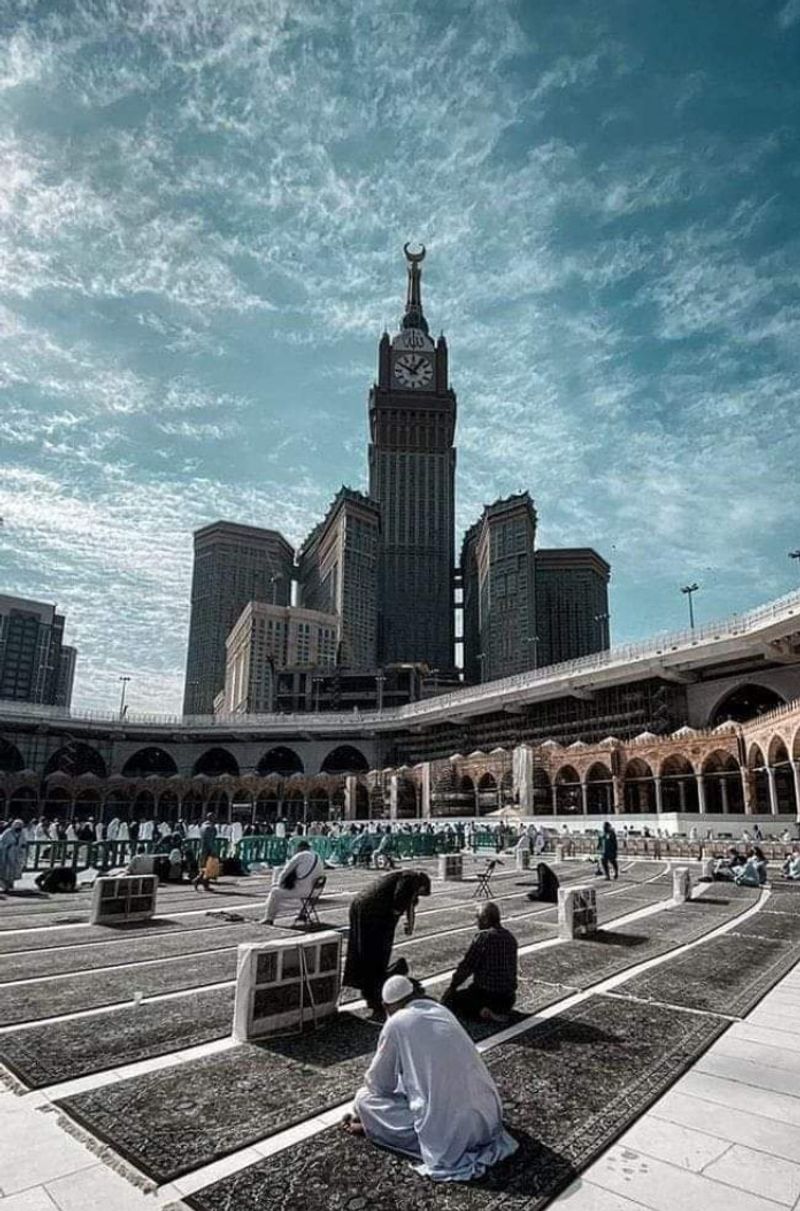
Saudi Arabia sits on one of the world’s largest oil reserves and one of its most rapidly depleting water reserves at the same time. The country has been draining its ancient fossil aquifers, water trapped underground for thousands of years, at an alarming rate.
Once those aquifers are gone, they are not coming back within any human timeline.
For decades, Saudi Arabia ran massive wheat farms using this ancient groundwater, which sounds productive but was essentially mining water that took millennia to accumulate. The government eventually scaled back that program when the numbers became impossible to ignore.
Today, desalination plants along the Red Sea and Arabian Gulf supply most of the country’s drinking water. Saudi Arabia is also the world’s largest producer of desalinated water, which is both a boast and a warning.
The kingdom is spending heavily on solar-powered desalination to make the process more sustainable before time runs out.
6. Bahrain
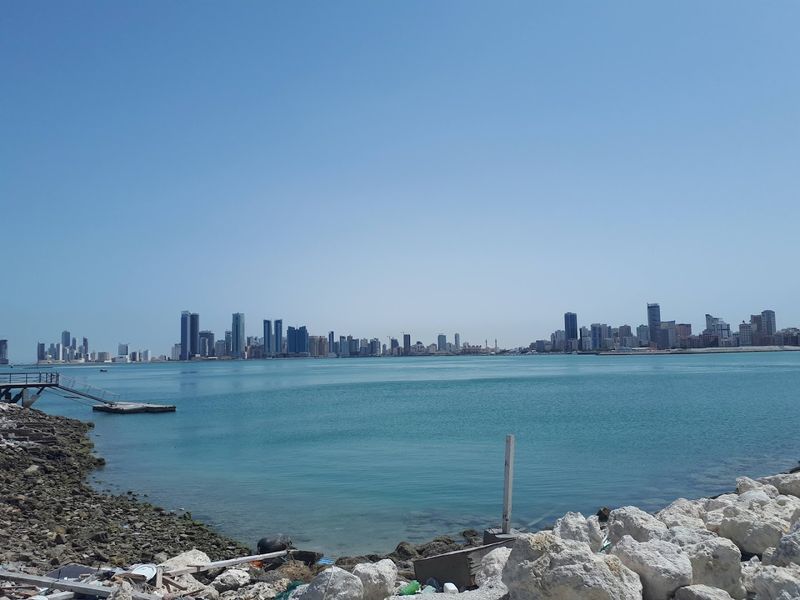
Bahrain is a tiny island nation, and its water problems are anything but tiny. With no rivers, no permanent streams, and almost no rain, Bahrain has been pulling freshwater from underground aquifers shared with Saudi Arabia for generations.
The trouble is, those aquifers are not being refilled anywhere near as fast as they are being emptied.
The country depends on desalination for most of its drinking water, but rapid population growth and industrial expansion keep pushing demand higher. Bahrain also has one of the smallest land areas of any Gulf state, meaning there is simply no room to build massive water storage infrastructure.
Water subsidies have historically kept prices artificially low, which does not exactly encourage conservation. The government has started reforming pricing structures and investing in water-smart agriculture.
Bahrain knows it is in a tough spot, sandwiched between the sea and a dwindling groundwater table.
7. Cyprus
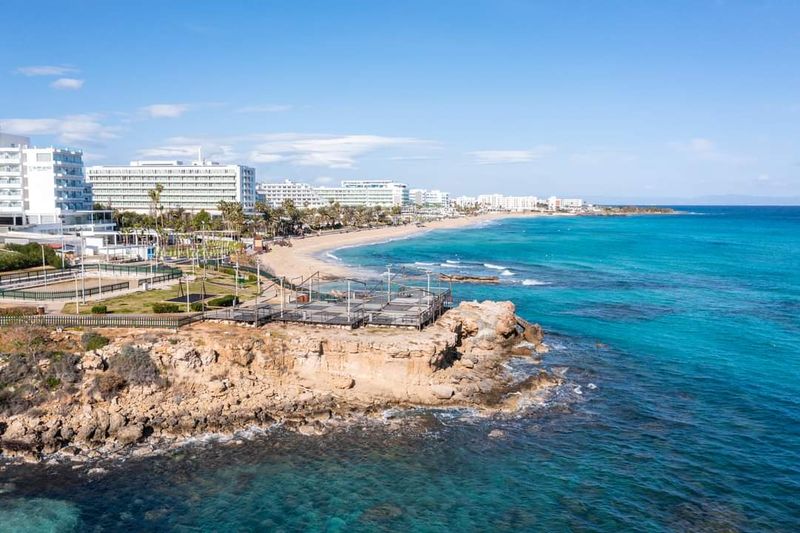
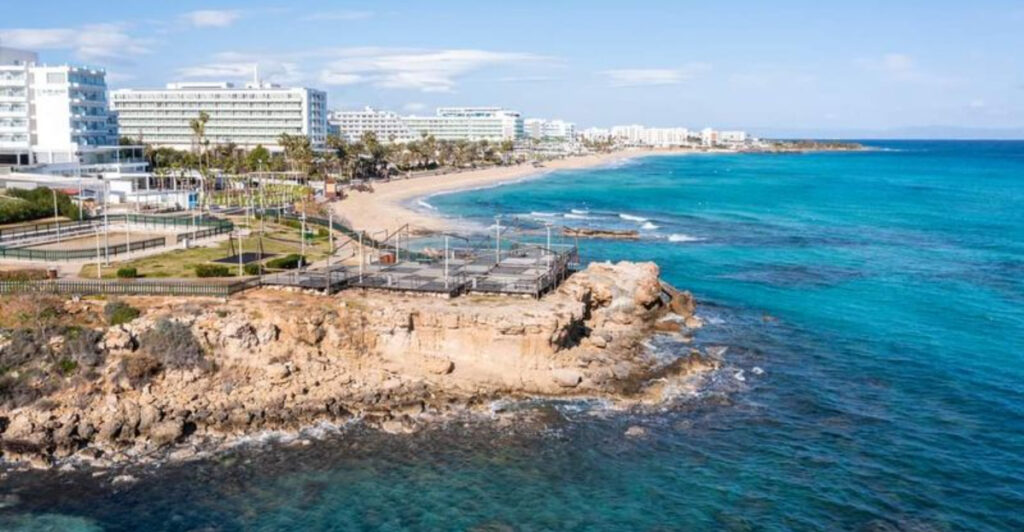
Cyprus might look like a Mediterranean paradise on a travel brochure, all blue water and ancient ruins, but the island has been battling serious water shortages for years. Droughts have become longer and more frequent, and the reservoirs that once kept farms and cities supplied have been running dangerously low.
Back in 2008, Cyprus actually had to import water by tanker ship from Greece. Yes, tanker ships full of water.
The island’s water troubles are partly geographic and partly climate-driven. Mediterranean climates are getting hotter and drier, and Cyprus is feeling that shift hard.
Agriculture, which uses the largest share of water, is under pressure to modernize irrigation and cut waste.
Desalination plants now handle a significant portion of supply, but they are expensive to run and energy-intensive. Cyprus is also investing in water reuse and aquifer recharge programs.
The island paradise has learned the hard way that beauty does not come with a guaranteed water supply.
8. Israel
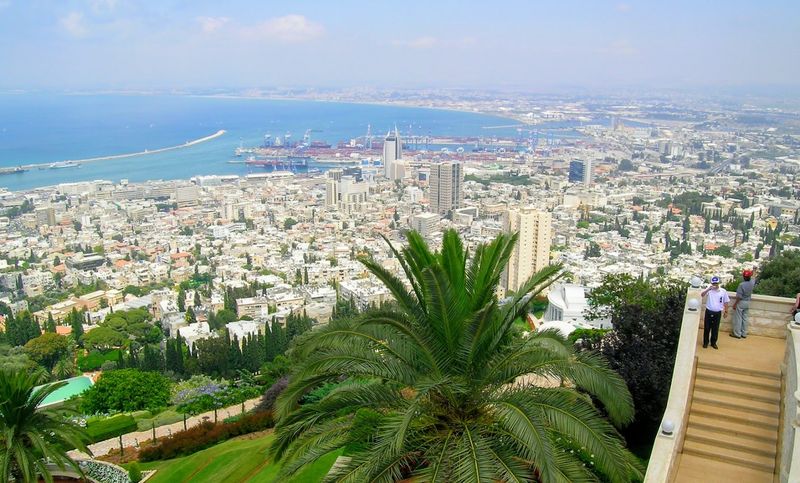
Israel turned a water crisis into a global lesson in resourcefulness. Surrounded by desert and historically short on freshwater, Israel developed some of the world’s most advanced water technologies, including drip irrigation, which was literally invented there.
The country recycles about 90% of its wastewater for agricultural use, a figure that leaves most other nations looking sheepish.
The Sea of Galilee, Israel’s largest freshwater lake, dropped to record lows in the early 2000s, which sent alarm bells ringing across the country. That wake-up call pushed massive investment into desalination, and today desalination plants along the Mediterranean coast supply over half of Israel’s drinking water.
Despite impressive technology, population growth and regional tensions over shared water sources, especially the Jordan River and shared aquifers with neighbors, keep water security fragile. Israel proves innovation can stretch resources remarkably far, but it cannot make the rain fall more often.
9. Lebanon
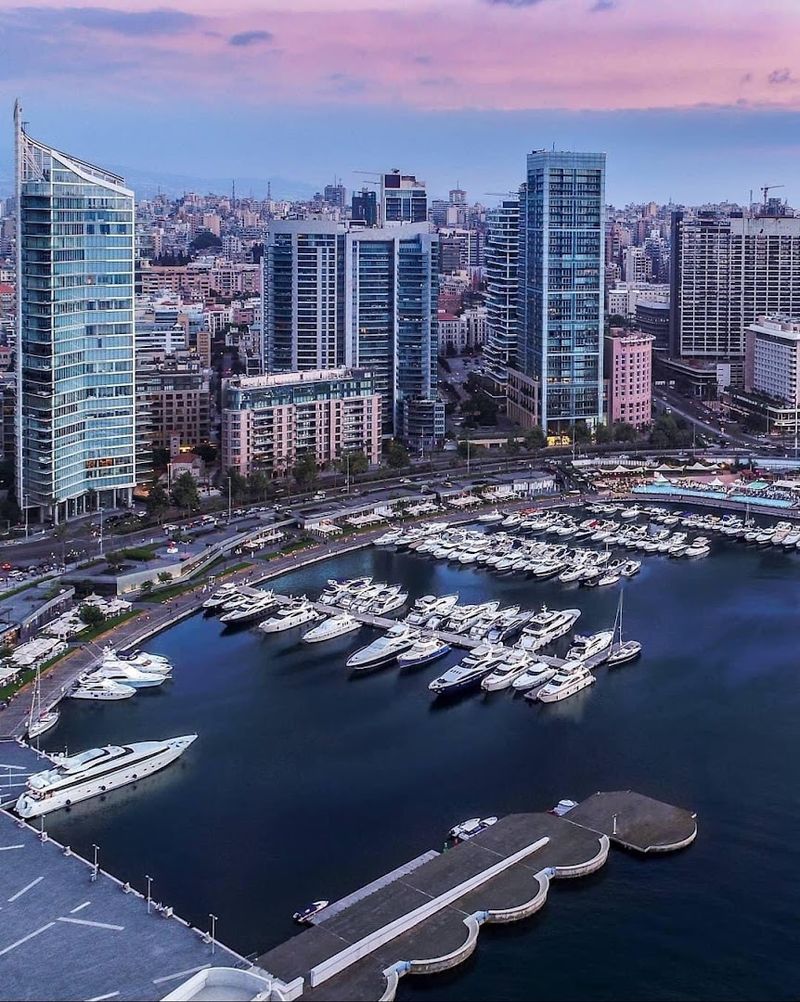
Lebanon is an odd entry on this list because, unlike its Gulf neighbors, it actually has rivers, snowmelt, and rainfall. Yet Lebanon faces a water crisis anyway, and that is almost entirely a human-made disaster.
Crumbling infrastructure, rampant pollution, chronic mismanagement, and years of political dysfunction have turned a relatively water-rich country into one that cannot reliably deliver clean water to its citizens.
Beirut residents sometimes go weeks without running tap water, relying on expensive private water trucks instead. The Litani River, Lebanon’s largest, is heavily polluted and poorly managed.
Meanwhile, the country loses an estimated 40 to 50 percent of its water supply through leaky pipes before it ever reaches a home.
The economic collapse since 2019 has made repairs nearly impossible. Fixing Lebanon’s water crisis is not a matter of finding more water.
It is a matter of fixing a broken system, which has proven far harder.
10. Jordan
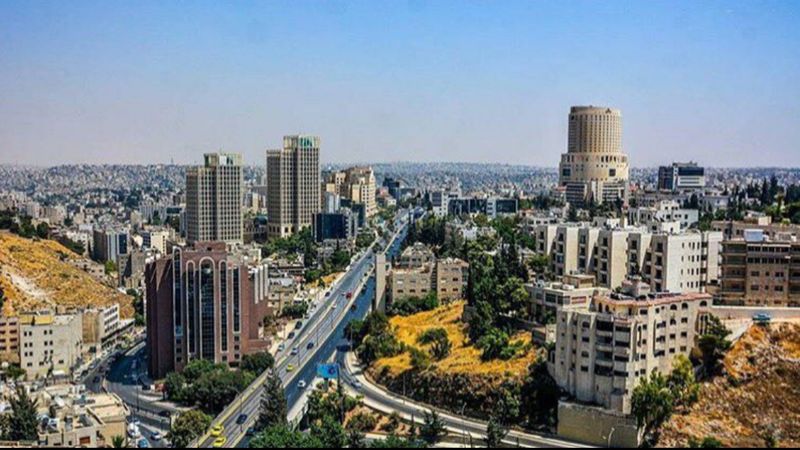
Jordan is one of the most water-poor countries in the world, with per-capita water availability among the lowest anywhere on Earth. The situation was already critical before waves of refugees from neighboring conflicts arrived, adding enormous pressure to an already strained system.
Jordan now hosts one of the largest refugee populations relative to its size, and every additional person needs water that Jordan simply does not have enough of.
The Jordan River, once a mighty biblical waterway, has been reduced to a shallow, salty trickle. Over-extraction for agriculture and urban use, plus diversion by multiple countries, has drained it nearly dry.
It is genuinely heartbreaking to see in person.
Jordan is building the National Water Carrier project to pump desalinated water from the Red Sea to Amman, a massive and expensive undertaking. Conservation campaigns run constantly, but the math remains brutal.
Jordan is surviving on ingenuity and very little margin for error.
11. India
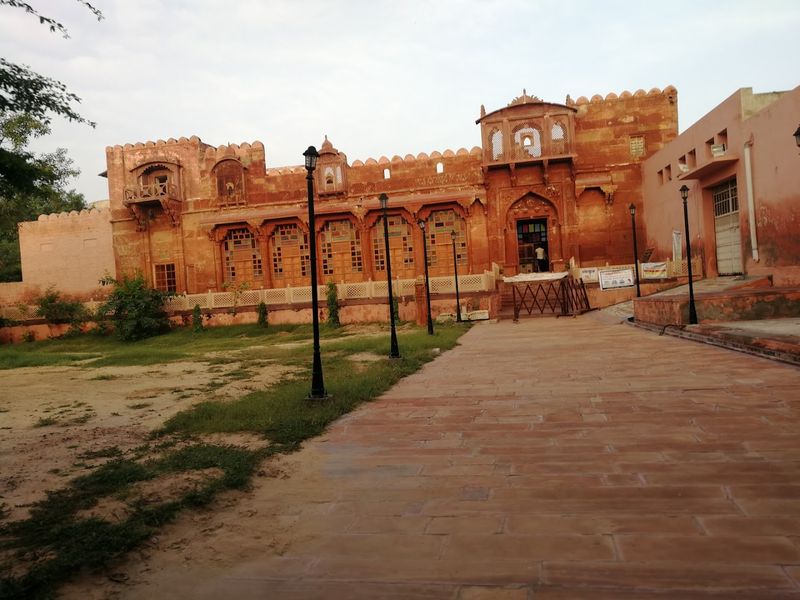
India is home to nearly 1.4 billion people, and a staggering number of them face water stress every single day. The country holds about 4% of the world’s freshwater but supports 18% of the global population.
Those numbers simply do not add up comfortably. Chennai, one of India’s major cities, nearly ran out of water completely in 2019, forcing residents to line up for government tankers in the blazing heat.
Groundwater is being pumped out at terrifying speed to feed agriculture, which uses about 90% of India’s water. Many aquifers are declining so fast that wells that once hit water at 30 feet now need to go 300 feet deep.
Farmers, cities, and industries are all competing for the same shrinking pot.
Monsoons still bring relief, but they are becoming less predictable. India needs massive investment in water storage, recycling, and smarter farming.
The clock is ticking loudly.
12. Pakistan
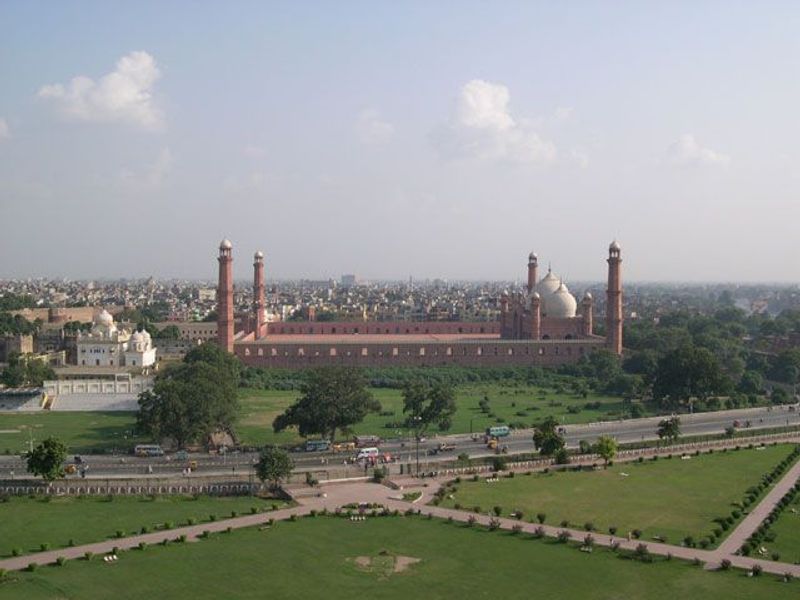
Pakistan receives a significant amount of water from the Indus River system, one of the largest in the world, yet still ranks among the most water-stressed countries on Earth. How?
Rapid population growth, poor water governance, aging infrastructure, and an agricultural sector that wastes enormous amounts through flood irrigation are all part of the answer.
Karachi, a city of over 14 million people, faces chronic water shortages that have sparked protests and even violence. Groundwater in major cities is being depleted faster than rainfall can replenish it.
Glaciers in the north, which feed the Indus, are melting due to climate change, which will eventually reduce river flows drastically.
Pakistan also shares the Indus with India, and tensions over water allocation have been simmering for decades. The Indus Waters Treaty has held, but climate pressure is testing it.
Pakistan needs urgent reform or its water troubles will become something far worse.
13. Turkmenistan
Turkmenistan has the dubious honor of sitting at the center of one of the worst environmental disasters in modern history: the near-total destruction of the Aral Sea. Once the fourth-largest lake in the world, the Aral Sea was drained to almost nothing by Soviet-era irrigation projects that diverted its two main rivers to grow cotton in the desert.
What remains is a salt flat littered with rusting ship skeletons.
The country still grows cotton heavily, using inefficient irrigation that wastes enormous volumes of water. Meanwhile, the population depends on the Amu Darya River, which is already over-allocated and increasingly unreliable.
Climate change is making the region hotter and drier every decade.
Turkmenistan’s authoritarian government has been slow to reform water use, prioritizing cotton exports over sustainable management. The Aral Sea disaster is a warning the world largely ignored.
Turkmenistan is still paying the price for decisions made generations ago.
14. Uzbekistan
Uzbekistan shares the grim legacy of the Aral Sea catastrophe with Turkmenistan. The Aral Sea once supported a thriving fishing industry along Uzbekistan’s northern border.
Today, those fishing towns sit dozens of miles from any water, surrounded by toxic salt and dust that blows across the region, causing serious health problems for local communities.
Cotton is still king in Uzbekistan, and the thirsty crop demands irrigation water that the country can barely afford to spare. The Syr Darya and Amu Darya rivers, which supply most of Central Asia’s water, are stretched dangerously thin across multiple competing countries.
Upstream dams built by Kyrgyzstan and Tajikistan add another layer of tension.
The Uzbek government has made some progress on water reform in recent years, shifting away from the most wasteful Soviet-era irrigation methods. But the scale of the problem is enormous.
Uzbekistan is essentially trying to refill a bathtub with a teaspoon.
15. Mexico
Mexico City is sinking. Literally sinking, because it was built on a drained lake and has been pumping out groundwater so aggressively that the ground is collapsing beneath it.
Parts of the city have dropped by as much as 10 meters over the past century. That is not a metaphor for its water problems; it is an actual, physical consequence of them.
Millions of Mexico City residents receive water only a few hours per day, if at all. The city’s water system loses nearly 40% of its supply through leaks in ancient pipes.
Meanwhile, aquifers are being drained far faster than rain can recharge them.
Northern Mexico faces severe drought, and agricultural regions are watching rivers and reservoirs dry up. The government has launched emergency water plans, but demand keeps outpacing supply.
Mexico is a country of contrasts, tropical coasts and parched highlands, all connected by one deepening water crisis.
Share this story