Most people visit Jordan and head straight to Petra, and honestly, who could blame them? But Jordan is packed with so many other incredible places that barely make it onto the tourist radar.
From ancient ruins to wildlife reserves to medieval castles, this country has layers that most travelers never get to peel back. I spent weeks exploring Jordan’s lesser-known spots, and I am still thinking about what I found.
Umm Qais
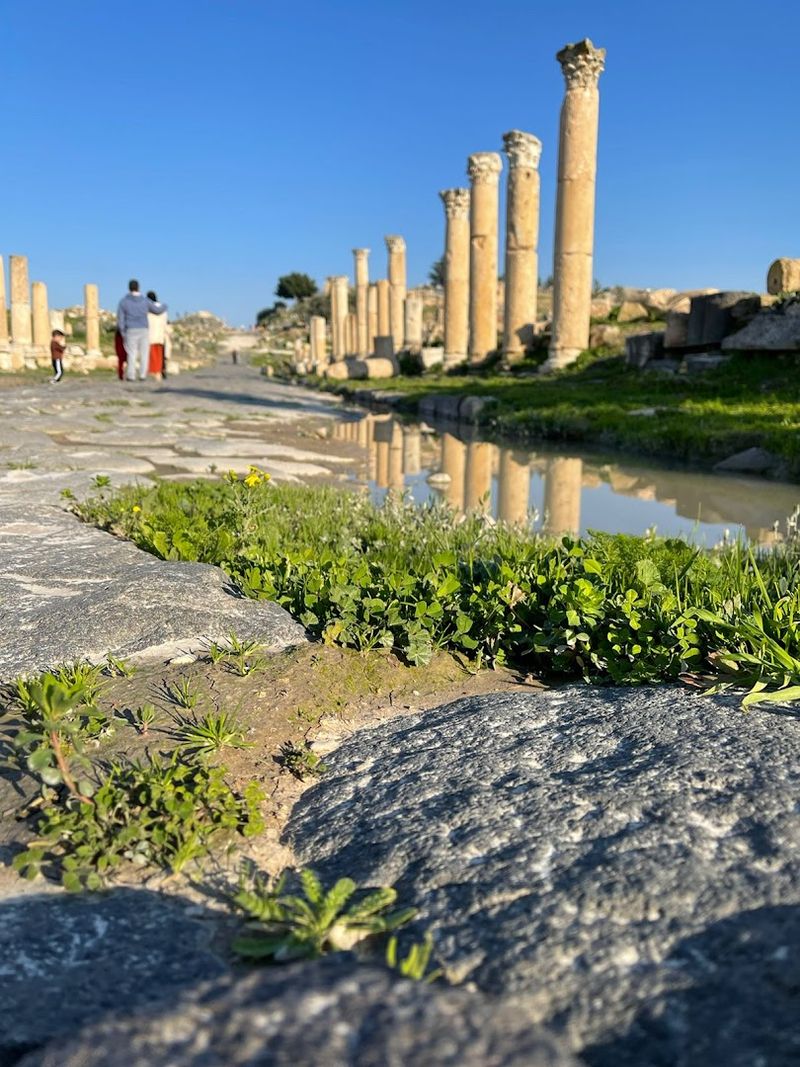
Umm Qais sits on a hilltop in northern Jordan and offers one of the most jaw-dropping views in the entire Middle East. You can see three countries from here: Jordan, Syria, and Israel.
That alone is worth the drive.
The ancient city was once called Gadara, a major Roman city known for its philosophers and poets. Walking through the black basalt ruins feels like stepping into a forgotten world.
The dark stone gives the whole place a dramatic, moody vibe unlike any other Roman site.
Most tour groups skip Umm Qais entirely, which means you often get the ruins almost to yourself. There is a small museum on site inside a beautifully restored Ottoman mansion.
Go in the late afternoon when the light turns golden over the valley below. Pack a snack and stay until sunset because that view will stay with you long after you leave Jordan.
Ajloun Castle
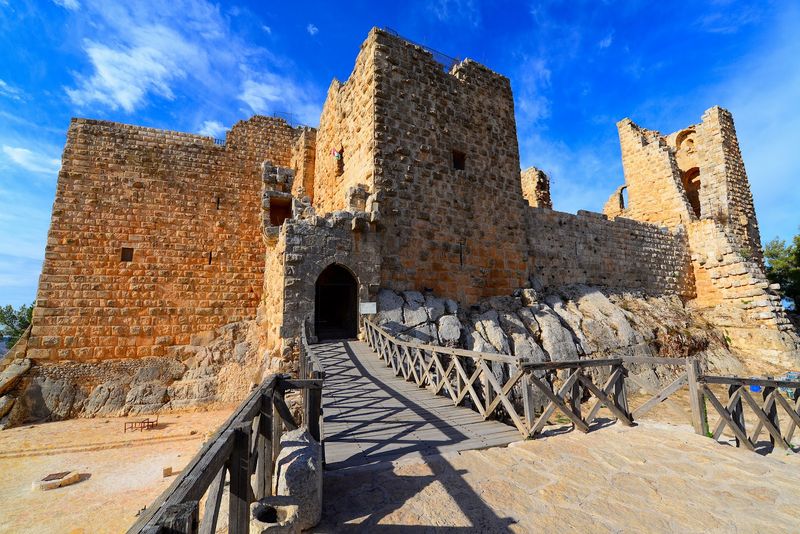
Built in 1184 by one of Saladin’s generals, Ajloun Castle was designed to keep the Crusaders out of the region. It worked.
The fortress stands on a forested hill in northern Jordan, completely surrounded by olive and oak trees. It looks like it belongs in a fantasy novel.
The castle is surprisingly well-preserved, with narrow corridors, arrow slits, and dark vaulted rooms to explore. Kids absolutely love it.
Adults do too, though they may bump their heads more often in the low doorways.
The surrounding Ajloun Forest Reserve is a bonus. Hiking trails wind through pine forests, and in spring the wildflowers are ridiculous in the best way.
A local guide once told me the castle was used to send pigeon messages across the region. Yes, actual carrier pigeons.
That detail alone makes Ajloun one of the coolest historical sites in the country and a must-visit for history fans.
Tabqet Fahel
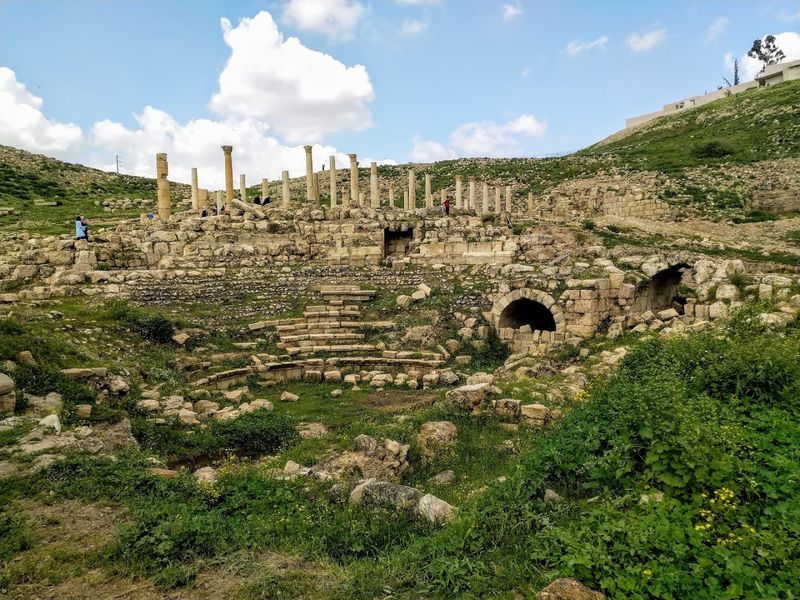
Tabqet Fahel is one of the oldest continuously inhabited cities on Earth, with evidence of human settlement going back over 6,000 years. That is not a typo.
Six thousand years of people living in the same spot. Archaeologists are still digging and still finding new things.
Located in the northern Jordan Valley, Pella sits on a tell, which is basically a hill made entirely of ancient layers of civilization stacked on top of each other. Bronze Age, Iron Age, Greek, Roman, Byzantine, Islamic: they are all here, one on top of the other like a historical layer cake.
The site is quiet, uncrowded, and honestly a little underrated. There is no fancy visitor center or big tour bus parking lot.
Just ruins, hills, and the occasional archaeologist brushing dirt off something old. The Jordan Valley views from the top of the tell are spectacular.
Bring water and good shoes.
Iraq Al-Amir
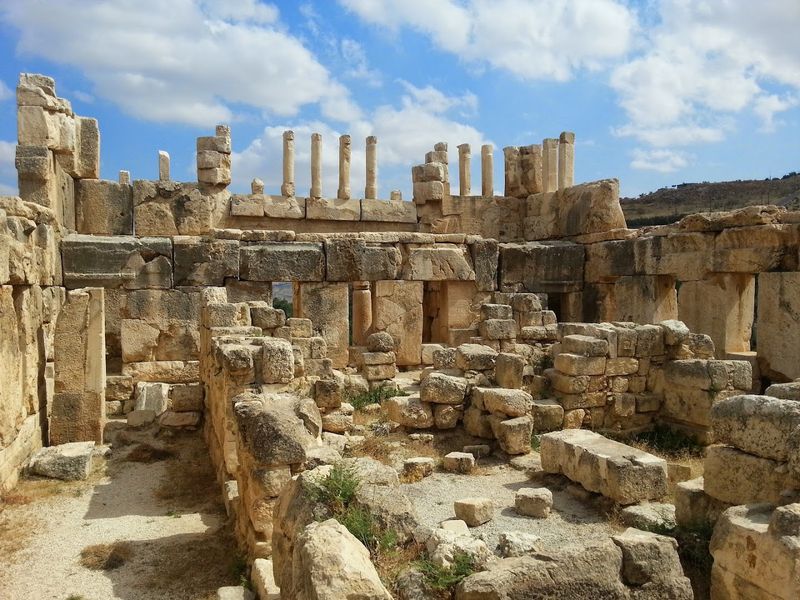
The name Iraq Al-Amir translates to Caves of the Prince, which already sounds like the title of an adventure movie. The star attraction is Qasr Al-Abd, a partially reconstructed Hellenistic palace from the 2nd century BC.
It features enormous carved eagles and lions on its stone walls.
What makes this place extra fascinating is that it was built by a Jewish prince named Hyrcanus who was essentially hiding from his own family. Drama, ancient style.
The palace was never finished, adding a melancholy beauty to the whole site.
The surrounding village is home to a women’s cooperative called Iraq Al-Amir Women’s Cooperative, where local women make pottery, weaving, and paper products using traditional techniques. Buying something here directly supports the community.
The drive through the Wadi Al-Seer valley to get here is gorgeous, with terraced hillsides and fruit orchards. This is one of those places that rewards curious travelers who go off the beaten path.
Dana Biosphere Reserve
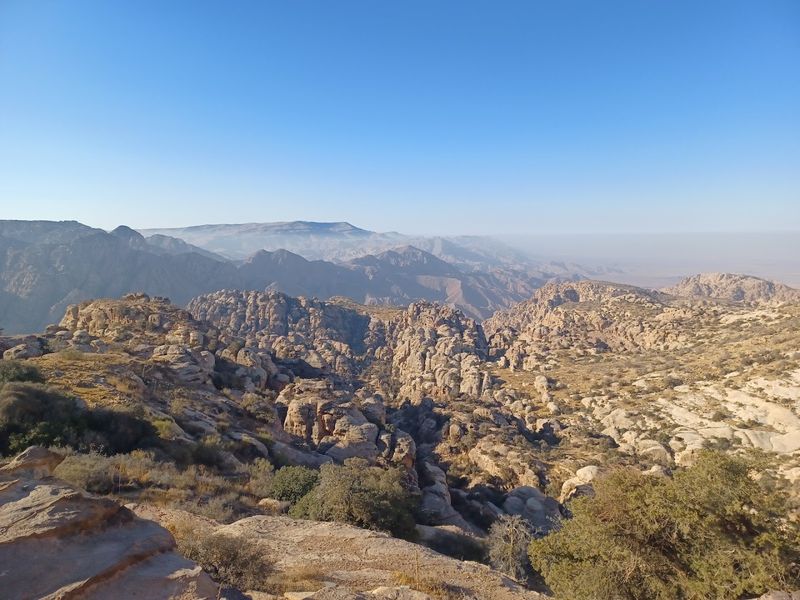
Dana Biosphere Reserve is Jordan’s largest nature reserve, and it is stunning in a way that makes you want to cancel your return flight. The reserve covers four different climate zones, from sandstone cliffs to sandy desert, all within one protected area.
The village of Dana itself is a centuries-old stone settlement perched right on the canyon edge. Walking through its narrow lanes feels like time travel.
The Royal Society for the Conservation of Nature runs a guesthouse there with some of the best canyon views you will ever eat breakfast in front of.
Hiking trails here range from easy walks to multi-day treks down to Wadi Araba. Wildlife includes wolves, ibex, sand cats, and over 200 bird species.
I spotted a Sinai rosefinch there once and nearly dropped my camera. Dana is the kind of place that reminds you why slow travel beats rushing through a highlight reel every single time.
Wadi Mujib
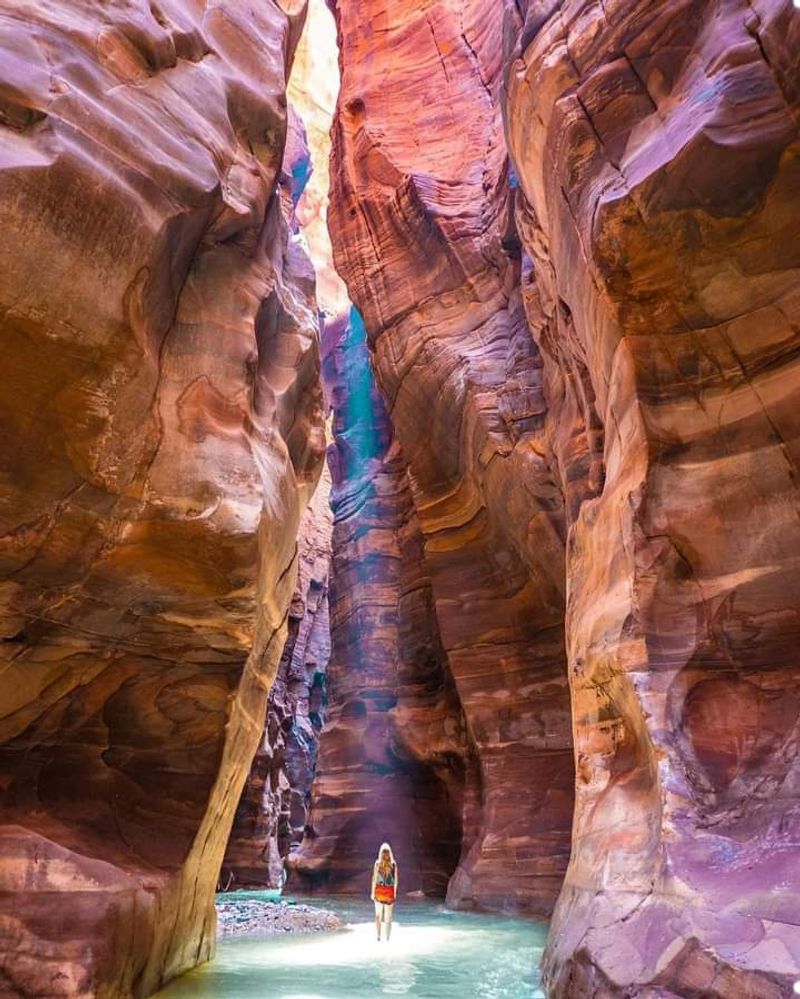
Wadi Mujib has been called the Grand Canyon of Jordan, and after wading through its narrow gorge with water rushing around my knees, I completely understand why. The canyon walls tower over you while you splash through the river.
It is part hike, part water adventure.
The Siq Trail is the most popular route and runs about two kilometers through the gorge. You will get wet.
That is not a warning, that is a promise and also the whole point. Life jackets are provided at the entry point, and guides are available for more challenging trails.
The reserve sits at the lowest nature reserve on Earth, right where the Mujib River meets the Dead Sea. The biodiversity here is remarkable, with species from the African savanna, Mediterranean forests, and Arabian deserts all coexisting.
Visit between April and October when the water levels are safe for entry. Waterproof your phone.
Seriously.
Azraq Wetland Reserve
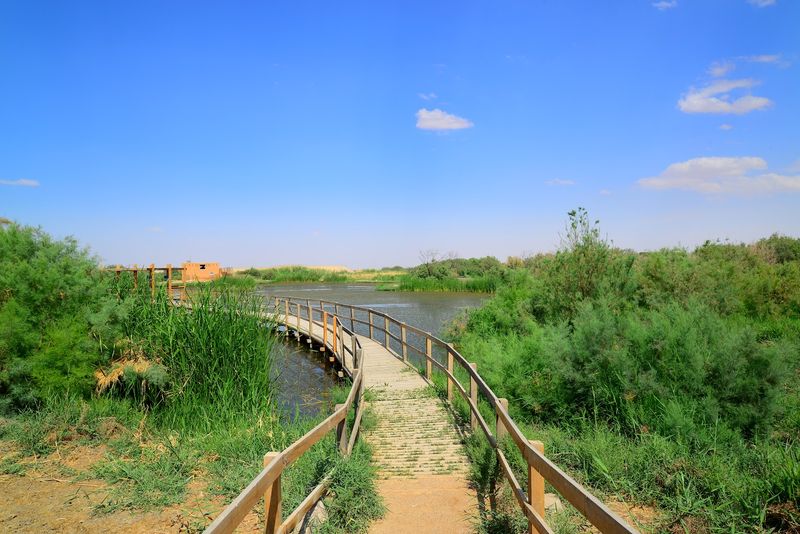
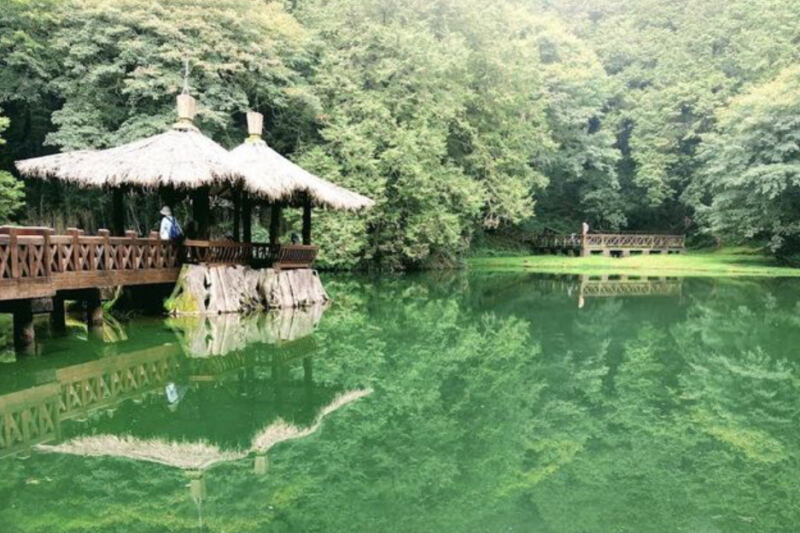
Right in the middle of the eastern Jordanian desert, Azraq Wetland Reserve is a genuine oasis. Not the metaphorical kind.
An actual oasis with water, reeds, and thousands of migratory birds passing through every year. T.E.
Lawrence, of Arabia fame, spent time here during World War One.
The wetland was nearly destroyed in the 1980s when water was pumped out for Amman’s growing population. By 1992, the springs had run dry.
Conservation efforts since then have brought the water back, slowly but surely. That comeback story makes every bird sighting feel earned.
Over 300 bird species have been recorded here during migration seasons, including flamingos, herons, and pelicans. The wooden boardwalk makes it easy to walk through the reserve without disturbing the wildlife.
Early morning visits are best when the birds are most active and the light is perfect for photos. Bring binoculars and a healthy sense of wonder.
Shaumari Wildlife Reserve
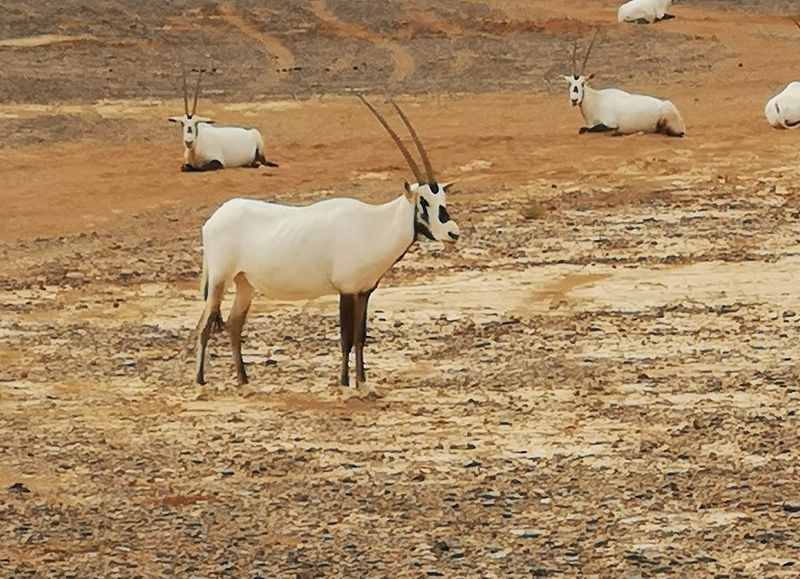
The Arabian oryx was extinct in the wild by 1972. Shaumari Wildlife Reserve is one of the main reasons it exists at all today.
This reserve in eastern Jordan was established specifically to breed and reintroduce the oryx back into its natural habitat. Conservation wins do not get more dramatic than that.
Besides oryx, the reserve is home to ostriches, Persian onagers (a type of wild ass), and gazelles. A raised observation tower lets you scan the flat desert landscape for wildlife without disturbing the animals.
The landscape itself is stark and beautiful in a minimalist way.
Shaumari is often paired with a visit to Azraq, since the two reserves are close to each other. Guided tours are available and highly recommended because the animals can be tricky to spot without local knowledge.
This is not a glamorous, Instagram-famous destination. It is something better: a place where real conservation work happens every day.
The Desert Castles
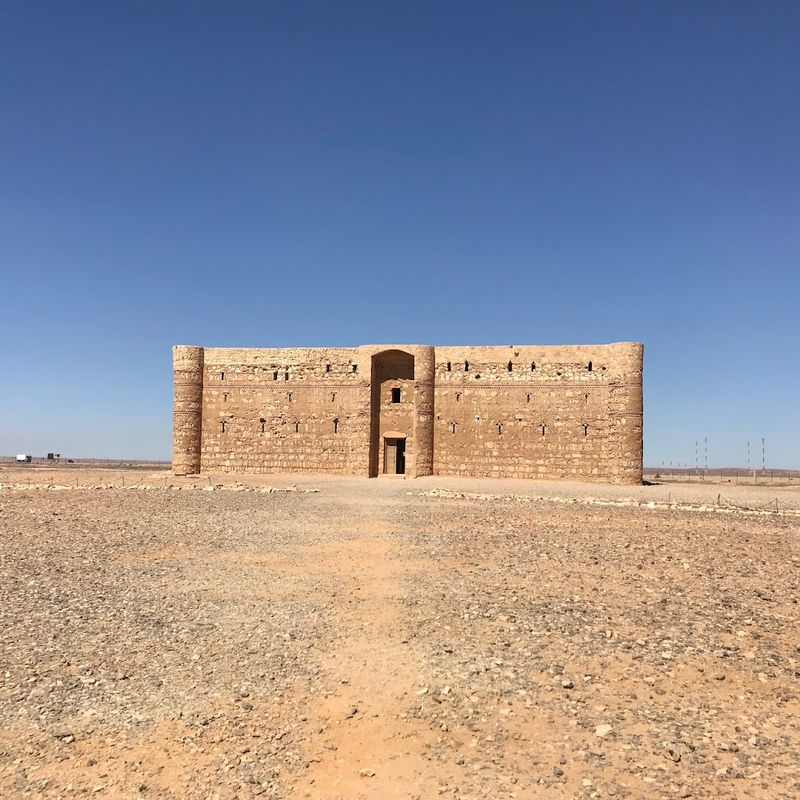
Scattered across the eastern Jordanian desert like forgotten chess pieces, the Desert Castles are a collection of early Islamic palaces, hunting lodges, and caravanserais built between the 7th and 8th centuries. Nobody agrees entirely on what they were all used for, which makes them even more interesting.
Some were pleasure retreats for Umayyad caliphs who wanted to escape city life. Others may have been diplomatic meeting points or agricultural estates.
A few feature bathhouses with surprisingly cheeky frescoes that historians still debate in academic papers. Ancient rulers had opinions about interior design.
The most famous in the group include Qasr Kharana, Qasr Azraq, and the stunning Qasr Amra. Renting a car and doing a self-guided loop through the desert is one of the most satisfying day trips in Jordan.
The roads are good, the distances are manageable, and the sense of discovery when a castle appears on the horizon is genuinely thrilling.
Quseir Amra
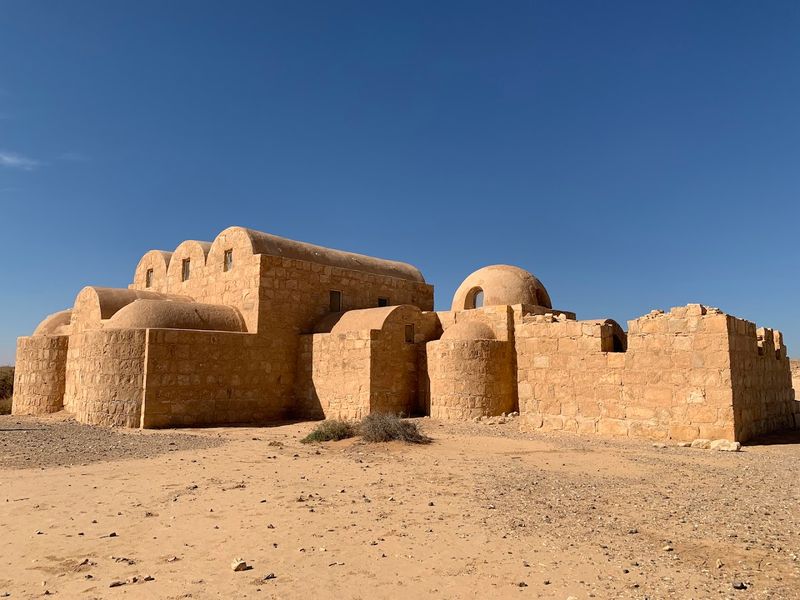
Quseir Amra is technically one of the Desert Castles, but it deserves its own spotlight. This small 8th-century bathhouse is a UNESCO World Heritage Site and contains some of the most extraordinary frescoes in the Islamic world.
The paintings cover every inch of the ceiling and walls.
The frescoes show hunting scenes, bathing women, musicians, and even a map of the known world at the time. For an era when figurative art was largely discouraged in religious contexts, these paintings are remarkably bold and detailed.
Art historians have been studying them for decades.
The building itself is compact, so visits are quick, but the impact is lasting. A small on-site display explains the history and restoration work.
Go on a weekday if possible because weekend crowds can make the interior feel cramped. Quseir Amra rewards visitors who take time to look up, look closely, and appreciate what 1,300 years of art history looks like on a ceiling.
As-Salt
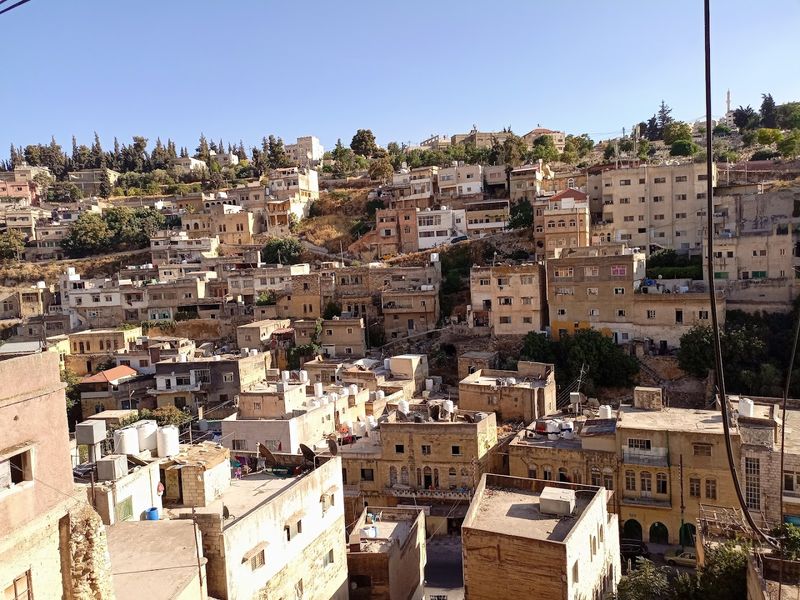
As-Salt is a UNESCO-listed city that most visitors fly past on the way to Amman, which is a genuine shame. The city was once the most important urban center in the region during the Ottoman period, and its architecture still reflects that golden era.
The yellow limestone buildings are gorgeous.
Walking through the old city reveals layers of history at every turn. Ottoman mansions with elaborate arched windows sit next to traditional markets selling spices, vegetables, and handmade goods.
The locals are famously welcoming and genuinely curious about visitors.
As-Salt was added to the UNESCO World Heritage List in 2021 for its values of tolerance and urban hospitality. That is a genuinely unusual reason to earn a UNESCO designation, and it fits the city perfectly.
The Abu Jaber Museum, housed in a stunning 19th-century mansion, is a must-see. As-Salt is only 30 kilometers from Amman, making it an easy and very rewarding half-day trip.
Bethany Beyond the Jordan
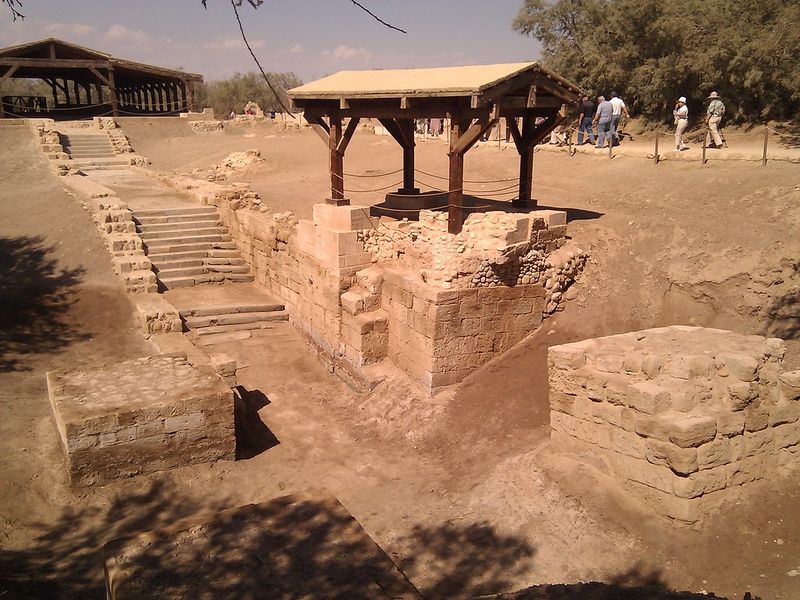
According to the Bible, this is where John the Baptist baptized Jesus. Whether you are religious or not, standing at Bethany Beyond the Jordan is a genuinely moving experience.
The site sits right on the border with Israel, and you can see the other bank of the Jordan River from the ruins.
Archaeological excavations have uncovered ancient baptism pools, churches, and a monastery complex dating back to the Byzantine period. The site was recognized by Pope John Paul II during his visit in 2000, which significantly boosted its profile.
A UNESCO World Heritage designation followed in 2015.
The Jordan River here is much narrower than most visitors expect. You can almost reach across it.
Several churches from different Christian denominations have been built near the site in recent years. Guided tours are required to visit, and they are genuinely informative.
Early morning visits are peaceful and quiet before the pilgrimage groups arrive later in the day.
Mukawir
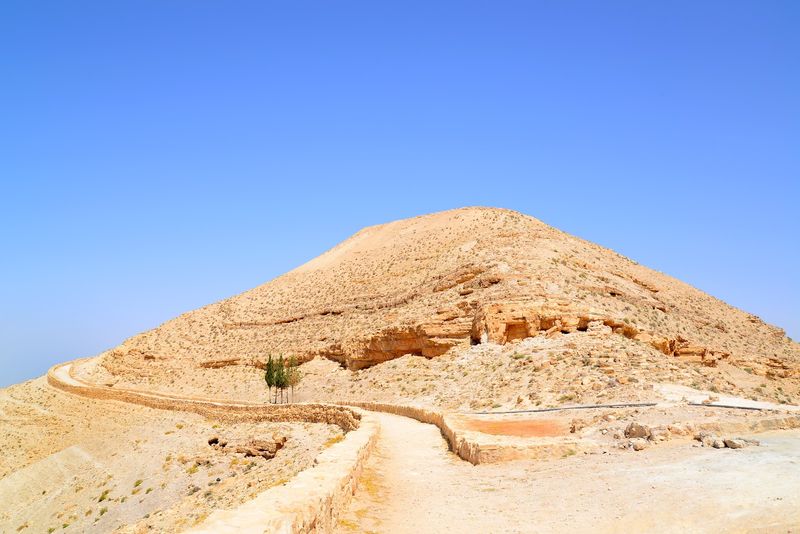
Mukawir is where Salome allegedly danced for the head of John the Baptist. History does not get more theatrical than that.
The hilltop fortress, also known as Machaerus, was built by Herod the Great and sits on one of the most dramatic viewpoints in Jordan.
The ruins themselves are modest, mostly foundations and a few standing walls. But the location is absolutely spectacular.
The hill rises sharply from the surrounding desert, and the views over the Dead Sea and the valleys below are the kind that make you forget what you came to see in the first place.
Local Bedouin guides at the base of the hill offer camel rides up the steep path, which is both practical and wonderfully theatrical given the setting. Sunset from the top of Mukawir is one of those travel moments that no photo ever fully captures.
Pack layers because the hilltop gets surprisingly windy even on warm days.
Umm al-Jimal
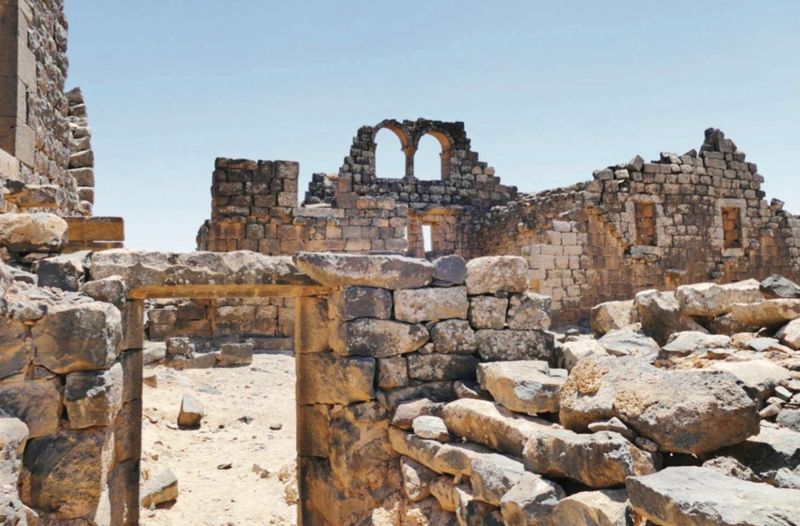
Umm al-Jimal is sometimes called the Black Gem of the Desert, and once you see it, you understand why. The entire ancient town is built from black basalt stone, giving it an otherworldly, almost cinematic appearance.
It looks like a city that decided to match its mood to the volcanic rock.
The site preserves the remains of a Nabataean, Roman, Byzantine, and early Islamic town, all layered together. Over 150 ancient structures still stand, including houses, churches, barracks, and reservoirs.
What makes Umm al-Jimal remarkable is how intact much of it remains, with walls and arches still standing after 1,600 years.
Almost no tourists visit, which means you can wander freely through the ruins without crowds or guided tours. A small visitor center provides helpful context.
The site is near the Syrian border in northern Jordan, so check current travel advisories before going. Umm al-Jimal is the kind of discovery that makes you feel like a proper explorer rather than a tourist.
Wadi Rum
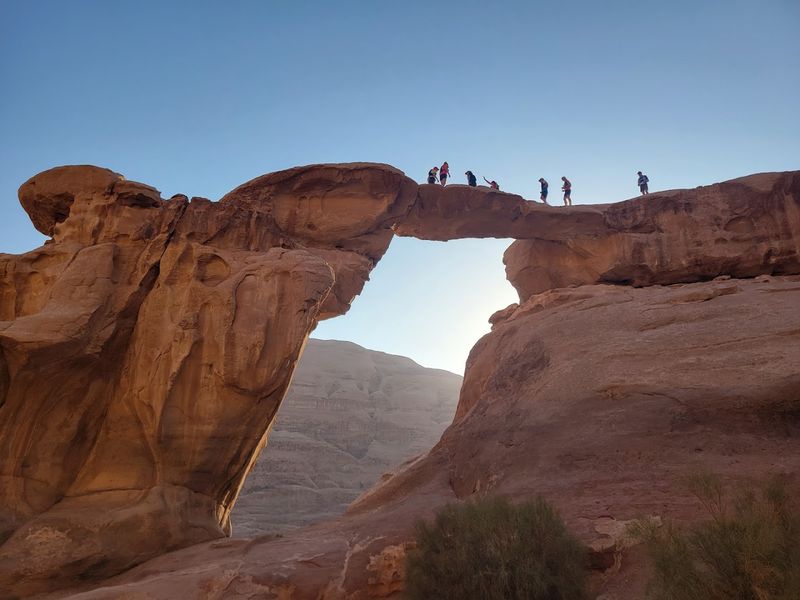
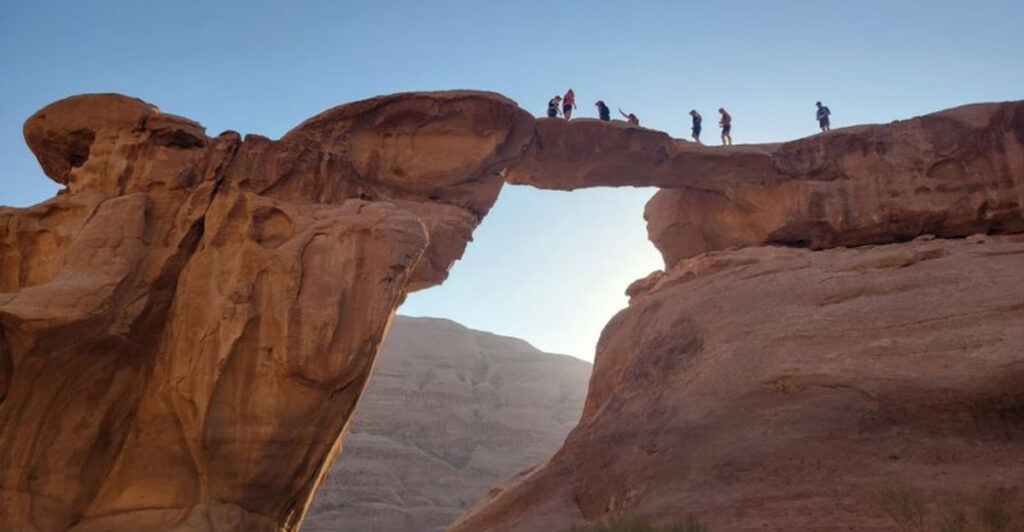
Wadi Rum is technically not a secret, but most people only see it from a jeep tour window, which barely scratches the surface. The real magic here comes from staying overnight in a Bedouin camp and watching the stars appear in one of the darkest skies in the region.
The silence alone is worth the trip.
The desert has been used as a filming location for movies set on Mars, which makes sense. The landscape is so alien and beautiful that it barely looks real.
Lawrence of Arabia camped here. Astronauts have compared it to the moon’s surface.
High praise from people who have actually been to space.
Hot air balloon rides at sunrise are available and completely unforgettable. Rock climbing, camel trekking, and guided hikes to ancient Nabataean inscriptions are other options for the adventurous.
Skip the standard half-day jeep tour and give Wadi Rum at least one full night. You will not regret it.
Share this story