Attics across America are hiding small fortunes, and most people have no idea. Baby Boomers grew up surrounded by objects that are now seriously coveted by collectors, museums, and obsessive fans.
From dusty record crates to garage-sale Barbies, the stuff of everyday Boomer life has quietly become big business. Whether you inherited a box of old goodies or just love a good treasure hunt, this list is for you.
Vinyl Records
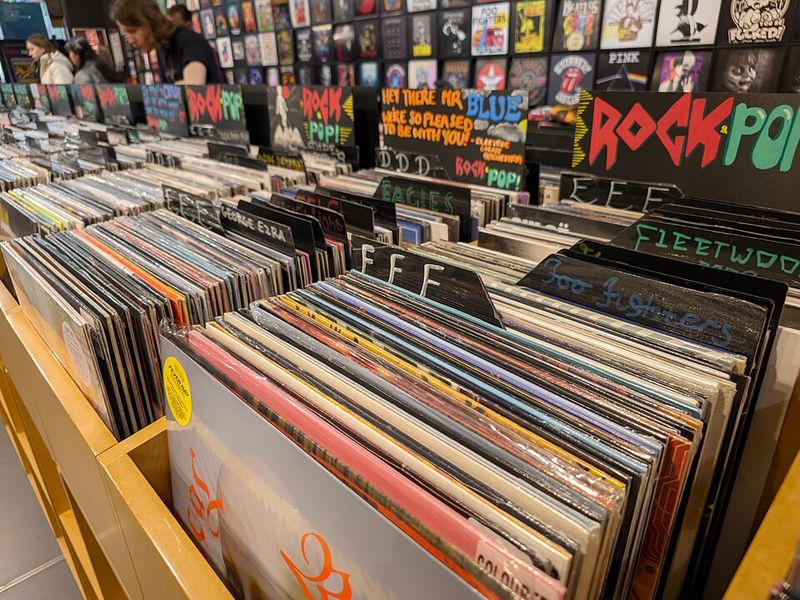
U.S. vinyl revenue cracked $1 billion in 2025, which means your dad’s record crate might be worth more than his retirement account. Original pressings and rare editions are what collectors go wild for.
The warm, crackly analog sound is something streaming just cannot replicate.
I once found a sealed copy of a classic rock album at a thrift store for two dollars. Turns out it was worth over $80 online.
That was a very good Saturday.
Condition is everything in the vinyl world. Scratches, warped edges, and missing sleeves all hurt the value.
Keep records stored vertically, away from heat, and inside their original inner sleeves whenever possible. Labels, pressings, and even the country of origin can dramatically shift a record’s price.
Do your research before selling anything, because some sleepers are hiding in plain sight.
Mid-Century Modern Furniture

Somewhere between 1945 and 1969, furniture designers figured out that less is genuinely more. Clean lines, organic shapes, and honest materials created pieces that somehow still look fresh today.
Eames chairs and teak sideboards are now selling for prices that would make their original owners faint.
The trick with mid-century furniture is spotting authentic pieces versus later reproductions. Maker marks, construction details, and material quality are your best clues.
A real Eames lounge chair has a specific heft and finish that knockoffs simply cannot match.
Teak dining sets and credenzas from Scandinavian designers are especially hot right now. Collectors love that these pieces fit seamlessly into modern homes without looking like museum relics.
Restoration can add value, but only when done correctly with period-appropriate materials. A badly refinished piece loses credibility fast.
Buy original, store carefully, and never paint over that gorgeous wood grain.
Baseball Cards
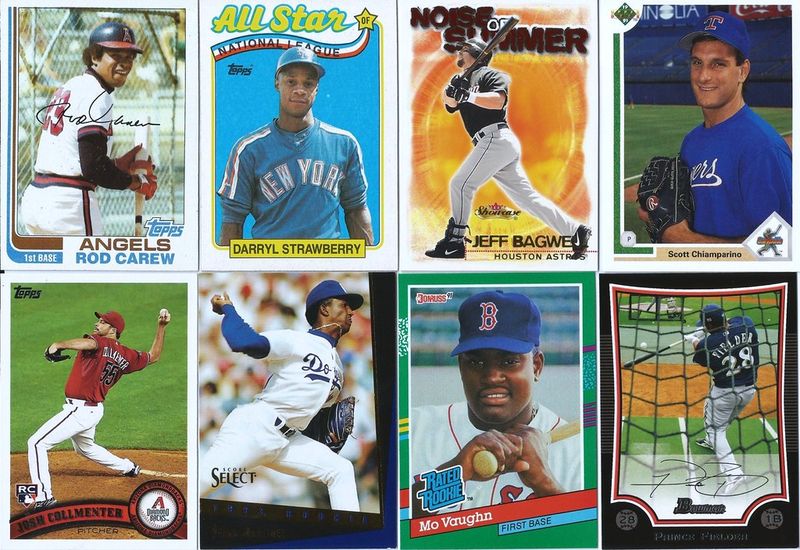
A 1952 Topps Mickey Mantle card sold for $12.6 million, which officially makes baseball cards the most profitable thing ever shoved into a bicycle spoke. Collectors obsess over condition, centering, and print quality.
Even a tiny crease can slash a card’s value by thousands of dollars.
Cards from the 1950s and 1960s are especially prized because production numbers were lower and survival rates are poor. Kids actually played with these things, which means well-preserved copies are genuinely rare.
Professional grading services like PSA and BGS have turned card collecting into a serious financial market.
Before tossing that old shoebox, check every card carefully. Star players, rookie cards, and error cards are the holy trinity of collectible value.
A card graded PSA 10 can sell for multiples of what a PSA 7 fetches. Storage in acid-free sleeves inside rigid cases is the golden rule for protecting your cardboard investments.
Comic Books
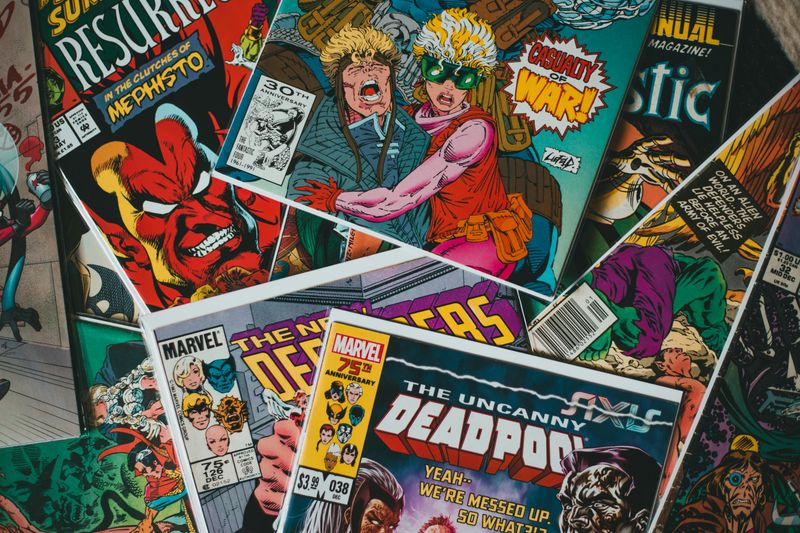
Action Comics No. 1, the very first Superman appearance, has sold for $6 million at auction. That single comic book is proof that four-color newsprint can be worth more than a house.
First appearances and origin issues carry the most collector weight, especially when they survive in high grades.
Golden Age comics from the 1930s and 1940s are extraordinarily scarce because wartime paper drives destroyed millions of copies. Silver Age books from the late 1950s through early 1970s are more accessible but still command serious prices.
Key issues like Amazing Fantasy No. 15, the first Spider-Man, regularly sell for six figures.
Condition is graded on a 10-point scale by CGC, the industry standard. Spine stress, staple rust, and page yellowing all affect grades.
Store comics flat, away from humidity, and inside Mylar bags with acid-free backing boards. Never roll, fold, or rubber-band a vintage comic.
Treat them like the paper gold they genuinely are.
Vintage Watches
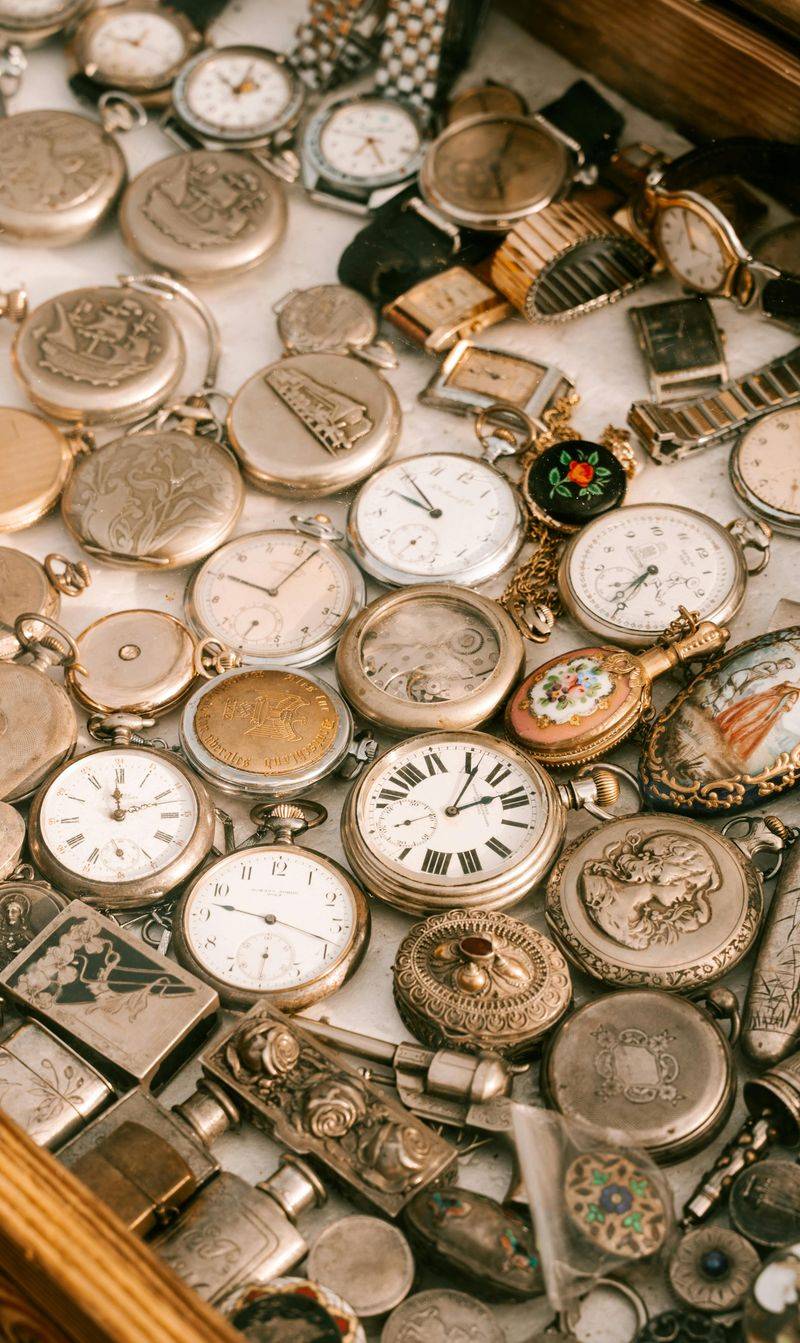
Rolex, Omega, Patek Philippe: these three names turn ordinary watch collectors into wide-eyed treasure hunters. Sotheby’s reports consistently strong demand for rare luxury timepieces, and prices at major auctions keep climbing year after year.
A vintage Rolex Daytona with the right dial can fetch hundreds of thousands of dollars.
What makes old watches special is the combination of hand-finished craftsmanship, mechanical ingenuity, and brand heritage. Modern watches are precise, sure, but vintage pieces carry a history that factory-fresh models simply cannot manufacture.
Original dials, unpolished cases, and matching serial numbers are the holy grail for serious buyers.
Condition and provenance matter enormously. A watch with original box and papers can be worth double a naked example.
Service history, original crown, and untouched lume all add premium value. Getting a watch authenticated before buying or selling is always worth the cost.
Fakes are everywhere in this market, so expert eyes are non-negotiable.
Rare Books
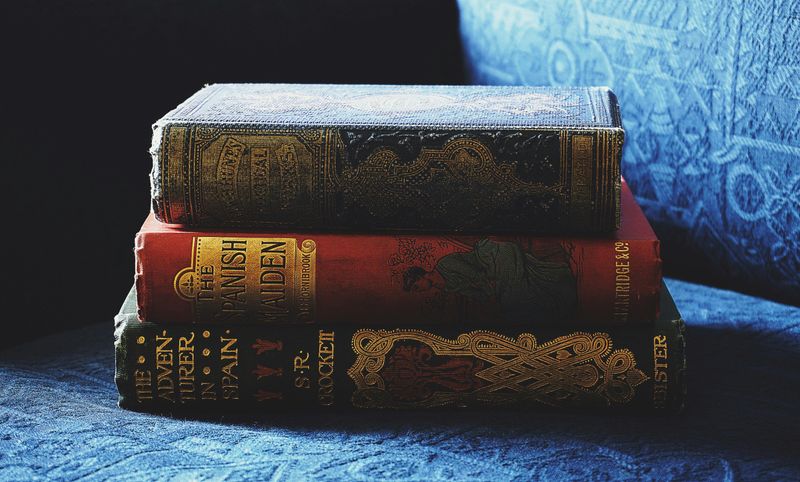
First editions are the rockstars of the book world, and Sotheby’s confirms they consistently outperform later printings at auction. A signed first edition of a beloved novel can turn a dusty shelf into a tidy windfall.
Provenance, meaning documented ownership history, adds a powerful layer of value to any rare volume.
Condition matters more than most casual readers realize. Foxing, spine fading, missing dust jackets, and previous owner inscriptions all affect desirability.
A near-fine copy with original price-clipped dust jacket is the benchmark serious collectors chase.
Hemingway, Fitzgerald, Tolkien, and Rowling first editions are perennial favorites. Inscribed copies with verifiable signatures can multiply value dramatically.
Before donating grandma’s book collection, check copyright pages carefully for first edition language. Publication date matching copyright date is a good starting clue.
Online databases and professional appraisers can quickly confirm whether that old hardcover hiding on the shelf is actually worth serious money.
Vintage Jewelry
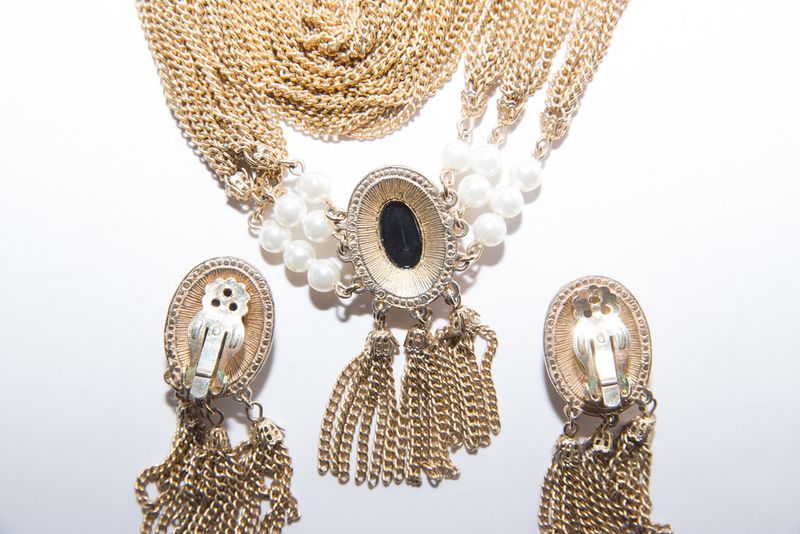
Old jewelry tells stories that modern pieces simply cannot. Art Deco brooches, Retro gold cocktail rings, and mid-century charm bracelets carry design DNA that contemporary jewelry designers still try to copy.
Pieces with precious metals, genuine gemstones, and designer signatures are the most coveted by collectors.
Signed pieces from houses like Trifari, Miriam Haskell, and Weiss can fetch hundreds at auction even without precious stones. Costume jewelry from the 1940s and 1950s is a surprisingly active market.
Unique enamel work, hand-set rhinestones, and unusual color combinations attract serious buyers.
Family jewelry with documented history adds sentimental and monetary value simultaneously. Getting pieces appraised by a certified gemologist is smart before any sale.
Hallmarks stamped inside rings or on brooch backs can identify metal content and sometimes maker. Store vintage pieces away from moisture and sunlight.
Never clean antique jewelry with harsh chemicals, as original patina is part of what collectors are actually paying for.
Classic Cars
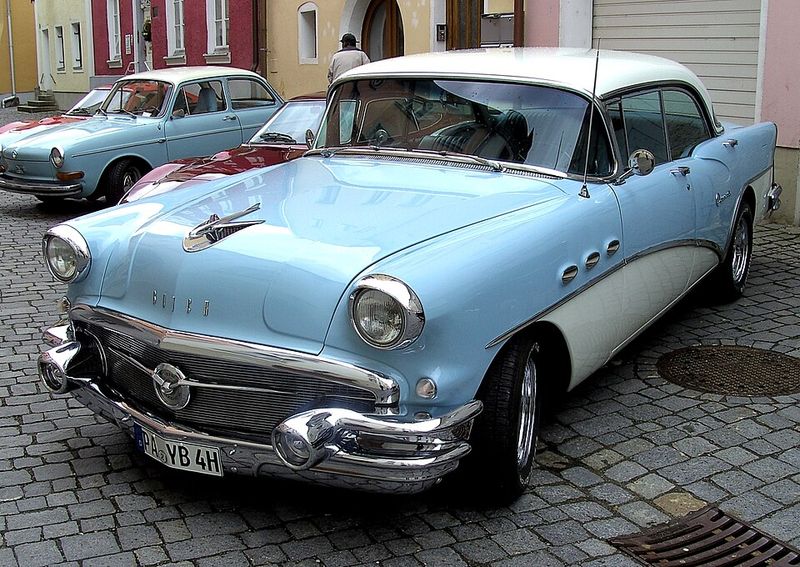
Few things command a crowd at a weekend show like a perfectly restored 1967 Corvette rolling past in the morning sun. Classic American muscle and European sports cars represent automotive history frozen in chrome and steel.
Condition, originality, restoration quality, and documented history are the four pillars of classic car value.
Numbers-matching cars, meaning the engine and major components match the original factory build sheet, are worth significantly more than modified examples. Buyers pay a real premium for cars that have never been welded, repainted, or re-engined.
Original interior fabric, factory options, and even period-correct tires all influence price.
Muscle cars from the late 1960s and early 1970s remain especially hot. First-generation Mustangs, Camaros, and Dodge Chargers continue appreciating year over year.
Storage in a climate-controlled garage, regular mechanical maintenance, and detailed service records protect long-term value. A car with a paper trail is always worth more than one without a story.
Barbie Dolls
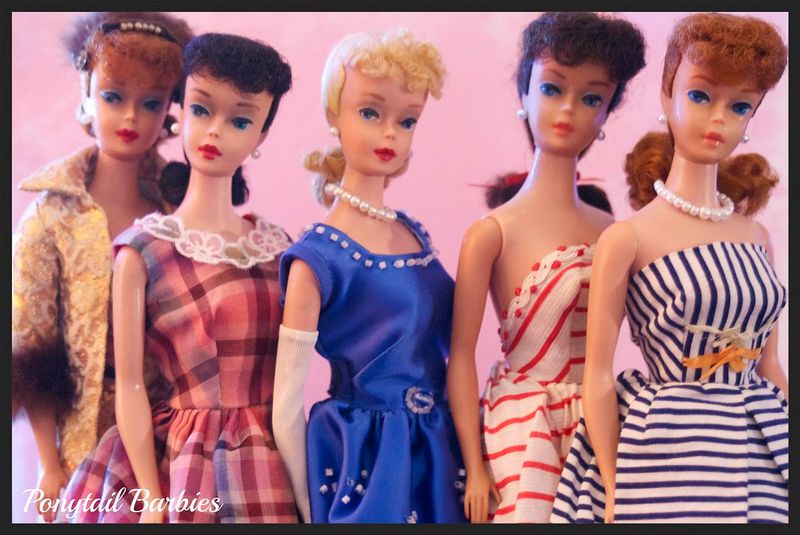
Barbie turned 66 in 2025, and she has never been more valuable. The very first Barbie debuted in 1959 wearing a black-and-white swimsuit, and a mint-condition original with original packaging can command prices that would make your jaw drop.
Early Barbies with side-glancing eyes and original outfits are the most desirable versions.
Ponytail Barbies from the first few years of production are collector gold. Bubble-cut and American Girl variants from the early 1960s also attract strong bids.
Original box art, included accessories, and untouched hair all dramatically increase value.
Condition is brutal in this hobby. Hair that has been cut, faces with marker damage, and missing shoes can eliminate most of a doll’s collector value.
Store vintage Barbies away from direct light to prevent fading. Professional doll appraisers can identify early production runs by specific face paint details and body markings.
Before selling any old Barbie, verify exactly which version you have.
Retro Video Games
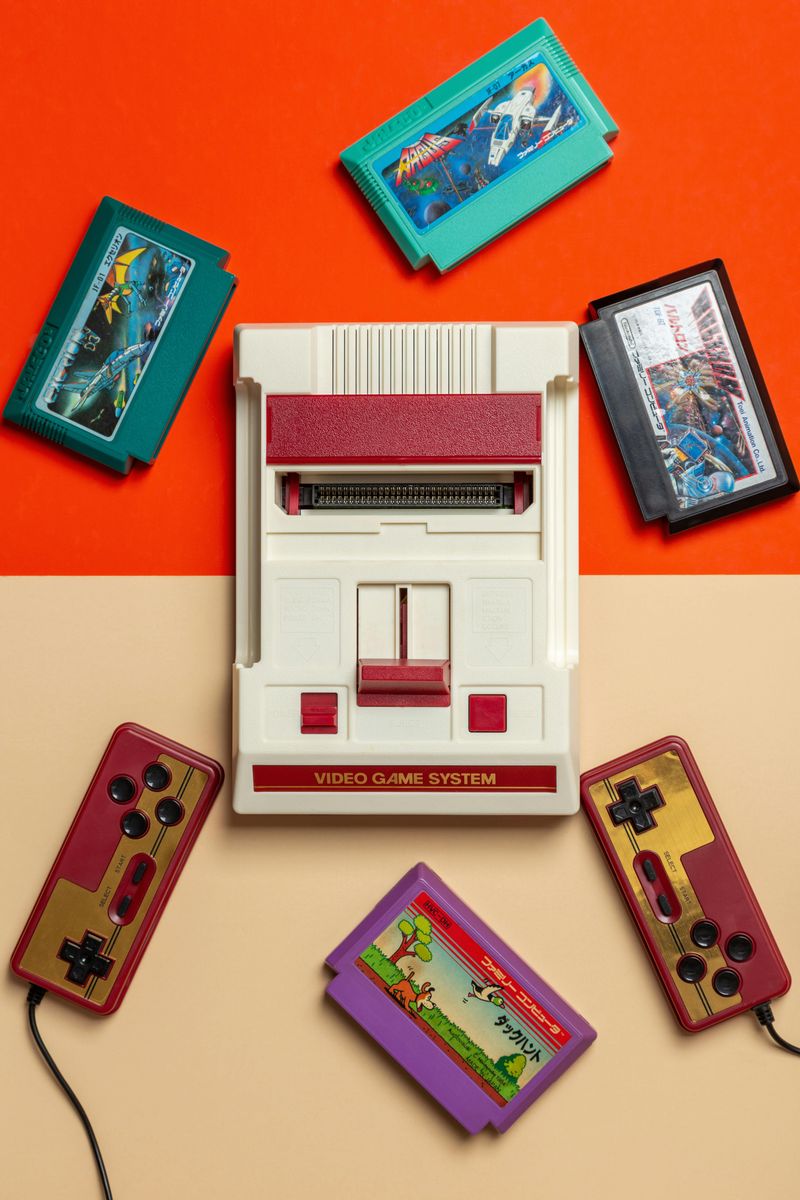
A sealed copy of Super Mario Bros. sold for $660,000 at Heritage Auctions, which is the kind of news that sends every person with an old Nintendo cartridge sprinting to the attic. Sealed and professionally graded games are the top tier of this wild market.
Wata Games and VGA are the major grading services for video game collectors.
Atari, Nintendo, Sega, and early Sony PlayStation games all have passionate collector communities. Complete-in-box copies with original manuals and inserts are worth significantly more than loose cartridges.
Regional variants, limited print runs, and early production copies carry additional premiums.
Condition of the box artwork, seal integrity, and cartridge board cleanliness all factor into graded scores. Even common games can surprise you if they happen to be in pristine sealed condition.
The retro gaming market has exploded in the last decade, and prices for quality examples keep climbing. Check those old game boxes before donating anything to the thrift store.
Antique Toys
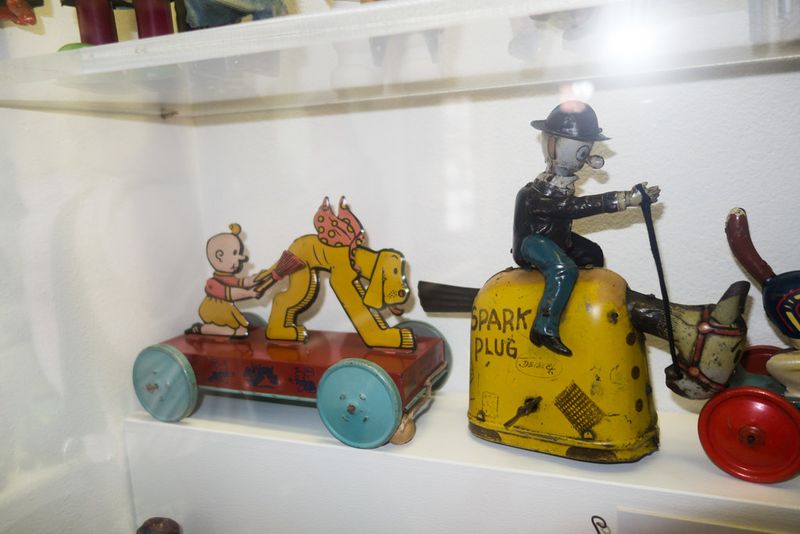
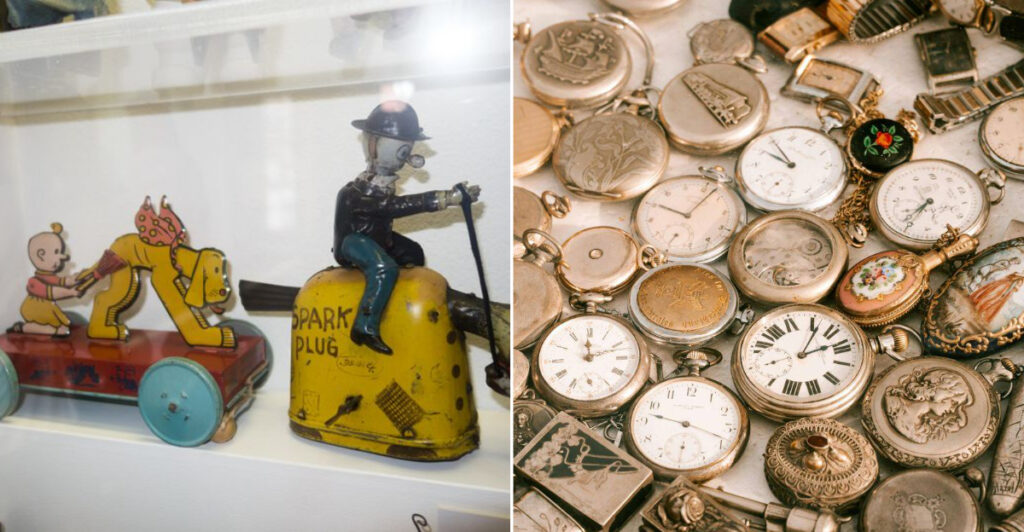
Tin wind-up toys from the 1920s through the 1950s are tiny mechanical masterpieces, and serious collectors pay handsomely for them. German and Japanese tin toys in particular have devoted global followings.
Original paint, working mechanisms, and complete parts are what separate a high-value piece from a shelf decoration.
Early cast iron toys, wooden pull animals, and celluloid figures also attract buyers with deep pockets. American toy makers like Marx, Buddy L, and Arcade produced pieces that now sell for hundreds or even thousands at specialty auctions.
Rarity, character licensing, and manufacturing era all influence final prices.
Reproductions flood this market, so authentication is critical before any purchase. Construction details, paint composition, and hardware styles can help date a piece accurately.
Original boxes multiply value enormously for any antique toy category. Keep pieces away from humidity to prevent rust and paint deterioration.
Specialized toy shows and auction houses are the best venues for buying or selling genuine antique examples.
Vintage Posters
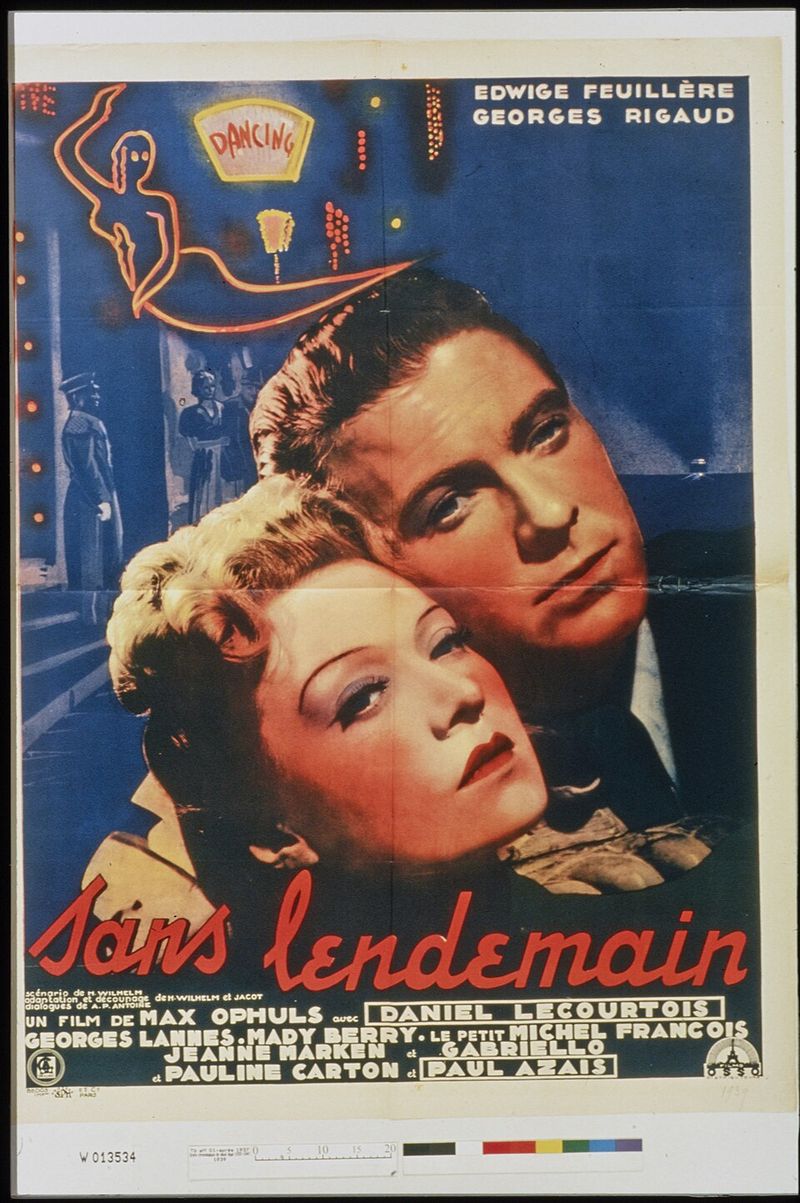
Original movie posters are not just decoration. They are pieces of graphic design history that serious collectors treat with the same respect as fine art.
A one-sheet from a classic Universal monster film or a 1960s James Bond release can sell for tens of thousands of dollars at auction. Originals always outperform reproductions, and savvy buyers know the difference immediately.
Concert posters from the psychedelic era are another hot category. Fillmore Auditorium and Avalon Ballroom posters designed by artists like Wes Wilson and Victor Moscoso are legitimately valuable.
Limited print runs and cultural significance drive prices sky-high for the right examples.
Paper quality, color vibrancy, fold lines, and pinholes all affect grading. Linen-backed posters have been professionally stabilized for long-term preservation and are generally more desirable.
Authentication services exist specifically for vintage posters. Buy from reputable dealers with clear provenance documentation.
Framing with UV-protective glass protects against fading and keeps value intact over time.
Old Coins
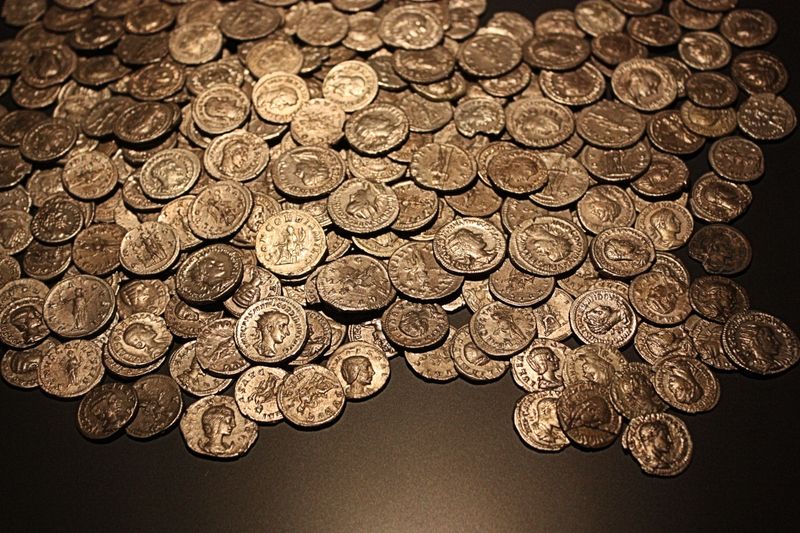
Numismatists, the fancy word for coin collectors, know that even a single coin can be worth a small fortune with the right combination of rarity, condition, and historical significance. Minting errors are especially prized.
A doubled-die Lincoln cent or an off-center Morgan silver dollar can send collectors into a very competitive bidding frenzy.
Pre-1933 U.S. gold coins, key-date Morgan and Peace dollars, and early American copper cents are perennial collector favorites. Professional grading by PCGS or NGC is the industry standard for establishing authentic condition.
Raw, ungraded coins are harder to sell and typically fetch lower prices from serious buyers.
Before cleaning any old coin, stop completely. Cleaning destroys original surface luster and can drop a coin’s grade from valuable to nearly worthless overnight.
Even grandma’s change jar deserves a careful look. Wheat pennies, buffalo nickels, and Mercury dimes are worth checking for key dates.
A quick reference guide or professional appraisal can turn pocket change into a real payday.
Porcelain Dolls
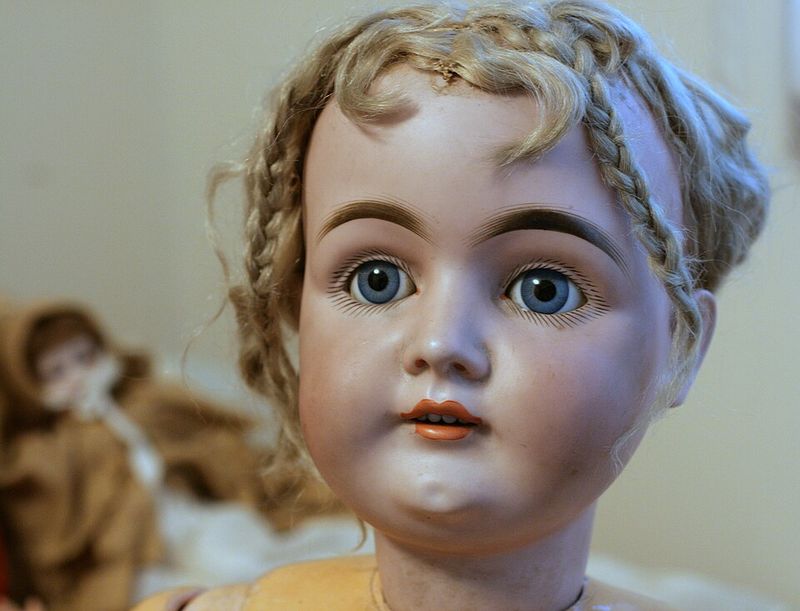
Victorian porcelain dolls carry an elegance that modern toys simply cannot replicate. Bisque-head dolls made by French makers like Jumeau and German manufacturers like Simon and Halbig are the blue-chip names in antique doll collecting.
Original clothing, glass eyes, and intact bisque with no hairline cracks are the markers of a genuinely valuable piece.
Maker marks stamped or incised on the back of a doll’s head are your first clue to identification. French fashion dolls with elaborate trousseau wardrobes can fetch thousands at specialized auction houses.
American composition dolls from the 1930s and 1940s are an accessible entry point into the hobby with strong collector interest.
Storage away from temperature extremes and direct sunlight preserves both bisque and fabric integrity. Wigs made from human hair or mohair are fragile and irreplaceable on antique examples.
Professional doll appraisers can identify obscure makers and date pieces accurately. Condition reports from reputable specialists protect both buyers and sellers in this specialized and rewarding market.
Vinyl Jukeboxes
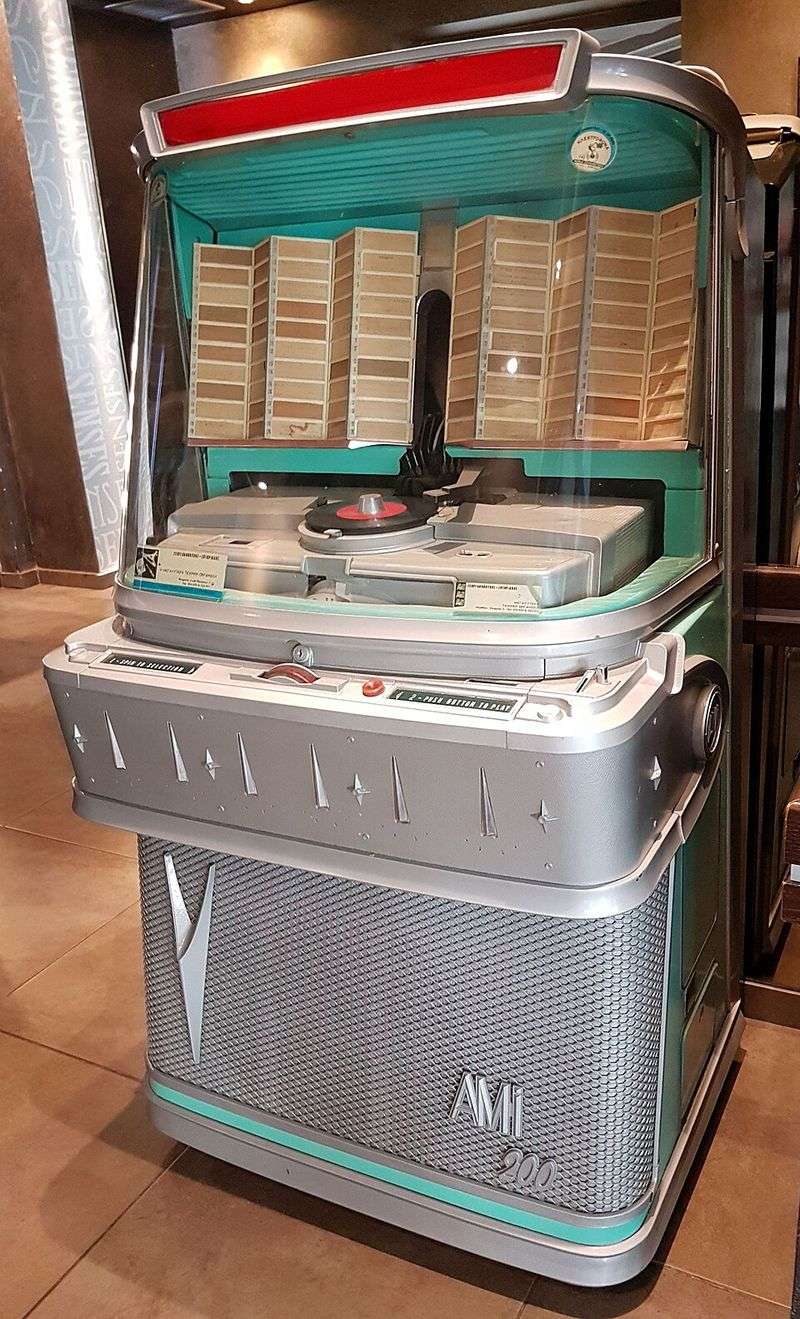
Nothing says diner-era America quite like a glowing Wurlitzer jukebox pumping out 45s in the corner booth. These mechanical music machines are prized by collectors for their chromework, bubble tubes, and the sheer nostalgia they radiate.
Original parts, working condition, and quality restoration all push values significantly higher.
Wurlitzer and Rock-Ola are the two most collectible jukebox brands, with certain 1940s and 1950s models fetching $10,000 to $30,000 in excellent condition. Seeburg jukeboxes from the same era also attract serious buyers.
Completeness matters: missing grilles, replaced mechanisms, and non-original speaker cloth all reduce collector appeal.
Restoration is a specialized skill, and poorly done work can actually hurt value more than honest wear. Seek out technicians who specialize specifically in vintage jukeboxes.
Original 45 rpm record selections still loaded inside a machine add wonderful authenticity. These pieces work as both functional music players and stunning decorative centerpieces, which is a combination that keeps collector demand consistently strong.
Share this story