Some cities are famous for their landmarks, but a handful of places around the world are celebrated for something even more delicious: their food. UNESCO, the United Nations cultural organization, officially recognizes cities where food is deeply woven into daily life, history, and identity.
These UNESCO Cities of Gastronomy aren’t just great places to eat; they’re living proof that what’s on your plate can tell the whole story of a place. Get ready to travel the world one bite at a time.
Parma, Italy
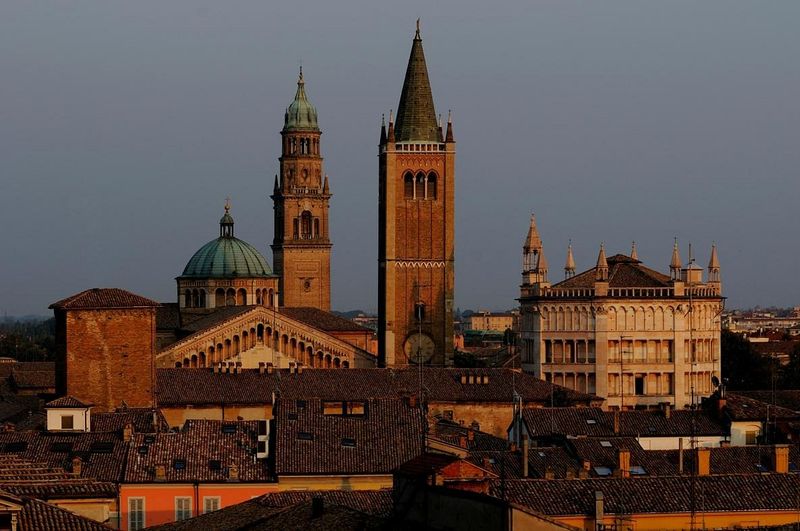
If cheese and cured meat could speak, they’d have a Parma accent. This northern Italian city earned its UNESCO City of Gastronomy title by doing one thing extraordinarily well: honoring food as a way of life.
Parmigiano Reggiano wheels age in temperature-controlled warehouses for up to 36 months, developing flavors that can’t be rushed or faked.
Prosciutto di Parma follows equally strict rules. Each leg must come from specially raised pigs and be cured for at least 12 months.
These aren’t just products; they’re protected traditions backed by centuries of craftsmanship and regional law.
Visitors can tour cheese factories and curing facilities to see the process up close. Local trattorias serve simple pasta dishes where the ingredients do all the talking.
Markets overflow with seasonal produce, fresh pasta, and aged balsamic vinegar from nearby Modena. Food here carries a sense of responsibility, as if every cook is a guardian of something precious.
Parma proves that the most extraordinary meals often come from the most disciplined dedication to craft.
Lyon, France
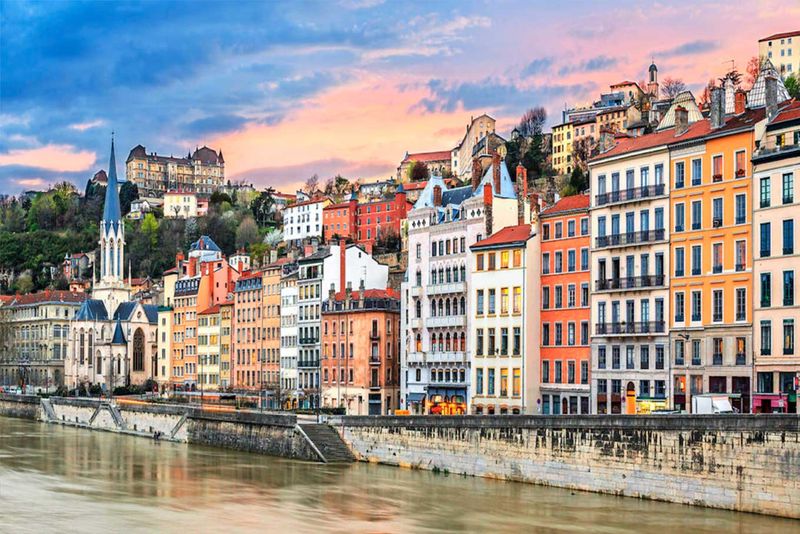
Ask any French chef where they’d eat their last meal, and a surprising number would say Lyon. Known as the gastronomic capital of France, Lyon earned its UNESCO recognition by blending centuries-old culinary traditions with an obsessive love of quality ingredients.
The city sits at the crossroads of several French agricultural regions, which means its kitchens have always had the best raw materials to work with.
Bouchons are the soul of Lyon’s food scene. These small, unpretentious restaurants serve hearty classics like quenelles, salade lyonnaise, and andouillette sausage.
The atmosphere is warm and communal, with shared tables and generous pours of Beaujolais wine. Paul Bocuse, arguably the most influential French chef of the 20th century, called Lyon home and helped define what modern French cooking looks like.
The city’s covered markets, especially Les Halles de Lyon Paul Bocuse, are temples of food. Stalls overflow with artisanal cheeses, fresh fish, handmade charcuterie, and pastries that stop you in your tracks.
Lyon doesn’t shout about its greatness; it simply sets the table and lets the food do the convincing.
San Sebastián, Spain
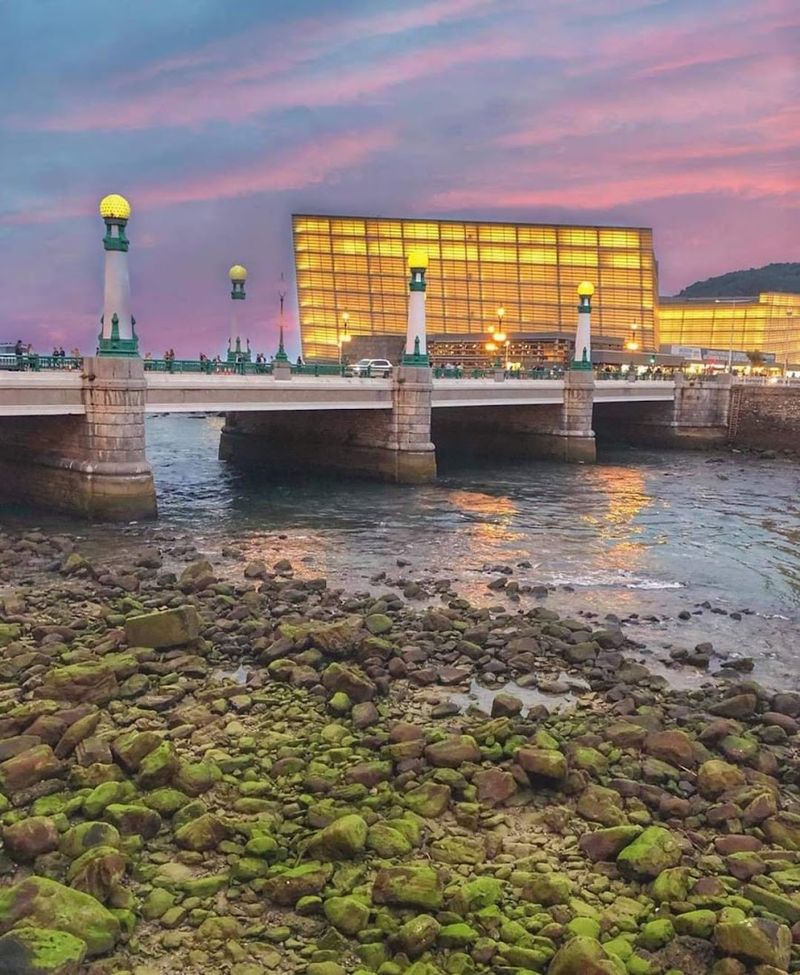
Nowhere else in the world will you find so many extraordinary meals packed into so few square kilometers. San Sebastián, tucked into Spain’s Basque Country, holds more Michelin stars per capita than almost any city on Earth.
But what makes it truly special isn’t fine dining alone; it’s the pintxos culture that turns every bar counter into an edible art gallery.
Pintxos are small bites, typically served on slices of bread, loaded with creative toppings. Think marinated anchovies, roasted peppers, salt cod, and cured ham.
Locals hop from bar to bar, grabbing a pintxo and a glass of txakoli wine before moving on. It’s social, affordable, and absolutely delicious.
The city’s UNESCO recognition celebrates both its high-end innovation and its deeply rooted street-level food culture. Chefs like Juan Mari Arzak and Martin Berasategui launched careers here that changed how the world thinks about Spanish cooking.
Yet even the most celebrated chefs in San Sebastián still grab pintxos on a Friday night like everyone else. That balance between brilliance and accessibility is what makes the city’s food culture genuinely one of a kind.
Dénia, Spain
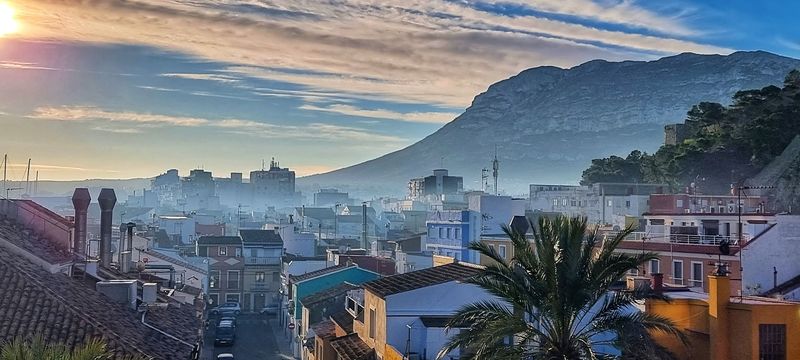
Tucked along Spain’s Costa Blanca, Dénia is a small coastal city with a food reputation that punches way above its size. Its UNESCO recognition comes from a cuisine built almost entirely on what the surrounding sea and land naturally provide.
The Dénia red prawn, or gamba roja, is considered one of the finest shellfish in the world, prized for its sweetness and depth of flavor.
Rice dishes reign supreme here. Arros a banda, a two-course meal where the rice is cooked in fish broth and served separately from the seafood, is a local classic that visitors travel specifically to eat.
Chefs in Dénia have a gift for transforming humble ingredients into something memorable without overcomplicating things.
The city also hosts food festivals throughout the year that celebrate seasonal harvests and traditional recipes. Local restaurants maintain close relationships with farmers and fishermen, ensuring menus change with the seasons.
Dénia’s culinary identity isn’t built on trends or celebrity chefs; it grows quietly and confidently from the soil and sea around it. That authentic connection to place is exactly what UNESCO recognized when it added this coastal gem to its prestigious gastronomy network.
Burgos, Spain
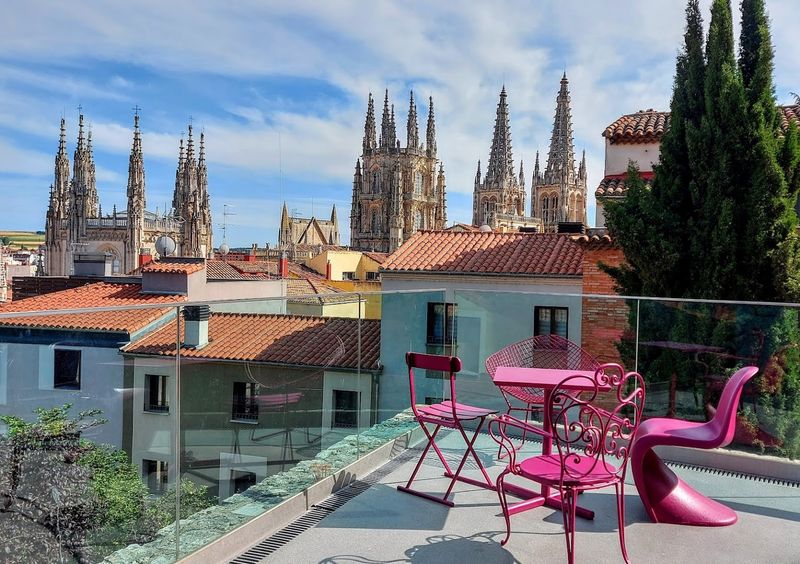
Burgos doesn’t need flashy presentation to impress. This ancient Castilian city in northern Spain lets its food speak through centuries of tradition, cold winters, and an unshakeable commitment to regional ingredients.
The cooking here is honest, hearty, and deeply satisfying in a way that feels almost ancestral.
Lechazo, or roasted suckling lamb, is the dish most associated with Burgos. It’s slow-cooked in a wood-fired clay oven until the skin crisps and the meat falls apart with almost no effort.
Morcilla de Burgos, the city’s famous black pudding made with rice and onion, is another local staple that food lovers seek out specifically when visiting.
The region’s wines, particularly from the Ribera del Duero appellation nearby, pair naturally with the bold, meaty flavors on local menus. Burgos also produces a distinctive fresh cheese that locals eat as a starter with honey or quince paste.
The city’s UNESCO status reflects how food here is inseparable from identity, landscape, and history. Eating in Burgos feels less like dining out and more like sitting down with a family that has been cooking the same recipes for generations, and that’s exactly the point.
Chengdu, China
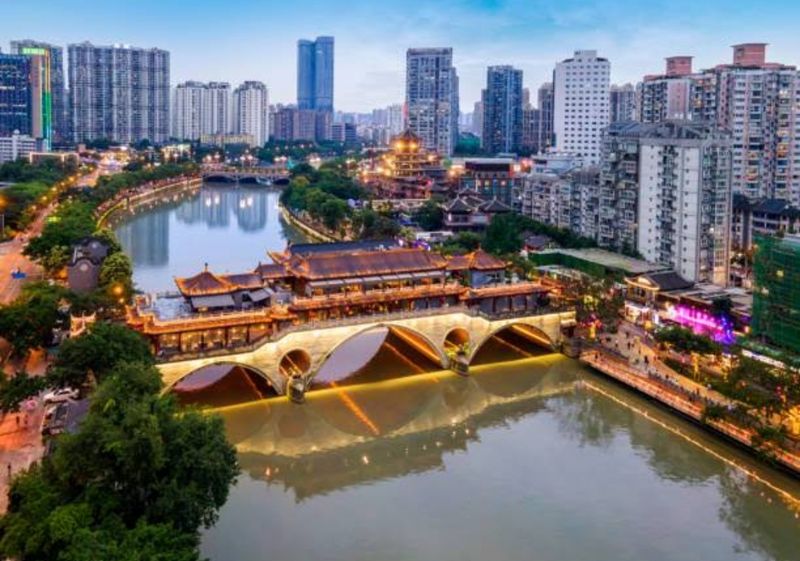
Your tongue will remember Chengdu long after you’ve left. The capital of China’s Sichuan province became one of UNESCO’s first Cities of Gastronomy back in 2010, and the honor couldn’t have gone to a more deserving place.
Sichuan cuisine is globally famous for its signature flavor profile: fiery heat from dried chilies combined with the numbing, buzzing sensation of Sichuan peppercorns.
Mapo tofu, dan dan noodles, and kung pao chicken are just a few of the dishes that originated here and went on to conquer restaurant menus worldwide. But eating these dishes in Chengdu is a completely different experience from anything you’d find abroad.
The balance of spice, salt, sweetness, and umami is calibrated with precision that only comes from generations of practice.
Street food culture in Chengdu is extraordinary. Night markets stretch for blocks, offering skewers, soups, dumplings, and snacks that cost almost nothing but taste like a million.
Hot pot restaurants are packed every night of the week, with diners cooking raw ingredients in bubbling spiced broth at the table. Chengdu is a city where eating isn’t just a necessity; it’s the main event, morning, noon, and night.
Shunde, China
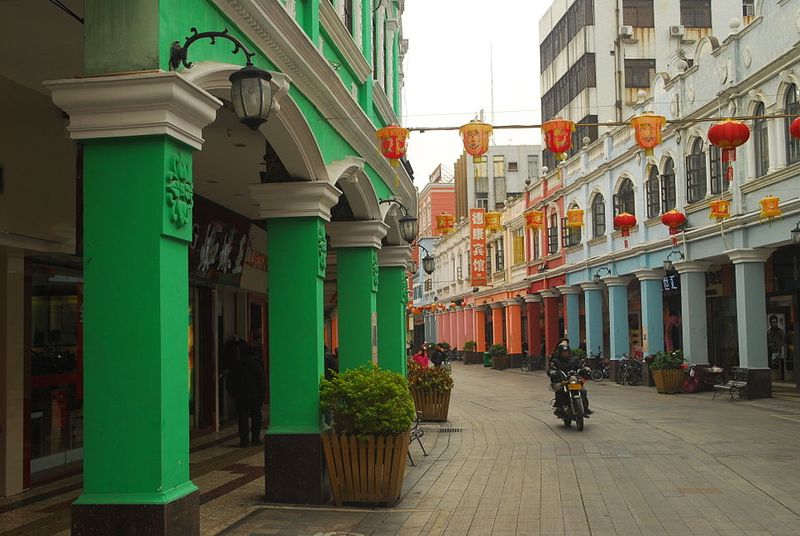
Cantonese food lovers have a saying: the best Cantonese cooking doesn’t come from Hong Kong or Guangzhou. It comes from Shunde.
This district in Guangdong province is widely considered the spiritual birthplace of Cantonese cuisine, and its UNESCO recognition simply confirmed what chefs across China have known for a long time.
Shunde cooking is built on an almost obsessive respect for freshness. Ingredients are sourced daily, often from the rivers and fishponds that crisscross the region.
A dish like steamed freshwater fish with ginger and scallion sounds simple, but in Shunde, the quality of the fish and the precision of the steaming time elevate it to something remarkable. Stir-fried fresh milk, a local specialty that sounds impossible until you taste it, is a perfect example of Shunde’s clever, technique-driven approach.
Raw fish salad, called yu sheng, and delicate pork dishes are other local favorites that showcase how restraint and skill define the cuisine here. Shunde chefs don’t hide ingredients under heavy sauces; they trust the food itself to carry the flavor.
That philosophy, quiet confidence in quality over spectacle, is what makes Shunde one of the most genuinely important food destinations on the planet.
Tsuruoka, Japan

Before farm-to-table became a trendy phrase, Tsuruoka was already living it. Located in Yamagata Prefecture along Japan’s Sea of Japan coast, this small city earned its UNESCO status through a remarkably pure relationship between food, nature, and the changing seasons.
Almost nothing on a Tsuruoka menu travels far to get there.
The city sits between mountains and sea, giving local cooks access to an extraordinary range of ingredients. Mountain vegetables like warabi and zenmai are foraged in spring.
Summer brings fresh fish and shellfish from the coast. Autumn delivers wild mushrooms and chestnuts.
Winter sees preserved and fermented foods take center stage, a tradition that stretches back centuries in this snowy region.
Tsuruoka is also home to the Shonai region’s shojin ryori, a form of Buddhist vegetarian cooking that transforms humble plant-based ingredients into meals of quiet beauty. The city has one of the highest numbers of traditional vegetable varieties still grown in Japan, many of which exist nowhere else in the world.
Eating here is less about excitement and more about presence, the kind of meal that slows you down, makes you pay attention, and leaves you feeling genuinely nourished.
Tucson, United States

America’s first UNESCO City of Gastronomy isn’t New York or New Orleans. It’s Tucson, Arizona, and the reason why is rooted in something 4,000 years old.
The Sonoran Desert around Tucson has been farmed continuously for longer than almost any other place in North America, and that deep agricultural heritage forms the backbone of the city’s extraordinary food identity.
Native American communities, particularly the Tohono O’odham people, cultivated crops like tepary beans, squash, and corn in this desert landscape long before Spanish missionaries arrived. Those Indigenous food traditions blend with Mexican and Spanish influences to create a cuisine that is completely unlike anything found elsewhere in the United States.
Dishes like cheese crisps, Sonoran hot dogs wrapped in bacon, and red chile enchiladas are local icons.
Tucson’s food scene also champions heritage grains like white Sonora wheat and ancient seeds that nearly disappeared. Local chefs and farmers work together to revive and celebrate these ingredients.
The city’s food culture isn’t built on celebrity or hype; it grows from the ground up, literally. Tucson proves that the most compelling food stories often come from the places most people overlook on the map.
San Antonio, United States
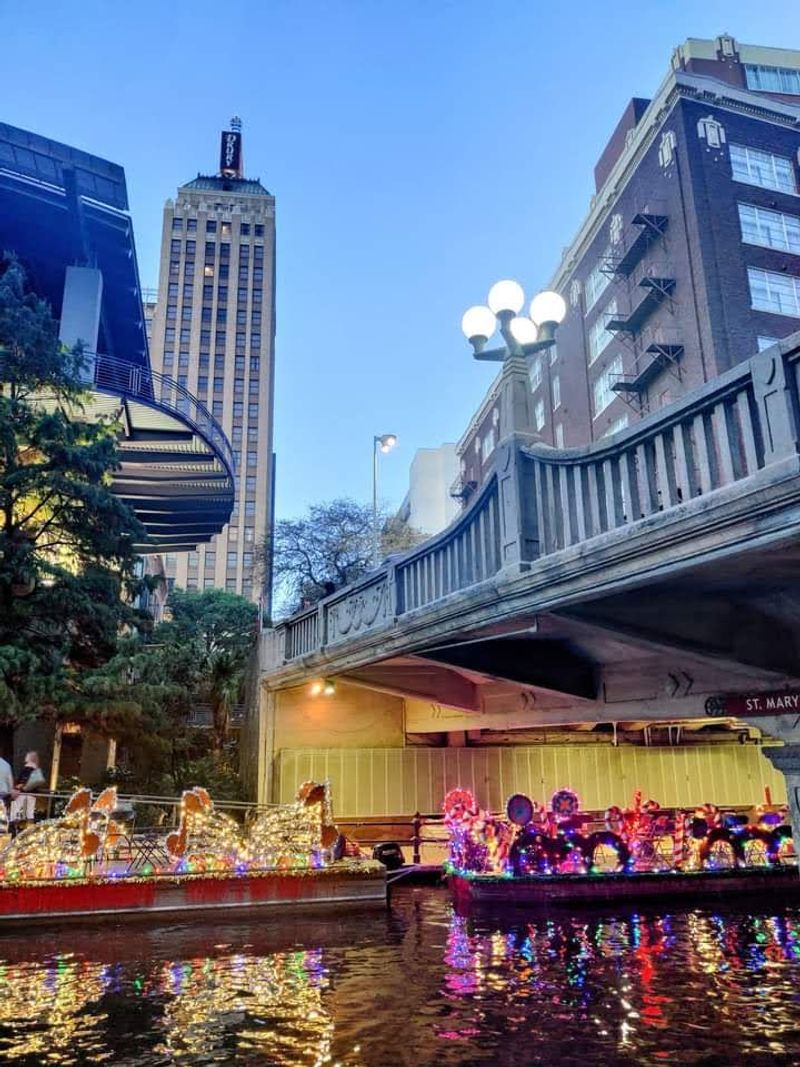
San Antonio wears its food history on its sleeve, and that history is gloriously layered. Designated a UNESCO Creative City of Gastronomy, San Antonio’s culinary identity is the product of centuries of cultural exchange between Native American, Spanish, Mexican, and later European and global communities.
Every dish tells a story of movement, adaptation, and survival.
The city is widely credited as the birthplace of chili con carne, a dish so central to Texas identity that it became the official state dish. Puffy tacos, a San Antonio original, feature a lightly fried corn tortilla that puffs up during cooking and cradles savory fillings in its crispy shell.
Tamales, especially during the holidays, are a community event, with families gathering to make hundreds at a time.
San Antonio’s West Side neighborhoods preserve some of the most authentic Mexican-American food traditions in the country. Street vendors, family taquerias, and market stalls serve recipes that have barely changed in generations.
The city also celebrates its food heritage through culinary events, cooking classes, and cultural festivals that welcome visitors into the story. San Antonio doesn’t just cook great food; it understands why that food matters and makes sure everyone else does too.
Oaxaca, Mexico
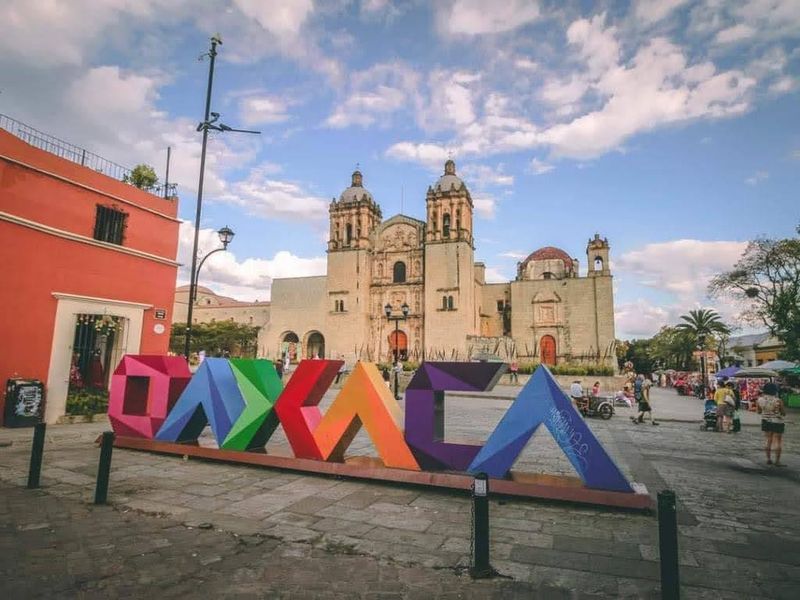
Seven types of mole. Mezcal made from wild agave.
Grasshoppers seasoned with lime and chili. Oaxaca is not for the timid eater, and that’s precisely what makes it one of the most fascinating food destinations on the planet.
Mexico’s southern state capital earned its UNESCO recognition for a cuisine that is ancient, complex, and alive with flavor.
Oaxacan cooking is inseparable from its Indigenous roots. The Zapotec and Mixtec communities that have called this region home for thousands of years developed culinary traditions that persist today in markets, home kitchens, and celebrated restaurants alike.
Tlayudas, large crispy tortillas topped with beans, Oaxacan cheese, and meat, are eaten morning and night. Chocolate, originally cultivated in this part of Mexico, shows up in savory mole sauces and rich hot drinks.
The Mercado Benito Juarez is a sensory overload in the best possible way, with stalls selling dried chilies, fresh herbs, handmade cheeses, and smoking meats at every turn. Oaxaca also has a thriving fine dining scene where chefs reinterpret traditional ingredients through a modern lens.
The result is a city where the past and present sit comfortably at the same table, sharing something extraordinary.
Gaziantep, Turkey

Gaziantep makes baklava the way other cities make civic pride, seriously and with extraordinary skill. Located in southeastern Turkey near the Syrian border, this ancient city earned UNESCO recognition for a culinary tradition so rich and diverse that it’s considered one of the great food cultures of the Middle East.
Gastronomy here isn’t a hobby; it’s a generational commitment.
The city’s baklava is famous worldwide, layered with hand-stretched phyllo pastry and filled with locally grown Antep pistachios before being soaked in clarified butter and sugar syrup. Local bakers are fiercely protective of the recipe, and the Antep pistachio itself has protected geographical status.
Kebabs in Gaziantep are equally legendary, with varieties like beyran, a spicy lamb soup eaten for breakfast, that don’t exist anywhere else quite the same way.
Gaziantep’s food culture extends into its spice bazaars, copper cookware shops, and family-run meyhanes where meze spreads arrive in seemingly endless waves. The city hosts food festivals and culinary tours that draw visitors from across Turkey and beyond.
Eating in Gaziantep is a crash course in how history, geography, and culture combine to create something truly irreplaceable. Every bite carries the weight of centuries, and somehow it still manages to taste fresh.
Rasht, Iran
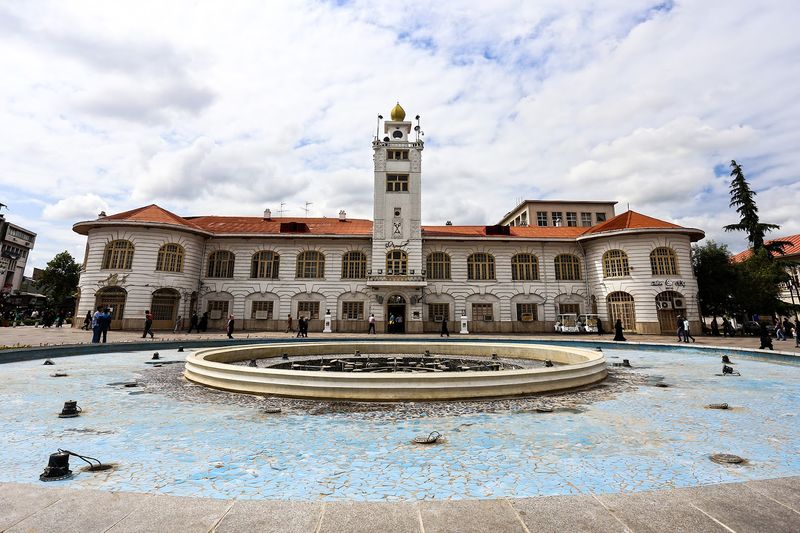
Rain, rice paddies, and an almost absurd abundance of fresh herbs: welcome to Rasht, Iran’s UNESCO-recognized culinary capital. Situated in the lush Gilan province along the Caspian Sea coast, Rasht enjoys a humid, fertile climate that produces ingredients most Iranian cities can only dream about.
The result is a cuisine that is green, aromatic, and deeply satisfying.
Rashti cooking leans heavily on fresh and dried herbs, pomegranates, walnuts, and locally caught fish. Mirza Ghasemi, a smoky roasted eggplant dish with eggs and tomatoes, is a regional staple that visitors consistently rank among the best things they’ve ever eaten.
Baghali Polo, fragrant rice cooked with fava beans and dill, appears at nearly every celebration and family gathering in the region.
Pickled garlic, smoked fish from the Caspian, and a dizzying variety of herb frittatas called kuku fill local market stalls and home kitchens alike. Rasht’s food culture is communal and generous; meals are meant to be shared, and portions are never small.
UNESCO recognized not just the dishes themselves but the entire ecosystem of farming, fishing, and cooking traditions that keep this cuisine alive and thriving. Rasht is proof that the most nourishing food comes from the most giving landscapes.
Florianópolis, Brazil
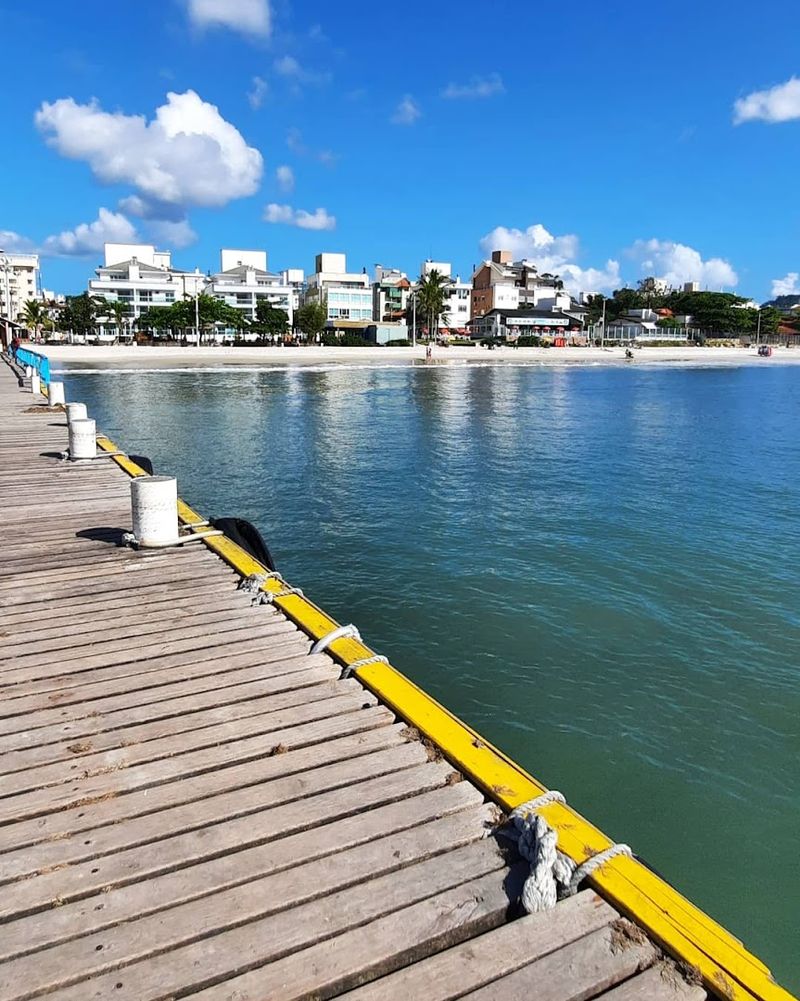
Florianópolis sits on an island off Brazil’s southern coast, and the ocean has shaped every aspect of its food culture. Known locally as Floripa, this vibrant city earned its UNESCO recognition for a cuisine built on the extraordinary seafood of the Atlantic and a deep connection to the Azorean Portuguese immigrants who settled here centuries ago.
Oysters are practically a religion in Florianópolis. The waters around the island are ideal for oyster farming, and the city produces some of the finest bivalves in South America.
Local restaurants serve them raw, grilled, and in creative preparations that blend Brazilian spice with Portuguese tradition. Moqueca, a rich coconut milk and fish stew with African roots, is another cornerstone of the local table.
Beyond seafood, Florianópolis celebrates its Azorean heritage through dishes like pirão, a thick fish broth porridge, and sequilhos, traditional shortbread cookies that appear at every local celebration. The city’s food markets overflow with tropical fruits, fresh catches, and handmade preserves.
Florianópolis also has a young, energetic restaurant scene that creatively builds on these traditions without abandoning them. The food here tastes like salt air, sunshine, and history, and that combination is genuinely difficult to replicate anywhere else in the world.
Iloilo City, Philippines
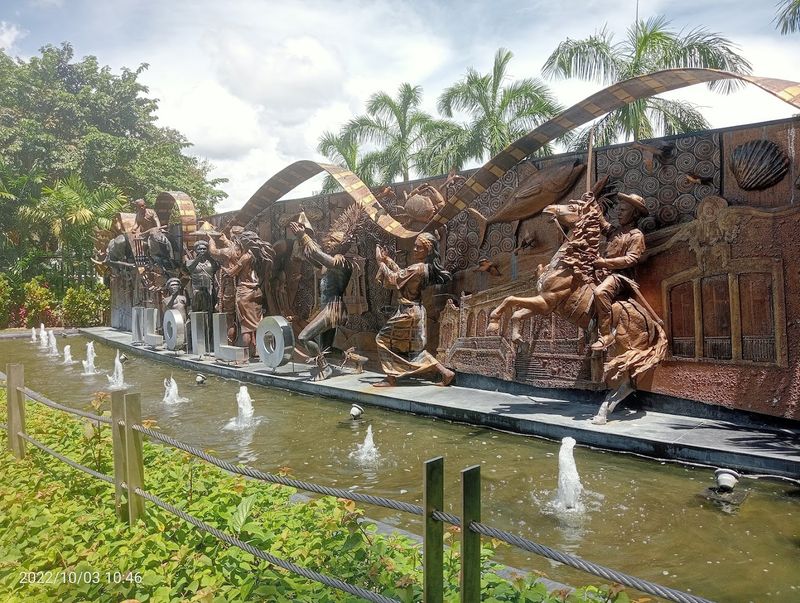
Locals call it the Food Haven of the Philippines, and after one meal, you’ll understand why. Iloilo City, located on the island of Panay in the Western Visayas region, earned its UNESCO City of Gastronomy designation for a culinary heritage that blends Indigenous Visayan traditions with Spanish colonial influence and a remarkable talent for noodle soups.
La Paz batchoy is Iloilo’s most famous contribution to Philippine cuisine. This rich pork broth soup is loaded with noodles, liver, crushed pork cracklings, and a raw egg cracked in just before serving.
It originated in the La Paz district and has since spread across the country, though the best versions are still found at its source. Pancit Molo, a dumpling soup named after Iloilo’s Molo district, is another local classic with clear Spanish and Chinese culinary influences.
Iloilo’s food scene extends far beyond these signature dishes. Fresh seafood from the Iloilo Strait, native vinegar-based dishes, and a wide variety of kakanin rice cakes made from glutinous rice and coconut milk fill local markets and home kitchens.
The city’s annual Dinagyang Festival brings food, culture, and community together in spectacular fashion. Iloilo doesn’t just feed you; it welcomes you into something warm, proud, and genuinely delicious.
Share this story