Every July, a quiet stretch of forested land along the Long Tom River in Veneta, Oregon transforms into something unlike any other event in the country. Thousands of families pack their tents, dust off their most creative outfits, and make the pilgrimage to a three-day celebration that blends folk art, live music, handcrafted food, and community spirit into one unforgettable experience.
The fairgrounds fill up so completely that the entire property becomes a sprawling tent city, with people camping, performing, cooking, and creating at every turn. This is not your average county fair with rides and cotton candy, and once you understand what actually happens here, you will want to start planning your trip immediately.
Where the Magic Begins: Address, Location, and Getting There
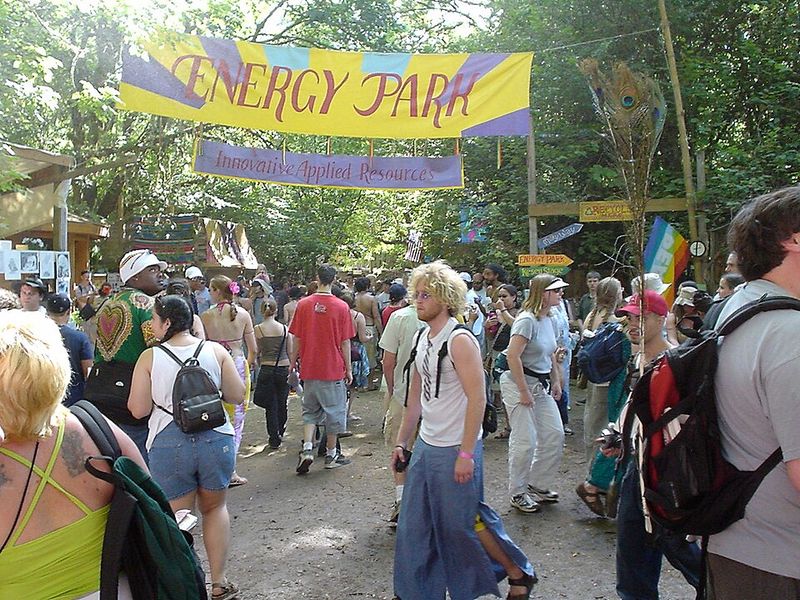
The Oregon Country Fair sits at 24207 OR-126, Veneta, OR 97487, about 13 miles west of Eugene in the heart of the Willamette Valley. Getting there sounds simple enough on paper, but the journey itself is part of the experience.
Traffic can stack up considerably depending on your arrival time, and more than a few visitors have discovered that Apple Maps and Google Maps do not always agree on the fastest route, sometimes by a margin of 30 minutes or more.
Parking costs $15 if you drive, and the walk from the lot to the fairgrounds is genuinely long, especially under a July sun. Public transportation is a free alternative that many regulars swear by.
The fair runs phone number (541) 343-4298 and maintains a website at oregoncountryfair.org where you can purchase tickets in advance, since tickets are not sold at the gate.
Comfortable shoes are non-negotiable here. The grounds run along the Long Tom River, and between the dusty paths and the sheer size of the property, your feet will earn every step.
Hydration is equally critical, so bring a reusable water bottle because refill stations are plentiful throughout the fairgrounds.
A Festival Born From the Counterculture: The History Behind the Fair
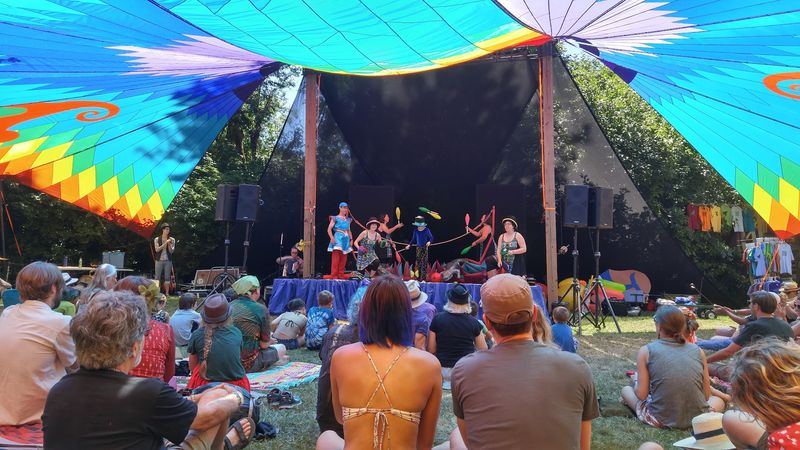
The Oregon Country Fair started in 1969 as a fundraiser for an alternative school in Eugene, and what began as a modest gathering of artists and idealists has grown into one of the most beloved annual events in the Pacific Northwest. The founding spirit was rooted in creativity, community ownership, and a rejection of mainstream consumer culture, values that still define the fair more than five decades later.
Over the years, the fair developed its own internal culture, complete with volunteer crews, elected leadership, and a deep commitment to environmental stewardship. The land itself is carefully protected, and the organization has invested significantly in preserving the forested property along the Long Tom River.
That relationship between the people and the land gives the fair a grounded, almost sacred quality that is hard to describe until you experience it firsthand.
Many attendees have been coming for decades, and some families are now on their third generation of fair-goers. The phrase “Welcome Home” is genuinely meant here, not as marketing language but as a reflection of the tight-knit community that has built something extraordinary together over more than 50 years of continuous celebration.
The Tent City That Appears Every July: Camping Culture at the Fair
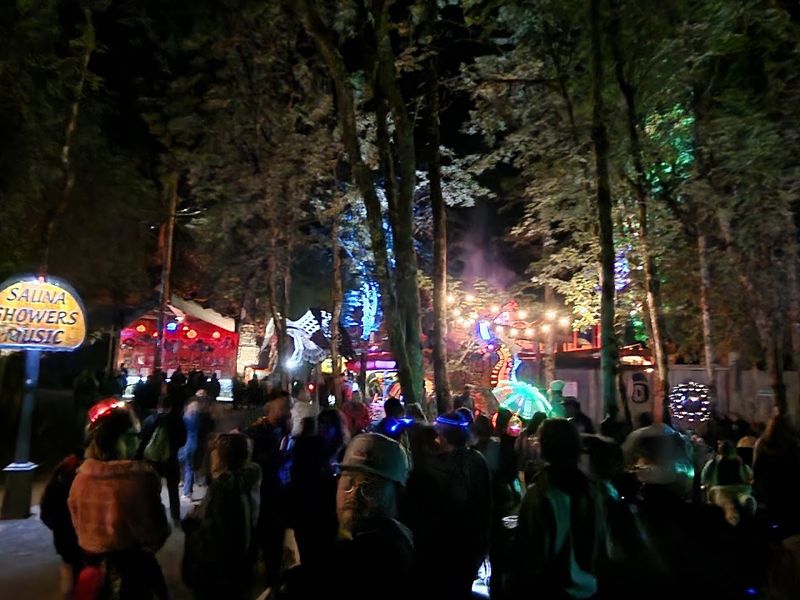
One of the most striking things about the Oregon Country Fair is how completely the property transforms each year into a functioning temporary community. Thousands of people do not just attend for the day and drive home.
They set up elaborate campsites, string up lights, hang tapestries, and settle in for the full three-day run. The camping areas develop their own neighborhoods, rhythms, and social dynamics that are entirely separate from the daytime fair experience.
After the public gates close each evening, a different world opens up for those who are staying on the grounds. The energy shifts, the performances continue, and the sense of belonging deepens for the people who have earned their place in the inner community.
First-timers are affectionately called “fair virgins,” and the initiation is entirely gentle, just a warm welcome and an invitation to return.
The facilities team works hard to keep the grounds clean and functional, with well-monitored recycling stations, composting areas, porta-potties placed strategically throughout, and even a sauna and shower area for overnight guests. The level of organization behind what looks like joyful chaos is genuinely impressive, and it reflects the decades of experience the fair community has accumulated.
Seventeen Stages and Counting: The Entertainment Scene
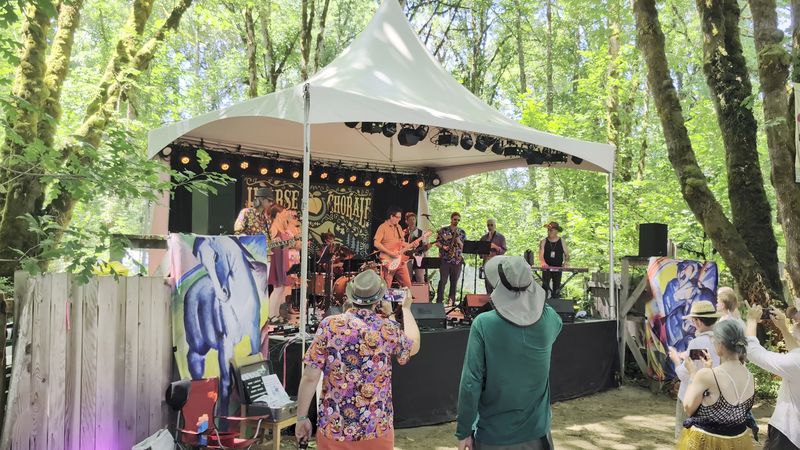
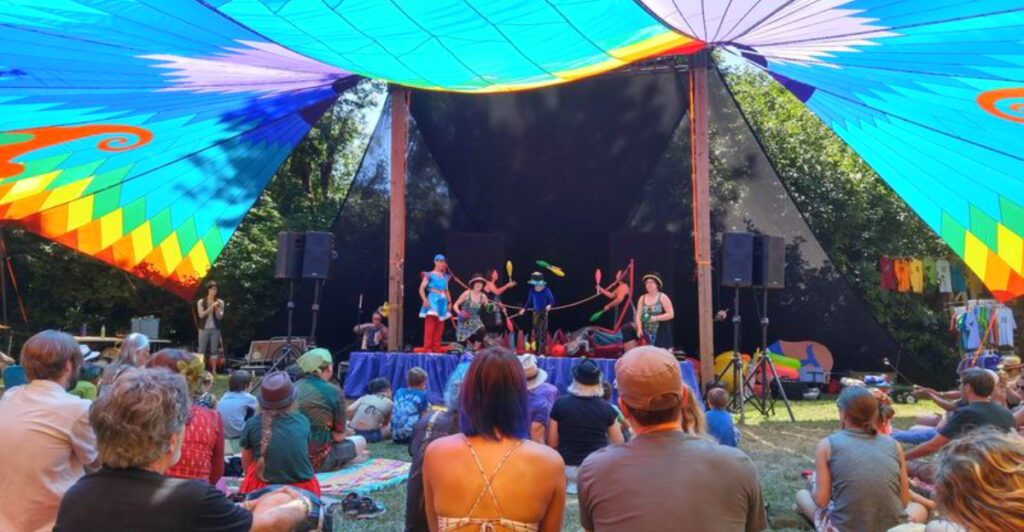
Seventeen stages. That number alone should tell you something about the scale of entertainment at the Oregon Country Fair.
From the Kesey Stage, named in honor of Oregon literary legend Ken Kesey, to smaller clearings tucked between trees where a single performer might hold a crowd of twenty completely spellbound, the fair treats performance as essential rather than supplemental.
The range of acts is genuinely staggering. Jazz, bluegrass, folk, world music, burlesque, improv comedy, spoken word, acrobatics, puppet theater, and stilt-walking all coexist without any sense of competition.
You do not need a schedule to find something extraordinary because something extraordinary is always happening within earshot. Spontaneous dances break out in front of buskers, and parade drumlines march through the paths with brass winds and flutes drawing everyone into the rhythm.
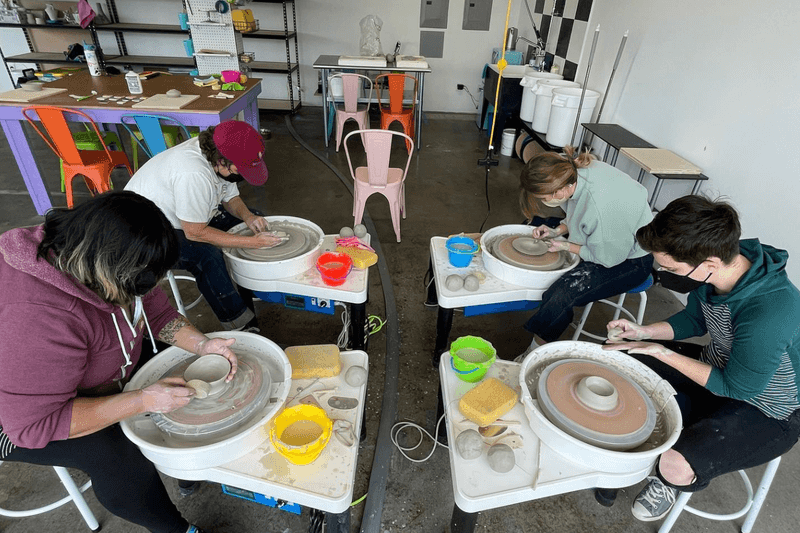
The fair also features over 260 art booths, which means even the spaces between stages are packed with creative energy. Artisans are typically present at their booths and genuinely enjoy talking about their work, whether it is hand-blown glass, intricate jewelry, leather goods, ceramics, or natural body products.
The whole property hums with a creative frequency that is difficult to find anywhere else in the country.
Food That Goes Way Beyond Funnel Cake: The Culinary Experience
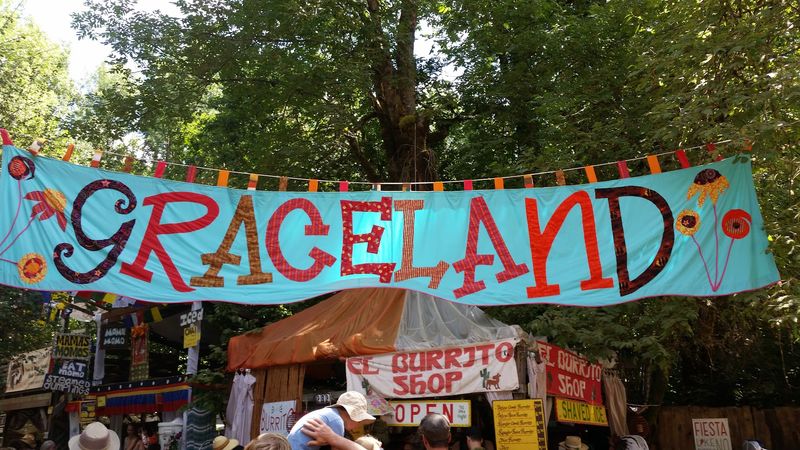
Fair food at most events means deep-fried everything and sugar overload, but the Oregon Country Fair operates on a completely different philosophy. The food booths here prioritize fresh, local, and often organic ingredients, and the results are genuinely impressive.
Spicy tempeh wraps, fresh fruit smoothies, handcrafted pies, vegan dishes, and international cuisine all share space along the winding paths, and vendors take visible pride in what they serve.
The quality comes at a price, and budget-conscious visitors should prepare accordingly. Prices run higher than a typical fast food stop, but the difference in quality justifies the cost for most people.
Cash is strongly preferred by many vendors, and while there is an ATM outside the front gate, it tends to get busy. Bringing enough cash from home saves time and stress.
Beyond the practical side, eating at the fair is a social experience. Tables and shaded seating areas fill up with strangers who quickly become temporary friends, and the act of sharing a meal in this setting carries a warmth that is hard to replicate elsewhere.
The food scene here reflects the same values that run through the entire fair, creativity, community, and a genuine respect for the people being fed.
Costumes, Color, and Creative Expression: What People Actually Wear
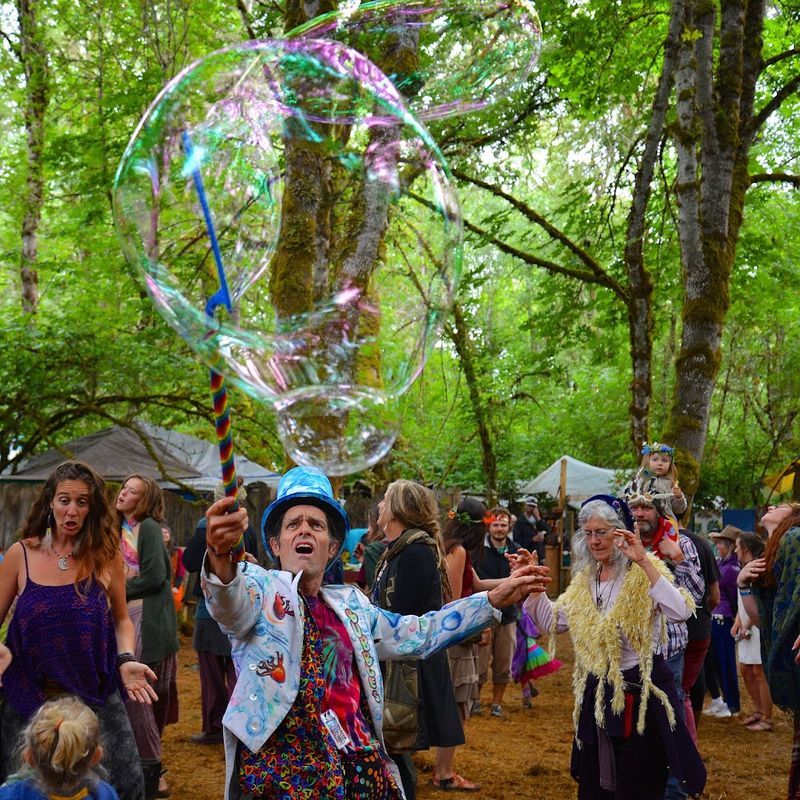
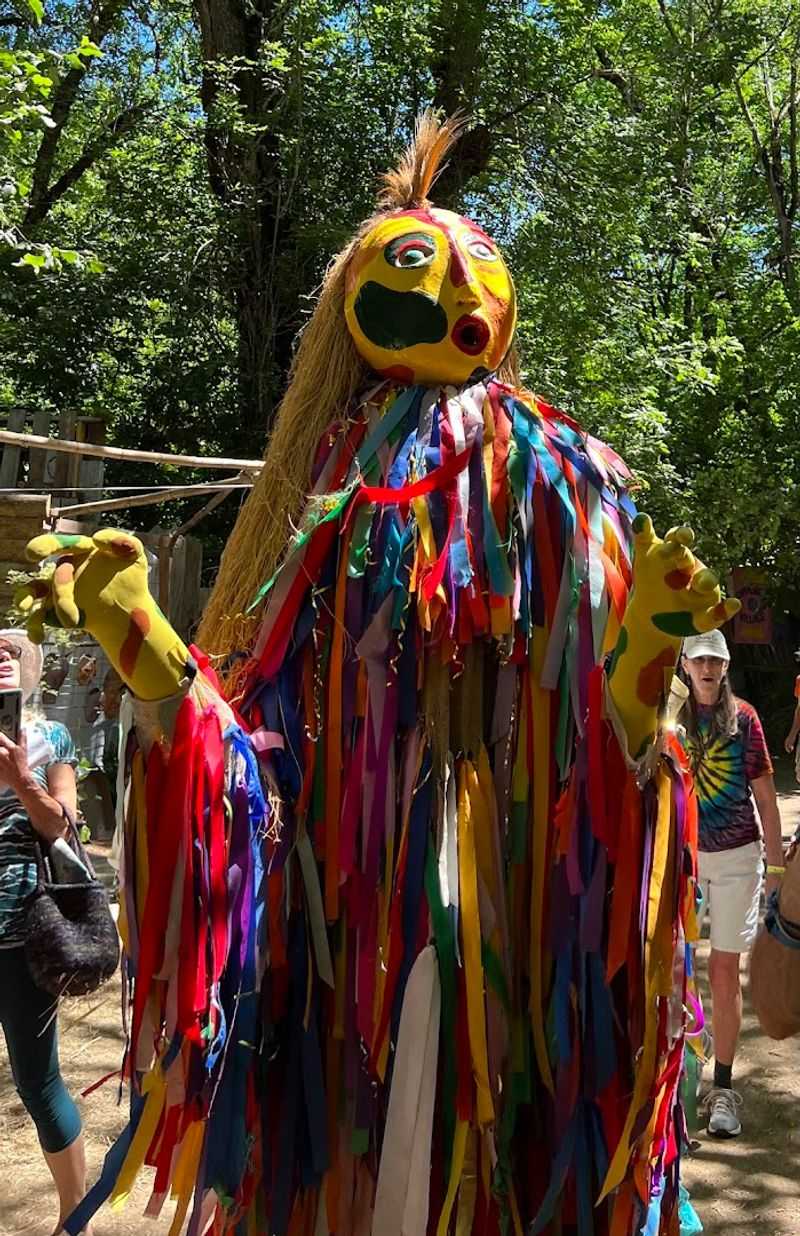
There is no dress code at the Oregon Country Fair, but there is absolutely a dress culture. Attendees arrive in everything from full Renaissance-era costumes to hand-dyed flowing robes, fairy wings, elaborate face paint, and outfits that defy easy description.
The creativity on display in the crowd rivals anything happening on the stages, and people-watching becomes its own full-time activity.
The fair has always celebrated self-expression as a core value, and that shows in how enthusiastically people embrace the opportunity to wear something they would never put on at a grocery store back home. Families coordinate their looks, couples spend months crafting matching outfits, and solo visitors use the fair as a rare chance to present a version of themselves that everyday life does not often allow.
First-timers sometimes feel underdressed on their first day and show up the second day in something far more adventurous. That shift is part of the fair’s quiet magic.
It gives people permission to be playful and bold in a space where nobody will judge them for it. The result is a visual landscape so vivid and varied that every photograph taken at the Oregon Country Fair looks like it belongs in an art gallery rather than a family album.
The Forest Setting That Makes Everything Feel Different
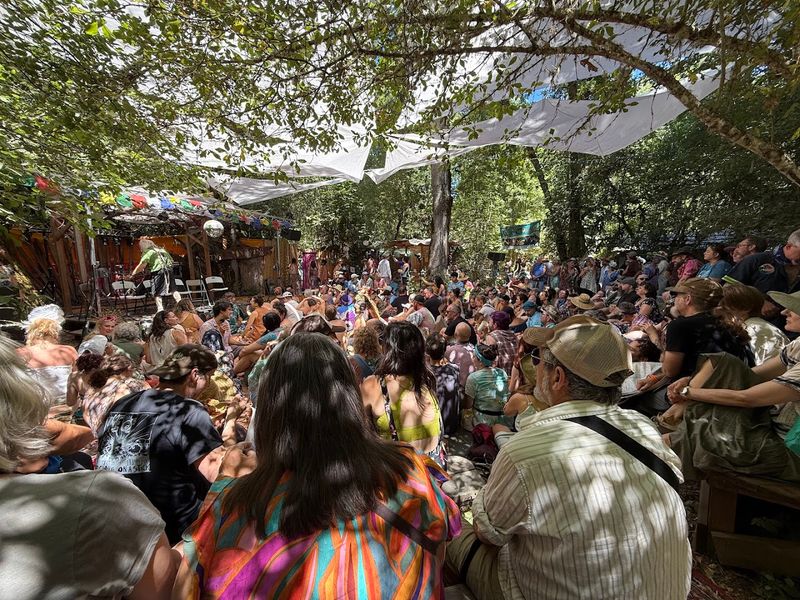
Most festivals happen in open fields or parking lots, and the environment feels utilitarian at best. The Oregon Country Fair is built into and around a living forest, and that distinction changes everything about the experience.
Winding paths move under a canopy of mature trees, dappled light falls across handcrafted booths, and the whole property feels like it grew organically rather than being assembled from temporary infrastructure.
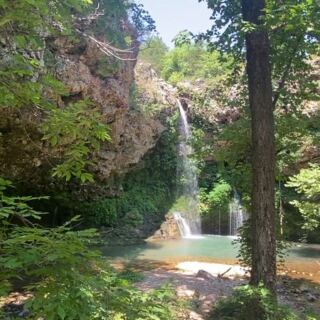
The trees here are extraordinary, tall and ancient in a way that makes the human activity below feel appropriately humble. The Long Tom River runs along the property, adding a natural soundtrack to the already rich sensory environment.
Treehouses appear in unexpected places, and tucked-away nooks with organza curtains and mismatched furniture create private little worlds within the larger public celebration.
The organization that runs the fair takes land stewardship seriously. The grounds are carefully maintained year-round, and the fair community has invested in protecting the ecological health of the property over decades.
That commitment shows in how alive and intact the forest feels even after thousands of people have walked through it. The setting is not just a backdrop for the fair.
It is a participant in it, and the fair simply would not be the same anywhere else.
Families, Kids, and the Next Generation of Fair-Goers
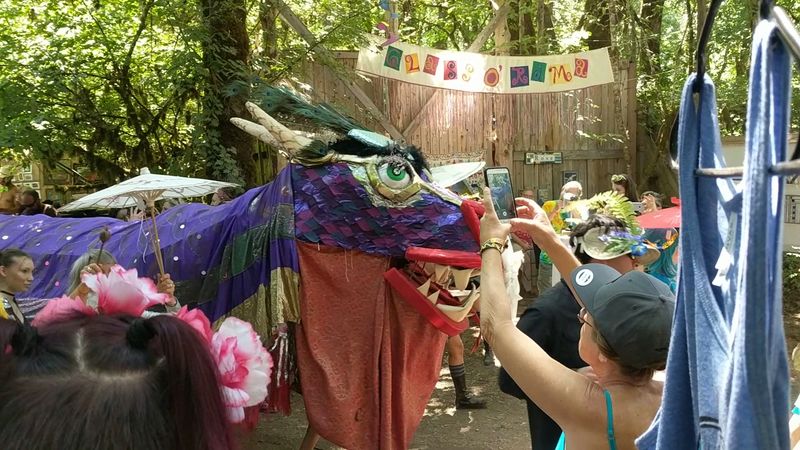
The Oregon Country Fair draws a remarkably wide age range, and families with young children are as much a part of the scene as the costumed veterans who have been attending since the 1970s. Children respond to the fair with an intensity that makes total sense once you see the place through their eyes.
There are performers doing things they have never seen before, food that smells incredible, art that glows and moves, and adults walking around dressed as forest creatures.
Safety is taken seriously throughout the grounds. The property is fully fenced, there are multiple first aid and medic stations, and a well-organized network of support staff handles everything from medical needs to lost children with calm efficiency.
Water misters are placed throughout to manage the summer heat, and the facilities team actively monitors the grounds to address any issues quickly.
Many families have been attending for decades, and the intergenerational nature of the fair community is one of its most touching qualities. Grandparents bring grandchildren to a place they first visited in their twenties, and the experience holds up completely across the years.
The fair offers something genuinely rare, a place where adults and children are equally delighted, equally welcomed, and equally free to just be themselves.
Tips Every First-Timer Needs Before Arriving at the Fair
A few practical details can make the difference between a great experience and an exhausting one at the Oregon Country Fair. Tickets must be purchased in advance because they are not available at the gate.
A single-day admission runs around $60, and the three-day option is popular with campers and dedicated attendees. Public transportation to the fairgrounds is free, which makes it an attractive alternative to the $15 parking fee and the long walk from the lot.
Cash is king inside the fair. While some vendors have adopted card readers, many still operate on cash only, and the on-site ATM outside the front gate draws a crowd.
Bringing enough cash from home eliminates one potential headache. A reusable water bottle is essential because refill stations are available throughout the grounds and staying hydrated in July heat is genuinely important.
Comfortable walking shoes are a must, and on dry days the dust kicked up by thousands of feet can be significant, so people with breathing sensitivities may want to come prepared. Wi-Fi on the grounds is slow at best, so download anything you need before arriving.
And finally, embrace the idea of getting a little lost because the winding paths and unexpected discoveries are exactly what makes the Oregon Country Fair worth every step.
Share this story