America has a rich and fascinating history that stretches back thousands of years, long before the country officially became a nation. From ancient Native American settlements to colonial-era buildings, the oldest tourist attractions in the USA tell stories that shaped an entire civilization.
These places give visitors a rare chance to walk through history and connect with the past in a very real way. Whether you love history, architecture, or simply exploring new places, these landmarks are worth knowing about.
1. Acoma Pueblo (New Mexico)
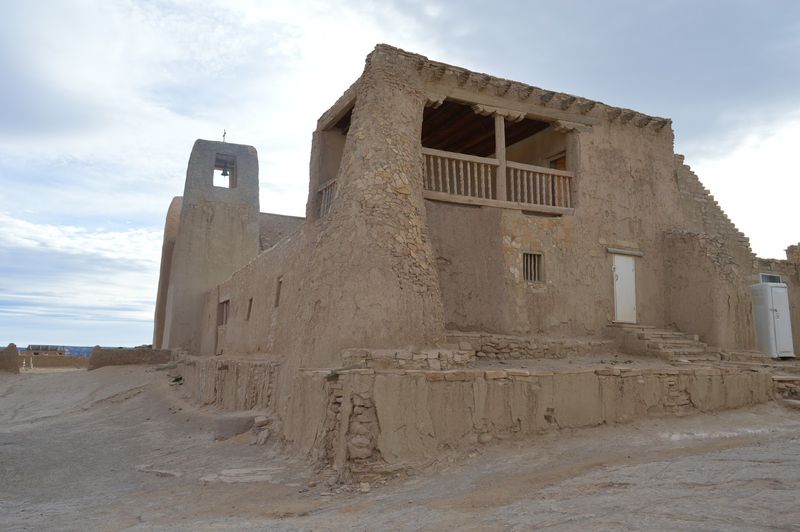
Perched nearly 400 feet above the desert floor, Acoma Pueblo is one of the most breathtaking places you can visit in the entire country. Often called Sky City, this ancient community in New Mexico has been continuously inhabited for over 800 years, making it one of the oldest occupied settlements in North America.
The Acoma people have called this mesa home since at least 1150 AD, and their presence here is a living testament to survival, culture, and tradition. Visitors can take guided tours of the village, where adobe homes and centuries-old pottery traditions are still very much alive today.
Photography is allowed in certain areas, but always follow the community’s guidelines out of respect. Seeing Sky City in person is a humbling experience that reminds you just how deep and enduring human history really is in this land.
2. St. Augustine Historic District (Florida)
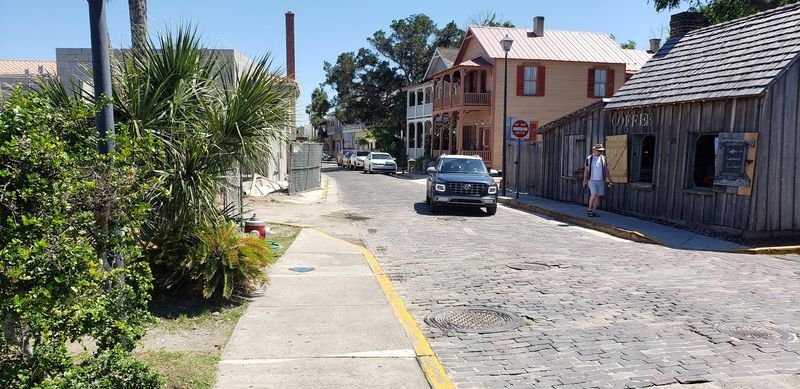
Founded in 1565 by Spanish explorer Pedro Menendez de Aviles, St. Augustine holds the title of the oldest continuously inhabited European-established city in the entire United States. That is nearly 60 years before the Pilgrims even landed at Plymouth Rock.
Walking through the St. Augustine Historic District feels like stepping back in time. The narrow streets, Spanish colonial buildings, and old stone walls tell the story of a city that has survived wars, fires, and centuries of change while still managing to hold on to its original character.
Visitors can explore Flagler College, the old city gate, and dozens of historic museums. Horse-drawn carriage tours are a popular way to take it all in.
If you are planning a trip to Florida and want more than beaches, St. Augustine belongs at the top of your list.
3. San Miguel Mission (Santa Fe, New Mexico)
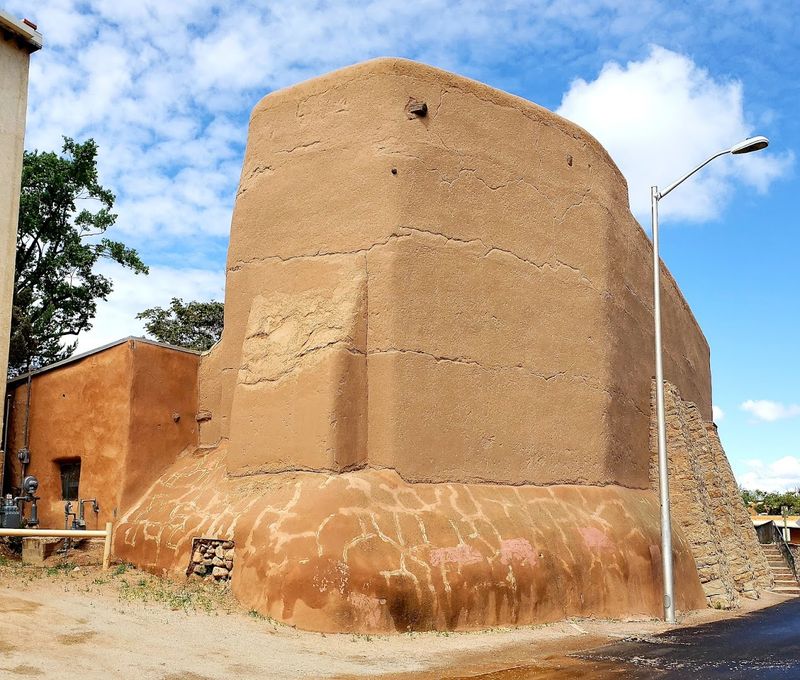
Built around 1610, the San Miguel Mission in Santa Fe, New Mexico, is widely recognized as the oldest church still standing in the United States. That makes it over 400 years old, which is pretty remarkable when you think about everything it has survived.
The church was originally constructed by the Tlaxcalan people, who were brought north from Mexico by Spanish colonizers. It was partially destroyed during the Pueblo Revolt of 1680 and later rebuilt, which means even the rebuilt version is ancient by American standards.
Inside, visitors can see original adobe walls, a hand-carved wooden altar screen, and a bell that dates back to 1356. The mission is still an active place of worship, which adds a meaningful layer to any visit.
Stepping inside feels genuinely quiet and historic in a way that few places can match.
4. Historic Jamestown (Virginia)
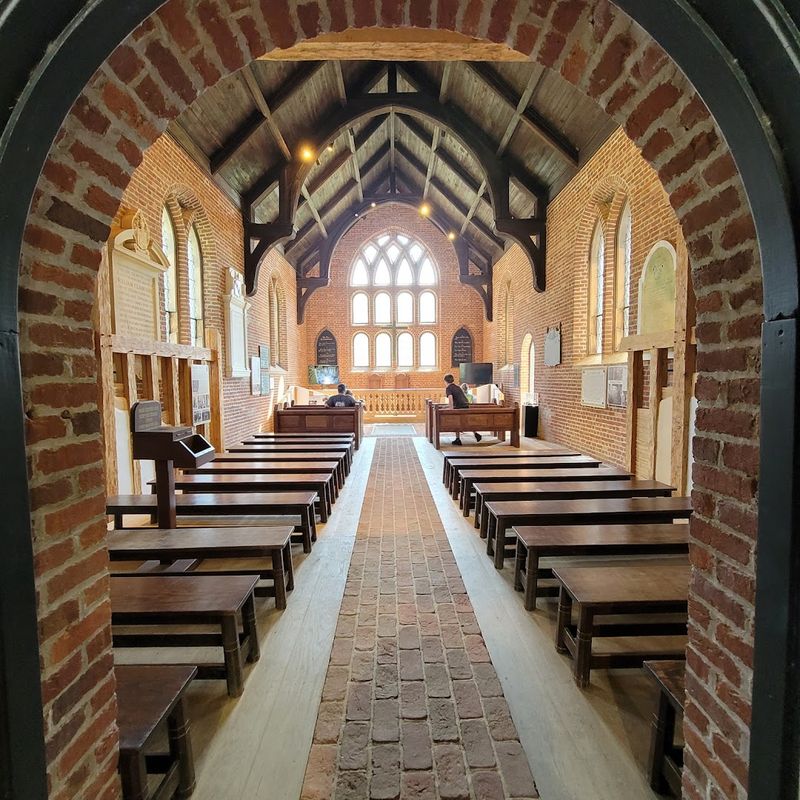
Established in 1607, Jamestown was the first permanent English settlement in what would eventually become the United States. Before Washington D.C., before the Constitution, before the Revolutionary War, there was Jamestown, a small and struggling colony on the banks of the James River in Virginia.
The story of Jamestown is not all triumph. The early settlers faced starvation, disease, and conflict with the Powhatan Confederacy.
Yet somehow, the colony survived and laid the groundwork for what would grow into a new nation.
Today, visitors can explore the original archaeological site, see reconstructed fort buildings, and meet costumed interpreters who bring colonial life to life. The Jamestown Settlement museum nearby offers exhibits on both English and Powhatan perspectives.
It is a rare place where you can genuinely feel the weight of American history beneath your feet.
5. Castillo de San Marcos (Florida)
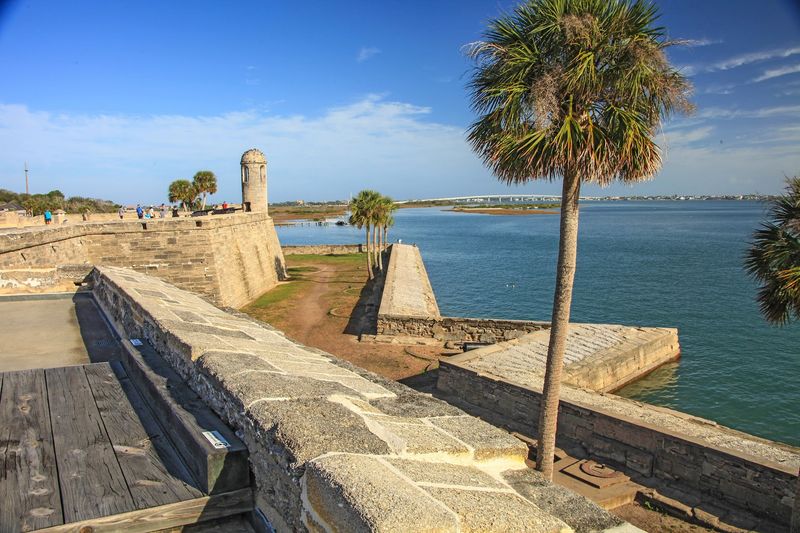
Construction on the Castillo de San Marcos began in 1672, making it the oldest masonry fort in the continental United States. Built by the Spanish out of a local shell-stone material called coquina, the fort was designed to protect St. Augustine from rival European powers and pirate attacks.
What makes this fort remarkable is how the coquina walls actually absorbed cannon fire instead of shattering, making them nearly impossible to destroy. That clever quirk of geology helped the fort survive multiple sieges over the centuries without ever falling to an enemy attack.
Today, the Castillo is a National Monument managed by the National Park Service. Visitors can walk along the upper walls, explore the interior rooms, and watch cannon demonstrations on weekends.
The fort offers a dramatic and hands-on look at military history that kids and adults both tend to enjoy.
6. Paul Revere House (Boston, Massachusetts)
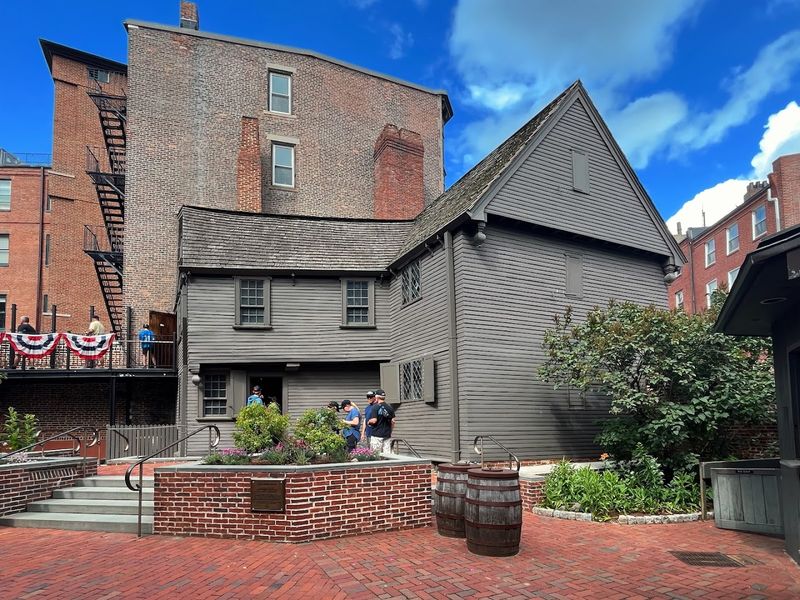
Built around 1680, the Paul Revere House is the oldest remaining structure in downtown Boston, and it gives visitors a remarkable window into colonial American life. Most people know Paul Revere from his famous midnight ride in 1775, when he rode through the Massachusetts countryside warning colonists that British troops were on the move.
Revere actually lived in this house during that historic night, which makes it feel more connected to the story than a typical museum exhibit would. The home has been carefully preserved and restored to reflect what it would have looked like during the time Revere and his family lived there.
Touring the house, you get a real sense of how small and modest colonial homes actually were. There are period furnishings, silversmith tools, and informational displays throughout.
It is a compact but genuinely meaningful stop on the Freedom Trail.
7. French Quarter (New Orleans, Louisiana)
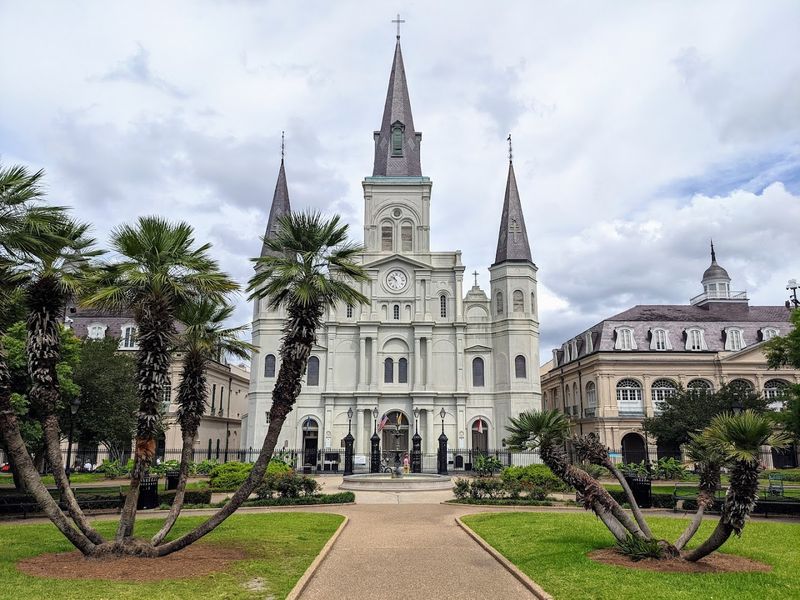
Founded in 1718, the French Quarter is the oldest neighborhood in New Orleans and arguably one of the most culturally rich urban districts in the entire country. Known locally as the Vieux Carre, which means Old Square in French, this area has been the beating heart of New Orleans since the city was first established by French colonists.
The architecture here is stunning. Ornate wrought iron balconies, pastel-colored buildings, and narrow streets create an atmosphere unlike anything else in America.
The blend of French, Spanish, African, and Creole influences gives the neighborhood its one-of-a-kind personality.
Jackson Square, Bourbon Street, and the St. Louis Cathedral are just a few of the landmarks packed into this historic district. Street musicians, local restaurants, and art galleries line every block.
The French Quarter is the kind of place that feels alive at every hour of the day.
8. Old North Church (Boston, Massachusetts)
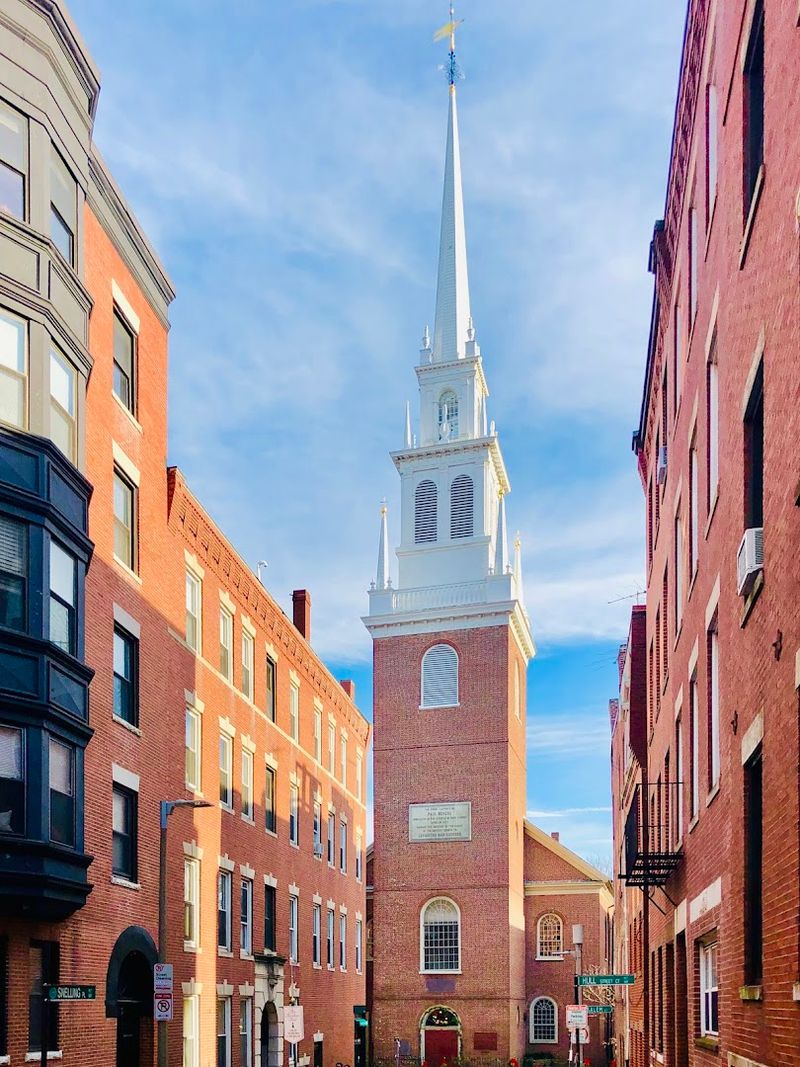
When two lanterns were hung in the steeple of Old North Church on the night of April 18, 1775, it set off a chain of events that changed American history forever. That signal told Paul Revere and other riders that British troops were moving by sea, launching the famous midnight ride that warned colonial militias in Lexington and Concord.
Built in 1723, Old North Church is the oldest standing church building in Boston. Its tall white steeple is still one of the most recognizable landmarks in the city.
The interior has changed little over the centuries, with box pews and brass chandeliers that date back to the colonial era.
Visitors can tour the church and its crypt, which holds the remains of over 1,000 people from the colonial period. It is a compact and deeply historic site that carries enormous weight in American Revolutionary history.
9. Faneuil Hall (Boston, Massachusetts)
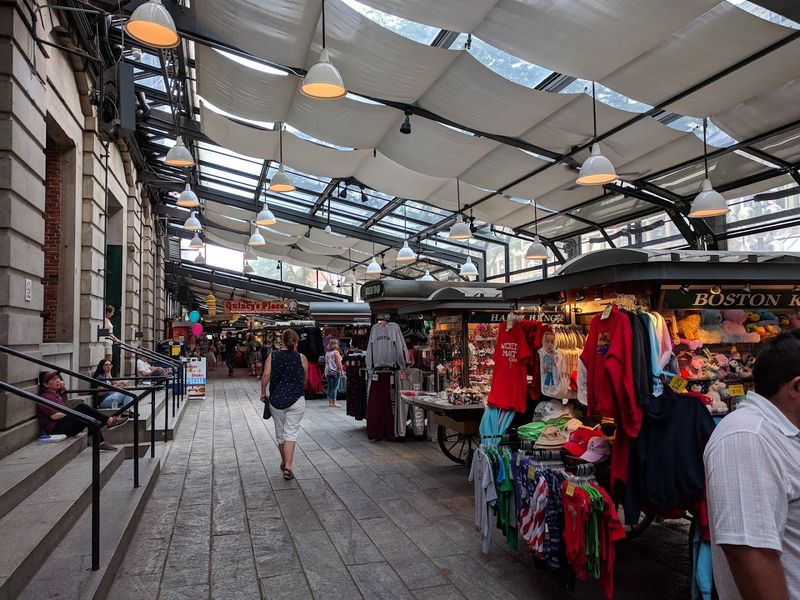
Faneuil Hall opened its doors in 1742 and quickly became one of the most important gathering places in colonial America. Built by Boston merchant Peter Faneuil and donated to the city, the building served as both a marketplace and a public meeting hall where citizens could debate the issues of the day.
It earned the nickname Cradle of Liberty because it hosted so many passionate speeches calling for independence from Britain. Samuel Adams and other founding fathers spoke here, stirring up revolutionary sentiment that would eventually lead to the creation of a new nation.
Today, Faneuil Hall is part of a larger marketplace complex that includes shops, restaurants, and street performers. The Great Hall on the upper floor is still used for public events and is free to visit.
It is one of those rare places that manages to be both a living landmark and a genuinely fun destination.
10. Independence Hall (Philadelphia, Pennsylvania)
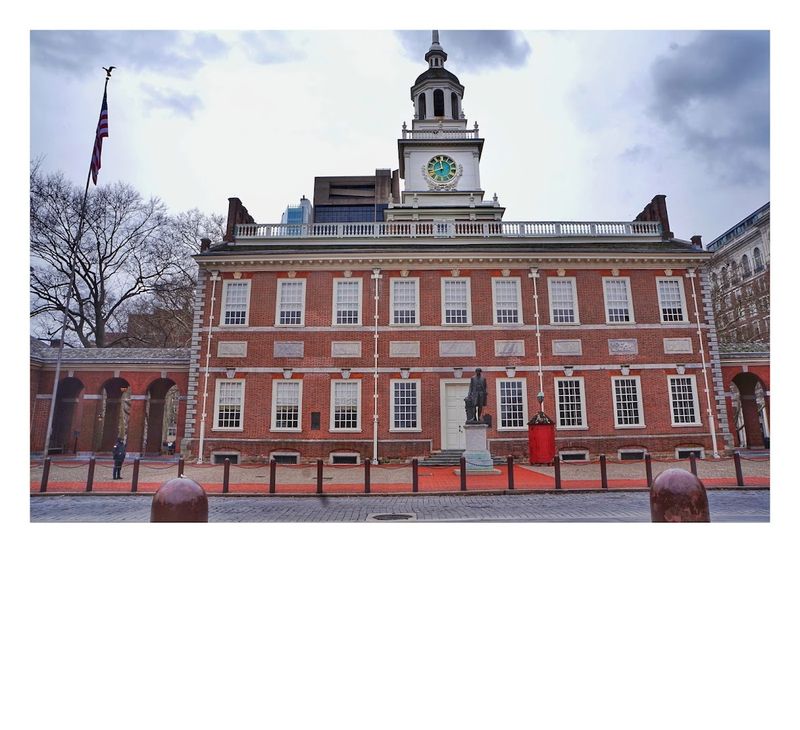
Few buildings in American history carry as much significance as Independence Hall in Philadelphia. Completed in 1753, this Georgian-style brick building is where both the Declaration of Independence and the United States Constitution were debated and signed, making it the literal birthplace of American democracy.
Walking through the Assembly Room, where delegates gathered in 1776 to declare independence from Britain, is a genuinely moving experience. The room has been carefully restored to reflect its 18th-century appearance, complete with period furniture and the original inkstand used to sign the Constitution.
Independence Hall is a UNESCO World Heritage Site and one of the most visited historic landmarks in the country. Timed tickets are required during peak season, so planning ahead is a smart move.
The surrounding Independence National Historical Park also includes the Liberty Bell Center, making it easy to visit multiple historic sites in one trip.
11. Fort Ticonderoga (New York)
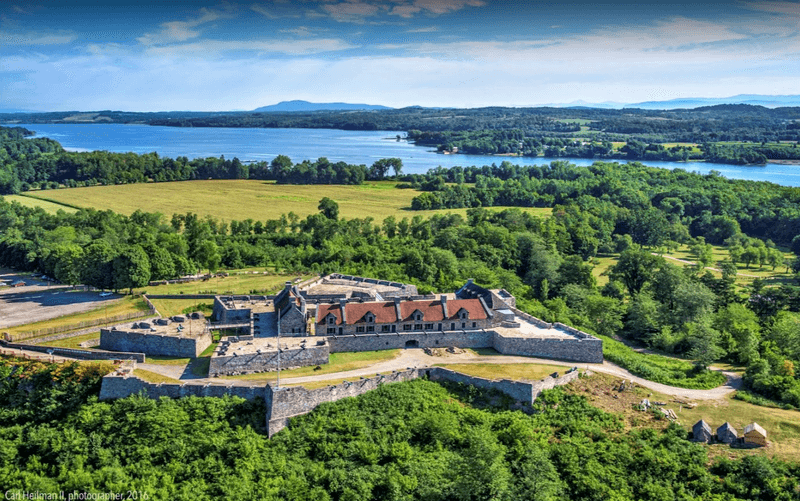
Sitting at the strategic junction of Lake Champlain and Lake George in upstate New York, Fort Ticonderoga was built by the French in 1755 and has one of the most action-packed histories of any military site in America. It changed hands multiple times between the French, British, and American forces over the course of several decades.
The fort is perhaps best known for Ethan Allen and the Green Mountain Boys, who captured it from the British in a surprise raid in May 1775. That victory gave the Continental Army its first major offensive success and provided desperately needed cannons that were later used to force the British out of Boston.
Today, Fort Ticonderoga is a fully restored museum that offers cannon firings, musket demonstrations, and living history programs. The views of the surrounding lake and mountains alone make the trip worthwhile for any visitor.
12. Mission San Juan Capistrano (California)
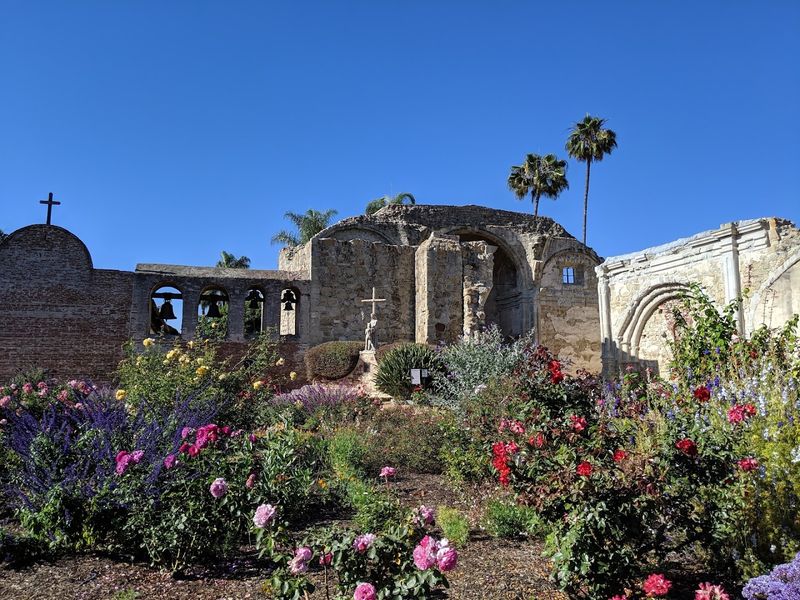
Founded on November 1, 1776, just months after the signing of the Declaration of Independence on the other side of the continent, Mission San Juan Capistrano is one of California’s most beloved and visited historic sites. It was established by Franciscan friar Junipero Serra as part of a chain of 21 Spanish missions stretching along the California coast.
The mission is famous for the annual return of the cliff swallows, which traditionally arrive each spring around St. Joseph’s Day on March 19. This natural event became so well known that it inspired a popular song and has drawn visitors to the mission for generations.
The grounds include the ruins of the Great Stone Church, which was destroyed by an earthquake in 1812, as well as a beautifully maintained garden and a small museum. It is a peaceful and historically rich place that rewards slow, thoughtful exploration.
13. Colonial Williamsburg (Virginia)
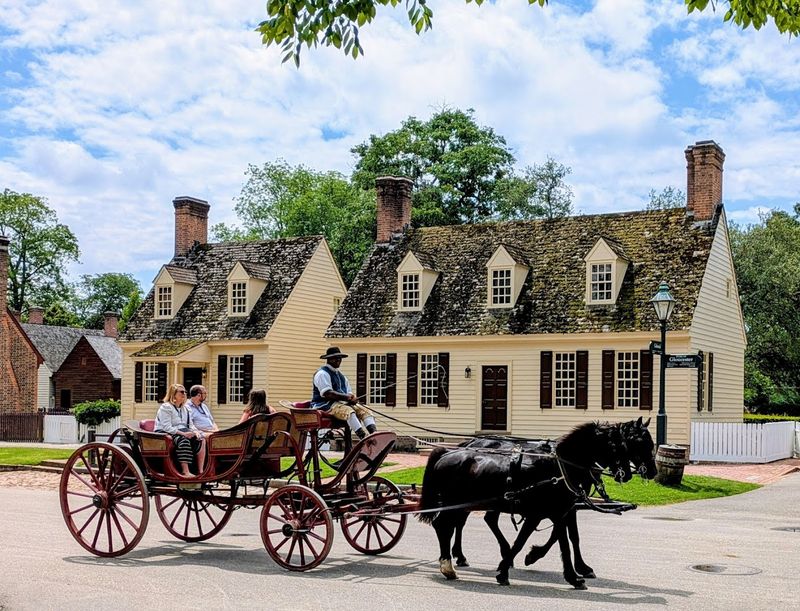
Colonial Williamsburg in Virginia is not just a museum. It is an entire living, breathing town frozen in the 18th century.
Stretching across 301 acres, it is one of the largest and most ambitious living history museums in the world, offering visitors an immersive experience of what everyday life looked like in colonial America.
From 1699 to 1780, Williamsburg served as the capital of colonial Virginia, and it was a hotbed of political activity leading up to the American Revolution. Figures like Thomas Jefferson, George Washington, and Patrick Henry all walked these streets and debated the future of a nation here.
Today, costumed interpreters portray tradespeople, government officials, and ordinary citizens going about their daily routines. Visitors can try colonial crafts, attend theatrical performances, and explore restored and reconstructed buildings throughout the historic area.
It is an experience that appeals to visitors of almost every age group.
14. Mesa Verde Cliff Dwellings (Colorado)
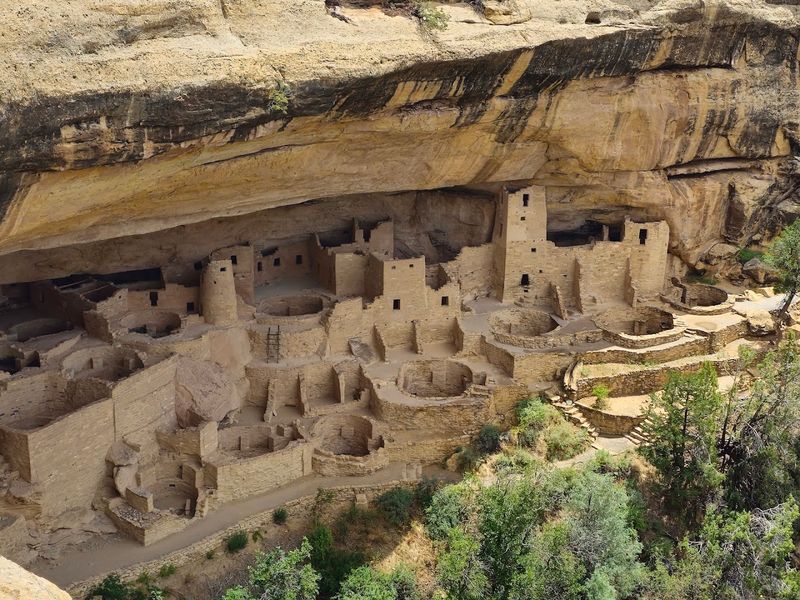
Long before Europeans ever set foot in North America, the Ancestral Puebloan people were constructing remarkably sophisticated homes inside the sandstone cliffs of what is now southwestern Colorado. The Mesa Verde cliff dwellings, built between roughly 600 and 1300 AD, are among the most impressive and well-preserved prehistoric sites anywhere in the United States.
Cliff Palace is the largest of the dwellings and contains over 150 rooms and 23 kivas, which were circular ceremonial chambers used for religious gatherings. The skill and engineering required to build these structures without modern tools is genuinely astonishing to think about.
Mesa Verde became a UNESCO World Heritage Site in 1978, recognizing its outstanding cultural value to humanity. Ranger-led tours take visitors right into the cliff dwellings, allowing for a close-up look at the architecture and artifacts.
It is one of the most unique and unforgettable national parks in the country.
15. Plymouth Rock (Massachusetts)
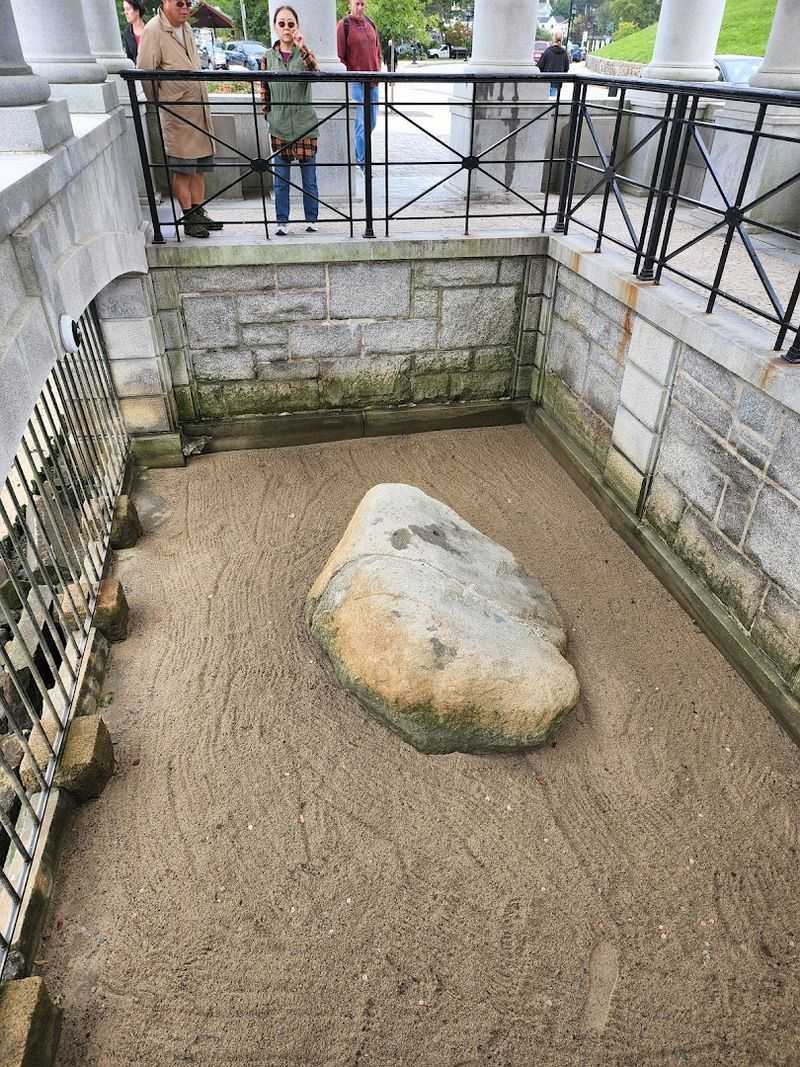
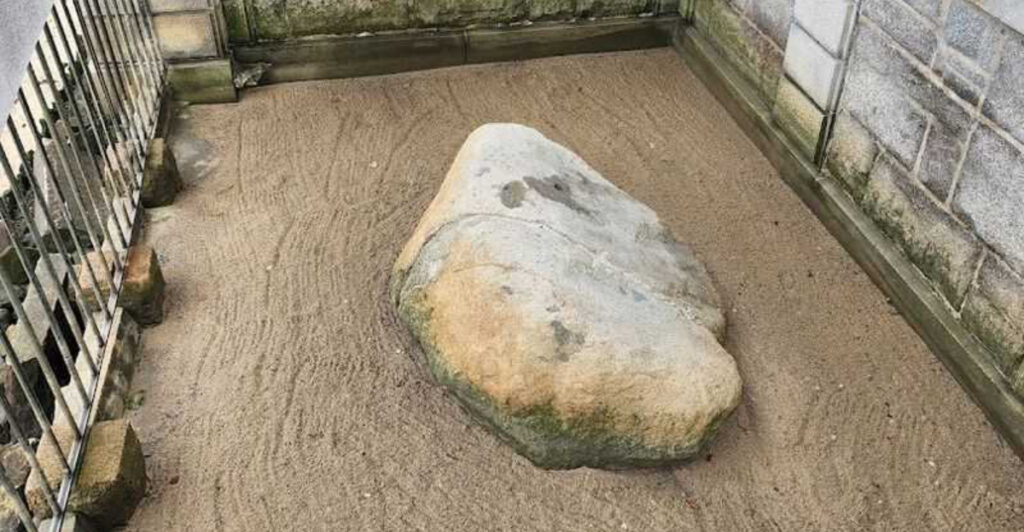
Plymouth Rock may be smaller than most people expect, but its symbolic importance to American history is enormous. Tradition holds that this boulder on the shore of Plymouth Harbor in Massachusetts marks the spot where the Pilgrims stepped ashore in December 1620 after their long and difficult voyage on the Mayflower from England.
Historians debate whether the rock truly marks the exact landing spot, since the story of its significance did not appear in writing until more than a century after the Pilgrims arrived. But even as a symbol, Plymouth Rock captures something important about the founding story of America and the courage of those early settlers.
The rock is displayed beneath a Greek Revival portico and is free to view year-round. The nearby Mayflower II, a full-scale replica of the original ship, is docked just steps away and offers tours.
Together, they create a meaningful and accessible slice of early American history.
Share this story