Spain’s identity is built around its regional food, with each area known for dishes that reflect its history and local ingredients. From Castilla y León to Asturias, recipes are treated as tradition, not trends.
What makes this list worth exploring is where to find the most authentic experiences. These regions focus on quality and heritage over tourism.
Here is where to go if food is your priority.
1. Asturias
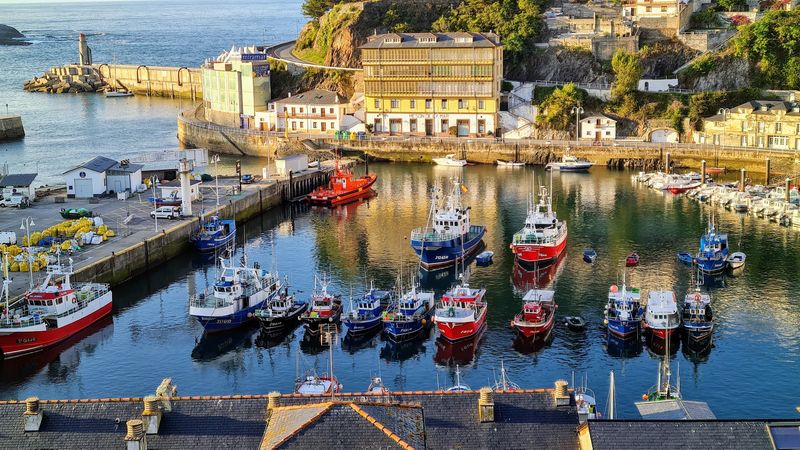
Asturias is the kind of place where a bowl of beans can become the main event of an entire trip. The region’s signature dish, fabada asturiana, is a slow-cooked stew of large white beans, chorizo, morcilla, and cured pork, and locals treat it with genuine reverence.
Beyond fabada, Asturias holds a record that surprises most visitors: the region produces over 42 officially recognized varieties of artisan cheese. That is more than many entire countries can claim.
Oven-roasted suckling lamb is another staple that shows up on menus across mountain villages. The culinary tradition here is deeply tied to the landscape, with highland cattle farming and coastal fishing both shaping what ends up on the plate.
Asturias does not chase food trends. It has never needed to.
The cooking is honest, filling, and rooted in centuries of practical mountain and coastal life, which makes every meal feel like it was made with a specific purpose in mind.
2. Galicia
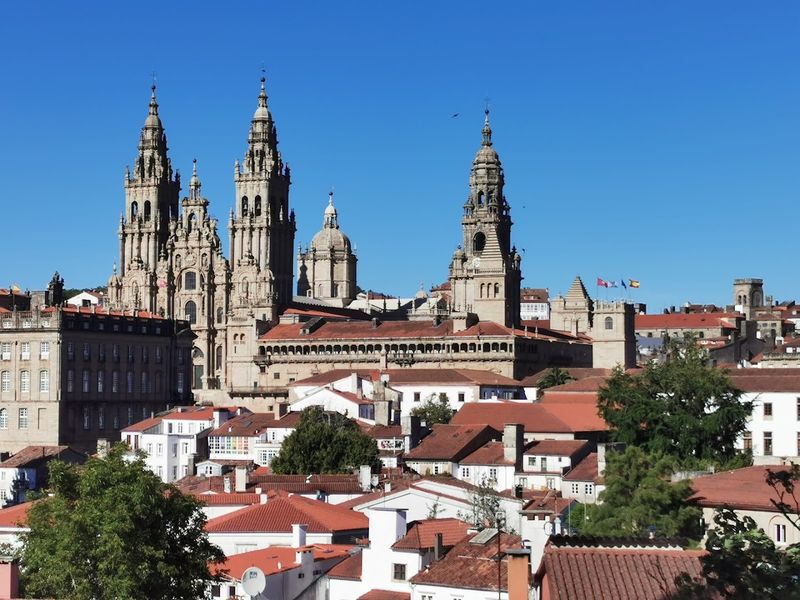
Nobody in Galicia apologizes for how much they love octopus. Pulpo a la gallega, boiled octopus sliced onto a wooden board and dressed with paprika and olive oil, is the region’s most iconic dish and a point of fierce regional pride.
Galicia sits in the far northwest corner of Spain, where the Atlantic coast delivers an extraordinary daily catch. Fresh mussels, scallops, percebes (barnacles), and razor clams are all treated as serious business, not novelty items for tourists.
The region also produces Albariño, a crisp white grape variety that pairs naturally with seafood and has built a loyal following far beyond Spain’s borders. But in Galicia, it is simply what you drink with dinner.
Galician markets, particularly the Mercado de Abastos in Santiago de Compostela, are worth visiting just to understand the scale of the local fishing and farming economy. The food here is not dressed up.
It does not need to be.
3. Basque Country
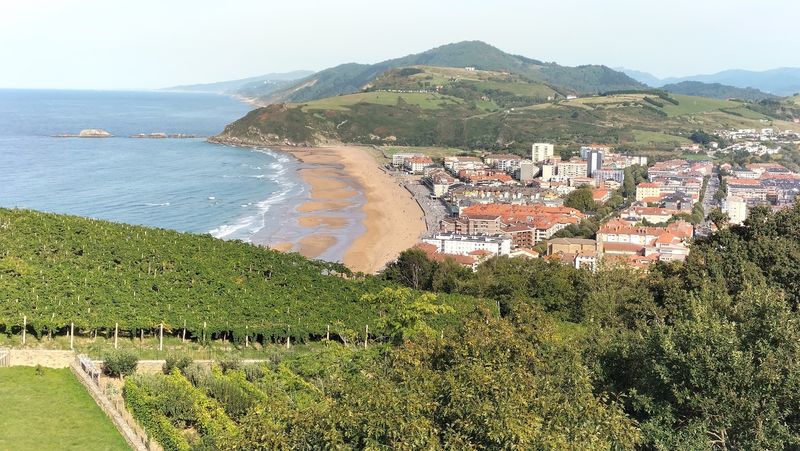
The Basque Country holds more Michelin stars per capita than almost anywhere else on the planet, and locals will make sure you know it within the first five minutes of conversation. But the real daily food culture happens at the pintxos bar, not the fine dining table.
Pintxos are small bites served on slices of bread, typically held together with a toothpick and lined up along bar counters. Ordering them is a social ritual, not a quick snack grab.
You move from bar to bar, choosing carefully, and the quality varies enough to make each stop feel like a decision worth taking seriously.
San Sebastian consistently ranks among the world’s top food cities, and Vitoria-Gasteiz, the regional capital, was named Spain’s Gastronomic Capital in 2014. Both cities have built their identities around food in a way that goes far beyond marketing.
Idiazabal cheese, wild mushrooms, and river trout are local staples that chefs use as starting points rather than finishing touches.
4. La Rioja
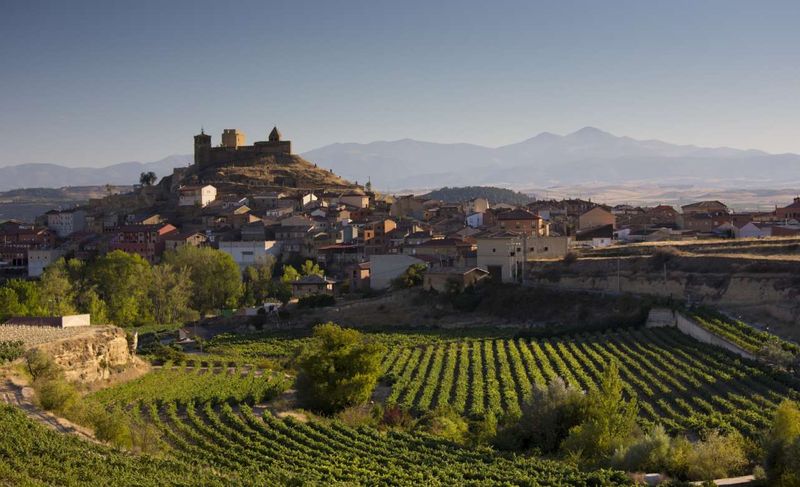
Most people know La Rioja for its red wine, but the food tells an equally compelling story. The region earned the title of Spain’s first-ever Gastronomic Capital back in 2012, which means it was setting the standard before the competition even existed.
The cooking in La Rioja is built around locally grown vegetables and straightforward preparation. Potatoes, cauliflower, white asparagus, and wild mushrooms all appear regularly, often prepared a la riojana style: stewed with peppers, garlic, tomatoes, and onions in a method that has not changed much in generations.
The signature meat experience involves lamb chops grilled over vine cuttings rather than charcoal. The fuel source matters here, and it produces a distinct result that cooks in this region take seriously.
Pork products including morcilla, chorizo, and cured jamón round out a menu that prioritizes earthy, filling flavors over elaborate presentation. La Rioja does not try to impress.
It simply delivers, consistently, every time.
5. Extremadura
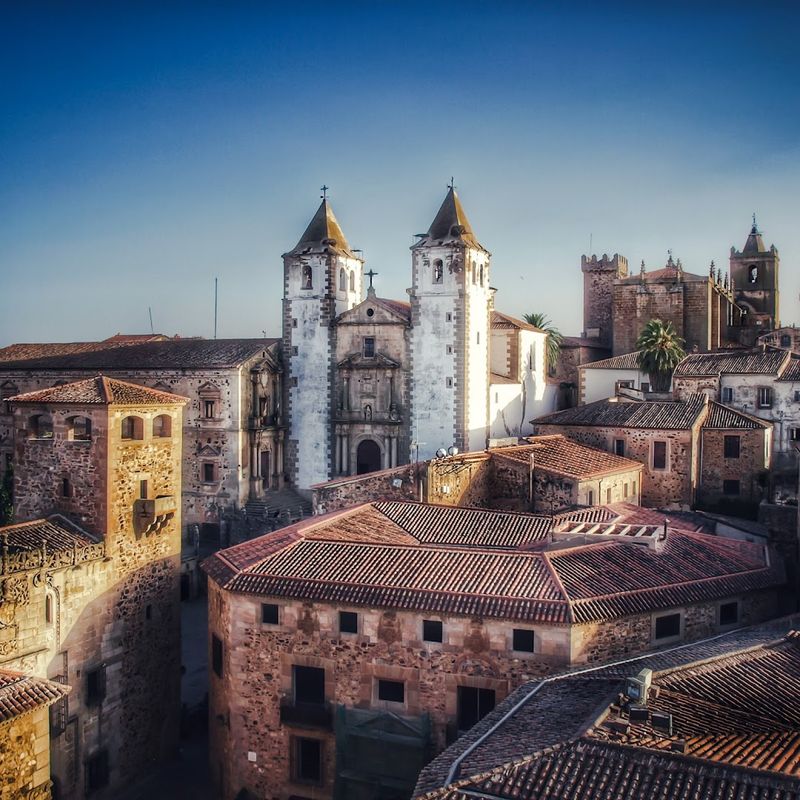
Extremadura is where Spain’s most prized ham comes from, and the region wears that fact like a badge of honor. Jamón ibérico de bellota, made from black-footed pigs that roam freely through oak forests eating acorns, is produced here at a level of quality that has no real competition.
The regional capital, Cáceres, was named Spain’s Gastronomic Capital in 2015, drawing attention to a food culture that had been quietly excellent for centuries. Beyond the ham, Torta del Casar, a soft, pungent artisan cheese with protected designation status, is another product that serious food travelers seek out specifically.
La Vera paprika, made from peppers smoke-dried in the region’s northern valleys, is an ingredient used across Spanish cooking but produced almost entirely here. Extremadura also produces excellent honey and is known for its Jerte cherries, which appear briefly each spring.
The cooking style is unfussy and tradition-driven. Grilled meats, hearty stews, and quality cured products are the foundation, and nothing is added just for show.
6. Castilla y León
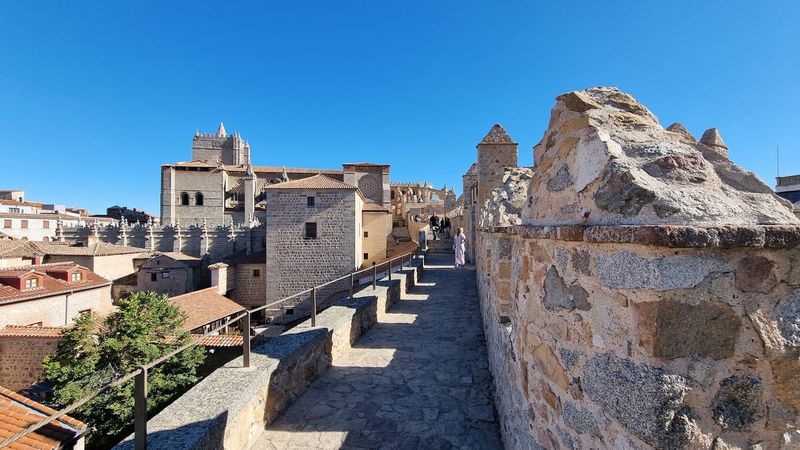
Castilla y León takes roasted meat so seriously that the method of carving a suckling pig has become a local performance. In Segovia, it is traditional to cut the cochinillo with the edge of a plate to prove how tender the skin is, then smash the plate on the floor for good measure.
The region was home to Burgos, Spain’s second Gastronomic Capital in 2013, recognized for its roast lamb and innovative approaches to local produce. Cordero lechal asado, slow-roasted milk-fed lamb, is the dish that defines the area’s culinary identity more than any other.
Castilla y León is also one of Spain’s largest wine-producing regions, with Ribera del Duero and Rueda both holding strong reputations among serious wine drinkers. The food and drink here are designed to complement each other in a very deliberate way.
The landscape is vast and dry, and the cooking reflects that environment. Portions are generous, flavors are robust, and nobody leaves the table wondering if they had enough.
7. Navarra
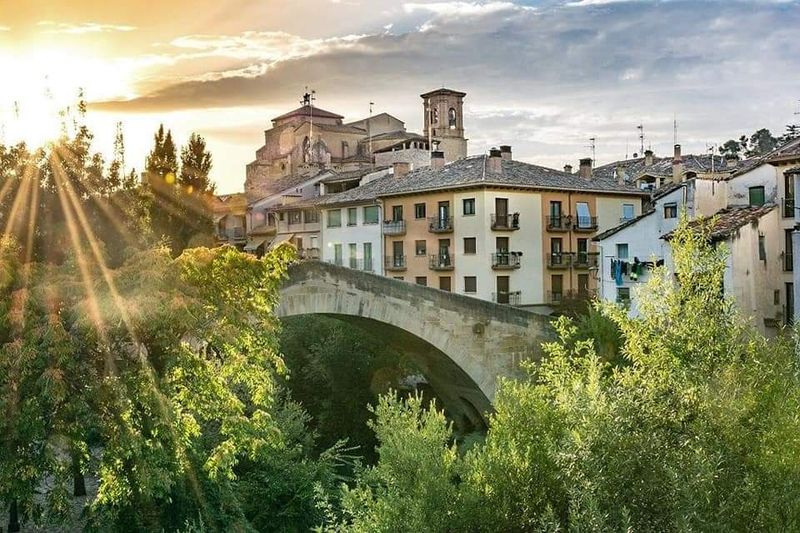
Navarra has built its culinary reputation on vegetables, which is not something most Spanish regions can say with a straight face. White asparagus grown in the Ebro Valley is among the most celebrated in all of Europe, harvested in spring and treated with the same care other regions reserve for aged cheese or cured meat.
Artichokes from Tudela, piquillo peppers from Lodosa, and beans from Tolosa all carry protected geographical status, meaning their quality and origin are officially recognized and regulated. That level of institutional commitment to produce is rare anywhere in the world.
Navarra sits at a crossroads between the Basque Country, Aragon, and France, and the cooking reflects that geography with a menu that draws from multiple traditions without losing its own identity. Game meats also appear frequently, particularly during hunting season.
The region does not rely on one flagship dish to make its case. Instead, it offers a rotating calendar of seasonal ingredients that keeps the food interesting year-round and rewards visitors who return more than once.
8. Andalusia (Inland)
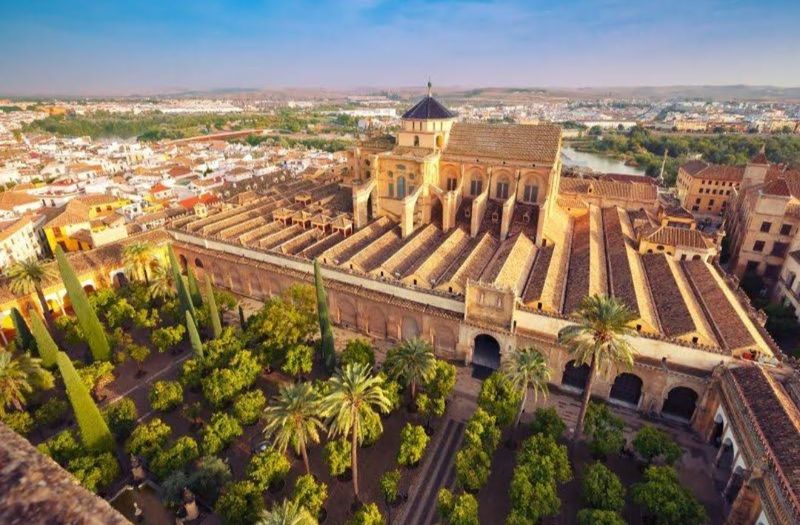
Most people associate Andalusia with beaches and tourist bars, but travel even a short distance inland and the food conversation changes completely. The region’s Moorish culinary history runs deep, and it shows up in dishes that use almonds, saffron, cumin, and dried fruits in ways that are not common elsewhere in Spain.
Gazpacho, the cold tomato-based soup, gets all the international attention, but salmorejo from Córdoba is the dish that locals argue is superior. It is thicker, richer, made with bread and olive oil, and topped with hard-boiled egg and cured ham.
The debate between the two never really ends.
Huelva was named Spain’s Gastronomic Capital in 2017, celebrated for its white shrimp, fresh tuna, wild mushrooms, and jamón from the Sierra de Aracena. Toledo held the title in 2016, known for stewed partridge, saffron with DO protection, and cochifrito, a lamb dish stewed and then fried.
Inland Andalusia rewards curiosity. The further you get from the coast, the more the food reflects genuine local tradition rather than visitor expectations.
9. Murcia
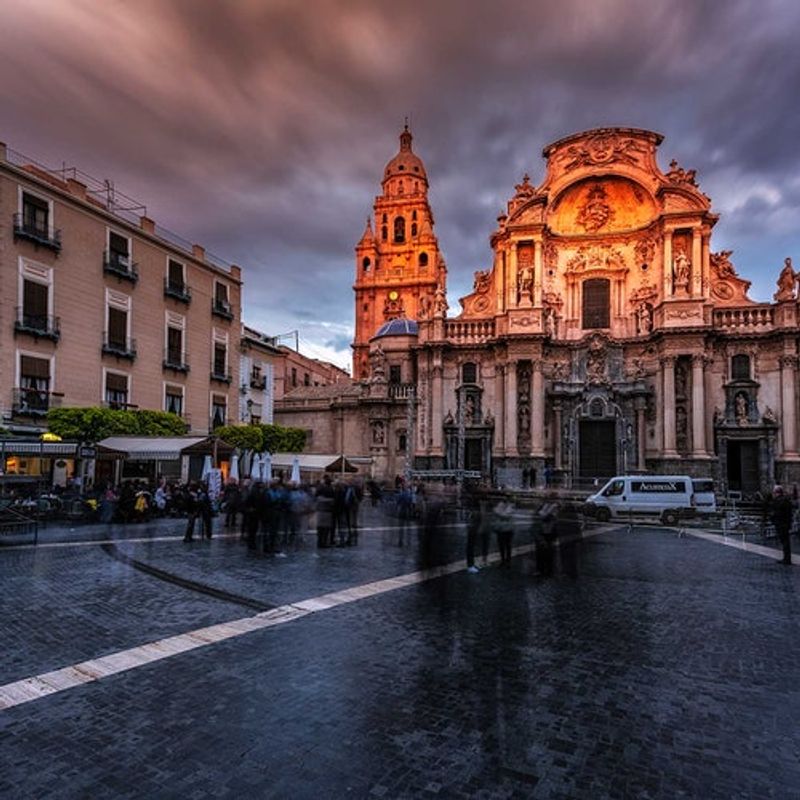
Murcia earned the title of Spain’s Gastronomic Capital for 2020 and 2021, a recognition that surprised people who had overlooked this southeastern region for years. The label Spain’s vegetable garden is not a marketing slogan here.
It is a geographic fact backed by centuries of Moorish irrigation engineering.
The huerta, a vast network of cultivated fields dating back to the Moorish period, produces an enormous variety of fresh produce that drives the local menu. Ñora peppers, a small round dried variety, form the base of the region’s paprika and appear in rice dishes that rival anything served in Valencia.
Bomba rice cooked with fresh seafood or vegetables is a Murcian specialty that deserves more attention than it currently gets. Pastel de carne, a meat-filled pastry, and paparajotes, battered fried lemon leaves dusted with sugar, are local dishes that do not exist in quite the same form anywhere else in Spain.
Murcia’s food identity is built on fresh ingredients, direct preparation, and a deep respect for what the land produces each season.
10. Aragon
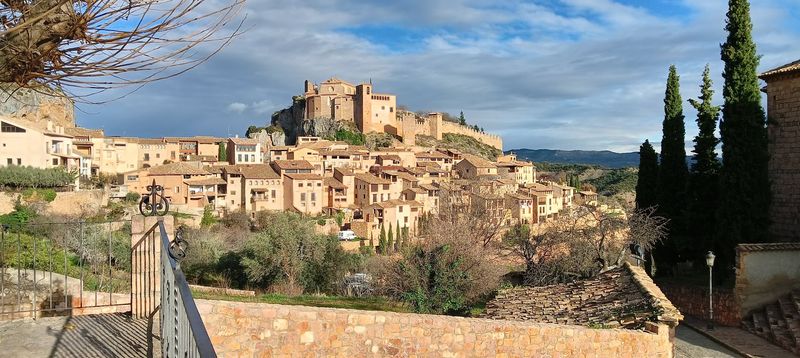
Aragon sits quietly between Catalonia, the Basque Country, and Navarra, and somehow manages to be underrated despite sharing borders with three of Spain’s most food-famous regions. That geographic position has shaped a cuisine that borrows selectively from its neighbors while maintaining a strong identity of its own.
Migas, a dish made from stale bread crumbs cooked with garlic, chorizo, and peppers, is one of Aragon’s most honest contributions to Spanish cooking. It started as a shepherd’s meal and became a regional staple, which is exactly the kind of culinary origin story that tends to produce the best food.
Mountain stews featuring lamb, wild boar, and game birds are common across the Pyrenean foothills, where the cold climate calls for slow-cooked, filling meals. Slow-cooked meats braised with local vegetables appear on menus throughout the region’s interior villages.
Aragon also produces excellent olive oil and has a strong tradition of artisan cheesemaking. Visitors who make the effort to explore beyond the obvious tourist trail in Zaragoza tend to leave with a much higher opinion of what this region offers.
11. Cantabria
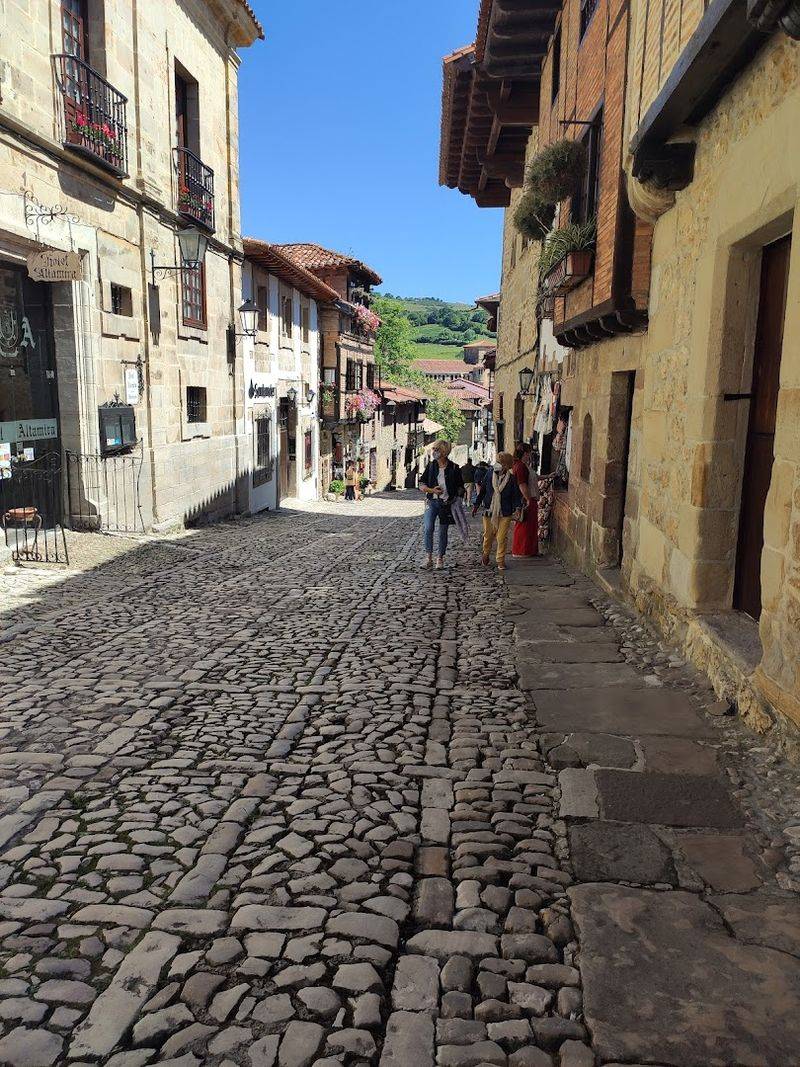
Cantabria punches well above its weight when it comes to food, especially considering how small and often overlooked the region is. Anchovies from Santoña are considered among the finest in the world, hand-filleted, salt-cured, and packed in oil with a level of care that makes the canned version from other regions look like an afterthought.
The region also has a strong dairy tradition, producing rich butter, cream, and cheeses that show up across the local menu. Quesada pasiega, a baked cheese dessert from the Pas Valley, is a regional specialty that has developed a following well beyond Cantabria’s borders.
Fresh seafood dominates coastal menus, with hake, bonito, and sea bass all treated as everyday ingredients rather than special occasion items. The combination of mountain dairy farming and coastal fishing gives Cantabrian cooking an unusual range for such a compact region.
Sobao pasiego, a buttery sponge cake made in the Pas Valley, rounds out a dessert tradition that is more developed here than in many larger Spanish regions. The food in Cantabria is quietly confident and consistently good.
12. Castilla-La Mancha
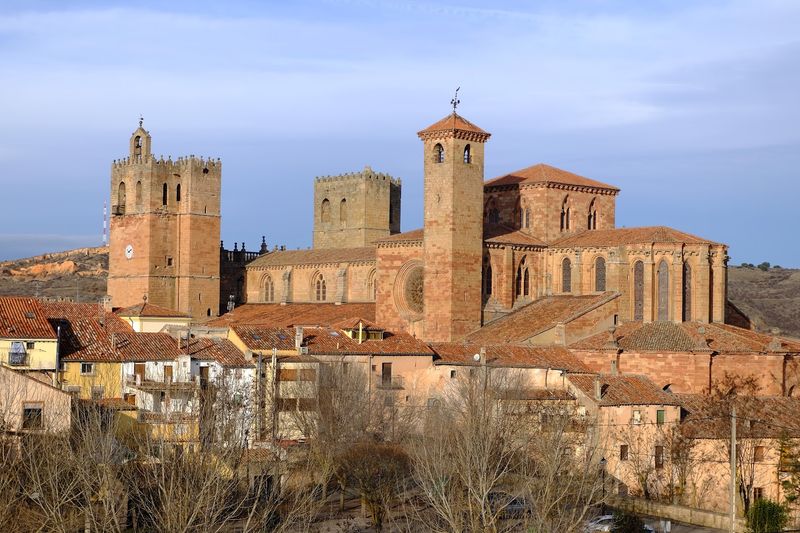
Castilla-La Mancha is Don Quixote country, and the food here is just as straightforward and no-nonsense as the landscape. Toledo was named Spain’s Gastronomic Capital in 2016, putting the region’s culinary tradition on the national map in a way that residents felt was long overdue.
Manchego cheese, made from the milk of Manchega sheep and aged in distinctive zigzag-patterned rinds, is the region’s most exported product and one of Spain’s most recognized cheeses internationally. But locals pair it with dishes that rarely make it outside the region, including stewed partridge, cochifrito lamb, and arroz a la toledana, a rice dish cooked with pork.
La Mancha saffron carries its own protected designation of origin status and is considered among the highest quality in the world. The threads are harvested by hand each autumn in a process that has not changed significantly in hundreds of years.
Game meats including rabbit, partridge, and wild boar appear across menus throughout the region, particularly in autumn and winter. The cooking is built for cold weather and long meals, and it delivers on both counts.
Share this story