Florida has no shortage of reasons to visit, but one spot on Sanibel Island quietly holds a collection that rivals anything you’d find in a major natural history museum. This place is packed with thousands of shells from around the world, live marine animals you can actually touch, and exhibits that make the ocean feel personal.
I had no idea a shell museum could be this absorbing, but two hours flew by before I even noticed. Whether you’re traveling with kids or flying solo, this museum earns every minute of your time, and then some.
Where It All Begins: Address and Setting
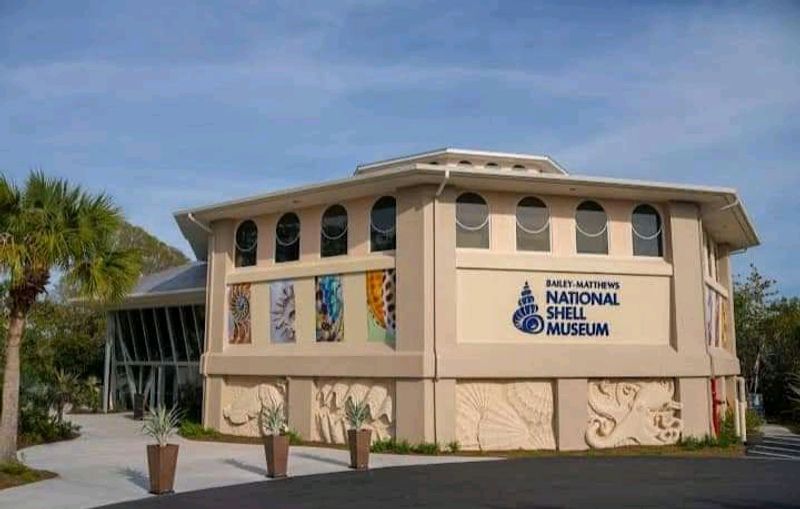
Tucked along a lush stretch of road on Sanibel Island, the Bailey-Matthews National Shell Museum and Aquarium sits at 3075 Sanibel Captiva Rd, Sanibel, FL 33957. The building is modest from the outside, but that understated exterior is part of its charm.
The museum is open every day from 10 AM to 5 PM, which makes planning a visit refreshingly simple.
Sanibel Island itself is famous for shelling, so a museum dedicated entirely to shells feels like a natural centerpiece of the community. The surrounding tropical landscaping sets a relaxed tone before you even walk through the front door.
Admission is $25 for adults, with discounts available for children, teachers, students, and first responders.
The Great Hall of Shells: A Room That Stops You Cold
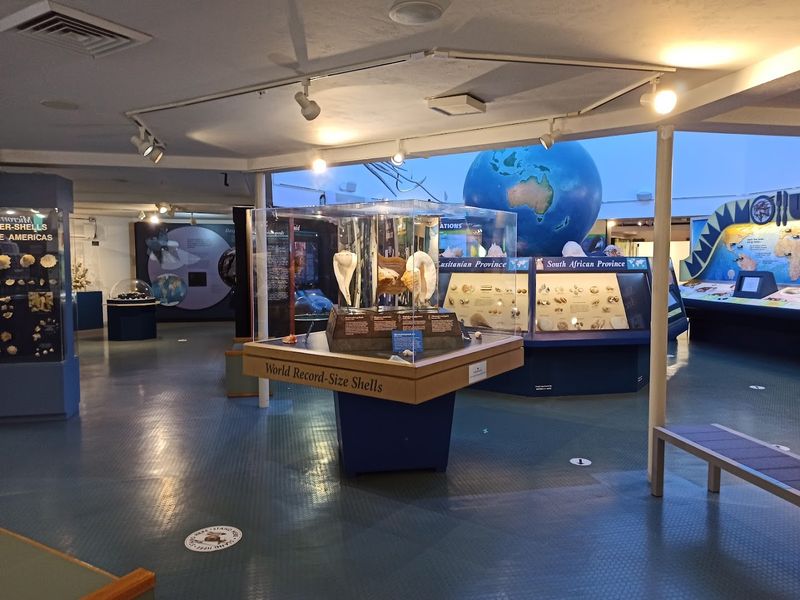
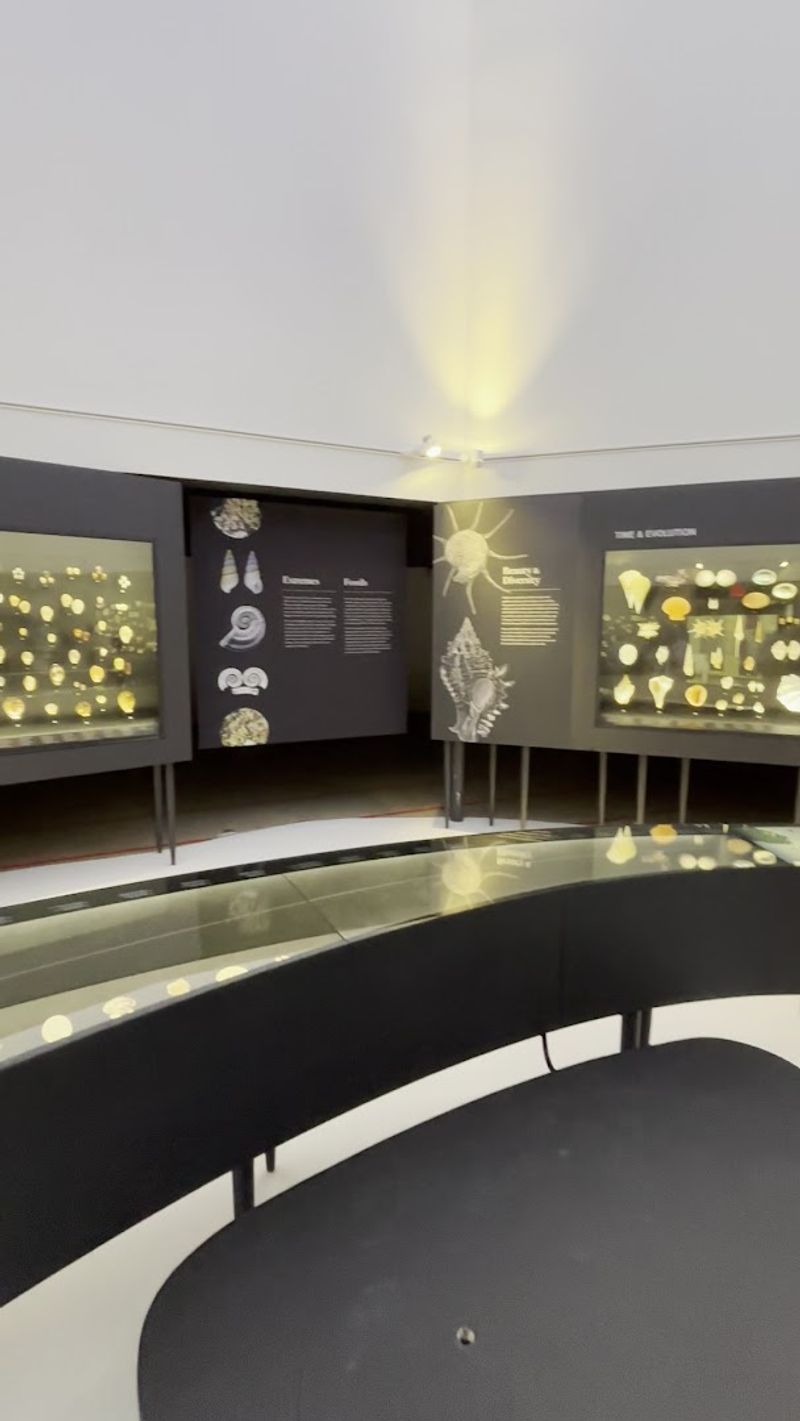
Nothing quite prepares you for the moment you walk into the Great Hall of Shells on the second floor. The room is circular, spacious, and lined with display cases holding hundreds of shells in every color, size, and texture imaginable.
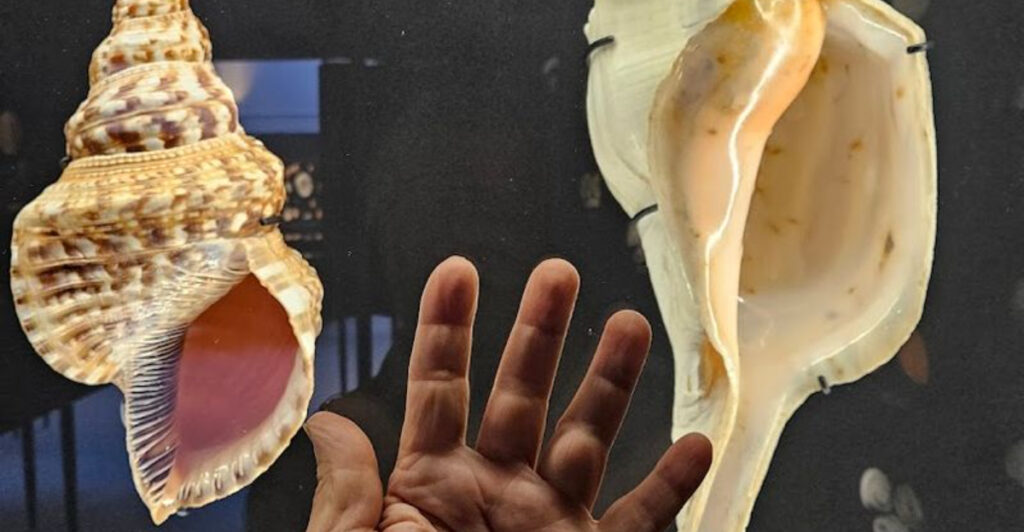
The sheer variety is staggering. There are delicate pink conches, enormous clam shells, and tiny spiraled specimens that look like they were carved by a jeweler.
Labels and informational signs explain where each shell comes from and what creature once called it home.
What makes this room special is how it balances education with pure visual wonder. You can spend a long time just reading the signs and still feel like you only scratched the surface.
The Great Hall is currently undergoing expansion, which means future visits will offer even more to explore. The collection right now is already worth the trip on its own.
The Cuban Polymita Display: A Splash of Unexpected Color
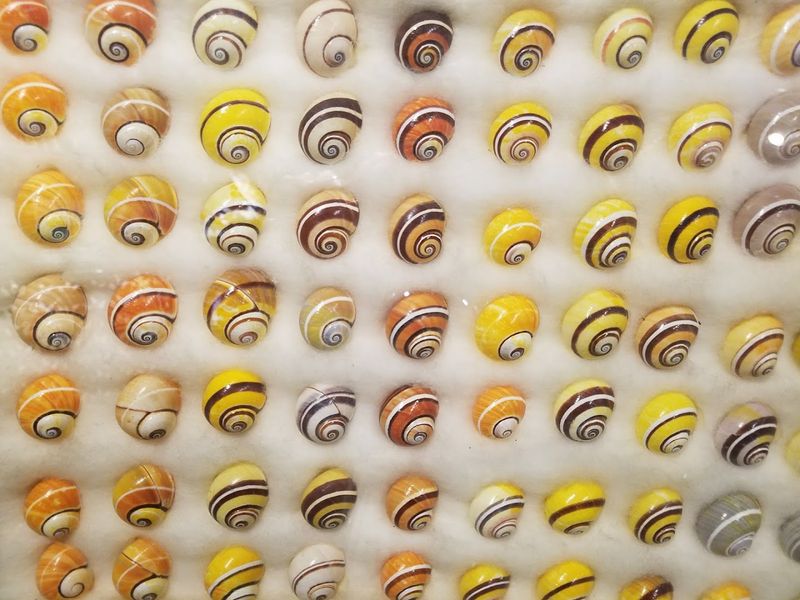
One of the most visually striking stops inside the museum is the Cuban Polymita display. These land snails from Cuba produce shells in wild combinations of yellow, orange, green, and red, and seeing them all together in one exhibit feels like stumbling onto a painter’s palette.
The display is thoughtfully curated, with context about why these shells look the way they do and what role they play in Cuban ecosystems. It is the kind of exhibit that makes you stop and say, out loud, that you had no idea snails could look like that.
It also raises awareness about conservation, since Polymita snails are considered endangered. The museum does a quiet but effective job of connecting beauty to responsibility throughout its exhibits.
This particular display stood out as one of the most memorable moments of my visit, and I kept thinking about it long after I left.
The Giant Pacific Octopus: The Star of the Lower Floor
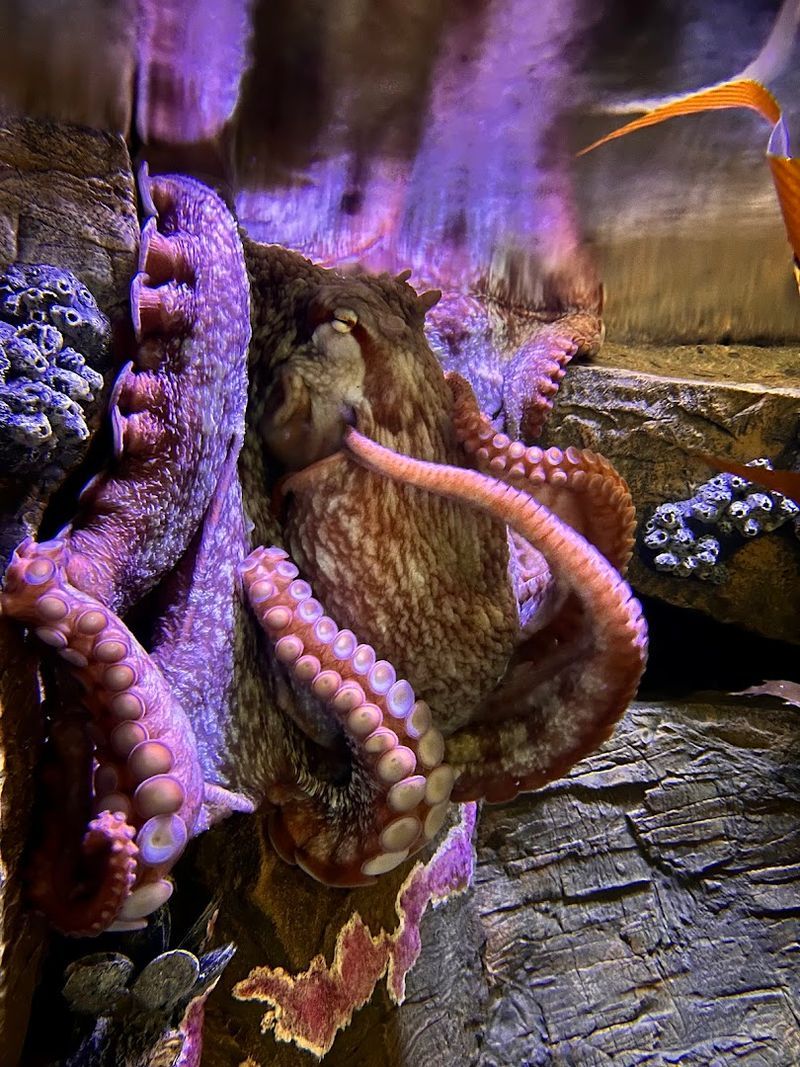
If you ask most visitors what stole the show, a surprising number will say the octopus. The Giant Pacific Octopus on the lower floor has its own dedicated display and presentation, and watching this creature move is genuinely mesmerizing.
The keeper talks that accompany the octopus exhibit are informative and engaging. Staff members explain the animal’s biology, behavior, and surprising intelligence in a way that feels accessible to all ages.
You do not need a science background to walk away genuinely fascinated.
The octopus is not the only impressive resident on the lower floor, but it tends to draw the biggest crowds and the most wide-eyed reactions. Kids press their faces to the glass, adults pull out their phones for photos, and everyone leaves with a new appreciation for one of the ocean’s most remarkable creatures.
Plan to linger here a bit longer than you think you will.
Touch Tanks: Hands-On Learning at Its Best
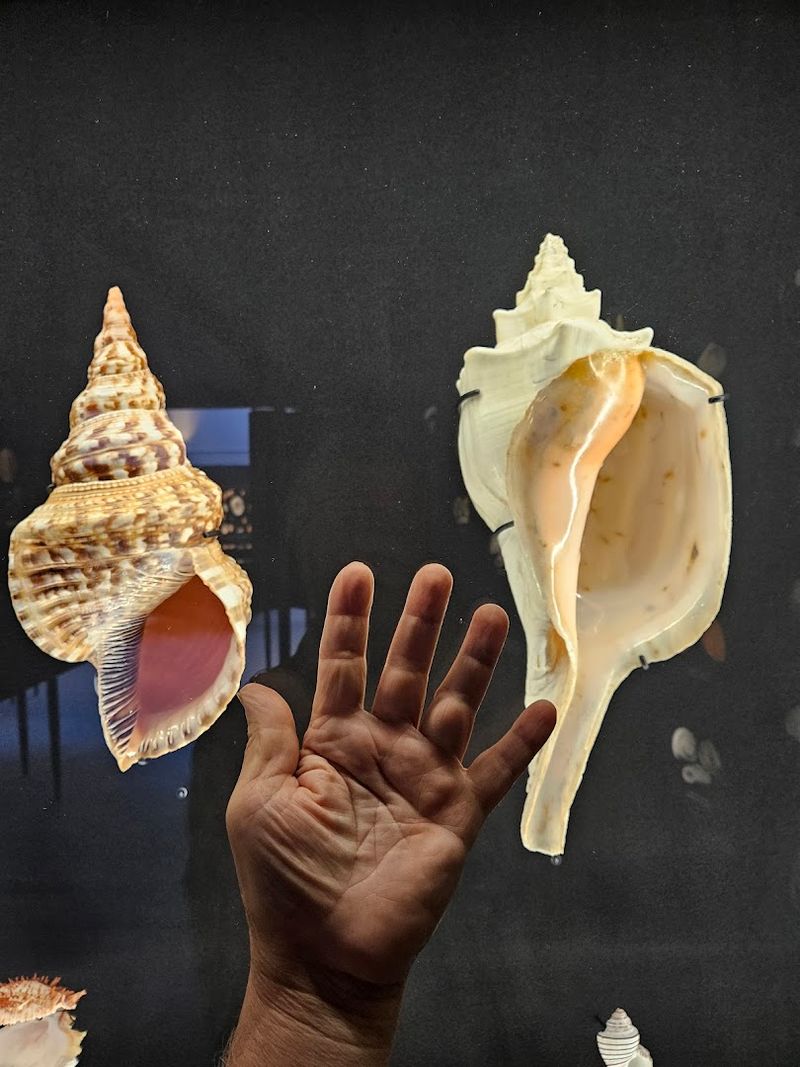
Somewhere between a science class and a sensory adventure, the touch tanks at this museum are a genuine highlight. The museum offers both cold and warm water touch tanks, giving visitors the chance to handle moon snails, sea hares, abalones, conchs, and whelks.
Knowledgeable docents stand nearby to answer questions and guide the experience, making sure everyone feels comfortable and the animals are handled gently. The staff rotates the animals regularly to give them a break, which shows real care for the creatures in their charge.
What sets these touch tanks apart from others I have visited is the range of species available. Most aquariums offer starfish and hermit crabs, but getting to hold a moon snail or feel the texture of a sea hare is a different experience entirely.
Children light up at the touch tanks, and honestly, so do most adults who are willing to give it a try.
The Seahorse Exhibit: Small Animals, Big Personality
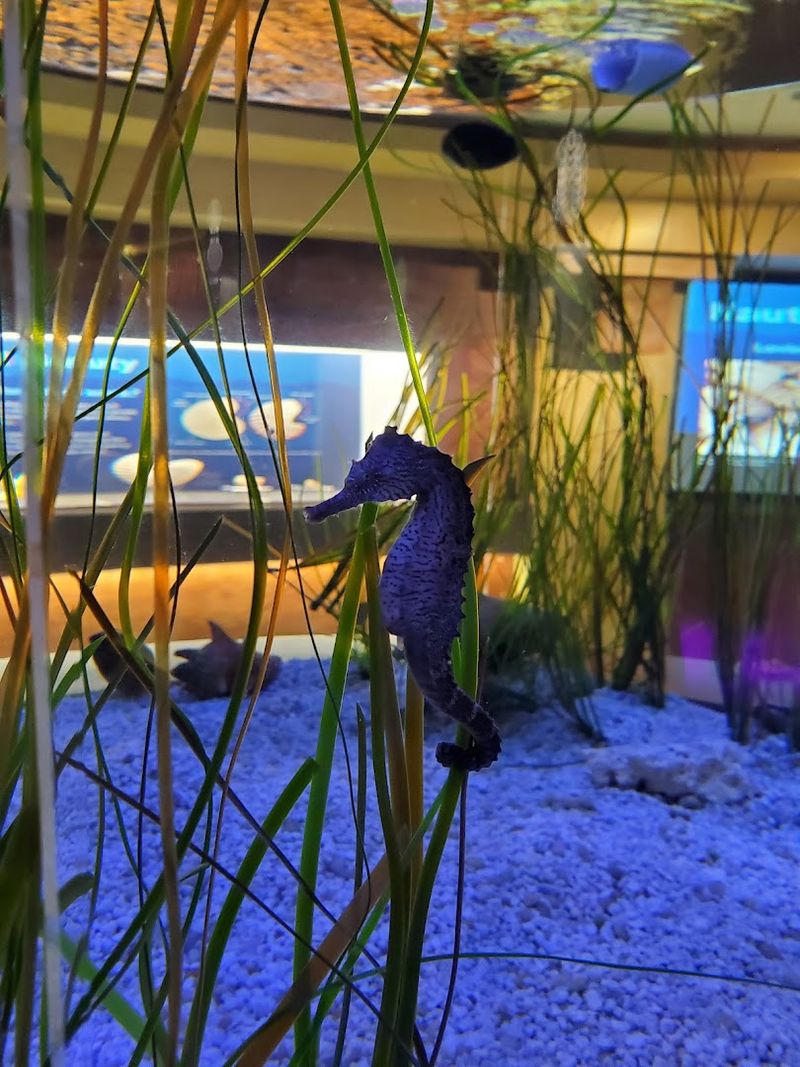
Seahorses have a way of making people slow down and actually pay attention. The seahorse exhibit at this museum features live animals in beautifully maintained tanks, and the aquarist education sessions that accompany them are among the best I have experienced at any Florida attraction.
Staff members explain how seahorses move, how they eat, and the fascinating fact that it is the males who carry and birth the young. The sessions are delivered clearly and with obvious enthusiasm, making them engaging for both kids and adults who think they already know everything about seahorses.
The tanks themselves are well-lit and clean, giving you a clear view of these delicate animals as they drift and anchor themselves to nearby structures. It is one of those exhibits where you find yourself watching for much longer than you planned.
Seahorses are quiet animals, but this exhibit gives them a presence they fully deserve.
Shells and Culture: When History Gets Personal
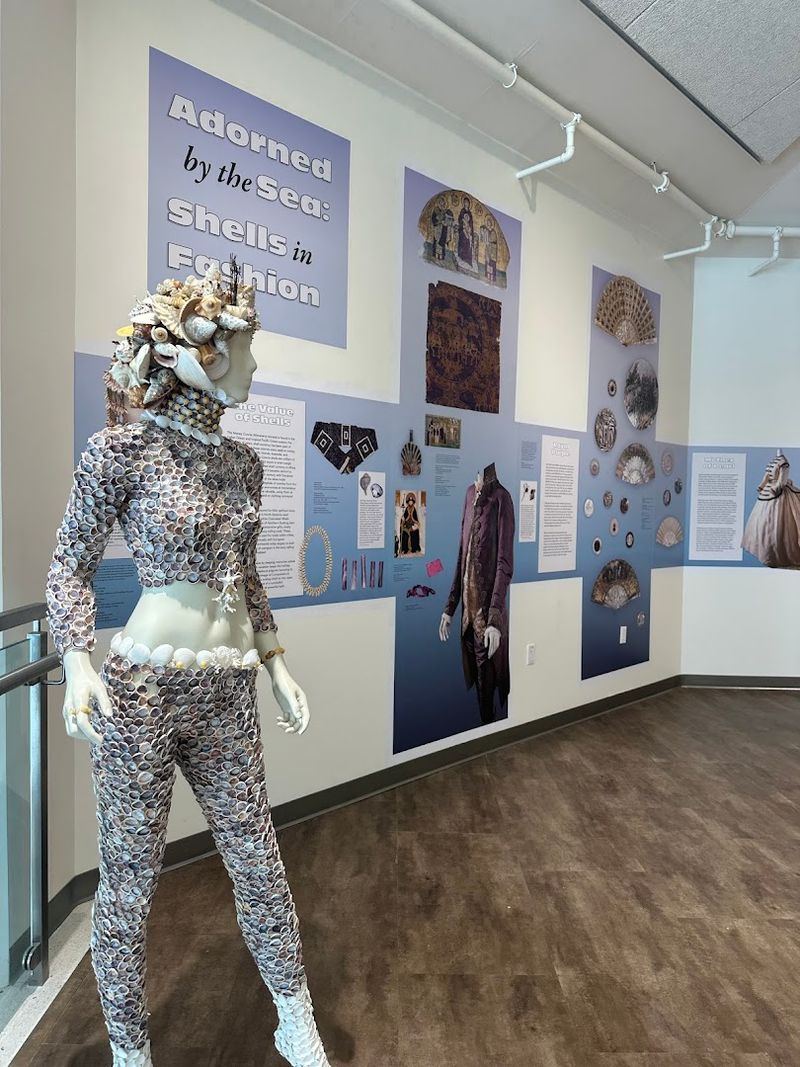
One of the more unexpected and rewarding exhibits at the museum explores how shells have been used by human cultures throughout history. From currency to jewelry to fashion, the displays reveal how deeply shells have been woven into daily life across civilizations and centuries.
There is a particularly interesting section on shells in fashion that catches many visitors off guard. Seeing how shells shaped trade routes, spiritual practices, and artistic traditions gives the collection a depth that goes well beyond natural history.
The museum does not just show you pretty objects. It tells you what those objects meant to real people in real places and times.
Reading through these exhibits, I found myself thinking about the ocean in a completely different way. Shells are not just souvenirs or decorations.
They carry stories, and this museum takes the time to tell them with care and intelligence.
The Gift Shop: More Than Just Souvenirs
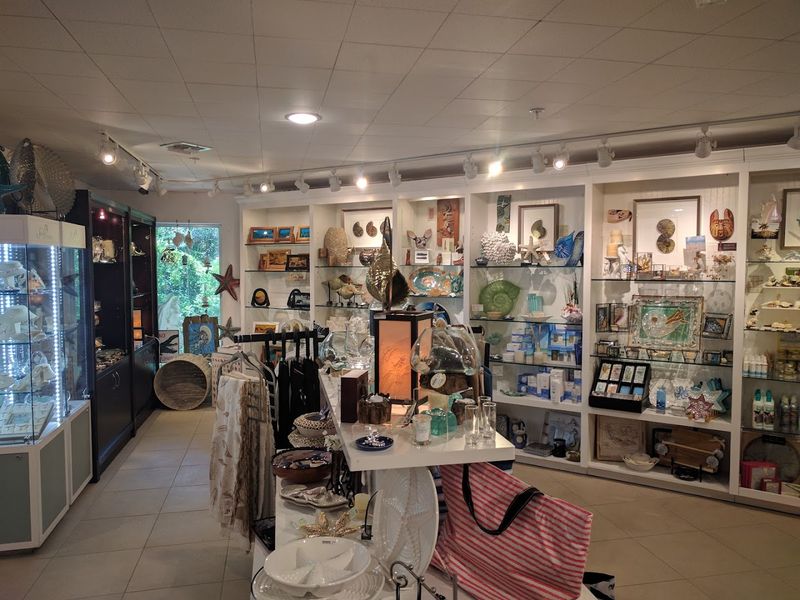
Gift shops at museums often feel like afterthoughts, but the one at this museum is worth a dedicated stop. The selection is genuinely curated, with shell specimens, natural history books, educational materials, and locally inspired keepsakes that feel connected to the experience you just had.
The books section is particularly strong. There are field guides for shell identification, natural history titles, and children’s books that extend the learning beyond the museum walls.
I picked up a field guide that I have actually used since returning home, which is more than I can say for most museum shop purchases.
The pricing is reasonable, and the variety means there is something for every type of visitor, from the serious collector to the casual tourist looking for a meaningful memento. The shop also carries small shell magnets and trinkets that make excellent low-cost gifts.
Do not rush past it on your way out.
Planning Your Visit: Practical Tips for Getting the Most Out of It
A visit here typically runs between two and three hours if you take the time to read the displays, watch the film, and participate in the touch tank sessions. Rushing through would mean missing the best parts, so build the time into your day accordingly.
The museum is open seven days a week from 10 AM to 5 PM, making it a flexible option for any point in your trip. It works especially well on rainy days or during peak afternoon heat when beach time becomes less appealing.
Weekday mornings tend to be less crowded, giving you more space to move through the exhibits at your own pace.
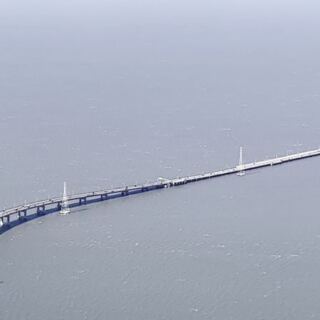
Keep in mind that there is a toll to cross the bridge onto Sanibel Island, so factor that into your budget. Combining the museum with a morning of beachcombing makes for a well-rounded Sanibel day that covers both the hands-on and the educational sides of island life.
Share this story