Every year, millions of people wonder which cities in the world offer the best places to live, work, and raise a family. In 2026, a fresh wave of rankings has arrived, and the results are both surprising and exciting.
Some cities keep climbing the charts year after year, while others are finally getting the recognition they deserve. Get ready to explore the cities that are setting the global standard for quality of life right now.
Vienna, Austria
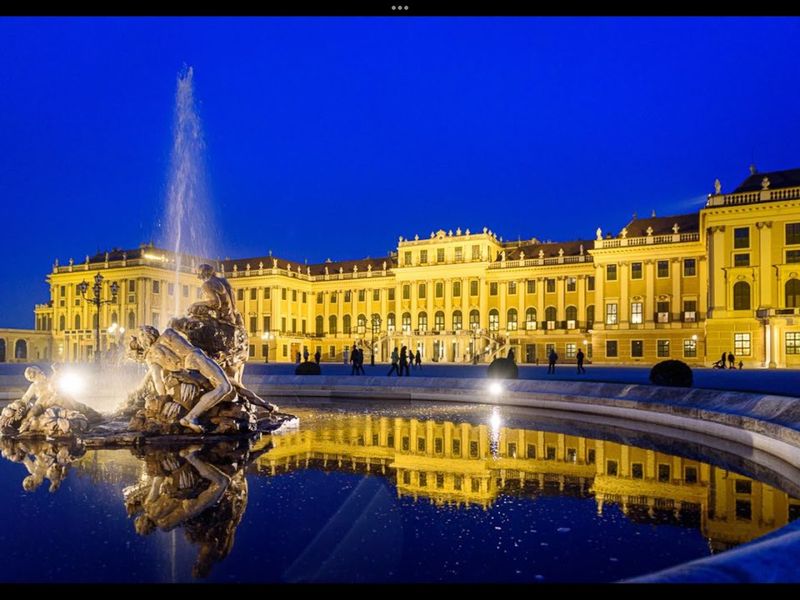
Ask anyone who has lived in Vienna and they will tell you the same thing: once you settle in, leaving feels almost impossible. The city has a magnetic quality built from centuries of culture, world-class museums, and an opera house that hosts performances nearly every single night of the year.
It is a place where history and modern life share the same sidewalk.
Vienna consistently tops global livability indexes, and the reasons go well beyond aesthetics. Public transportation here is a genuine pleasure, with trains, trams, and buses running on schedules so reliable that locals rarely even check the time.
Affordable housing policies also help keep the city accessible to people from all walks of life, something rare among major European capitals.
Healthcare is free, efficient, and widely praised by residents and expats alike. Schools are strong, parks are plentiful, and crime rates remain impressively low.
Vienna also has a thriving cafe culture where people linger over coffee for hours without anyone rushing them out. That unhurried pace reflects the city’s broader philosophy: life here is meant to be savored, not sprinted through.
Zurich, Switzerland
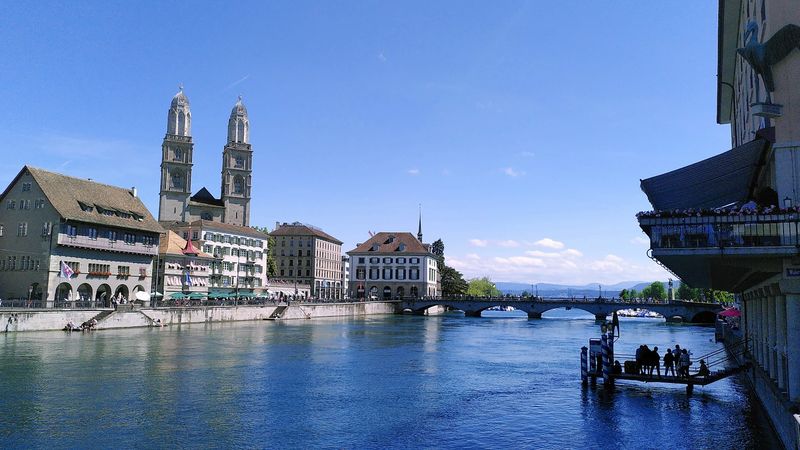
Zurich has a reputation for being expensive, and yes, that part is absolutely true. But what you get in return is a city that functions with almost uncanny precision, where trains arrive to the second, streets are spotless, and public services actually work the way they are supposed to.
For many residents, the price tag feels entirely worth it.
Salaries in Zurich are among the highest in the world, which helps offset those legendary living costs. The financial sector is a major employer, but the city also has a thriving tech scene and a growing number of startups calling it home.
Economic stability here is not just a talking point; it is a lived reality for most residents.
Nature is never far away in Zurich. Lake Zurich sits right in the city center, and the Alps are visible on clear days from almost anywhere in town.
Swimming in the lake during summer is a beloved local tradition that costs absolutely nothing. Beyond the outdoors, the city offers world-class restaurants, vibrant nightlife, and a museum scene that punches well above its weight for a city its size.
Melbourne, Australia
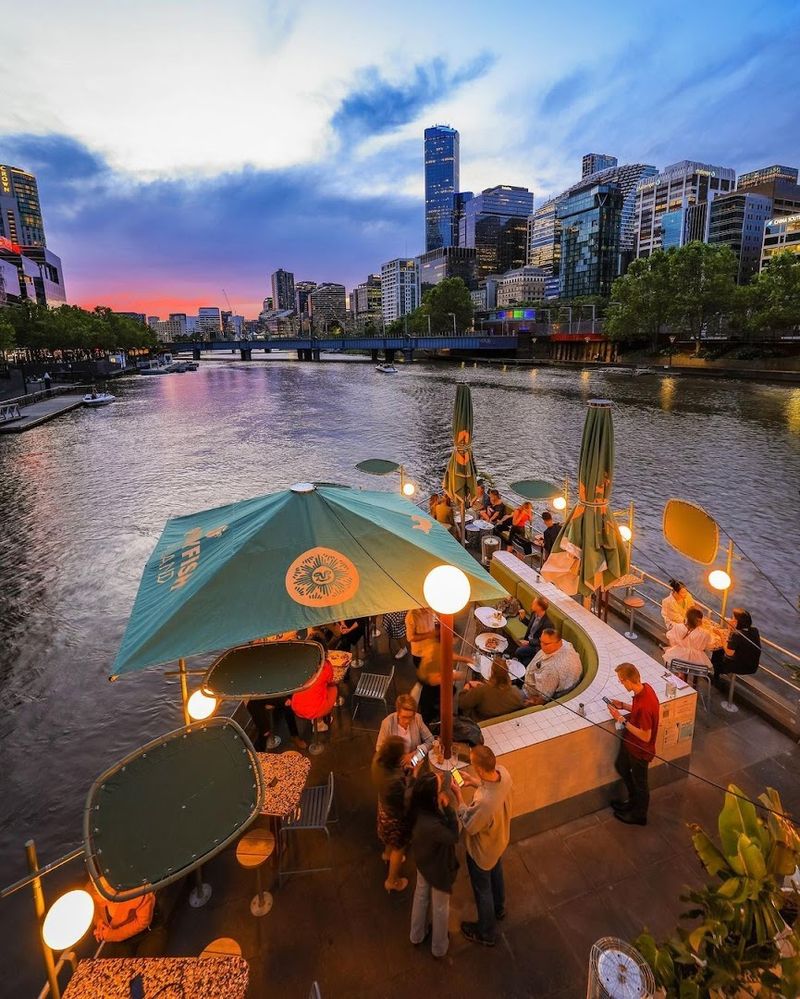
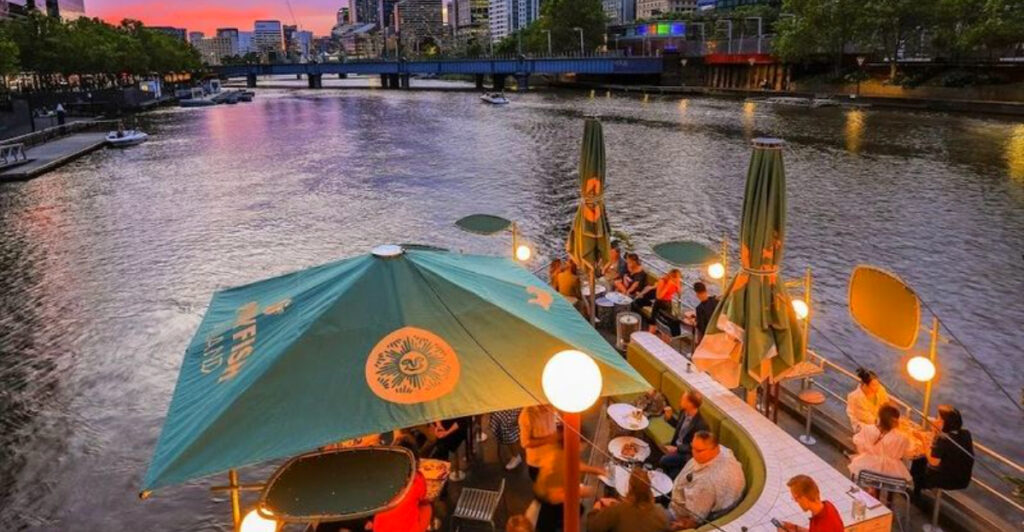
Melbourne has a creative energy that hits you the moment you step off the plane. Laneway cafes, rooftop bars, street art murals, and live music spilling out of tiny venues create a city that feels permanently switched on.
It is the kind of place where neighborhoods each have their own personality and residents are fiercely proud of their corner of the map.
The city has long been celebrated for its multicultural population, and that diversity shows up most deliciously in the food scene. You can eat your way around the world without ever leaving the inner suburbs.
Beyond cuisine, Melbourne’s arts institutions, including its galleries, theaters, and film festivals, rank among the best in the Asia-Pacific region.
Infrastructure is solid and improving. The public transport network covers the city well, and major investments in rail and cycling are underway.
Melbourne’s sports culture is also legendary, with Australian rules football drawing passionate crowds that turn match days into citywide celebrations. Healthcare access is strong, education options are excellent, and outdoor spaces like the Royal Botanic Gardens offer breathing room amid the urban buzz.
Melbourne proves that a great city can be both lively and livable at the same time.
Geneva, Switzerland
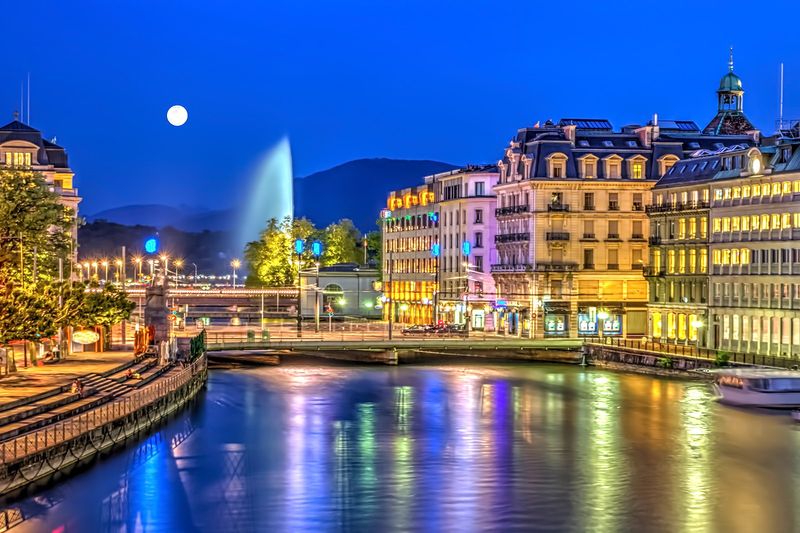
Geneva sits at the edge of a stunning lake with the Alps rising behind it, and on a clear morning, the view alone feels like a reward. But this city offers far more than scenery.
As the headquarters of the United Nations and the Red Cross, Geneva carries global weight that few cities its size can claim. International professionals from every corner of the world call it home.
Healthcare in Geneva is exceptional, with hospitals and clinics that attract patients from across Europe seeking specialized treatment. The education system is multilingual and internationally respected, making it a top choice for families relocating from abroad.
Safety levels are consistently high, and the streets feel calm and ordered even during busy periods.
The cost of living is steep, but strong salaries in the international sector and finance industry help residents manage comfortably. Geneva’s social scene is quieter than cities like Vienna or Melbourne, but it has a refined charm that fans of fine dining, sailing, and classical music absolutely love.
Weekend trips to the French Alps or across the border into France are quick and easy, giving residents a geographic freedom that adds real value to everyday life here.
Sydney, Australia
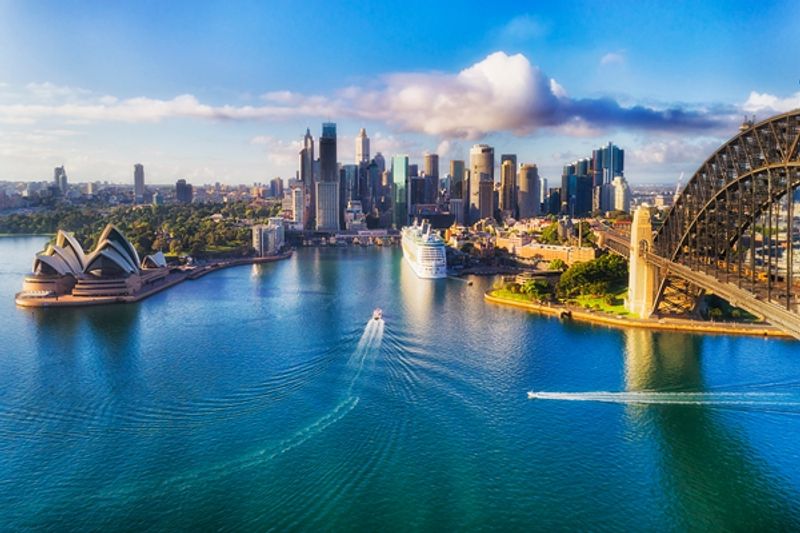
Few cities on Earth have an opening act as dramatic as Sydney’s. The moment you catch your first glimpse of the Opera House curving against the harbor, you understand why people fall hard for this place.
Sydney is one of those rare cities that manages to be genuinely beautiful and genuinely functional at the same time, which is a harder combination to pull off than it sounds.
The job market here is strong, particularly in finance, tech, healthcare, and education. Sydney attracts skilled workers from around the world, and its multicultural population has created neighborhoods with incredibly rich food, art, and music scenes.
The eastern suburbs beach culture blends seamlessly with the CBD’s corporate energy, giving the city a dual personality that most residents find refreshing.
Outdoor life is central to Sydney’s appeal. Bondi Beach, the Blue Mountains, and dozens of harbor swimming spots make exercise feel less like a chore and more like a lifestyle.
Public transport is improving steadily, with new metro lines opening to reduce car dependency. Schools are high-performing, and the healthcare system provides solid coverage for residents.
Sydney is not cheap, but for many people worldwide, it remains the dream destination worth saving up for.
Osaka, Japan
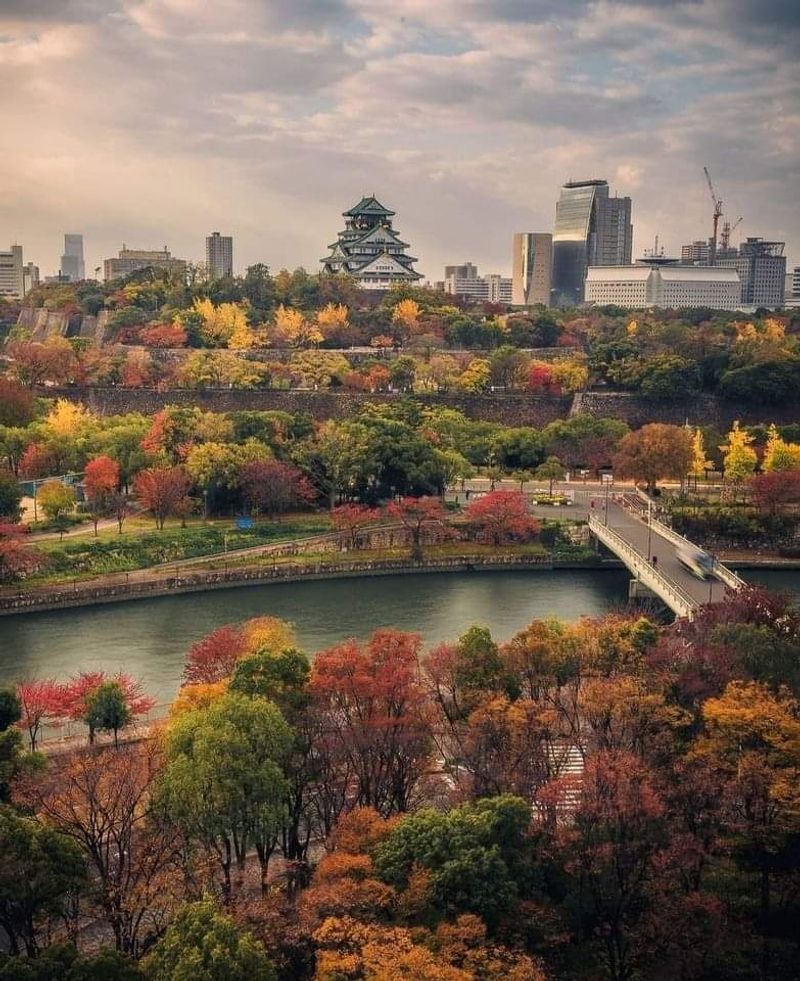
Osaka has a saying: kuidaore, which roughly translates to eating yourself into ruin. Food is not just fuel here; it is a full-blown cultural obsession, and the city wears that identity with enormous pride.
From takoyaki stalls to Michelin-starred restaurants, eating in Osaka is one of the great pleasures of urban life anywhere on the planet.
Beyond the food, Osaka functions with the kind of precision that makes daily life genuinely smooth. Trains run on time, streets are clean, and crime rates are remarkably low for a city of nearly three million people.
Healthcare facilities are advanced and widely accessible, reflecting Japan’s broader commitment to public health infrastructure.
Osaka has a warmer, more outgoing personality than Tokyo, and locals are famously friendly toward visitors and newcomers. The city is also home to Osaka Castle, Universal Studios Japan, and a thriving comedy and theater culture that gives it a playful edge.
Housing costs are noticeably lower than Tokyo, making it an attractive option for young professionals. Urban planners have also invested heavily in flood control and disaster preparedness, which adds another layer of security for residents.
Osaka in 2026 is a city that delivers on every front.
Auckland, New Zealand
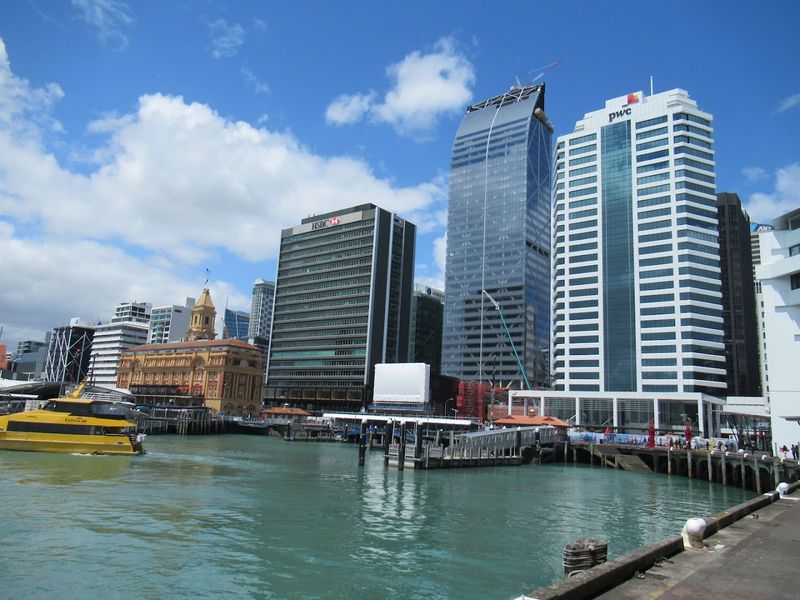
Auckland sits on a narrow strip of land between two harbors, which means the ocean is never more than a short drive away no matter where you are in the city. That geographic quirk shapes everything about how people live here.
Sailing, kayaking, and beach walks are not vacation activities; they are just Tuesday afternoon options for ordinary Aucklanders.
New Zealand’s largest city offers a pace of life that feels genuinely balanced. Work culture here respects personal time, and the surrounding nature provides constant opportunities to reset and recharge.
Green spaces are abundant within the city limits, and the volcanic cones dotting the landscape serve as both hiking spots and scenic lookouts with sweeping harbor views.
Auckland’s population is one of the most diverse in the world, with large Pacific Island and Asian communities giving the city a rich, layered cultural identity. The food scene reflects that diversity beautifully, with incredible options across every cuisine imaginable.
Public services are reliable, healthcare is accessible, and schools perform strongly. Housing affordability has been a challenge in recent years, but new policy initiatives are beginning to ease the pressure.
For anyone chasing a calmer, nature-connected urban lifestyle, Auckland is a genuinely compelling choice in 2026.
Vancouver, Canada
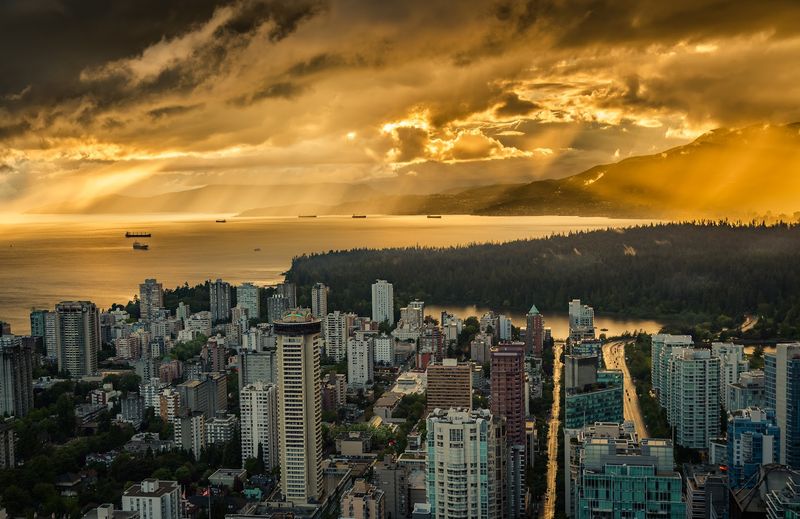
Standing downtown in Vancouver and looking north at the snow-capped Coast Mountains is the kind of experience that makes people immediately start searching rental listings. The city has a visual drama to it that few urban centers can compete with, and somehow it delivers on the promise behind that view.
Vancouver is consistently one of the most livable cities in North America, and it has earned that reputation honestly.
Outdoor recreation here is extraordinary. Skiing at Whistler, hiking in Garibaldi Provincial Park, and kayaking in Indian Arm are all within easy reach of the city center.
Stanley Park, one of the largest urban parks in North America, sits right at the edge of downtown like a green giant standing guard. That access to nature is deeply woven into how Vancouverites see themselves.
The city is also one of the most ethnically diverse in Canada, with a thriving Asian-Canadian community that has shaped the food, arts, and business landscape in remarkable ways. Healthcare is strong, the public school system is well-regarded, and the tech sector has been growing steadily for years.
Housing costs remain high, but urban density projects are gradually creating more affordable options. Vancouver in 2026 feels like a city that is confidently heading in the right direction.
Calgary, Canada
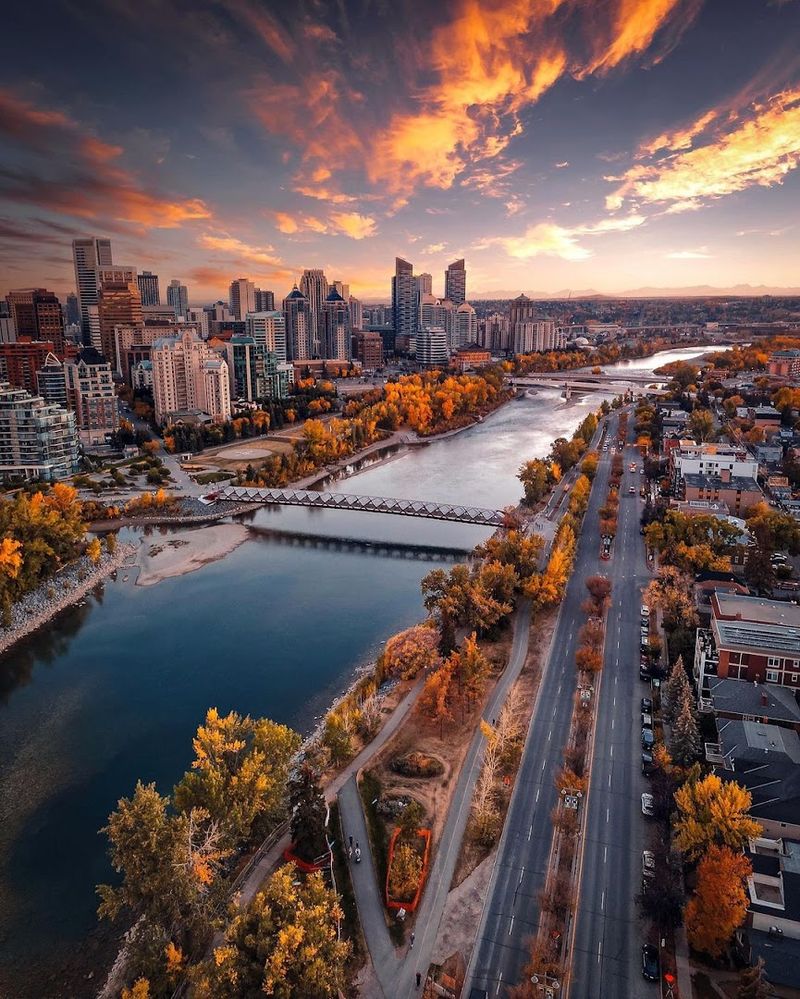
Calgary pulls off something that most big cities struggle with: it feels genuinely clean. Not just surface-level tidy, but deeply, structurally clean, with air quality that regularly ranks among the best of any major North American city.
On a clear day, the Canadian Rockies rise up on the western horizon like a painted backdrop, and locals never seem to take that view for granted.
The city’s economy has diversified well beyond its oil and gas roots, with growing sectors in technology, finance, and agriculture. That diversification has helped Calgary weather economic shifts more confidently than in previous decades.
Unemployment rates remain low, and average household incomes are among the highest in Canada, giving residents real financial breathing room.
Calgary also hosts the world-famous Calgary Stampede every July, a ten-day rodeo and festival that transforms the entire city into one enormous celebration. Beyond that annual highlight, the arts scene has grown significantly, with new galleries, music venues, and theater companies establishing strong roots.
Winters are cold but often interrupted by warm Chinook winds that can raise temperatures by twenty degrees in a matter of hours. Parks, cycling paths, and river pathways make outdoor life year-round.
Calgary in 2026 is a city quietly outperforming its reputation.
Amsterdam, Netherlands
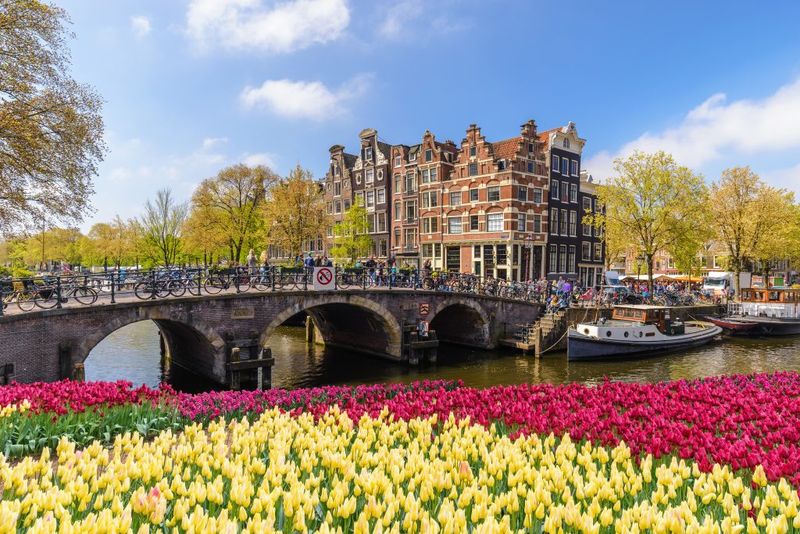
Amsterdam has roughly 900,000 people and somewhere around 900,000 bicycles, which gives you a pretty clear picture of how this city moves. Cycling is not a trend here; it is infrastructure, culture, and identity all rolled into one.
The city has built its entire transportation philosophy around the idea that streets belong to people first and vehicles second, and the results speak for themselves.
The canal ring at the heart of Amsterdam is a UNESCO World Heritage Site, but it is not treated like a museum piece. People live along those canals, park their houseboats there, and cycle past them every single morning on the way to work.
History and daily life overlap here in a way that feels completely natural and never performative.
Amsterdam is also one of Europe’s most progressive cities in terms of environmental policy. Green roofs, solar-powered trams, and ambitious carbon reduction targets are all part of the city’s long-term planning.
The cultural scene is extraordinary, anchored by the Rijksmuseum, Van Gogh Museum, and a thriving contemporary art world. International residents make up a significant portion of the population, and English is spoken almost universally.
For anyone seeking a European city that is both forward-thinking and deeply charming, Amsterdam remains a top-tier choice.
Helsinki, Finland
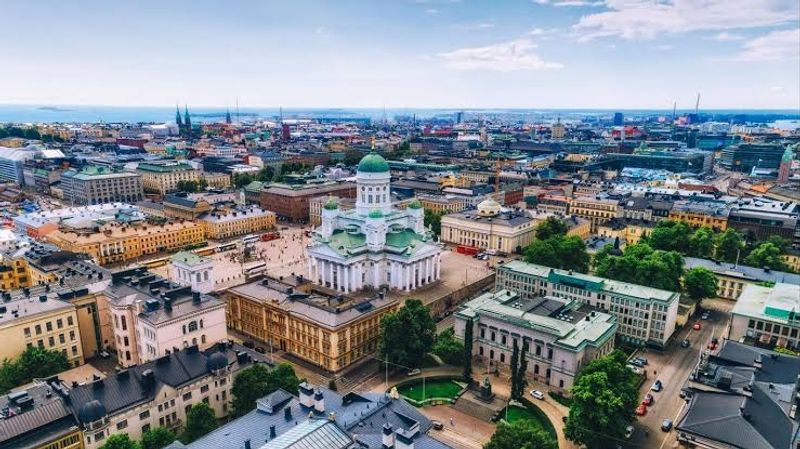
Finland has been ranked the world’s happiest country multiple years in a row, and Helsinki is the city where that happiness is headquartered. That might sound like marketing copy, but researchers consistently point to real factors behind the title: trust in institutions, strong social safety nets, low corruption, and a culture that genuinely values rest and personal space.
Helsinki is not trying to impress you; it just quietly works.
Education in Helsinki is world-famous for good reason. Finnish schools consistently top international rankings not through pressure and competition, but through a philosophy that prioritizes curiosity, teacher expertise, and student wellbeing.
Children here start formal schooling later than in most countries and still outperform peers globally by their teenage years.
The city itself is compact, clean, and easy to navigate. The design aesthetic is minimalist and thoughtful, reflecting Finland’s broader Scandinavian sensibility.
Nature is always close, with forests, islands, and the Baltic Sea all accessible within minutes of the city center. The sauna culture is real and beloved; public saunas are social spaces where conversations flow freely and stress melts away.
Helsinki in 2026 offers something increasingly rare in the modern world: a city where ordinary life genuinely feels good.
Copenhagen, Denmark
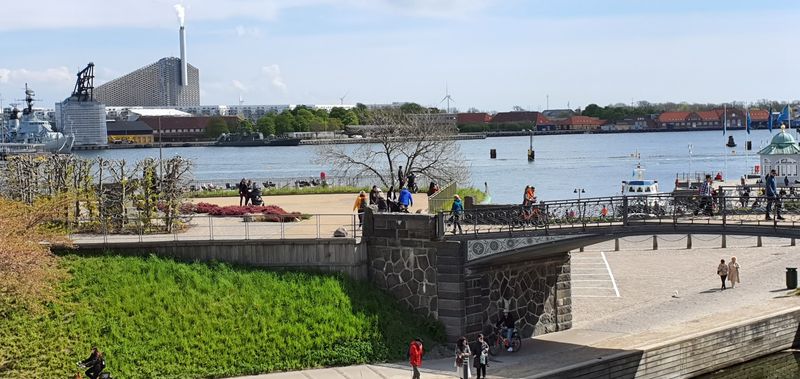
Cyclists outnumber cars in Copenhagen, and that single fact tells you almost everything you need to know about why this city keeps winning. Built around people rather than traffic, it has turned everyday commuting into something people actually enjoy.
Wide cycling lanes weave through the city like veins, connecting neighborhoods, schools, and parks without a single exhaust cloud.
Copenhagen’s healthcare and education systems are consistently ranked among the world’s best. Children grow up in safe neighborhoods with access to quality schools, green spaces, and community programs.
Adults benefit from a healthcare model that prioritizes prevention, not just treatment.
Sustainability is baked into the city’s DNA. Copenhagen is on track to become the world’s first carbon-neutral capital, and it shows in everything from energy policy to architecture.
Rooftop gardens, solar panels, and harbor baths are just part of daily life here. What’s remarkable is how the city manages to be both ambitious and relaxed at the same time, pushing forward without ever losing its famously calm and cheerful spirit that locals call hygge.
Singapore
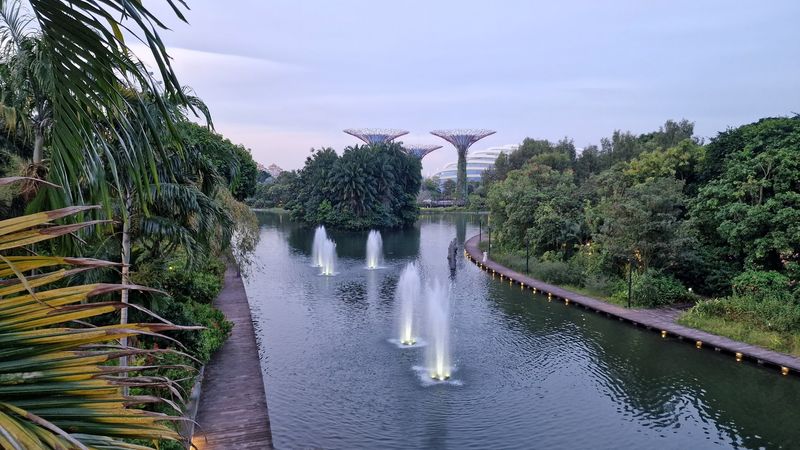
Singapore is roughly the size of a small island, and yet it has built one of the most impressive cities on Earth from essentially nothing in just a few decades. That story of rapid, deliberate development is genuinely remarkable, and the results are visible everywhere you look.
Clean streets, functioning systems, and a skyline that seems to grow more dramatic every year reflect a city that takes urban planning seriously.
Safety is one of Singapore’s most celebrated features. Crime rates are extraordinarily low, and the city regularly tops global safety indexes.
Public spaces feel secure at any hour, which residents and visitors consistently highlight as one of the biggest quality-of-life factors. Healthcare is advanced and widely accessible, combining public and private options that serve the population well.
The food culture here is legendary. Hawker centers, which are open-air food courts serving affordable local dishes, have even been recognized by UNESCO for their cultural significance.
Eating well in Singapore does not require a big budget; it just requires knowing where to go, and locals are always happy to point you in the right direction. The city is also a major global business hub, attracting talent and investment from across Asia and beyond.
Singapore in 2026 shows no signs of slowing down.
Tokyo, Japan
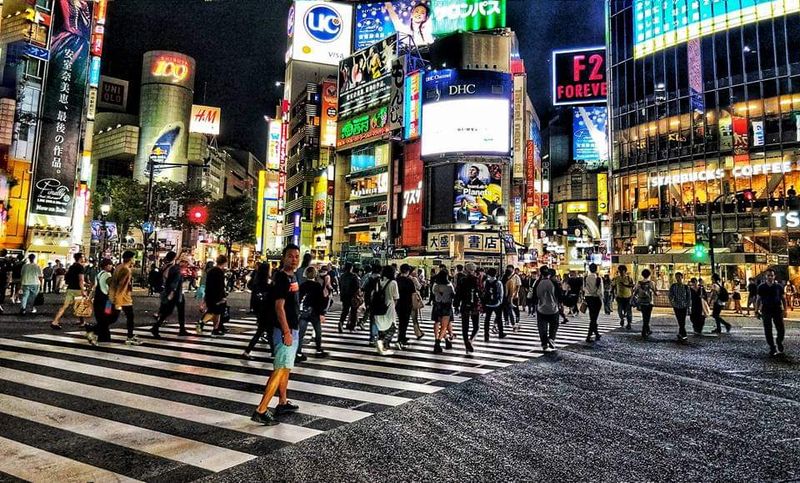
Tokyo is the largest city in the world by population, home to over thirteen million people in the city proper and nearly forty million in the greater metropolitan area. By any logical measure, a city that enormous should be chaotic, overwhelming, and impossible to manage.
Instead, Tokyo is one of the most orderly, efficient, and safe urban environments anywhere on the planet. That is not an accident; it is the result of decades of exceptional planning and civic culture.
The train system is the backbone of Tokyo life and one of the great engineering achievements of the modern world. Hundreds of lines connect every corner of the city with a punctuality that has become almost legendary.
Most Tokyoites rarely need a car, and the city’s low car dependency contributes to cleaner air and quieter streets than you might expect from a megacity.
Tokyo’s restaurant scene holds more Michelin stars than any other city on Earth, yet street food and convenience store meals are equally celebrated by locals. Technology is woven into everyday life in ways that feel futuristic but function effortlessly.
Crime rates are shockingly low for a city of this scale. Tokyo in 2026 continues to prove that size does not have to mean sacrifice when it comes to quality of life.
Bern, Switzerland
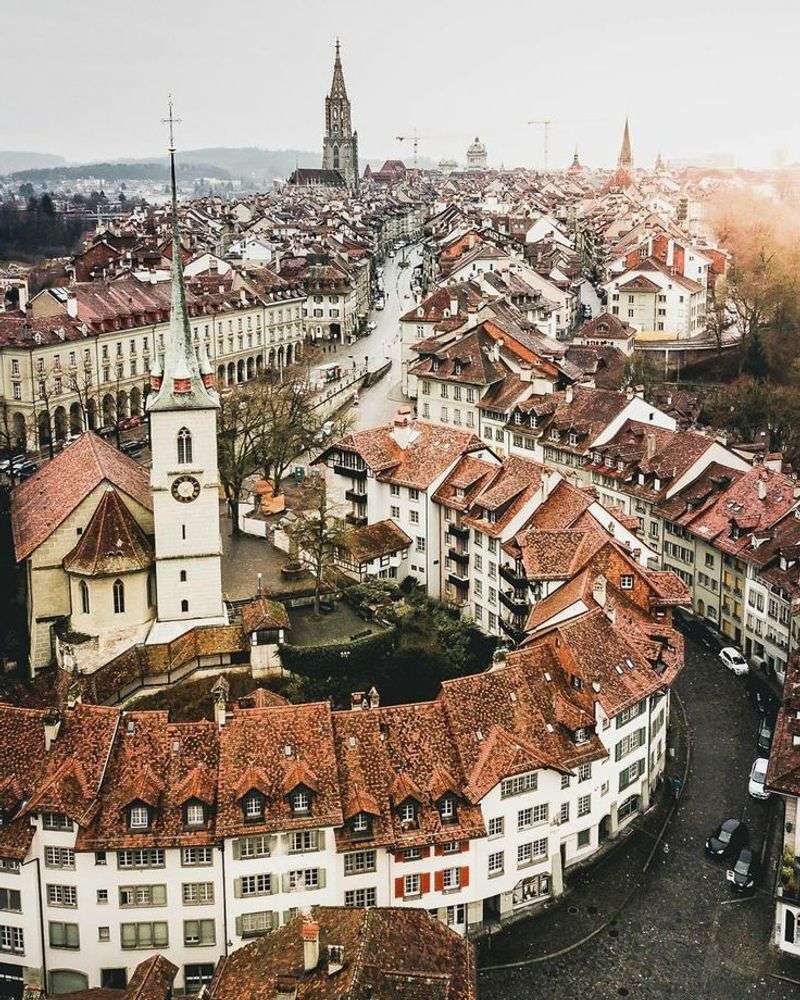
Bern is Switzerland’s capital city, but it carries none of the self-important energy that national capitals often have. It is compact, walkable, and genuinely beautiful in a way that feels accidental rather than engineered.
The medieval old town, a UNESCO World Heritage Site, features six kilometers of covered arcades that keep pedestrians dry in rain and shaded in summer. It is one of those cities that rewards slow exploration.
Quality of life in Bern consistently ranks among the highest in Switzerland, which already sets an extraordinarily high bar. Public services run smoothly, healthcare is excellent, and the political stability that comes with being a federal capital adds an extra layer of security for residents.
Safety levels are exceptional, and the pace of life is noticeably calmer than in Zurich or Geneva.
The Aare River loops dramatically around the old town, creating natural swimming spots that locals use enthusiastically throughout the warmer months. Parks are everywhere, bears (the city’s symbol) live in a riverside enclosure, and the farmers markets are a weekly highlight for residents.
Bern also benefits from its central location within Switzerland, making day trips to the Alps, Lake Geneva, or Basel straightforward and quick. In 2026, Bern stands out as proof that sometimes smaller really does mean better.
Share this story