France has a region so packed with history, natural beauty, and culture that it feels almost unfair to the rest of the country. Occitanie stretches from the Pyrenees mountains to the Mediterranean coast, covering an incredible mix of landscapes and landmarks.
It has Roman ruins, medieval castles, colorful port towns, and dramatic gorges, all without the overwhelming tourist crowds of Paris or the Riviera. If you have never heard of Occitanie before, prepare to add a very long list of places to your travel bucket list.
Carcassonne – Medieval Masterpiece
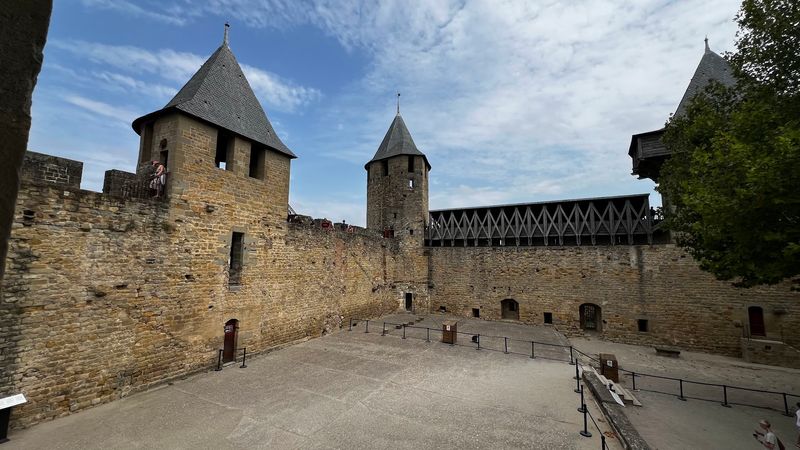
Step through the gates of Carcassonne and you will feel the centuries pressing in around you. The sheer scale of this fortified city is jaw-dropping, with more than 50 towers rising above 3 kilometers of ancient stone walls.
It earned its UNESCO World Heritage status for good reason.
The cobbled streets twist between stone houses, tiny shops, and restaurants tucked into centuries-old buildings. Walking the ramparts gives you sweeping views of the surrounding countryside, and at night the city glows in a way that feels almost cinematic.
Even history skeptics tend to find themselves completely hooked here.
Fun fact: Carcassonne inspired the popular board game of the same name, which has sold over 10 million copies worldwide. The castle inside the walls, Chateau Comtal, offers guided tours that explain the city’s wild medieval history.
Unlike many famous French sites, Carcassonne still feels approachable and genuinely exciting rather than just impressive on paper. Visiting early morning or late evening helps you avoid the midday crowds and experience the atmosphere at its most magical.
This is one of those places that lives up to every expectation.
Toulouse – The Pink City
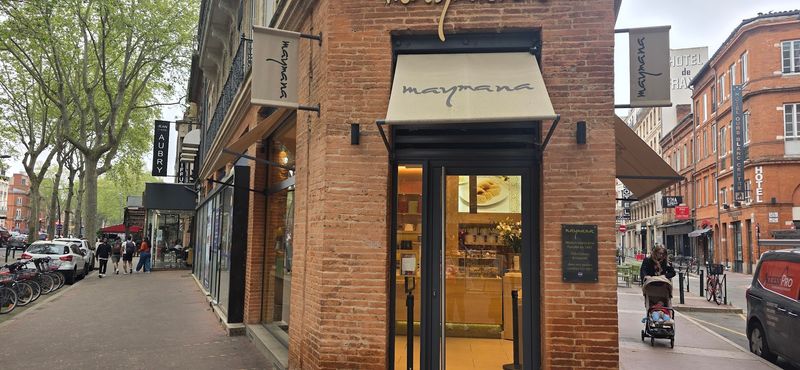
There is a running joke among French people that Toulouse turns pink at sunset, but honestly, the city looks rosy at practically every hour of the day. The terracotta bricks used in almost every historic building give the entire city a warm, distinctive glow that no filter can replicate.
It is genuinely unlike anywhere else in France.
Toulouse is also home to Airbus headquarters, making it the aerospace capital of Europe. Yet somehow it balances cutting-edge industry with a relaxed, student-filled atmosphere that makes wandering its streets feel effortless.
The Place du Capitole is the heart of the city, surrounded by grand architecture and buzzing with cafe life.
The Garonne River runs through the city, offering scenic walks and cycling paths that connect parks, markets, and viewpoints. The Basilica of Saint-Sernin is one of the largest Romanesque churches in the world and sits right in the city center.
Toulouse also has a thriving food scene, with cassoulet, the region’s famous slow-cooked bean stew, appearing on menus across town. Whether you are into history, science, food, or just good coffee in a beautiful square, Toulouse delivers on every front.
Pont du Gard – Roman Engineering Wonder
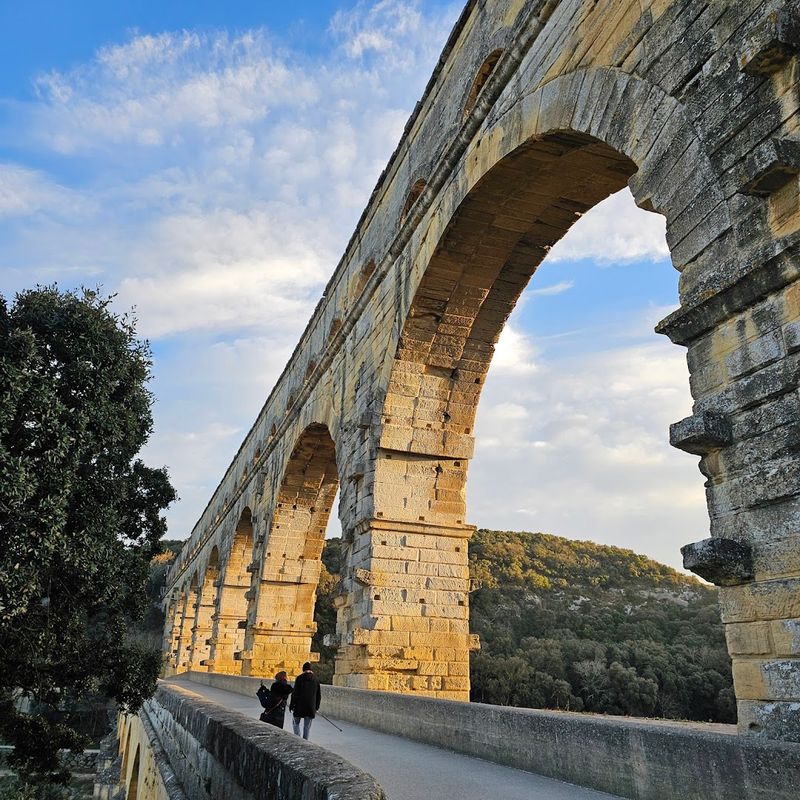
Built nearly 2,000 years ago without a single drop of mortar, the Pont du Gard still stands tall and completely unbothered by the passing of time. The Romans constructed this three-tiered aqueduct to carry fresh water over 50 kilometers to the city of Nimes, and the engineering precision involved is still studied by architects today.
It is the tallest Roman aqueduct ever built.
The structure rises 49 meters above the Gardon River and stretches 275 meters across the valley. On hot summer days, visitors swim in the river directly beneath the arches, creating one of the most surreal and picturesque scenes imaginable.
There are few places in the world where ancient history and natural beauty collide this dramatically.
The surrounding area has a well-designed visitor center that explains the aqueduct’s history through interactive displays, making it a great stop for families with kids. Guided tours run regularly and offer fascinating details about Roman construction techniques.
Kayaking down the Gardon River and paddling under the arches is a popular activity that offers a completely unique perspective on this extraordinary monument. Come at sunrise if you can, because the golden light on the stone is nothing short of spectacular.
Nîmes – The Roman City
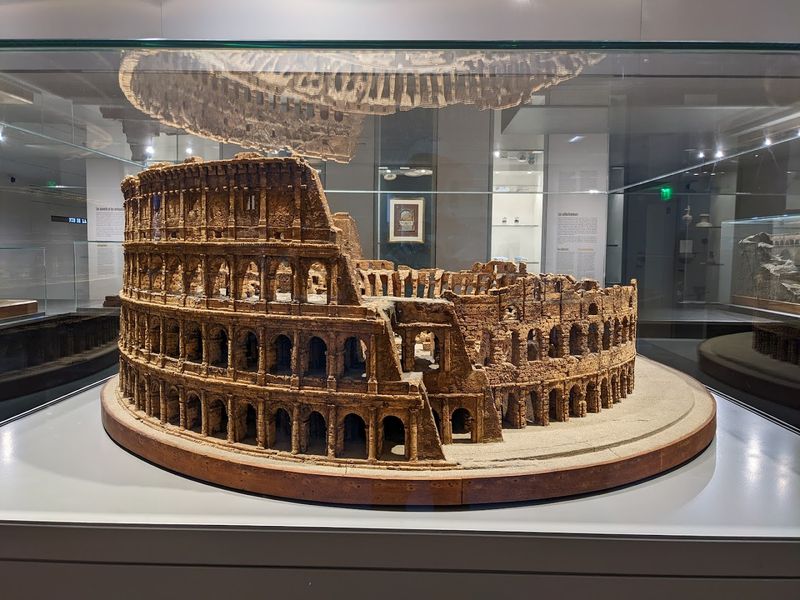
Forget flying to Rome for a Roman holiday when Nimes is sitting right here in southern France, packed with ancient monuments and far fewer tourist queues. The city earned its nickname ‘the French Rome’ honestly, with a collection of Roman buildings so well preserved they are almost unsettling in their completeness.
The Arena of Nimes alone is breathtaking.
The amphitheater was built around 70 AD and still hosts concerts and bullfights today, making it one of the best-preserved Roman arenas in the entire world. Just a short walk away, the Maison Carree is a stunning Roman temple so perfectly intact that Napoleon reportedly visited it just to stare at it.
That temple later inspired the design of several buildings in the United States.
Beyond the ancient sites, Nimes has a lively modern energy with excellent restaurants, stylish boutiques, and a fantastic textile history. The city is also credited as the birthplace of denim fabric, which was originally called ‘serge de Nimes’ before being shortened to the word we all know today.
Spending a day in Nimes means bouncing between ancient wonders and modern charm without ever feeling like you are rushing. It is a deeply underrated city that rewards curious visitors generously.
Montpellier – Vibrant Coastal City
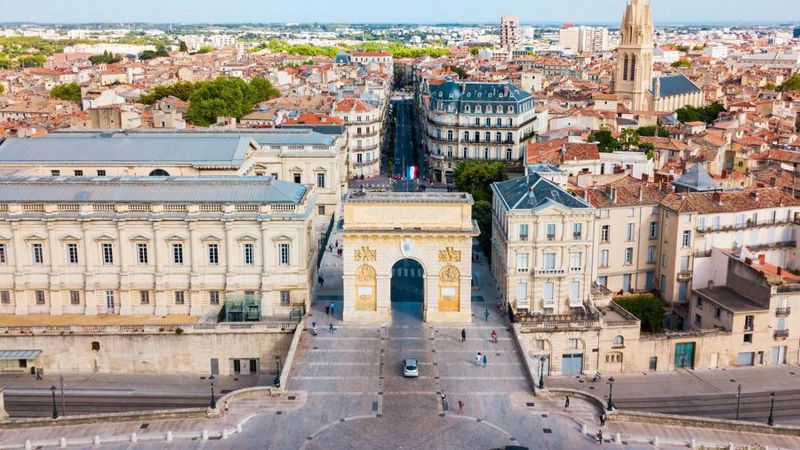
About one in four people living in Montpellier is a student, and that statistic explains a lot about the city’s infectious energy. The streets buzz with life from morning until late at night, the cafe terraces are always full, and there is always something happening in one of the many squares.
It is one of the youngest cities in France by average age, and it shows in the best possible way.
The historic center is a maze of medieval lanes that open suddenly into grand plazas, each one more photogenic than the last. Place de la Comedie is the main gathering spot, anchored by a beautiful fountain and surrounded by grand architecture.
The nearby Fabre Museum holds one of France’s finest collections of fine art outside of Paris.
Montpellier is only 10 kilometers from the Mediterranean coast, meaning beach days are always within easy reach. The city also has an impressive tram network and strong cycling culture, making it easy to get around without a car.
The food markets here are some of the best in the region, overflowing with local cheeses, cured meats, and seasonal produce. Montpellier is the kind of city that surprises you with how much it offers and how quickly it wins you over.
Canal du Midi – Scenic Waterway
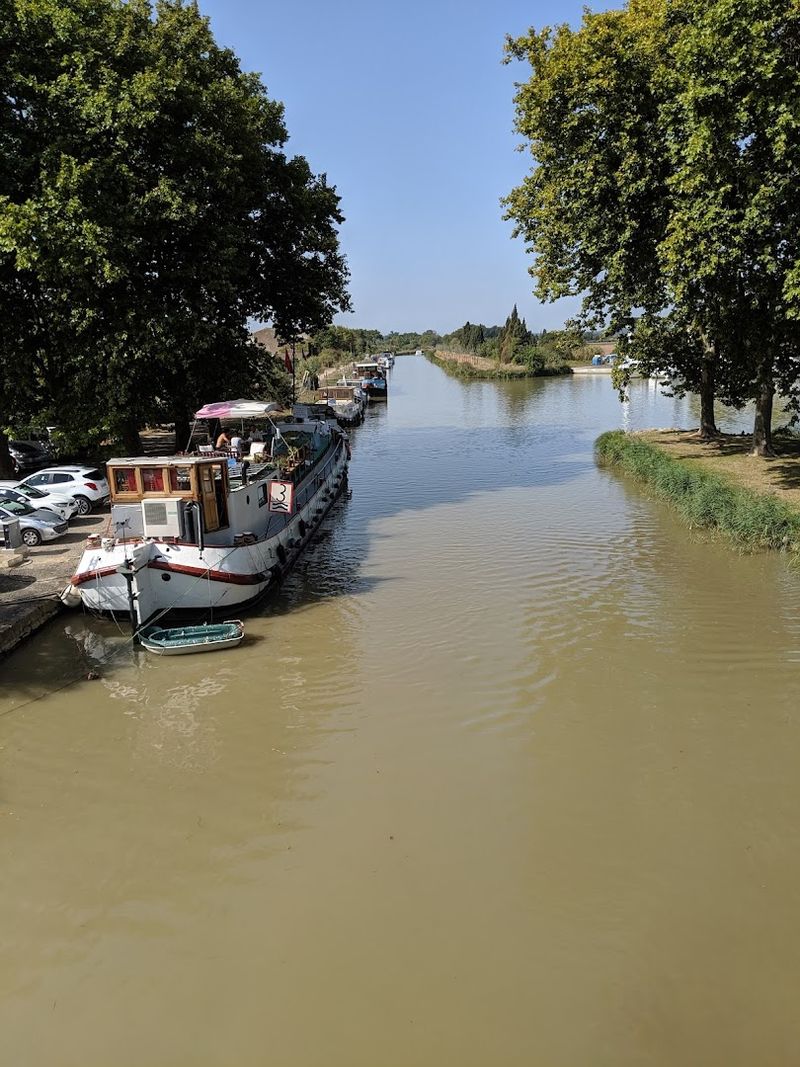
Imagine cycling along a shaded towpath while sunlight filters through a tunnel of ancient plane trees and a barge drifts silently past you on glassy water. That is the Canal du Midi on a regular Tuesday afternoon, and it is every bit as dreamy as it sounds.
This 17th-century waterway stretches 240 kilometers from Toulouse all the way to the Mediterranean Sea.
UNESCO recognized the canal as a World Heritage Site in 1996, and it is easy to understand why. Pierre-Paul Riquet spent 15 years and most of his personal fortune building it, connecting the Atlantic to the Mediterranean through a masterpiece of engineering and landscape design.
Sadly, many of the iconic plane trees along the banks have been affected by disease in recent years, making current visits especially poignant.
Renting a houseboat and spending a week slowly cruising the canal is one of the most relaxing travel experiences in all of France. Cyclists and walkers can follow the towpath through vineyards, stone villages, and ancient locks at their own pace.
The small towns along the route, like Castelnaudary and Beziers, offer excellent local food and wine stops. The canal is not just a waterway; it is a living, breathing piece of French history you can actually travel through.
Rocamadour – Cliffside Wonder
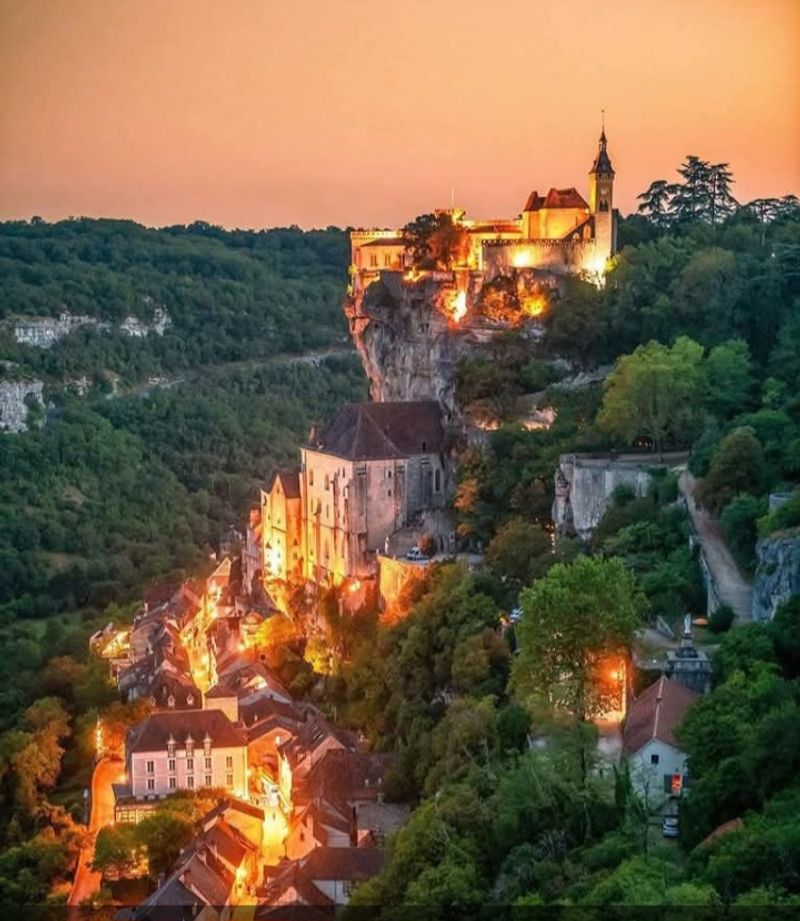
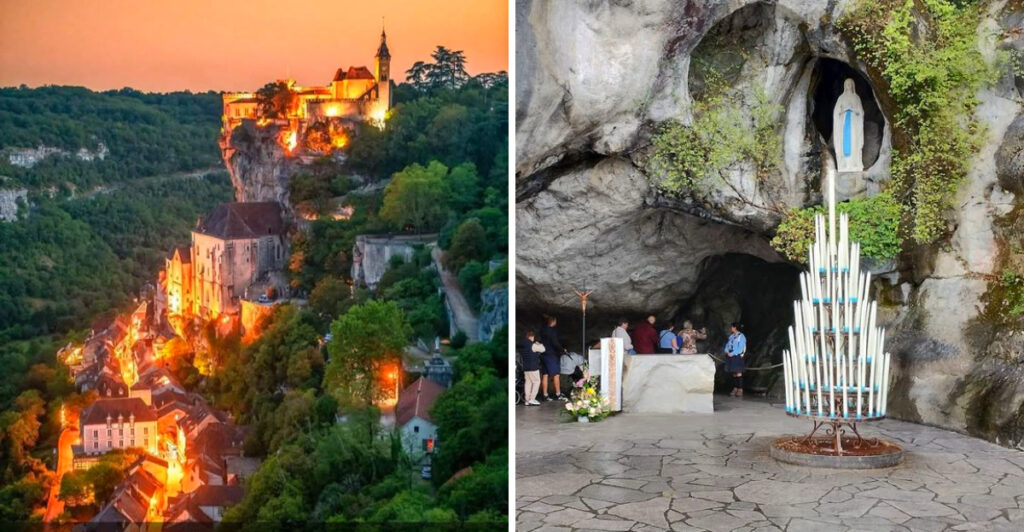
Gravity seems to have had no say in the construction of Rocamadour, a village that defies all common sense by clinging vertically to a sheer cliff face above the Dordogne Valley. The whole place looks like something an overambitious architect dreamed up after a very long lunch.
Yet it has been there for over a thousand years, so clearly it works.
The village is built on multiple levels connected by staircases, with a castle at the top, chapels in the middle, and shops and restaurants at the base. The Chapel of Our Lady, carved directly into the rock, has been a major Christian pilgrimage site since the Middle Ages.
Pilgrims have climbed the 216 steps on their knees as an act of devotion for centuries.
The views from the top are genuinely extraordinary, looking out over a wide valley of green fields and winding rivers. At night, the village is illuminated beautifully, making it one of the most photographed villages in France after dark.
The surrounding area is also home to a bird of prey sanctuary, where falconry displays happen regularly throughout the year. Rocamadour is the kind of place you photograph obsessively and then struggle to explain to people back home because it simply has to be seen.
Gorges du Tarn – Natural Spectacle
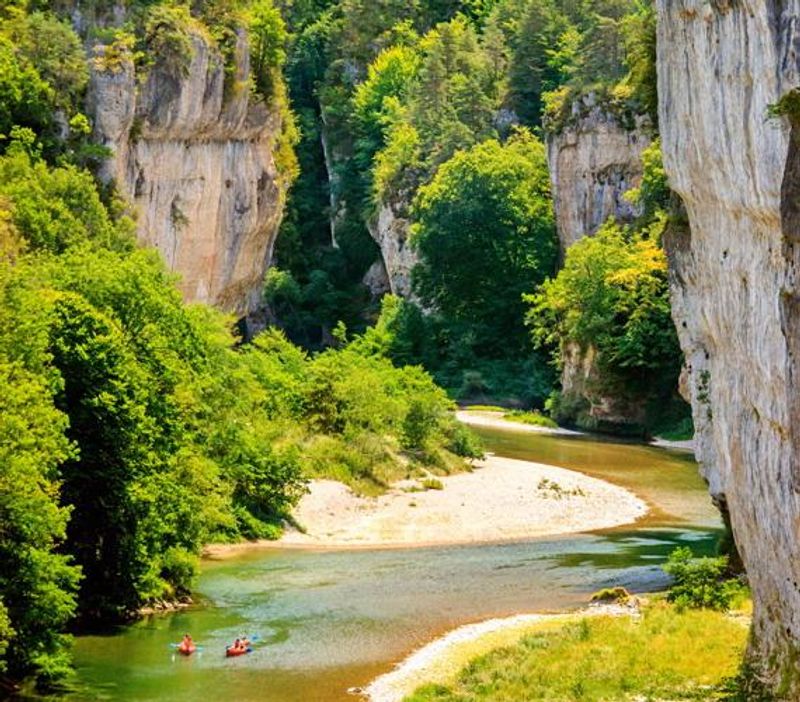
The Tarn River has spent millions of years quietly carving through limestone, and the result is one of the most spectacular natural landscapes in all of France. The Gorges du Tarn stretches for around 50 kilometers, with cliffs rising up to 500 meters on either side and the river running a brilliant shade of turquoise through the bottom.
It looks like a scene from a nature documentary.
Kayaking through the gorge is the most popular way to experience it, and rental outfits operate throughout the summer months at multiple points along the river. The calm stretches are ideal for beginners, while some sections offer just enough current to keep things exciting.
Hiking trails along the clifftops provide incredible aerial views of the entire gorge system.
Several charming villages are tucked into the gorge walls, including Sainte-Enimie, which is classified as one of France’s most beautiful villages and makes a great base for exploring the area. The nearby Chaos de Montpellier-le-Vieux is a strange and wonderful landscape of naturally eroded dolomite rock formations that looks like a ruined city.
Visiting in spring or early autumn means cooler temperatures, fewer crowds, and the most dramatic light for photography. The Gorges du Tarn is raw, wild, and completely unforgettable.
Collioure – Mediterranean Gem
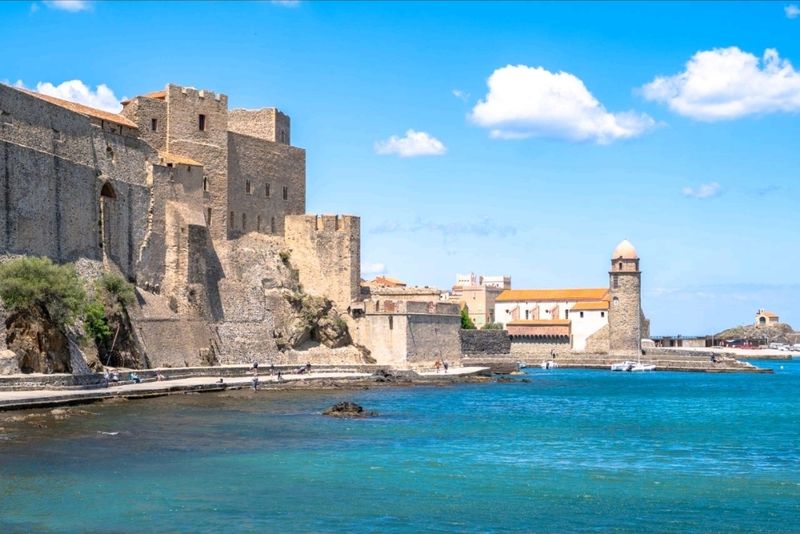
Henri Matisse arrived in Collioure in 1905 and was so overwhelmed by the intensity of the light and color that he painted over 40 works during a single summer visit. The town inspired the birth of Fauvism, one of the most important art movements of the 20th century.
Standing on the waterfront today, it is not hard to see exactly what got him so excited.
The harbor is framed by a 13th-century royal castle on one side and the distinctive round tower of the Church of Saint-Vincent on the other. Brightly colored fishing boats bob in the water, pastel buildings line the shore, and the Pyrenees loom dramatically in the background.
Every angle looks like a painting waiting to happen.
Collioure is also famous for its anchovies, which have been salted and packed here for centuries using traditional methods. The local wine, Collioure AOC, is a rich and robust red that pairs beautifully with the town’s seafood-heavy cuisine.
Unlike many Mediterranean coastal towns, Collioure has managed to retain much of its authentic character despite its popularity. The beaches are small and pebbly but incredibly charming, and the town is compact enough to explore fully on foot in a single afternoon.
This is the French Mediterranean at its most genuinely captivating.
Pic du Midi – Sky-High Views
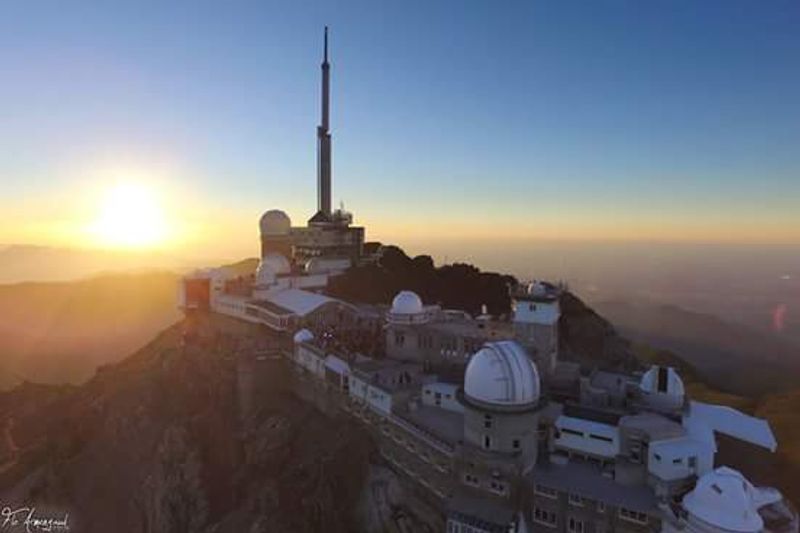
At 2,877 meters above sea level, the Pic du Midi offers the kind of views that make people go completely silent for a moment. The observatory perched on the summit has been watching the stars since 1882, and on clear nights the sky here is among the darkest and most star-filled in all of Europe.
NASA has even used images taken from this peak.
Getting up there is half the adventure. A cable car whisks visitors from the mountain town of La Mongie up to the summit in just a few minutes, and the transition from green valleys to snow-dusted peaks happens fast enough to feel genuinely dramatic.
The temperature at the top can be 15 degrees colder than at the base, so packing a jacket is non-negotiable.
On a clear day, the panoramic view stretches across the entire Pyrenees range and into Spain, with over 100 peaks visible from a single viewpoint. The observatory museum inside is excellent, covering topics from astronomy to meteorology in an engaging and accessible way.
Night visits are available during certain seasons, offering a stargazing experience that is difficult to match anywhere in France. Pic du Midi is proof that sometimes the best things in Occitanie require a little altitude.
Cirque de Navacelles – Geological Wonder
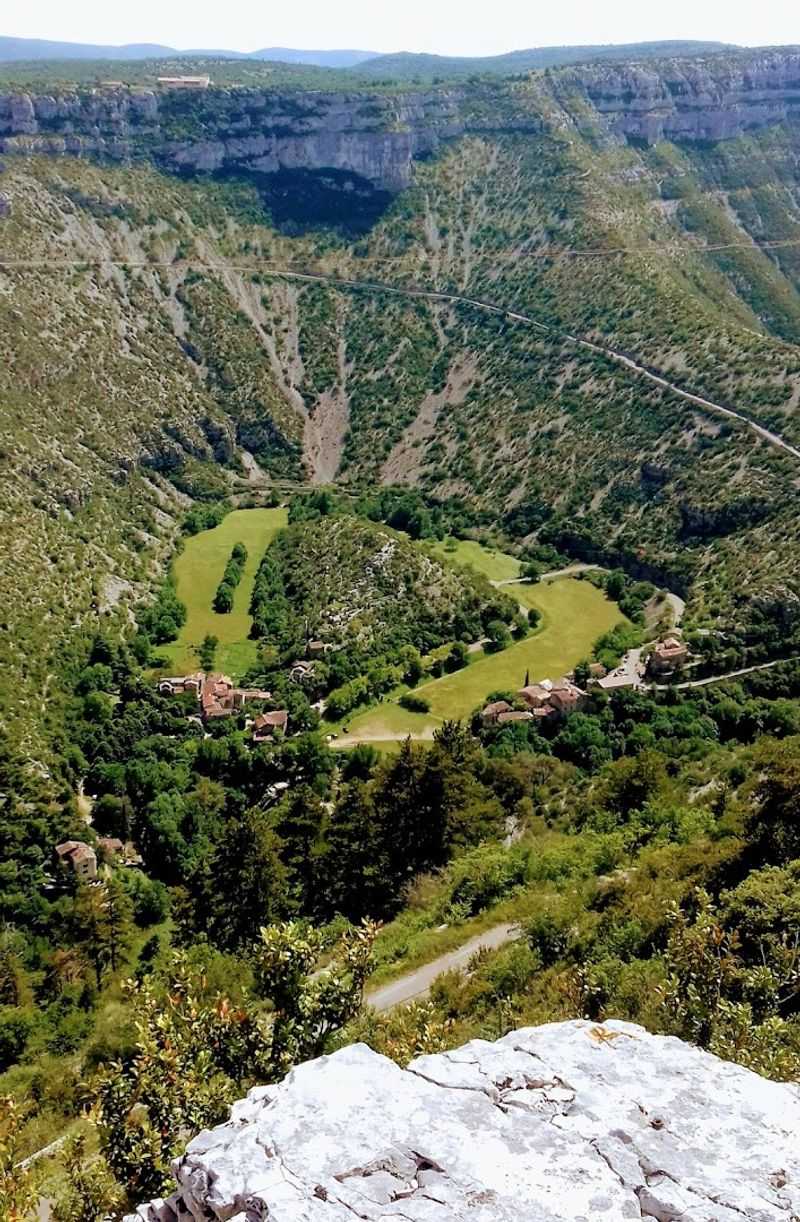
From the lookout point above, the Cirque de Navacelles looks like the earth simply decided to hollow itself out into a perfect bowl, just for fun. This massive natural amphitheater was carved over thousands of years by the Vis River, which once looped dramatically through the valley before cutting itself a shortcut and leaving a circular meander behind.
The result is one of the most unusual landscapes in France.
The UNESCO-listed site sits on the border of the Herault and Gard departments and covers an area of around 3,000 hectares. The valley floor sits roughly 300 meters below the surrounding plateau, and the drive down into it is a series of tight hairpin bends that reward patience with increasingly spectacular scenery.
A tiny hamlet called Navacelles sits at the very bottom, with a population of just a handful of residents.
Hiking trails connect the valley floor to the clifftop viewpoints, offering a workout that pays off immediately once you see the view. Spring is particularly beautiful when wildflowers cover the limestone grasslands above the cirque.
The whole area feels genuinely remote and untouched, which is increasingly rare in southern Europe. Cirque de Navacelles is the kind of geological spectacle that makes you appreciate just how dramatic and creative natural processes can be.
Albi – UNESCO Cathedral City
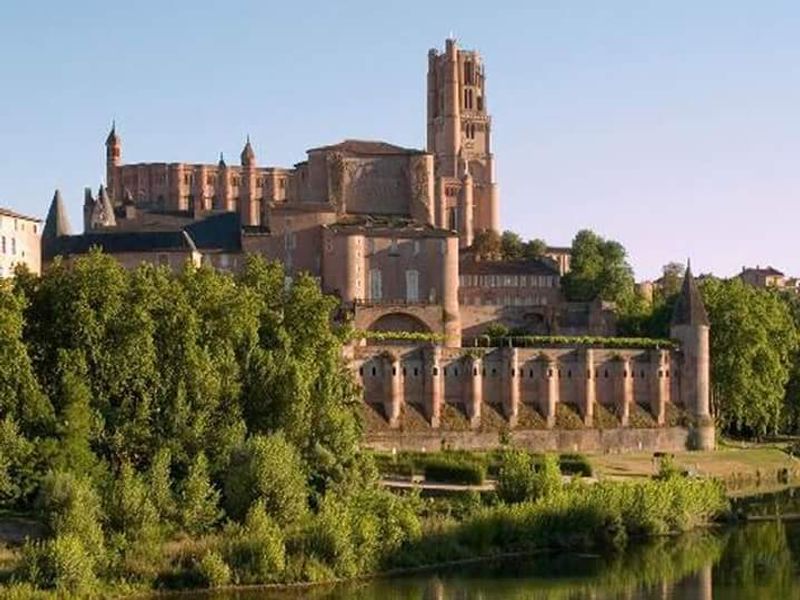
When the Catholic Church wanted to send a message to the rebellious Cathar population of Albi in the 13th century, they built a cathedral so enormous and fortress-like that it still dominates the entire city skyline 700 years later. The Sainte-Cecile Cathedral is the largest brick building in the world, and standing next to it feels a bit like standing next to a small mountain.
It is genuinely overwhelming in the best possible way.
The interior is a complete shock after the severe exterior, bursting with elaborate frescoes, intricate carvings, and one of the finest painted ceilings in France. The contrast between the plain red brick outside and the explosion of color and detail inside is one of the great architectural surprises in the country.
The entire historic center of Albi was awarded UNESCO status in 2010.
Albi is also the birthplace of Henri de Toulouse-Lautrec, the famous Post-Impressionist painter known for his vivid depictions of Parisian nightlife. The Toulouse-Lautrec Museum, housed in a medieval palace next to the cathedral, holds the largest collection of his works in the world.
The Tarn River curves gently around the old town, adding a picturesque quality to an already beautiful city. Albi is small enough to explore in a day but rich enough to linger in for much longer.
Sète – The Venice of Languedoc
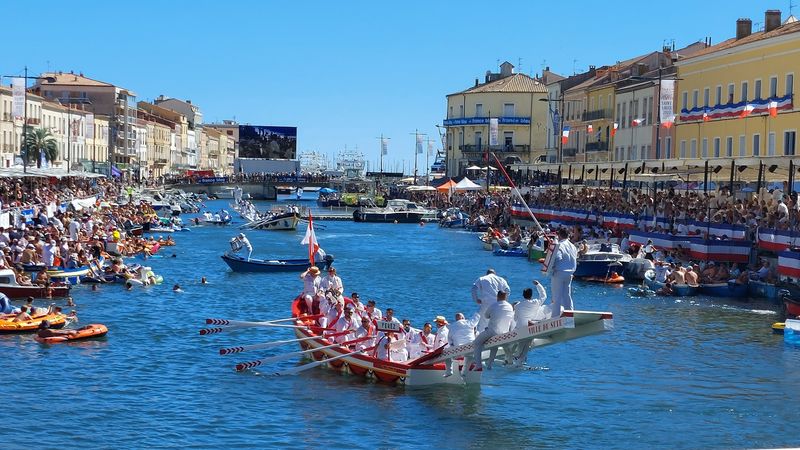
Sète is the kind of town that fishermen, poets, and painters have been quietly obsessed with for generations, and once you arrive it becomes immediately obvious why. Canals cut through the center, fishing boats line the quays, and the smell of fresh seafood drifts through streets that feel lived-in and real rather than polished for tourists.
It is sandwiched between the Mediterranean Sea and the Etang de Thau lagoon, giving it a geography unlike anywhere else in the region.
The poet Paul Valery was born here and wrote lovingly about the town his whole life. Singer-songwriter Georges Brassens also called Sète home, and both men are celebrated with museums and monuments throughout the city.
The cultural identity of this town runs deep and proud.
The joutes nautiques, or water jousting tournaments, are a local tradition dating back centuries, where competitors on long wooden boats try to knock each other into the canal using lances. These tournaments draw huge crowds in summer and are completely unlike anything you will see elsewhere in France.
The seafood here is extraordinary, particularly the tielle, a spiced octopus pie that is essentially the town’s edible mascot. Sète rewards slow exploration, long lunches, and absolutely no itinerary whatsoever.
It is wonderfully, unapologetically itself.
Lourdes – Spiritual Landmark
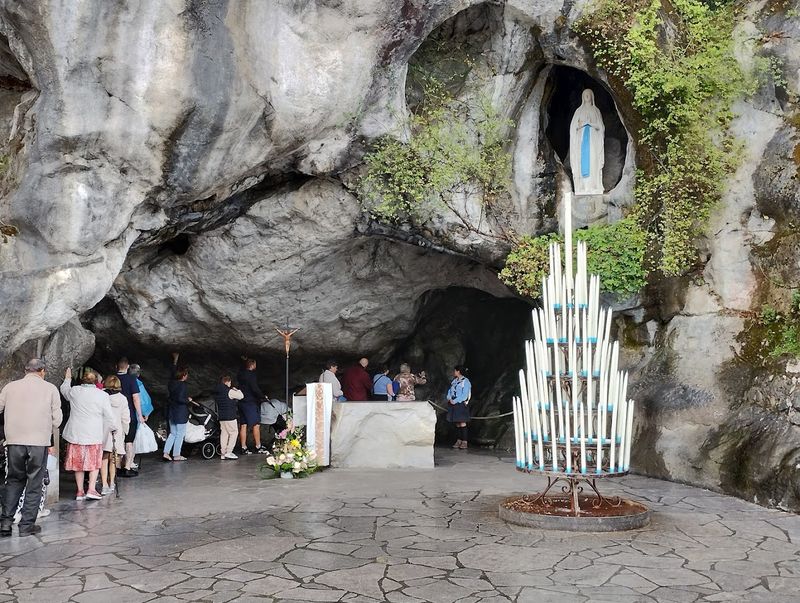
Every year, around six million people make their way to the small Pyrenean town of Lourdes, making it the second most visited destination in all of France after Paris. That statistic alone tells you something significant about the pull this place has on people from every corner of the world.
Whether you visit for religious reasons or simply out of curiosity, the atmosphere here is unlike anything else.
The story began in 1858 when a 14-year-old girl named Bernadette Soubirous reported a series of visions of the Virgin Mary near a grotto on the edge of town. The site quickly became one of the most important Catholic pilgrimage destinations on earth.
The spring water from the grotto is believed by many pilgrims to have healing properties, and thousands of people visit the baths each year.
The sanctuary complex is enormous, featuring multiple basilicas, underground churches, and beautifully maintained gardens that stretch along the Gave de Pau river. Even outside of major religious festivals, the atmosphere is calm and deeply reflective in a way that feels genuinely moving.
The evening candlelight processions, where thousands of pilgrims carry candles through the sanctuary grounds while singing hymns, are one of the most memorable spectacles in France. Lourdes is a place that stays with you long after you leave.
Cathar Castles – Dramatic Hilltop Fortresses
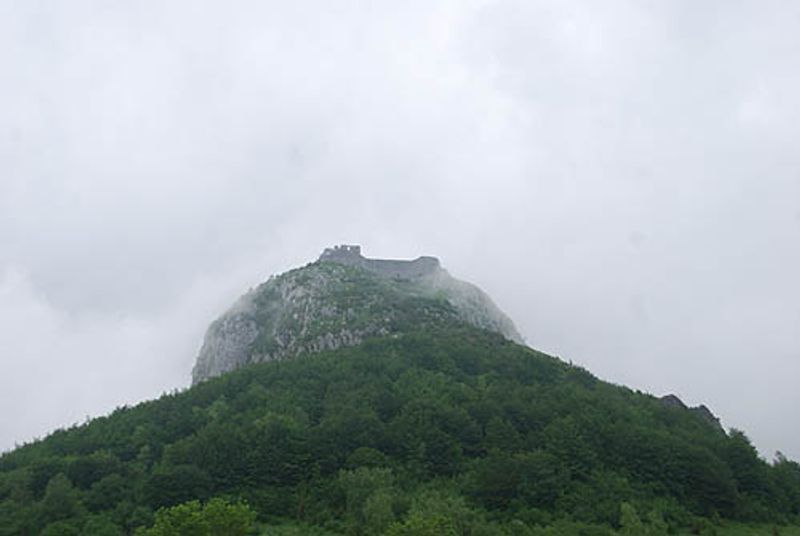
Perched on rocky ridges so narrow that building anything up there seems borderline reckless, the Cathar castles of Occitanie are some of the most dramatic ruins in all of Europe. These fortresses were built by the Cathars, a medieval religious group who were brutally persecuted by the Catholic Church during the Albigensian Crusade of the 13th century.
What remains today are haunting, windswept ruins with stories of resistance baked into every stone.
Peyrepertuse is perhaps the most spectacular, stretching along a ridge 800 meters above sea level and covering an area so large it is sometimes called the sky citadel. Quéribus, nearby, perches on a solitary peak and was one of the last Cathar strongholds to fall.
Both castles require a decent hike to reach, but the views from the top are an instant reward for every uphill step.
The Cathar trail connects many of these fortresses across the Corbieres hills, creating a multi-day hiking route that combines history, scenery, and physical challenge in equal measure. The surrounding landscape of vineyards, garrigue scrubland, and wild limestone hills is beautiful in every season.
Visiting these castles feels like uncovering a chapter of history that most people never learned about in school, which makes the experience all the more powerful and memorable.
Share this story