Macedonia is one of Europe’s best-kept secrets, packed with ancient history, stunning landscapes, and villages where time seems to slow down. Most travelers rush past this small Balkan country on their way somewhere else, never realizing what they’re missing.
From sky-high monasteries to lakeside hideaways and prehistoric observatories, Macedonia offers a kind of quiet magic that’s hard to find anywhere else. If you’re craving a real escape from the noise of everyday life, this list is your starting point.
Mavrovo National Park – Untouched Mountain Escape
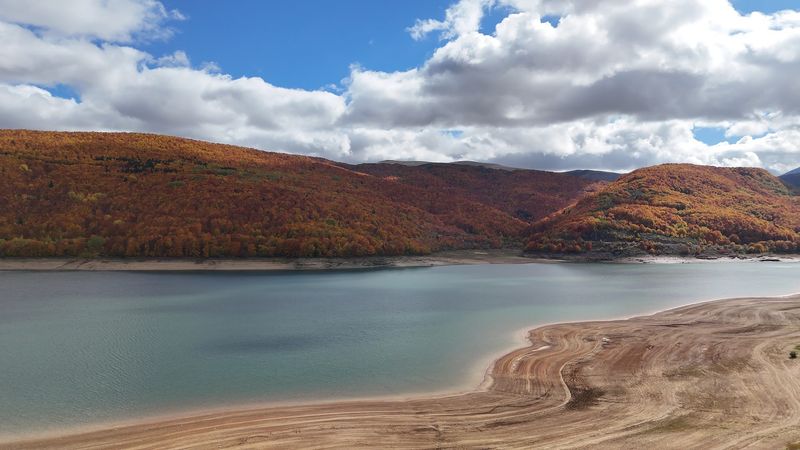
Step into Mavrovo National Park and the first thing you notice is the silence. Not the uncomfortable kind, but the deep, restorative quiet that only untouched wilderness can offer.
This is North Macedonia’s largest national park, and it earns that title with ease.
In summer, hiking trails wind through dense forests and alpine meadows bursting with wildflowers. The shimmering Mavrovo Lake sits at the heart of it all, reflecting the mountains like a giant mirror.
Small traditional villages dot the landscape, where locals still cook over wood fires and greet strangers like old friends.
Winter flips the script entirely. Snow blankets the slopes, and the park becomes a low-key ski destination without the overcrowded lifts or overpriced lodges you’d find elsewhere.
Wildlife lovers will also appreciate the park’s residents, including bears, wolves, and lynx roaming freely through the forests. Mavrovo doesn’t try to impress you with flashy attractions.
It simply exists in its raw, unhurried state, and that’s exactly why it works so well as a peaceful escape for anyone ready to slow down and breathe properly for once.
Kratovo – The Town of Stone Bridges
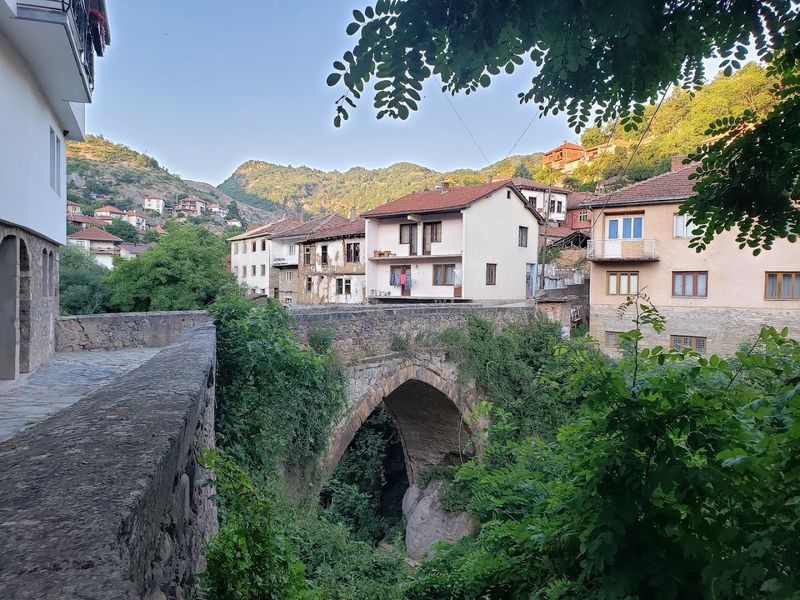
Built inside an extinct volcanic crater, Kratovo might just be the most unusual town you’ve never heard of. The volcanic rock walls that surround it give the place a naturally fortress-like feel, as if the earth itself decided to protect this little medieval gem.
Six stone towers still stand throughout the town, remnants of a time when Kratovo was a wealthy mining and trading center during the Ottoman era. Arched stone bridges connect different neighborhoods, and underground tunnels carved into the volcanic rock add a layer of mystery that history buffs will absolutely love.
Walking through Kratovo feels like flipping through a living history book.
The town stays refreshingly quiet even during peak travel months, which makes it a wonderful spot for slow wandering. Local cafes serve strong coffee and homemade pastries, and the friendly residents are always happy to share stories about their unique hometown.
There’s also a small ethnological museum worth visiting for context on the region’s rich past. Kratovo rewards curious travelers who are willing to venture off the standard tourist trail and spend time somewhere genuinely one of a kind.
Berovo – A Hidden Mountain Retreat
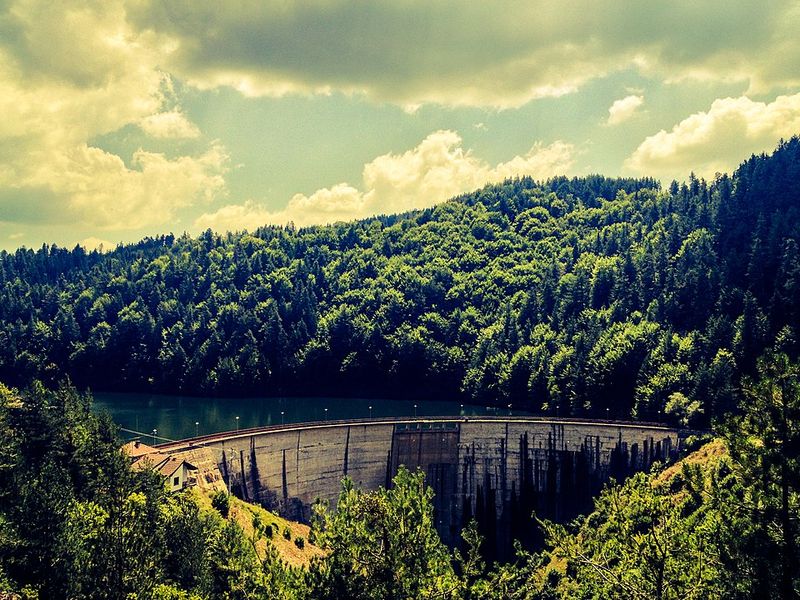
Tucked into the Maleshevo Mountains near the Bulgarian border, Berovo is the kind of place that makes you want to cancel your return ticket. The air here is genuinely clean in a way that city dwellers will immediately notice, almost like the forest is generously sharing something it has too much of.
The surrounding Berovo Lake and Maleshevo Nature Park offer easy walking trails through pine forests, past wooden bridges and babbling streams. It’s eco-tourism done right, with minimal infrastructure and maximum natural beauty.
Traditional guesthouses serve slow-cooked local meals that taste like they were made by someone’s grandmother, because they probably were.
Berovo is also known for its handmade woodcraft traditions, and local artisans still produce beautifully carved items that make for meaningful souvenirs. The town itself is small and walkable, with a relaxed pace that encourages afternoon naps and long evening strolls.
Festivals celebrating local culture and music pop up during summer months, adding warmth to the already welcoming atmosphere. For travelers who want nature, culture, and genuine calm without fighting for a sun lounger, Berovo is a quiet triumph hiding in plain sight.
Kokino – Ancient Observatory
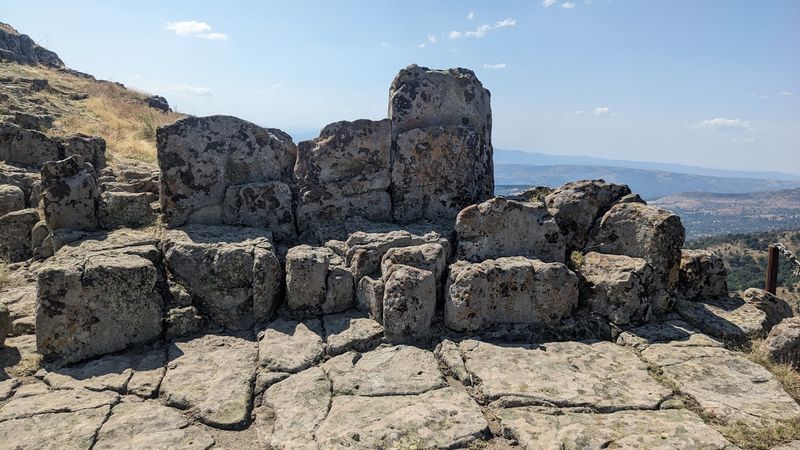
NASA ranked it among the top five ancient observatories in the world, yet most people couldn’t find Kokino on a map. That gap between its significance and its obscurity is exactly what makes visiting it feel like a personal discovery.
Perched on a volcanic hilltop in northeastern Macedonia, Kokino dates back roughly 4,000 years to the Bronze Age. Ancient priests used carefully carved stone markers to track the movements of the sun and moon with surprising precision.
Standing among those rocks today, with panoramic views stretching across the valley below, you get a genuine sense of just how sophisticated early civilizations really were.
The site sits at around 1,013 meters above sea level, so the air carries a sharp, clean edge that clears your head instantly. Sunrise visits are especially worthwhile, when golden light hits the volcanic rock and the whole place seems to glow with ancient energy.
There’s no gift shop, no entry queue, and no tour bus pulling up every twenty minutes. Just you, the wind, and a few thousand years of human curiosity carved into stone.
Kokino is proof that the most extraordinary places are often the least crowded.
Trpejca – Quiet Lakeside Village
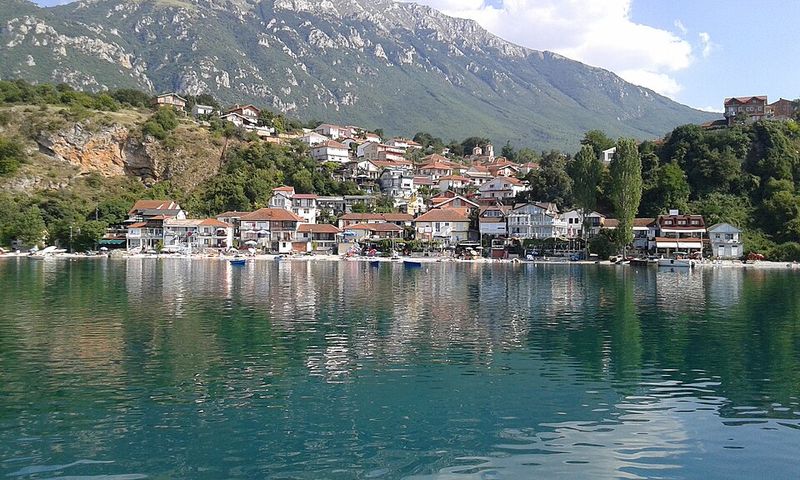
Locals sometimes call it the Macedonian Saint-Tropez, but Trpejca has something the French original lost long ago: genuine peace and quiet. This tiny village clings to the eastern shore of Lake Ohrid, sandwiched between dramatic limestone cliffs and some of the clearest water you’ll ever see.
With only a few hundred permanent residents, Trpejca moves at a pace that feels almost rebellious by modern standards. There are no nightclubs, no chain restaurants, and no souvenir stalls selling the same mass-produced trinkets.
What you do get is pebble beaches, excellent fresh fish grilled simply with lemon, and evenings so calm you can hear the water lapping against the boats.
Lake Ohrid itself is one of Europe’s oldest and deepest lakes, home to species found nowhere else on earth. Swimming in its crystal waters near Trpejca feels less like a tourist activity and more like a privilege.
The village is accessible by boat from Ohrid town, which only adds to the sense of arrival when you finally step ashore. If your idea of a perfect escape involves doing very little in a very beautiful place, Trpejca will exceed every expectation you bring with you.
Treskavec Monastery – Spiritual Isolation
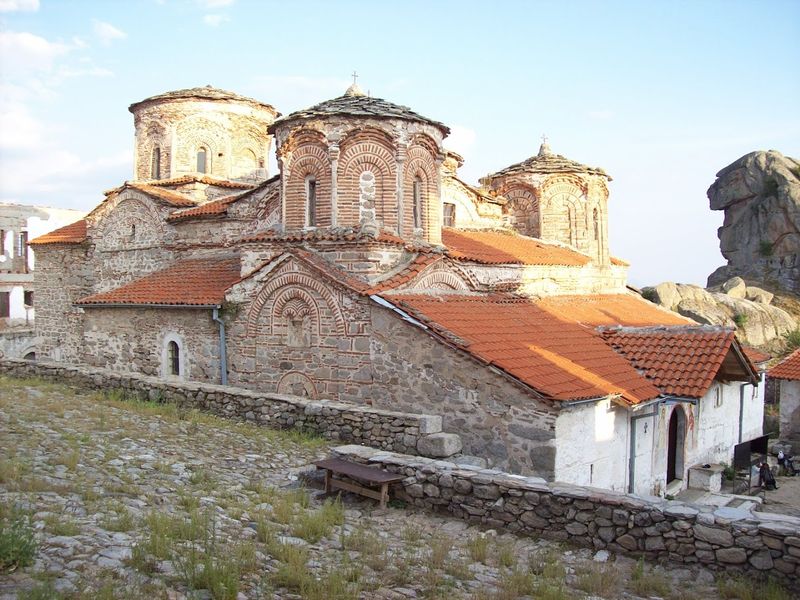
Getting to Treskavec Monastery requires a steep hike up Mount Zlatovrv, and every step of that climb is absolutely worth the effort. The monastery appears almost dramatically once you reach the top, rising from bare rock like it grew there naturally over the centuries, which in some ways it has.
Dating back to the 12th century, Treskavec sits at around 1,422 meters above sea level and offers views that stretch across central Macedonia in every direction. The monks who have called this place home over the centuries clearly understood something about choosing a location.
Byzantine frescoes inside the church have survived wars, earthquakes, and centuries of weather with remarkable grace.
Visitors are welcome to stay overnight in simple guestrooms, and the experience of waking up above the clouds with nothing but silence and stone around you is genuinely hard to describe. The resident monks are warm hosts, happy to share tea and conversation with respectful guests.
There’s no running commentary, no audio guide, and no timed entry slot. Treskavec operates on monastery time, which is to say it operates beautifully slowly, making it one of the most spiritually restorative stops anywhere in the Balkans.
Demir Kapija – Hidden Wine and Nature Region
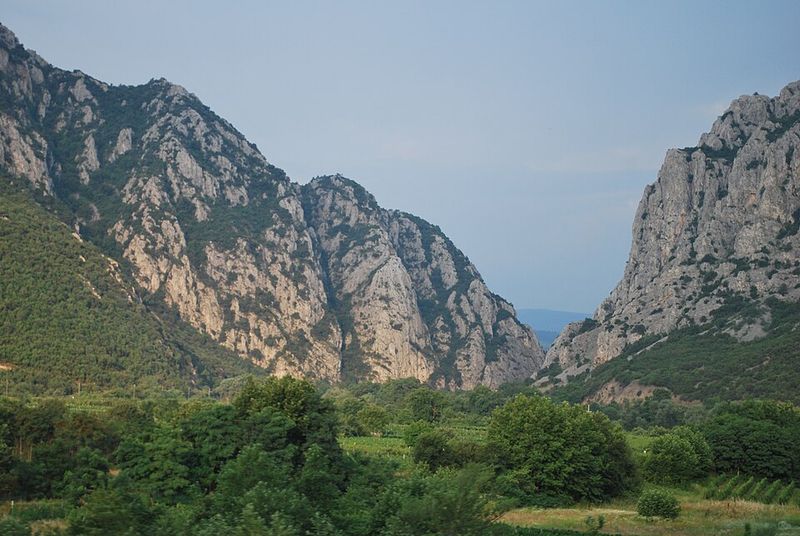
The name Demir Kapija translates to Iron Gate, and the dramatic limestone gorge that gives the region its name makes it immediately obvious why. Towering cliffs rise sharply above the Vardar River, creating a natural corridor that has impressed travelers for centuries and continues to do so without any modern embellishment.
Rock climbers from across the Balkans make the trip specifically for Demir Kapija’s challenging vertical faces, while hikers enjoy the well-marked trails through the gorge and surrounding hills. Birdwatchers also come for the rare species that nest in the cliff faces, including Egyptian vultures and eagle owls that survey the gorge from impressive heights.
Below the cliffs, the valley opens into some of Macedonia’s most productive wine country. Small family wineries offer tastings in relaxed, unhurried settings where the winemaker often pours the glasses personally and stays to chat about the harvest.
The combination of adrenaline-friendly outdoor activities and slow wine country culture makes Demir Kapija genuinely versatile. You can spend a morning climbing, an afternoon tasting Vranec red wine, and an evening watching the cliffs turn amber in the fading light.
Few places in Macedonia pack that much variety into such a compact and accessible destination.
Galicica National Park – Between Two Lakes
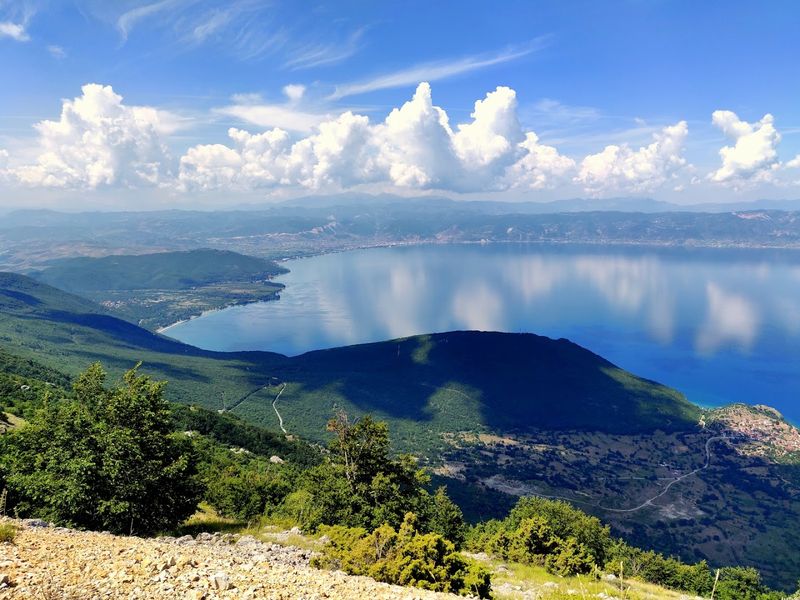
Standing on Galicica’s ridge and seeing two lakes at the same time is the kind of view that makes you stop mid-sentence and just stare. Lake Ohrid gleams on one side, Lake Prespa shimmers on the other, and the mountain you’re standing on seems perfectly positioned to show off both at once.
Galicica National Park covers around 227 square kilometers of mountain terrain between these two remarkable bodies of water. The park is home to over 1,500 plant species, many of them endemic to the region, which makes botanists genuinely excited and regular hikers pleasantly surprised by how varied the scenery becomes with each trail.
Wildflowers carpet the slopes in late spring, turning the mountain into something resembling a painting.
Despite its spectacular natural credentials, Galicica sees relatively modest visitor numbers compared to more marketed destinations in the region. Hiking trails range from easy walks to more demanding ridgeline routes, and the park infrastructure is simple but functional.
Small shepherd huts dot the higher elevations, occasionally still in use by local herders. For wildlife watchers, the park shelters chamois, wild boar, and numerous bird species.
Galicica is the rare destination where the views justify the effort and then quietly exceed it.
Pesna Cave – A Hidden Natural Wonder
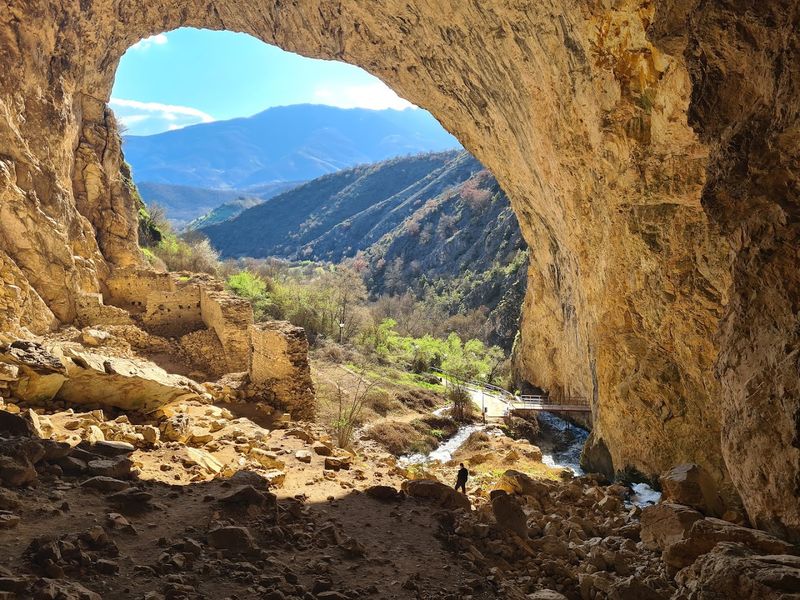
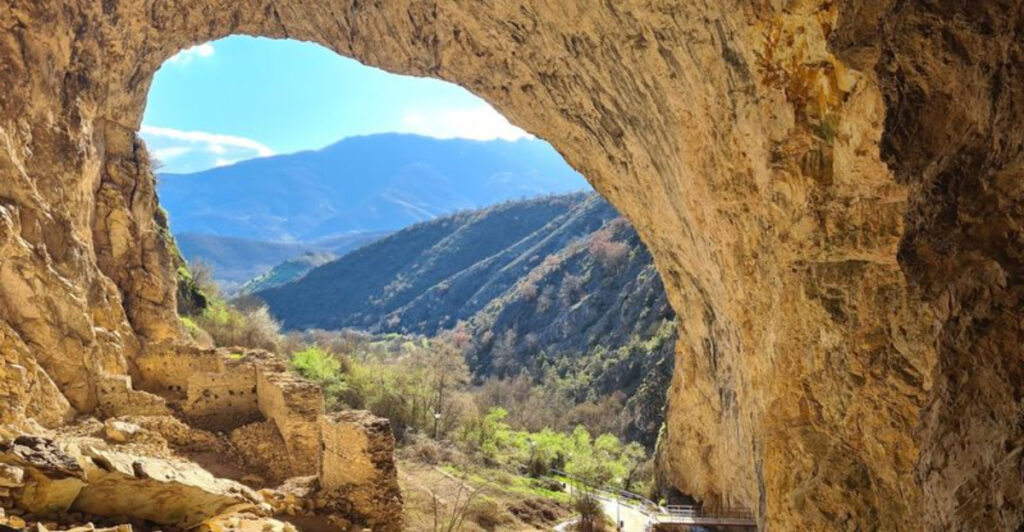
Few natural features in the Balkans are as visually striking as the entrance to Pesna Cave, a colossal rocky arch that frames a world of shadow and stone with theatrical confidence. The opening is so large that the first reaction of most visitors is to simply stand still and look upward for a while.
Located near the town of Makedonski Brod in central Macedonia, Pesna Cave has been inhabited since prehistoric times. Archaeological finds from the site include tools and artifacts spanning multiple ancient civilizations, which means the cave has essentially been impressing humans for thousands of years without needing any renovation.
The underground river that flows through part of the cave adds a soundtrack of moving water that makes the whole experience feel cinematic.
The surrounding area is lush and forested, making the approach to the cave a pleasant walk in itself. Local guides can lead visitors deeper into the cave system, where the scale of the underground chambers continues to surprise.
Photography enthusiasts will find the contrast between the bright exterior and the dark interior endlessly interesting to work with. Pesna is the kind of place that gets described as undiscovered even by people who have clearly already discovered it, which tells you everything about its enduring appeal.
Kolesino Waterfall – Forest Escape
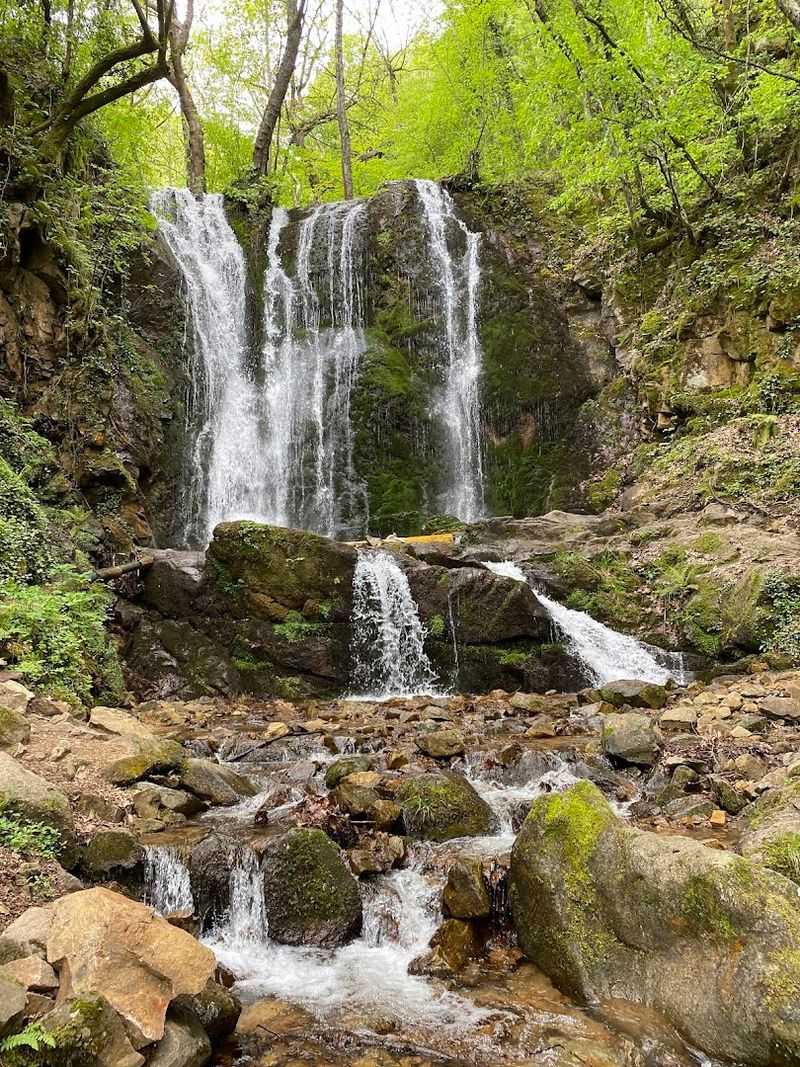
Water has been carving its way down Mount Belasica for longer than anyone has been counting, and the result at Kolesino is a waterfall that manages to feel both powerful and soothing at the same time. The cascade drops between 15 and 19 meters, depending on the season, and the spray it kicks up on warm days is genuinely refreshing.
The surrounding forest of Mount Belasica keeps the area cool and shaded even in summer, making the walk to the waterfall pleasant rather than punishing. The path is well-maintained and suitable for most fitness levels, passing through ferns, mossy rocks, and the kind of dense woodland that makes you want to slow your pace and pay attention to small details.
Birds are particularly active here in the early morning hours.
Kolesino village itself, just a short distance from the falls, is a charming stop with a handful of traditional restaurants serving local trout and homemade wine. The combination of an easy nature walk and a satisfying meal afterward makes this a genuinely complete half-day outing.
Families, solo travelers, and couples all find something to appreciate here. The waterfall doesn’t try to be the biggest or most dramatic; it simply does its job beautifully and lets the forest do the rest.
Bitola – The City of Consuls
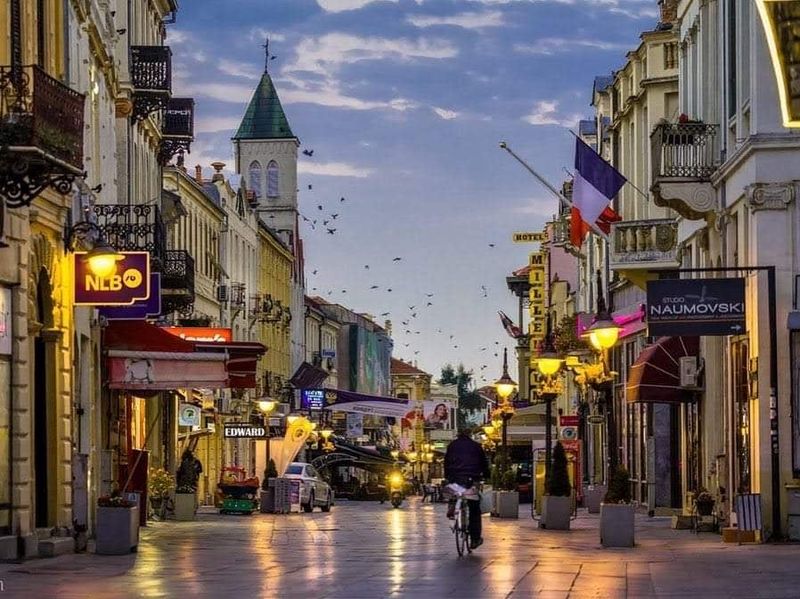
Bitola carries a title that most people don’t know it earned. During the 19th century, it was home to more than a dozen foreign consulates, giving it a cosmopolitan energy and architectural elegance that still shapes the city’s character today.
Walking down Shirok Sokak, the city’s main pedestrian street, you pass neoclassical facades that belong in a much more famous city.
Just outside town, the ancient ruins of Heraclea Lyncestis offer a remarkable open-air history lesson. Founded by Philip II of Macedon in the 4th century BC, the site includes well-preserved Roman mosaics, a theatre, and basilica remains that archaeologists are still actively exploring.
Entry is affordable and crowds are minimal, which makes wandering among the ruins feel like a private experience.
The city also serves as a convenient base for exploring Pelister National Park, one of Macedonia’s oldest protected natural areas, located just a short drive away. Bitola’s cafe culture is genuinely alive and welcoming, with locals spending long hours over coffee in a way that invites visitors to do the same.
Despite all this, Bitola remains largely off the international tourist radar, which is both its best-kept secret and, frankly, a minor mystery worth solving in person.
Matka Canyon – Hidden Corners
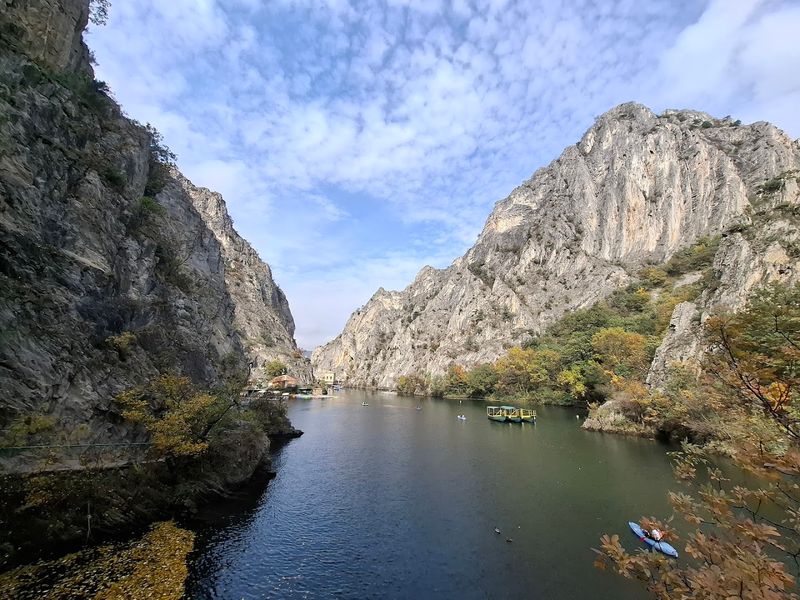
Most people who visit Matka Canyon stick to the main path and the boat ride to the cave, which means the quieter corners of this spectacular gorge remain almost entirely to themselves. That’s good news for anyone willing to take a slightly longer trail and leave the crowds behind on the main dock.
Matka sits just 15 kilometers from Skopje’s city center, making it one of the most accessible natural escapes from any Balkan capital. The canyon was formed by the Treska River cutting through limestone over millions of years, and the result is a series of dramatic cliffs, hidden caves, and some of the most photogenic water in the country.
Vrelo Cave, reachable by boat, contains one of the deepest underwater lakes ever measured.
Early morning visits reward those who make the effort with mirror-flat water, birdsong echoing off the canyon walls, and the rare experience of having the place largely to yourself. Kayaking is available for rent, and paddling quietly through the canyon while the mist clears is genuinely memorable.
The monastery of Sveti Andreja, perched above the water on a rocky ledge, adds a cultural layer to what is already a rich natural experience. Matka proves that even well-known places have secrets worth finding.
Kavadarci and Tikves Region – Wine Country Calm
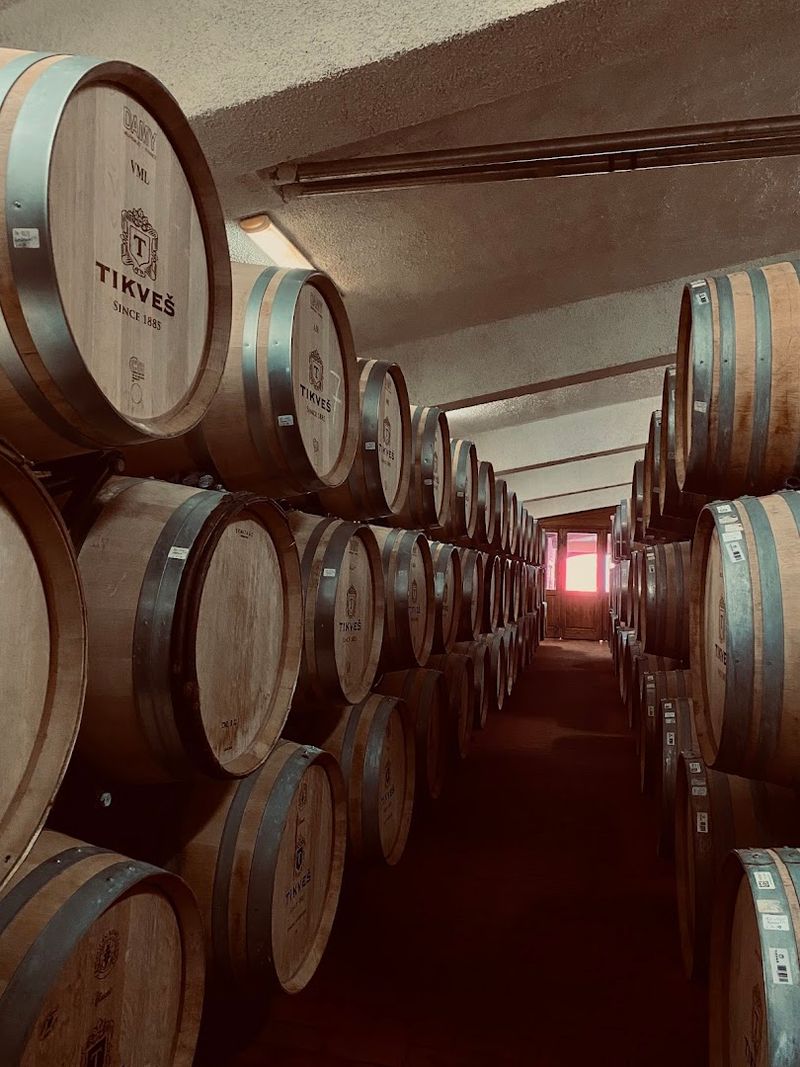
Macedonia produces around 100 million liters of wine annually, and a significant portion of that liquid achievement comes from the Tikves region surrounding Kavadarci. Yet somehow, this sun-soaked wine country remains almost entirely absent from international travel itineraries, which is a situation that works out very nicely for those who do show up.
The landscape around Kavadarci is quintessentially Mediterranean in character, with low hills covered in orderly rows of vines that turn gold and russet in autumn. Tikves Winery, one of the largest in the Balkans, offers tours and tastings in a setting that manages to feel both professional and relaxed.
Smaller family wineries scattered across the valley provide an even more personal experience, often including a home-cooked meal alongside the bottles.
The local Vranec grape produces a bold red wine with a distinctive regional personality that wine enthusiasts find genuinely interesting rather than just drinkable. Beyond wine, the region offers Byzantine churches, riverside picnic spots, and the kind of unhurried rural atmosphere that pairs beautifully with a long afternoon tasting.
Kavadarci town itself is friendly and unpretentious, with good local restaurants and almost no tourist infrastructure to speak of. That last detail, depending on your travel style, is either a minor inconvenience or the whole point.
Galicnik – Traditional Mountain Village
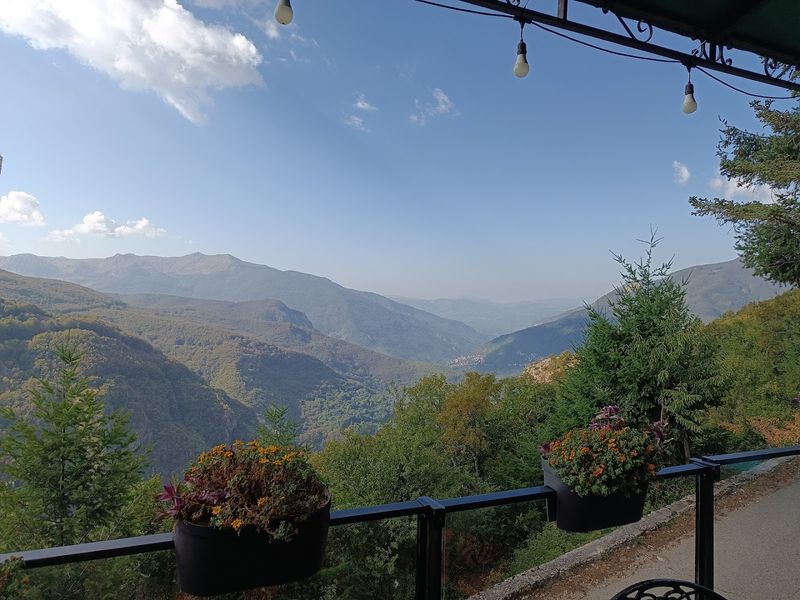
Galicnik sits at around 1,400 meters above sea level in the Mavrovo region, which means reaching it involves a road that winds upward with the kind of commitment that makes arrival feel genuinely earned. The village rewards that effort with stone houses, mountain views, and a cultural atmosphere that feels entirely authentic rather than staged for visitors.
For most of the year, Galicnik is nearly empty, home to only a handful of permanent residents who maintain the old houses and tend small gardens. But every July, the village comes dramatically alive for the Galicnik Wedding Festival, a multi-day celebration of traditional Macedonian customs, music, and costume that draws visitors from across the country and beyond.
Watching a traditional wedding ceremony unfold here, with folk dancers and musicians filling the stone lanes, is an experience with real emotional weight.
The surrounding landscape belongs to Mavrovo National Park, so hiking options from the village are excellent and the scenery is consistently stunning. Shepherds still bring their flocks through the area in summer, adding a timeless quality to the mountain views.
Traditional guesthouses offer simple but comfortable stays, with meals built around local cheese, lamb, and homemade rakija. Galicnik is proof that some of the most meaningful travel experiences happen in places that haven’t been smoothed over for mass consumption.
Share this story