Most people drive right past it without a second glance, thinking it is just another roadside rest stop on the Oregon Coast. But pull into the small gravel lot off Sandlake Road, lace up your shoes, and suddenly you are standing at the edge of one of the most quietly spectacular natural areas the Pacific Northwest has to offer.
Sitka Sedge State Natural Area packs wetlands, forest, coastal dunes, and a secluded beach into a trail system that barely tops two miles, yet somehow feels like a full day of discovery. Birds wheel overhead, elk leave fresh tracks in the mud, and the whole place hums with a kind of calm that is genuinely hard to find anywhere else on this stretch of coast.
Where Exactly You Are and How to Get There
The address is Sandlake Road, Cloverdale, OR 97112, and the park sits in Tillamook County along the northern Oregon Coast, roughly halfway between Lincoln City and Tillamook on Highway 101. Most drivers spot the small brown sign and assume it is a scenic pullout, which is exactly why the trails stay so peaceful even on summer weekends.
The park is a day-use area only, open every day from 8 AM to 8 PM, and the gates close at dusk without exception. There is no entry fee, which feels almost too good to be true given what is waiting inside.
You can reach the park office by calling 503-842-3182, and additional details are posted at oregonstateparks.org.
The parking lot is modest in size and cannot accommodate oversized vehicles longer than about 20 feet, so plan accordingly if you are traveling with a large rig. Arriving early on weekends is a smart move since spots fill up faster than you might expect for a place this low-key.
The whole area was once a working cattle farm on an estuary before Oregon State Parks acquired it, and that agricultural history gives the landscape a wonderfully layered character.
The Trail System Layout and What to Expect
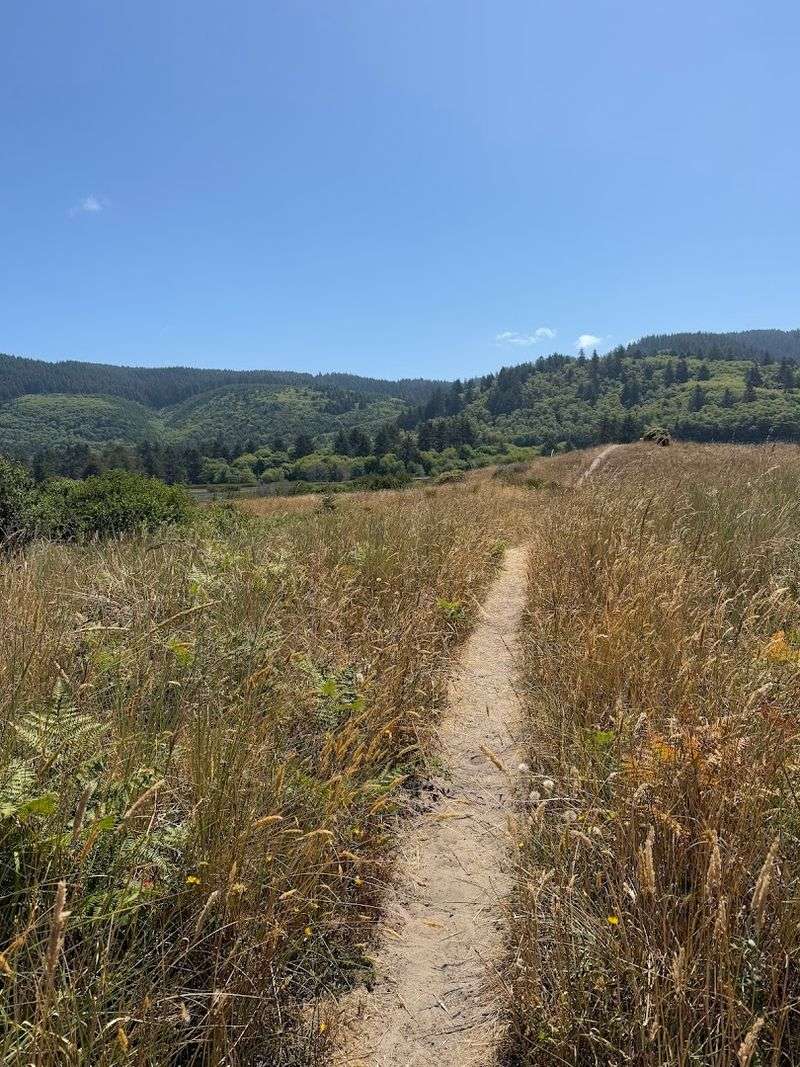
Two separate loop trails, each roughly a mile long, branch off in opposite directions from the trailhead, and together they cover most of the ecological variety this reserve has to offer. You can walk one loop, both loops, or add the short spur to the beach for a total distance of about three miles if you want the full experience.
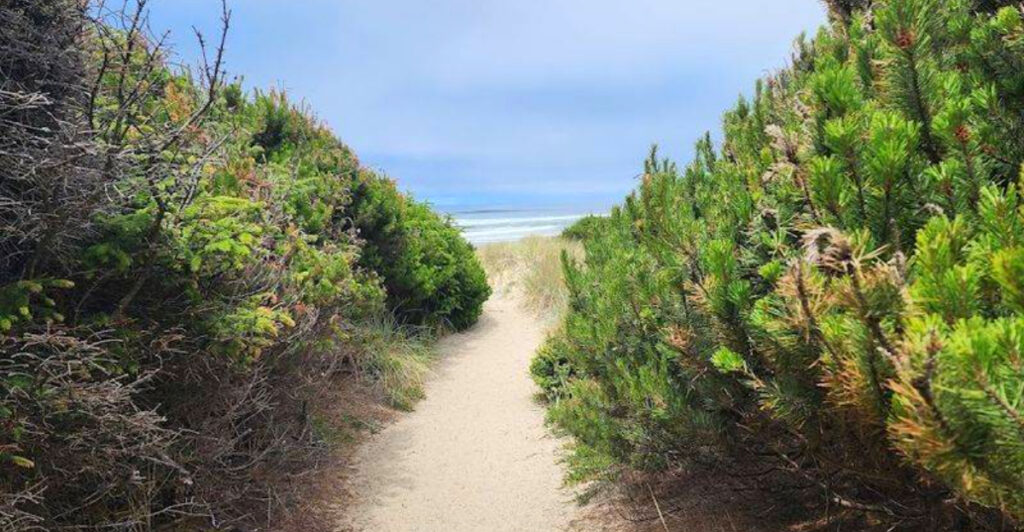
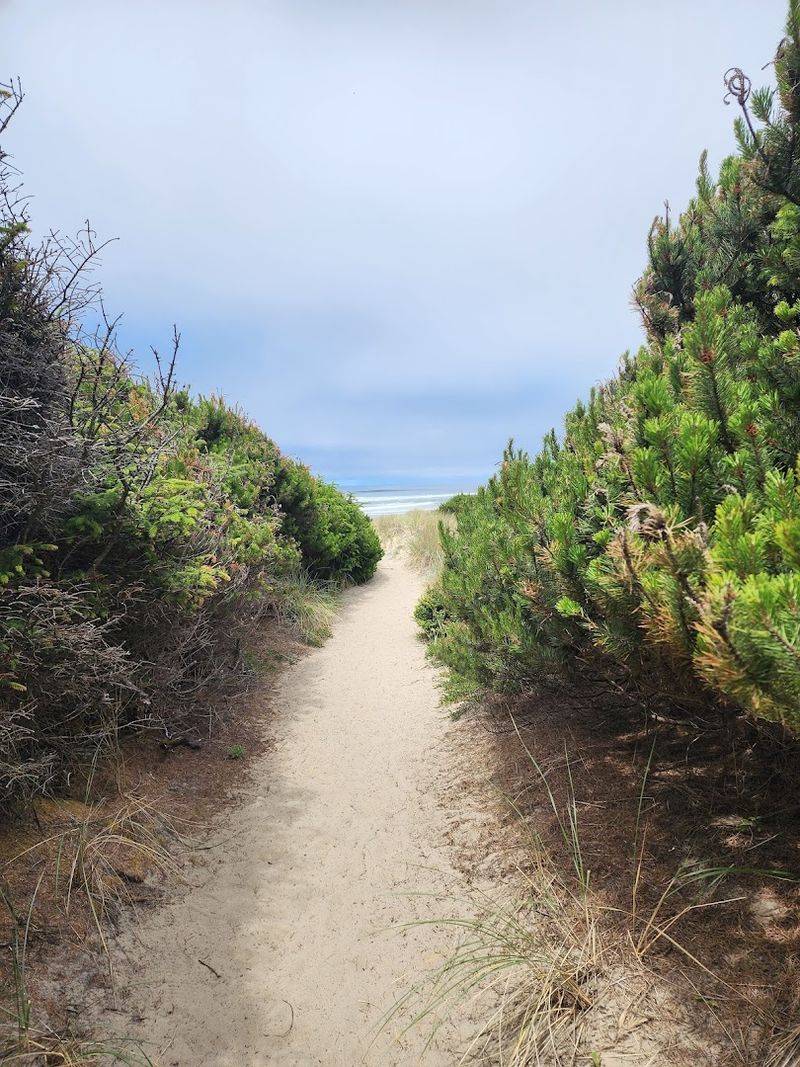
The trails are mostly flat and compact, making them accessible to a wide range of visitors including families with young children and people who prefer a gentler pace. Some sections of the beach trail transition to soft, deep sand near the coast, which requires a bit more effort but rewards you with a quiet stretch of shoreline that feels genuinely off the beaten path.
Trail posts at every intersection display a small map with a “You Are Here” marker, so navigation is straightforward even without a phone signal. One earlier quirk of the park was a lack of interior signage, but that has been addressed in recent years.
Photographing the large map at the trailhead is still a good habit, especially if you plan to take the longer combined route on your first visit.
The Remarkable Bird Life That Earns It the Sanctuary Label
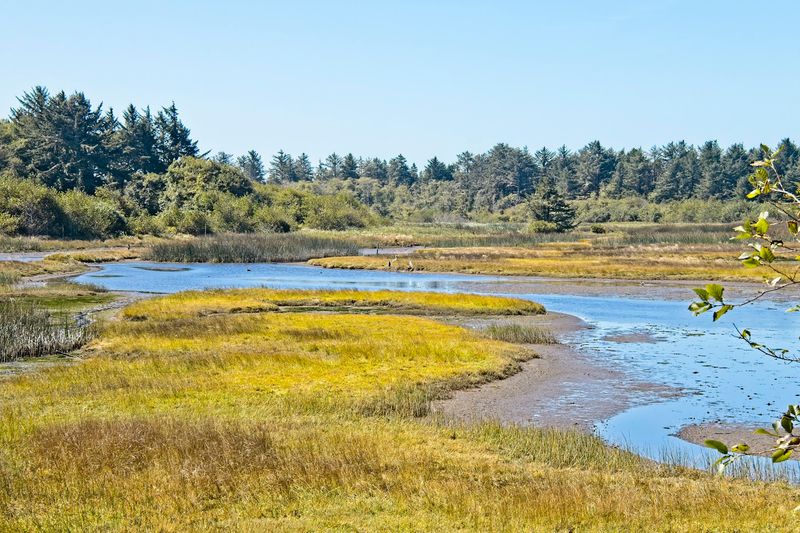
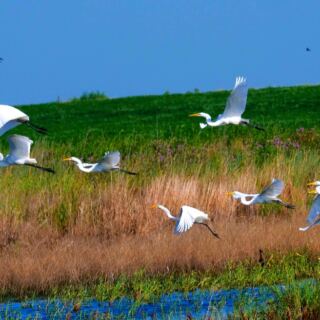
The bird watching here is genuinely exceptional, and that is not a word to throw around lightly on the Oregon Coast where competition is stiff. Eagles, kingfishers, snowy plovers, turkey vultures, terns, and gulls are all regular sightings, and the estuary habitat draws species that simply do not show up in drier inland environments.
The mix of fresh water on one side of the manmade dike and salt marsh on the other creates a feeding zone that birds take full advantage of throughout the day. Early morning visits tend to produce the most activity before foot traffic picks up, though even a midday walk in summer will turn up a surprising number of species.
Snowy plovers, which are a protected shorebird, nest in the area seasonally, and restrictions apply from March 15 through September 15 each year. The information board at the parking lot clearly explains where visitors, dogs, and horses are permitted during nesting season.
Respecting those boundaries matters because the plover population along the Pacific Coast is genuinely fragile, and this reserve is one of the places where careful management is actually making a difference for their numbers.
Walking the Dike and the Estuary Views It Opens Up
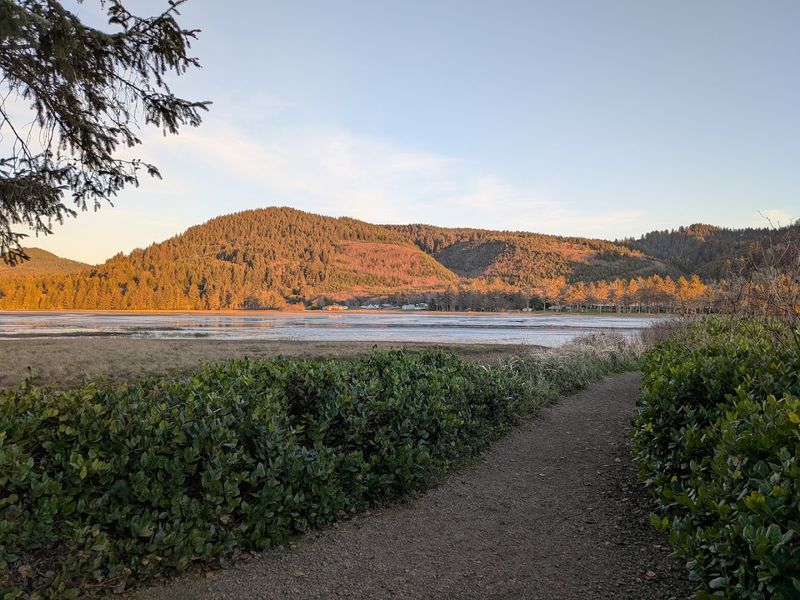
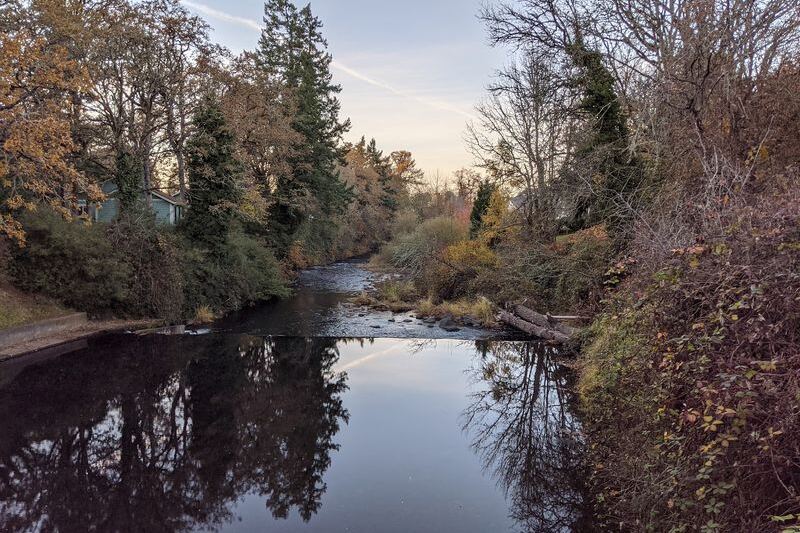
One of the most memorable stretches of the entire trail system is the manmade dike that cuts through the heart of the reserve. Fresh stream water runs along the left side while a salt marsh spreads out to the right, and the contrast between the two ecosystems is visible from a single vantage point, which is a genuinely rare thing to experience on foot.
The dike path is wide enough to walk comfortably and offers unobstructed views in both directions, making it a favorite spot for photography even on overcast days. The muted greens and grays of the marsh grasses against the water create a palette that coastal Oregon does better than almost anywhere else.
This section also tends to be where wildlife sightings cluster. Elk tracks appear regularly in the soft ground along the water’s edge, and black bears have been spotted in the area, with fresh signs sometimes visible near the trail margins.
The park is surrounded by working agricultural land and forested hills, which means the wildlife corridor here is active and connected to a much larger landscape than the park boundaries alone would suggest. Keep your eyes open and your voice low, and the dike will deliver.
The Secluded Beach at the End of the Trail
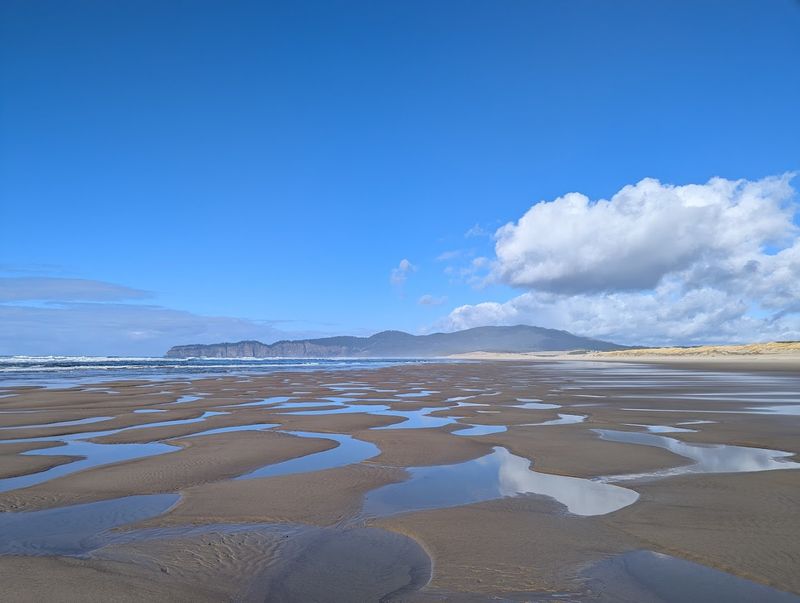
About a mile and a half from the trailhead, the forest trail opens onto a beach that feels almost entirely separate from the rest of the Oregon Coast experience. The sand is white and soft, the crowds are minimal even on summer Saturdays, and the views across the river channel stretch toward Sandlake and Whalen Island in a way that is genuinely hard to photograph badly.
The beach is dog-friendly in designated areas outside of nesting season, which makes it a popular destination for people traveling with pets. Bringing a blanket and some snacks and simply settling in for an hour is a completely reasonable plan, and plenty of visitors do exactly that.
Getting down to the beach involves a short steep descent with deep sand underfoot, which is a mild workout on the way back up but nothing that requires special gear or serious fitness. The payoff is a stretch of shoreline with almost no visible signs of development, which is increasingly rare along the Pacific Coast.
On windy days, the surrounding dunes and vegetation provide enough shelter that the beach feels calm even when the open coast is blustery, a detail that regular visitors have learned to count on.
The Ecological Variety Packed Into One Small Area
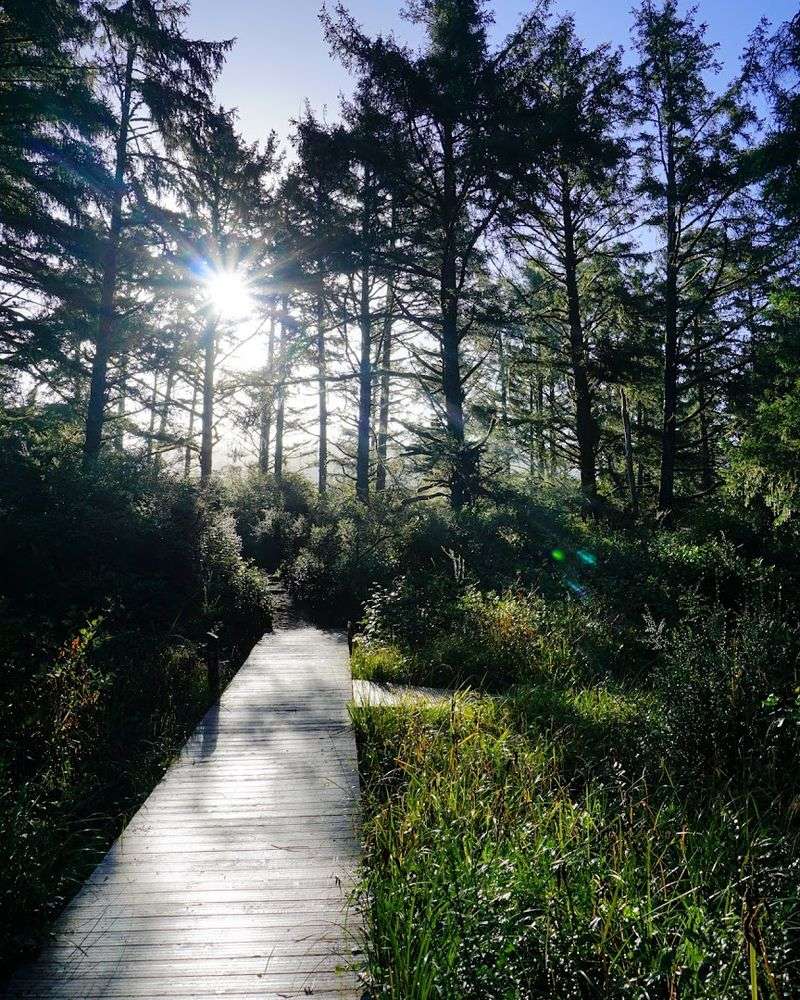
Few places on the Oregon Coast manage to compress so many different habitat types into such a compact area. Within a single two-mile walk, the trail passes through dense coastal forest, open meadow, wetland estuary, sandy dunes, and finally a white sand beach, each zone with its own plant community and wildlife mix.
The plant life along the trail edges is particularly striking, with dozens of species crowding in close enough to identify without leaving the path. Sitka spruce, shore pine, and various fern species dominate the forested sections, while sedge grasses and rushes fill the wetter areas near the water.
Wildflowers add seasonal color throughout spring and early summer.
Mushroom hunters find the forested sections especially productive in fall and winter when Pacific Northwest fungi come into full season. The variety of substrate and moisture levels across the reserve supports a broader range of species than a single habitat type would allow.
For anyone interested in natural history at any level, from casual curiosity to serious study, the ecological layering here offers something new on every visit. The reserve functions as a working classroom for understanding how coastal Oregon landscapes knit themselves together.
Wildlife Beyond the Birds: Elk, Bears, and More
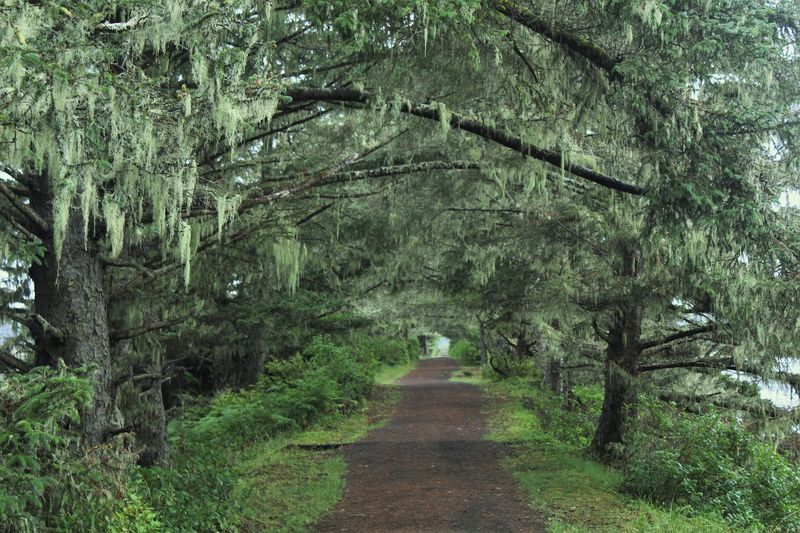
The bird watching gets most of the attention, but the mammal sightings at this reserve are equally impressive for a day-use park of this size. Roosevelt elk are a common presence, and their tracks appear regularly in the soft ground near the estuary margins, sometimes accompanied by fresh evidence of a very recent crossing.
Black bears have been spotted in the area, and the information board at the trailhead addresses this directly rather than leaving visitors to find out the hard way. Fresh bear signs near the trail are not unheard of, so the standard Pacific Northwest advice applies: make a bit of noise while walking and stay alert in dense vegetation sections.
Smaller mammals including river otters and various shorebirds round out the wildlife picture in ways that reward patient, quiet observation. The reserve’s history as a working cattle farm on an estuary means the land has been actively managed for decades, and the transition to state park stewardship has allowed native species to reestablish themselves steadily.
The result is a place where wildlife encounters feel genuinely spontaneous rather than staged, which is exactly the kind of experience that keeps people coming back to this corner of the Oregon Coast season after season.
Practical Tips for Your Visit
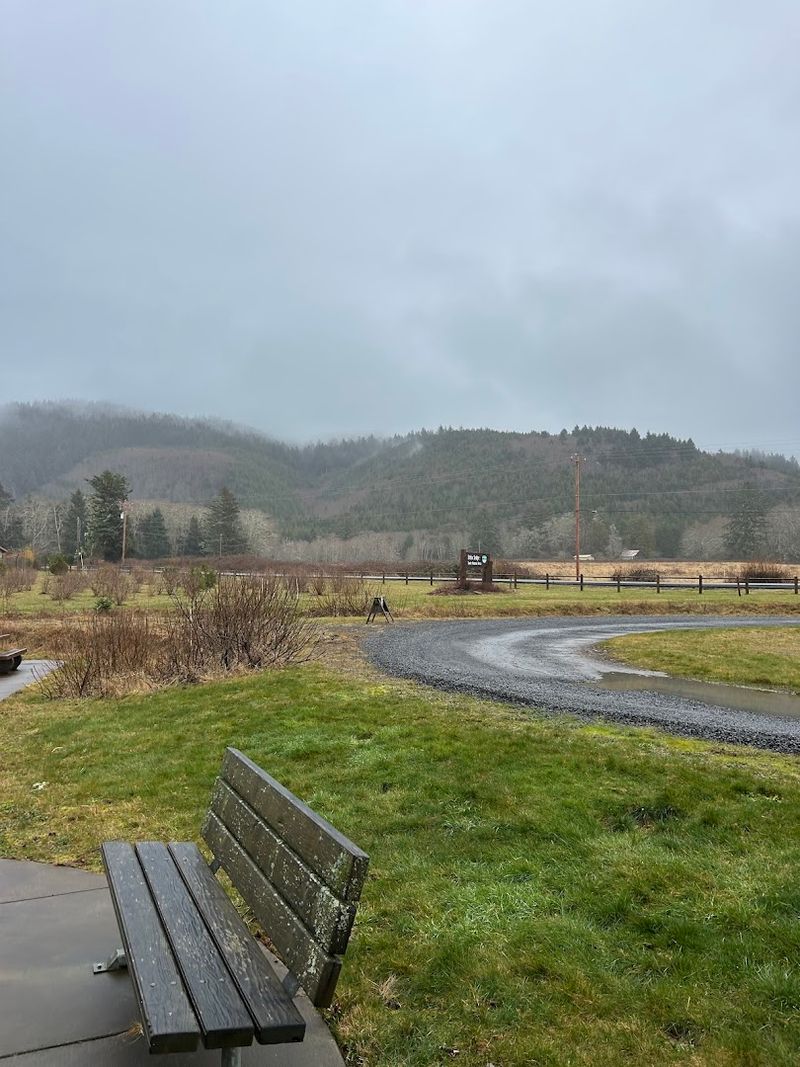
The parking lot is free, well-maintained, and equipped with clean vault toilets at the trailhead. Picnic tables sit just off the parking area, making it easy to eat before or after your walk without needing to pack everything back to the car.
There are no trash bins on site, so the pack-in, pack-out rule applies across the entire reserve.
Bug spray is genuinely worth bringing, particularly in spring and early summer when the wetland areas produce enough insect activity to make an unprotected walk uncomfortable. The shade and moisture that make the trails so pleasant also create ideal conditions for mosquitoes, and visitors who skip the repellent tend to regret it within the first ten minutes near the estuary.
A water spout is available at the trailhead, which is a useful detail for longer visits or for rinsing sandy gear after the beach section. The park does not have cell service in most areas, so downloading an offline map or photographing the trailhead board before heading out is a practical step.
Dogs are welcome on leash throughout most of the park, with specific beach access rules during snowy plover nesting season posted clearly at the entrance. This is a day-use area only, and the gates lock at 8 PM sharp.
The History Behind the Land and Why It Matters
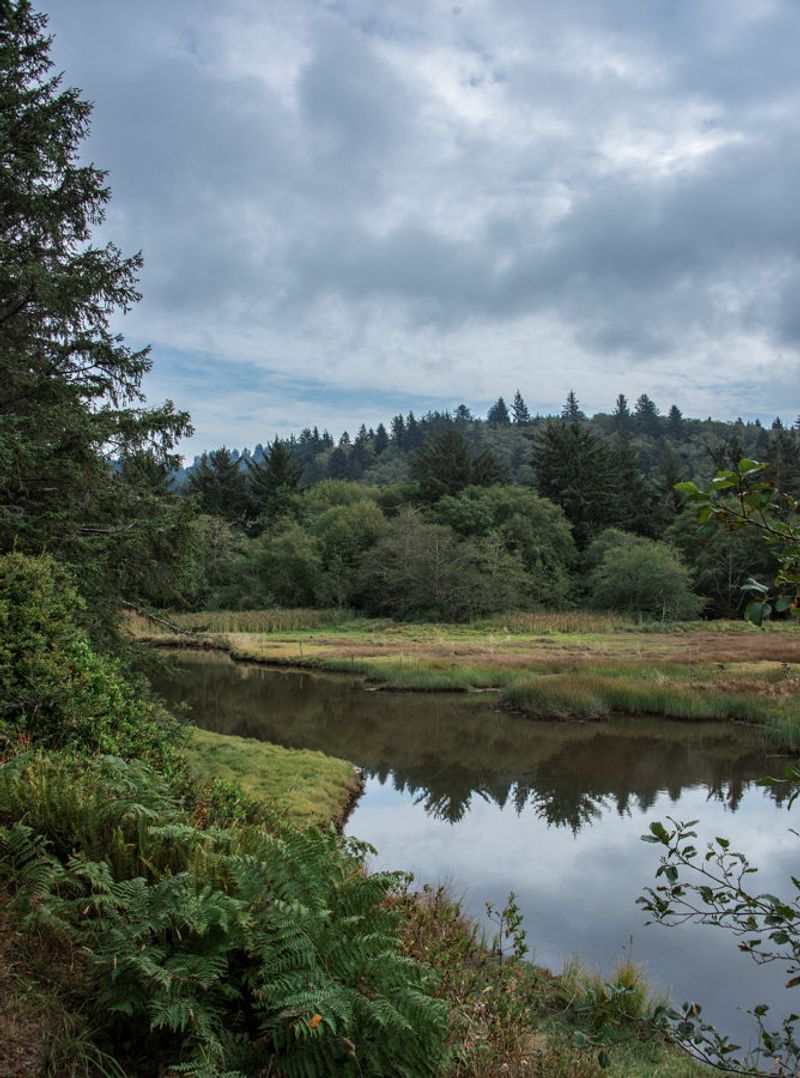
Before it became a state natural area, this land operated as the Beltz farm, a working cattle operation on the estuary that shaped the landscape in ways still visible today. The manmade dike that now serves as one of the trail’s most scenic sections was originally built to manage water flow for agricultural purposes, and a rusted tide gate still prevents flooding in the nearby community of Tierra Del Mar.
Multiple proposals over the years attempted to convert the property into a golf course or a resort development, both of which would have eliminated the wetland habitat entirely. Oregon State Parks ultimately acquired the land and has managed it as a protected natural area, a decision that looks better with every passing year as coastal development pressure along the Pacific Northwest increases.
The reserve is sometimes compared in spirit to the kind of grassroots conservation victories seen in other parts of the country, though unlike efforts in states such as Oklahoma where prairie and wetland preservation battles have their own distinct character, the Oregon Coast context is shaped by maritime climate and tidal influence. The stewardship here is evident in how clean and well-preserved the entire area remains, a credit to park hosts and the visitors who genuinely respect the place.
Why This Trail Deserves a Spot on Your Oregon Coast Itinerary
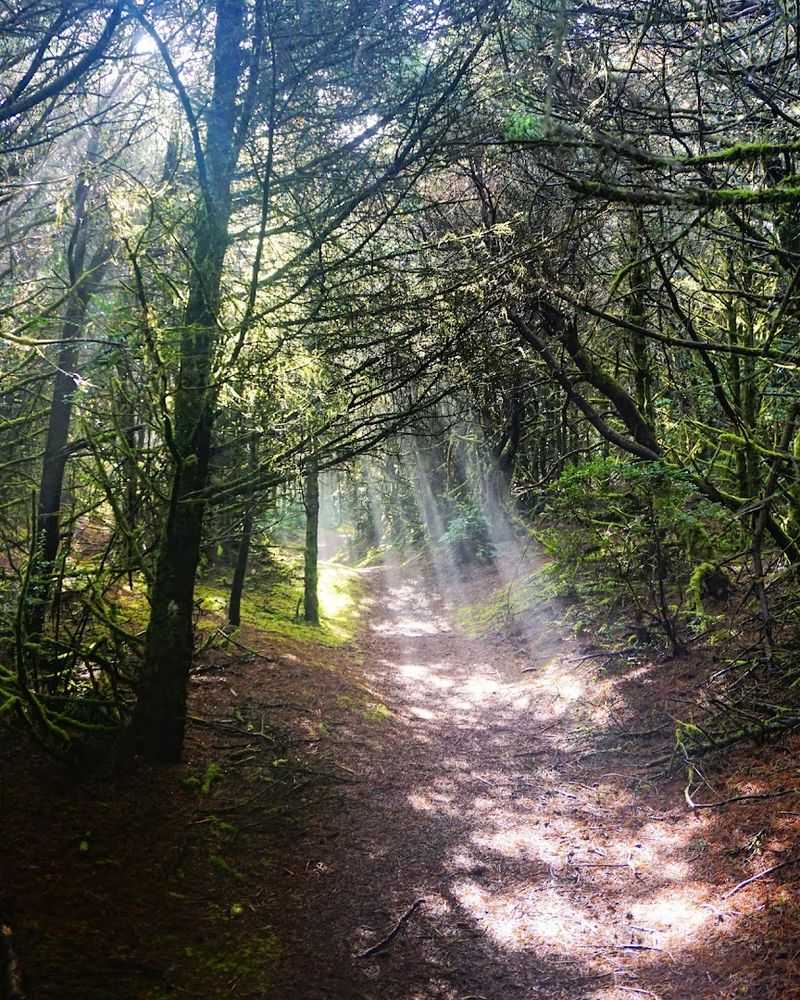
The Oregon Coast is full of well-known destinations that draw large crowds and require advance planning, but Sitka Sedge operates almost entirely outside that circuit. The trail system is easy enough for young children and older visitors while still offering enough ecological interest to hold the attention of serious naturalists for a full morning.
The combination of free entry, clean facilities, accessible trails, and genuine wildlife diversity puts this reserve in a category that very few day-use parks can match anywhere along the Pacific Coast. It is the kind of place that feels like a personal discovery even when you find out other people have known about it for years, which says something about how well the natural setting absorbs visitors without feeling crowded.
Whether you are making the drive between Lincoln City and Tillamook, spending a week in the area, or simply passing through Tillamook County with a few hours to spare, this stop is worth building into your schedule. The Oregon Coast has no shortage of dramatic scenery, but quiet, layered, genuinely wild places like this one are rarer than they appear on a map.
Some destinations reward you for simply slowing down, and Sitka Sedge is exactly that kind of place.
Share this story