Some places are so famous you almost think you know them before you get there. Then you actually show up, and they completely knock your socks off anyway.
From towering canyons to world-class museums, the United States is packed with landmarks that have earned every bit of their reputation. This list covers 15 spots that still deliver the real deal, no hype needed.
Grand Canyon National Park, Arizona
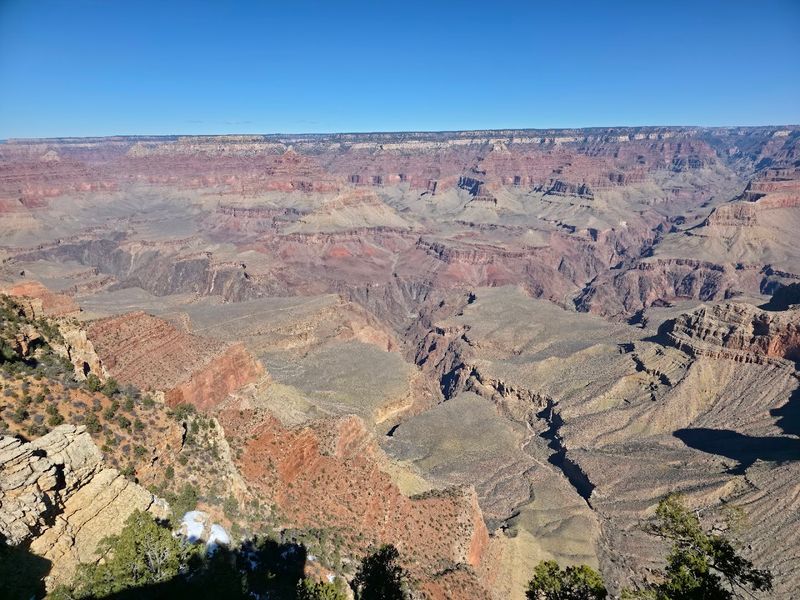
No photo, postcard, or screensaver has ever done the Grand Canyon justice. Standing at the South Rim for the first time, I literally stopped mid-sentence because my brain just refused to process the scale.
It is genuinely one of those moments where your eyes feel like they are lying to you.
The canyon stretches 277 miles long and drops over a mile deep. That is not a typo.
The South Rim stays open year-round, though some services shift with the seasons, so checking the park’s official updates before your visit is a smart move.
Sunrise and sunset are the peak viewing windows, and they are worth every early alarm. Ranger programs run regularly and add real context to what you are seeing.
Whether you hike down a trail or just stand at the edge, the Grand Canyon delivers every single time.
Yellowstone National Park, Wyoming, Montana, and Idaho
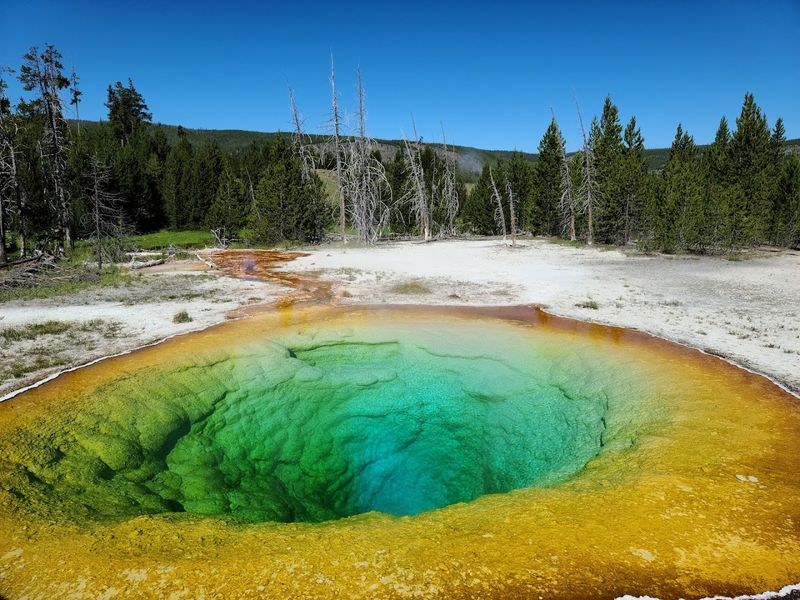
Yellowstone sits on top of one of the largest volcanic systems on Earth, which is either thrilling or terrifying depending on your personality. Either way, you should absolutely go.
The park spans three states and packs in geysers, bison herds, canyon views, and boiling hot springs all in one wild package.
Old Faithful still erupts roughly every 90 minutes, and watching it shoot boiling water 100 feet into the air never gets old. Roads open in phases throughout the year, so the experience you get depends a lot on when you visit.
Spring brings baby animals; summer brings crowds; fall brings golden colors and fewer selfie sticks.
Planning ahead pays off big here. Some areas and campgrounds book out months in advance.
The park rewards visitors who do their homework, and it absolutely punishes those who show up without a reservation during peak season. Go prepared.
Statue of Liberty, New York
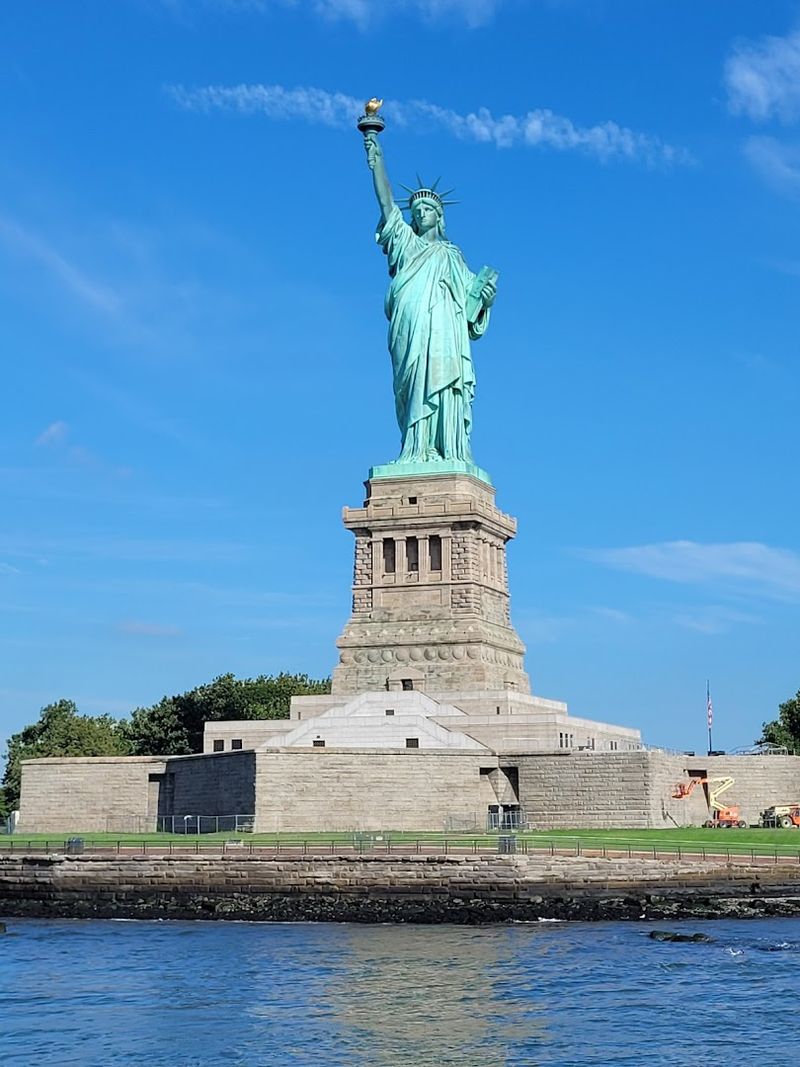
Lady Liberty is 305 feet tall from ground to torch tip, and she has been standing in New York Harbor since 1886. That is older than most countries people can name off the top of their head.
Seeing her from the ferry as she gets bigger and bigger is genuinely one of the coolest approaches to any landmark in the world.
Crown access requires tickets booked well in advance, and they sell out fast. Pedestal tickets are slightly easier to grab but still require planning.
The ferry runs from both Battery Park in Manhattan and Liberty State Park in New Jersey, so you have options.
Even if you only do the grounds tour, the views of New York Harbor and the Manhattan skyline are worth every penny of the ferry ticket. The museum inside the pedestal tells the full story of her construction, and it is genuinely fascinating.
Do not skip it.
Alcatraz Island, California
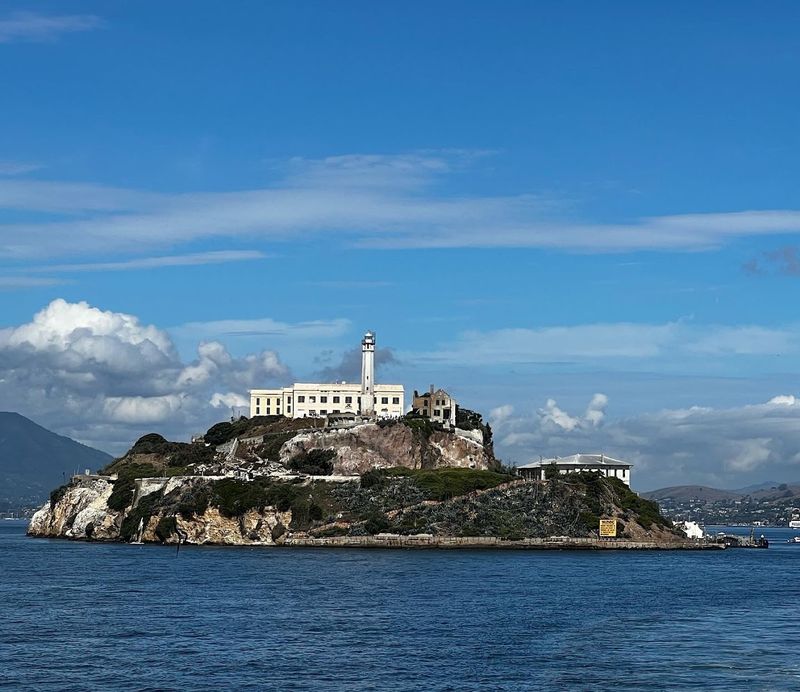
Alcatraz is the kind of place that feels like a movie set, except the history is completely real and considerably darker. The island sits in San Francisco Bay, and the ferry ride over already sets the mood perfectly.
By the time you walk through the cellhouse door, the atmosphere does all the heavy lifting.
The audio tour narrated by former guards and inmates is one of the best museum experiences in the country, full stop. Voices echoing through those narrow corridors make the whole thing feel immediate rather than historical.
Tours run daily through the official concessioner, with departures from Pier 33.
Book tickets early because they sell out regularly, especially during summer. Evening tours are also available and add a whole new layer of atmosphere to the visit.
Alcatraz works on every level: dramatic setting, wild history, and views of the San Francisco skyline that nobody complains about.
Mount Rushmore National Memorial, South Dakota
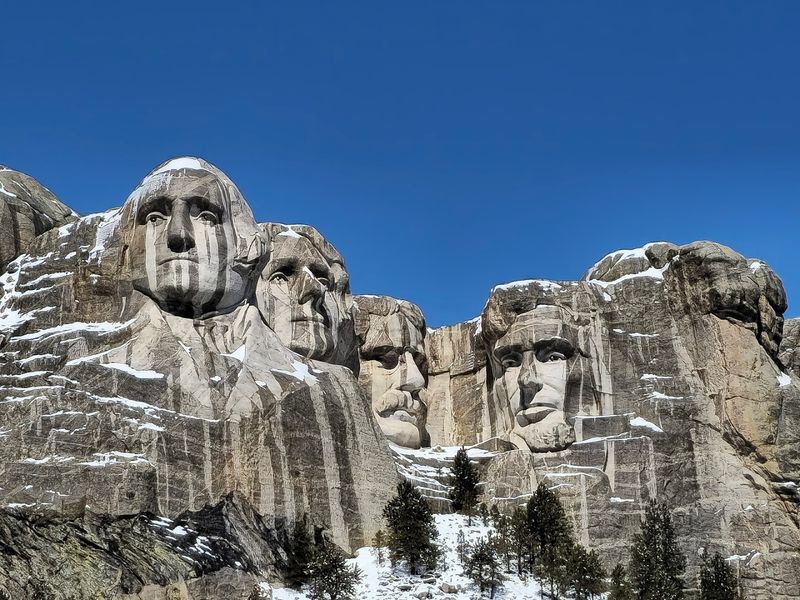
Sculptor Gutzon Borglum spent 14 years carving four presidential faces into a South Dakota granite mountain, and the result is still one of the most surreal sights in the country. Each face is about 60 feet tall.
That is roughly the height of a six-story building, just sitting there on a cliff face like it is totally normal.
The memorial is open year-round except on Christmas Day, and admission to the grounds is free. Parking fees apply, but the viewing experience itself costs nothing.
The Avenue of Flags leading to the main viewing area is a nice touch, with flags from every U.S. state and territory lining the walkway.
Evening lighting ceremonies run during summer months and add a dramatic finish to any visit. The sculptor studio on-site shows original tools and models used during construction.
Mount Rushmore is one of those places that somehow exceeds expectations even when you already know exactly what you are going to see.
Kennedy Space Center Visitor Complex, Florida
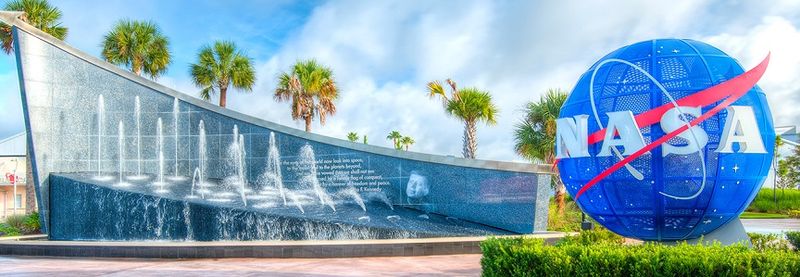
Very few tourist attractions can say they are located next to an active rocket launch facility, but Kennedy Space Center can say exactly that. The visitor complex sits on Florida’s Space Coast, and on lucky days you can watch an actual rocket lift off from nearby launch pads.
That is not something your average museum can offer.
The Atlantis exhibit is a highlight, with the retired space shuttle displayed at a dramatic angle that recreates its position in orbit. Seeing it in person after watching shuttle launches as a kid absolutely wrecked me in the best way.
The scale of the orbiter is something photographs simply cannot convey.
The complex is open daily with 2026 operating hours available on their official site. Bus tours to the launch sites run throughout the day and are well worth adding.
Whether you are a space nerd or just someone who appreciates massive engineering achievements, this place delivers something genuinely rare.
Niagara Falls State Park, New York
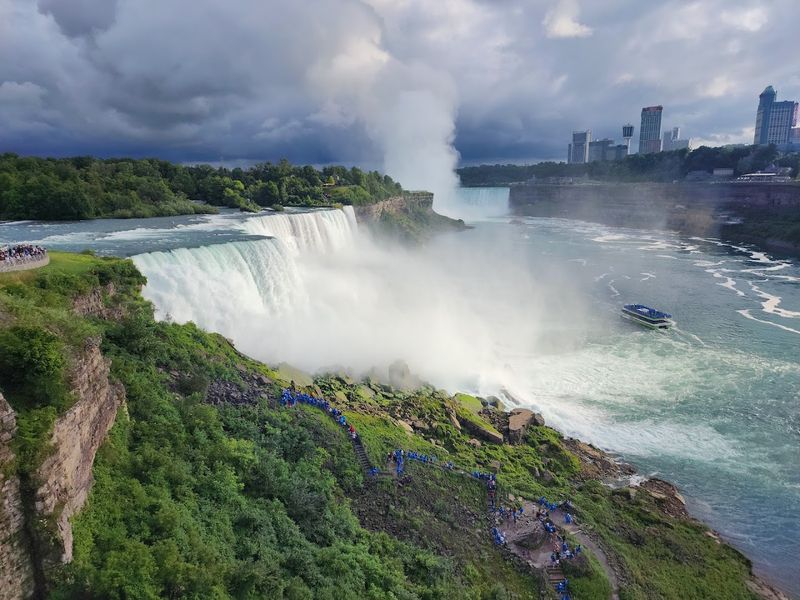
About 3,160 tons of water flow over Niagara Falls every single second. Let that number settle for a moment.
Standing at the railing with mist soaking your jacket while that roar fills your ears is one of those experiences that resets your sense of scale in a very satisfying way.
Niagara Falls State Park is the oldest state park in the United States, established in 1885. It stays open year-round, which means winter visits come with a bonus: frozen mist coats the trees and railings in thick ice, turning the whole area into something out of a fairy tale.
Summer brings the famous Maid of the Mist boat tour, which gets you close enough to seriously question your life choices.
The park is free to enter, though some attractions charge separately. Parking fees apply in season.
Niagara is one of those rare natural wonders where the reality genuinely outperforms every expectation you walk in with.
Mesa Verde National Park, Colorado
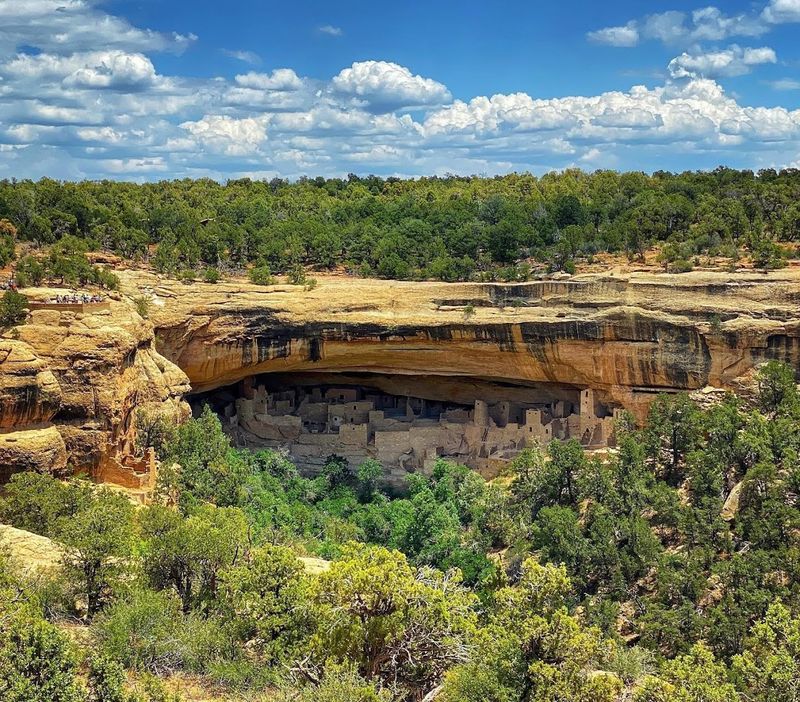
Around 700 years ago, the Ancestral Puebloans built entire villages into the sides of cliffs in what is now southwestern Colorado. Not cabins.
Not shelters. Full, multi-story communities with hundreds of rooms tucked into natural rock alcoves.
Mesa Verde is where you go to stand in front of those buildings and try to figure out how they pulled it off.
Cliff Palace is the largest cliff dwelling in North America, with 150 rooms and 23 kivas. Ranger-guided tours are required to enter, and they fill up fast during peak season.
The park is open year-round, but some tours and roads operate on seasonal schedules, so planning ahead makes a real difference here.
The mesa-top sites are accessible without tours and offer their own kind of quiet drama. Driving the scenic roads at sunset with canyon views stretching out in every direction is worth the trip alone.
Mesa Verde is history you can stand inside, and that never stops being extraordinary.
Biltmore Estate, North Carolina
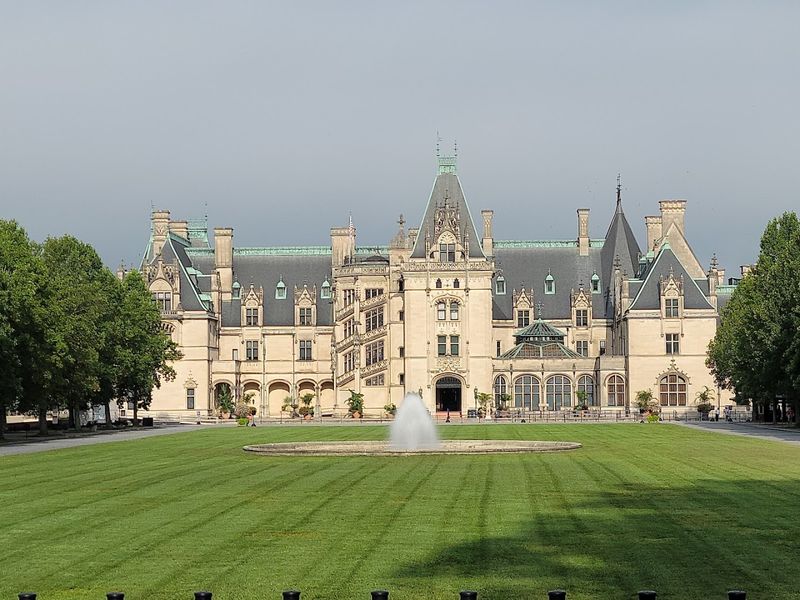
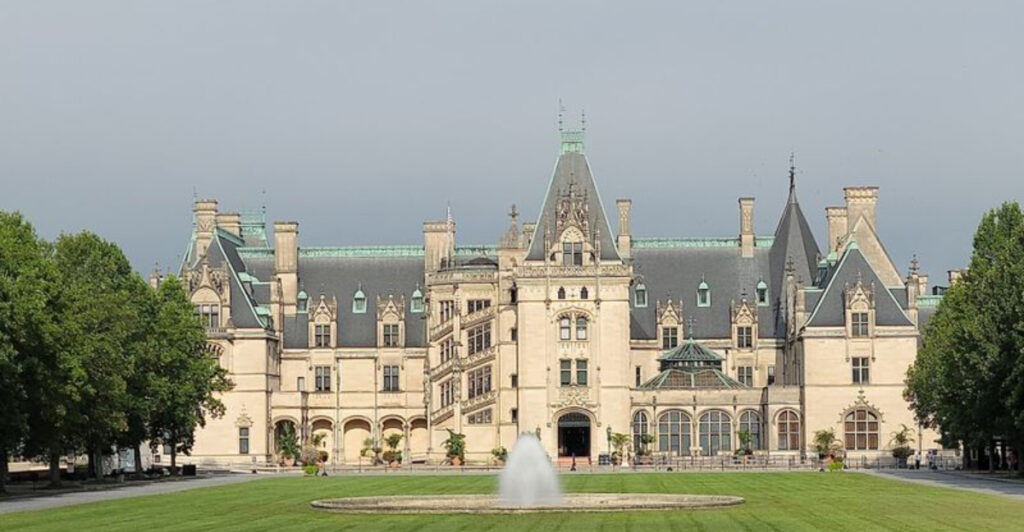
George Vanderbilt built a 178,926-square-foot house in the Blue Ridge Mountains and called it a country retreat. That is either the most ambitious understatement in American history or just Tuesday for a Gilded Age billionaire.
Either way, Biltmore Estate is still the largest privately owned home in the United States, and touring it feels like walking through a very fancy fever dream.
The estate includes 8,000 acres, formal gardens designed by Frederick Law Olmsted, a working winery, hiking trails, and a village of shops and restaurants. You could easily spend two days here without running out of things to see.
The house itself has 35 bedrooms, 43 bathrooms, and a bowling alley in the basement because of course it does.
Biltmore is open daily year-round, with hours varying by season. Tickets are not cheap, but the experience is dense enough to justify every dollar.
The Christmas decorating alone draws visitors from across the country, and it is spectacular.
Hearst Castle, California
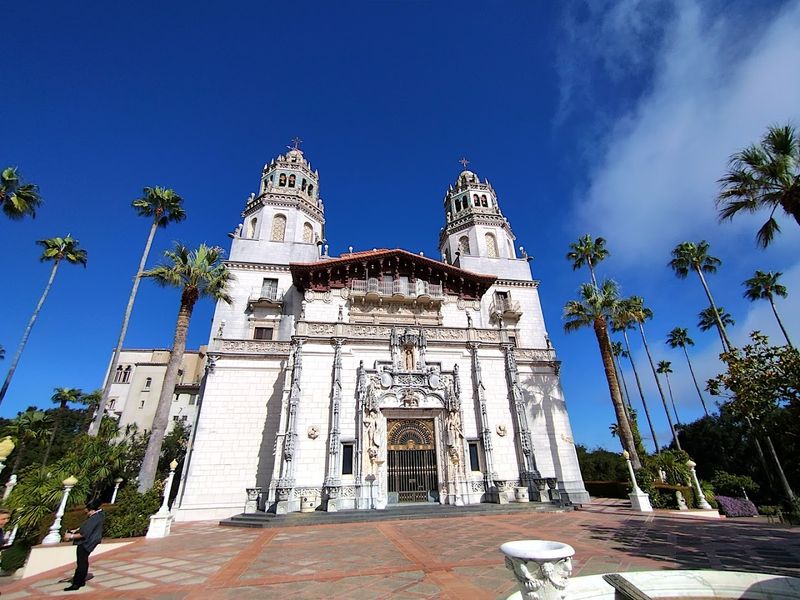
William Randolph Hearst spent decades building a hilltop estate on the California coast that included 165 rooms, two swimming pools with Roman mosaics, a private zoo, and an art collection that rivals some national museums. He called it La Cuesta Encantada, the Enchanted Hill.
That name is doing a lot of work, but it is not wrong.
The Neptune Pool alone justifies the drive to San Simeon. It is an outdoor marble pool framed by classical colonnades and ancient Roman temple pieces, sitting on a hilltop with Pacific Ocean views.
Celebrities, politicians, and royalty once lounged there as Hearst’s guests. Now regular people like us get to walk around it on guided tours, which feels like a win.
Daytime guided tours run regularly, and seasonal evening experiences are also available. The castle is open for tours, making it a fully active destination rather than just a historical footnote.
Book tickets ahead, especially for evening events.
National September 11 Memorial & Museum, New York

The two reflecting pools at the 9/11 Memorial sit exactly where the Twin Towers once stood, and that fact alone changes how you stand at the edge of them. The names of nearly 3,000 victims are inscribed around the pools in bronze.
Visitors leave flowers, flags, and notes tucked into the letters. It is one of the most quietly powerful public spaces in the world.
The museum below ground is open to the public six days a week plus select Tuesdays. It holds original artifacts, survivor accounts, and documentary footage that make the events of that day feel immediate rather than distant.
It is not an easy visit, but it is an important one.
The memorial plaza itself is free and open daily. Museum admission requires a ticket, with free admission available on certain days for New York residents.
Whatever your age or background, this place demands attention and deserves it completely. Come ready to sit with it.
Smithsonian National Museum of Natural History, Washington, D.C.
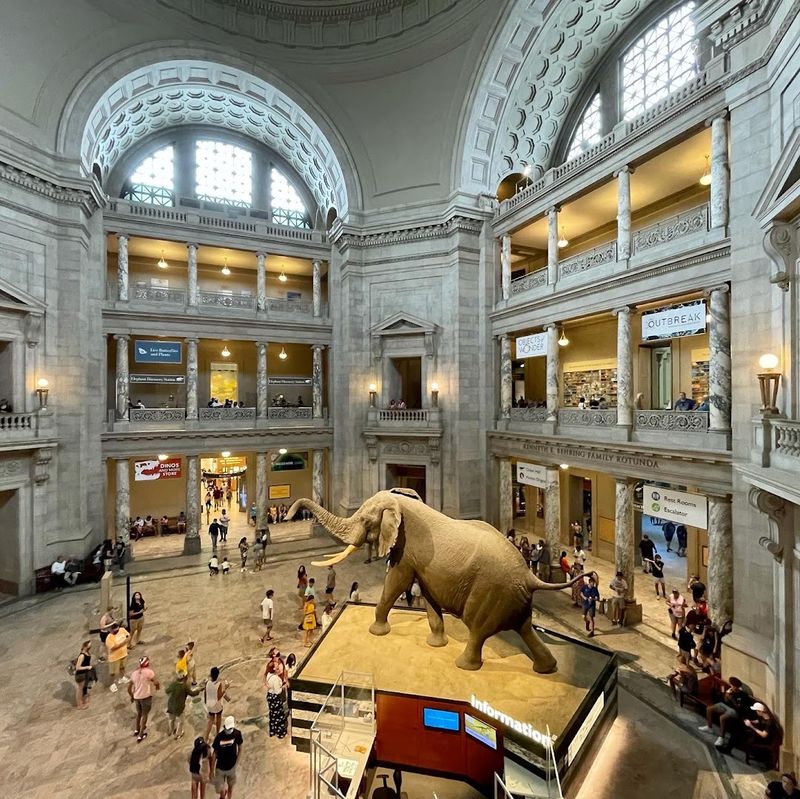
Walking into the National Museum of Natural History and being greeted by a 13-foot African elephant in the rotunda is a perfectly reasonable way to start a Tuesday. The Smithsonian does not ease you in gently.
It just throws a full-grown elephant at you and lets the rest of the museum do the talking from there.
The Hope Diamond is the crown jewel of the gem collection, literally. At 45.52 carats and with a genuinely dramatic ownership history involving French royalty and some very bad luck, it earns its case.
The dinosaur hall, the ocean hall, and the human origins exhibit are each big enough to fill an afternoon on their own.
Best of all, admission is completely free. The museum sits on the National Mall and is open most days of the year.
It is one of the most visited museums on the planet, and it absolutely earns that ranking. Bring comfortable shoes and a lot of time.
The Metropolitan Museum of Art, New York
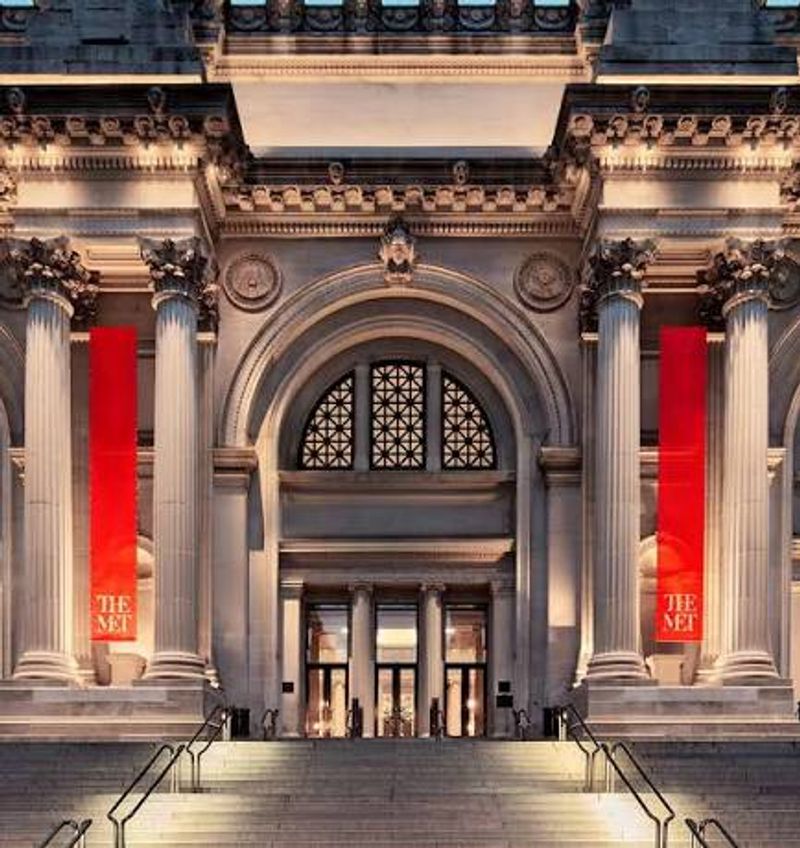
The Met contains more than two million objects spanning 5,000 years of human history, spread across 17 curatorial departments in a building that takes up four city blocks. Trying to see all of it in one visit is technically impossible and also a little bit funny to attempt.
Most regulars pick a wing or two per visit and call it a very good day.
Egyptian art, Greek and Roman galleries, the American wing, European paintings, medieval armor, and an entire reconstructed temple from ancient Egypt are all under one roof. The Temple of Dendur alone is worth the suggested admission price.
It was a gift from Egypt to the United States in 1965 and sits inside a glass-walled gallery overlooking Central Park.
The Met is actively operating with rotating exhibitions and current visitor information on its website. The rooftop garden is open seasonally and pairs art installations with skyline views.
Few institutions in the world pack this much into a single address.
The Getty Center, California
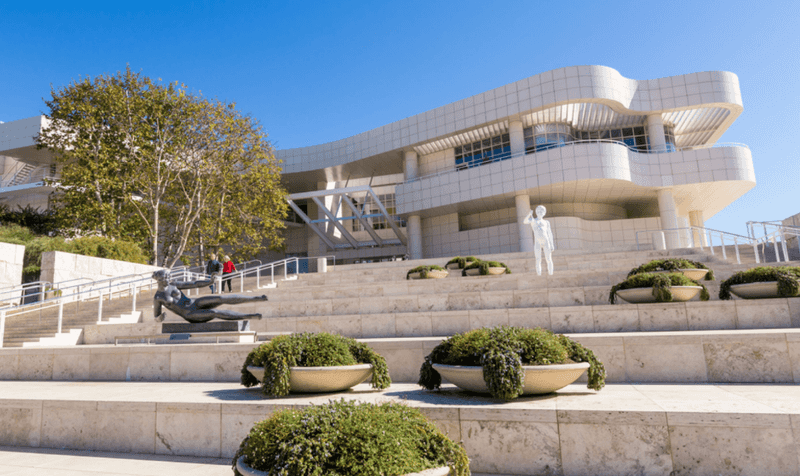
The Getty Center sits on a hilltop in the Santa Monica Mountains, and the tram ride up to it already feels like an event before you have seen a single painting. Architect Richard Meier designed the campus in white travertine stone, and it catches the California light in a way that makes the whole complex look like it is glowing from the inside.
The collection covers European paintings, drawings, sculptures, and decorative arts from the Middle Ages through the 19th century. Van Gogh’s Irises lives here, and it is one of those paintings that stops you mid-step in the gallery.
The central garden designed by artist Robert Irwin is a destination in itself, with a maze of azaleas and a stream running through the middle.
Admission to the Getty Center is free, though parking costs apply. Current hours and ongoing exhibitions are listed on the Getty website.
Views of Los Angeles from the terraces are spectacular on clear days and worth lingering over long after the galleries have closed.
The Broad, California
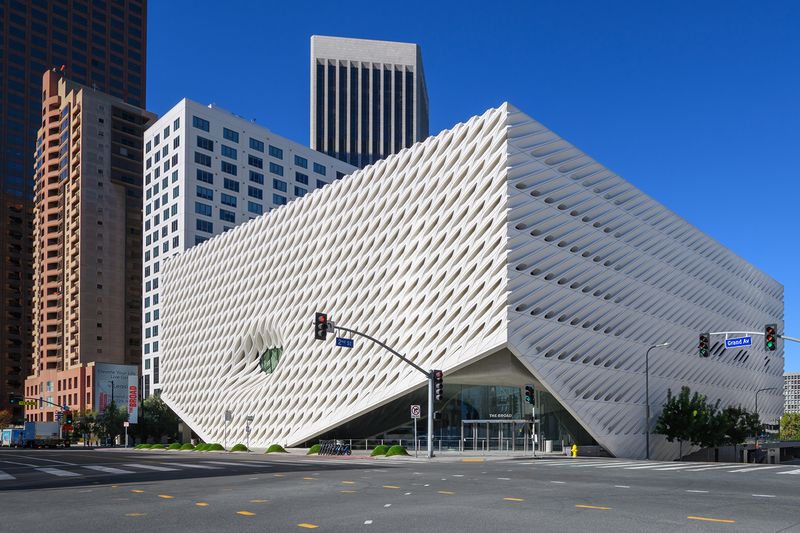
The Broad opened in downtown Los Angeles in 2015 and immediately became one of the most talked-about museum buildings in the country. The exterior looks like a giant white veil draped over a box, which sounds odd and looks genuinely striking in person.
It was designed by Diller Scofidio + Renfro, and the building itself is half the attraction before you even get to the art inside.
The collection focuses on contemporary art from the 1950s to today, with works by Jeff Koons, Cindy Sherman, Jean-Michel Basquiat, and Kara Walker. Yayoi Kusama’s Infinity Mirrored Room is the crowd favorite, and the wait list for it is absolutely real.
Plan accordingly or prepare to be disappointed in a very reflective room.
The museum operates with set weekly admission hours, and some timed entry tickets are required. General admission is free, which makes it one of the best deals in Los Angeles.
For a newer landmark, The Broad has built a reputation that punches well above its age.
Share this story