Some countries have built extraordinary wealth through oil, trade, technology, and smart financial systems. When economists measure how rich a country really is, they often use GDP per capita adjusted for purchasing power parity, or PPP, which accounts for what money can actually buy in each place.
This ranking reveals some surprising results, including small nations that outpace massive economies. Here are the 15 richest countries on Earth, ranked by GDP per capita on a PPP basis.
1. Luxembourg

Tucked between France, Germany, and Belgium, Luxembourg punches far above its weight when it comes to wealth. With a population of fewer than 700,000 people, this tiny European nation consistently ranks as one of the richest in the world.
Its GDP per capita on a PPP basis regularly exceeds $140,000, a figure most large nations can only dream about.
The secret to Luxembourg’s success lies in its role as a global financial hub. Major banks, investment funds, and insurance companies have set up headquarters here, drawn by favorable regulations and a stable government.
The country hosts more investment funds than almost anywhere else in Europe.
Workers in Luxembourg also benefit from high wages and strong labor protections. Many employees actually commute from neighboring France, Germany, and Belgium each day, adding to the economic activity without inflating the resident population count.
2. Singapore

Singapore is one of those rare places that transformed from a small trading post into a global economic powerhouse within just a few decades. Sitting at the crossroads of major shipping lanes in Southeast Asia, this city-state has become one of the world’s most important centers for banking, trade, and technology.
Its GDP per capita on a PPP basis hovers well above $130,000.
The government played a huge role in shaping Singapore’s rise. Smart policies around education, infrastructure, and foreign investment helped attract multinational corporations from across the globe.
Today, Singapore is home to regional headquarters for hundreds of major companies.
Despite having almost no natural resources, Singapore turned its geographic location into an economic advantage. The Port of Singapore is consistently ranked among the busiest in the world, handling billions of dollars in cargo every single year.
3. Ireland
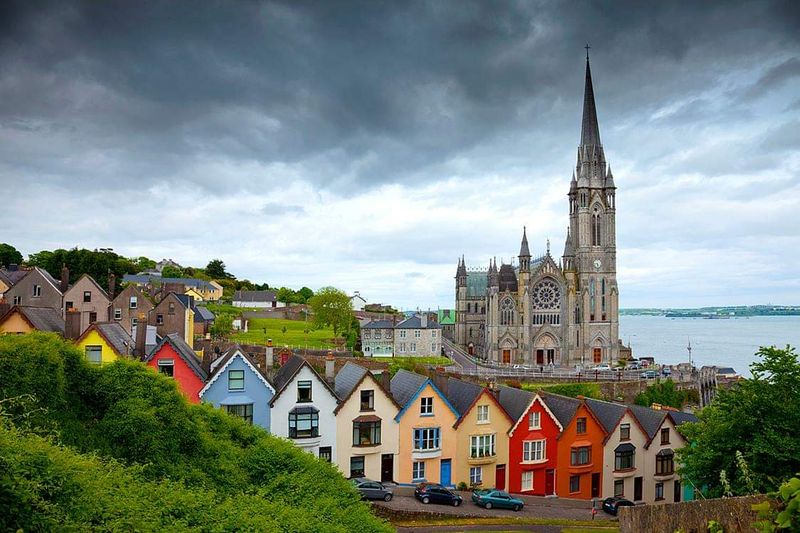
Ireland’s economic story over the past three decades reads almost like a fairy tale. Once considered one of the poorer nations in Western Europe, Ireland reinvented itself as a magnet for multinational corporations, particularly in tech and pharmaceuticals.
Companies like Apple, Google, and Meta have established major European operations here, dramatically boosting the country’s GDP figures.
A low corporate tax rate was a key ingredient in attracting foreign investment. Businesses found Ireland an appealing base for European operations, and the inflow of high-paying jobs transformed the economy at a rapid pace.
GDP per capita on a PPP basis now places Ireland firmly among the top three wealthiest nations globally.
Critics point out that some of the GDP figures are inflated by corporate accounting practices rather than actual resident wealth. Still, average living standards, wages, and public services in Ireland have improved enormously over the past generation.
4. Qatar
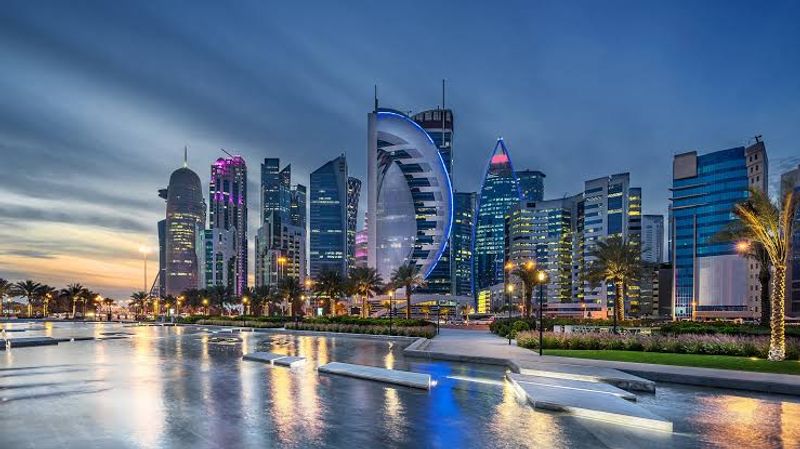
Sitting on one of the largest natural gas reserves ever discovered, Qatar transformed itself from a modest pearl-fishing economy into one of the wealthiest nations on Earth within just a few generations. The country’s GDP per capita on a PPP basis regularly exceeds $110,000, giving residents access to world-class healthcare, education, and infrastructure, all largely free of charge.
Qatar is the world’s top exporter of liquefied natural gas, shipping energy supplies to countries across Asia, Europe, and beyond. Revenue from these exports has funded massive development projects, including the ambitious construction drive ahead of the 2022 FIFA World Cup.
The government has also worked hard to diversify the economy beyond fossil fuels, investing in finance, aviation, and media. Qatar Airways has grown into one of the most respected airlines globally, and Doha is increasingly recognized as a regional center for diplomacy and culture.
5. Norway
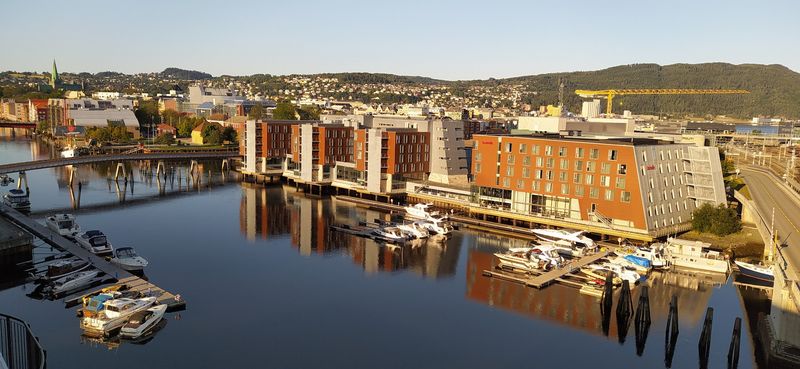
Norway discovered offshore oil in the late 1960s, and instead of spending the windfall immediately, the government made a decision that would define the country’s future. It created a sovereign wealth fund, now known as the Government Pension Fund Global, which has grown to over $1.7 trillion, making it the largest of its kind anywhere in the world.
That disciplined approach to managing oil revenues means Norway can fund excellent public services, generous social programs, and high wages without relying entirely on current oil production. GDP per capita on a PPP basis consistently places Norway in the top five globally, and its citizens enjoy some of the highest living standards anywhere.
Beyond oil, Norway is a leader in renewable energy, with nearly all of its domestic electricity coming from hydropower. The country is also one of the world’s largest exporters of seafood, particularly salmon, adding another pillar to its economic foundation.
6. Switzerland
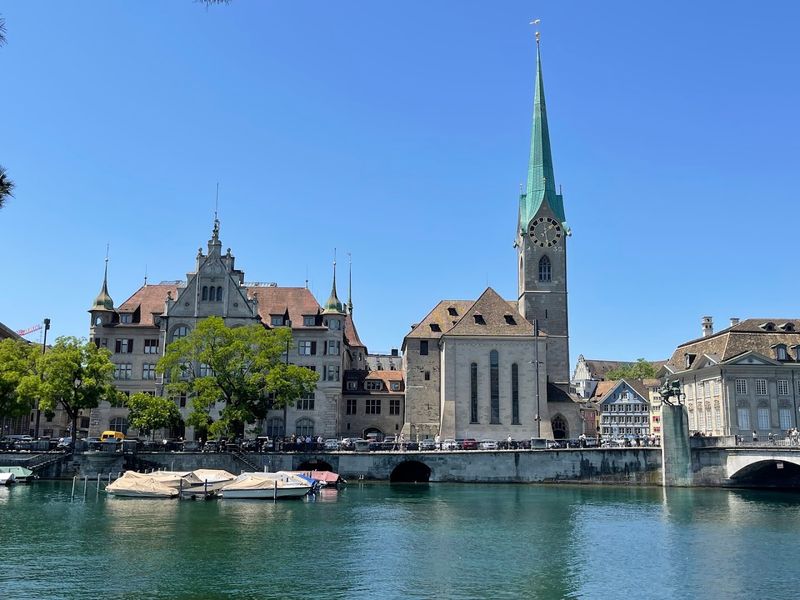
Ask someone to name a symbol of wealth and stability, and Switzerland often comes to mind almost instantly. This landlocked Alpine nation has built an economy that combines world-leading banking, precision manufacturing, pharmaceutical giants, and luxury goods into a remarkably resilient whole.
GDP per capita on a PPP basis consistently places Switzerland among the top six richest countries globally.
Swiss banks have long attracted international clients seeking security and discretion, though regulations have tightened significantly in recent decades. Meanwhile, pharmaceutical companies like Novartis and Roche, headquartered in Basel, generate enormous revenues that contribute heavily to national income.
Switzerland also benefits from political neutrality, a highly educated workforce, and exceptional quality of life. Cities like Zurich and Geneva regularly top global rankings for livability.
Despite having no coastline or significant natural resources, Switzerland has built enduring prosperity through expertise, innovation, and a reputation for reliability that spans centuries.
7. Brunei
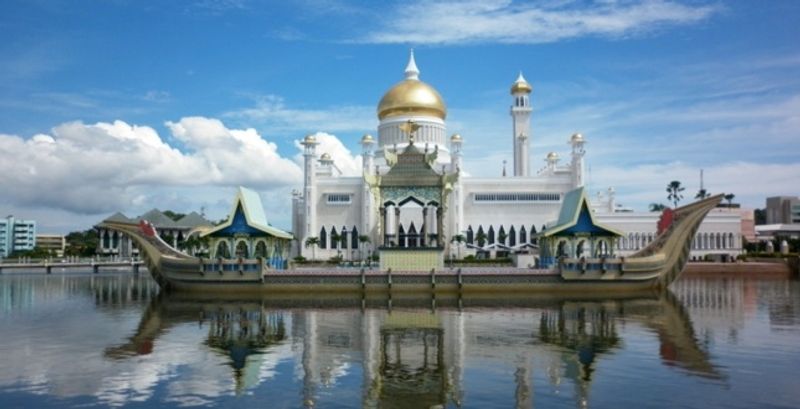
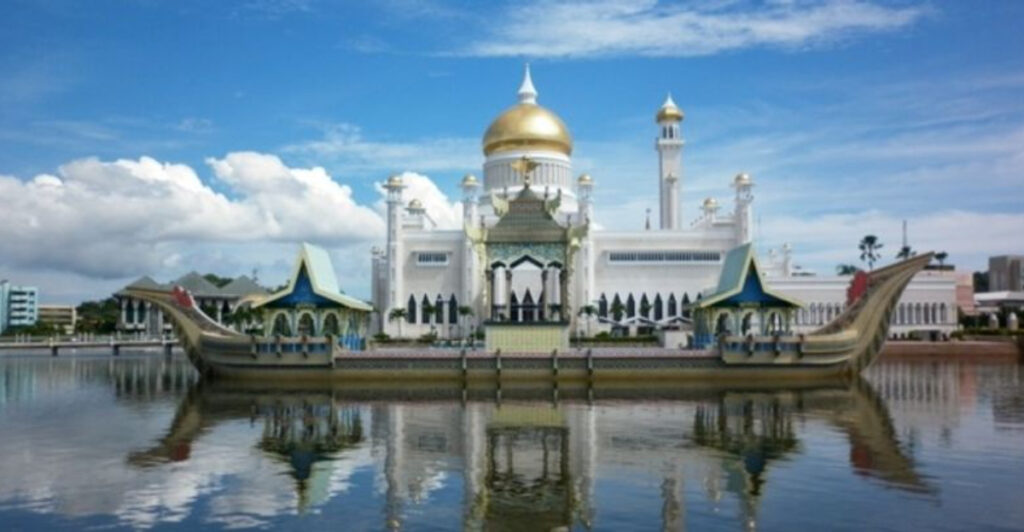
Brunei is one of Southeast Asia’s best-kept economic secrets. This small sultanate on the island of Borneo has a population of fewer than 500,000 people, yet it sits atop enormous reserves of oil and natural gas that have generated extraordinary wealth for generations.
GDP per capita on a PPP basis places Brunei comfortably among the world’s richest nations.
Citizens of Brunei enjoy some remarkable perks funded by oil revenues. Education and healthcare are provided free by the government, income tax does not exist, and housing subsidies help keep living costs manageable.
The Sultan of Brunei, one of the world’s wealthiest individuals, has ruled the country for decades.
The government is actively working to reduce dependence on fossil fuels, investing in financial services, tourism, and halal food industries. However, oil and gas still account for the vast majority of government revenue and export earnings today.
8. Guyana
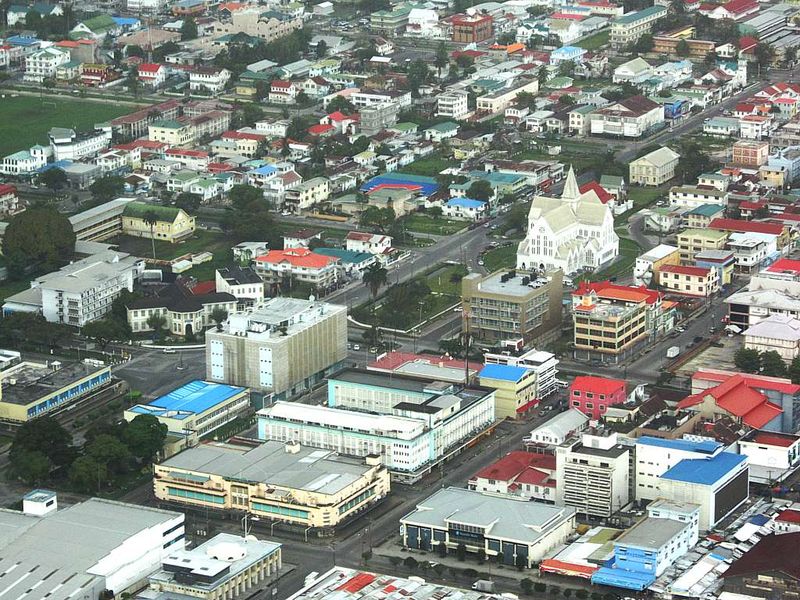
Few economic stories in recent years have been as dramatic as Guyana’s. Just a decade ago, this small South American nation was one of the poorest in the Western Hemisphere.
Then came a series of massive offshore oil discoveries that completely rewrote the country’s economic future. Production began in 2019, and Guyana quickly became one of the world’s fastest-growing economies.
Estimates suggest Guyana holds over 11 billion barrels of recoverable oil offshore, which is an extraordinary amount for a country with fewer than 800,000 people. When that wealth is divided per capita, the potential GDP figures are staggering, already pushing Guyana into the ranks of the world’s richest nations by PPP standards.
Managing this sudden wealth responsibly is the central challenge facing Guyana’s government. Economists and international organizations are closely watching whether the country can avoid the resource curse that has affected other oil-rich developing nations.
9. United States

The United States holds a unique position on this list. While many of the other countries ranked above it are tiny nations with small populations, the US is a continental giant with over 330 million people.
The fact that it ranks among the top ten richest countries by GDP per capita PPP, despite its massive size, speaks to the extraordinary productivity of its economy.
America’s wealth comes from an incredibly diverse base: technology giants in Silicon Valley, financial powerhouses on Wall Street, vast agricultural output, world-leading universities, and a culture of entrepreneurship that has produced more globally recognized companies than any other nation.
GDP per capita on a PPP basis for the US sits around $80,000, placing it well ahead of most large economies. However, wealth distribution within the country is highly unequal, meaning the average figure does not reflect the financial reality experienced by all Americans equally.
10. Denmark
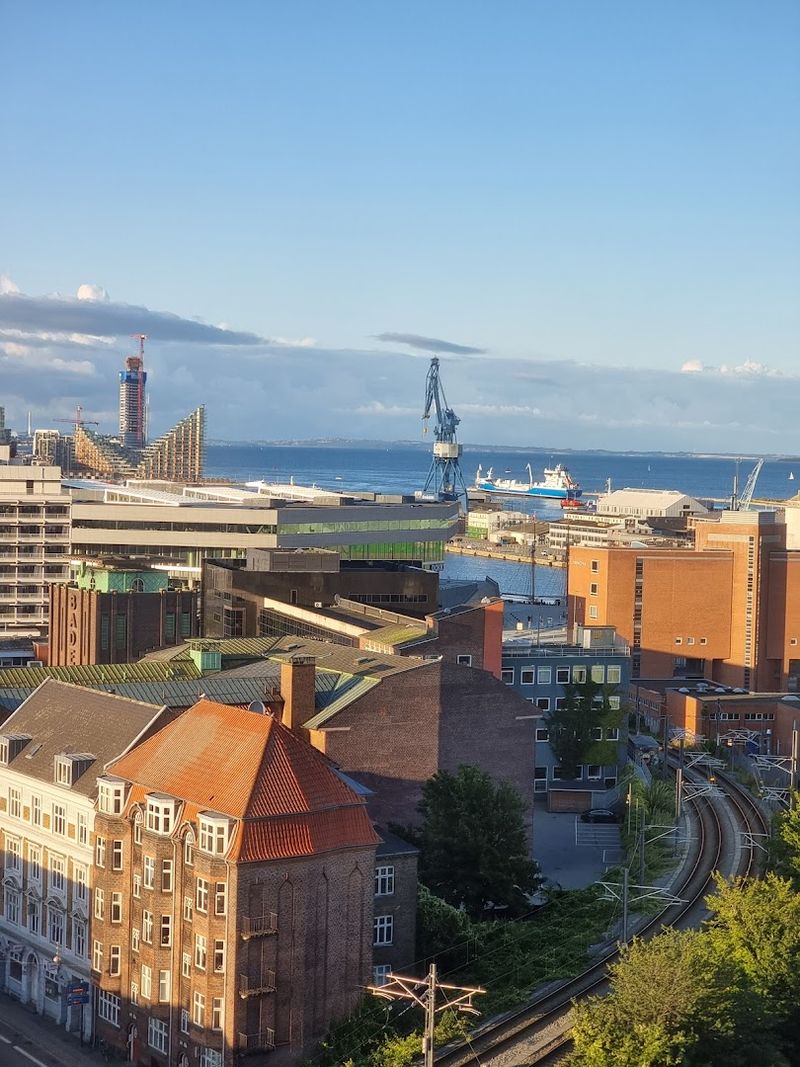
Denmark manages to combine high taxes, generous social programs, and a thriving private sector in a way that leaves many economists impressed. With a GDP per capita on a PPP basis around $70,000, Denmark offers its citizens excellent public services, low inequality, and consistently high scores on global happiness and quality-of-life indexes.
The Danish economy is powered by strong manufacturing, pharmaceutical production, shipping, and a growing clean energy sector. Companies like Maersk, one of the world’s largest shipping firms, and Novo Nordisk, a pharmaceutical giant behind several blockbuster diabetes drugs, call Denmark home.
Innovation is deeply embedded in Danish culture. The country invests heavily in research and development, and its workforce is among the most highly educated in the world.
Denmark also leads globally in wind energy technology, with Danish company Vestas being one of the top wind turbine manufacturers on the planet.
11. Netherlands
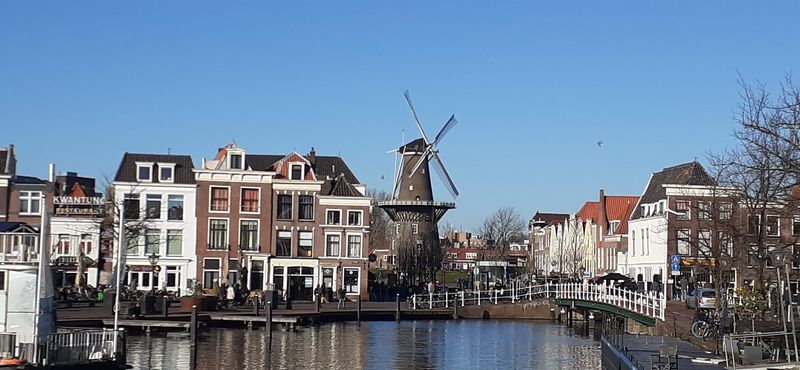
Geography shaped the Netherlands into a trading nation centuries ago, and that tradition has only strengthened over time. Home to the Port of Rotterdam, Europe’s largest and busiest port, the Netherlands sits at the gateway of European trade and logistics.
This strategic position has helped build an economy with a GDP per capita on a PPP basis around $68,000.
Beyond shipping, the Dutch economy thrives on technology, agriculture, energy, and financial services. The Netherlands is one of the world’s top exporters of agricultural products, which is remarkable considering its relatively small land area.
Advanced greenhouse technology and innovative farming practices make Dutch agriculture incredibly productive.
Major multinational companies including Shell, Philips, ASML, and Heineken are headquartered in the Netherlands. ASML in particular has become one of the most strategically important companies in the world, producing the specialized machines used to manufacture advanced computer chips globally.
12. Austria
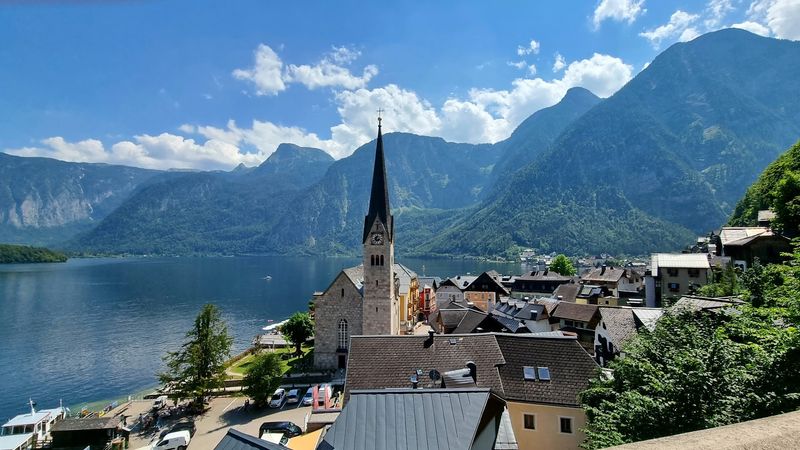
Austria sits at the heart of Europe, both geographically and economically. Vienna, its capital, serves as a major hub for international organizations, diplomacy, and business, adding to the country’s economic prestige.
GDP per capita on a PPP basis sits around $67,000, reflecting a stable and well-managed economy with a long industrial tradition.
Manufacturing remains a backbone of Austrian prosperity. The country produces machinery, vehicles, chemicals, and metals that are exported across Europe and beyond.
Tourism also plays a meaningful role, with the Alps drawing millions of visitors each year for skiing, hiking, and sightseeing, while Vienna attracts cultural tourists from around the world.
Austria’s social infrastructure is impressive by any standard. Universal healthcare, strong public education, and a well-funded pension system give citizens a high quality of life.
The country also benefits from its position as a bridge between Western and Eastern Europe, facilitating trade and investment flows across the continent.
13. Iceland
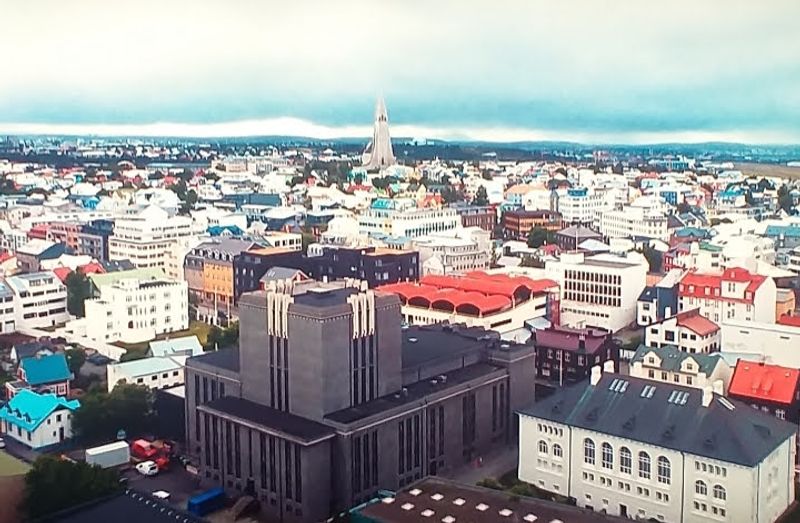
Iceland is one of those places that seems almost too dramatic to be real, and its economy is just as fascinating as its landscapes. This island nation of fewer than 400,000 people has built significant wealth through a combination of geothermal energy, fishing, and a tourism industry that exploded in popularity over the past fifteen years.
GDP per capita on a PPP basis sits around $66,000.
Nearly all of Iceland’s electricity and heating comes from renewable sources, mostly geothermal and hydropower. This gives the country some of the cheapest industrial energy in the world, attracting aluminum smelters and data centers that benefit from low-cost, green power.
Iceland made headlines for its dramatic financial collapse in 2008, when its banking sector imploded spectacularly. What followed was equally remarkable: a rapid recovery driven by tourism growth and fishing exports.
The country bounced back faster than almost any economist predicted, demonstrating real economic resilience.
14. Sweden
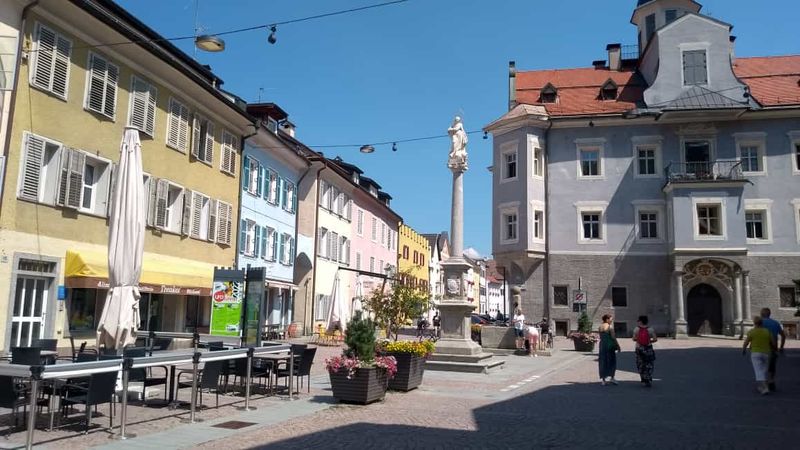
Sweden has a talent for producing globally recognized brands that punch far above what you might expect from a country of just 10 million people. IKEA, Spotify, Volvo, H&M, and Ericsson all trace their roots to this Scandinavian nation, reflecting a culture that genuinely values creativity, engineering, and entrepreneurship.
GDP per capita on a PPP basis sits around $65,000.
The Swedish model blends a competitive free-market economy with a robust welfare state. High taxes fund excellent healthcare, education, parental leave, and social services, yet Swedish businesses remain globally competitive.
This balance has made Sweden a case study for economists worldwide interested in sustainable prosperity.
Stockholm has emerged as one of Europe’s top startup ecosystems, producing more billion-dollar tech companies per capita than almost any other city in the world. Sweden’s emphasis on digital literacy and technology education from an early age helps explain why innovation keeps flowing from this northern nation.
15. United Arab Emirates
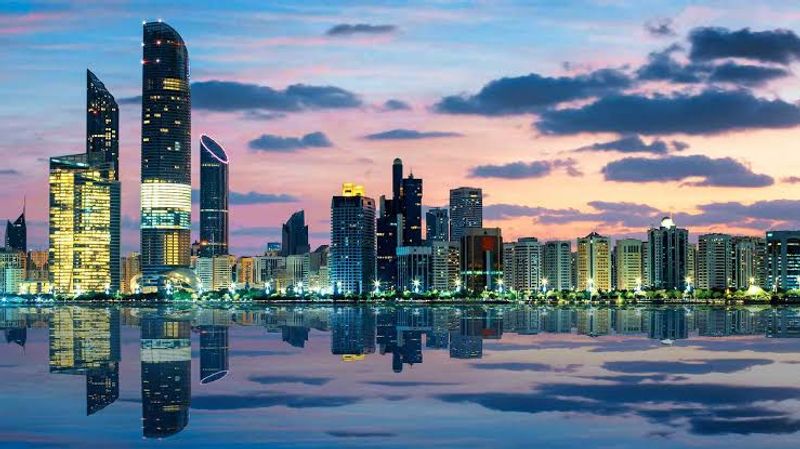
Few places on Earth have transformed as visibly or as quickly as the United Arab Emirates. Fifty years ago, much of this region was largely undeveloped desert.
Today, cities like Dubai and Abu Dhabi feature some of the world’s tallest buildings, busiest airports, and most luxurious hotels. Oil wealth ignited this transformation, but the UAE has worked hard to build beyond fossil fuels.
Dubai in particular has reinvented itself as a global hub for finance, tourism, real estate, and logistics. Emirates airline, one of the world’s most respected carriers, has made Dubai a major international transit point connecting East and West.
GDP per capita on a PPP basis for the UAE sits around $63,000.
Abu Dhabi controls the vast majority of the UAE’s oil reserves and manages enormous sovereign wealth funds that invest globally. The country’s leadership has invested heavily in renewable energy, with the Masdar City project representing one of the world’s most ambitious clean energy development initiatives.
Share this story