There is a quiet street in Edison, New Jersey, that most people drive past without a second thought. Yet that same street was once the first in the entire world to be lit by incandescent light bulbs, and it happened right here, more than 140 years ago.
A modest museum and a striking Art Deco tower now mark the ground where Thomas Edison ran one of the most productive invention laboratories in American history. This article walks through everything that makes the Thomas Edison Center at Menlo Park a genuinely worthwhile stop for anyone curious about how modern technology got its start.
Where History Literally Lit Up the Street
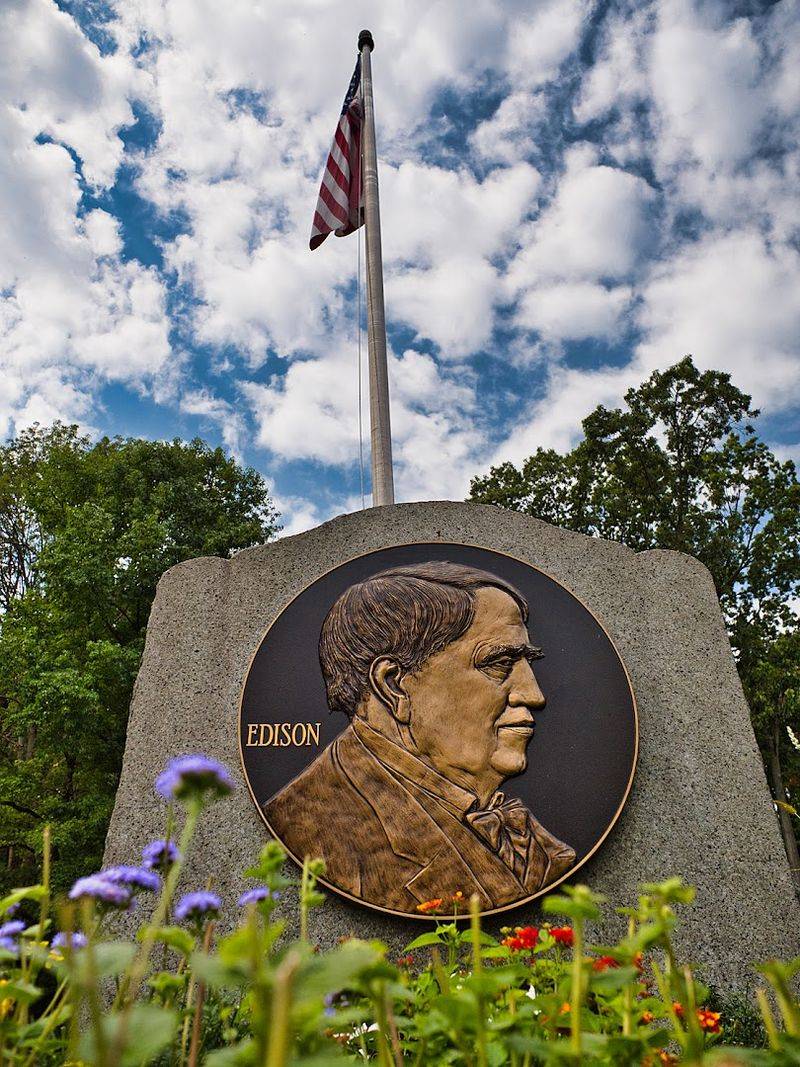
Christie Street in Edison, New Jersey, does not look like a place that changed history. The neighborhood is quiet, the buildings are modest, and nothing about the block immediately signals its extraordinary past.
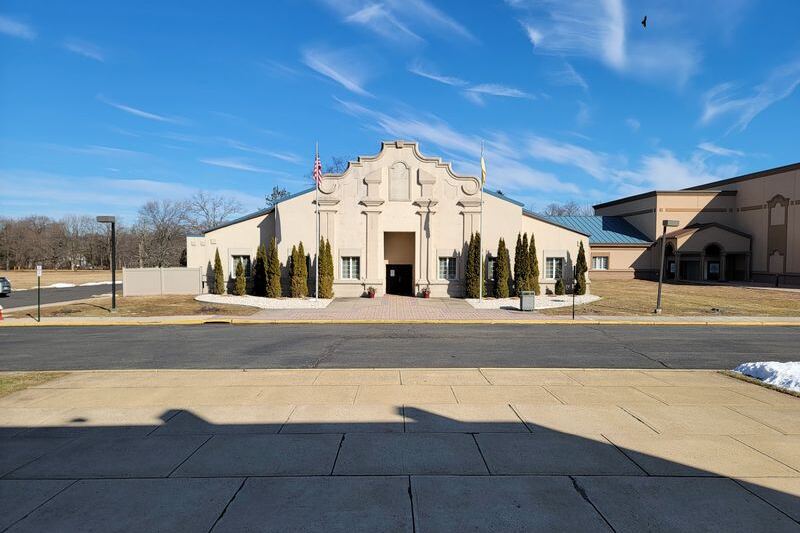
Yet this is the street that Thomas Edison chose when he wanted to prove that electric light could work outdoors, at scale, for real people. The Thomas Edison Center at Menlo Park sits at 37 Christie St, Edison, NJ 08820, right on the ground where Edison’s Menlo Park laboratory complex once stood.
That laboratory, active in the late 1870s and early 1880s, produced the phonograph, a working incandescent light bulb, and an improved telephone transmitter, among other breakthroughs. Christie Street itself became the first street in the world lit by incandescent bulbs, a fact that still carries weight today.
The museum makes sure every person who walks through its doors leaves knowing exactly why this address matters.
The Art Deco Tower That Marks the Spot
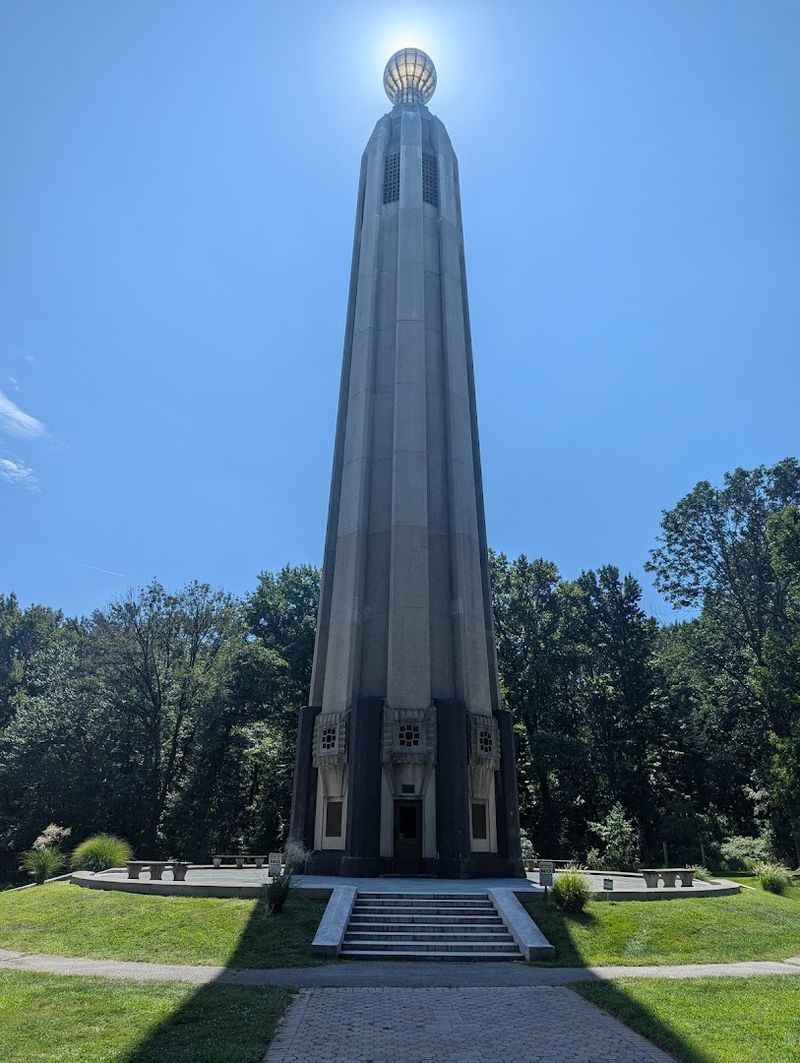
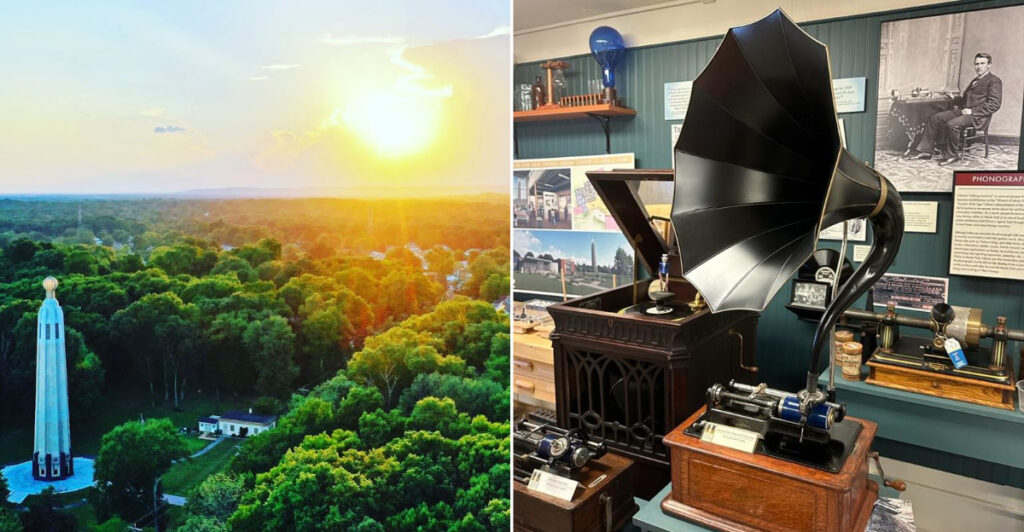
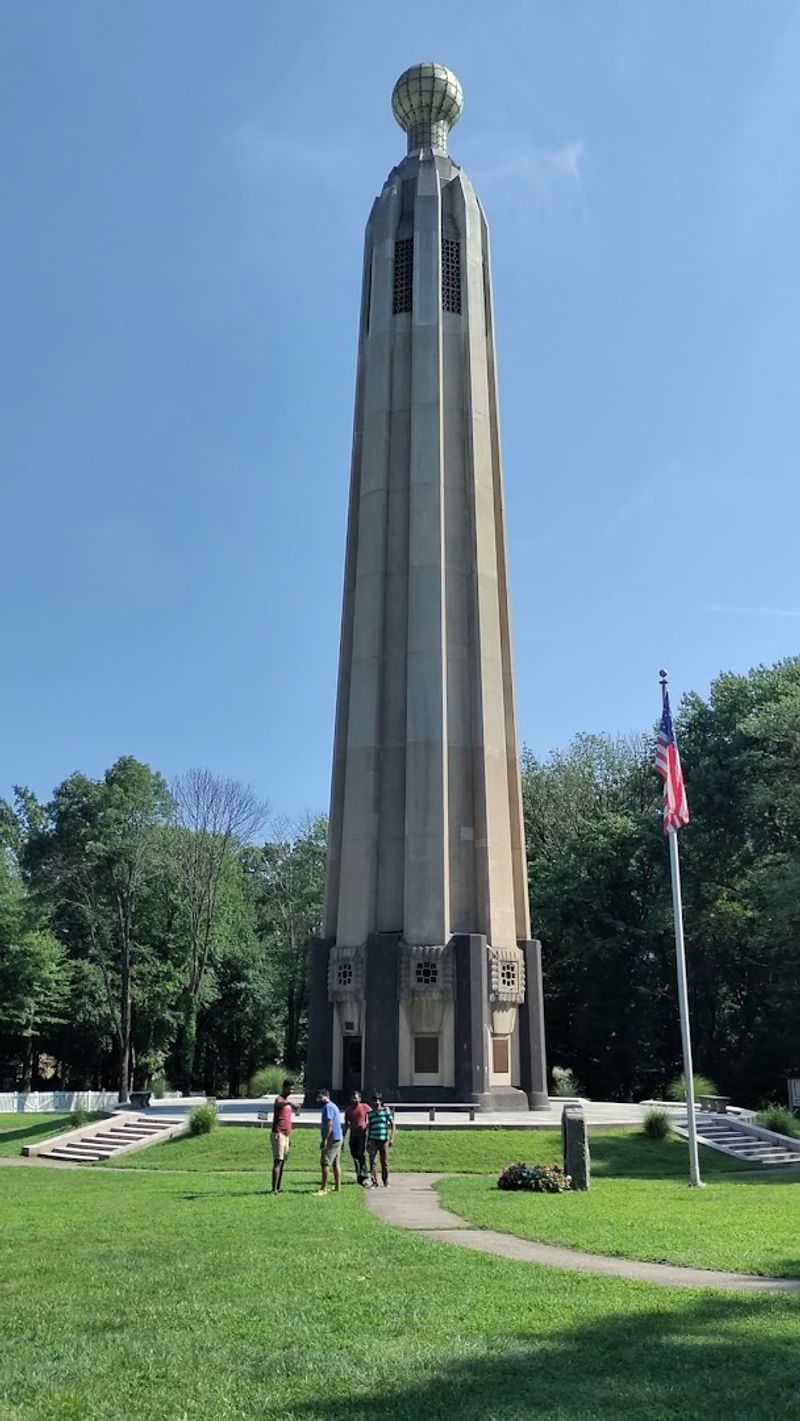
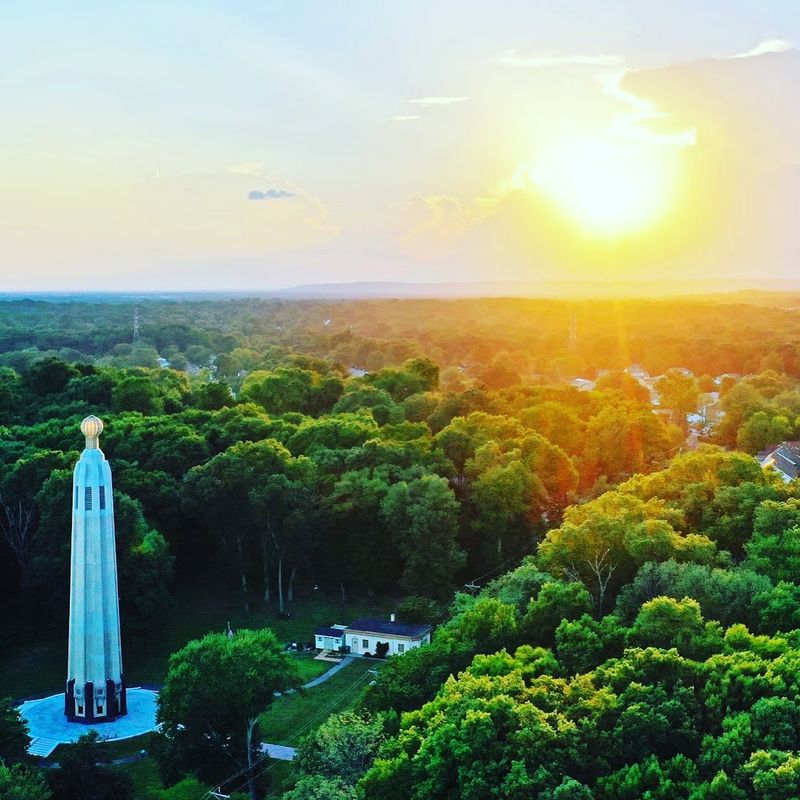
Before you even step inside the museum, the tower stops you in your tracks. Rising above the surrounding park, the Art Deco memorial tower at the Thomas Edison Center is one of the more distinctive landmarks in central New Jersey, and it carries a specific historical meaning that most people do not expect.
The tower stands on the exact location where Edison’s desk once sat inside his Menlo Park laboratory. When the original buildings were dismantled and moved to Henry Ford’s Greenfield Village in Dearborn, Michigan, the tower was erected to mark the spot so that the location would never be forgotten.
At the very top of the tower sits a large replica of an incandescent light bulb, glowing as a permanent tribute to Edison’s most famous achievement. Guided tours include a visit inside the tower, where a memorial display honors the inventor and the work that transformed everyday life for people across the entire globe.
A Museum That Punches Well Above Its Size
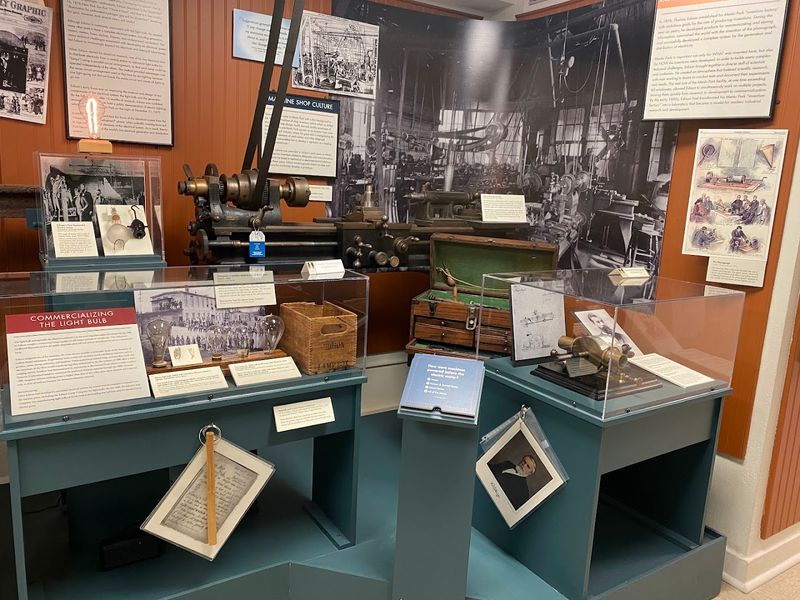
The Thomas Edison Center is compact, occupying two main exhibit rooms, but the depth of information packed into that space consistently surprises first-time visitors. Size does not determine substance here, and the museum proves that point clearly.
Displays cover Edison’s early career, his decision to build the Menlo Park laboratory complex in 1876, and the rapid-fire string of inventions that followed over the next several years. Artifacts, photographs, and detailed explanatory panels line the walls, and many of the interactive elements allow guests to engage directly with the history rather than simply reading about it.
The museum is open Thursday through Saturday from 10 AM to 4 PM, which means planning ahead is important for anyone traveling from out of town. Admission is affordable, with adult tickets priced at seven dollars and children’s tickets at five dollars.
For what the museum delivers in historical context and guided interpretation, that price point is genuinely hard to argue with.
The Phonograph: When Edison Made Sound Repeatable
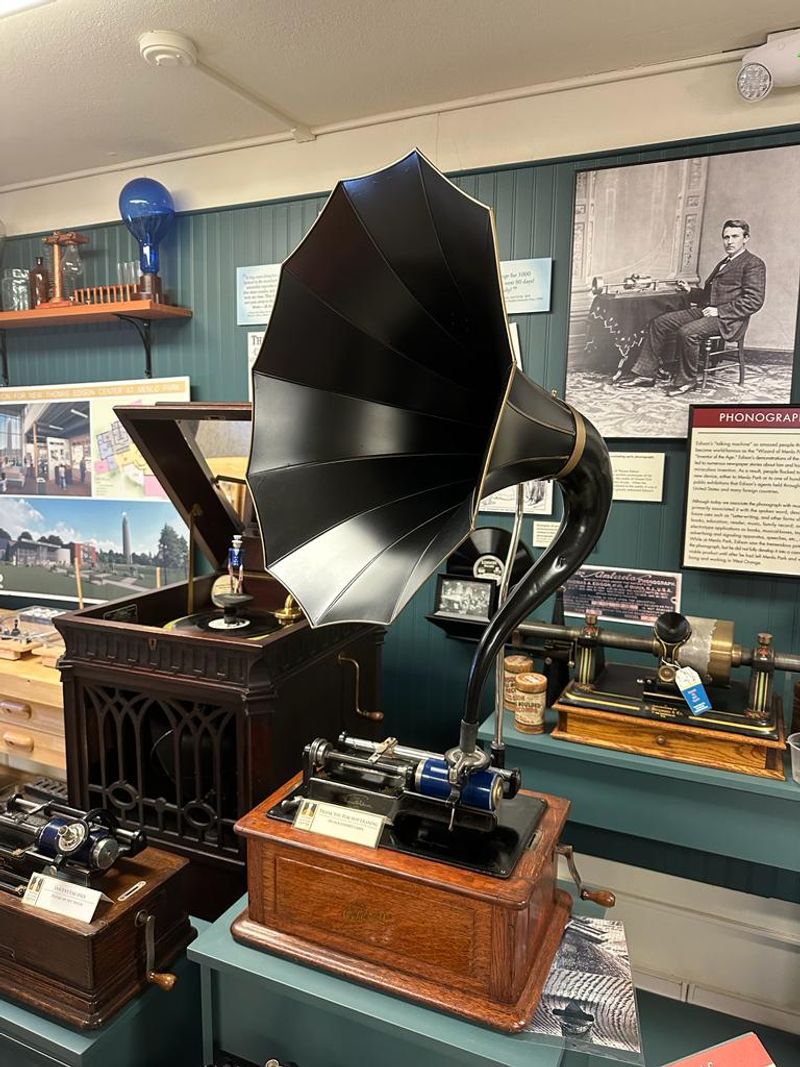
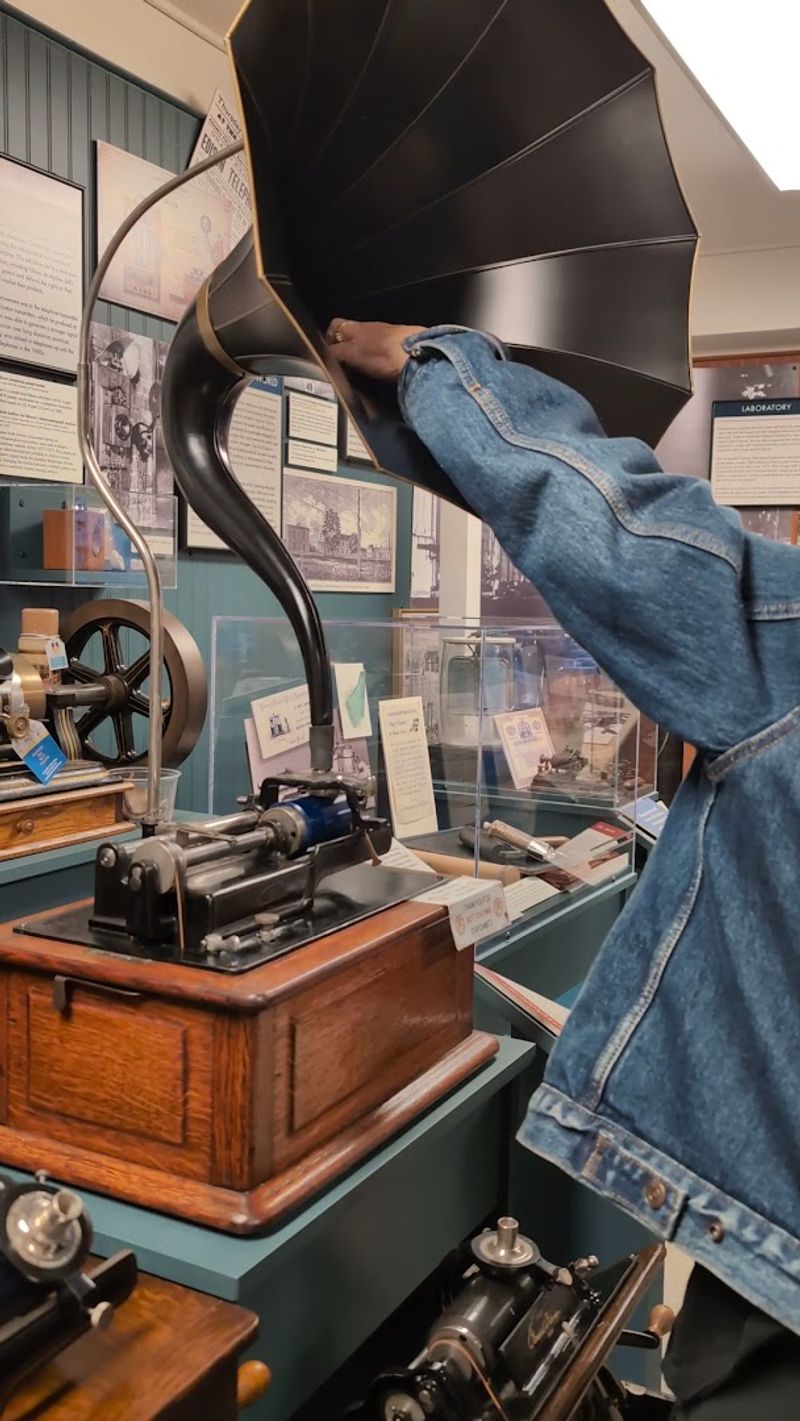
Among the inventions that came out of the Menlo Park laboratory, the phonograph tends to generate the most immediate astonishment from museum guests. The idea that a machine could record a human voice and play it back was so far outside normal expectations in 1877 that many people who witnessed the first demonstrations refused to believe the device was real.
The Thomas Edison Center keeps working phonographs as part of its collection, and guides actually play them during tours. Hearing a 140-year-old machine produce recognizable sound is one of those moments that genuinely shifts a person’s understanding of how fast technology can move when the right mind is focused on a problem.
Edison reportedly said that the phonograph was his personal favorite invention, partly because it arrived so unexpectedly even to him. The Menlo Park lab was the birthplace of that breakthrough, and the museum treats the phonograph with the historical respect that a world-changing invention clearly deserves.
The Incandescent Light Bulb and What It Actually Took
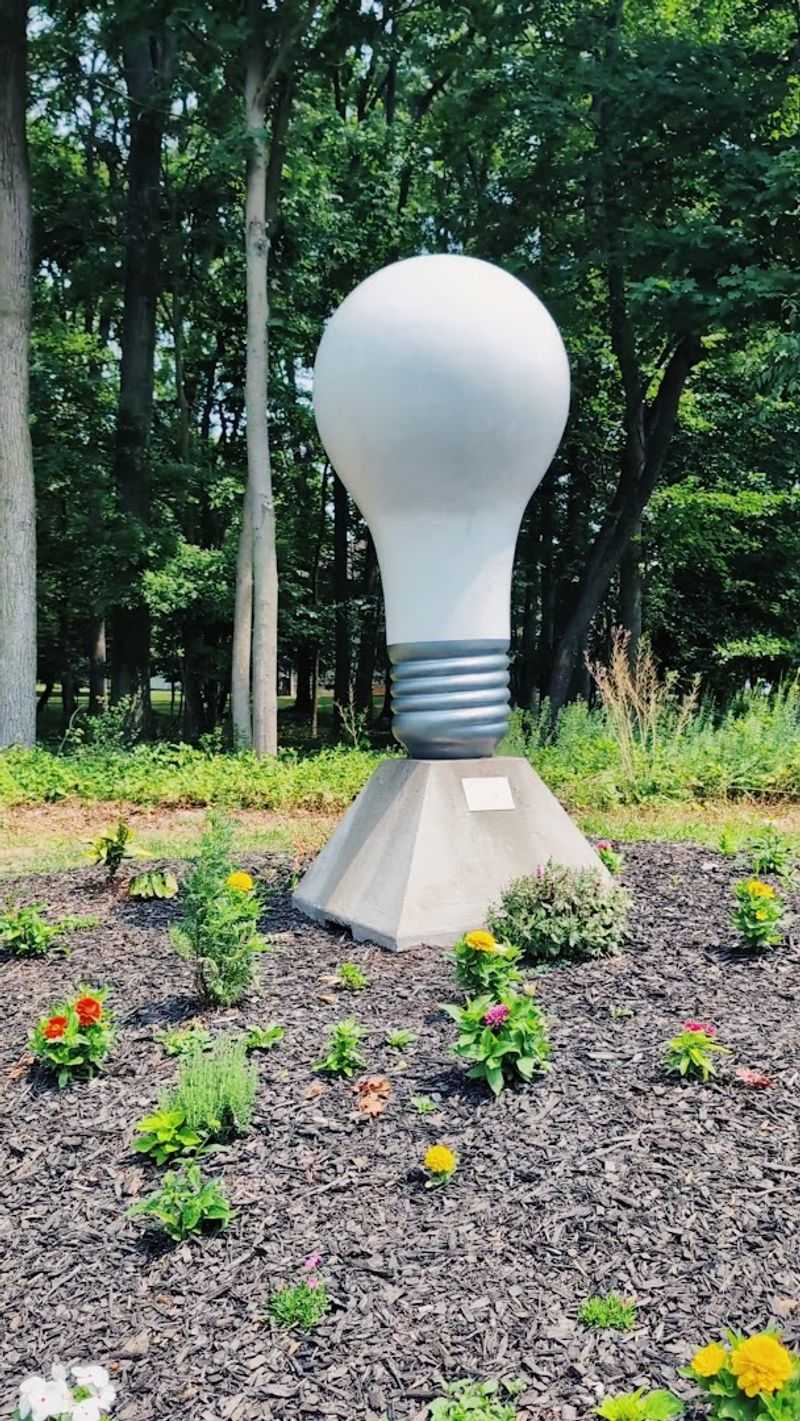
The light bulb story is more complicated than the famous cartoon version suggests. Edison did not simply sit down one afternoon and produce a working bulb.
The process at Menlo Park involved hundreds of filament experiments, significant financial pressure, and a large team of researchers working under Edison’s direction across months of concentrated effort.
What the Menlo Park laboratory actually delivered in October 1879 was not just a bulb that glowed, but a bulb that glowed long enough to be practical. That distinction mattered enormously because earlier researchers had produced brief flashes of electric light without ever achieving the sustained performance needed for real-world use.
The museum walks visitors through that development process in a way that makes Edison’s achievement more impressive, not less. Understanding the systematic effort behind the breakthrough helps explain why Menlo Park became known as an invention factory.
The work done there established a model for organized industrial research that companies around the world would copy for the next century.
Guided Tours That Actually Make History Click
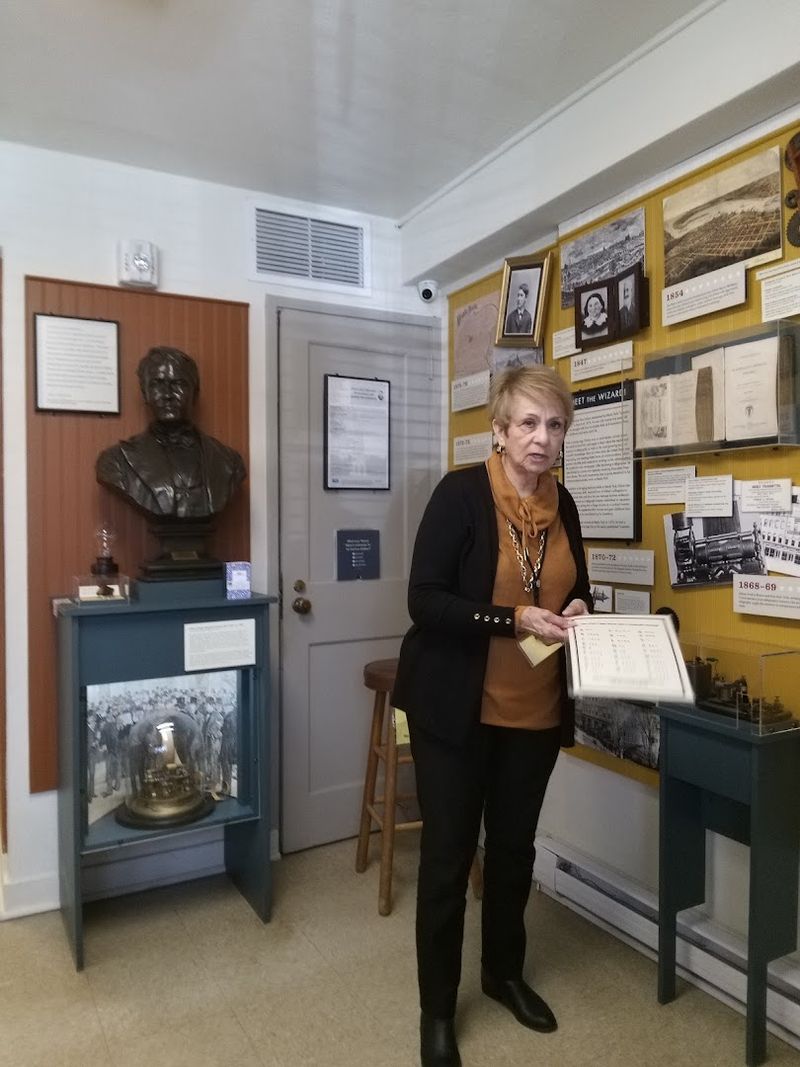
A self-guided walk through a museum can be informative, but the Thomas Edison Center is built around guided tours, and that format makes a real difference. The guides and volunteers who lead visitors through the exhibits bring a level of enthusiasm and detailed knowledge that goes well beyond what any wall panel can deliver.
Tours run approximately 45 minutes and cover the full scope of Edison’s Menlo Park years, from his arrival in New Jersey to the eventual closure of the laboratory complex. Guides demonstrate early inventions, explain the context behind each breakthrough, and answer questions in a way that makes the material accessible for both adults and younger students.
Seating is available for those who need it during the tour, which makes the experience accessible to a wider range of guests. The combination of knowledgeable guides, hands-on demonstrations, and a manageable tour length creates a format that works well for school groups, families, and solo history enthusiasts alike.
Edison’s Menlo Park Years: The Most Productive Stretch in Invention History
Between 1876 and 1882, the Menlo Park laboratory produced a volume and variety of inventions that has no real parallel in the history of technology. Edison held the goal of delivering a minor invention every ten days and a major one every six months, and for a significant stretch, the laboratory actually met that target.
The phonograph arrived in 1877. The practical incandescent light bulb followed in 1879.
An improved telephone transmitter, early work on electric power distribution, and experiments with telegraph technology all came out of the same complex during roughly the same period.
The museum contextualizes those years within the broader arc of Edison’s career, helping visitors understand why the Menlo Park period is treated separately from his later work at West Orange. The Menlo Park laboratory was where Edison established both his methods and his reputation, and the Thomas Edison Center makes a compelling case for why that specific place deserves its own dedicated memorial.
The Grounds, the Trail, and the Outdoor Experience
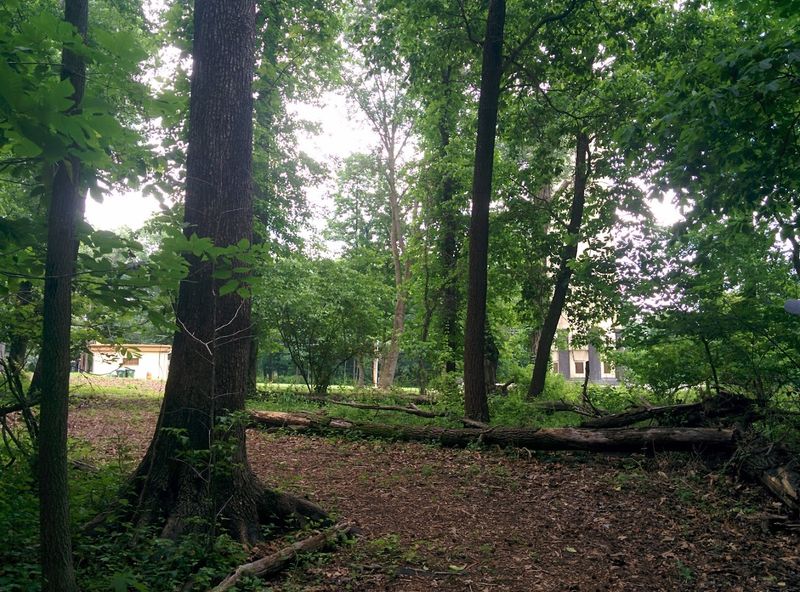
The museum building itself is only part of what the Thomas Edison Center offers. The surrounding grounds include a well-maintained park area and a nature trail that runs behind the museum, giving visitors the option to extend their visit beyond the indoor exhibits.
Outdoor signage along the grounds presents additional historical information about Edison’s time at Menlo Park, including quotations from the inventor and a timeline of key achievements. The trail through the wooded area behind the museum provides a quiet contrast to the information-dense interior rooms.
Admission to the museum requires a ticket, but walking the outdoor grounds and exploring the park area is free of charge. That makes the site accessible even for people who arrive outside of museum hours or who simply want to spend time in the space without a formal tour.
Parking is limited, with only a small number of designated spots available, so arriving early on busy days is a practical approach.
Why This Site Matters Beyond New Jersey
The significance of the Menlo Park site extends well past state pride or local history. What happened on this ground fundamentally changed the relationship between human beings and darkness, between silence and recorded sound, and between individual inventors working alone and organized teams pursuing specific technological goals.
Edison’s decision to build a dedicated invention laboratory, staffed by specialists and equipped with purpose-built tools, was itself a revolutionary idea. Before Menlo Park, most inventors worked alone or in very small groups.
After Menlo Park, the concept of the industrial research laboratory became a standard feature of major companies worldwide.
That organizational legacy is just as important as any single invention, and the Thomas Edison Center addresses it directly. The museum frames Edison not just as a clever individual but as someone who redesigned the process of innovation itself.
That broader perspective is what elevates a visit here from a pleasant afternoon outing to something that genuinely shifts how a person thinks about technology and progress.
Connecting the Menlo Park Story to the Bigger Edison Picture
The Thomas Edison Center is honest about what it covers and what it does not. The museum focuses specifically on the Menlo Park years, roughly 1876 through 1882, and guides are clear that visitors interested in Edison’s later career should also plan a trip to the Edison National Historic Park in West Orange, New Jersey.
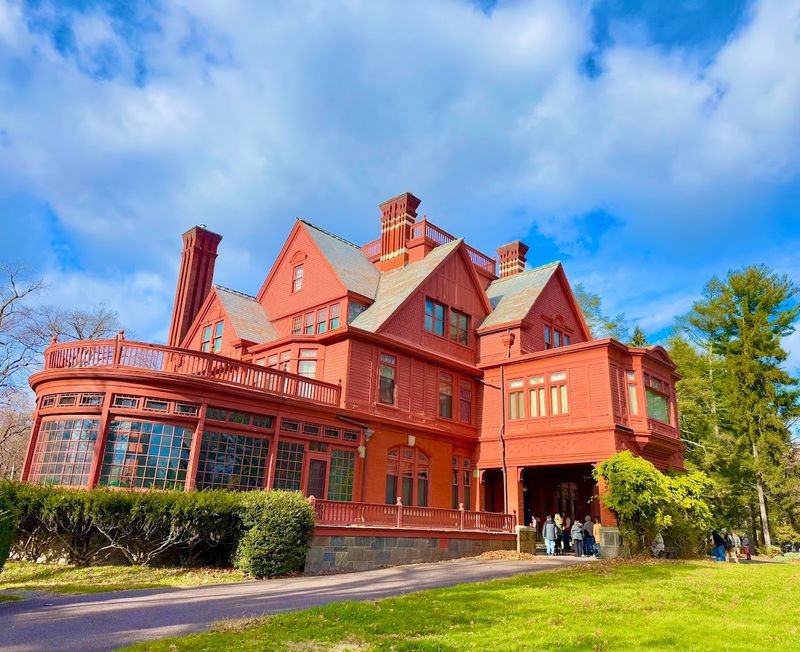
The original laboratory buildings from Menlo Park no longer stand on the Christie Street site. Henry Ford had them carefully dismantled and relocated to Greenfield Village in Dearborn, Michigan, where they remain preserved today.
The tower and the museum were built to ensure that the actual ground of Edison’s most famous laboratory would still be recognized and commemorated.
Knowing that context before arriving actually enhances the visit. The tower becomes more meaningful when understood as a deliberate act of preservation rather than just a decorative monument.
The museum fills in the story that the physical structures can no longer tell directly, and it does so with clarity and care.
Practical Details Every Visitor Should Know Before Going
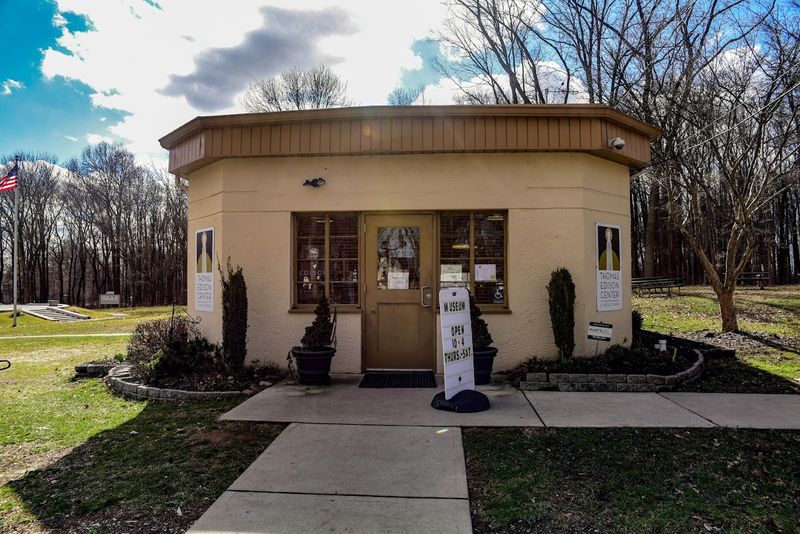
Planning a visit to the Thomas Edison Center requires a bit of preparation because the museum operates on a limited schedule. Public visiting hours run Thursday through Saturday from 10 AM to 4 PM, and the museum is closed Sunday through Wednesday.
Arriving during open hours is essential since the guided tour format means there is no drop-in option outside of scheduled times.
Tickets are available at the door and the pricing is straightforward: seven dollars for adults and five dollars for children. The full tour lasts approximately 45 minutes, making it a manageable addition to a broader day of sightseeing in central New Jersey without consuming an entire afternoon.
Parking on site is very limited, with only a handful of designated spots available. The museum is also reachable on foot from the Metropark train station, though the walk does not include a sidewalk for the full route.
Checking the museum website at menloparkmuseum.org before visiting is a reliable way to confirm current hours and any schedule changes.
A Living Tribute That Keeps Growing
The Thomas Edison Center operates with a team of dedicated volunteers and staff who bring a clear personal investment to the history they present. The enthusiasm is genuine and consistent, and it shapes the entire character of a visit in ways that larger, more institutional museums sometimes struggle to replicate.
There are active plans to expand the museum into a larger building, which would allow for a broader range of exhibits and a more complete telling of the Menlo Park story. The current space, while compact, is well-organized and makes the most of what it has, with every square foot contributing something meaningful to the overall narrative.
The Thomas Edison Center at Menlo Park is the kind of place that rewards curiosity. The more questions a visitor brings, the more satisfying the tour becomes.
For a seven-dollar admission price on a Thursday, Friday, or Saturday morning, it offers a depth of historical engagement that very few sites in New Jersey can match.
Share this story