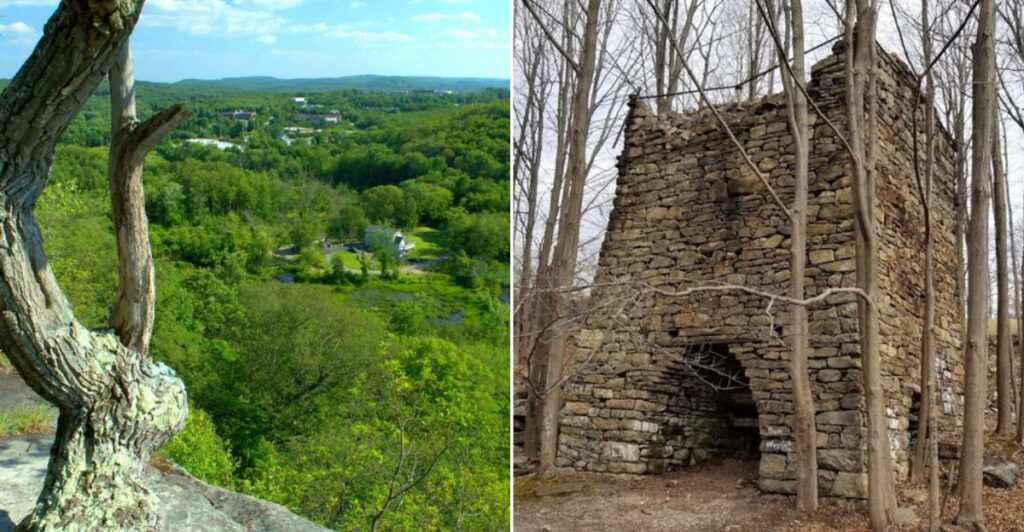
Every autumn, thousands of hawks, falcons, and eagles ride invisible currents high above the Morris County ridgelines, and the best seat in New Jersey to watch it all unfold is perched right here in Rockaway Township. This is not a quiet little nature walk.
This is a full-scale aerial migration event that draws birders, hikers, mountain bikers, and curious families to one of the state’s most underrated outdoor destinations. The park covers 3,745 acres of rugged New Jersey terrain, packed with iron mining history, bat hibernation sites, abandoned cemeteries, and some seriously rewarding trails.
Whether the hawk watch is your main draw or just a bonus stop on a longer hike, this place consistently delivers something worth the trip. Stick around, because there is a lot more going on here than most people realize.
Where Exactly This Wild Corner of New Jersey Sits
Wildcat Ridge Wildlife Management Area is located in Rockaway Township, Morris County, New Jersey, at the southern end of the township off County Route 513, also known as Greenpond Road. The full address is Rockaway Township, NJ 07866, and the park is administered by the New Jersey Department of Environmental Protection.
The area spans 3,745 acres of mixed terrain, including forested ridges, old mine sites, and open sky corridors that make it ideal for wildlife observation. It sits adjacent to Farny State Park and the Splitrock Reservoir area, both of which are contiguous with Wildcat Ridge and also open to public access.
Getting there requires some navigation awareness, as GPS devices have been known to route people to different entry points. The Green Pond Trailhead is one of the most commonly used starting points, giving hikers direct access to the main trail network.
The Iron Mining Past Hidden Beneath the Trails
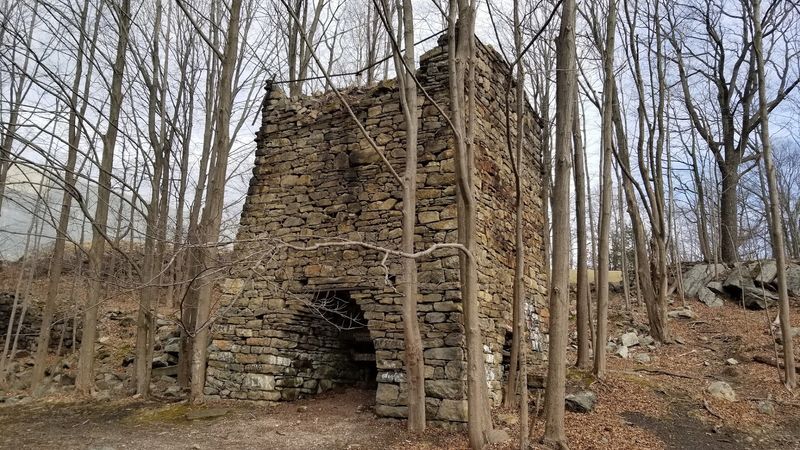
Long before this land became a wildlife management area, it was an active iron mining operation. The park encompasses the former Hibernia mines, the Beach Glen mines, and the Oreland mine, also known as the Upper Hibernia mine, all of which date back to the Civil War era.
Iron ore extracted from these sites fed the industrial demands of 19th-century America, and the landscape still carries visible traces of that history. Stone ruins mark the locations of former mine structures, and the Adventure/Hibernia Furnace once stood across Hibernia Brook from the current Hibernia Firehouse.
All mine shaft openings have been closed off for public safety, but the ruins remain accessible and make for genuinely interesting stops along the trail. Hiking through this area means moving through layers of history that most people never associate with a New Jersey state park.
The ground here has a story worth paying attention to.
The Bat Cave That Kids Absolutely Cannot Stop Talking About
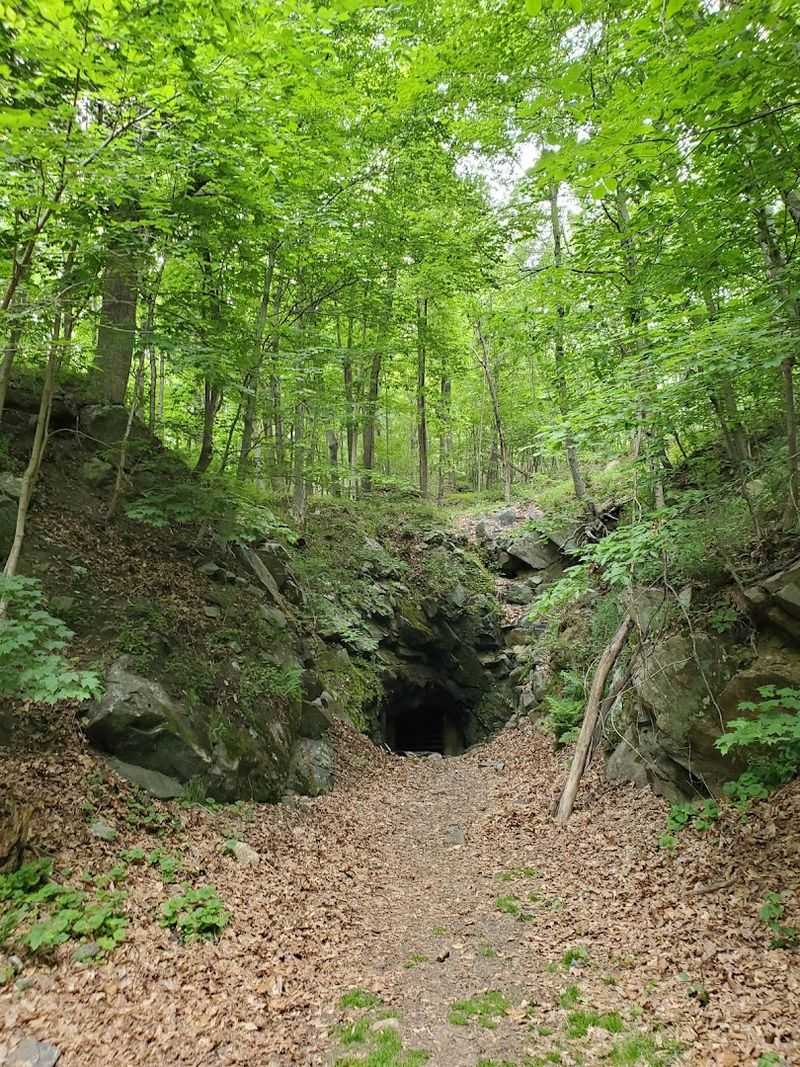
One of the most talked-about features at Wildcat Ridge is the bat cave, which is actually the former Hibernia mine tunnel. This tunnel serves as a bat hibernaculum, meaning thousands of bats use it as a winter roosting and hibernation site.
The species that overwinter here include several that are now listed as threatened due to white-nose syndrome, a fungal disease that has significantly reduced bat populations across the northeastern United States. The site is protected and monitored, and access to the tunnel itself is restricted to protect the hibernating bats.
Even so, the exterior of the cave area is a legitimate attraction for families and curious hikers. Kids especially respond to the idea of a real bat cave tucked into the woods, and the history of the tunnel adds another layer to the visit.
Parents who bring young children consistently find it to be one of the most memorable stops on the entire trail.
St. Patrick’s Cemetery and the Workers Who Built This Place
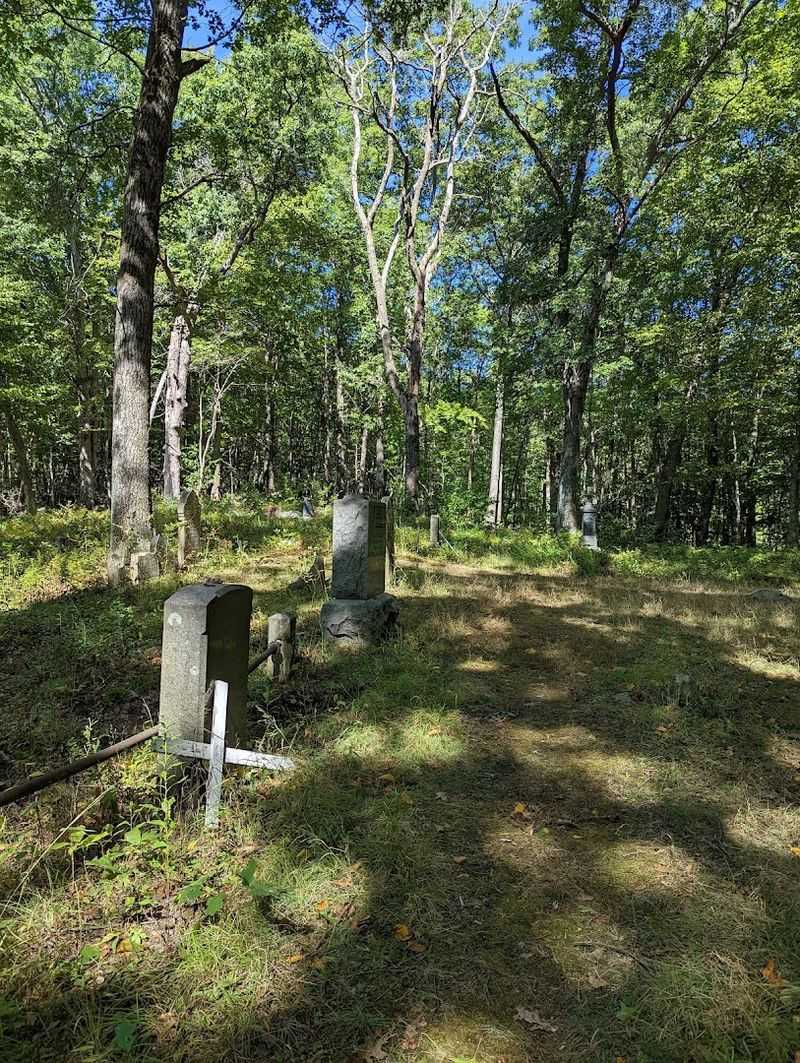
Tucked within the boundaries of the park is St. Patrick’s Cemetery, an abandoned burial ground originally established in 1869. The cemetery served as the final resting place for workers who lost their lives in the surrounding iron mines during the 19th century.
What makes this site particularly striking is that many of the headstones are engraved in Eastern European languages, believed to be Czech and/or Slovak. This detail points to the significant immigrant labor force that powered the iron mining industry in Morris County during that period.
The cemetery is a quiet and historically significant stop for anyone interested in the human side of this landscape. It adds a layer of context that transforms a simple hike into something closer to a history lesson.
The workers who are buried here helped shape both the industrial output and the cultural fabric of this corner of New Jersey, and the cemetery keeps that record intact.
Trail Options for Every Level of Hiker
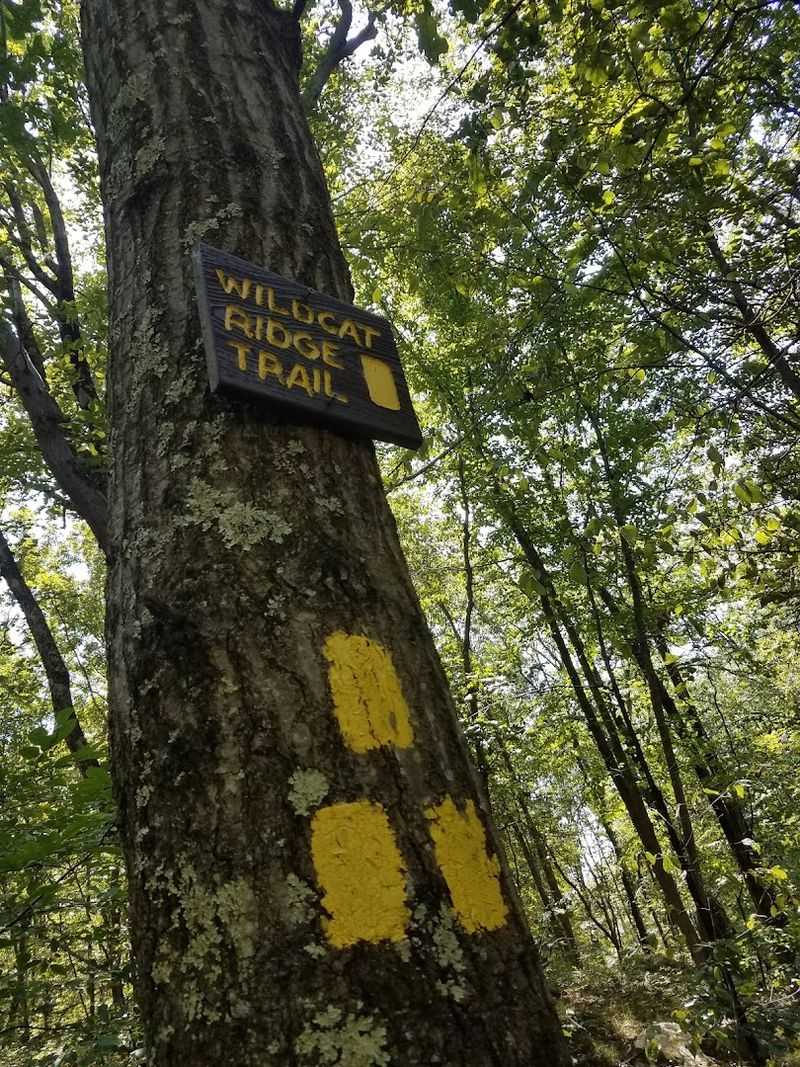
The trail network at Wildcat Ridge covers a wide range of difficulty levels, which is part of why it draws such a broad mix of outdoor enthusiasts. A quick loop near the trailhead can be completed in under an hour, while a full out-and-back to the hawk watch covers well over eight miles of terrain.
The trails wind through changing landscapes, moving from dense forest to open ridge to historic mine areas, which keeps the experience varied enough to hold attention on longer outings. Trail marking is inconsistent in some sections, and hikers are encouraged to take one trail at a time and pay attention to junction signs.
Families with young children have found the shorter loops manageable and enjoyable, with kids as young as four completing sections without difficulty. Bringing a trail map is strongly recommended, as the park’s size and the occasional GPS misdirection can make navigation tricky for first-time visitors.
The Panoramic View From the Ridge That Earns Every Step
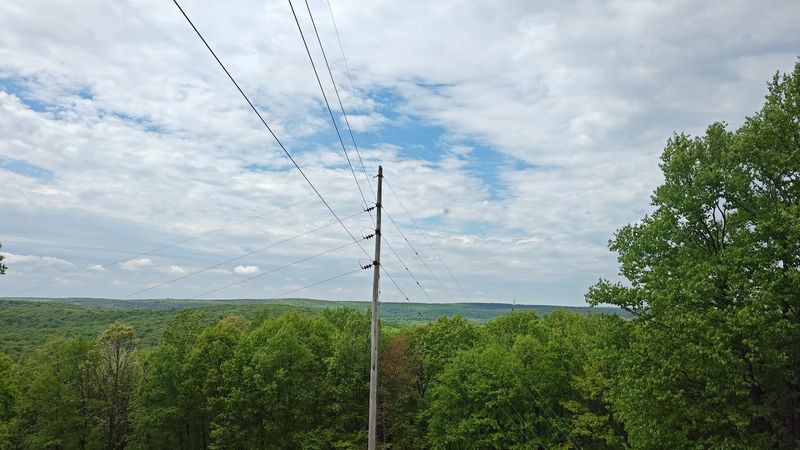
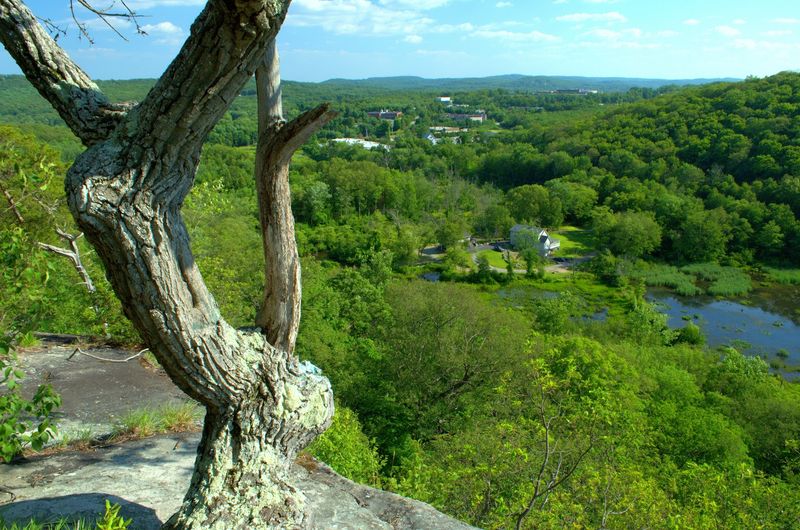
The view from the Wildcat Ridge hawk watch ridge is one of those payoffs that justifies the effort of getting there. From the elevated overlook on Upper Hibernia Road, the landscape opens up into a sweeping panorama of Morris County that stretches across miles of forested New Jersey terrain.
The view is particularly striking during autumn, when the tree canopy shifts through its seasonal color changes and the sky fills with migrating raptors. Even outside of peak migration season, the overlook delivers a perspective on the New Jersey landscape that is genuinely hard to find elsewhere in the region.
Clear days extend the visible range significantly, making the hawk watch a destination worth timing around weather conditions. The hike to reach the overlook follows a gravel road section that is labeled as trail but lacks distance markers, so hikers should budget extra time for the climb.
The reward at the top makes the uncertainty of the route entirely worth it.
Wildlife Beyond the Hawks: Bears, Deers, Bats, and More
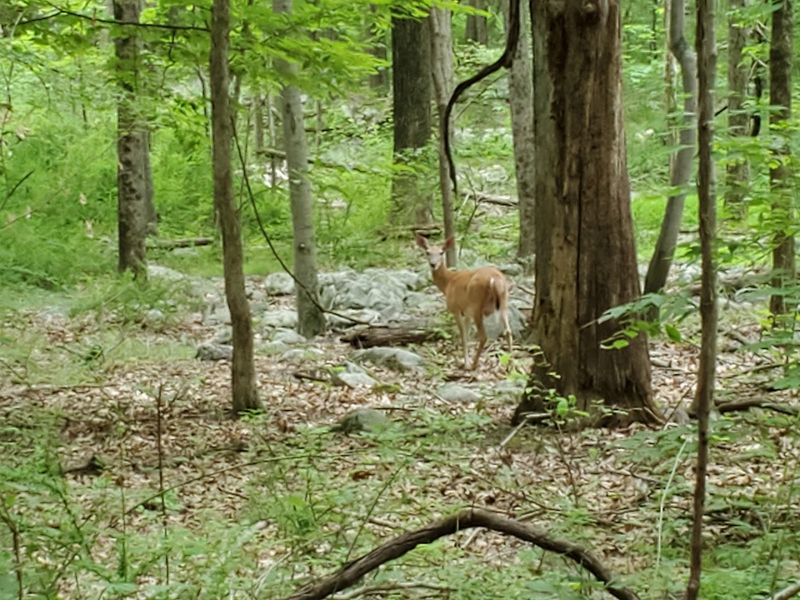
The name Wildcat Ridge is not entirely figurative. The park supports a diverse wildlife population that goes well beyond the migratory raptors that draw most attention to the site.
Black bears are present in the area, and hikers are advised to stay aware on the trails, particularly in areas near water sources and dense undergrowth.
White-tailed deer move freely through the park, and the mixed forest habitat supports a wide range of songbirds, small mammals, and reptiles throughout the year. The bat hibernaculum adds a genuinely unusual wildlife dimension to the park, making it relevant to conservation conversations around threatened species in the Northeast.
The park’s size and relatively low human traffic on weekdays create conditions where wildlife encounters happen naturally and regularly. Dogs are welcome on trails, but owners should keep that bear presence in mind.
The wildlife here is not a curated exhibit but an active, functioning ecosystem operating on its own schedule.
The Underground Railroad Connection at the Hibernia Mine
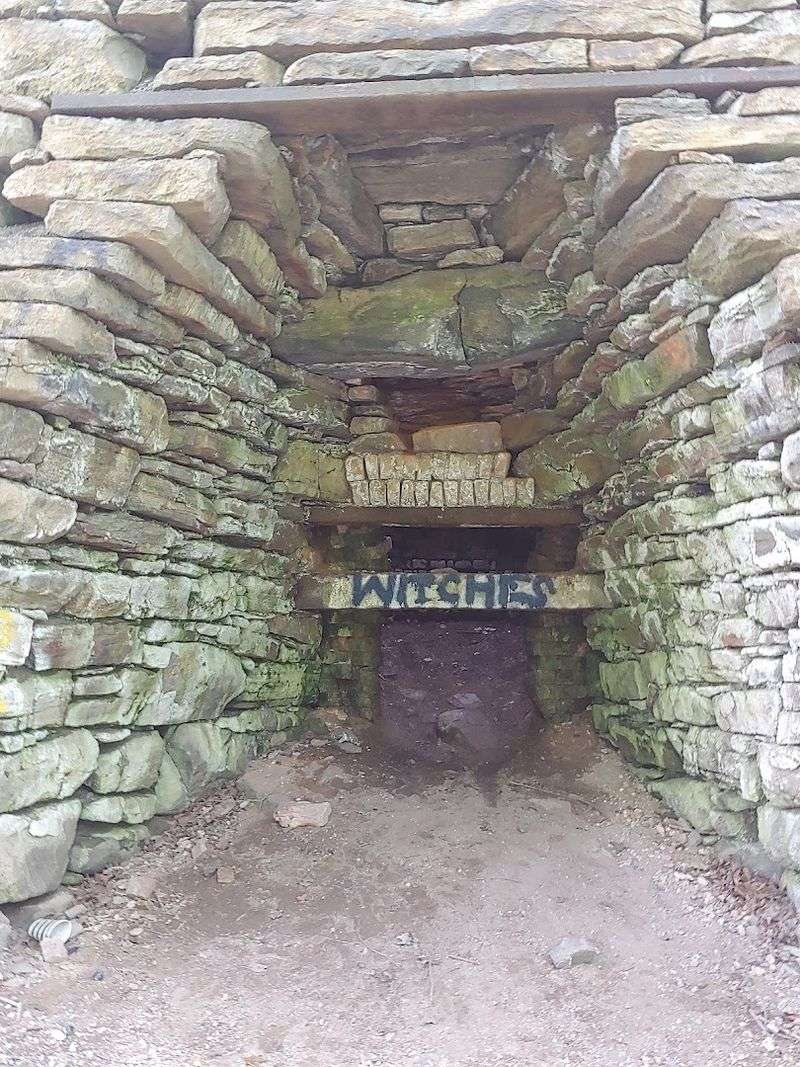
The Hibernia mine tunnel that now serves as a bat hibernaculum carries a history that extends well beyond iron extraction. The tunnel is associated with the Underground Railroad, the network of routes and safe houses that helped enslaved people reach freedom during the antebellum period in American history.
This connection makes the site significant on multiple historical levels simultaneously. The same tunnel that once sheltered people seeking freedom later became a critical winter habitat for bat populations, and today it stands as a sealed but visible landmark within the park’s trail network.
The layered history of the Hibernia tunnel is one of the details that separates Wildcat Ridge from a standard state park experience. Hikers who take the time to read about the site before visiting tend to find the walk past the tunnel far more meaningful than those who encounter it without context.
History has a way of making a trail feel longer and richer at the same time.
Paddling Options Near the Park’s Water Boundaries

Wildcat Ridge is not just a hiking and birding destination. The park’s proximity to the Splitrock Reservoir area opens up paddling opportunities for those who want to extend their outdoor day beyond the trail network.
Canoes and kayaks can access calm water sections near the park’s boundaries, making it a genuinely multi-activity destination.
The reservoir area is contiguous with Wildcat Ridge and shares the same public access framework, meaning a single visit can include both a ridge hike and time on the water. This combination is particularly appealing for families looking to pack varied activities into one outing without driving between multiple locations.
Water access points require some advance research, as the area is not as clearly signed as the main trailhead. Paddlers who have explored the reservoir sections adjacent to the park describe the experience as quiet and removed from the busier recreational areas found elsewhere in Morris County.
The water and the woods here work well together.
Visiting Year-Round: What Each Season Brings to the Trails
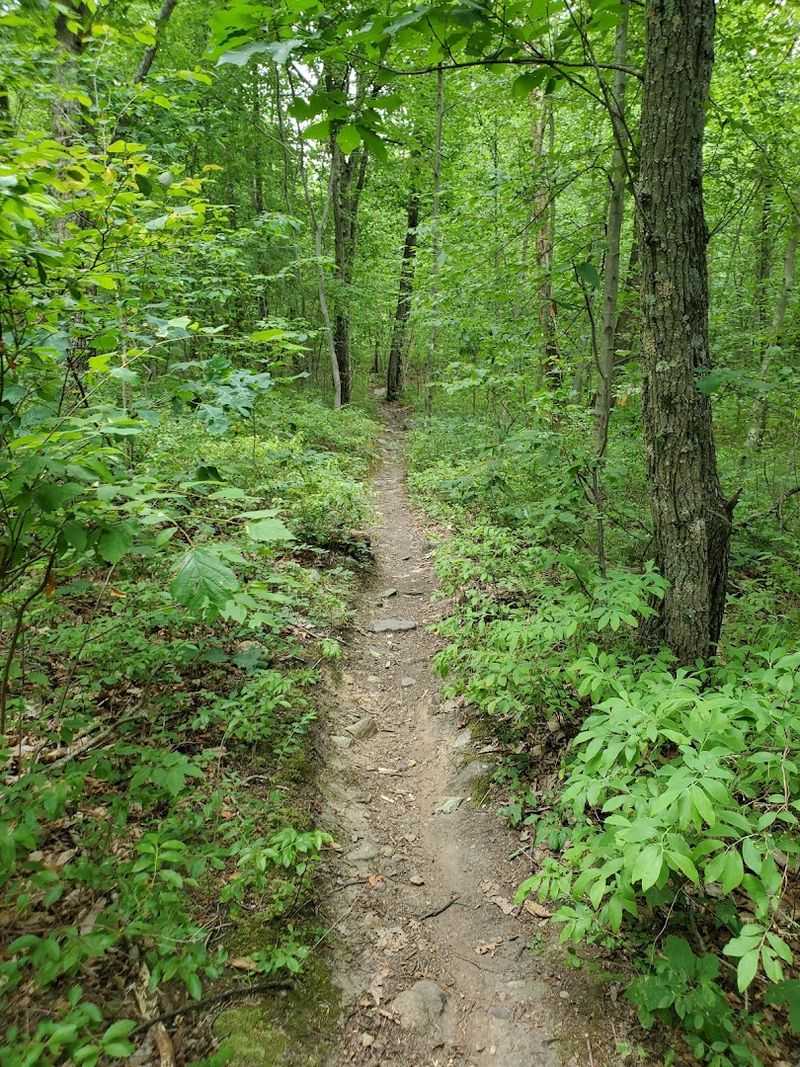
Wildcat Ridge is open 24 hours a day, every day of the year, which makes it one of the more flexible outdoor destinations in Morris County. Each season delivers a noticeably different version of the park, and repeat visitors tend to build a rotation around that variety.
Spring brings migrating songbirds and the first green flush of the forest canopy, making it a productive season for birders working through their year lists. Summer offers shaded trail hiking and the chance to observe the park’s resident wildlife in active breeding season.
Autumn is peak season for the hawk watch, drawing the largest crowds of the year to the ridge overlook.
Winter transforms the park into one of the quietest and most solitary hiking experiences in the region. Cold weekday mornings often mean having the entire trail network to yourself, which appeals to hikers who prefer their outdoor time without company.
Every season here has something worth showing up for.
Practical Tips for Planning Your First Visit
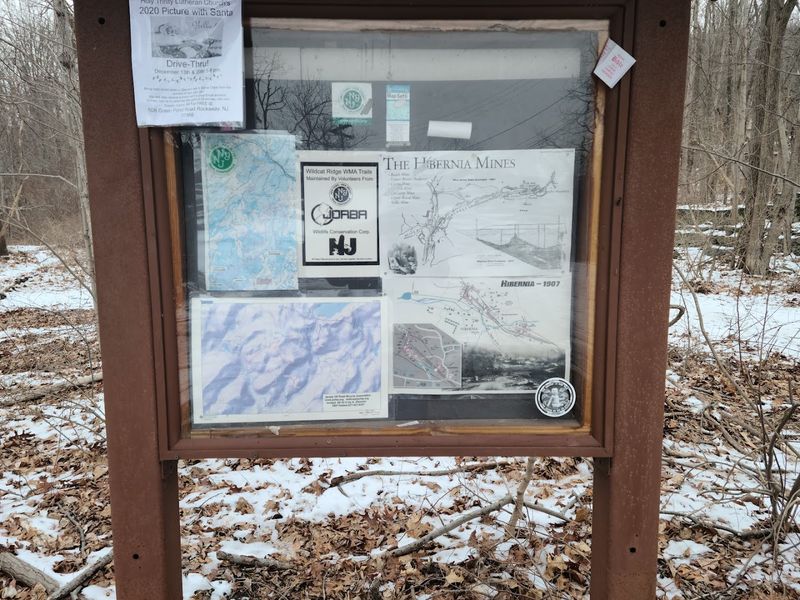
First-time visitors to Wildcat Ridge benefit from a few pieces of practical knowledge before hitting the trails. GPS navigation to the park can be unreliable, routing drivers to different entry points depending on the device and map version used.
The Green Pond Trailhead off County Route 513 is the most commonly referenced and accessible starting point.
Trail marking throughout the park is inconsistent, with some routes well-signed and others requiring more careful attention to stay oriented. Bringing a downloaded trail map on a phone or a printed copy is a straightforward way to avoid unnecessary backtracking.
The park does not charge an entry fee.
Dogs are welcome on trails and can go off-leash in many sections, though bear activity in the area is a real consideration worth keeping in mind. Hikers heading to the hawk watch should budget at least half a day for the round trip and bring water.
The gravel road section leading to the overlook is longer than it appears on most maps.
Why This Park Keeps Drawing People Back Again and Again
Some parks get one visit and a check mark on the list. Wildcat Ridge tends to generate repeat visits, and the reasons are easy to understand once you have spent time there.
The combination of history, wildlife, varied terrain, and seasonal change means the park rarely delivers the exact same experience twice.
The hawk watch alone is worth multiple autumn visits, since migration patterns shift week by week and the species mix changes throughout the season. The mine ruins, the bat cave, and the cemetery add historical depth that rewards slower, more deliberate exploration over time.
Mountain bikers return for the technical trails, and hikers return for the solitude.
There is a particular kind of outdoor destination that earns loyalty not through a single dramatic feature but through consistent, layered quality across multiple visits. Wildcat Ridge fits that description.
The 3,745 acres here hold more than most people find on a single trip, which is exactly the kind of place worth coming back to.
Share this story