Italy has some of the most stunning coastlines in the entire world, from rugged cliffs and hidden coves to golden beaches and ancient harbor towns. Whether you love history, food, or just soaking up the sun, the Italian coast has something special waiting for you.
These 16 seaside destinations are so beautiful, so unique, and so full of life that visiting even one of them feels like a dream come true. Pack your bags, grab your sunscreen, and get ready to fall in love with Italy’s incredible shores.
Positano – Amalfi Coast Icon
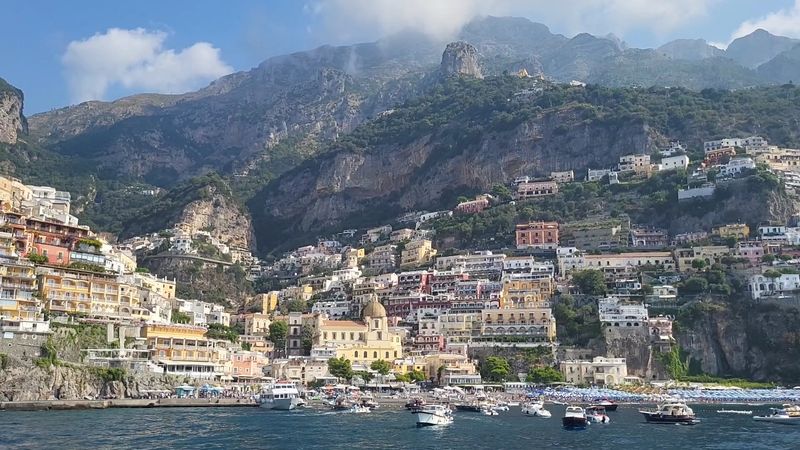
Few places on Earth stop people in their tracks quite like Positano. Stacked along the cliffs of the Amalfi Coast like a giant bowl of rainbow candy, this town is genuinely hard to believe until you see it with your own eyes.
The pastel-colored buildings tumble all the way down to a small pebbly beach, and every window seems to have an ocean view.
Getting around Positano means climbing steep staircases and winding paths, but the workout is absolutely worth it. Stop at a cliffside restaurant for fresh pasta and a glass of lemonade made from locally grown lemons.
You will not find a better lunch with a better view anywhere in the world.
Sunset here is something people write postcards about. The sky turns shades of orange and pink while the sea glitters below the glowing buildings.
Boutique shops selling handmade sandals, ceramics, and linen clothing line the narrow streets. Positano is busy in summer, so booking accommodation early is a smart move.
Visit in May or September for smaller crowds and still-gorgeous weather.
Cinque Terre – Liguria’s Colorful Villages
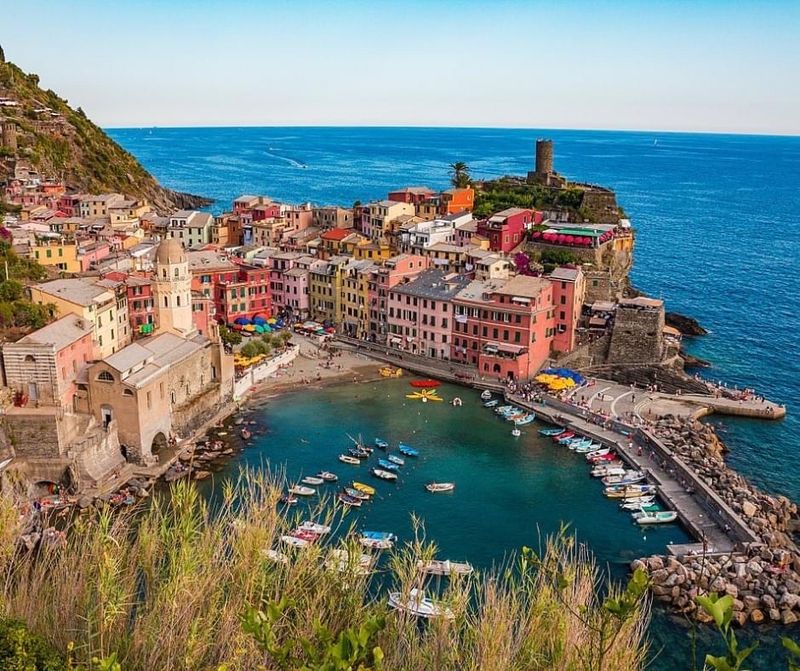
Cinque Terre translates to “Five Lands,” and each of those five lands has its own personality. Monterosso, Vernazza, Corniglia, Manarola, and Riomaggiore are strung together along the Ligurian coastline like beads on a necklace.
The whole area became a UNESCO World Heritage Site in 1997, which tells you everything about how special it really is.
Hiking the trails between villages is one of the most rewarding outdoor experiences in all of Italy. The paths wind through vineyards, olive groves, and clifftop lookouts with jaw-dropping views at every turn.
Swimmers and snorkelers will love the clear water tucked into the rocky coves below.
Traveling between villages by train or boat is easy and affordable, making it simple to explore all five in a single day. Each village has its own restaurants, gelato shops, and local wines to try.
Sciacchetra, a sweet local wine made from dried grapes, is worth seeking out. Avoid visiting in July and August if you prefer quieter trails.
Spring and early autumn offer the best combination of good weather and manageable visitor numbers.
Polignano a Mare – Cliffs Over the Adriatic
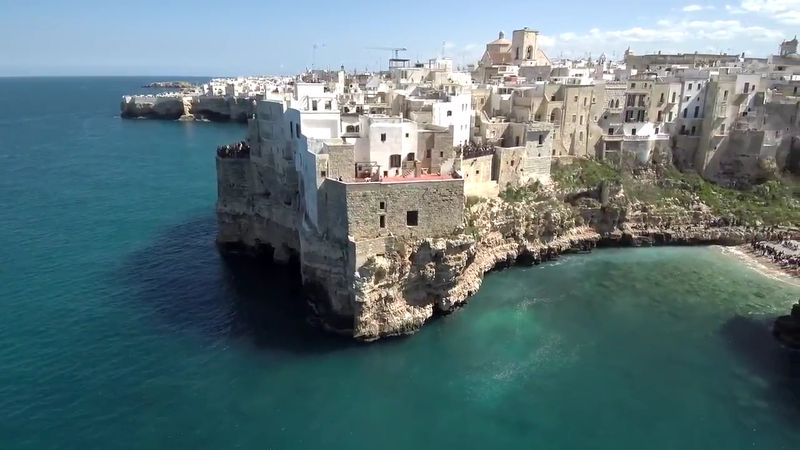
Singer Domenico Modugno, who wrote the famous song “Volare,” was born here, and honestly, standing on these cliffs, you understand exactly why someone would feel like flying. Polignano a Mare sits on the edge of the Adriatic Sea in Puglia, and its white buildings balance on ancient limestone cliffs like something out of a fantasy novel.
The contrast between the bright white architecture and the deep turquoise sea below is absolutely electric.
The old town is small enough to explore in a few hours, with narrow lanes opening unexpectedly onto dramatic cliff viewpoints. Below the town, hidden sea caves and small rocky beaches reward anyone willing to scramble down the steps.
The water here is some of the clearest on the entire Italian coastline.
Polignano is also famous for an unusual sporting event: the Red Bull Cliff Diving World Series, where professional athletes leap from the town’s cliffs into the sea below. Local seafood restaurants serve some of the freshest fish you will ever taste.
Grilled octopus and sea urchin pasta are local favorites. The town is far less crowded than northern Italian coastal destinations, making it an excellent choice for travelers who prefer authenticity over tourist buzz.
Amalfi – Historic Coastal Gem
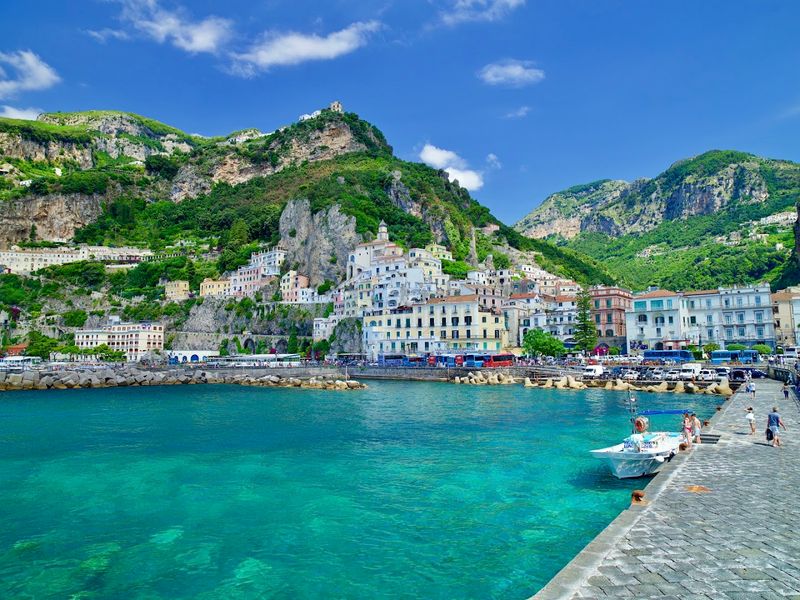
Once a powerful maritime republic that rivaled Venice and Genoa, Amalfi punches way above its weight for a town you can walk across in about fifteen minutes. Nestled at the base of dramatic limestone cliffs, it faces the sea with a confidence earned over centuries of naval history.
The famous Amalfi Cathedral, with its striking striped facade and Arabian-influenced architecture, towers over the main piazza and is genuinely worth the climb up its steps.
The main square buzzes with life from morning until late at night. Local shops sell limoncello, handmade paper goods, and ceramics painted with lemon motifs.
Amalfi has been producing decorative paper since the Middle Ages, and you can visit a working paper mill museum just outside town.
A small beach sits right in the harbor, though it fills up quickly in summer. Taking a boat trip from Amalfi to explore nearby sea caves is one of the best ways to spend an afternoon.
The Grotta dello Smeraldo, or Emerald Grotto, glows with an otherworldly green light and is only a short boat ride away. Amalfi is a compact destination with enormous character, and it rewards slow, curious exploration more than any rushed itinerary.
Tropea – Calabria’s Hidden Beauty
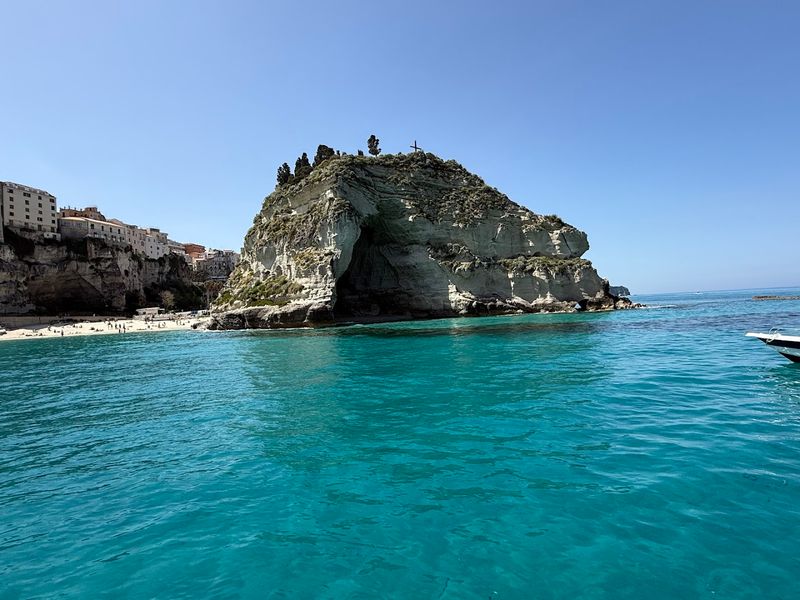
Tropea has a trick up its sleeve that most Italian beach towns can only dream about. Perched on top of towering sandstone cliffs that glow red and orange in the afternoon sun, it looks out over one of the most dazzling stretches of beach in all of southern Italy.
The water below shifts between shades of turquoise, emerald, and deep blue depending on the time of day.
The Santa Maria dell’Isola church, carved into a rocky promontory jutting out from the cliffs, is one of the most photographed landmarks in Calabria. Walking down to the beach from the hilltop town takes about ten minutes and involves a long staircase, but the reward is a stretch of white sand that feels almost Caribbean in its beauty.
Tropea is also famous throughout Italy for its red onions, which are sweeter and milder than regular onions and used in local jams, sauces, and salads. The town itself is wonderfully preserved, with baroque buildings, cobblestone streets, and a relaxed pace that feels far removed from busy tourist traps.
Calabria in general remains one of Italy’s most underrated regions, and Tropea is its sparkling crown jewel. Visit between June and September for the best beach weather.
Cefalù – Sicily’s Seaside Charm
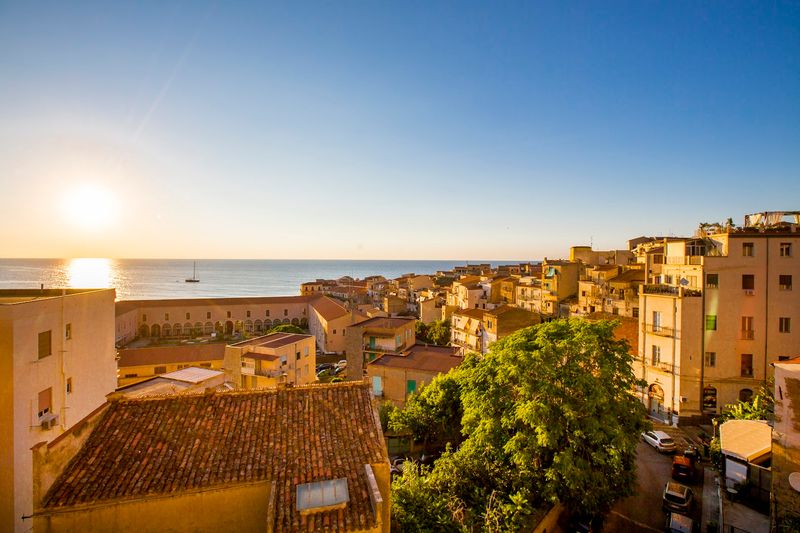
Cefalù manages to do something rare: it combines a genuinely great beach with a seriously impressive medieval old town, and neither one feels like an afterthought. The Norman cathedral here was built in the twelfth century and contains some of the finest Byzantine mosaics in all of Sicily.
It looms over the town like a benevolent giant, visible from the beach and from the sea.
The beach itself is a long, sandy stretch with calm, clear water that stays warm well into October. Behind the beach, the old town’s narrow streets are lined with trattorias, bakeries, and small shops selling Sicilian ceramics and street food.
Try the arancini, fried rice balls stuffed with meat or cheese, which are a Sicilian staple done especially well here.
La Rocca, the enormous rock formation rising directly behind the town, offers a hiking trail that leads to the ruins of an ancient temple at the top. The views from the summit stretch across the entire coastline and are worth every step of the climb.
Cefalù sits about an hour by train from Palermo, making it an easy and rewarding day trip or overnight stay. It strikes a wonderful balance between culture, relaxation, and natural beauty.
Portofino – Italian Riviera Elegance
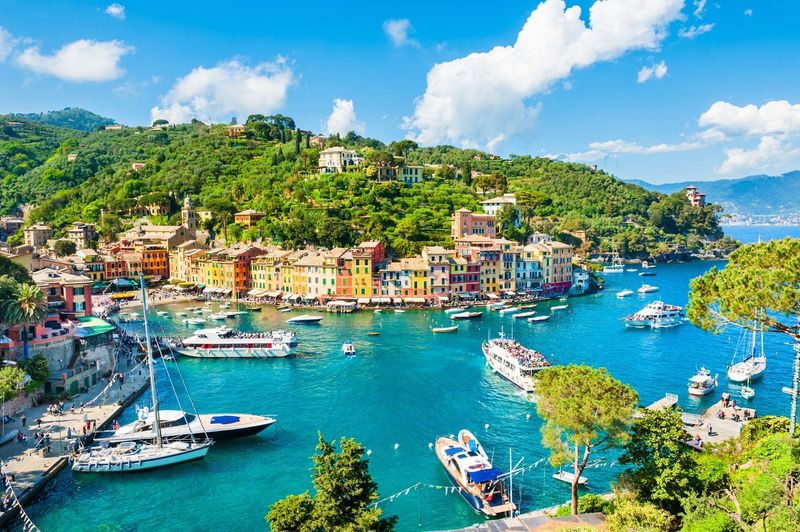
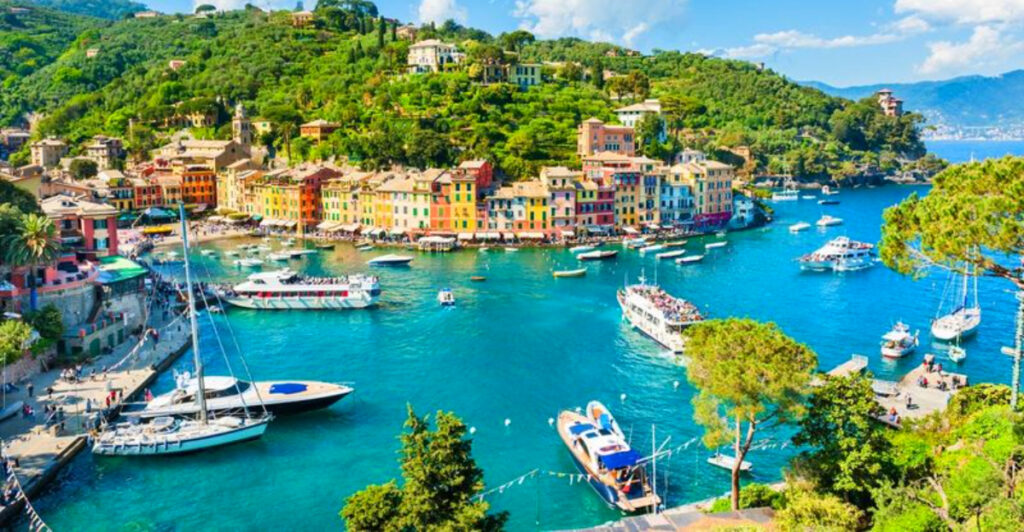
Portofino is the kind of place where movie stars go on holiday and even they feel slightly underdressed. This tiny harbor village on the Italian Riviera has been attracting the wealthy and the famous since the early twentieth century, and it is easy to understand why.
The harbor is perfectly proportioned, the buildings are painted in warm ochres and dusty pinks, and the surrounding hills are covered in lush Mediterranean forest.
Despite its glamorous reputation, Portofino is actually a very small village with fewer than five hundred permanent residents. Most of the action happens around the central piazza and the harbor, where boutiques, restaurants, and cafes do brisk business from spring through autumn.
A walk up to the Castello Brown, a sixteenth-century fortress overlooking the harbor, rewards visitors with one of the most beautiful views on the entire Ligurian coast.
The surrounding Portofino Natural Park offers excellent hiking trails through protected forest, and the waters around the headland are popular with scuba divers. A short boat trip from the harbor reaches secluded beaches and coves that are otherwise difficult to access by land.
Portofino is not cheap, but a few hours spent wandering its streets and sipping coffee by the water costs nothing but time and is absolutely priceless.
Camogli – Quiet Riviera Escape
Camogli looks like an artist painted it and then forgot to stop. The buildings along its seafront are impossibly tall and narrow, painted in vivid shades of terracotta, yellow, and burnt orange, with trompe-l’oeil windows and architectural details that are not always what they appear.
The whole effect is theatrical and cheerful in a way that makes you want to just stand and stare.
This fishing village on the Ligurian coast has been home to sailors and fishermen for centuries, and that maritime heritage still flavors the place today. The harbor is full of colorful wooden boats, and the fish market in the morning is a lively and aromatic experience.
Fresh anchovies, the local specialty, are served fried, marinated, or stuffed with herbs in restaurants throughout the village.
Unlike nearby Portofino, Camogli does not attract huge crowds or luxury yachts, which is precisely what makes it so appealing to travelers looking for an authentic Riviera experience. The pebble beach is pleasant for swimming, and the surrounding coastal trails offer outstanding views.
Every year in May, the town holds a famous fish festival called the Sagra del Pesce, where enormous pans of freshly caught fish are fried and distributed for free to all visitors. Mark your calendar.
Sperlonga – Hidden Gem Near Rome
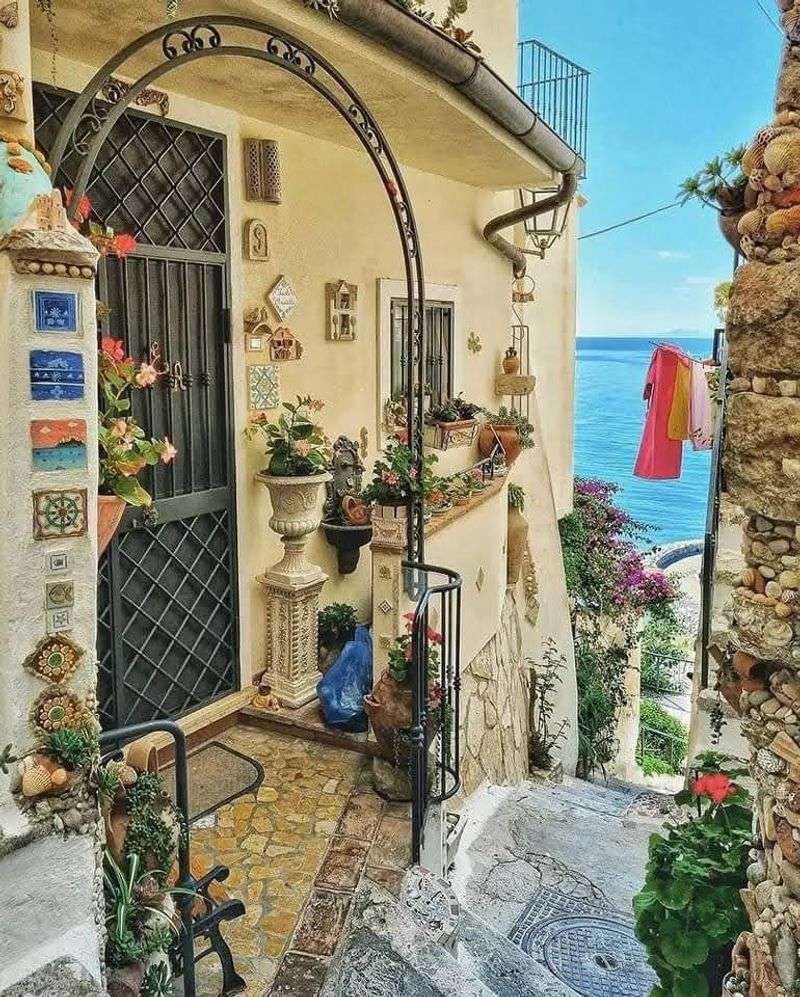
Just two hours south of Rome lies a whitewashed hilltop town that most tourists completely overlook, and that is their loss. Sperlonga clings to a rocky promontory above the Tyrrhenian Sea, its brilliant white buildings and narrow lanes forming a maze that feels more Greek island than mainland Italy.
The contrast between the dazzling white town and the deep blue sea stretching out below it is genuinely striking.
Two long sandy beaches flank the promontory, offering calm, clear water and far fewer crowds than the beaches around Rome or Naples. The town itself is traffic-free and wonderfully peaceful, with small restaurants and bars tucked into archways and courtyards throughout the old town.
Fresh seafood pasta and grilled fish are the local specialties.
History enthusiasts will want to visit the nearby Villa of Tiberius, a Roman emperor’s seaside retreat from the first century AD. An archaeological museum next to the ruins houses remarkable ancient sculptures discovered in the sea caves below the villa.
Sperlonga is one of those rare places that rewards visitors who are willing to go slightly off the beaten path. It delivers beaches, history, and genuine Italian village atmosphere without the price tag or the queues that come with more famous destinations.
Bosa – Sardinia’s Colorful Town
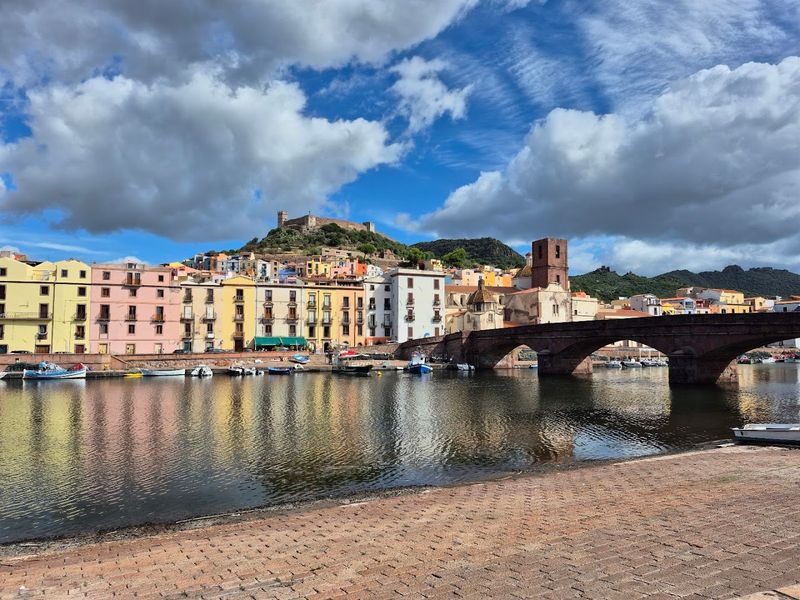
Bosa breaks the mold of what a Sardinian coastal town is supposed to look like. Instead of sitting directly on the beach, it lines the banks of the Temo River, Sardinia’s only navigable river, with a cascade of medieval houses painted in every color imaginable.
A ruined Malaspina castle crowns the hill above the town, watching over the colorful rooftops like a stone sentinel.
The sea is only about three kilometers away from the historic center, reached by a scenic road that runs past vineyards and maquis scrubland. The beach at Bosa Marina is wide, sandy, and far less crowded than Sardinia’s more famous stretches of coastline.
The water is crystal clear and perfect for swimming and snorkeling.
Bosa is also known for producing Malvasia di Bosa, a rare amber-colored dessert wine that is almost impossible to find outside of Sardinia. Tasting it at a local winery or enoteca is an experience that wine lovers will not forget.
The town’s tanner’s quarter, with its old leather workshops and outdoor drying racks, tells the story of a craft tradition that kept the town alive for generations. Bosa is genuinely one of the most underrated and photogenic destinations in all of Italy, and it deserves far more attention than it currently receives.
Taormina – Sicily’s Dramatic Coastline
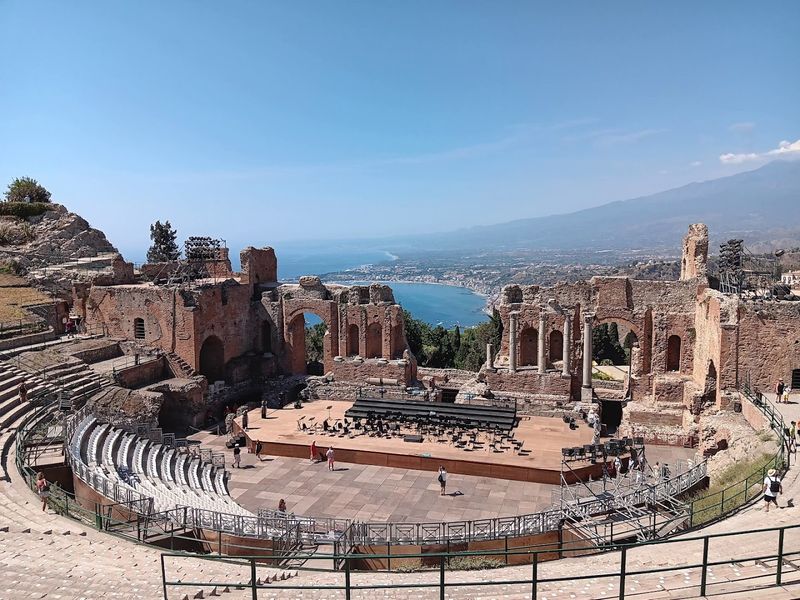
Taormina sits on a clifftop terrace above the Ionian Sea like a natural theater designed by the gods, which is appropriate because it actually contains one of the best-preserved ancient Greek theaters in the world. The Teatro Antico di Taormina dates back to the third century BC and still hosts concerts and performances today, with Mount Etna smoking gently on the horizon as a backdrop that no stage designer could ever top.
The main street, Corso Umberto, is a long pedestrian promenade lined with boutiques, cafes, and restaurants that lead from one end of the old town to the other. Every side street offers a new view of the sea far below, and the public gardens are filled with exotic plants and equally exotic visitors from around the world.
The beach at the base of the cliffs, reached by cable car, is one of the most dramatic seaside settings imaginable.
Taormina has attracted writers, artists, and celebrities for over two centuries. Oscar Wilde, D.H.
Lawrence, and Truman Capote all spent time here and were clearly changed by the experience. In summer, the town hosts an international film festival.
Visiting in spring means blooming flowers, cooler temperatures, and a crowd level that still allows you to actually enjoy the place without constant elbow-to-elbow contact.
Santa Margherita Ligure – Riviera Classic
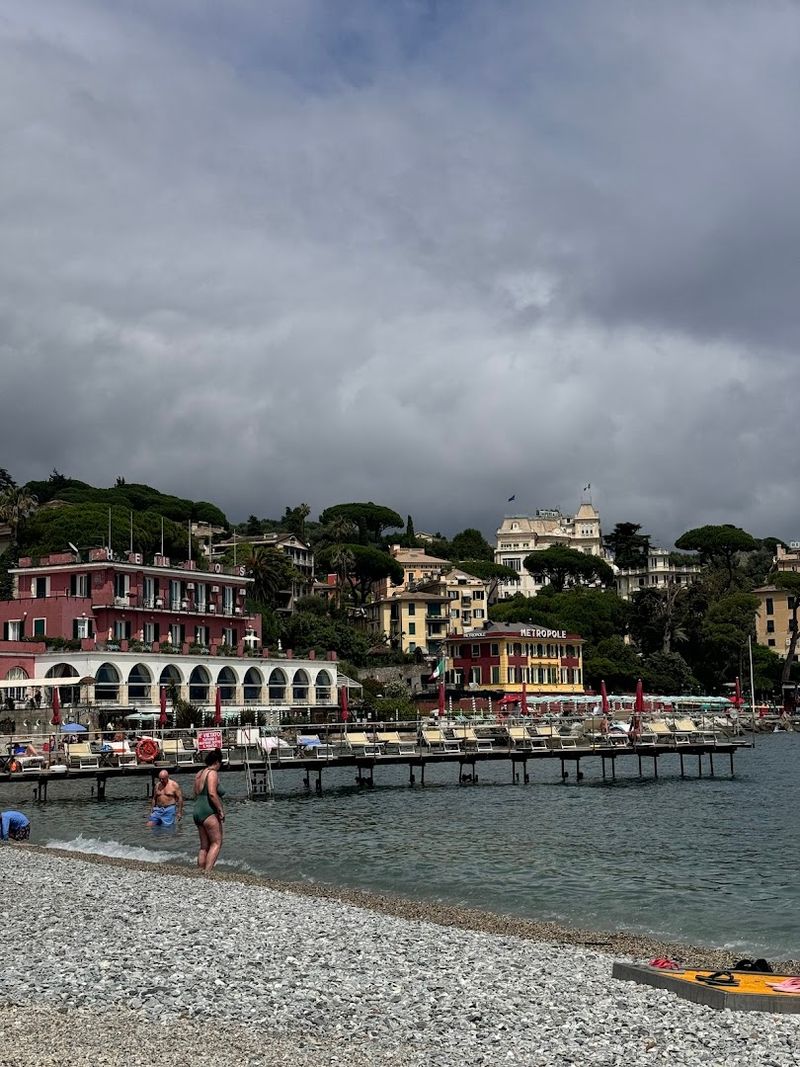
Santa Margherita Ligure has been charming visitors since the nineteenth century, when European aristocrats discovered that the Ligurian coast offered something the rest of the continent simply could not match. The town wraps around a sheltered bay with a palm-lined promenade, a bustling harbor full of fishing boats and sleek yachts, and a backdrop of terraced hills covered in olive trees and colorful villas.
It is elegant without being intimidating.
The town center is lively and walkable, with excellent restaurants, a daily fish market, and gelato shops that take their craft seriously. Local pasta dishes include trofie al pesto, a Ligurian specialty made with hand-rolled pasta and the region’s famous basil sauce.
Pesto originated in this part of Liguria, and tasting it here, made with locally grown basil, is a genuinely different experience from anything you have tried before.
Santa Margherita is also the jumping-off point for day trips to Portofino, just a short boat ride around the headland. The ferry connections make it easy to explore the entire eastern Riviera without needing a car.
Hotel prices here are more reasonable than in Portofino itself, making it a smart base for exploring the surrounding coastline. The combination of beauty, accessibility, and authentic local life makes this town a consistently rewarding destination.
Scilla – Calabria’s Mythical Coast
Ancient Greek sailors feared Scilla so much they wrote it into mythology. According to Homer’s Odyssey, a six-headed sea monster called Scylla lurked in the rocks here, snatching sailors from passing ships.
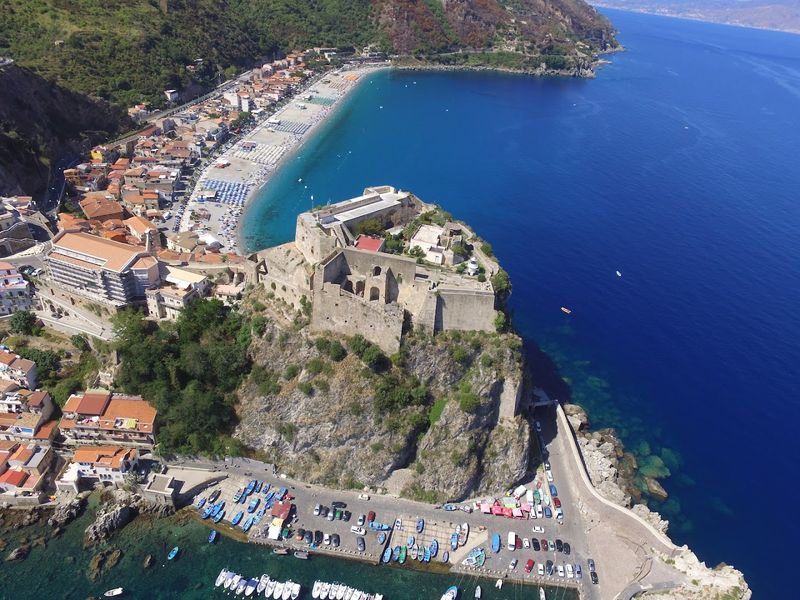
The real Scilla, a small fishing village in Calabria, is far less terrifying and considerably more beautiful than Homer let on. Its dramatic castle perches on a narrow rocky promontory jutting into the Strait of Messina, and the views toward Sicily on a clear day are extraordinary.
The lower part of town, called Chianalea, is often described as the little Venice of the south because its colorful fishermen’s houses are built directly over the water. Wooden boats are moored right outside front doors, and residents sometimes fish from their own windows.
The atmosphere is quiet, unhurried, and genuinely unlike anywhere else in Italy.
Scilla is famous for its swordfish, which are caught in the Strait of Messina using traditional boats with long observation platforms called passerelle. Local restaurants serve swordfish in every possible preparation, from grilled steaks to pasta sauces and carpaccio.
The beaches on either side of the promontory are sandy and clean, with warm, calm water ideal for swimming. Scilla rewards visitors who are curious enough to seek it out and patient enough to let its quiet magic work on them slowly.
La Maddalena – Sardinia’s Island Paradise
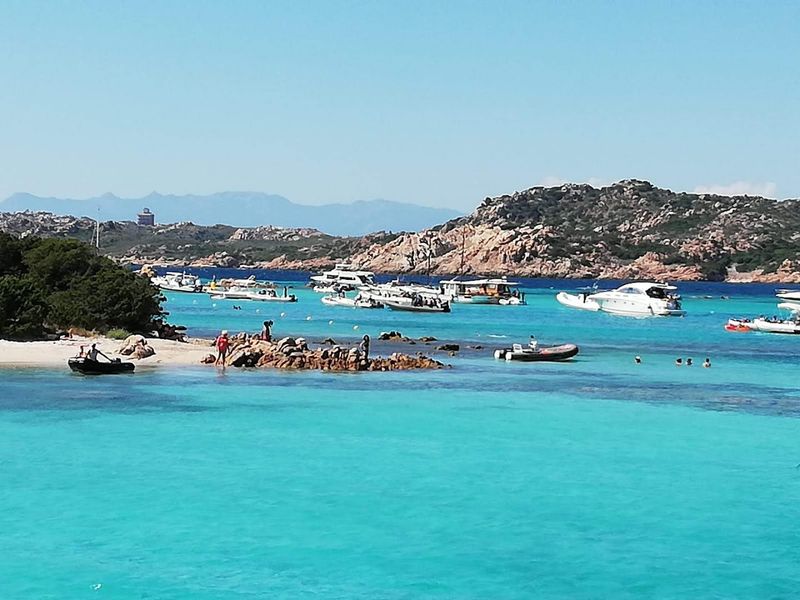
The La Maddalena Archipelago is the kind of place that makes people question every holiday they have ever taken before. Scattered across the northern tip of Sardinia, these seven main islands and dozens of smaller islets are surrounded by water so clear and colorful it looks digitally enhanced.
The sea shifts between pale turquoise in the shallows and deep sapphire further out, with every shade of blue and green in between.
The main island, also called La Maddalena, has a charming small town with restaurants, cafes, and shops. But the real attraction is the water.
Boat trips around the archipelago are the best way to reach the most secluded beaches, many of which are completely inaccessible by land. Budelli Island, famous for its pink sand beach, is one of the most photographed natural wonders in all of Sardinia.
The entire archipelago is a national park, which means development is tightly controlled and the natural environment remains in outstanding condition. Snorkeling and sailing here are world-class experiences.
Even in August, when most Italian beaches are packed to capacity, the sheer number of islands and coves means it is always possible to find a quiet spot. La Maddalena rewards travelers who love nature, water, and the feeling of genuine escape from everyday life.
Riomaggiore – Cinque Terre Beauty
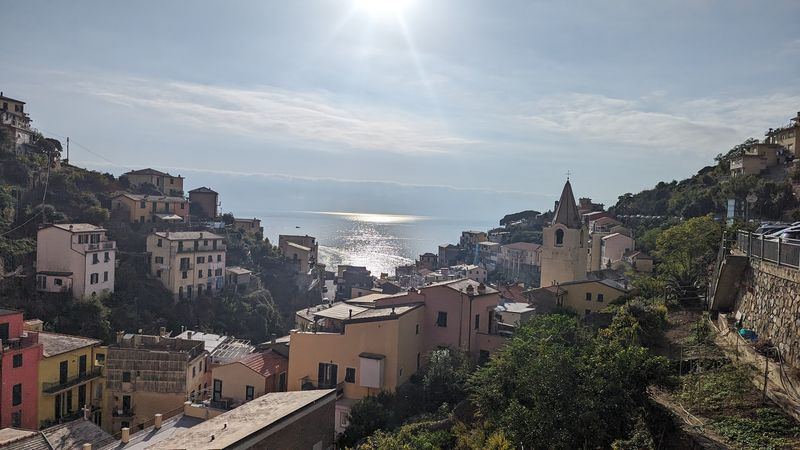
Riomaggiore is the southernmost of the five Cinque Terre villages, and many travelers argue it is the most photogenic of the bunch, which is saying something given the competition. The village is built along a steep narrow gorge, with tall, narrow houses painted in shades of orange, yellow, and red climbing the hillsides on both sides.
From the right angle, looking down toward the tiny harbor, the whole village frames the sea like a living painting.
The harbor itself is small and rocky, with brightly painted boats pulled up onto the concrete slipway between uses. Swimming from the rocks beside the harbor is a local tradition, and the water is clear enough to see the bottom from several meters up.
A short walk up the hillside above the village leads to a castle with sweeping views over the entire coastline.
Riomaggiore is well connected to the other Cinque Terre villages by both train and boat, making it an excellent base for exploring the whole area. The local wine, Sciacchetra, is produced in small quantities from terraced vineyards carved into the steep hillsides above the village.
Eating fresh anchovies, which are the local catch, at a harbor-side restaurant as the sun sets behind the cliffs is one of those simple, perfect travel moments that stays with you for years.
Rimini – Adriatic Coast Classic
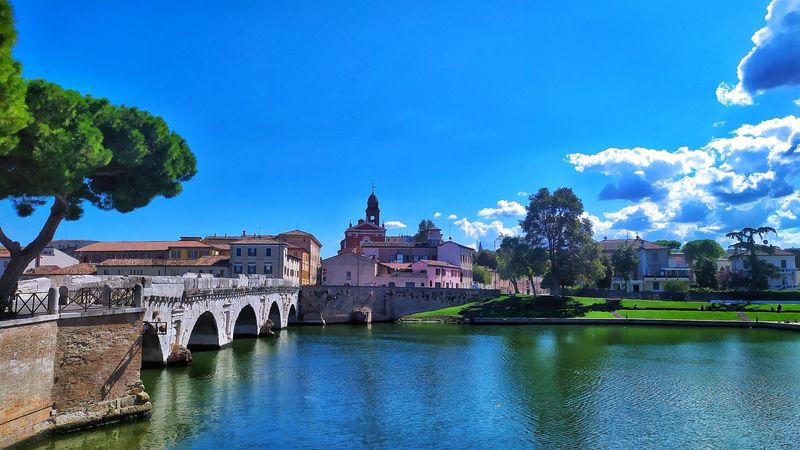
Rimini is the undisputed king of the Italian beach holiday, and it has been holding that title for over a hundred years. Stretching along fifteen kilometers of sandy Adriatic coastline, it offers the full Italian beach experience in its most organized and enthusiastic form.
Rows of colorful umbrellas and sun loungers extend as far as the eye can see, beach bars pump out music from mid-morning, and the whole atmosphere is festive and unapologetically fun.
Beyond the beach, Rimini has a surprisingly rich historical center that many visitors never bother to explore. The Arch of Augustus, built in 27 BC, is one of the oldest surviving Roman arches in Italy.
The Malatesta Temple, a stunning Renaissance building designed by Leon Battista Alberti, stands in the city center and is a genuine architectural masterpiece. Federico Fellini, one of the greatest filmmakers in cinema history, was born in Rimini and the city has a museum dedicated to his life and work.
Rimini’s nightlife is legendary throughout Europe, particularly at the Riviera Romagnola, a string of clubs and venues that run along the coast. The food scene is equally impressive, with fresh fish, piadina flatbreads, and seafood pasta dominating local menus.
Rimini works equally well as a lively summer beach destination or a quieter cultural city break outside the main season.
Share this story