 Unearth The Voyage
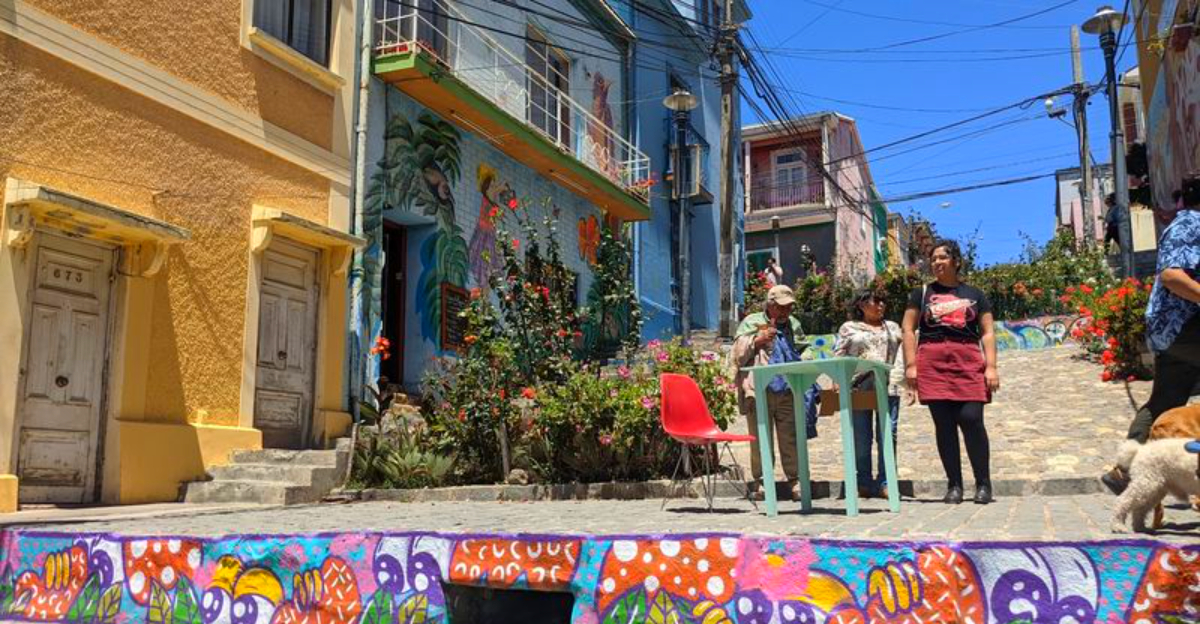
South America has a way of making every city feel like a party you were not invited to but somehow cannot leave. The continent stretches from tropical coastlines to high‑altitude mountain towns, and each city carries its own personality, history, and rhythm.
Some dazzle with colonial architecture and cobblestone plazas; others hit you with skyscrapers, cutting‑edge street art, and world‑class food scenes. What they all share is an unmistakable pulse – a sense that something interesting is always happening just around the corner.
These thirteen cities stand out for both their beauty and the way they make visitors feel genuinely alive.
1. Rio de Janeiro, Brazil
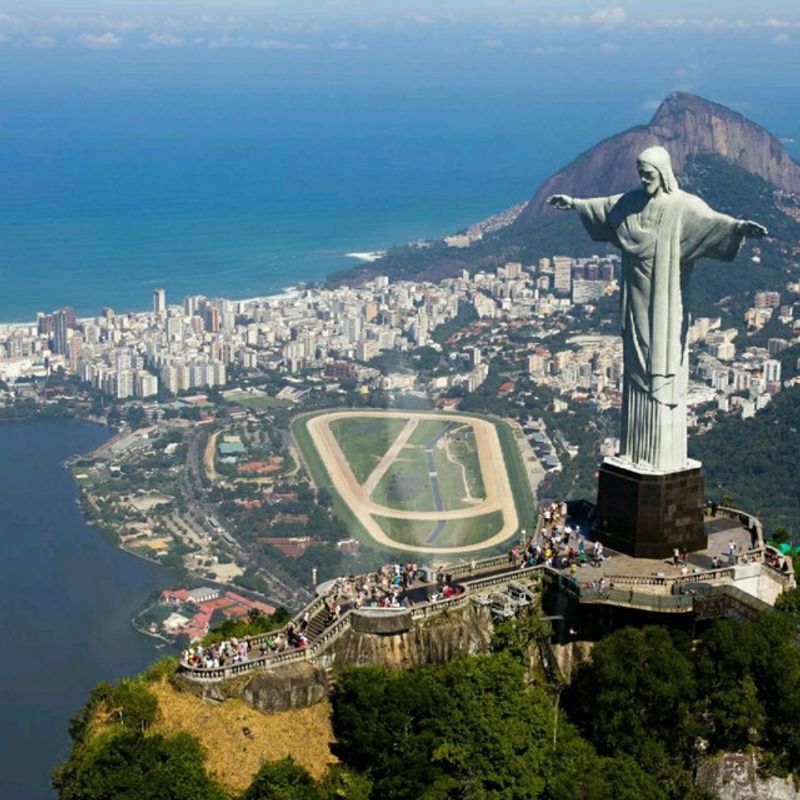
Nicknamed the “Marvellous City,” Rio de Janeiro earns that title with zero effort. Few places on Earth pack this many iconic landmarks into a single skyline, from the towering Christ the Redeemer statue on Corcovado mountain to the dramatic dome of Sugarloaf rising straight out of the bay.
Copacabana and Ipanema beaches are not just beautiful strips of sand. They are social hubs where locals play footvolley, vendors sell fresh coconuts, and impromptu samba circles form on weekend afternoons.
Carnival is the city’s most famous celebration, drawing millions of visitors each February for days of parades, costumes, and nonstop street parties called blocos. But Rio does not need a festival to feel festive.
Street parties happen on ordinary nights across different neighborhoods throughout the year.
Football culture runs deep here, and a match at Maracana stadium is an experience in itself. Rio is bold, beautiful, and completely unforgettable for first-time visitors and returning travelers alike.
2. Buenos Aires, Argentina
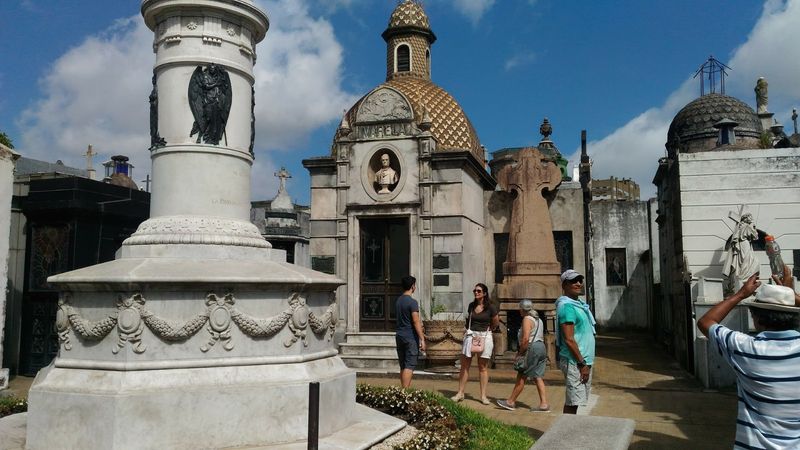
Argentina’s capital has long been compared to a European city transplanted into South America, and the resemblance is striking. Wide Parisian-style boulevards, ornate theater buildings, and historic cafes that have been operating for over a century all contribute to that impression.
But Buenos Aires has its own distinct identity that no European city can replicate. Tango was born here, and watching a live performance in a traditional milonga is one of the most genuinely moving cultural experiences on the continent.
The neighborhood of La Boca is famous for its brightly painted metal houses and outdoor tango performances along Caminito street. Recoleta, by contrast, offers elegant architecture, upscale restaurants, and the famous cemetery where Eva Peron is buried.
Late-night dining is not a trend here but a way of life, with many restaurants not filling up until 10 pm or later. Buenos Aires rewards travelers who stay up past their bedtime.
3. Medellín, Colombia
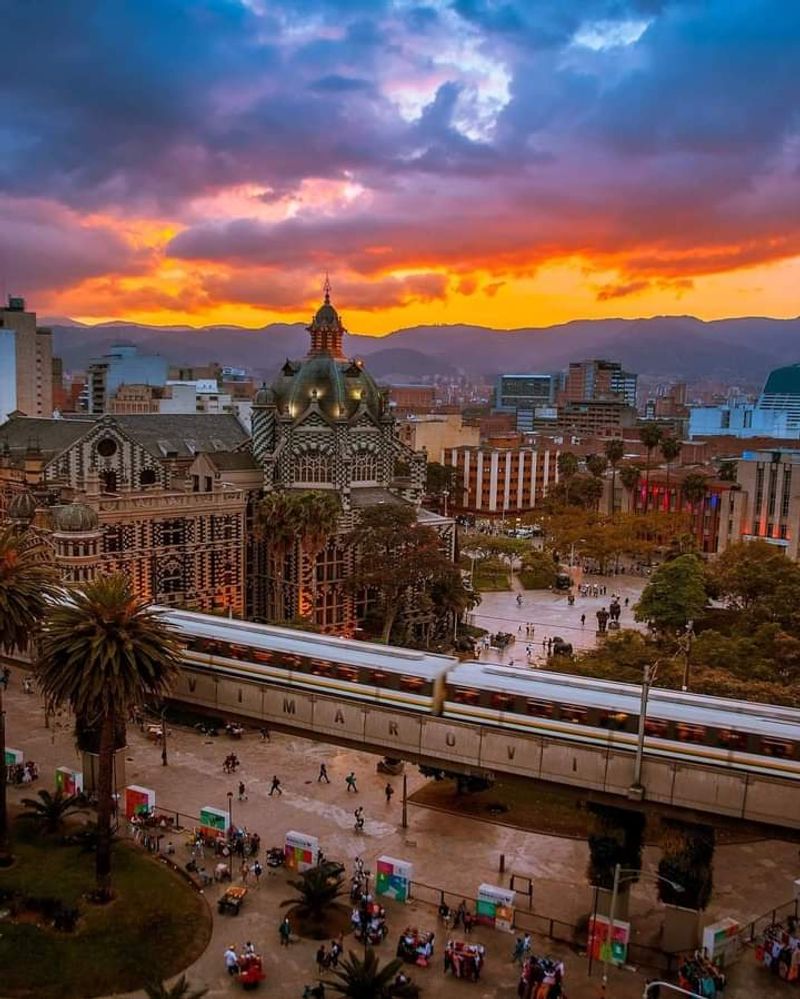
Not many cities can claim to have reinvented themselves as dramatically as Medellín has over the past three decades. Once considered one of the most troubled urban centers in Latin America, the city has become a global model for urban transformation and social innovation.
The nickname “City of Eternal Spring” refers to its near-perfect year-round climate, which rarely gets too hot or too cold. That comfortable weather makes exploring the city on foot or by the famous metro cable car system genuinely enjoyable.
Parque Lleras in the El Poblado neighborhood is the center of the city’s nightlife, lined with rooftop bars, restaurants, and clubs that often do not open until midnight. Medellín also has a thriving street art scene, with massive murals covering entire building facades across multiple neighborhoods.
The city’s public spaces, including outdoor escalators built into steep hillside comunas, reflect a commitment to connecting all residents to urban life. Medellín keeps surprising visitors who think they already know its story.
4. Lima, Peru
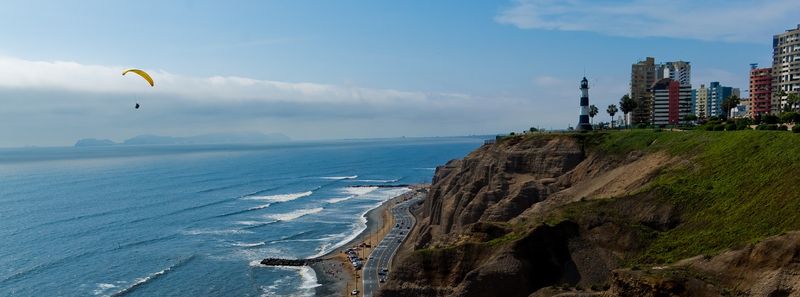
Peru’s capital consistently ranks among the top culinary destinations in the world, and that reputation is entirely deserved. Lima is the birthplace of ceviche, the creative home of Nikkei cuisine, and the city where chefs have turned Peruvian ingredients into internationally celebrated dishes.
The Miraflores district sits on dramatic coastal cliffs above the Pacific Ocean, offering parks, upscale restaurants, and ocean views that surprise visitors who expected a purely inland capital. Barranco, just south of Miraflores, is Lima’s bohemian neighborhood, packed with art galleries, independent cafes, and colorful colonial houses.
Lima’s historic center contains some of the finest Spanish colonial architecture in South America, including the stunning Plaza Mayor and the ornate Monastery of San Francisco, which houses an underground catacomb system beneath its floors.
Markets like Surquillo offer a direct look at the extraordinary variety of Peruvian produce, from dozens of potato varieties to exotic jungle fruits. Lima is a city that genuinely rewards curious travelers.
5. Santiago, Chile
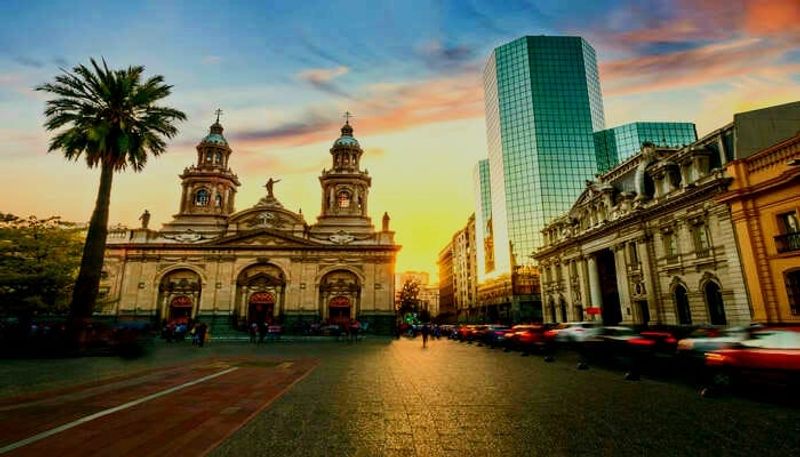
On a clear day in Santiago, the snow-capped Andes Mountains rise behind the city’s modern skyline in a way that makes the whole scene look almost too dramatic to be real. Chile’s capital offers a compelling mix of contemporary urban life and easy access to extraordinary natural landscapes.
The Bellavista neighborhood is the city’s cultural and nightlife hub, home to colorful street art, lively restaurants, and the famous La Chascona house museum, once the Santiago residence of poet Pablo Neruda.
Santiago also serves as a practical base for day trips to some of Chile’s most famous attractions. The Maipo Valley wine region is less than an hour away.
Ski resorts in the Andes are accessible within 90 minutes during winter months.
The city’s modern metro system makes getting around straightforward, and the Mercado Central fish market downtown is a must-visit for anyone interested in Chilean seafood. Santiago tends to win people over gradually rather than immediately, but the impression it leaves is lasting.
6. Cartagena, Colombia
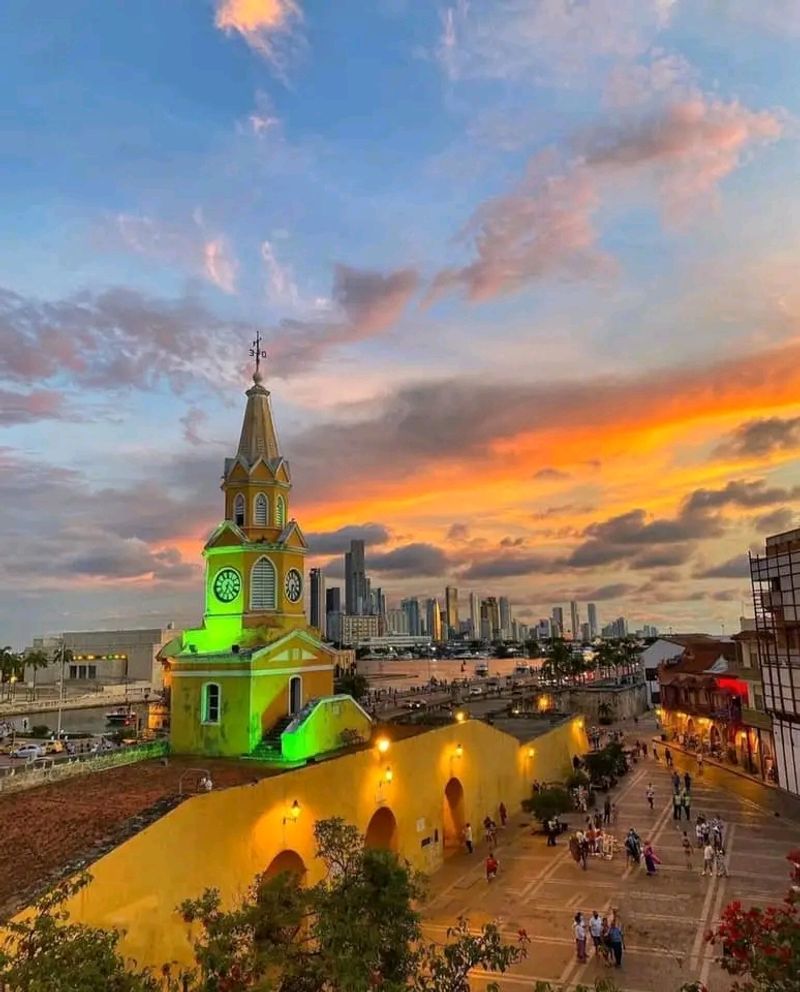
Colombia’s most photogenic city sits on the Caribbean coast, wrapped inside a massive ring of 16th-century stone walls that have been standing since the Spanish colonial era. Cartagena’s Old Town is a UNESCO World Heritage Site, and walking its cobblestone streets feels like flipping through a very well-preserved history book.
The architecture here is genuinely remarkable. Balconies overflow with bougainvillea, doorways are painted in shades of gold, turquoise, and coral, and plazas fill up with vendors, musicians, and tourists from every corner of the world.
Beyond the walled city, the Getsemani neighborhood offers a grittier, more local experience with excellent street food stalls and colorful murals covering nearly every available wall surface. The nearby Rosario Islands provide day-trip access to clear Caribbean water and coral reefs.
Cartagena gets warm and stays warm, making it a year-round destination. The city’s combination of colonial history and Caribbean energy creates a travel experience that is genuinely hard to replicate anywhere else in South America.
7. São Paulo, Brazil
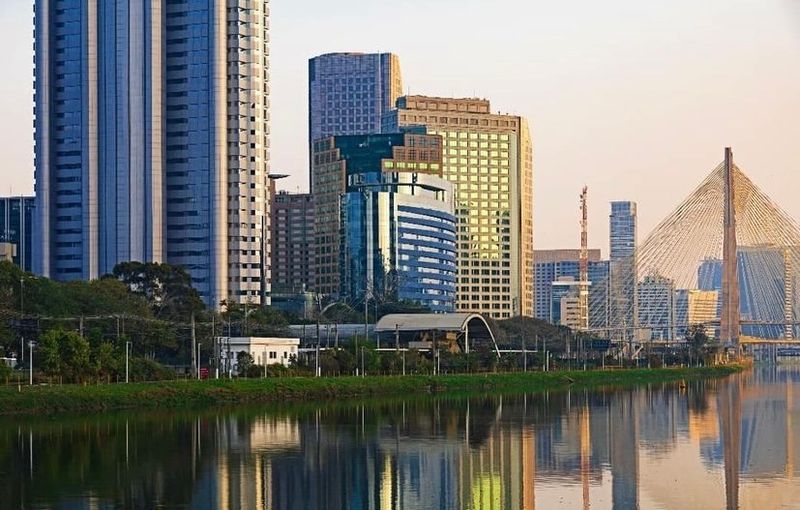
Brazil’s largest city does not do anything on a small scale. With a population exceeding 12 million in the city proper and over 20 million in the greater metropolitan area, Sao Paulo is the biggest city in the Southern Hemisphere and one of the most culturally diverse urban centers anywhere on the planet.
The food scene here is extraordinary in its variety. Japanese, Italian, Lebanese, and Brazilian cuisines all have deep roots in the city, reflecting the waves of immigration that shaped Sao Paulo’s identity over the past century.
The Liberdade neighborhood is home to the largest Japanese community outside Japan.
Vila Madalena is the city’s creative district, packed with independent bookshops, art galleries, and the famous Beco do Batman alley, where rotating street art murals cover every inch of the walls.
Sao Paulo also has more museums and theaters than any other city in Brazil, including the respected Sao Paulo Museum of Art on Paulista Avenue. The city is relentless and rewarding in equal measure.
8. Cusco, Peru
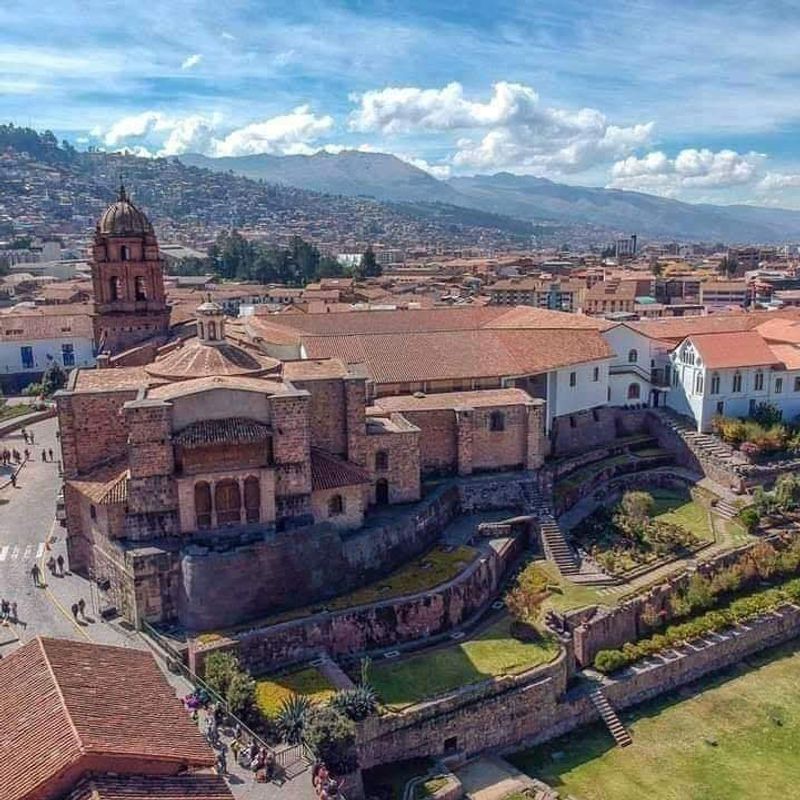
At over 11,000 feet above sea level, Cusco asks visitors to slow down almost immediately upon arrival, and that is actually a blessing. The altitude forces a pace that allows travelers to genuinely absorb what surrounds them, and what surrounds them is extraordinary.
Cusco was the capital of the Inca Empire at its peak, and the city still carries that legacy in its foundations. Many colonial Spanish buildings were constructed directly on top of original Incan stone walls, creating a physical layering of two civilizations that is visible throughout the historic center.
The Plaza de Armas is the city’s main square, flanked by the massive Cathedral of Cusco built in 1654 and the Jesuit church La Compania de Jesus. Local markets like San Pedro offer a vivid look at Andean textiles, ceramics, and fresh produce.
Most visitors use Cusco as the starting point for the journey to Machu Picchu, accessible by train or the famous multi-day Inca Trail hike. Cusco, however, deserves more than just a stopover.
9. Montevideo, Uruguay
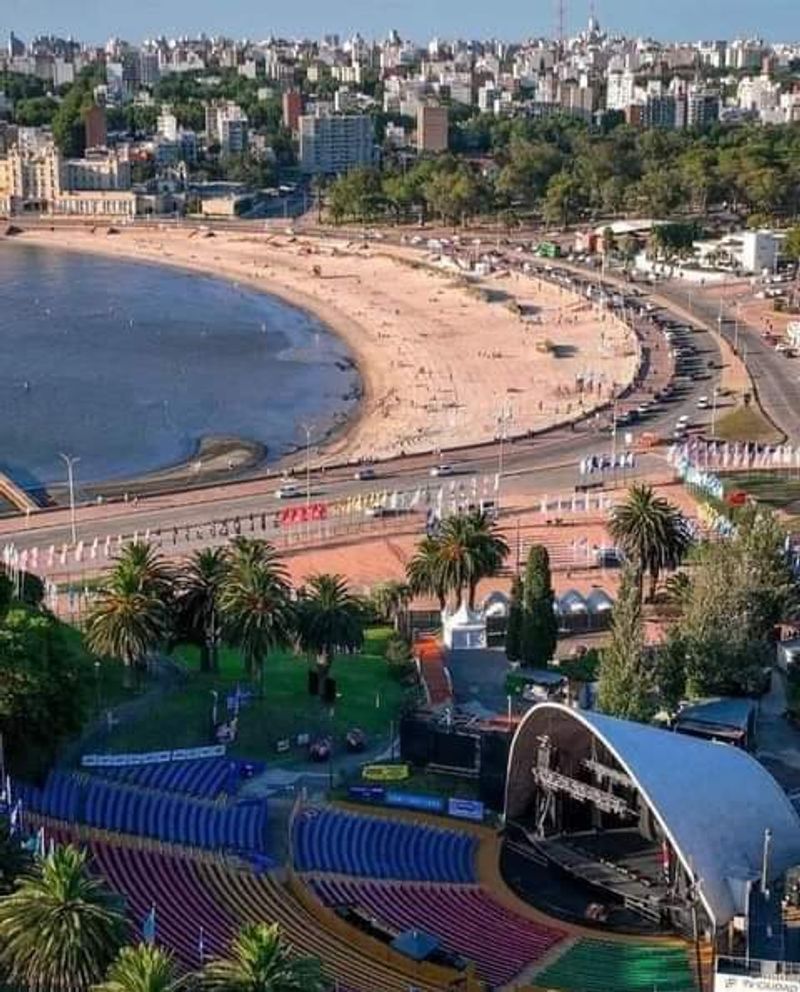
Uruguay’s capital is the kind of city that does not shout for attention but earns it quietly. Montevideo stretches along the northern bank of the Rio de la Plata, and its long waterfront promenade, known as the Rambla, runs for nearly 14 miles along the shoreline, making it one of the longest continuous urban waterfronts in the world.
The Ciudad Vieja, or Old City, contains the historic heart of Montevideo, with 19th-century architecture, independent bookshops, and the famous Mercado del Puerto, a covered market where vendors grill meat over open wood fires on iron grills.
Montevideo consistently ranks among the safest and most livable cities in Latin America, and that sense of ease is something visitors notice quickly. The pace here is genuinely relaxed compared to Buenos Aires or Sao Paulo.
The Palermo and Cordon neighborhoods offer a younger, more creative atmosphere with independent restaurants and weekend markets. Montevideo is an ideal destination for travelers who want culture without the chaos.
10. Quito, Ecuador
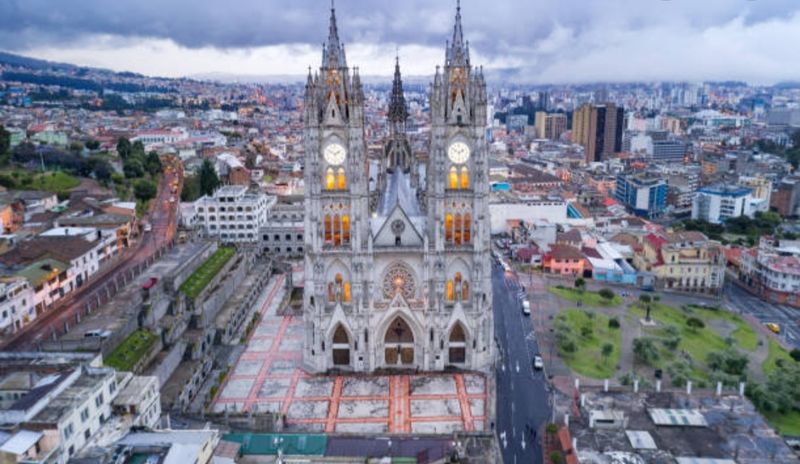
Sitting at nearly 9,350 feet above sea level, Quito holds the distinction of being the second-highest official capital city in the world, just behind La Paz. The altitude gives the city a crisp quality and frames it against a dramatic backdrop of Andean volcanic peaks.
Quito’s historic center is the largest and best-preserved colonial old town in Latin America, earning it UNESCO World Heritage status in 1978 as one of the first two cities ever to receive that designation. The Church of La Compania de Jesus, completed in 1765, features an interior covered almost entirely in gold leaf.
The city divides neatly into the historic south and the modern north, where the Mariscal Sucre neighborhood offers contemporary restaurants, hostels, and a lively nightlife district. Day trips from Quito are genuinely exceptional.
The Mitad del Mundo monument marking the equator line sits just 14 miles north of the city. The Amazon rainforest and the Galapagos Islands are both accessible via flights from Quito’s international airport.
11. Valparaíso, Chile
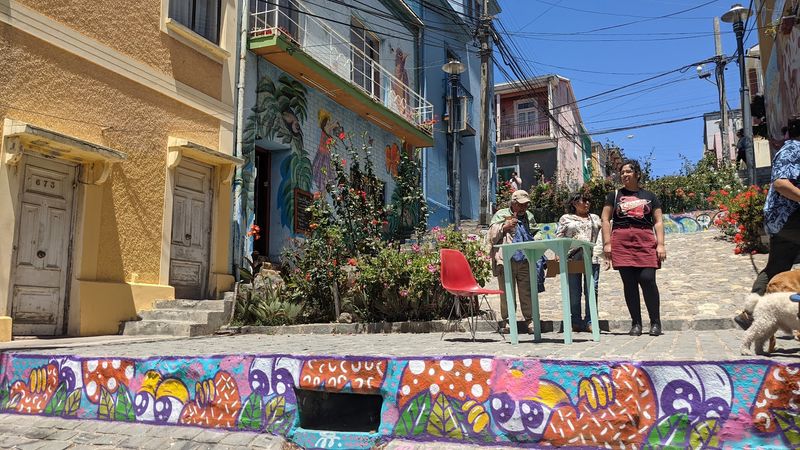
Chile’s most creatively charged city is built on more than 40 hills tumbling down toward the Pacific Ocean, and getting around it requires either the historic funicular elevators called ascensores or a willingness to climb some seriously steep staircases.
Valparaiso earned its reputation as an outdoor art gallery honestly. Every available surface in the hillside cerros seems to be covered in murals, from political statements to abstract designs to portraits of local figures.
The city has attracted artists, poets, and musicians for generations, including Pablo Neruda, who kept one of his famous houses here.
The lower flat city near the port has a different character entirely, with a commercial district and fish markets that have operated continuously since the 19th century when Valparaiso was one of the most important ports in the Pacific.
New Year’s Eve in Valparaiso is considered one of the most spectacular celebrations in South America, with massive fireworks launched from ships anchored in the bay. The city earns its bohemian reputation every single day.
12. La Paz, Bolivia
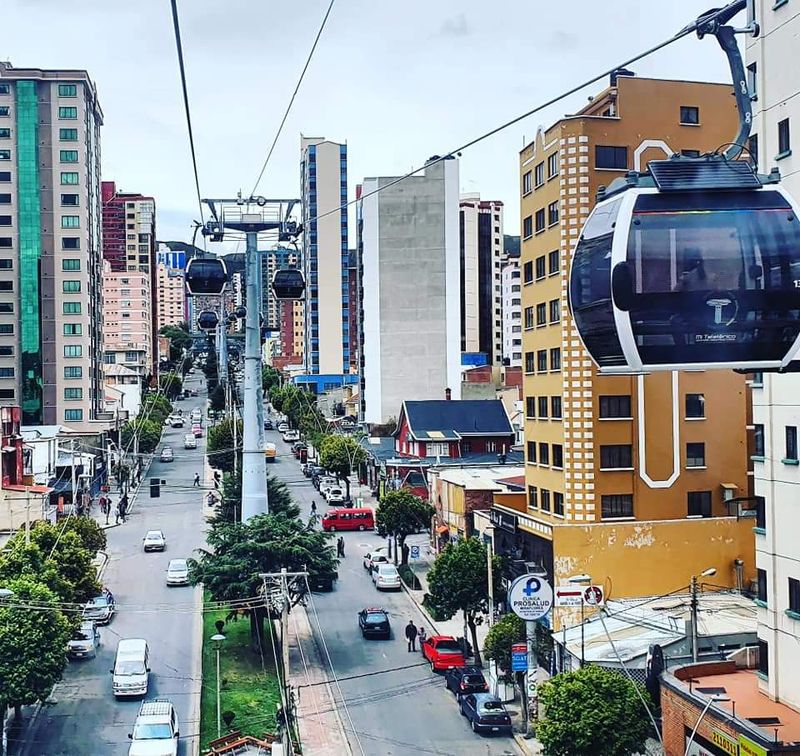
No other capital city in the world is quite as visually dramatic as La Paz. Built inside a deep natural canyon at elevations ranging from about 10,500 to 13,000 feet, the city spreads across steep canyon walls with the satellite city of El Alto perched on the flat plateau above.
The Mi Teleferico cable car network is one of the most extensive urban cable car systems in the world, connecting La Paz with El Alto across more than 30 lines. Riding it provides views of the city that no ground-level tour can match.
The Witches Market, or Mercado de las Brujas, is one of the most unusual markets on the continent, selling traditional Andean remedies, ritual items, and herbal products used in indigenous ceremonies that have been practiced for centuries.
The snow-capped peak of Illimani mountain, rising to over 21,000 feet, is visible from much of the city on clear days. La Paz is genuinely unlike anywhere else, and that difference is exactly what makes it worth the journey.
13. Florianópolis, Brazil
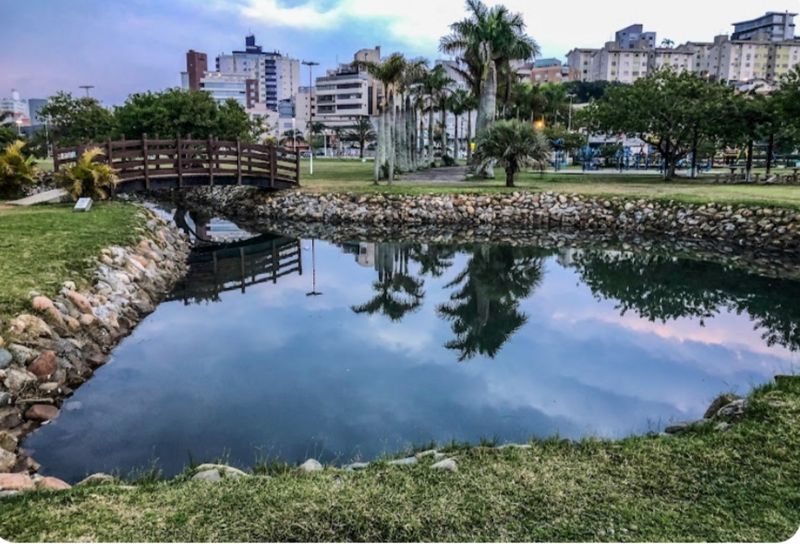
Brazil has no shortage of beautiful coastal cities, but Florianopolis occupies a genuinely unique position among them. The city is built on an island connected to the mainland by bridges, and that island geography gives it a natural boundary that keeps the urban sprawl manageable compared to Rio or Sao Paulo.
Locals call it Floripa, and they say it with obvious affection. The island has over 40 beaches, each with a distinct character.
Joaquina beach is famous for its sand dunes and surfing. Campeche is known for calmer water and offshore island access.
Lagoa da Conceicao is a lagoon-side neighborhood packed with restaurants and water sports operators.
The city also has a well-developed tech industry, earning it the nickname “Silicon Island” for its growing startup community. That economic energy translates into a higher quality of restaurants, infrastructure, and services than many comparably sized Brazilian cities.
Florianopolis gets very busy during the Brazilian summer months of December through February. Visiting in shoulder seasons like April or October offers the same beauty with significantly smaller crowds.



