Mexico has one of the most celebrated food cultures on the planet, and for good reason. Long before modern chefs started winning awards, Mexican grandmothers were already mastering the art of mole, hand-pressing tortillas at dawn, and slow-cooking meats in underground pits.
The country’s cuisine was declared an Intangible Cultural Heritage by UNESCO in 2010, which is about as official as a food compliment gets. What makes Mexican food truly special is how deeply personal it is.
Every region has its own identity, its own staple ingredients, and its own proud traditions. The restaurants on this list represent some of the most honest and exciting places to experience that diversity firsthand.
Some are world-famous fine dining destinations. Others are no-frills neighborhood spots that locals swear by.
All of them deliver something real, something rooted, and something worth traveling for. Read on to find out which tables deserve a spot on your must-visit list.
1. Pujol, Mexico City
Chef Enrique Olvera built Pujol into one of the most talked-about restaurants on Earth, and it earned that reputation the hard way: dish by dish, year by year.
The restaurant sits in the upscale Polanco neighborhood and operates on a tasting menu format, meaning guests surrender control of the meal entirely to the kitchen. That turns out to be a very good decision.
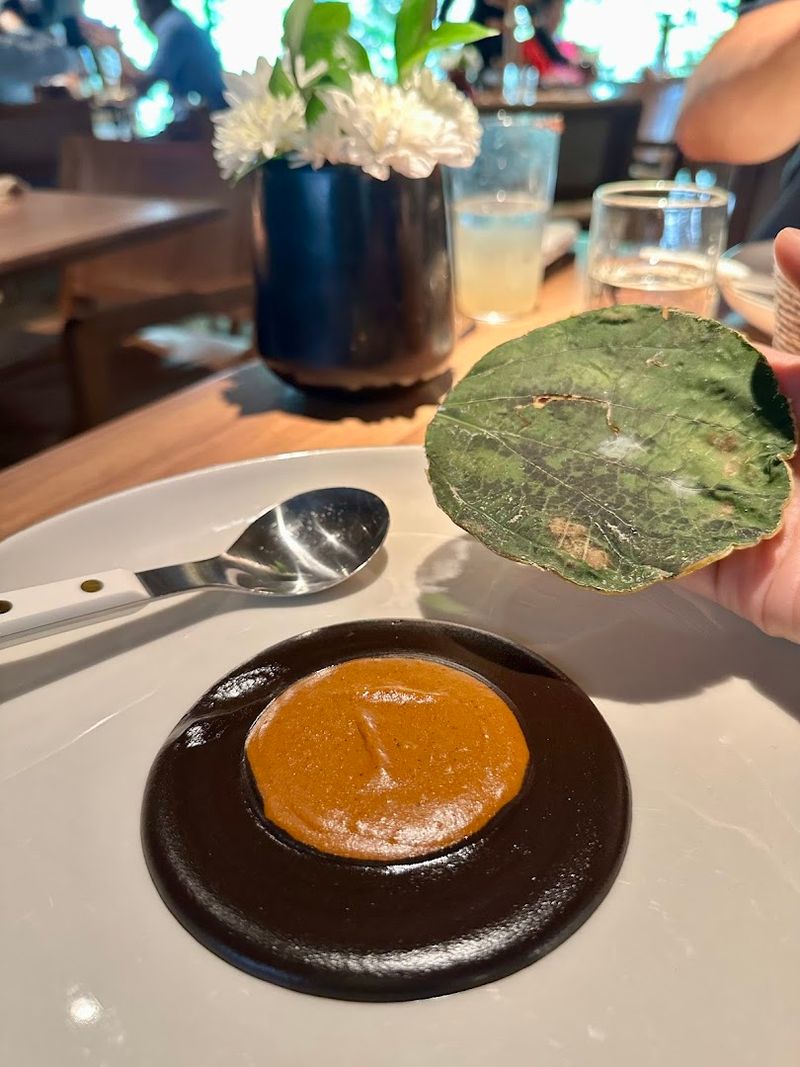
The most legendary item on the menu is the Mole Madre, a mole that has been continuously cooking and evolving for years. Each serving layers the aged mole alongside a freshly made batch, creating a contrast that tells the story of Mexican cooking across time.
Wagyu beef sopes and baby corn dishes round out a menu that manages to feel both deeply traditional and genuinely inventive. Reservations at Pujol fill up weeks in advance, so planning ahead is essential.
For first-time visitors to Mexico City’s fine dining world, this is the place that sets the standard for everything else.
2. Quintonil, Mexico City
Holding two Michelin stars is no small achievement anywhere in the world, but doing it while championing humble local herbs and native vegetables is something else entirely.
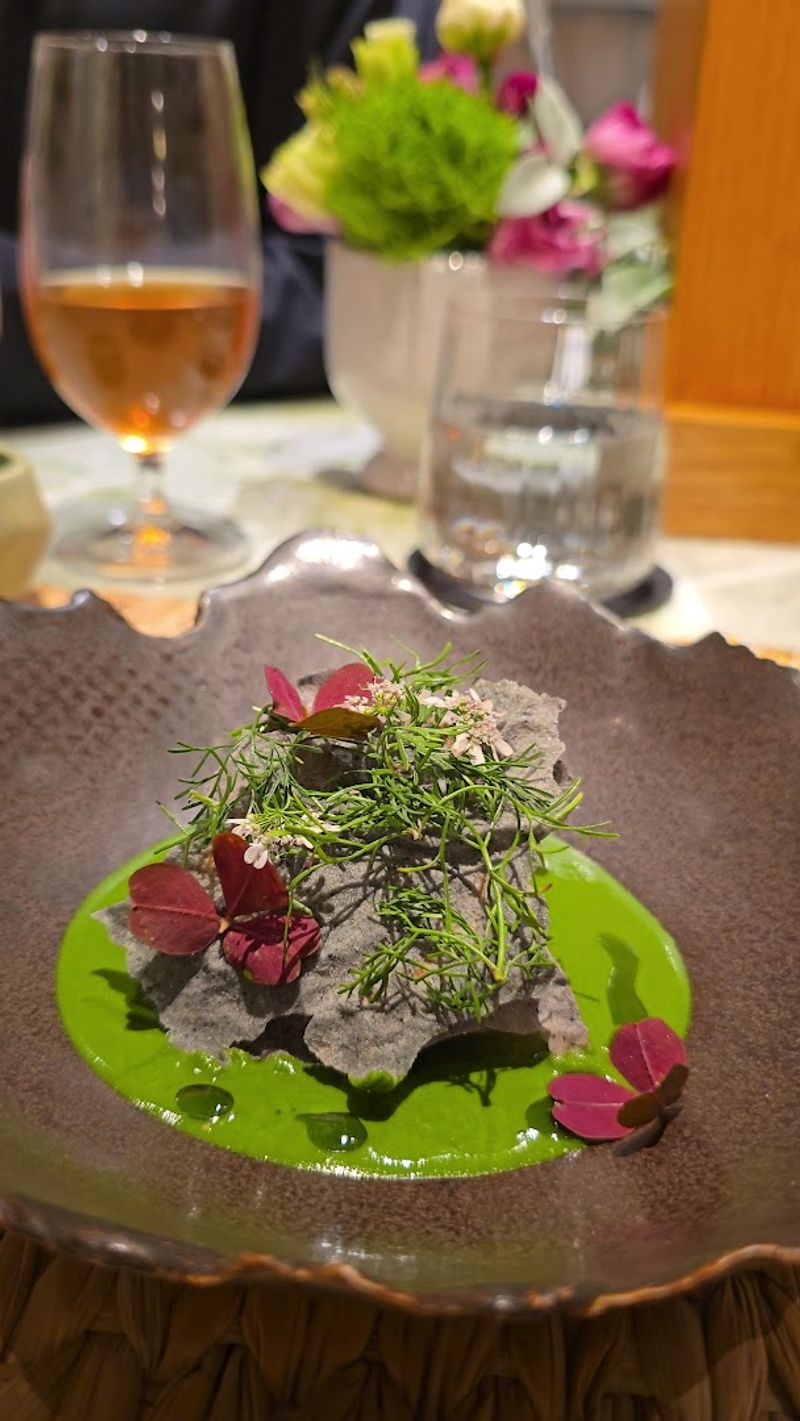
Quintonil, led by chef Jorge Vallejo, has built its entire identity around celebrating ingredients that many fine dining restaurants would overlook. The restaurant’s name itself comes from a wild green herb commonly used in traditional Mexican cooking, which tells you everything about the kitchen’s priorities.
The menu changes with the seasons, meaning no two visits are exactly alike. Dishes might feature quelites, huitlacoche, or regional seafood prepared with techniques that honor their origins without overcomplicating them.
The dining room has a calm, intimate quality that makes the meal feel personal rather than performative. Service is attentive without being stiff, and the staff genuinely enjoys explaining the stories behind each ingredient.
For food-curious travelers who want both elegance and authenticity in the same seat, Quintonil delivers that balance with impressive consistency.
3. El Cardenal, Mexico City
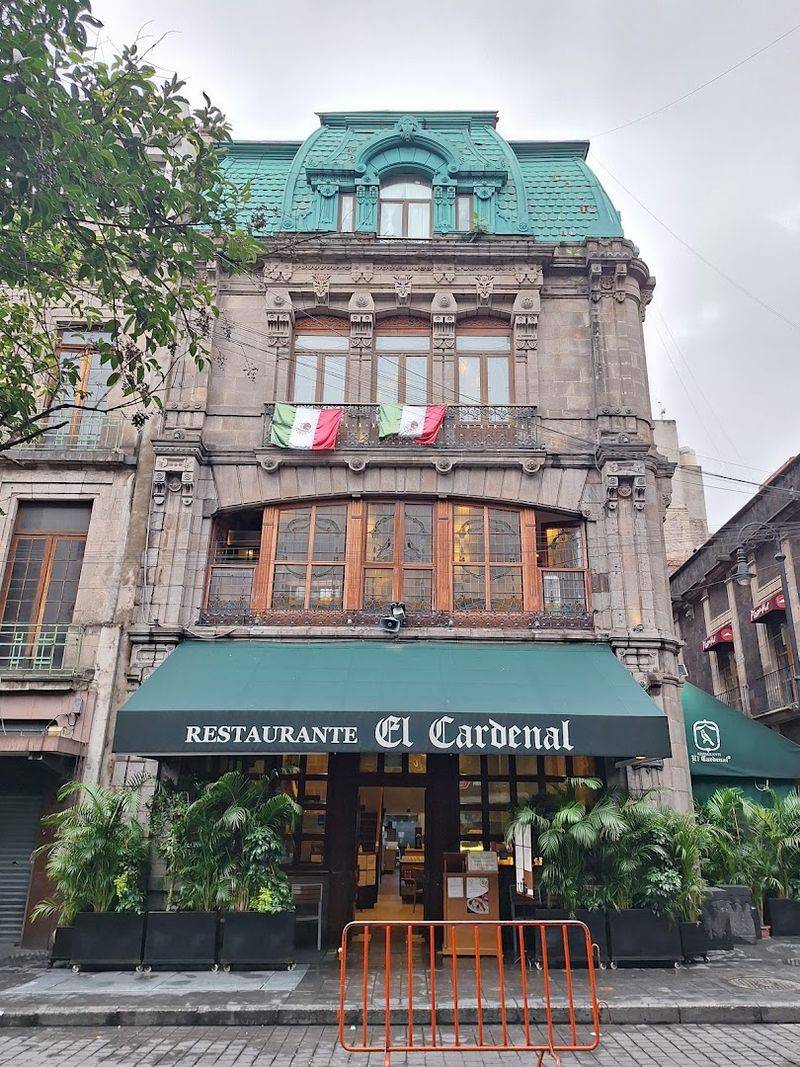
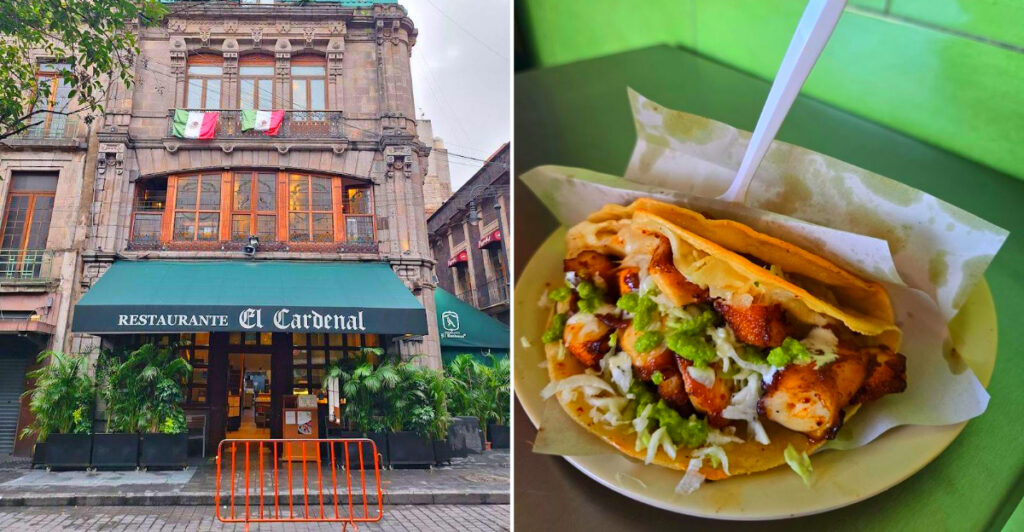
Breakfast in Mexico City is a serious business, and El Cardenal has been running the morning shift since 1969 with zero signs of slowing down.
The restaurant is best known for its tableside hot chocolate preparation, where staff whisk the drink to a perfect froth right in front of you using traditional methods. It is the kind of ritual that turns a simple beverage into a small event worth watching.
The menu reads like a love letter to classic Mexican morning food: gorditas, chilaquiles, huevos rancheros, enchiladas, and a rotating selection of fresh-baked pastries that arrive warm and impossible to resist.
El Cardenal operates multiple locations across Mexico City, with the Historic Center branch being the most iconic. The interior keeps a traditional aesthetic with wooden furniture and an old-world atmosphere that feels deliberately unhurried.
Locals and tourists alike treat a meal here as a rite of passage. If you only have one morning to spend on a proper Mexican breakfast, this is where to spend it.
4. Contramar, Mexico City
There are restaurants people visit once, and there are restaurants people visit every time they return to a city. Contramar firmly belongs in the second category for most Mexico City regulars.
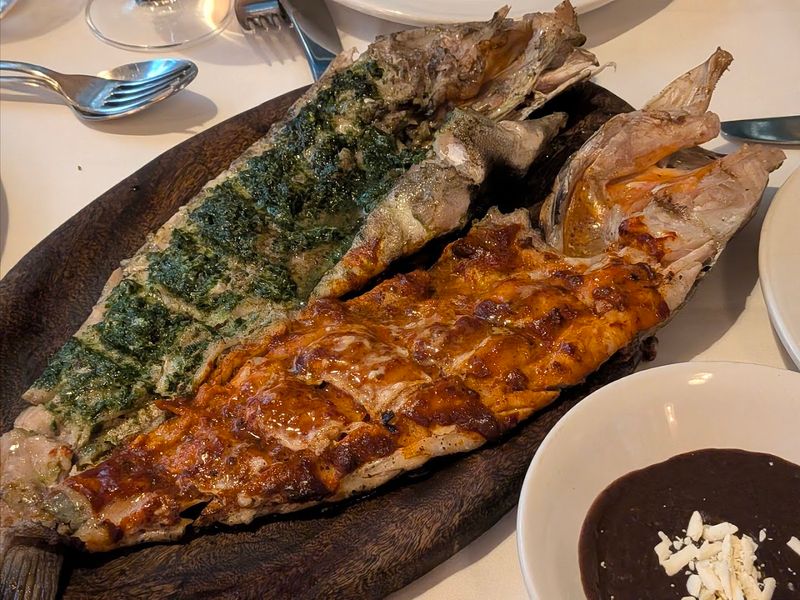
Open since 1998, this Roma Norte institution built its reputation on two dishes that have since become iconic: the tuna tostadas topped with chipotle mayo and avocado, and the Fish a la Talla, a grilled fish split down the middle and painted with two different sauces, one red and one green.
The dining room runs loud and busy at peak hours, which adds to the energy rather than taking away from it. Tables turn quickly, and the staff keeps everything moving with practiced efficiency.
Contramar does not take reservations for lunch, which means arriving early is the smartest strategy. The restaurant operates as a lunch-only spot, closing before dinner service, so timing matters.
For anyone building a seafood-focused itinerary through Mexico City, Contramar is not optional. It is the benchmark against which every other coastal-style restaurant in the city gets measured.
5. La Chaya Maya, Mérida
Yucatan cuisine operates by its own rules, built on Mayan traditions that predate the Spanish arrival by centuries, and La Chaya Maya in Mérida keeps those rules very much alive.
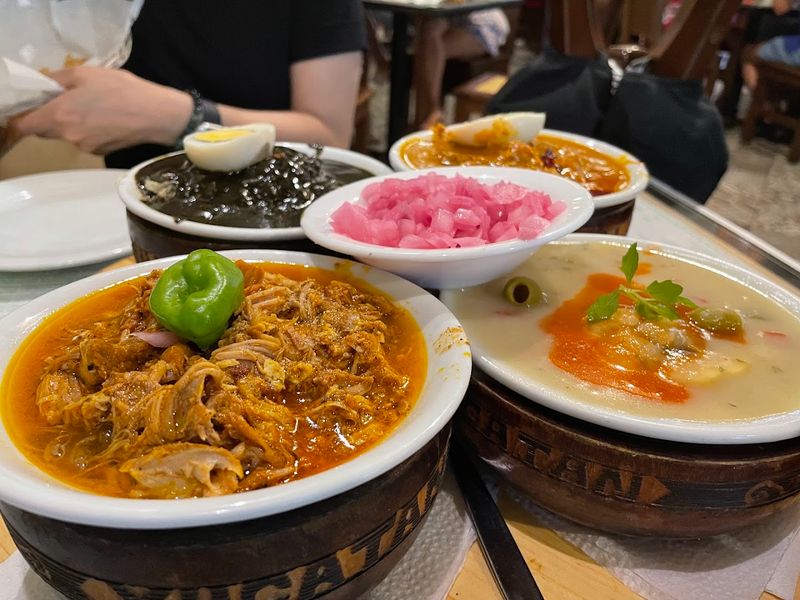
The restaurant specializes in regional classics that many visitors encounter for the first time here: cochinita pibil, a slow-roasted pork dish wrapped in banana leaves; papadzules, egg-stuffed tortillas covered in pumpkin seed sauce; and sopa de lima, a bright citrus-based chicken soup that is deeply comforting.
Handmade tortillas are pressed and cooked fresh throughout service, and watching the process is genuinely fascinating. The tortillas here have a thickness and flavor that pre-packaged versions cannot replicate.
La Chaya Maya draws a loyal mix of local families and curious travelers, which keeps the atmosphere grounded and unpretentious. The décor leans into regional identity with colorful textiles and traditional Yucatan design elements.
Mérida itself is one of Mexico’s most underrated food cities, and this restaurant is the best starting point for understanding why Yucatecan cooking deserves serious attention.
6. Tacos El Gordo, Tijuana
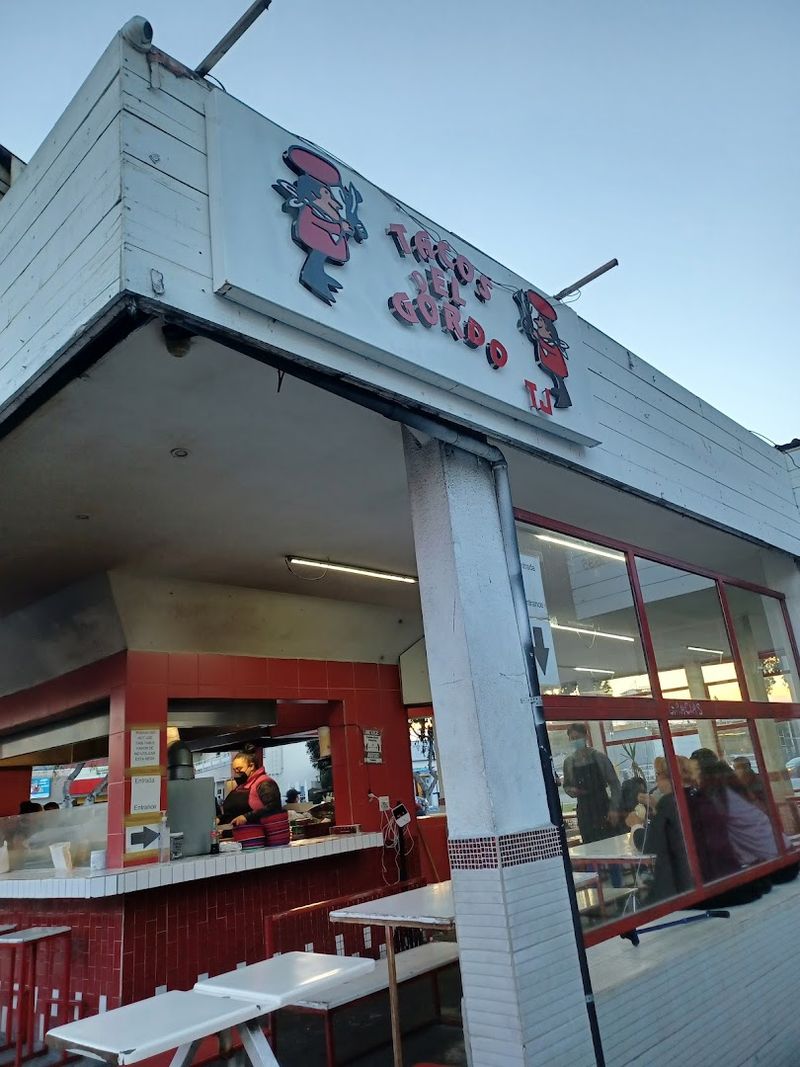
Tijuana has a taco culture so intense and competitive that standing out requires something genuinely special, and Tacos El Gordo has been doing exactly that for decades.
The main attraction here is the tacos al pastor, sliced directly from a rotating spit loaded with marinated pork. The technique is precise and fast, with skilled taqueros shaving thin cuts straight onto a waiting tortilla with the kind of speed that only comes from years of practice.
The menu also includes cabeza, adobada, and other northern-style options that reflect Baja California’s distinct taco traditions. Toppings are simple and fresh: onion, cilantro, salsa, and a squeeze of lime.
The setup is casual and counter-service style, with no table service and no reservations. Customers line up, order, and eat standing up or perched on a stool, which is exactly the right way to eat this kind of taco.
Tijuana’s food reputation has grown significantly in recent years, and Tacos El Gordo is one of the main reasons food travelers now plan dedicated trips across the border just for a meal.
7. Casa Oaxaca, Oaxaca City
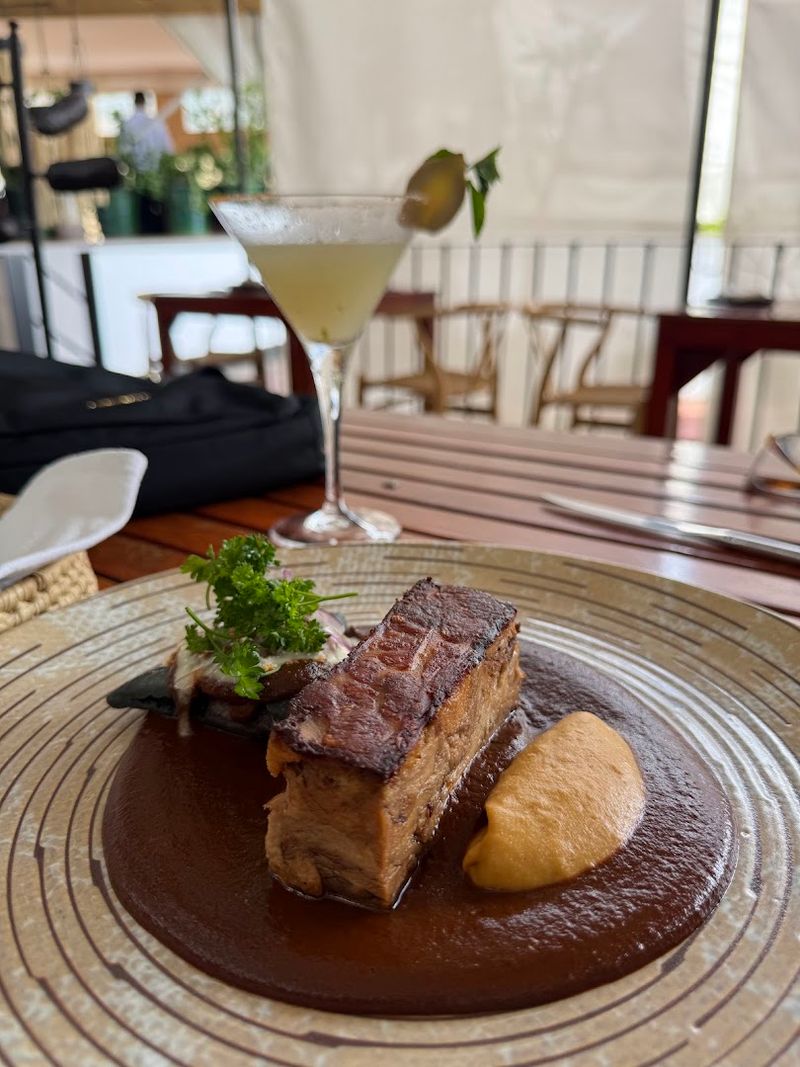
Oaxaca’s culinary identity is one of the richest in all of Mexico, built on seven distinct mole varieties, native corn, local cheese, and an entire culture built around the art of cooking. Casa Oaxaca sits at the center of that identity with real confidence.
Chef Alejandro Ruiz designed the menu around ingredients sourced directly from Oaxacan producers, keeping the supply chain short and the flavors honest. Dishes rotate based on what is available locally, which means the menu reflects the actual season rather than a fixed concept.
The rooftop terrace offers views across the city’s colonial architecture, making it a popular spot for both lunch and dinner. The layout across multiple levels gives the restaurant a boutique feel, and the interior design blends traditional crafts with a clean, modern aesthetic.
Mole negro, memelas, and local Oaxacan cheese plates are among the most ordered dishes. For travelers spending time in Oaxaca City, Casa Oaxaca provides an organized and deeply satisfying introduction to one of Mexico’s most celebrated regional cuisines.
8. El Farallon, Cabo San Lucas
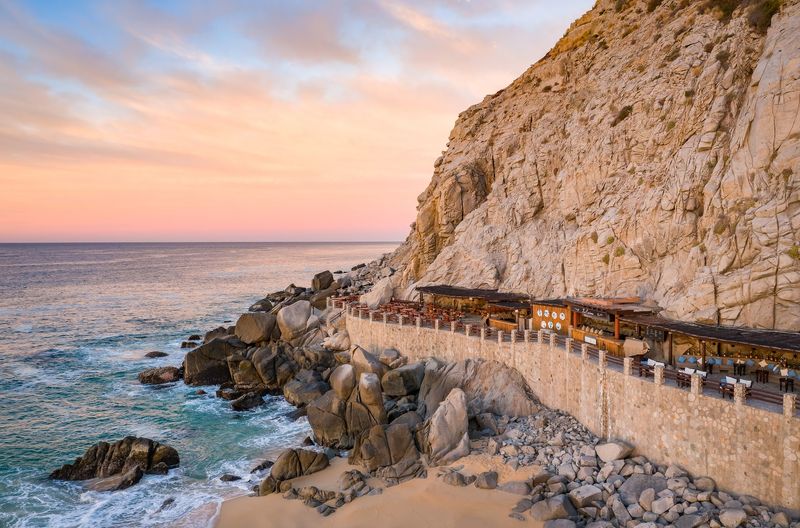
Not every great meal is just about the food, and El Farallon in Cabo San Lucas is proof that context matters enormously when it comes to a memorable dining experience.
The restaurant is built into a cliff above the Pacific Ocean, with open-air seating that puts diners directly above the water. The design is dramatic by any standard, and the management knows it, building the entire experience around that spectacular natural backdrop.
What makes El Farallon genuinely interesting beyond the scenery is the way guests select their meal. A daily seafood display allows diners to choose their fish or shellfish directly before the kitchen prepares it.
The selection changes based on the morning catch, keeping the menu tied to what the ocean actually provides each day.
Lobster, sea bass, and shrimp are regular features, prepared simply to let the quality of the ingredients carry the dish.
El Farallon is not the most budget-friendly option in this list, but as a once-in-a-trip experience that combines location, freshness, and presentation, it justifies every peso.
9. Los Danzantes, Oaxaca City
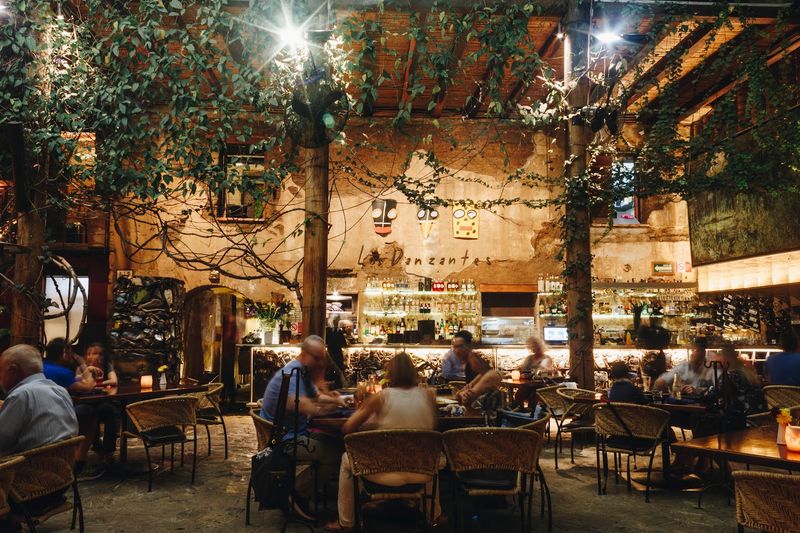
Some restaurants in Oaxaca feel like museums of tradition, and others feel like laboratories for what Mexican food can become. Los Danzantes manages to be both at the same time, which is harder than it sounds.
The kitchen takes classic Oaxacan ingredients like mole, duck, local mushrooms, and native corn and prepares them with a more contemporary presentation style. The flavors stay grounded in regional tradition while the plating and technique lean modern, creating a menu that appeals to both purists and the more adventurous eater.
The restaurant is set around a beautiful open courtyard with stone walls and plants, giving the space a relaxed, almost residential quality. It feels like eating in someone’s very elegant private home.
Los Danzantes also operates its own mezcal brand, which gives the drinks program an authentic local angle. Food travelers who visit multiple times often say the menu surprises them differently on each visit.
For those spending several days in Oaxaca City, Los Danzantes offers a different perspective from the more traditional options and rounds out the regional experience nicely.
10. Taquería Orinoco, Monterrey
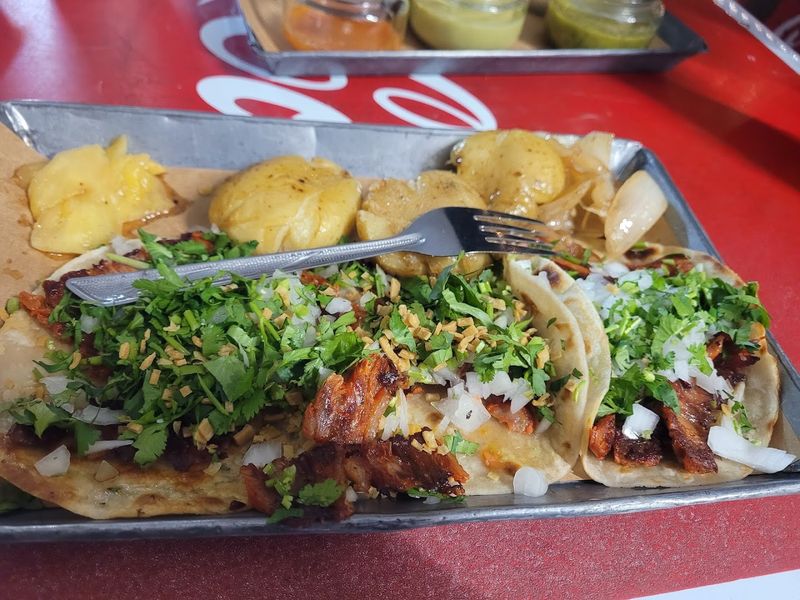
The best taco you have ever eaten was probably not served on fine china, and Taquería Orinoco is here to prove that point with every single order it sends out.
Originally from Monterrey, this taquería has expanded to multiple cities but maintains a consistent identity built around northern-style tacos that differ noticeably from what most visitors expect. The trompo pork, similar in preparation to al pastor, is the signature item and has earned a devoted following across the country.
Toppings include shredded cabbage, grilled potatoes, caramelized onions, and pineapple, creating a layered combination that adds texture and contrast without overcomplicating the base flavors.
The chicharrón taco option is equally popular among regulars and is the kind of order that turns first-time visitors into repeat customers. Service is fast and efficient, designed for high volume without sacrificing consistency.
Taquería Orinoco has been compared to the fast food culture of other countries in terms of its popularity, but the quality of the ingredients keeps it firmly in a different category. This is comfort food with real credentials.
11. Mariscos El Mazateño, Tijuana
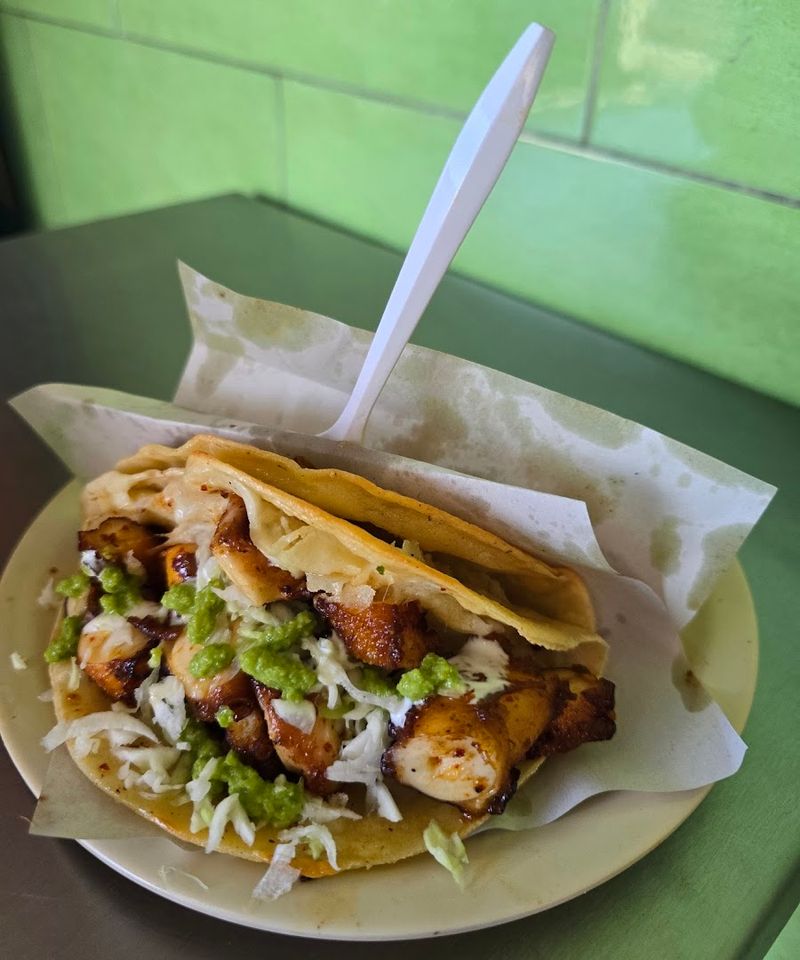
Baja California has one of Mexico’s most underrated coastal food traditions, and Mariscos El Mazateño in Tijuana is one of the clearest examples of why that tradition deserves far more attention than it typically gets.
The restaurant focuses on seafood preparations that reflect the Pacific coast’s proximity and abundance. Shrimp tacos, smoked marlin tostadas, and spicy mixed seafood combinations are among the most requested items, each one reflecting a coastal cooking style that prioritizes freshness and bold seasoning over elaborate technique.
The setup is straightforward and unpretentious, with a no-frills interior that keeps all the focus on what arrives on the plate. Regulars know their orders before they sit down, which is usually the best indicator of a restaurant that has figured out what it does well.
El Mazateño is a local institution rather than a tourist-facing destination, which means the crowd is predominantly Tijuana residents who return week after week. That kind of loyalty is earned, not manufactured.
For travelers exploring Baja California’s food culture, this restaurant offers one of the most honest and satisfying seafood experiences the region has to offer.
12. Hacienda Teya, Yucatán
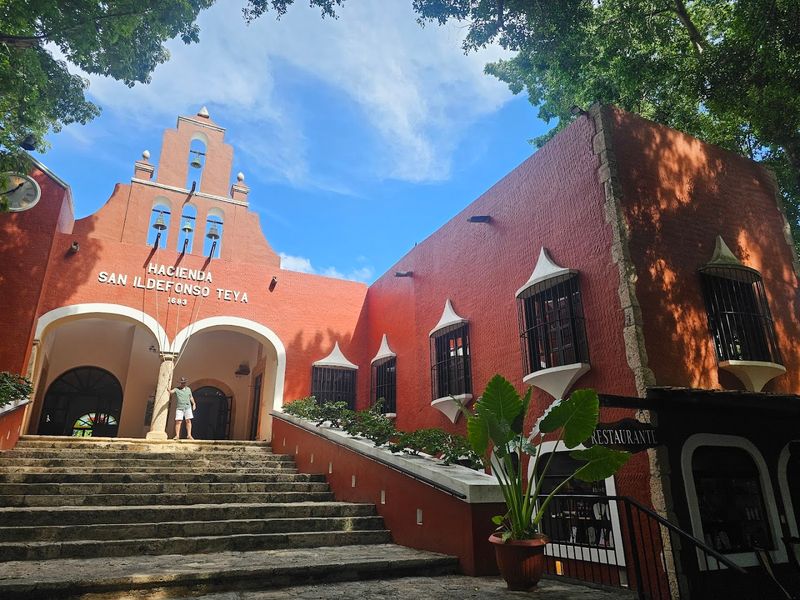
About 12 kilometers outside of Mérida, a beautifully preserved 17th-century hacienda has been converted into one of the most distinctive dining destinations in the entire Yucatan Peninsula.
Hacienda Teya serves traditional Yucatecan dishes prepared from recipes with deep regional roots. Poc chuc, a grilled pork dish marinated in sour orange juice, is one of the standout items and is rarely executed as well elsewhere.
Relleno negro, a complex dark stew made with charred chili and turkey, represents the more demanding side of Yucatecan cooking and arrives here with the kind of depth that only comes from following the recipe properly.
The hacienda grounds include a cenote, gardens, and colonial architecture that make the property worth exploring before or after the meal. The dining area is set in an open-air courtyard framed by stone arches and tropical plants.
Groups and families tend to visit Hacienda Teya for special occasions, giving the atmosphere a celebratory quality that feels appropriate for the setting. It is the kind of meal that people describe in detail long after they have returned home.
Share this story