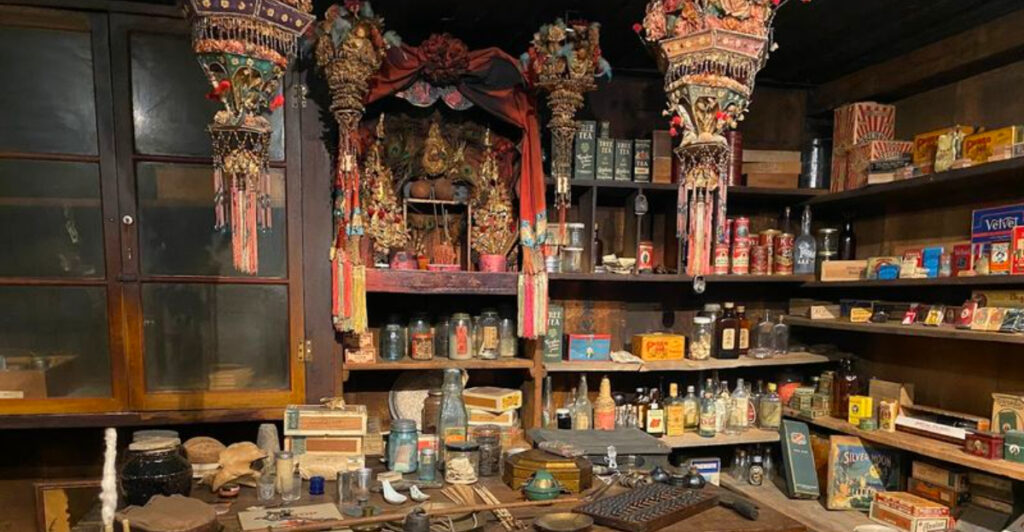
There is a small building in a quiet corner of eastern Oregon where time stopped sometime around the early 1900s, and nobody has moved a thing since. Shelves still hold rows of herbal remedies, handwritten ledgers sit open on the counter, and the walls carry the weight of a remarkable story about two Chinese immigrants who became the backbone of their entire community.
I had driven past similar roadside history markers a dozen times on road trips without stopping, but this one pulled me in completely. What I found inside was one of the most genuinely preserved historic sites I have ever visited, and I left wishing I had planned to stay twice as long.
Finding the Site: Address, Location, and First Impressions
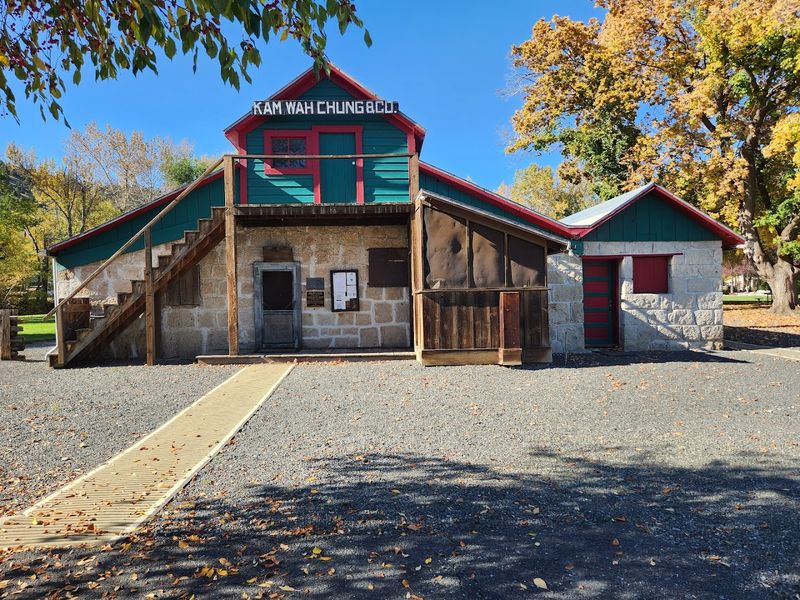
The address for Kam Wah Chung State Heritage Site is in John Day, Oregon 97845, a small town tucked into Grant County in the Blue Mountains region of eastern Oregon. To get there, you follow Highway 26 into town, and the site sits just off the main road near the John Day River, easy to spot once you know what you are looking for.
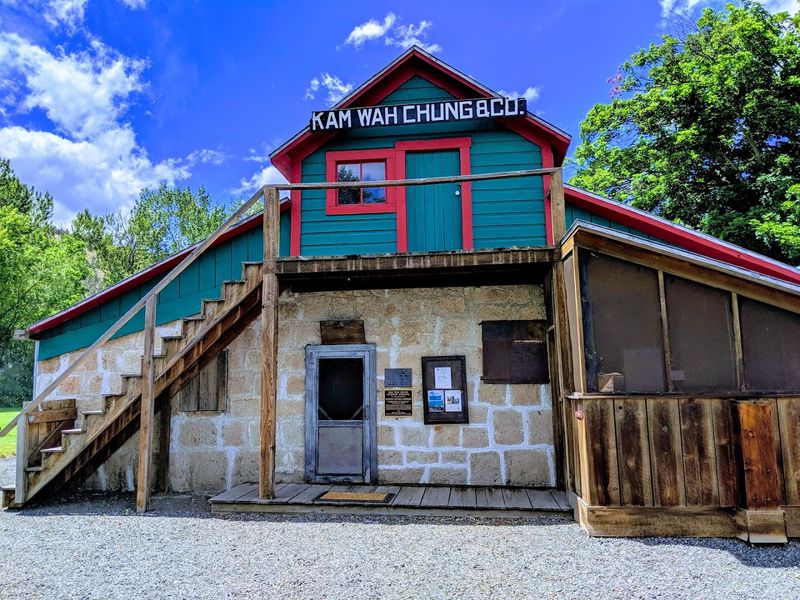
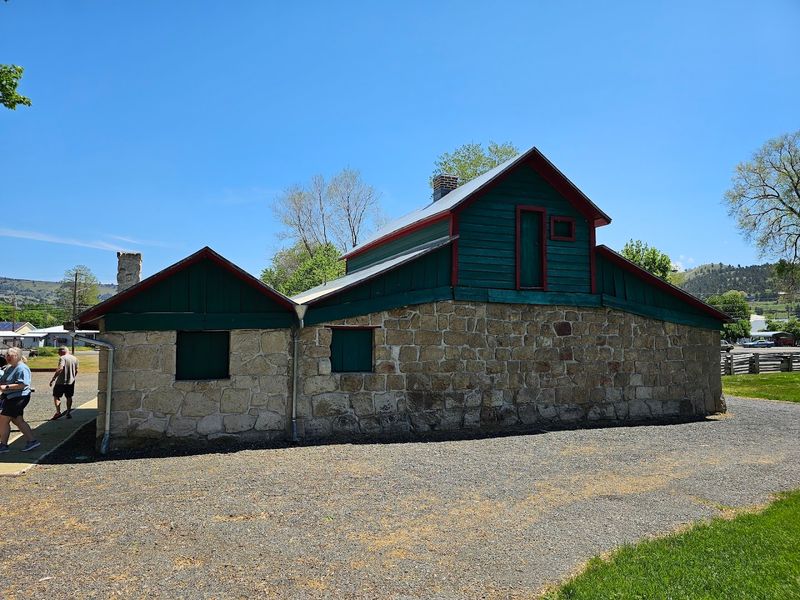
The building itself is not massive or flashy. It is a compact stone and wood structure that looks exactly like what it is: a frontier trading post that has been standing since the 1860s.
The exterior walls are built from Rattlesnake Tuff volcanic rock, and you can actually see the cold chisel tooling marks left by the workers who shaped each stone by hand.
The surrounding landscape is classic eastern Oregon high desert, open and wide, with sagebrush and distant ridgelines framing the scene. The contrast between the rugged outdoors and the detailed world preserved inside that small building is part of what makes the first impression so striking.
The History Behind the Building: From Trading Post to Community Hub
Built in 1866 or 1867 as a trading post along a wagon road that later became known as The Dalles Military Road, this building has served more roles than most structures ever do. It started as a commercial stop for miners and travelers passing through during the Oregon gold rush, which picked up steam as the California gold rush was winding down.
Over the following decades, it transformed into the social and economic center of the Chinese community in John Day. The two men most responsible for that transformation were Ing Hay, widely known as Doc Hay, and his business partner Lung On, both immigrants from the Guangdong province of China.
Together they ran the building as a general store, a community gathering place, a labor exchange, and an apothecary where Doc Hay practiced Chinese herbal medicine. The site is now both a state park and a National Historic Landmark, recognized for its role in preserving early Chinese culture in the Pacific Northwest.
Few buildings in Oregon carry this much layered history within a single set of walls.
Doc Hay and Lung On: Two Men Who Built a Legacy
Doc Hay and Lung On arrived in John Day at a time when Chinese immigrants faced serious legal restrictions, open hostility, and very few protections. Despite those conditions, both men built something extraordinary.
Doc Hay became one of the most respected practitioners of Chinese herbal medicine in the entire region, treating patients from across eastern Oregon and beyond.
Lung On handled the business and social side of their partnership. He was fluent in English, well-connected with the wider community, and known for helping Chinese laborers find work throughout the area.
Together the two men were trusted by miners, ranchers, and settlers of all backgrounds, which was no small achievement given the era.
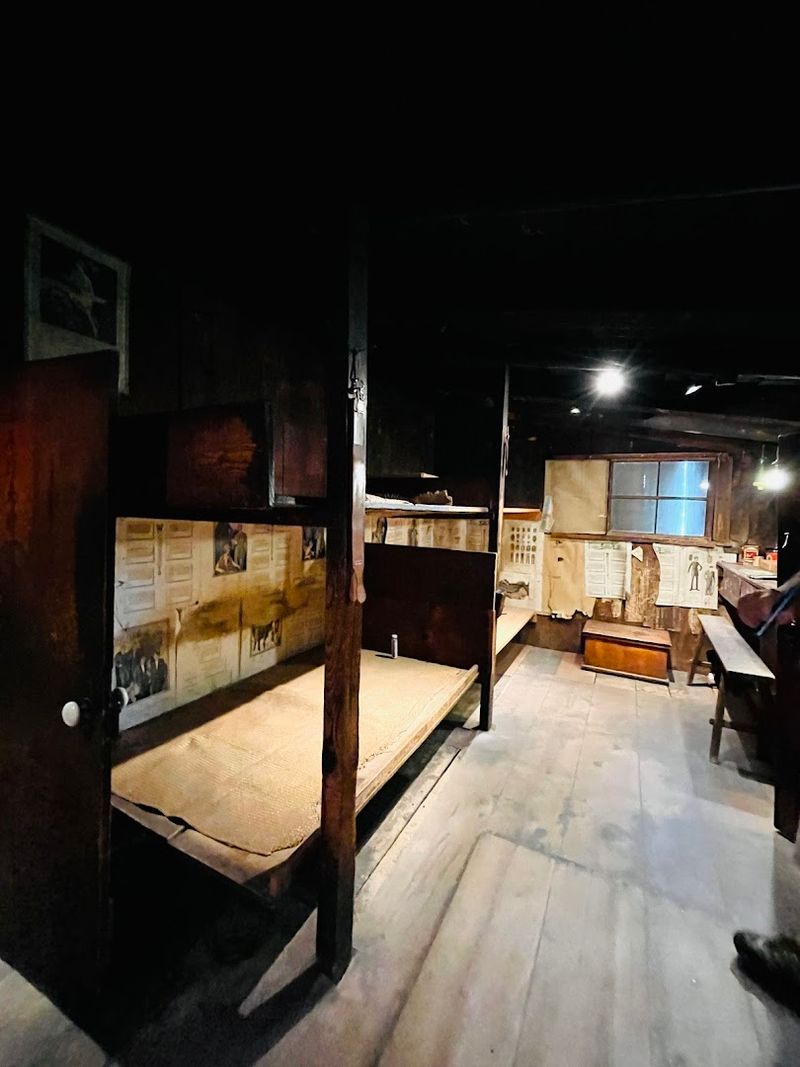
Their story is one of perseverance, generosity, and quiet influence. Both men lived and worked in the building for decades, and when they passed, they left behind an unbelievable collection of untouched artifacts, correspondence, and supplies.
The fact that nothing was cleared out after their time is the reason visitors today can experience the site as a true, unaltered time capsule of Chinese immigrant life in 19th century Oregon.
The Apothecary: Shelves Full of Herbal Secrets
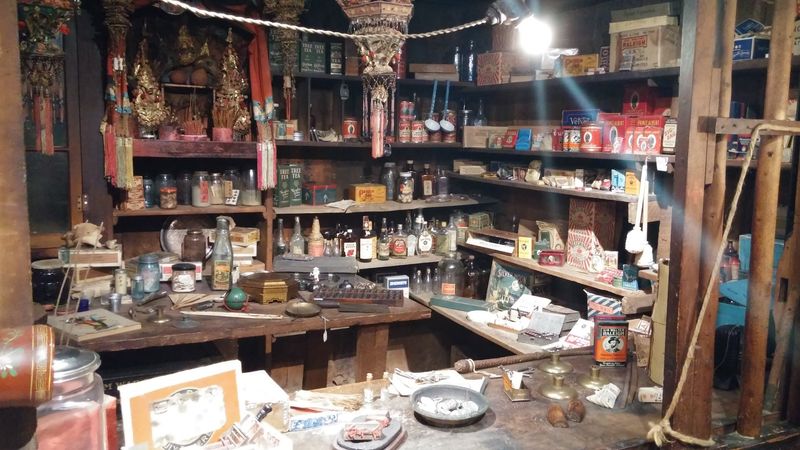
The apothecary section of the building is the part that tends to stop visitors in their tracks. Hundreds of small tins, jars, and paper packages still sit exactly where Doc Hay placed them, each one labeled with hand-drawn Chinese characters identifying the herb or compound inside.
Doc Hay practiced a form of traditional Chinese medicine called pulse diagnosis, where he would assess a patient’s health by feeling the pulse at the wrist. Based on that reading, he would prescribe customized herbal formulas, often mailing remedies to patients across the country who wrote to him by letter.
His reputation reached well beyond Oregon.
The remedies on those shelves include dried roots, bark, seeds, flowers, and other botanical ingredients that were carefully sourced and stored. What makes the collection so remarkable is that it was never cleaned out, sold off, or reorganized after Doc Hay’s time.
Every tin is still in place, making this one of the most complete and authentic Chinese apothecary collections surviving in the United States today.
The General Store: A Snapshot of Frontier Commerce
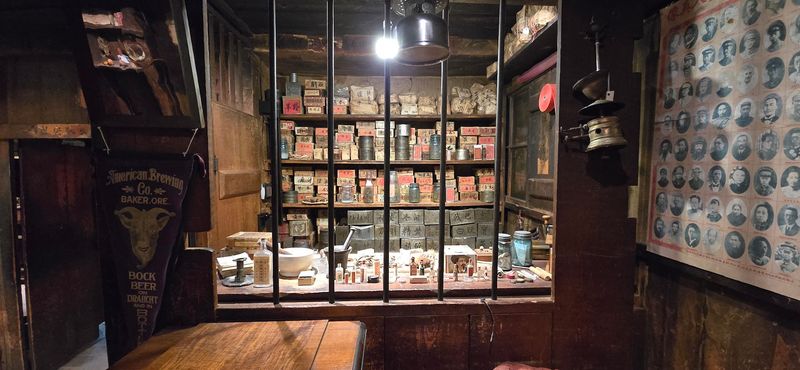
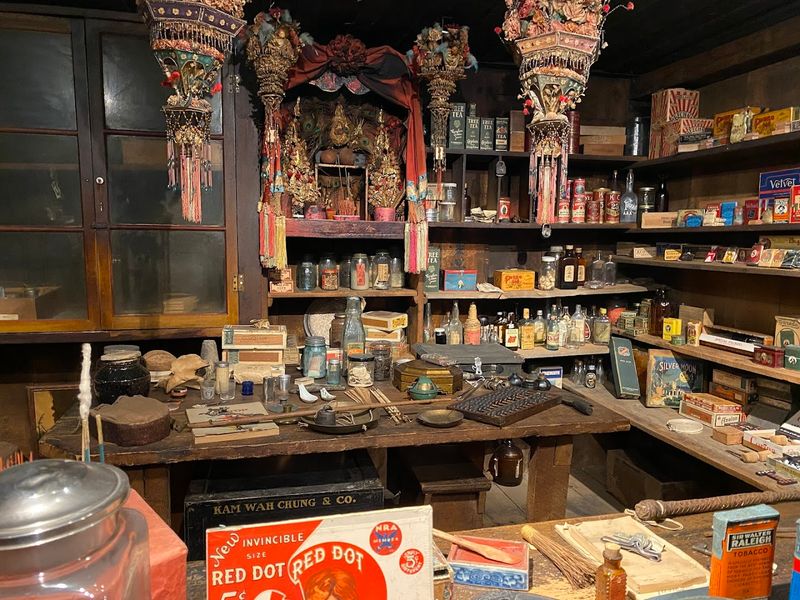
Beyond the apothecary, the building also served as a fully stocked general store where miners, ranchers, and community members could purchase everything from food and fabric to tools and tobacco. The shelves in this section still hold original merchandise that was never sold, giving the space an almost surreal quality.
Lung On managed much of the store’s commercial activity, and his talent for business kept the operation running smoothly for decades. He maintained accounts, extended credit to trusted customers, and kept detailed records of transactions that historians have since used to piece together the economic life of the region.
Open cans, folded bolts of cloth, and neatly arranged goods sit exactly as they were left, untouched by the passage of time. The ledgers on the counter still show names, dates, and amounts in Lung On’s careful handwriting.
For anyone curious about what frontier commerce actually looked like at the ground level, this section of the building delivers a level of authenticity that a reconstructed museum simply cannot replicate. It is commerce frozen in place, and it is genuinely fascinating.
The Architecture: Stone Walls That Have Seen Everything
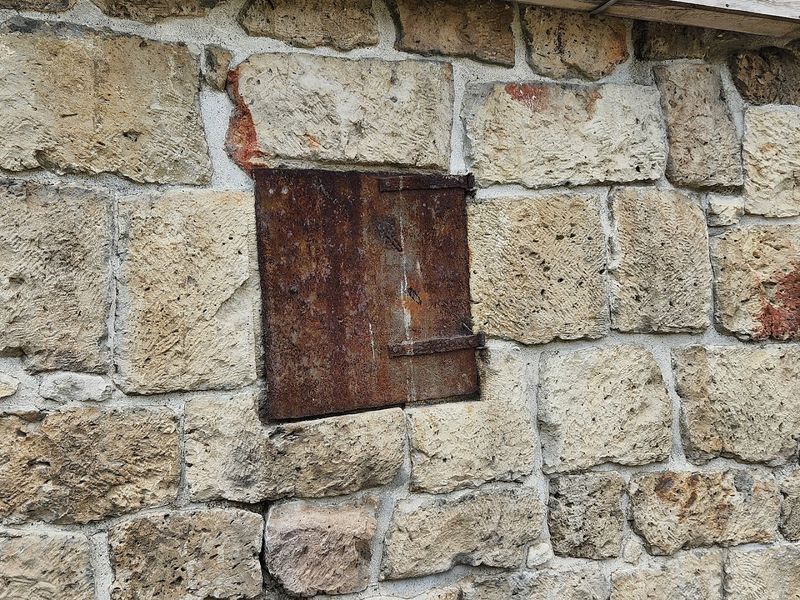
The building’s construction is worth pausing on, because it tells its own story. The exterior walls are made from Rattlesnake Tuff, a volcanic rock found in the region, and the stones were shaped by hand using cold chisels.
You can still see the tooling marks on the surface of the rock, a detail that the park rangers are happy to point out and explain.
The structure was built to last, and it clearly has. The thick stone walls provided insulation from the harsh eastern Oregon winters and summers alike, and they also offered a degree of security for the valuable goods stored inside.
The combination of stone walls and wooden interior framing reflects the practical building knowledge of the era.
The roof and some interior elements have been carefully maintained over the years to preserve the structure without altering its character. Oregon State Parks has done a thoughtful job of stabilizing the building while keeping it as close to its original condition as possible.
The result is a place that feels genuinely old in the best sense of the word, not staged or reconstructed, but honestly and solidly itself.
The Guided Tour Experience: What to Expect
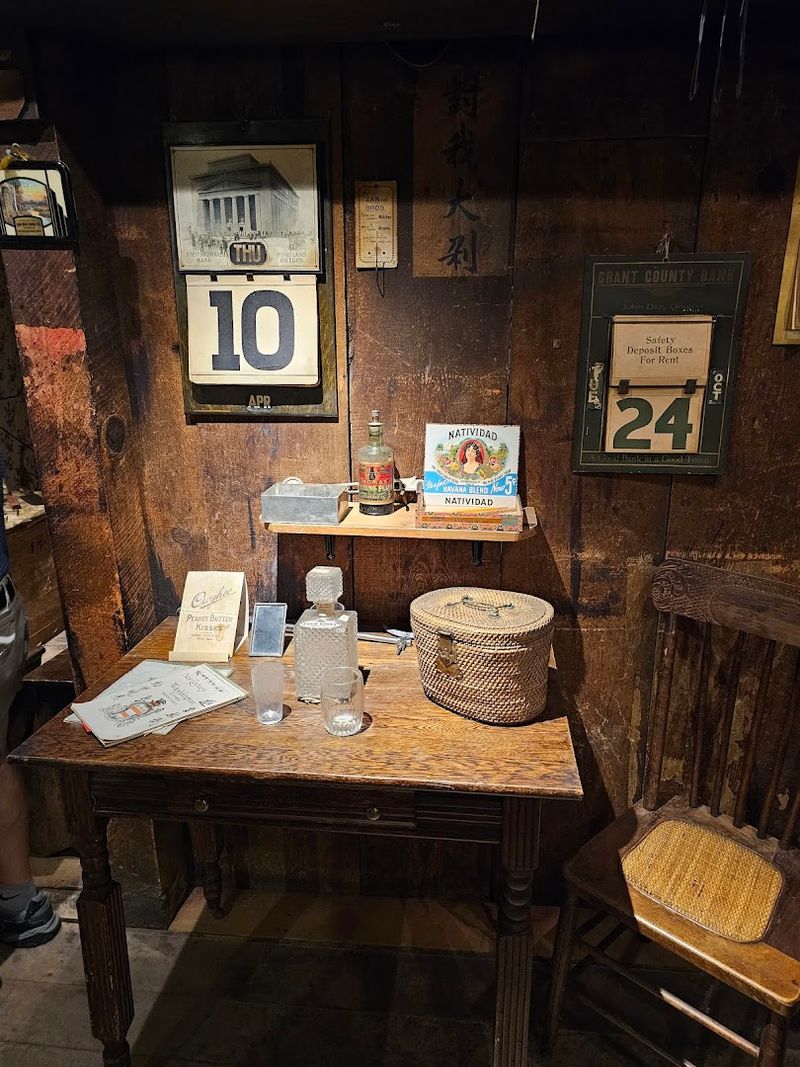
Tours at Kam Wah Chung are free, which is one of the best deals in Oregon heritage tourism. Groups are kept small, with a limit of eight people per tour, which means the experience feels personal rather than crowded.
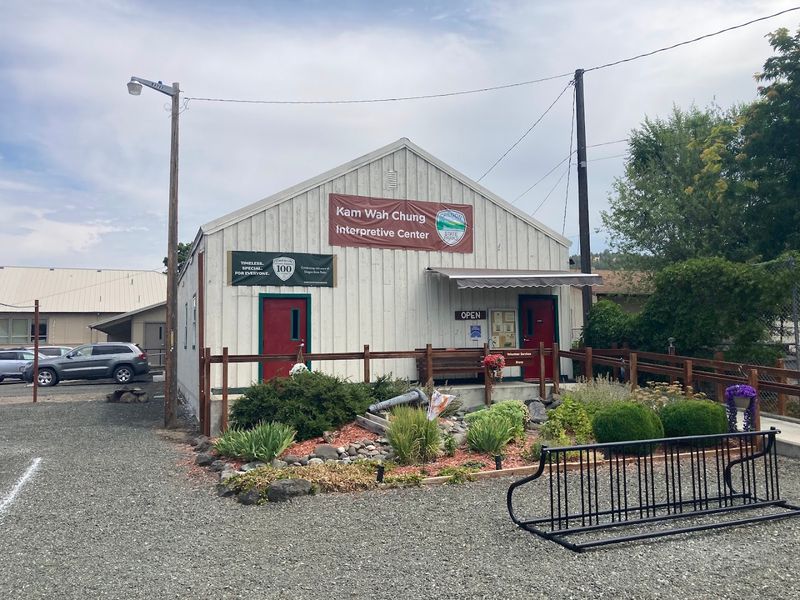
The tour begins at the ranger station and museum, which is about two blocks from the actual site.
Park rangers lead each tour and bring a real enthusiasm for the material. They walk visitors through the different sections of the building, explaining the function of each room, the stories behind specific artifacts, and the broader historical context of Chinese immigrant life in eastern Oregon.
The one-hour presentation covers a lot of ground without ever feeling rushed.
No water or food is allowed inside the building, so leave your bottles at the museum counter before heading over. Tours run from 9 AM to 4 PM Wednesday through Monday, and they fill up quickly, especially in summer.
Arriving early to sign up is strongly recommended. A donation box is available at the site, and the staff genuinely appreciates contributions that help support preservation of this irreplaceable place.
The Interpretive Center: Context Before You Cross the Threshold
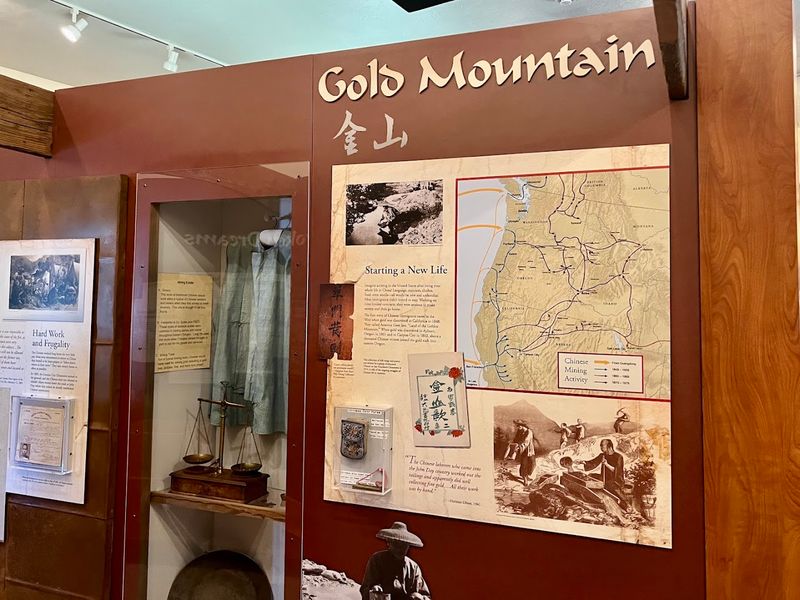
Before or after the tour of the main building, the interpretive center just down the street adds valuable background to everything you will see. The center uses photographs, maps, artifacts, and written panels to tell the broader story of Chinese immigration to Oregon and the specific history of the John Day region.
The gold rush context is explained clearly here. Eastern Oregon attracted a significant wave of Chinese miners in the 1860s and 1870s, many of whom faced discriminatory laws that limited their rights to own land or become citizens.
Understanding that backdrop makes the story of Doc Hay and Lung On even more impressive.
The interpretive center also displays items that provide detail about daily life, community gatherings, and the role the Kam Wah Chung building played as a social anchor for Chinese workers spread across the region. Some visitors spend nearly as much time in the center as they do in the building itself.
The two spaces work well together, and treating them as a pair rather than separate stops makes for a much richer overall visit to this corner of Oregon history.
Chinese Culture in Eastern Oregon: A Bigger Story Than Most People Know
Most people associate Chinese immigration in the American West with railroad construction in California or Nevada, but eastern Oregon has its own deep and often overlooked chapter in that history. Chinese miners arrived in the John Day Valley in large numbers during the 1860s, drawn by gold deposits that other miners had partially worked and moved on from.
At the height of the gold rush era, Chinese workers made up a significant portion of the population in Grant County. They established communities, maintained cultural traditions, and contributed economically to the region in ways that are only now receiving the recognition they deserve.
The Kam Wah Chung building served as the nerve center of that community for decades.
The story is not without its painful chapters. Anti-Chinese sentiment was widespread, and legal discrimination shaped nearly every aspect of immigrant life.
Yet the legacy of Doc Hay and Lung On stands as evidence that community, skill, and generosity can outlast hostility. John Day is now recognized as one of the central points of Chinese cultural heritage in Oregon, and this site is the main reason that recognition exists.
The Time Capsule Quality: Why Nothing Was Moved
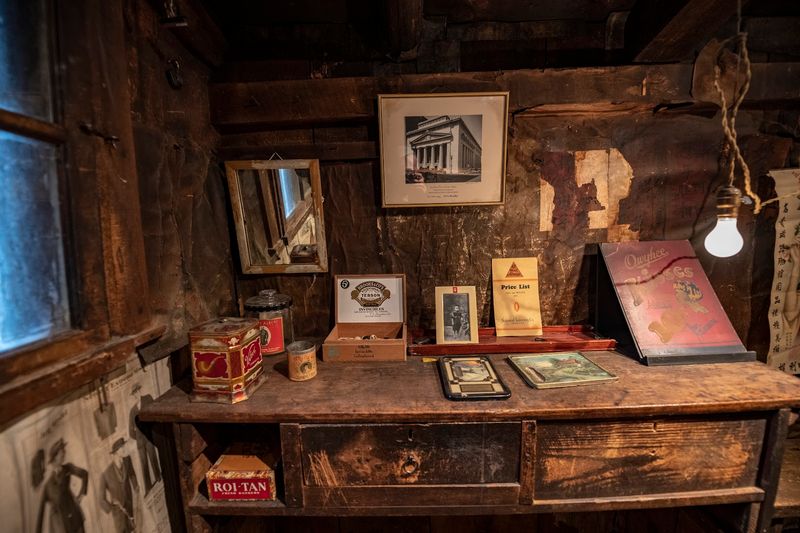
One of the most common questions visitors ask is why everything inside the building is still in its original place. The answer comes down to a combination of the occupants’ habits and a stroke of preservation luck.
Doc Hay and Lung On were meticulous record keepers and careful stewards of their stock, and neither man seemed inclined to throw anything away.
When Lung On passed away and Doc Hay became too elderly to continue working, the building was essentially closed and left as it was. The contents were not auctioned off, donated, or scattered.
A local family took on caretaking responsibilities, and eventually the state of Oregon recognized the site’s significance and took over its preservation.
The result is something genuinely rare in American historic preservation: a space where the original occupants’ belongings remain exactly where they left them, in the rooms where they used them, without being rearranged for display purposes. Most museums recreate the past.
This one simply kept it. That distinction is what gives the building its unusual emotional weight, and it is the reason visitors consistently describe the experience as unlike any other museum they have visited in Oregon or anywhere else.
Planning Your Visit: Tips for Getting the Most Out of the Trip
The site is open daily from 9 AM to 4 PM, which gives you a solid window to plan around. Tours are free but fill up fast, especially on weekends and during the summer travel season.
Calling ahead at 541-575-2800 or checking the Oregon State Parks website before you go is a smart move to confirm availability and current tour schedules.
John Day itself is a small town of around 2,000 people, so plan to bring snacks and water for the road. There are a few local restaurants and a grocery store in town, but the options are limited compared to larger cities.
The drive into Grant County from either Portland or Boise takes several hours, so most visitors combine the stop with a broader eastern Oregon road trip.
The Painted Hills unit of John Day Fossil Beds National Monument is about an hour west on Highway 26, making it a natural pairing for a weekend itinerary. Combining both sites gives you a full picture of what makes this part of Oregon so distinctive.
The Kam Wah Chung visit typically runs about an hour including the tour, so it fits easily into a full day of eastern Oregon exploration.
Why This Place Deserves a Spot on Every Oregon Road Trip
Road trips through Oregon tend to follow predictable routes: the coast, the Columbia River Gorge, Crater Lake. Eastern Oregon gets far less traffic, which is genuinely a shame because the history and landscape out here are every bit as compelling.
The Kam Wah Chung site is the kind of stop that reframes how you think about the American West.
The story it tells is not the familiar frontier narrative. It is a story about immigrants who built a community under difficult circumstances, who earned trust across cultural lines, and who left behind a physical record of their lives that has somehow survived intact for more than a century.
That is not a story you find at every roadside attraction.
Access to the interior of the building may become more restricted over time as preservation needs grow. The rangers themselves have noted that future visitors may only have access to the interpretive center rather than the building itself.
Going now, while the full tour is still available, is the kind of decision you will feel good about for years. This is Oregon history at its most honest, most human, and most worth the drive.
Share this story