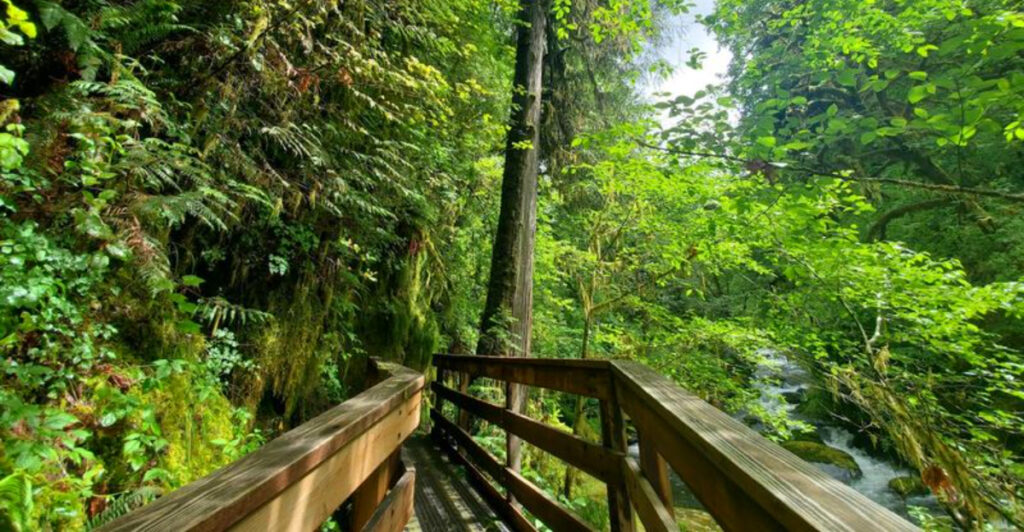
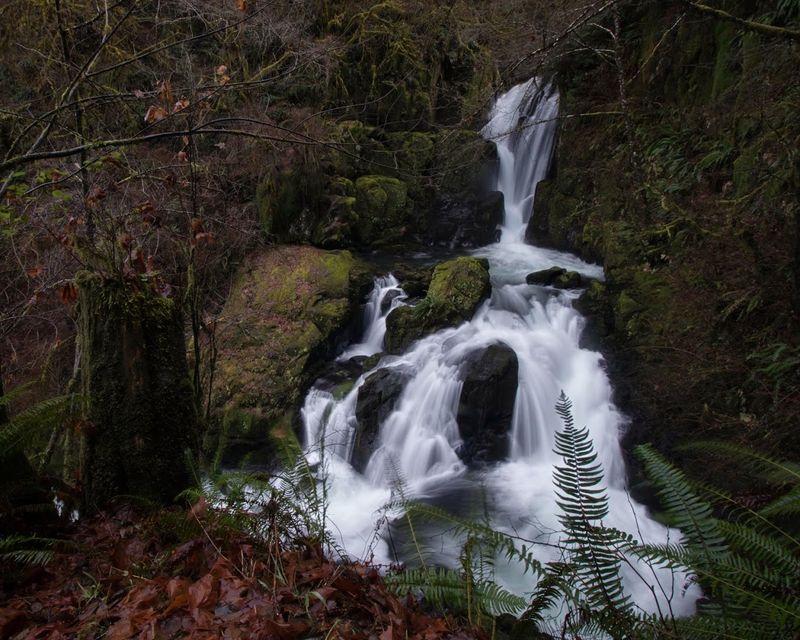
There is a stretch of Oregon forest where the trees grow so thick and tall that the sunlight barely touches the ground, and the sound of rushing water follows you every step of the way. A mossy, root-laced trail winds alongside a creek that tumbles over rocks and ledges, creating a series of cascading waterfalls that feel almost too beautiful to be real.
This is not a famous landmark plastered on every travel poster, but it has quietly earned a 4.8-star rating from hundreds of hikers who keep coming back. Once you read what this trail has to offer, you will understand exactly why.
Where the Trail Begins: Address, Location, and Getting There
Sweet Creek Falls Trailhead sits along Sweet Creek Road in Mapleton, Oregon 97453, tucked into the Siuslaw National Forest about eleven miles from Mapleton and roughly fifteen miles from Florence via Highway 126. The phone number for the managing office is (541) 750-7000, and more details can be found at the U.S.
Forest Service website.
Getting here is part of the adventure. Sweet Creek Road is paved and starts out as two lanes, but it narrows to a single lane after the first park entrance, so slow down and stay alert for oncoming traffic.
The drive itself is scenic, with forested hillsides and glimpses of the creek below keeping things interesting the whole way.
There are actually two trailheads to know about. The lower Homestead Trailhead comes first, and a quarter mile up the road sits the upper trailhead, which leads to the main falls area.
The trail is open 24 hours a day, seven days a week, and parking is free at both lots, though spaces fill up fast on weekends.
The Forest Canopy That Makes Every Step Feel Like a Relief
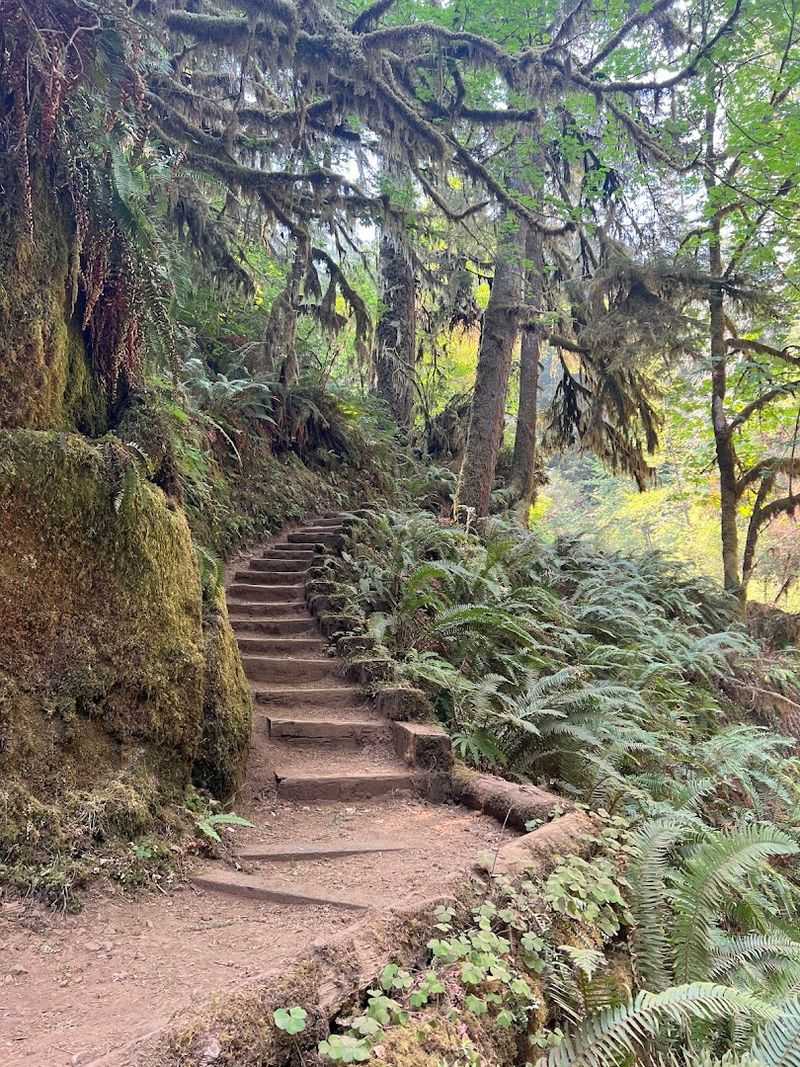
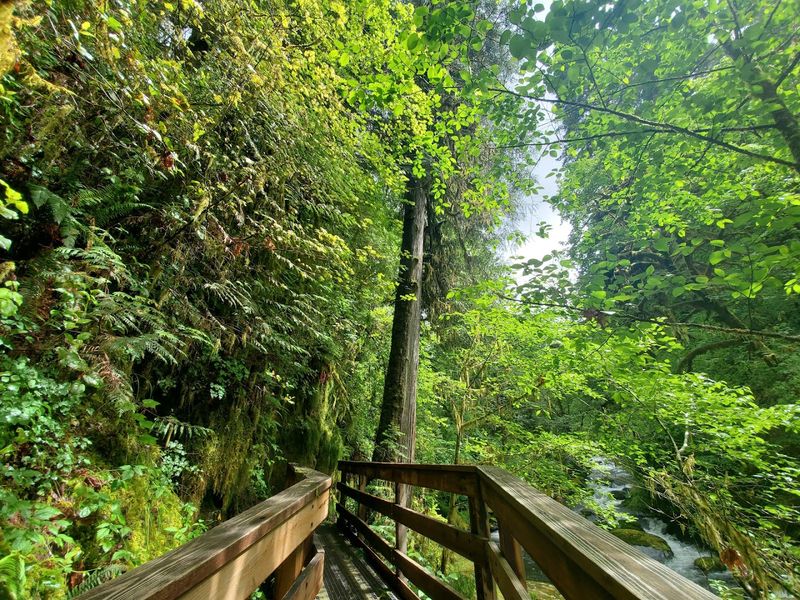
One of the first things you notice the moment you step onto the trail is the shade. Tall Douglas-fir, alder, and big-leaf maple trees form a canopy so complete that even on a warm summer day in the eighties, the air underneath stays noticeably cool and fresh.
That contrast between the heat outside and the forest chill is genuinely refreshing.
The trees are not just tall but also old, and their root systems spread across the trail in thick, gnarled waves that require careful footing. Moss covers nearly every surface, from the bark of the trees to the boulders along the creek bank, giving the whole place a deep, saturated green color that feels more like a painting than a hiking trail.
Park rangers have been known to set up educational stations along the path, sharing information about local flora and fauna, including beaver prints and water quality data. That kind of hands-on learning makes the walk feel like more than just exercise.
The forest here does not just look alive, it practically hums with it.
A Creek That Steals the Show at Every Turn
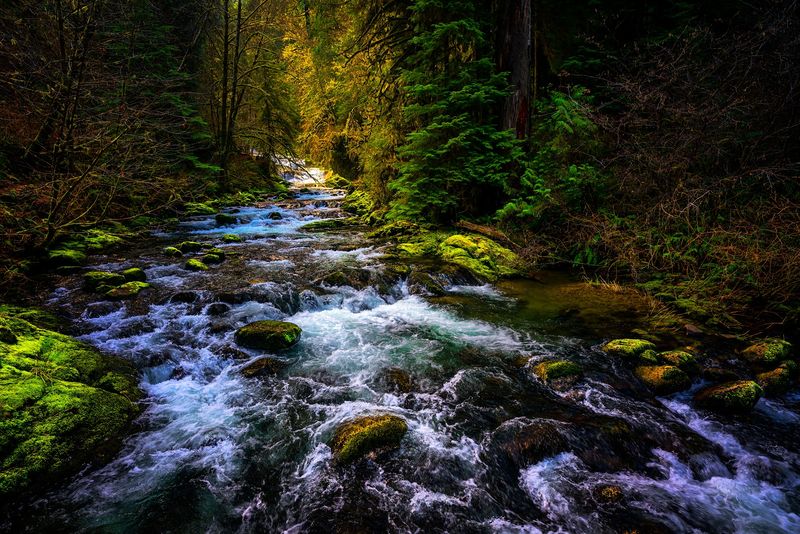
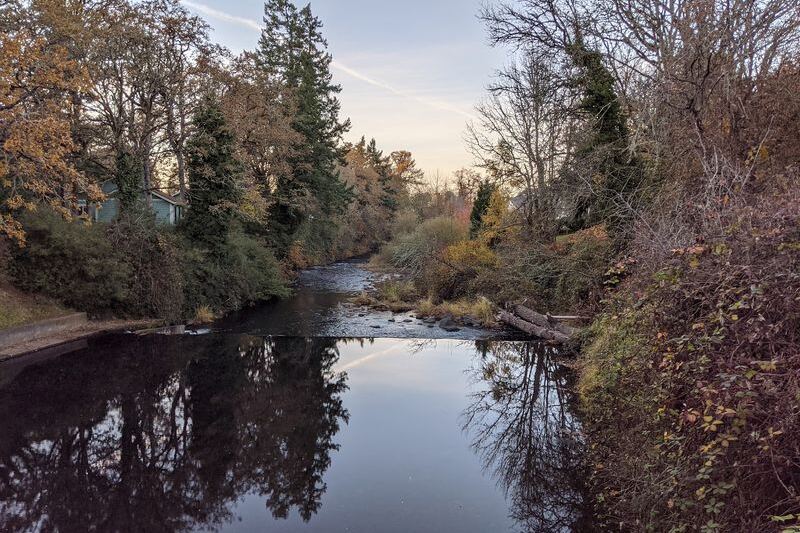
Sweet Creek is not the kind of waterway you walk beside and forget about. It is loud, clear, and constantly moving, tumbling over boulders and slipping through narrow channels with the kind of energy that makes it hard to look away.
The creek stays visible for most of the hike, and at several points, the trail runs close enough that you could reach down and touch the water.
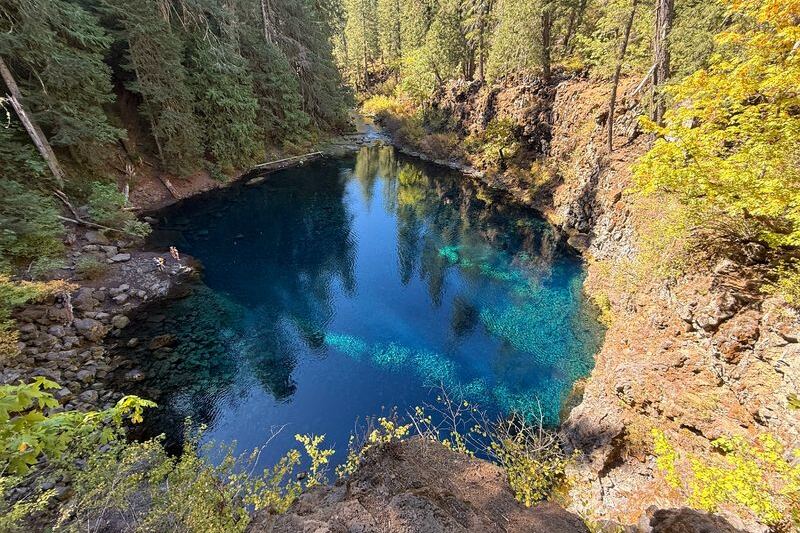
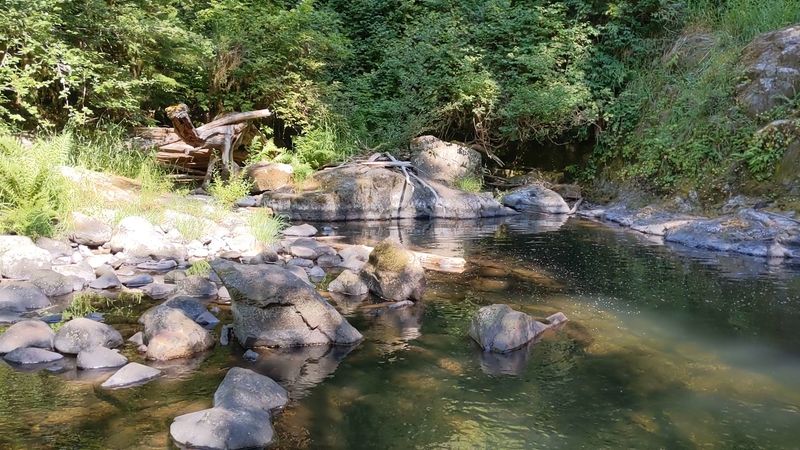
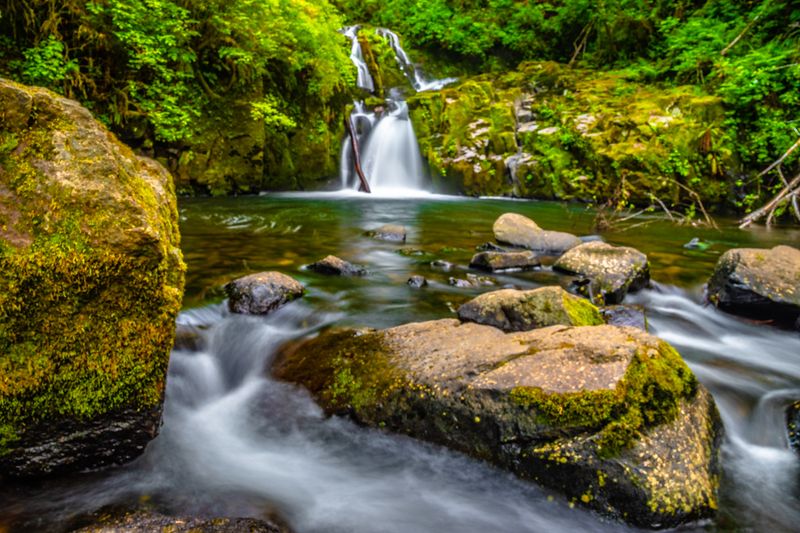
After wet weather, the creek swells considerably, and the current picks up speed in a way that makes the whole trail feel more dramatic. Natural rock swimming holes form along the route, and the water in those pools runs clear enough to see straight to the bottom.
Hikers with goggles have reported that the underwater visibility is surprisingly deep and clean.
On warmer days, people wade in, swim, and even jump from low rocks into the deeper pools. The water starts cold but quickly becomes one of those things you do not want to leave once you are in.
Bringing water shoes and a change of clothes is a genuinely smart move if you plan to spend more than an hour here.
The Waterfalls: Subtle, Stacked, and Seriously Impressive
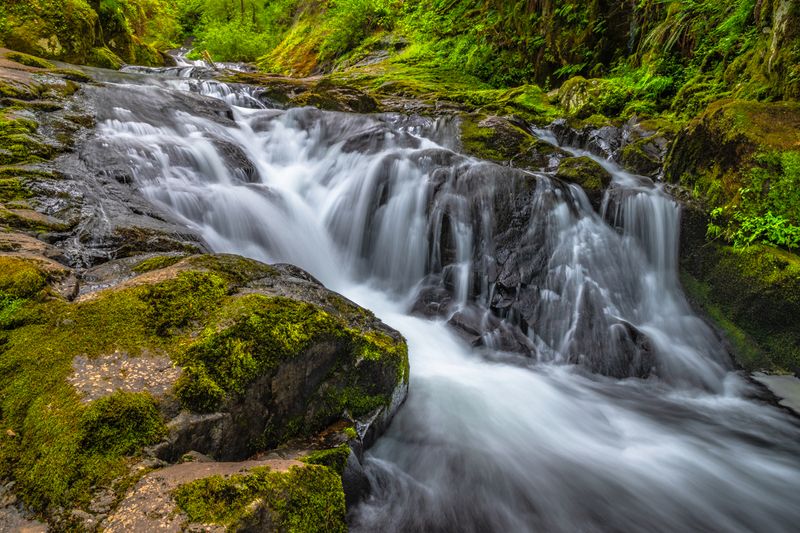
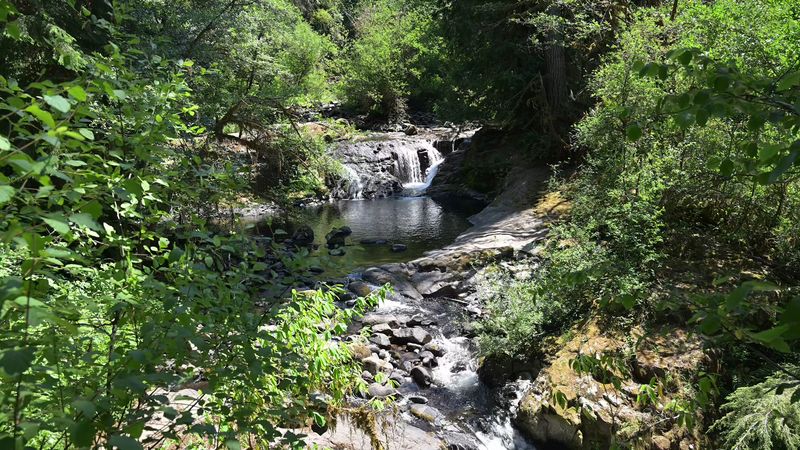
The waterfall situation at Sweet Creek is not what most people expect. Instead of one massive drop that you hike to and photograph, you get a whole series of cascades spread across the length of the trail.
There are reportedly eleven waterfalls along the Sweet Creek corridor, and each one has its own personality.
Some are wide and sheet-like, with water spreading thinly across flat rock. Others are narrow and forceful, shooting through gaps between boulders.
The most striking ones involve water weeping down moss-covered walls, which creates a soft, almost delicate effect that feels completely different from the roaring sections upstream. In spring, the whitewater runs massive and fast, and the sound alone is worth the drive.
The upper waterfall, accessible from the second parking lot with less than a half-mile walk, tends to be the crowd favorite. It is big, it is loud, and it rewards hikers almost immediately after they start walking.
Anise Falls is another highlight along the corridor, though trail closures have occasionally limited access to it. Each waterfall you encounter along the way feels like a small prize.
Trail Conditions and What to Expect Underfoot
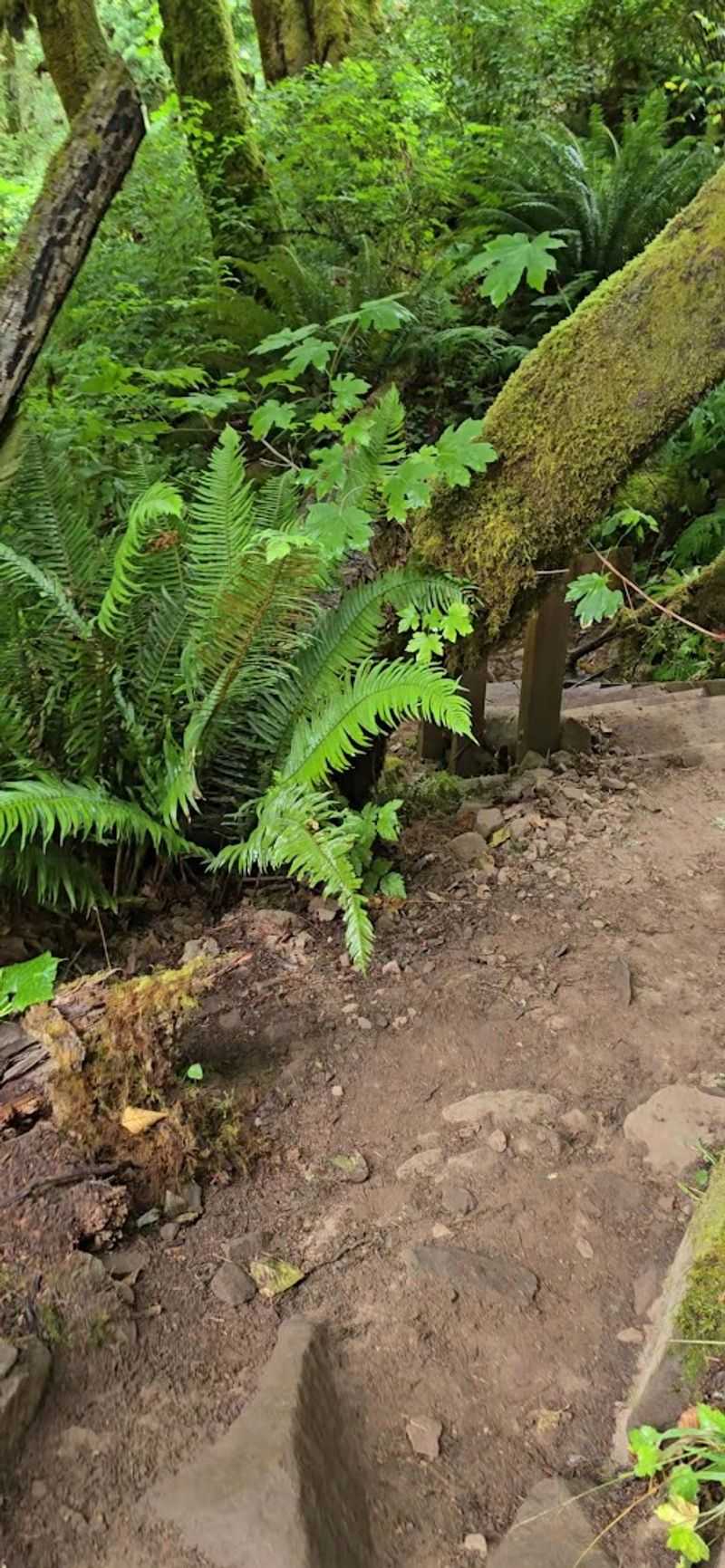
The trail at Sweet Creek is labeled as easy to moderate, and that description is mostly accurate, but there are some important nuances worth knowing before you lace up your boots. The path is not paved or groomed, and exposed roots cross the trail constantly, requiring steady footing and full attention to where you step.
Rocks along the route get slippery when wet, which in the Oregon Coast Range means pretty much any time between October and June. Some sections are narrow, and passing other hikers requires a bit of coordination, especially when dogs or children are involved.
Muddy patches after rain can be significant, and the trail near the creek bank can feel precarious in spots without railings.
Poison oak is present along the trail, so wearing long pants and staying on the path is a smart habit. The upper viewpoint above the main falls is steeper and narrower than the rest of the route, and it is best suited for hikers who are comfortable on uneven terrain.
Bringing a walking stick adds a real sense of security, especially for longer visits or early morning hikes when dew makes every surface extra slick.
Parking, Facilities, and Practical Logistics
Parking at Sweet Creek Falls Trailhead is free, which is a genuine bonus in a region where many trailheads require a day-use pass. However, free does not mean unlimited, and the lots are small enough that arriving early makes a significant difference.
The first lower lot holds roughly six cars, while the upper lot can fit around fifteen to twenty vehicles.
On weekends, both lots fill up before late morning, and cars end up parked along the narrow one-lane road leading in. Arriving before eleven in the morning is widely recommended if you want a guaranteed spot close to the trailhead.
Weekdays are noticeably quieter, which is worth keeping in mind if your schedule allows flexibility.
A vault toilet is available at the lower Homestead parking area, though reviews suggest it is not exactly a highlight of the visit. The upper lot does not have restroom facilities, so plan accordingly.
Cell service along Sweet Creek Road can be spotty, so downloading an offline map before you leave home is a practical step. The trail itself is open around the clock every day of the week, which makes early morning and evening visits entirely possible.
The Best Seasons to Visit and What Changes With Each One
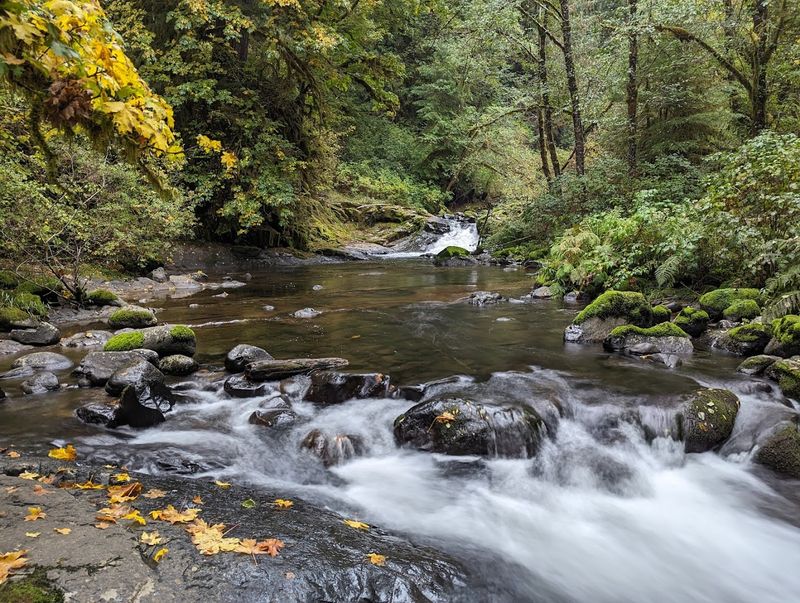
Sweet Creek Falls has a different personality depending on when you show up. Spring brings the creek to its fullest and most dramatic state, with snowmelt and heavy rain combining to push the water level high and the waterfalls into full roar.
The forest is intensely green during this season, and the contrast between the white water and the dark mossy rocks is at its most photogenic.
Summer shifts the mood toward something more relaxed and social. The creek drops to a swimmable level, the natural pools become gathering spots, and families spread out along the banks with packed lunches and water toys.
The shade from the canopy keeps temperatures comfortable even when surrounding areas feel hot.
Fall brings a quieter, more introspective version of the trail. Leaf color from the maples adds warm tones to the otherwise green palette, and the crowds thin out considerably.
Winter is the most challenging season for a visit, with icy roads, muddy trails, and limited daylight, but the creek runs full and moody in a way that has its own appeal. Each season genuinely offers something worth experiencing.
Trailhead Closures, Bridge Repairs, and Navigating the Current Layout
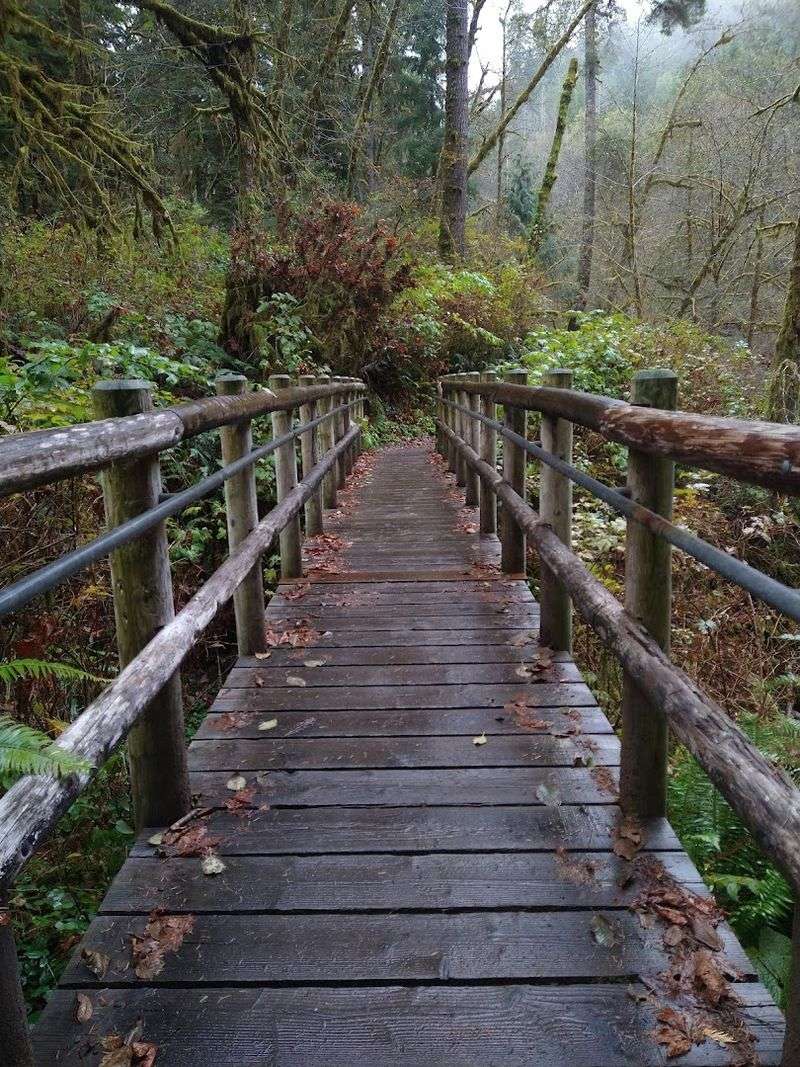
The trail system at Sweet Creek has seen some changes in recent years that are worth knowing about before you visit. The Homestead Trail section, which begins at the lower parking area, has experienced bridge damage and periodic closures that have interrupted the full through-hike experience.
A collapsed bridge on that section made it impassable for an extended period, though repair work has progressed.
Signage at the lower trailhead typically directs visitors to drive up the road to the upper lot when the lower section is closed or incomplete. That upper starting point provides access to the main falls area with a shorter walk of under half a mile, making it a practical alternative even when the full trail is available.
Rangers have been present at the entrance during closures to help redirect visitors.
The broken bridge on the Homestead section has been a recurring topic among recent visitors, with some reports indicating it has been repaired and others noting ongoing limitations. Checking the U.S.
Forest Service website or calling (541) 750-7000 before your visit gives you the most current trail status. Staying flexible with your route makes the whole experience much less frustrating and far more enjoyable.
Family Friendliness, Dogs, and Who the Trail Works Best For
Sweet Creek is a trail that works well for a wide range of visitors, but it does come with some important caveats for families. Older kids who are steady on their feet and comfortable with uneven terrain will have a genuinely great time here, especially if swimming is part of the plan.
Younger children and toddlers require close supervision given the lack of railings along many sections of the trail and the proximity to the creek.
Strollers are not suitable for this trail. The exposed roots, rocks, and narrow passages make wheeled anything a frustrating non-starter.
Baby carriers work much better for parents who want to bring very young children along for the experience.
Dogs are welcome on the trail, but leashes are required, and for good reason. The narrow sections make passing other hikers tricky enough without an off-leash dog adding to the mix.
The creek is a natural draw for dogs, and many owners let their pets wade in the shallower sections. The trail sees a healthy mix of solo hikers, couples, and families on any given weekend, giving it a friendly, communal energy that feels welcoming without feeling crowded.
The Siuslaw National Forest Connection and Why It Matters
Sweet Creek Falls Trailhead is managed by the Siuslaw National Forest, a 630,000-acre stretch of Pacific Coast forest that runs along the Oregon Coast Range. That federal management is part of why the trail is free to access, well-signed, and periodically staffed by rangers who genuinely care about the place.
The Forest Service connection also means the trail benefits from ongoing maintenance and conservation efforts, even if those projects occasionally cause temporary closures.
The Siuslaw forest is home to a rich ecosystem that includes old-growth Douglas-fir stands, Sitka spruce, western red cedar, and a dense understory of ferns and mosses. Sweet Creek itself supports native fish species, and water quality monitoring is an active part of ranger programs at the site.
That ecological awareness adds a layer of meaning to the hike that goes beyond just pretty scenery.
While many visitors come purely for the waterfalls and swimming, the broader forest context is worth appreciating. This is not a theme park version of nature but a functioning, protected ecosystem that has been shaped by rain, time, and the particular character of the Oregon Coast Range.
Respecting the trail and staying on the path helps keep it that way for everyone who follows.
Tips for Making the Most of Your Visit to Sweet Creek
A few practical habits will make your time at Sweet Creek Falls significantly better. Arriving early, ideally before ten in the morning on weekends, gives you the best shot at parking close to the trailhead and experiencing the trail before the crowds build up.
Midweek visits are the quietest option if your schedule allows.
Bringing water shoes or sandals with grip is one of the most consistently useful pieces of advice from experienced visitors. The creek is cold but swimmable from late spring through early fall, and having the right footwear means you can wade in without hesitation.
A dry bag or waterproof phone case is worth tossing in your pack if you plan to spend time near the water.
Leave valuables locked in your trunk or at home, as the area has seen vehicle break-ins in the past. Pack a lunch or snacks, since the nearest services are several miles away in Mapleton or Florence.
Trekking poles add real stability on the root-covered sections, especially for longer visits or when the trail is wet. A little preparation turns a good hike into a genuinely memorable one, and Sweet Creek Falls absolutely rewards the effort.
Share this story