Tucked away in the quiet town of Lincoln, Massachusetts, there is a place where art and nature refuse to stay in their separate corners. Massive sculptures rise from grassy hillsides, colorful installations peek through clusters of trees, and a sparkling pond sits just beyond the grounds like a reward for curious explorers.
This is not your typical museum where you whisper and shuffle past velvet ropes. Here, kids climb on roots, families spread out picnic blankets, and adults find themselves genuinely surprised by what waits around the next bend.
Whether you are an art lover, a nature walker, or just someone looking for a fresh way to spend a weekend afternoon, this place delivers something you will not easily forget.
Where to Find It: Address, Location, and Getting There
Most people who have not heard of deCordova Sculpture Park and Museum are genuinely surprised to learn it has been hiding in plain sight for decades. The park is located at 51 Sandy Pond Rd, Lincoln, MA 01773, a peaceful spot in Middlesex County that sits comfortably between Concord and Waltham.
Lincoln is a small, wooded town that does not announce itself loudly, which makes stumbling onto a world-class sculpture park there feel almost like finding a secret. The drive in takes you along winding roads shaded by tall trees, and the parking lot is spacious enough that arrival never feels stressful.
From Boston, the drive is roughly 30 to 40 minutes depending on traffic, making it an easy day trip without the exhausting haul. Public transportation options are limited, so a car is the most practical choice for most visitors.
If you are already planning a trip to nearby Lexington or Concord, adding deCordova to the itinerary is a no-brainer that adds real depth to your Massachusetts adventure.
The History Behind the Park and Its Unusual Origins
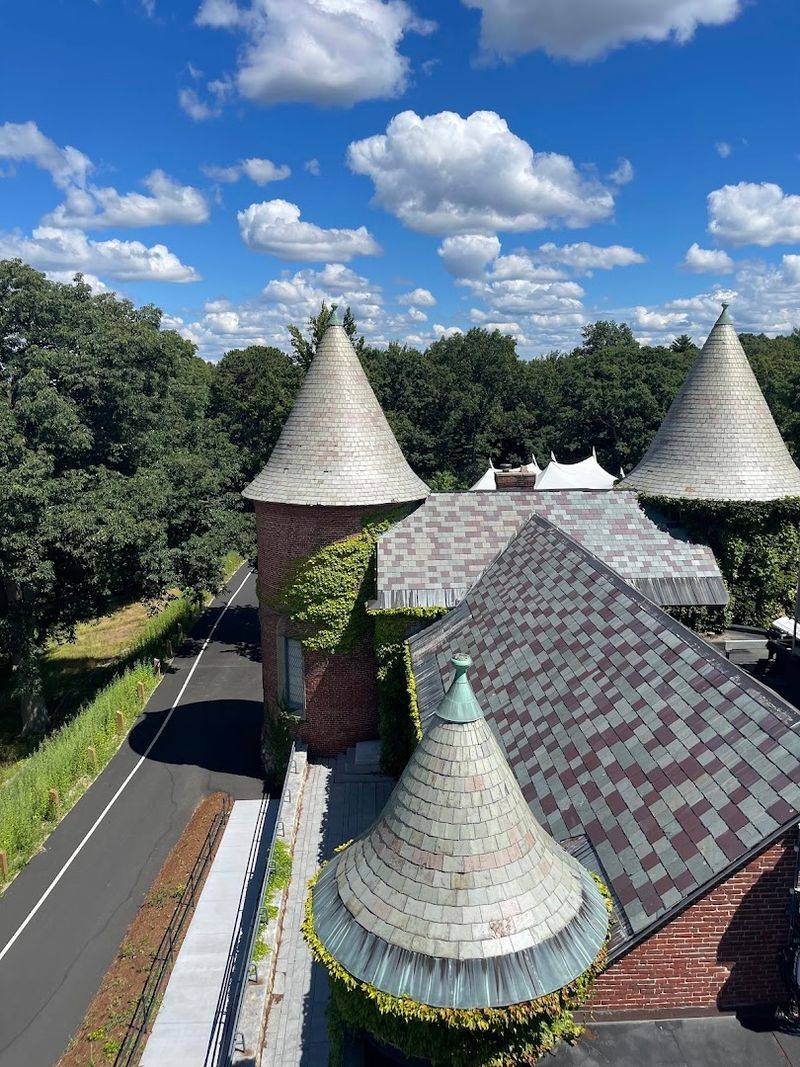
Julian de Cordova was a Boston merchant and collector who built his estate on this Lincoln hilltop in the early 1900s, filling it with art and surrounded by land that felt more like a private kingdom than a New England backyard. When he passed away, he left the property to the town of Lincoln with the intention that it become a public museum, a decision that shaped the cultural life of this region for generations.
The museum officially opened in 1950, and over the following decades it evolved from a traditional gallery space into something far more ambitious. The outdoor sculpture park grew steadily, with rotating and permanent installations that reflected the best of contemporary American art.
Today, deCordova is managed by The Trustees, a Massachusetts-based conservation and preservation organization that oversees historic and natural properties across the state. The connection to The Trustees gives the park a mission that goes beyond art alone, weaving together conservation, education, and community engagement.
That layered history gives every visit a sense of purpose that a typical art outing rarely provides.
Thirty Acres of Outdoor Sculpture That Actually Surprise You
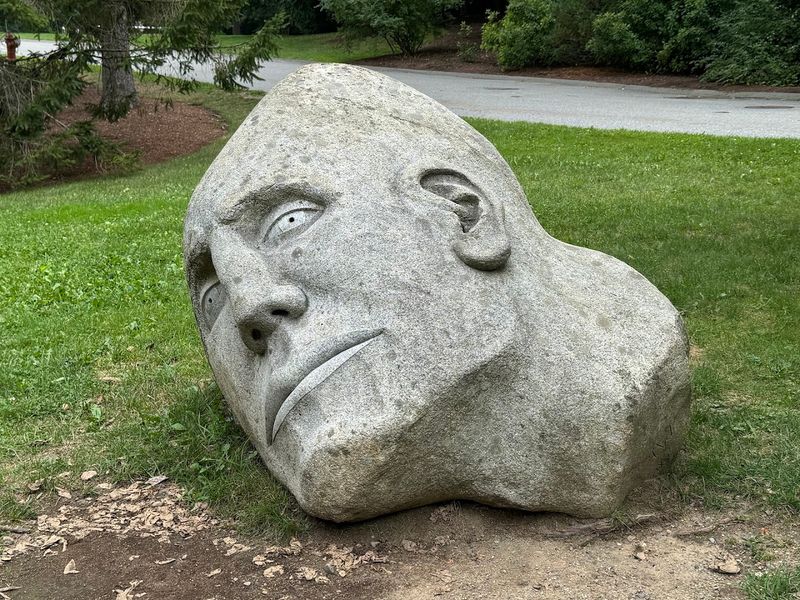
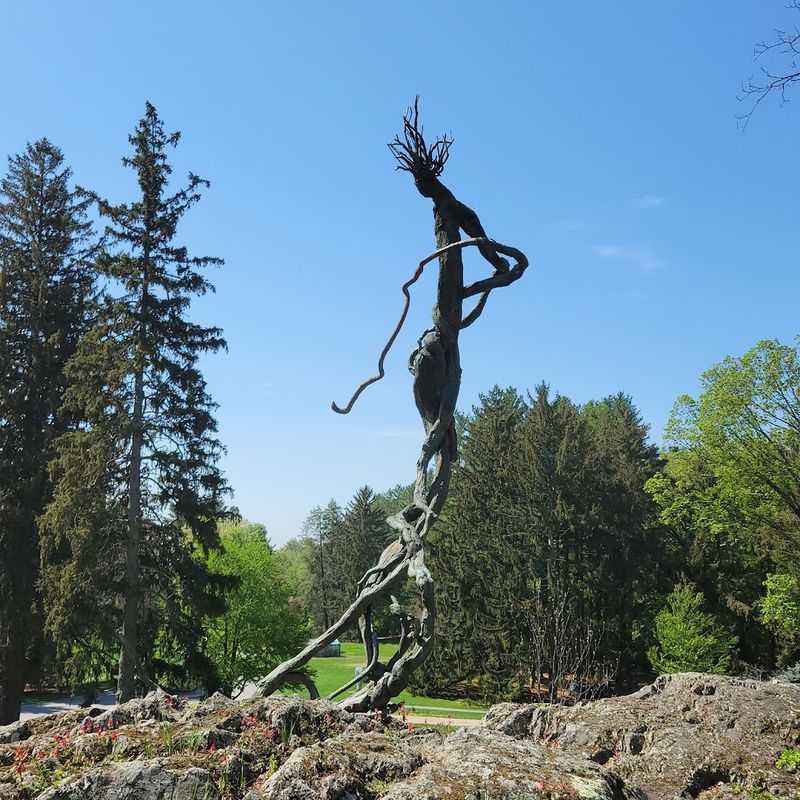
The outdoor sculpture park at deCordova covers 30 acres, and that number sounds impressive on paper until you actually walk it and realize how much ground that really is. Sculptures appear at unexpected angles, some perched on hilltops, others nestled between trees, and a few positioned near the pond’s edge where the reflections add an extra layer of visual interest.
The collection rotates regularly, so returning visitors often find new works where familiar ones once stood. That unpredictability keeps the experience fresh and rewards people who come back season after season.
Pieces range from towering steel structures to delicate glass installations that catch the afternoon light in ways that feel almost theatrical.
One fan favorite is the massive chime sculpture near the nursery school buildings, which invites visitors of all ages to interact with it directly. Another highlight is the European Beech tree near the entrance road, whose sprawling low-lying roots and branches create a canopy so thick it feels like a natural room.
The park manages to make art feel accessible, playful, and genuinely worth your full attention.
The Museum Building and What’s Inside
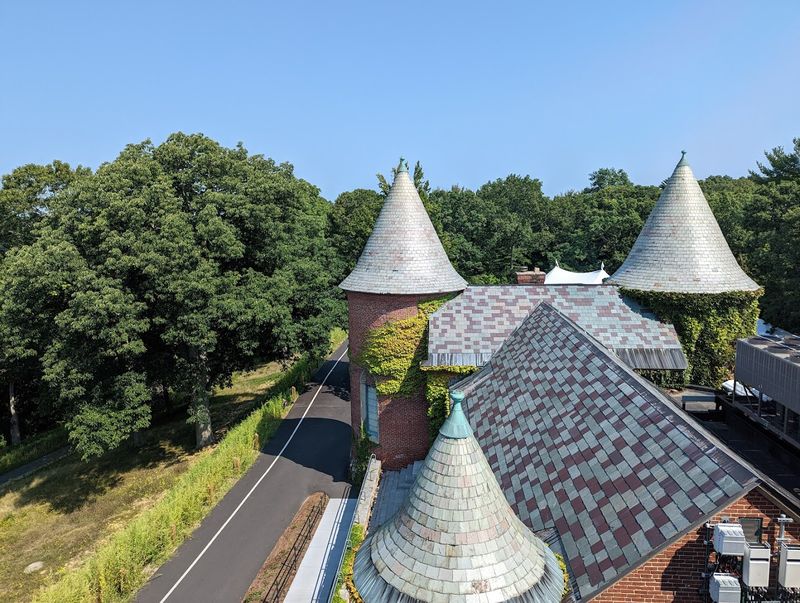
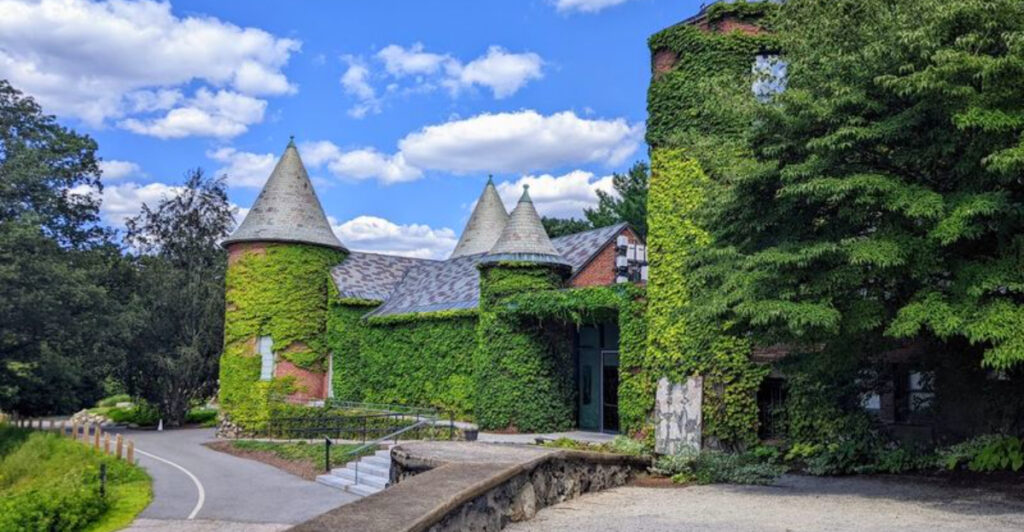
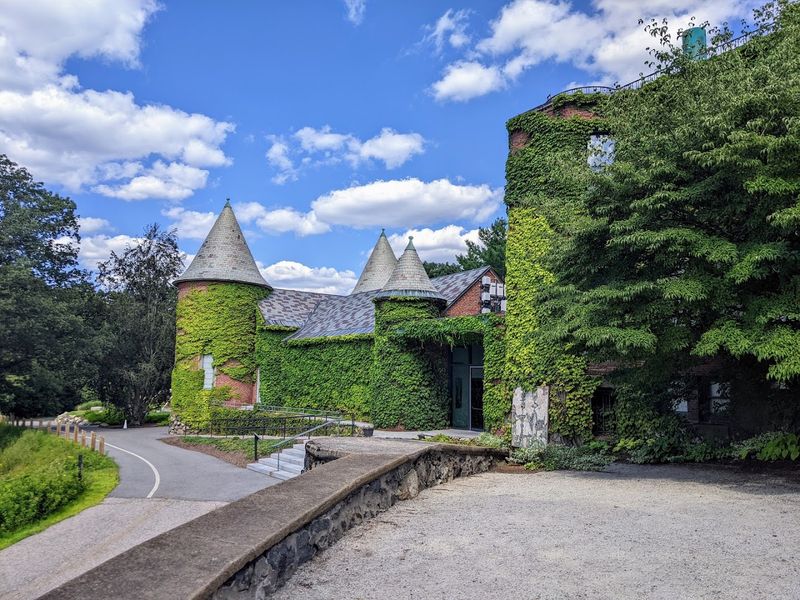
The main museum building at deCordova sits on the same hilltop as the sculpture park, housed in a stone structure that once served as Julian de Cordova’s private estate. The building itself has a quiet grandeur that feels appropriate for a space dedicated to serious contemporary art without being intimidating about it.
The indoor galleries focus on American contemporary and modern artists, with an emphasis on work that connects to New England in some way. Rotating exhibitions keep the programming dynamic, and the curatorial team has a reputation for taking creative risks that larger institutions might shy away from.
It is worth noting that the indoor museum underwent significant renovations in recent years and was temporarily closed to the public during that period. Visitors who arrived expecting full indoor access during the renovation period were occasionally disappointed, so checking the museum’s current hours and renovation status before your visit is genuinely good advice.
The website at thetrustees.org/place/decordova has up-to-date information, and a quick call to the museum at 781-259-8355 can confirm what is open on any given day.
Flints Pond and the Natural Beauty That Frames Everything
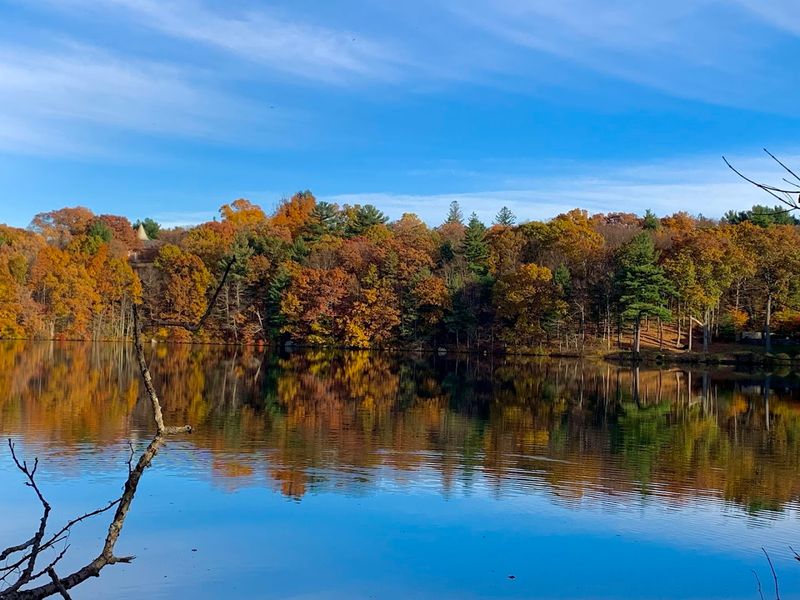
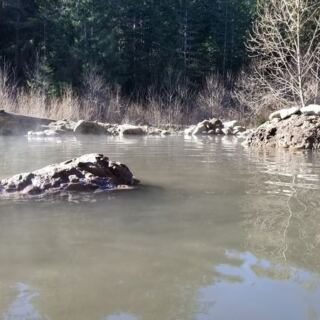
One of the most underappreciated parts of a visit to deCordova is the proximity to Flints Pond, the body of water that sits near the park’s grounds and adds a layer of natural beauty that no sculpture could replicate on its own. The pond catches the light differently depending on the time of day, and in the late afternoon it turns a shade of gold that makes even casual visitors stop walking and just look.
The surrounding landscape features open meadows, stands of mature trees, and gentle slopes that make the whole property feel like a nature preserve as much as a cultural institution. Wildflowers appear throughout the warmer months, and the grounds attract a surprising variety of birds that add soundtrack to the visual experience.
Families who bring blankets and picnic lunches often settle near the pond’s edge, where the combination of water, sky, and art creates an atmosphere that is genuinely hard to manufacture. The Flints Pond Trail is also accessible nearby, giving hikers an extension of the outdoor experience after they finish touring the sculpture park.
Nature and art share space here in a way that feels completely unforced.
A Perfect Spot for Families With Kids of All Ages
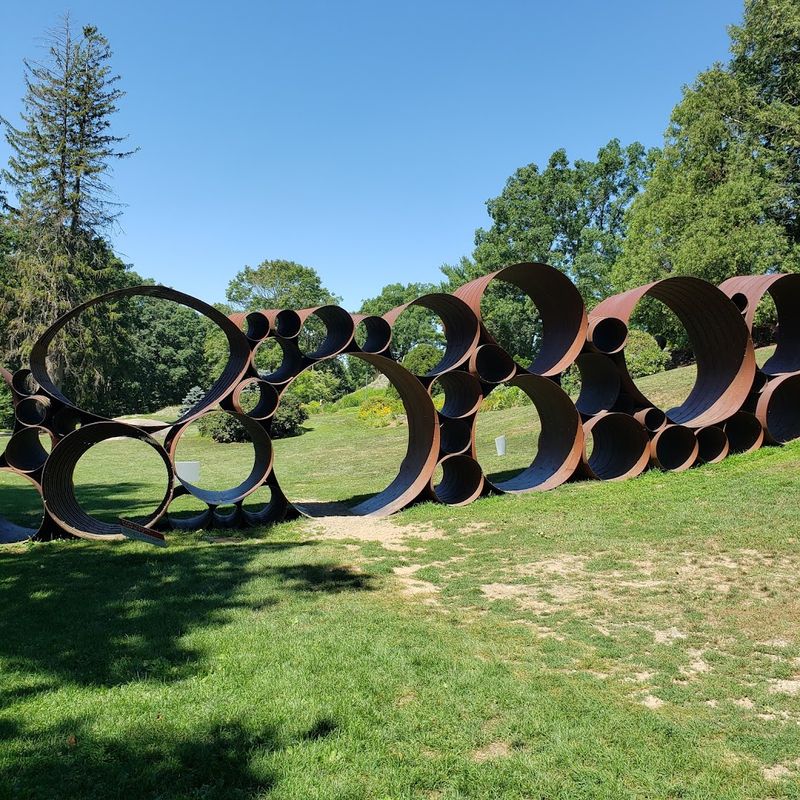
Few art destinations in New England are as genuinely kid-friendly as deCordova, and that reputation is earned rather than just marketed. The open grounds give children room to run, explore, and burn energy in ways that a traditional museum simply cannot allow.
Parents do not spend their visit nervously chasing toddlers away from fragile objects.
The sculptures themselves tend to spark curiosity in younger visitors. Some pieces are large enough to walk around or partially climb, and the interactive chime sculpture near the nursery school buildings is a consistent crowd-pleaser for children who want to participate rather than just observe.
Even a ten-year-old with no particular interest in art tends to find something here that holds attention.
The terrain varies from smooth paths to gravel trails, so stroller-friendly routes exist but parents of very young children may want to bring a hiking backpack carrier for the rougher sections. Bathrooms on the grounds are reported to be clean and well-maintained, which is a practical detail that matters enormously to families planning a multi-hour visit.
All of this adds up to a place where both kids and adults leave genuinely satisfied rather than just relieved it is over.
The Cafe and Gift Shop Worth Sticking Around For
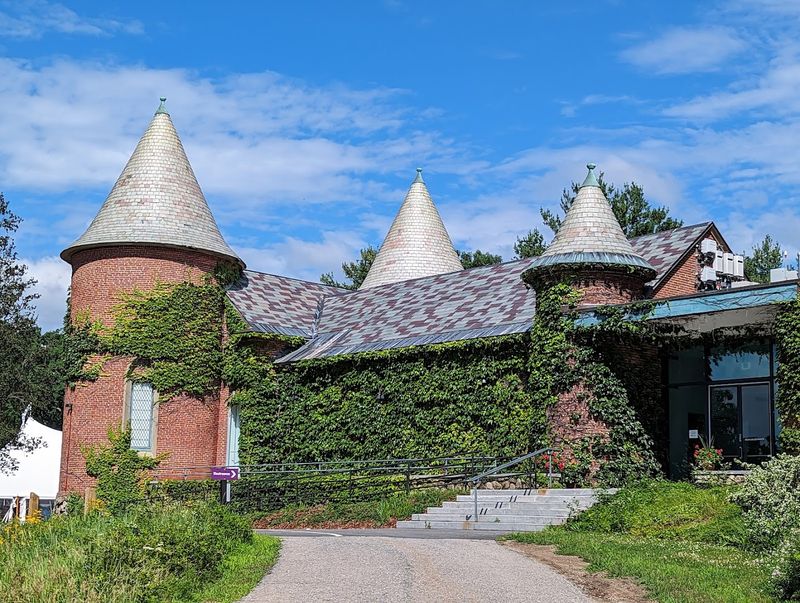
After a few hours of walking the grounds, the cafe at deCordova becomes one of the most welcome sights on the property. The small but well-stocked space offers sandwiches, breakfast items, coffee, and enough variety to satisfy most visitors who did not pack their own lunch.
Both indoor and outdoor seating options are available, and the courtyard seating area has a relaxed atmosphere that encourages lingering.
The cafe has a reputation for being a solid warm-up stop on cooler days, when a hot drink after a brisk walk through the sculpture park feels like a genuine reward. The food is straightforward and reasonably priced, which is a refreshing contrast to the overpriced mediocrity that plagues museum cafes at larger institutions.
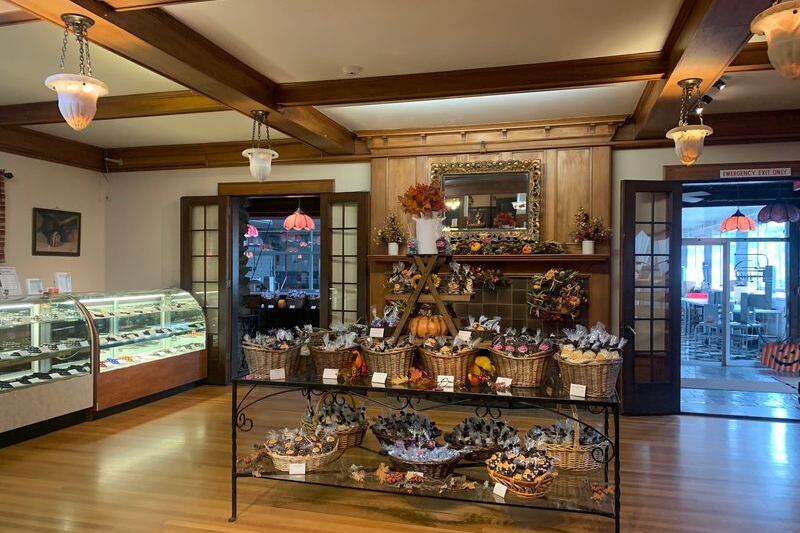
The gift shop sits nearby and consistently draws praise for its thoughtful selection of locally made goods. Cards, art prints, jewelry, puzzles, and posters are all represented, with price points that span a wide range so visitors are not locked into spending a lot to leave with something special.
Staff throughout the museum and shop are consistently described as friendly and helpful, which sets a welcoming tone from the moment you arrive.
Seasonal Visits and the Best Times to Go
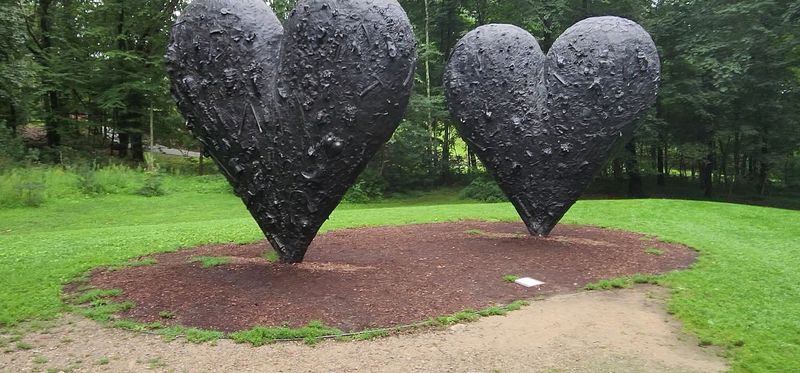
Every season at deCordova brings a different version of the same place, and that variety is one of the strongest arguments for coming back more than once. Fall is particularly striking, when the sculptures stand against a backdrop of New England foliage that shifts from green to amber to deep red over the course of a few weeks.
A sunny October afternoon here is genuinely hard to beat.
Spring and summer bring wildflowers, longer daylight hours, and the kind of warm-weather energy that makes outdoor exploration feel effortless. Summer weekends can get busy, and the grounds offer limited shade in some areas, so arriving before noon on a hot day is a practical move that improves the experience noticeably.
Winter visits are possible and the park has hosted snowshoeing in past seasons, though trail access can be limited depending on conditions near the reservoir. Weekday visits tend to be quieter than weekends regardless of the season, which allows for a more unhurried pace through the grounds.
The museum is open Wednesday through Sunday, closing on Mondays and Tuesdays, so planning around that schedule prevents any unwelcome surprises at the gate.
Admission, Hours, and Practical Visitor Tips
The park operates on a seasonal schedule, generally open Wednesday through Friday from 10 AM to 4 PM, and Saturday through Sunday from 10 AM to 5 PM. Mondays and Tuesdays are closed, which is an easy detail to overlook when planning a spontaneous visit mid-week.
The museum’s phone number is 781-259-8355, and the website at thetrustees.org/place/decordova is the most reliable source for current hours and admission pricing.
Admission to the sculpture park is priced accessibly compared to many comparable cultural destinations in the region. During renovation periods when the indoor museum was closed, the admission covered only the outdoor park, which some visitors felt was worth noting before arrival.
Grabbing a map at the entrance is genuinely recommended, as the 30-acre grounds can feel disorienting without one.
Parking is free and plentiful, which removes one of the most common headaches associated with Massachusetts day trips. Restroom facilities exist on the grounds but are limited in number, so planning accordingly is a smart move for families or anyone spending more than two hours exploring.
Overall, the practical side of a visit here is well-organized and visitor-friendly without feeling overly managed or corporate.
Art That Sparks Conversations and Makes You Think
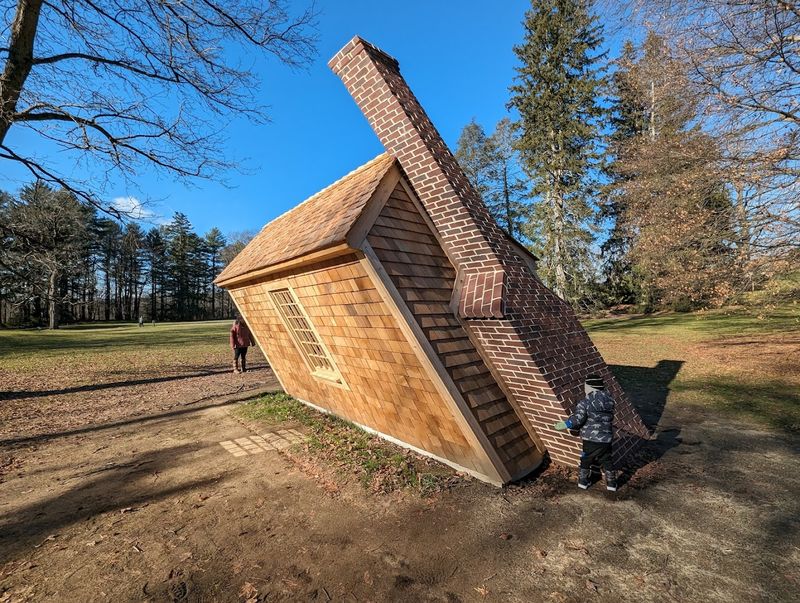
Some of the most talked-about pieces at deCordova are the ones that feel like they are trying to say something specific about the world. A leaning replica of Thoreau’s cabin, for example, is positioned to suggest the weight of environmental pressure bearing down on a symbol of simple living.
That kind of conceptual layering gives visitors something to chew on long after they leave the grounds.
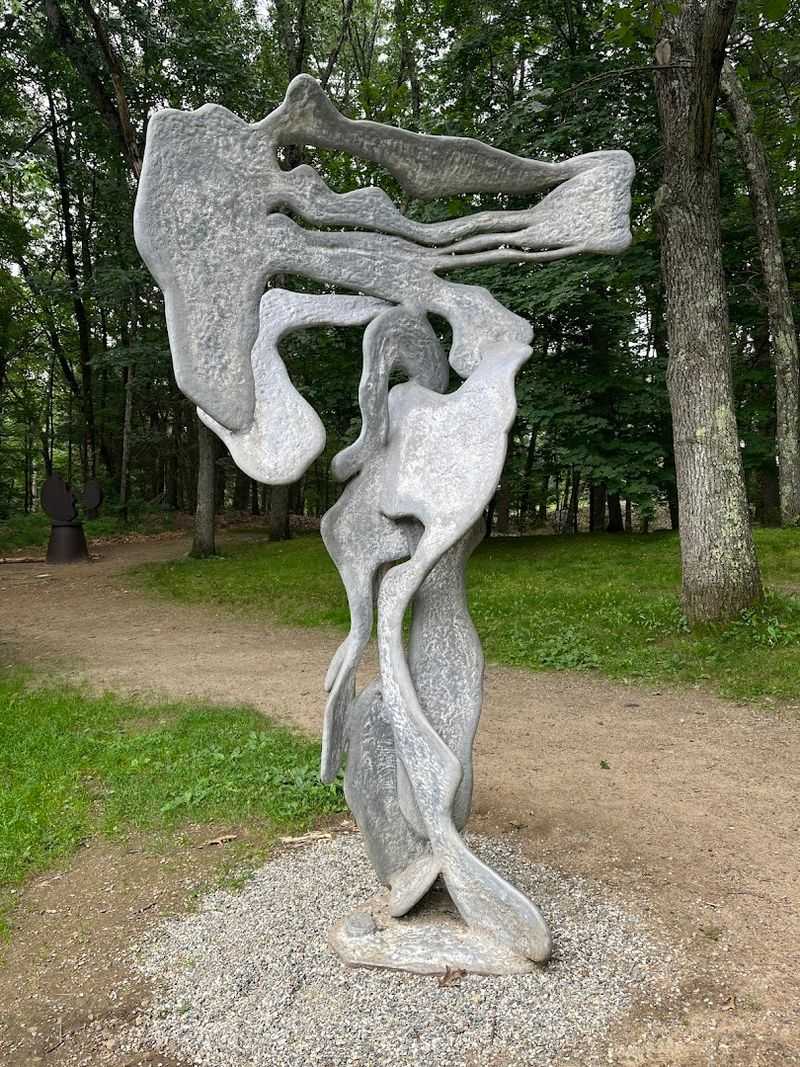
Other sculptures play more directly with perception, using reflective surfaces, transparency, and shifting dimensions to create experiences that change depending on where you stand. These are the pieces that prompt visitors to crouch down, step sideways, and tilt their heads in ways that feel slightly ridiculous but are completely worth it.
The diversity of styles across the collection means that no single artistic philosophy dominates the park. Abstract forms sit near figurative works, large-scale installations share hillsides with quieter, more intimate pieces.
That range is deliberately curatorial, and it succeeds in making the park feel like a genuine conversation rather than a monologue. Visitors who come expecting to feel confused by contemporary art often leave surprised by how much of it actually resonated with them personally.
The Park as a Wedding and Event Venue
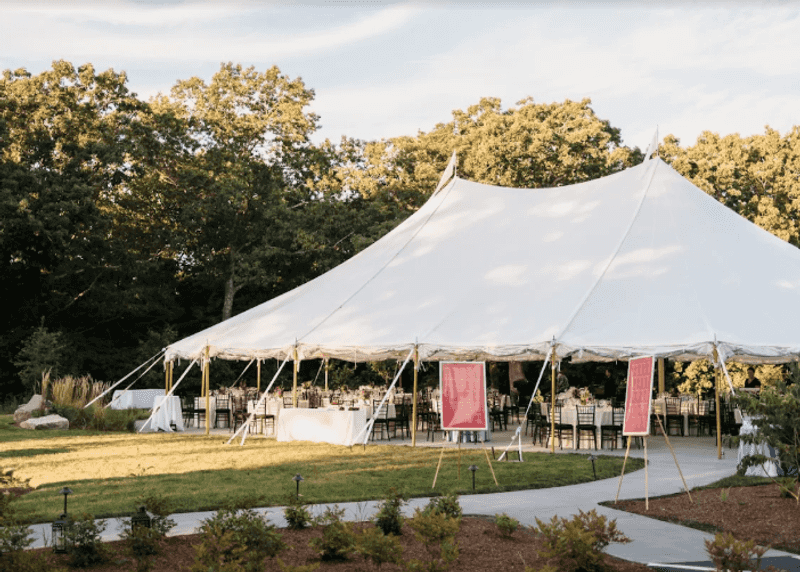
Beyond its role as a public art destination, deCordova has built a strong reputation as one of the most visually distinctive event venues in eastern Massachusetts. The combination of manicured grounds, dramatic sculptures, and natural pond views creates a setting that photographers consistently describe as a dream to work with.
Every corner of the property offers a different backdrop, which gives event planners enormous creative flexibility.
Weddings held here benefit from the unique atmosphere in ways that a traditional banquet hall simply cannot replicate. The sculptures serve as conversation pieces, the grounds provide natural separation between different event zones, and the overall aesthetic is sophisticated without feeling stuffy or formal.
The venue coordination team at deCordova has earned consistently strong praise for their organizational skills and attentiveness to detail, which matters enormously when an event has many moving parts. The non-profit status of the institution also means that booking an event here supports arts programming and conservation work, which adds a feel-good dimension to an already appealing choice.
For couples or organizations looking for something genuinely different in the Massachusetts event landscape, deCordova is a compelling option that rewards a closer look.
Why This Place Deserves More Attention Than It Gets
There are places in every state that punch well above their weight in terms of what they offer versus how widely they are known, and deCordova fits that description almost perfectly. With a 4.7-star rating across more than 2,000 reviews, the park has clearly made a strong impression on the people who have found it.
The challenge is that not enough people have found it yet.
Part of what makes deCordova worth championing is its refusal to be just one thing. It is an art museum, a sculpture park, a nature walk, a picnic destination, a family outing, and an event venue all at once.
That versatility means it can genuinely serve a wide range of visitors without feeling like it is trying too hard to please everyone.
The park also benefits from its connection to The Trustees, an organization with deep roots in Massachusetts conservation that brings institutional credibility and long-term vision to the property. Much like how Oklahoma has its own network of underappreciated natural and cultural sites that reward curious travelers, Massachusetts has deCordova quietly waiting for more people to show up and be amazed.
The pond is still there, the sculptures keep rotating, and the grounds remain one of the finest free-spirited spaces in all of New England.
Share this story