Hollywood has a way of turning ordinary people into overnight sensations, but it also has a talent for making those same people disappear just as fast. Some actors burst onto the scene with roles that had everyone talking, only to find that the spotlight can be a pretty uncomfortable place to live.
I remember watching Home Alone as a kid and thinking Macaulay Culkin would be in movies forever. The stories behind these 15 actors remind us that fame is fragile, and Hollywood does not always play fair.
Jake Lloyd
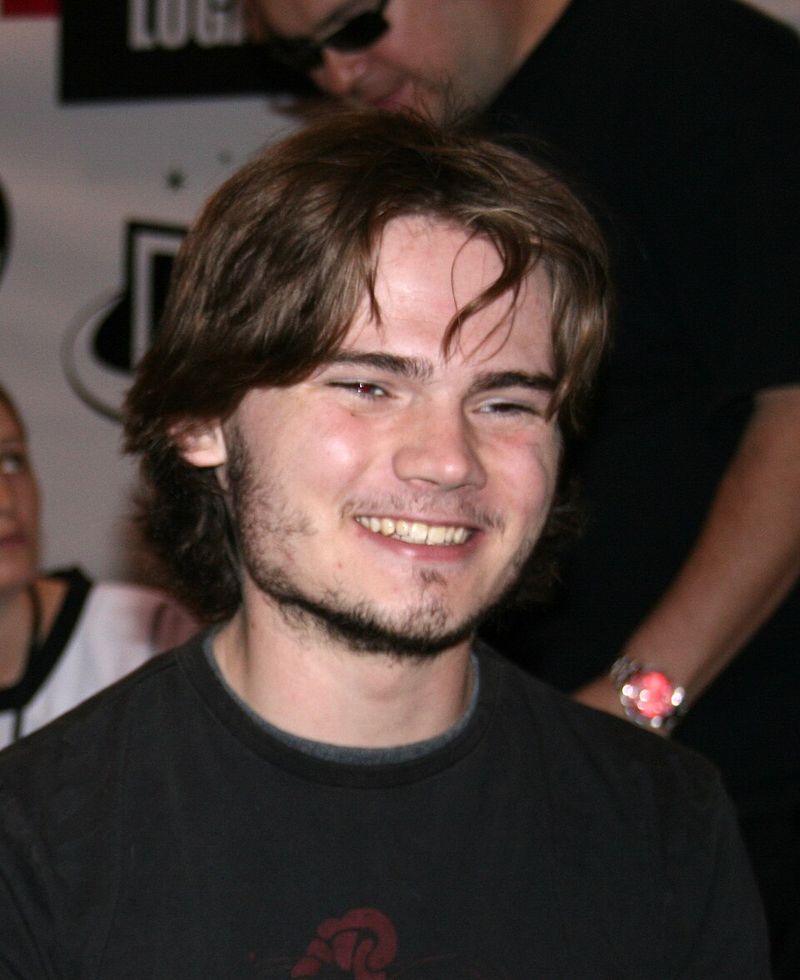
Nobody warned Jake Lloyd that playing young Anakin Skywalker would be more burden than blessing. He landed the role of a lifetime in Star Wars: Episode I at just eight years old, and the world watched closely.
Unfortunately, the film got hammered by critics, and Lloyd took the heat personally.
Schoolmates reportedly teased him relentlessly, mimicking lightsaber sounds and making his daily life miserable. That kind of pressure would crack most adults, let alone a child.
He retired from acting at ten and later spoke about the serious toll fame took on his mental health.
Lloyd was eventually diagnosed with schizophrenia, and his family has been open about his ongoing struggles. His story is not just sad, it is a serious wake-up call about how Hollywood treats its youngest stars.
Child actors deserve protection, not a spotlight that burns them alive before they even hit middle school.
Jonathan Taylor Thomas
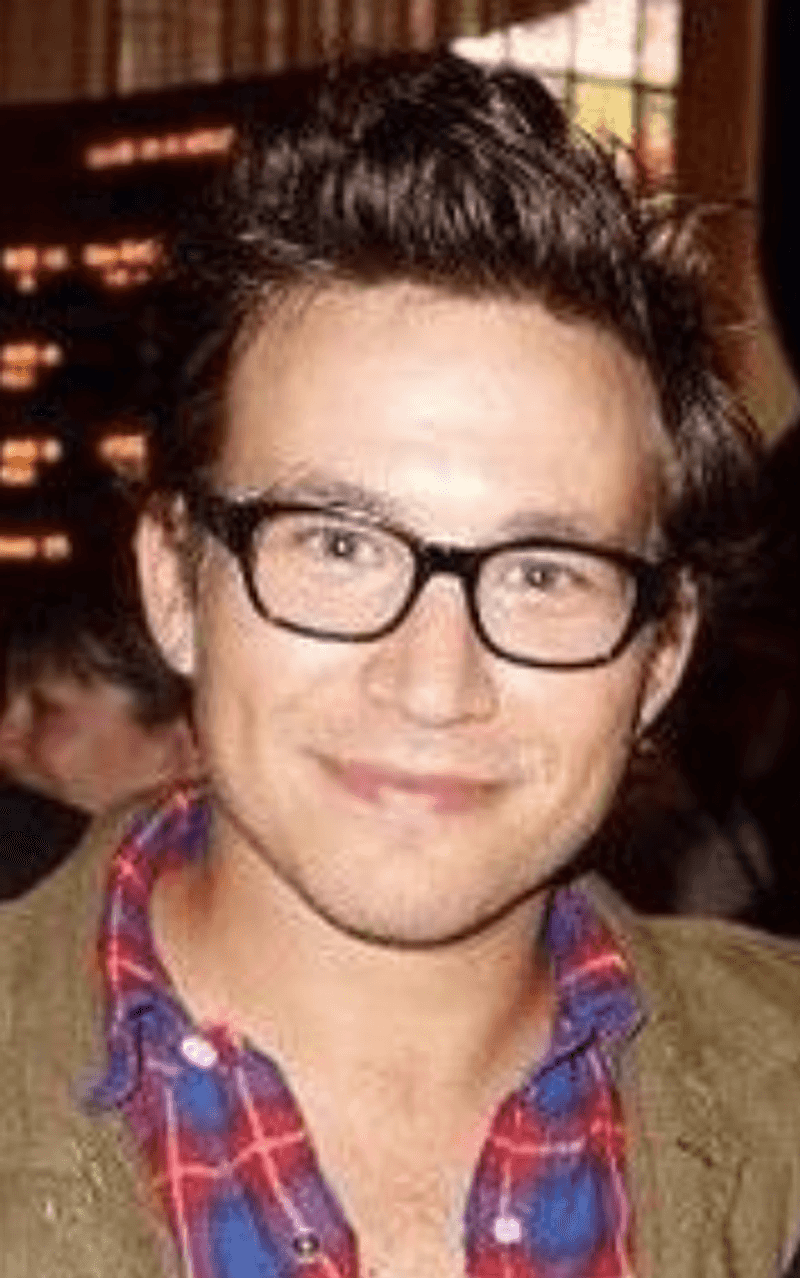
Back in the 1990s, Jonathan Taylor Thomas was basically the poster boy for every teenager’s bedroom wall. He played Randy Taylor on Home Improvement and voiced young Simba in The Lion King, which meant he was both on TV and in cinemas at the same time.
That is a rare double win.
Rather than riding that wave into blockbuster territory, JTT quietly chose Harvard over Hollywood. He stepped back from constant filming, focused on education, and lived a relatively private life.
His decision surprised fans who expected him to dominate the big screen well into adulthood.
He made occasional returns to acting, including a guest appearance on Home Improvement years later. But the teen-idol momentum never fully rebooted.
Some people called it a waste of talent. Others called it a smart escape from an industry that often chews up young stars and spits them out before their twenties.
Macaulay Culkin
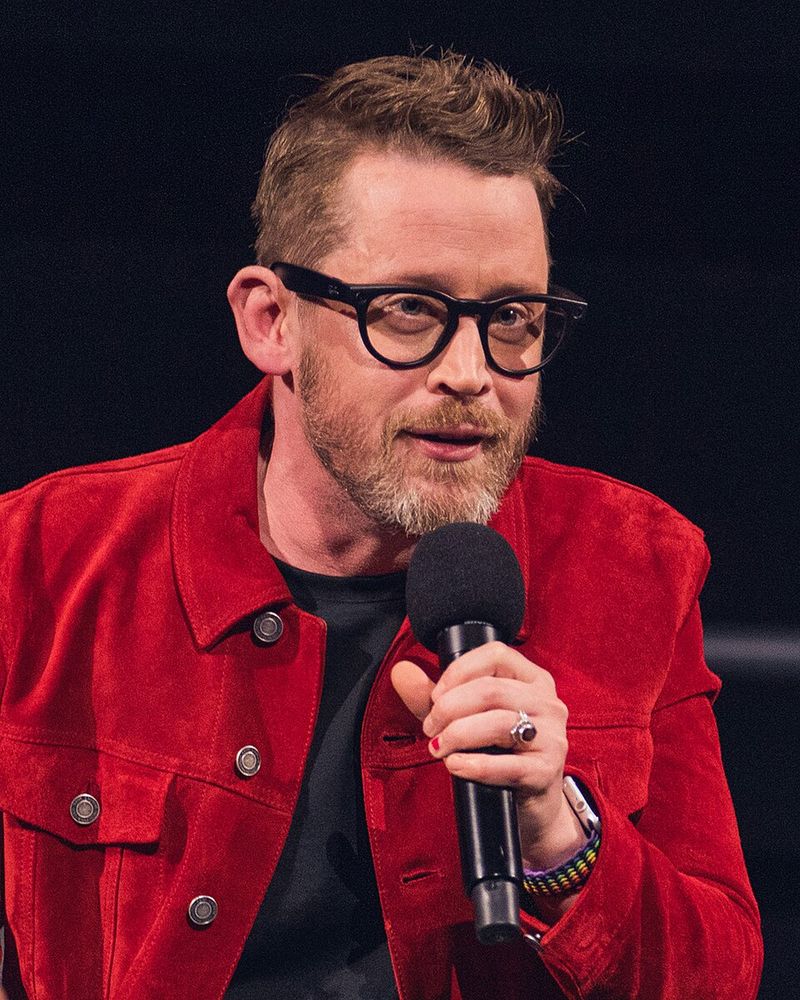
Few child actors have ever hit the cultural jackpot quite like Macaulay Culkin did with Home Alone in 1990. That movie made him the highest-paid child actor in history at the time, which sounds great until you realize how much pressure that puts on a kid who should be worrying about homework.
By his mid-teens, Culkin had quietly stepped away from Hollywood. His parents had a very public falling-out over his earnings, and the whole situation became a tabloid circus.
He took a long break, and when he returned to acting, the blockbuster offers had mostly dried up.
Culkin has since leaned into his cult status with humor and self-awareness, even appearing in Ryan Murphy projects and running a satirical pop culture website. He seems genuinely happy now, which honestly matters more.
Still, his career arc remains a textbook case of childhood stardom peaking way too early and never quite recovering its original altitude.
Corey Haim
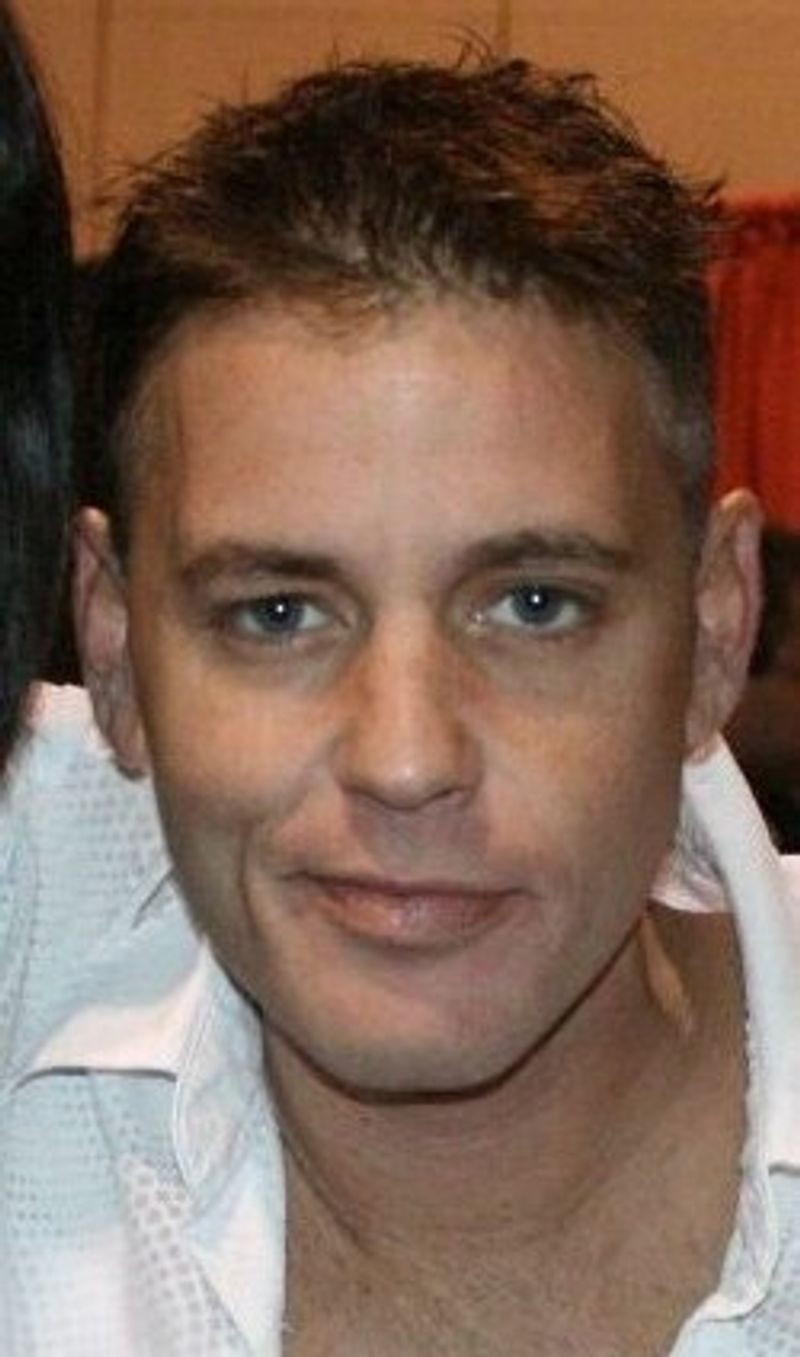
Corey Haim had the kind of charisma that made 1980s audiences completely forget they were watching a movie. The Lost Boys, Lucas, and License to Drive turned him into one of the decade’s biggest teen idols.
He had the looks, the charm, and the talent to back it all up.
Sadly, substance abuse crept in early and never really let go. The roles got smaller, the opportunities got thinner, and Haim found himself cycling through a painful pattern of attempted comebacks followed by setbacks.
He and his friend Corey Feldman even starred in a reality show together, which showed how far both had fallen from their 1980s peak.
Haim died in 2010 at just 38 years old, leaving behind a filmography that hints at what could have been a truly remarkable career. His story is a heartbreaking reminder that talent alone cannot protect a young person from the darker sides of Hollywood life.
Corey Feldman
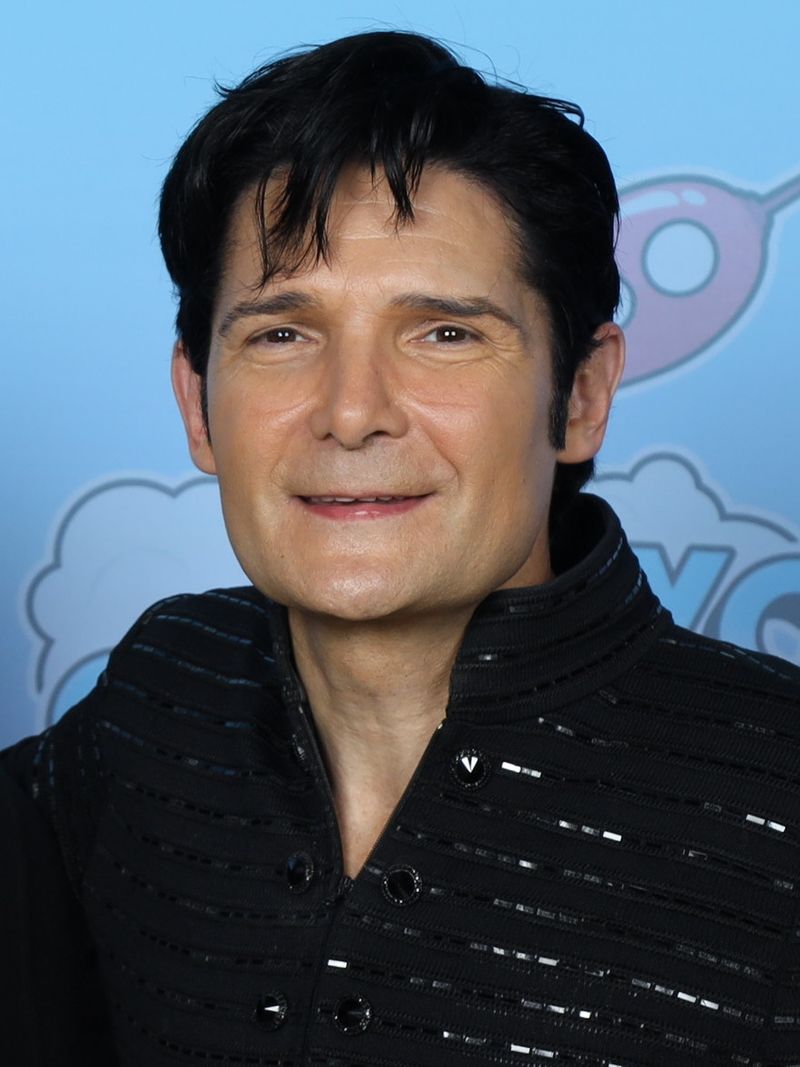
Corey Feldman was practically a one-man 1980s movie franchise. The Goonies, Stand by Me, Gremlins, The Lost Boys, and more.
He showed up in so many beloved films that it felt like he was in every VHS tape at the rental store. That is not an exaggeration, that is just his filmography.
Transitioning into adult roles proved much harder. The blockbuster offers slowed down, and Feldman found himself navigating a Hollywood that had already moved on to the next generation of young stars.
He kept working, but the mainstream spotlight shifted away.
What Feldman did with that platform, though, deserves real credit. He became one of the most vocal advocates for child actor safety, speaking openly about abuse he claims to have experienced in the industry.
Whatever you think of his music career, his courage in speaking out has made a genuine difference in how people view Hollywood’s treatment of young performers.
Tara Reid
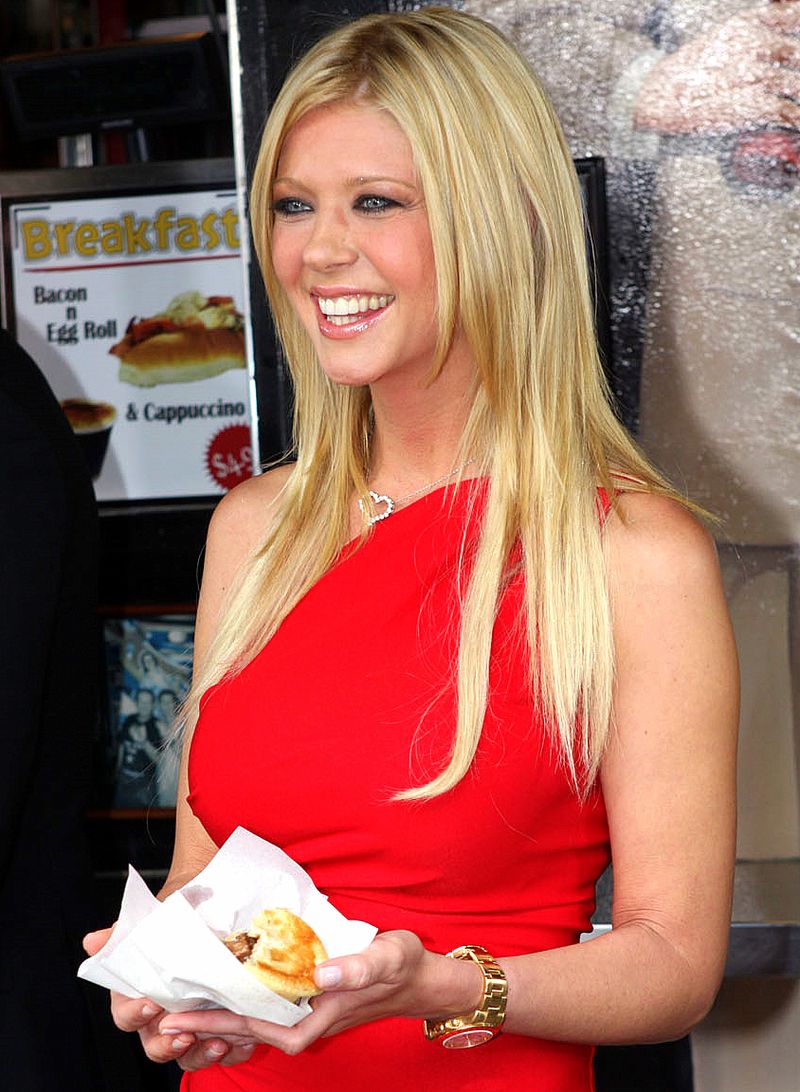
Tara Reid walked into 1999 with two major films and what looked like an unstoppable career ahead of her. American Pie made her a household name, and her supporting roles in Urban Legend and The Big Lebowski showed she could handle different genres with ease.
Hollywood seemed to be handing her the keys.
Then the tabloids came knocking, and they would not leave. Her personal life became gossip column fodder, and the party-girl image stuck like gum to a shoe.
Serious film roles became harder to secure when the headlines kept overshadowing the actual work.
Tara Reid found an unexpected second life with the Sharknado franchise, which became a beloved cult phenomenon. It is campy, it is ridiculous, and she clearly had fun with it.
Her willingness to embrace the absurdity actually earned her a whole new audience. Not every faded star gets a second chapter, so at least hers came with flying sharks.
Pauly Shore
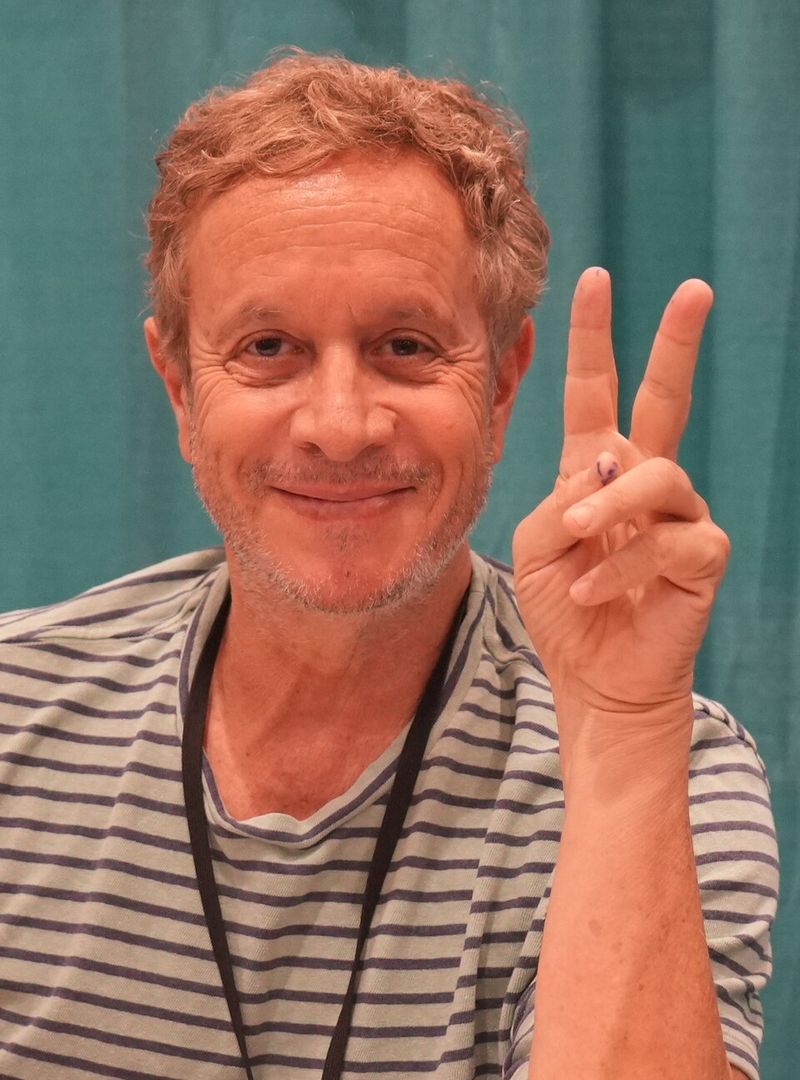
Pauly Shore was the living embodiment of early 1990s MTV culture, and for a few glorious years, that was exactly what audiences wanted. Encino Man, Son in Law, and Bio-Dome turned his surfer-dude persona into box office gold.
He had a whole lane, and for a moment, that lane was packed with fans.
Comedy is brutally trend-dependent, and Shore’s specific brand of humor had a short shelf life. By the mid-1990s, tastes shifted, and the mainstream movie offers stopped coming.
His style felt dated almost overnight, which is one of the crueler tricks Hollywood plays on comedic performers.
Shore never disappeared entirely. He continued touring, performing stand-up, and making independent projects.
He has also shown a surprisingly sharp self-awareness about his own career arc, which makes him more likable than his critics expected. There is something genuinely respectable about someone who keeps performing simply because they love it, audience size be darned.
Sean Young
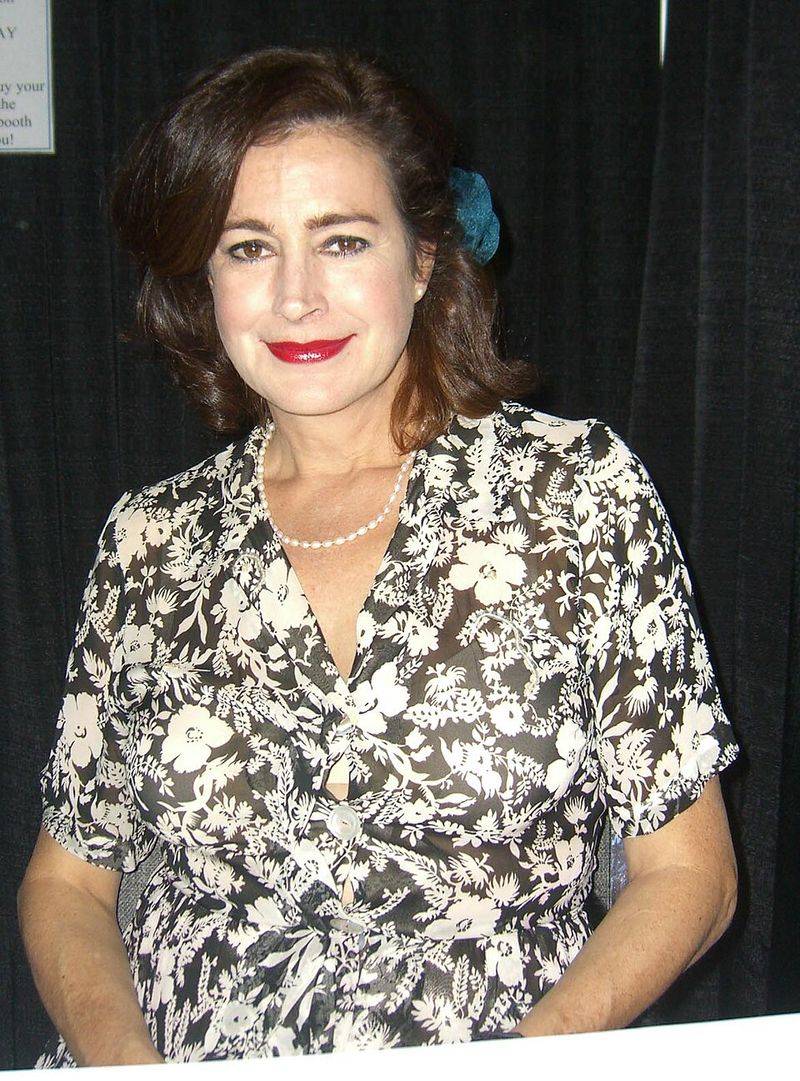
Sean Young showed up in Blade Runner looking like a star who was about to take over Hollywood, and nobody disagreed. Her performance as Rachael opposite Harrison Ford was cool, controlled, and genuinely captivating.
The film became a sci-fi classic, and Young seemed destined for major things.
What followed was one of Hollywood’s most puzzling career trajectories. There were reports of difficult behavior on sets, a controversial stunt involving a Batman costume, and a general reputation that made studios hesitant.
Talent was never the question. Perception became the problem.
She kept acting in films and television throughout the years, but the A-list momentum never materialized the way her Blade Runner debut suggested it would. Hollywood has a long memory for off-set drama and a short one for actual talent, which is genuinely unfair.
Sean Young remains proof that a single iconic role does not guarantee the career you deserve.
Mena Suvari
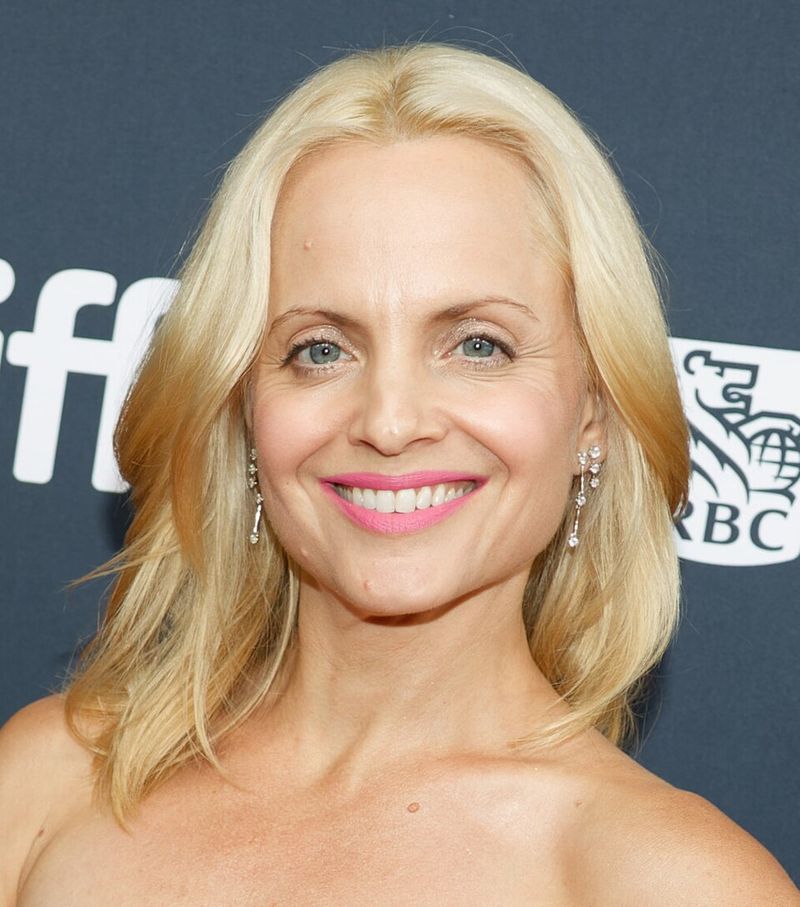
In 1999, Mena Suvari had one of the most impressive years any young actress could ask for. She appeared in both American Pie and American Beauty within the same calendar year, two films that became cultural touchstones almost immediately.
Critics noticed her, audiences remembered her, and Hollywood seemed ready to make her a decade-defining star.
The follow-up roles did not quite match that extraordinary launch. She continued working steadily in film and television, but the projects skewed smaller and the mainstream attention gradually faded.
Landing two iconic films simultaneously created expectations that were nearly impossible to sustain.
Suvari has spoken honestly in interviews about the pressures and personal struggles she faced during her peak years, including difficult relationships and self-image issues. Her memoir revealed a life far more complicated than her glossy early career suggested.
She remains active as an actress, and her story adds important context to how Hollywood’s golden moments can mask a lot of personal turbulence underneath.
Shannen Doherty
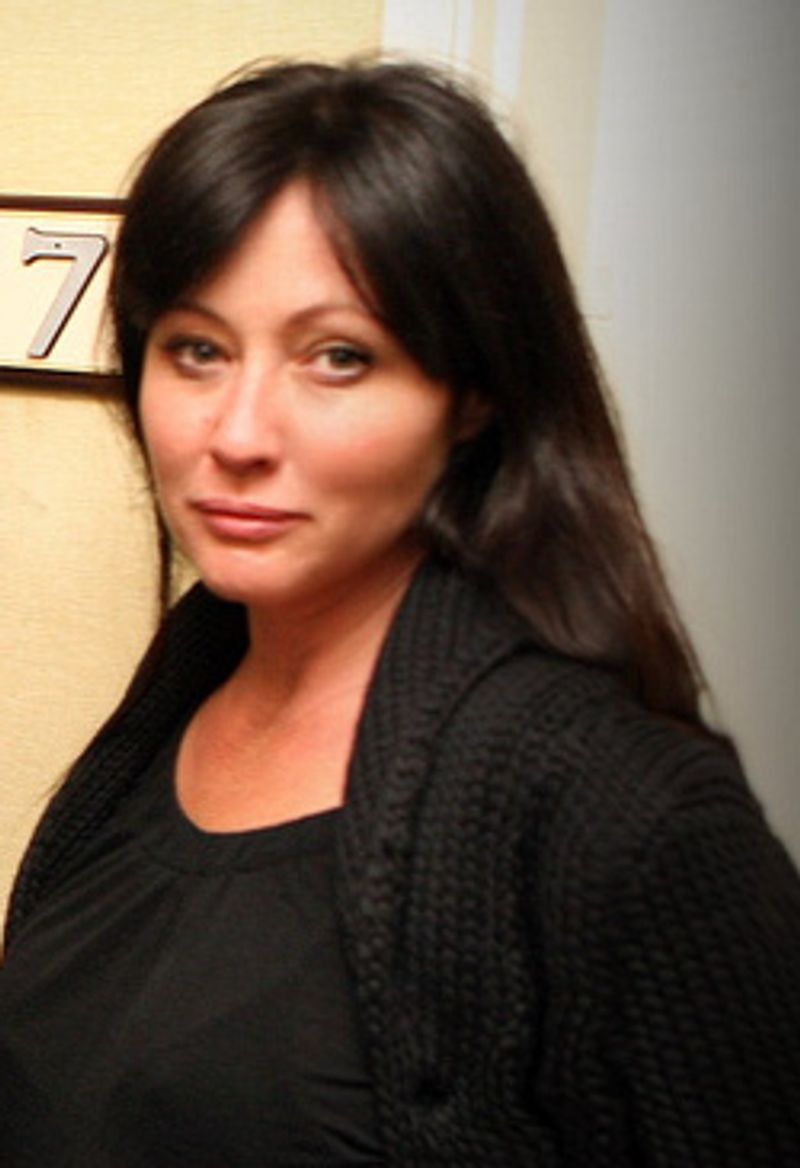
Shannen Doherty defined a certain kind of 1990s cool that nobody else quite pulled off. Beverly Hills, 90210 made her a household name, and Charmed gave her a second wave of devoted fans who loved her all over again.
She had range, presence, and a screen magnetism that genuinely set her apart.
Off-screen stories about clashes with co-stars and producers followed her throughout her career and shaped how Hollywood saw her professionally. Whether those stories were fair or exaggerated, they stuck.
Getting fired from both 90210 and Charmed became the narrative that overshadowed her considerable talent.
Doherty later faced a very public and courageous battle with breast cancer, sharing her journey with remarkable openness and dignity. She died on July 13, 2024, at age 53, and the outpouring of love from fans was enormous.
Her television legacy is real, lasting, and worth celebrating far more than the tabloid headlines that once tried to define her.
Brad Renfro
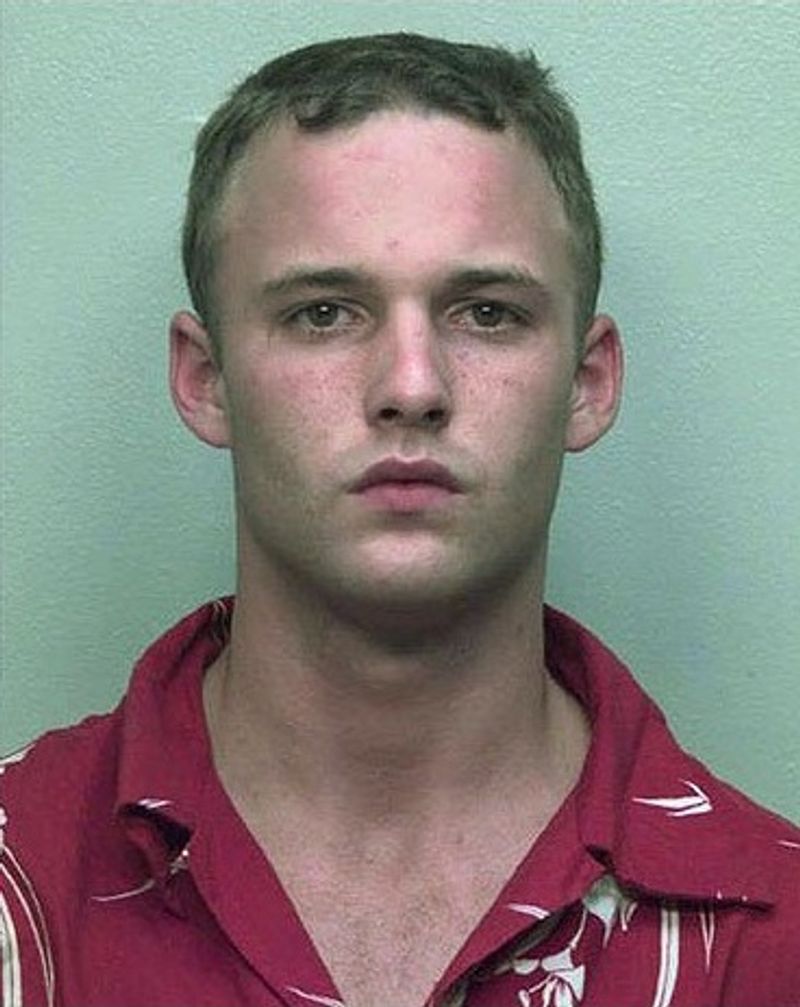
Brad Renfro walked onto a film set for the first time at age ten with zero acting experience, and somehow delivered a performance in The Client that made everyone in Hollywood sit up straight. Opposite Susan Sarandon and Tommy Lee Jones, this kid held his own.
That kind of raw talent does not come along often.
His teenage years brought serious legal troubles and a well-documented struggle with drug addiction that derailed what should have been a thriving career. The roles became fewer, the opportunities narrowed, and the industry that had celebrated him so loudly went quiet.
Renfro died in January 2008 at just 25 years old, and his passing was heartbreakingly overshadowed by Heath Ledger’s death just days later. He deserved more attention, more support, and more chances than he received.
His early work still holds up beautifully, which makes the what-could-have-been feeling hit even harder every time you watch it.
Haley Joel Osment
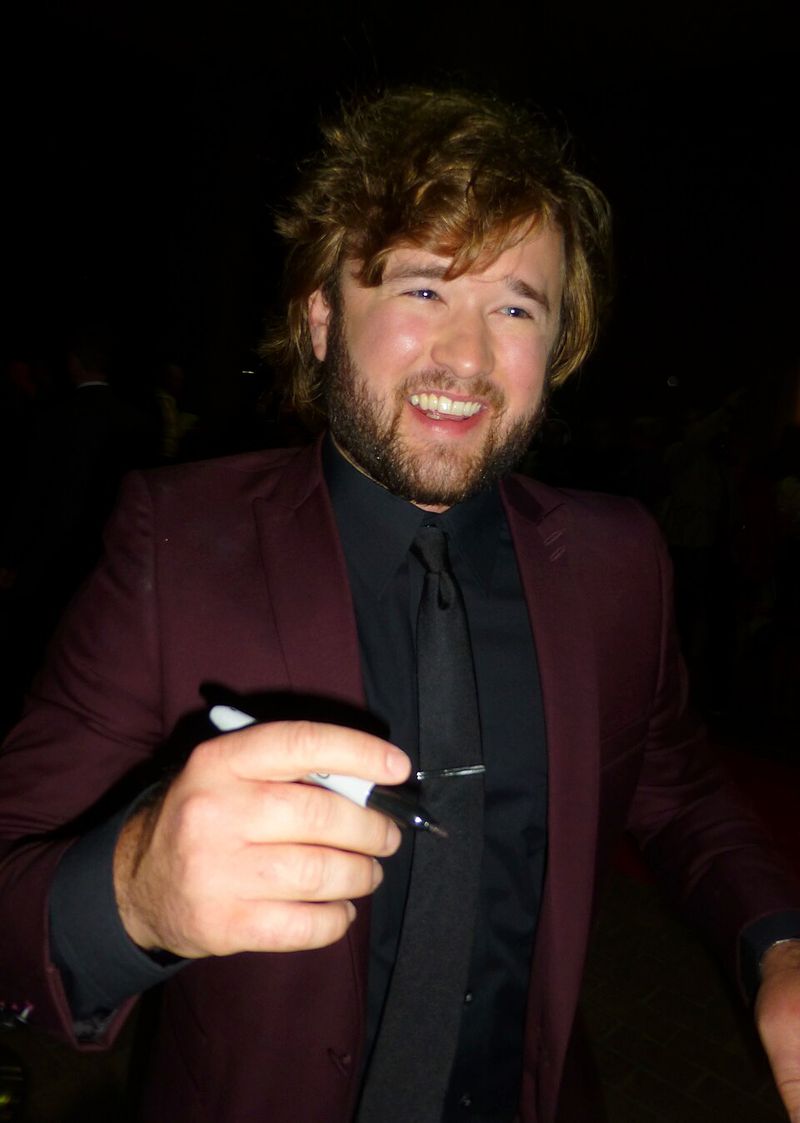
I see dead people. Four words, delivered by an eleven-year-old, and suddenly everyone in America was talking about Haley Joel Osment.
The Sixth Sense was a phenomenon, and his performance earned him an Academy Award nomination for Best Supporting Actor. That is an absurd achievement for a child actor, and he absolutely earned every bit of it.
The weight of those expectations followed him into adulthood. He continued acting through his teenage years in films like A.I. and Pay It Forward, but nothing recaptured that specific lightning-in-a-bottle moment.
Growing up on screen is tricky when audiences have already decided who you are.
Osment has built a solid adult career through character roles, voice acting, and television appearances. He seems grounded and genuinely passionate about the craft.
His career never disappeared, it just recalibrated. Still, few actors have ever peaked quite as dramatically young as he did, which is both impressive and a little bittersweet.
Mischa Barton

From 2003 to 2006, Mischa Barton was the face of teen television. Marissa Cooper on The O.C. was dramatic, beautiful, and constantly in crisis, which made for fantastic viewing.
Barton played the role with a natural ease that made her seem like the obvious next big thing in Hollywood film.
The transition from small screen sensation to movie star never clicked into place the way everyone expected. Her film choices did not generate the same buzz, and the tabloid coverage of her personal life became louder than her actual work.
The momentum she built on The O.C. did not transfer smoothly.
Barton has worked consistently since then, including reality television and international projects like the Australian soap Neighbours. She has spoken candidly about the mental health struggles she faced during her most scrutinized years.
Her story highlights how the entertainment industry can put enormous pressure on young women and then abandon them the moment the ratings dip.
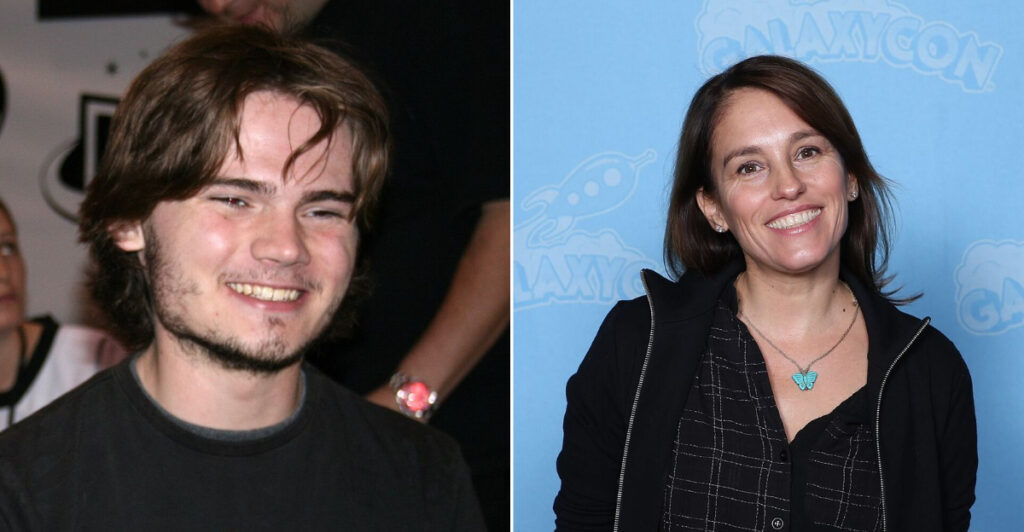
Amy Jo Johnson
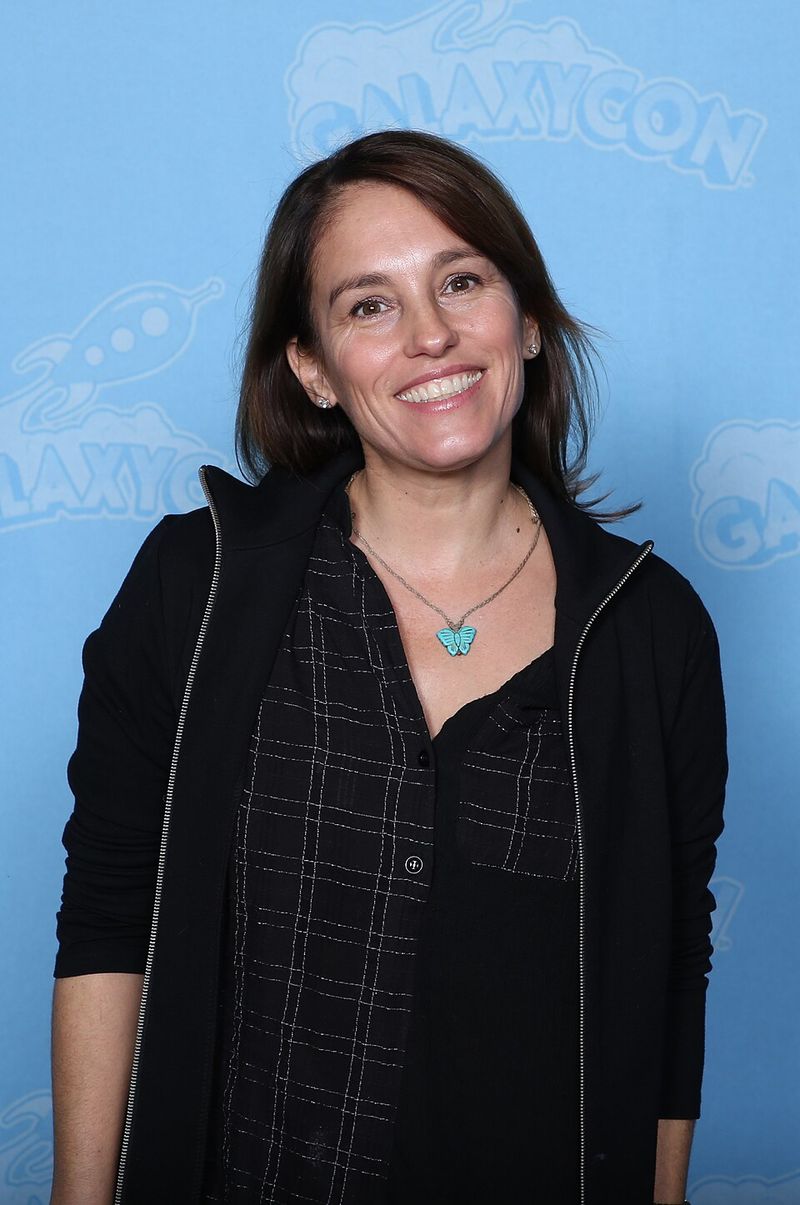
Amy Jo Johnson kicked, flipped, and morphed her way into millions of hearts as Kimberly Hart, the original Pink Ranger on Mighty Morphin Power Rangers. Saturday mornings were never the same.
She was athletic, likable, and had genuine charisma that made her stand out even in a spandex suit with a helmet on.
After Power Rangers, she moved into more serious television work with roles on Felicity and the Canadian drama Flashpoint, where she proved she could handle grounded, emotional material just fine. A big Hollywood film career, though, never quite materialized.
Rather than chasing roles that were not coming, Johnson pivoted toward music and independent filmmaking, directing her own projects with real creative vision. That kind of career reinvention takes guts and genuine artistic ambition.
She may not have become a movie star in the traditional sense, but she built something more interesting instead. Her path is honestly one of the more inspiring ones on this entire list.
Jonathan Brandis
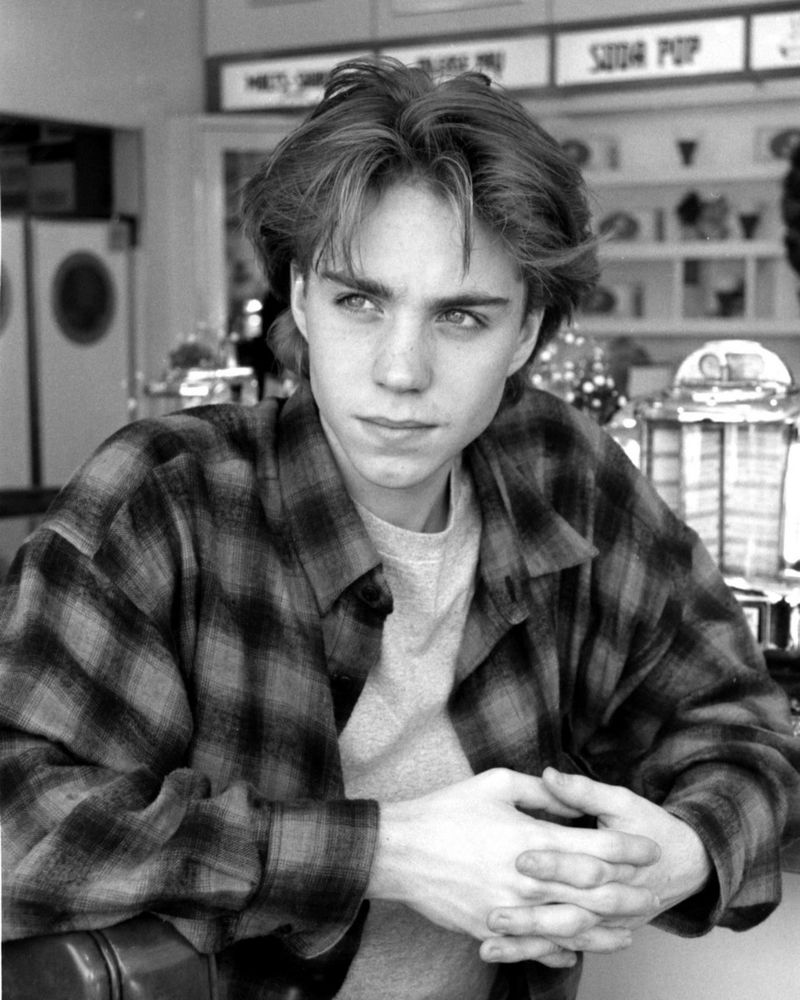
Jonathan Brandis had a fan base that would have made most adult stars jealous. Teen magazines could not get enough of him, and his roles in seaQuest DSV, Ladybugs, and The NeverEnding Story II gave him a solid foundation that looked ready to support a long career.
He was talented, good-looking, and genuinely well-liked.
As the 1990s wound down, the high-profile roles became harder to secure. The teen-heartthrob market shifted toward new faces, and Brandis found himself struggling to be taken seriously as an adult actor.
That painful transition from beloved young star to overlooked adult is one Hollywood repeats far too often.
Brandis died in November 2003 at age 27, and the entertainment world mourned a talent that deserved so much more runway. His story carries an extra layer of sadness because the potential was so clearly there.
He remains one of the most heartbreaking examples of what happens when a young career stalls before it ever gets the chance to fully bloom.
Share this story